













Some foods keep you satisfied for hours, while others leave you hungry again soon after. The difference often comes down to how your body and brain respond to what you eat.
Certain foods are especially good at working with your natural fullness signals, helping you feel more satisfied and less likely to reach for extra snacks.
This article is for general information only. Foods may affect individuals differently, and photos are for illustrative purposes. For personalised health or nutrition advice, always consult a qualified professional.
1. Porridge Oats
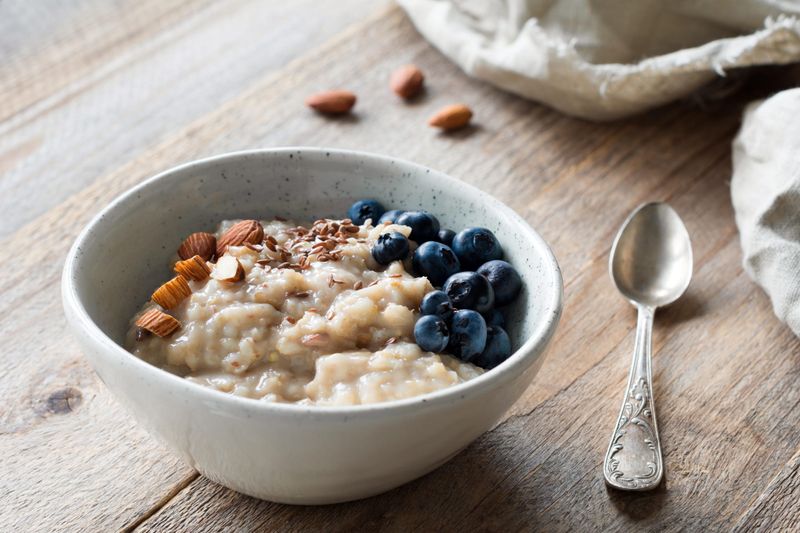
Picture this: it's a dreary Tuesday morning, and you've got a bowl of proper porridge made with Scottish oats. That creamy, stick-to-your-ribs feeling isn't just in your head.
Beta-glucan, the soluble fibre found in oats, forms a gel-like substance in your stomach that slows digestion. This sends powerful fullness signals to your brain.
A nutritionist from King's College London found that people eating oat-based breakfasts stayed satisfied 40% longer than those munching sugary cereals.
2. Jacket Potatoes
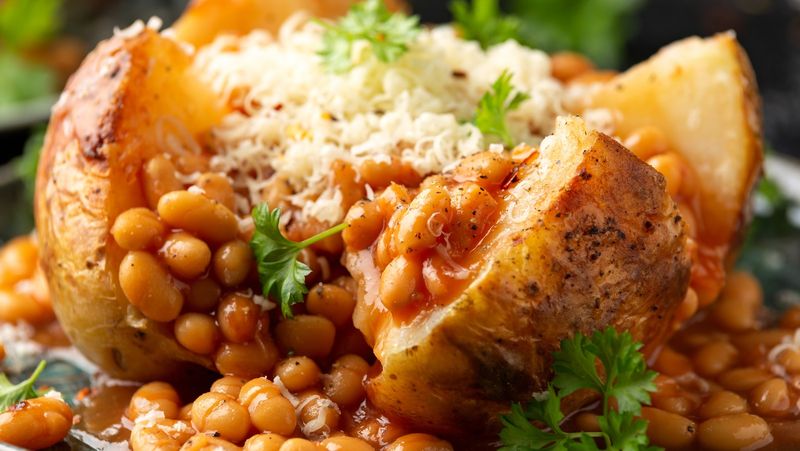
Believe it or not, spuds top the satiety index – a scientific ranking of how filling foods actually are. A proper jacket potato, skin and all, beats bread, pasta, and even steak for keeping you satisfied.
The secret lies in resistant starch, which your digestive system treats more like fibre than carbs. This magical compound triggers hormones that tell your brain you're properly fed.
Next time you're eyeing that Greggs sausage roll, consider a fluffy baked potato with beans instead.
3. Greek Yoghurt
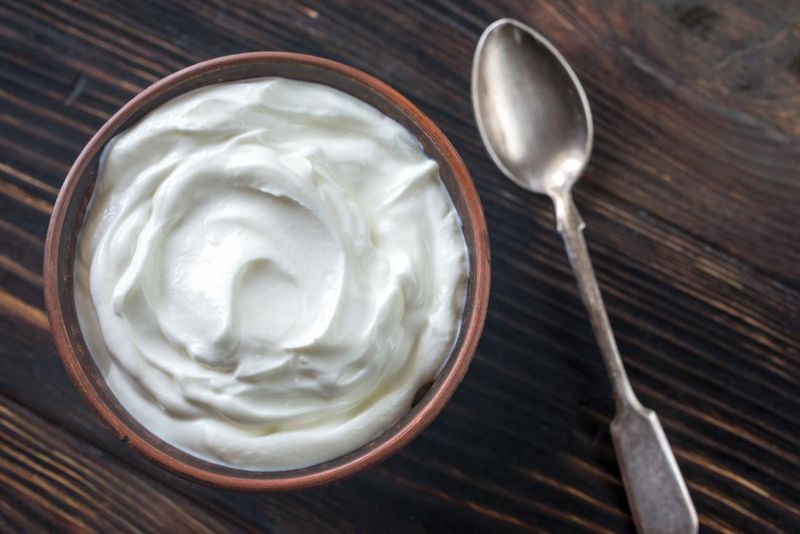
Here's something your nan probably didn't know: protein is the most filling macronutrient, and Greek yoghurt packs nearly double the protein of regular varieties. A 150g pot contains roughly 15 grams of the stuff.
This protein powerhouse triggers the release of peptide YY, a hormone that whispers 'you're done eating' directly to your brain. The thick, creamy texture also tricks your mind into thinking you've had something more indulgent.
Tesco's own-brand version works just as well as the fancy imported ones, by the way.
4. Apples
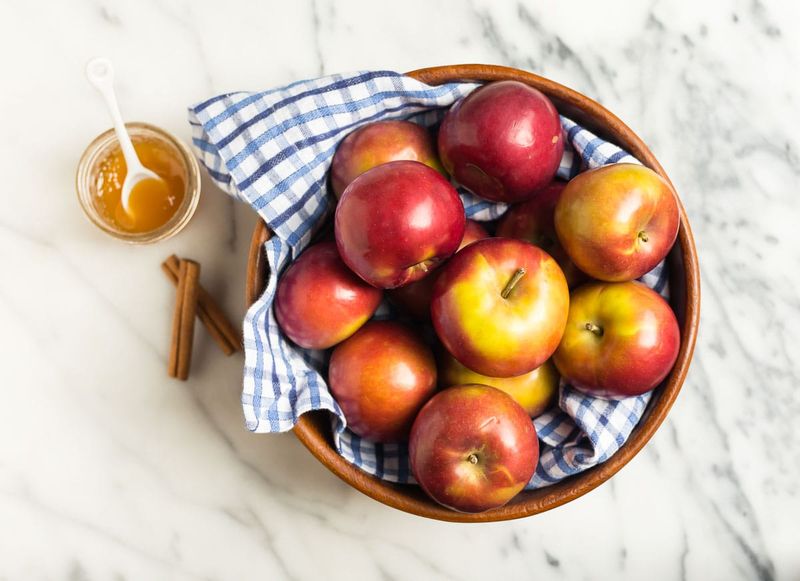
An apple a day might keep the doctor away, but it definitely keeps the munchies at bay too. These British orchard favourites contain pectin, a sneaky type of soluble fibre that swells in your stomach like a tiny sponge.
The physical act of crunching through a Braeburn or Cox's Orange Pippin also sends satisfaction signals to your brain. Studies show that people who eat whole apples feel fuller than those drinking apple juice with identical calories.
Plus, the natural sugars provide a gentle energy boost without the crash.
5. Baked Beans
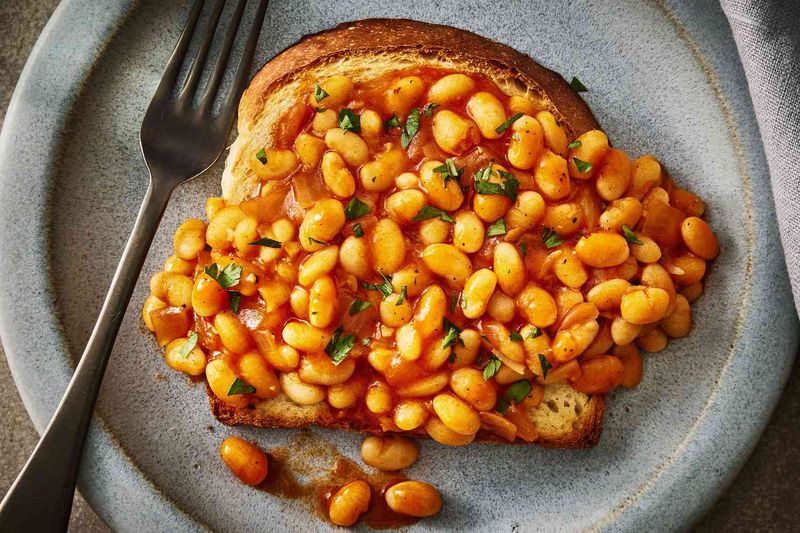
Those tins of Heinz beans lurking in your cupboard are secret satiety superstars. Packed with both protein and fibre, they're like a double agent working against your hunger pangs.
The combination of complex carbohydrates and plant protein creates a slow, steady release of energy that keeps blood sugar levels stable. This prevents the rollercoaster of hunger that comes with sugary snacks.
A single tin provides nearly half your daily fibre needs, and that roughage takes serious energy to digest, keeping your metabolism busy for hours.
6. Avocados
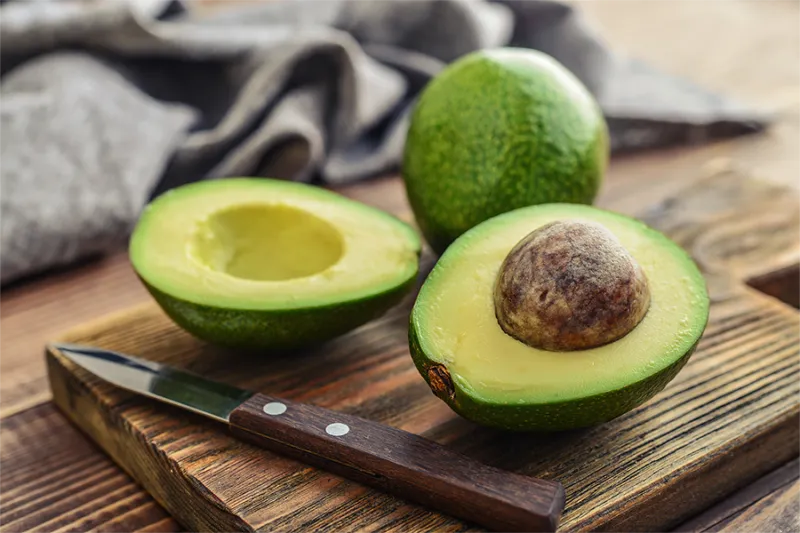
Before you roll your eyes about millennial food trends, hear this out. Avocados contain oleic acid, a healthy fat that actually communicates with your brain's hunger control centre.
This creamy green fruit (yes, it's technically a fruit) slows stomach emptying, meaning food stays put longer and sends extended fullness signals. The monounsaturated fats also help your body absorb nutrients more effectively.
Waitrose sells perfectly ripe ones if you can't be bothered with the guessing game of ripeness at other supermarkets.
7. Soup
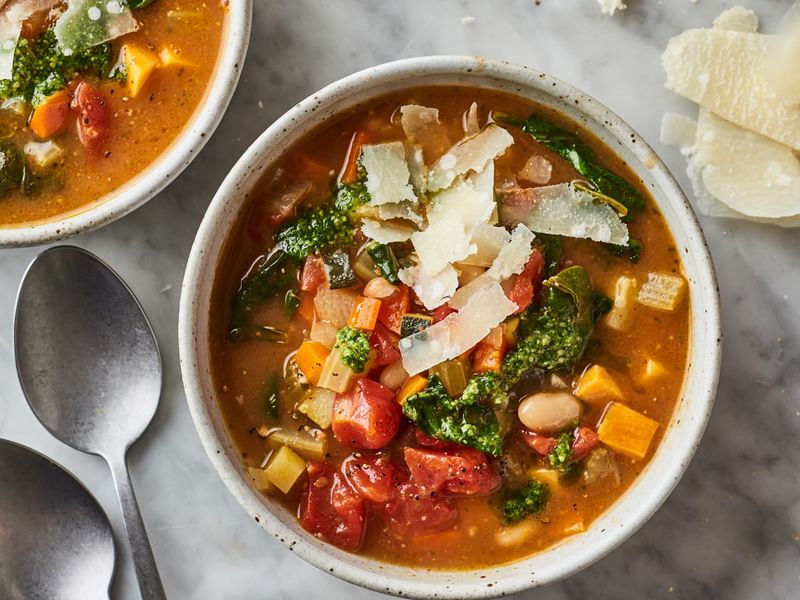
Scientists at Oxford University discovered something rather brilliant: blending food with water creates a more filling meal than eating the same ingredients separately with a glass of water alongside.
The liquid content of soup stretches your stomach, whilst the combination of ingredients takes more energy to process. Your brain receives multiple fullness signals from the volume, temperature, and varied textures.
Whether it's a proper minestrone from Sainsbury's or homemade leek and potato, soup consistently ranks high on satiety scales.
8. Eggs
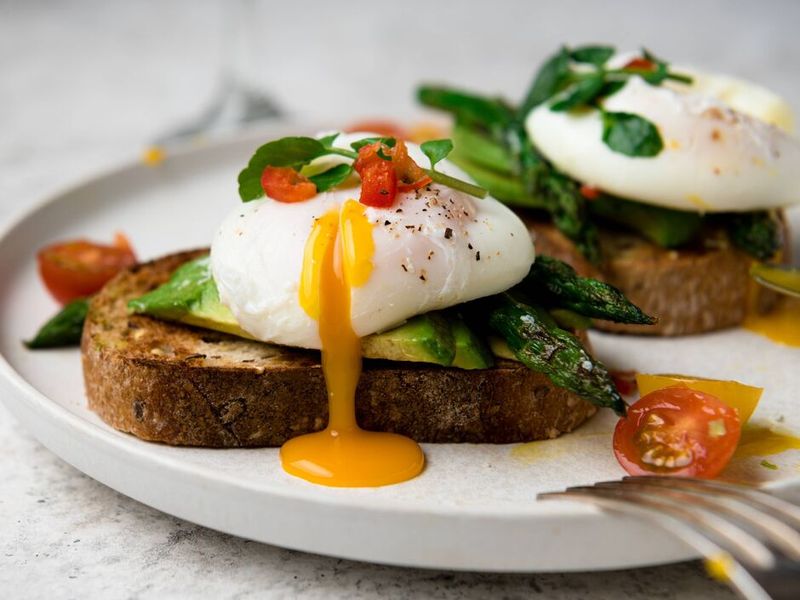
Two eggs for breakfast might seem simple, but they're actually performing complex biochemistry in your belly. The high-quality protein contains all nine essential amino acids, creating a sustained feeling of satisfaction.
Research from the University of Surrey found that people eating eggs for breakfast consumed 400 fewer calories throughout the day compared to those having cereal. The protein triggers cholecystokinin, a hormone that signals fullness.
Whether you prefer them scrambled, poached, or in a proper full English, eggs are hunger's kryptonite.
9. Almonds
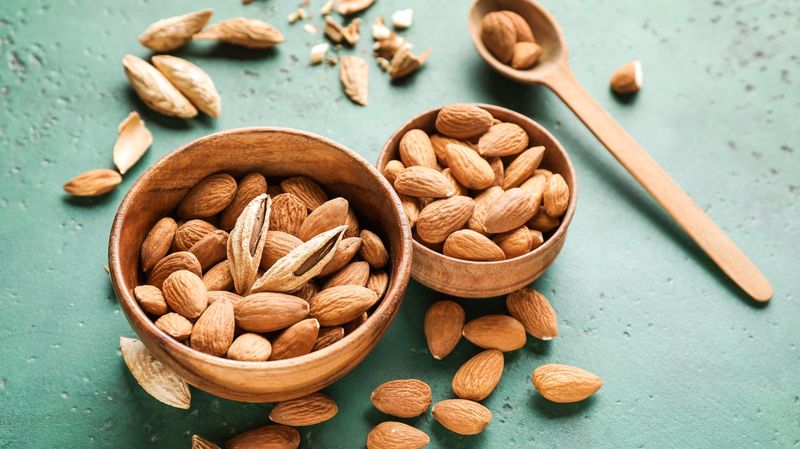
A handful of almonds contains about 160 calories, but here's the clever bit: your body doesn't absorb all of them. The tough cell walls mean roughly 20% of the calories pass straight through undigested.
The combination of protein, healthy fats, and fibre creates a trifecta of satiety signals. The act of chewing also helps, as it gives your brain time to register fullness before you overeat.
M&S sells lovely roasted ones, though the plain varieties from Aldi work just as well for keeping hunger pangs away.
10. Wholemeal Bread
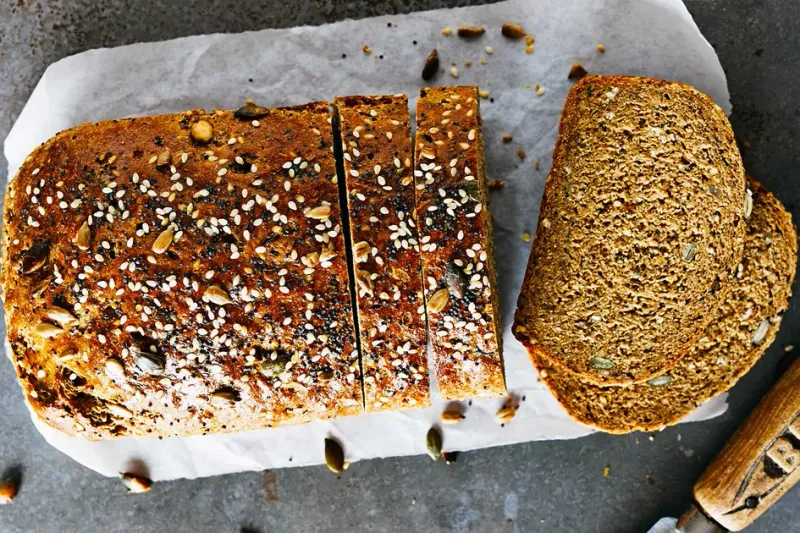
Not all carbs are created equal, and proper wholemeal bread proves this beautifully. Unlike its white cousin, wholemeal contains the entire grain, including the fibrous bran that slows digestion considerably.
This fibre content means your stomach has to work harder, sending prolonged satisfaction signals to your brain. The B vitamins also help regulate mood and energy levels, preventing those desperate afternoon snack attacks.
Hovis or Mother Pride both do decent wholemeal loaves that'll keep you going until your next proper meal without the sugar crash.



