













Baking without butter? Not a problem! Whether you've run out, are watching your saturated fat intake, or following a plant-based diet, there are plenty of alternatives that work brilliantly in your favourite recipes.
These substitutes can change the flavour and texture slightly, but often in delightful ways that might have you permanently switching from traditional butter.
This article is for general baking inspiration only. Ingredient results may vary based on recipe, preparation, and personal preference.
1. Coconut Oil
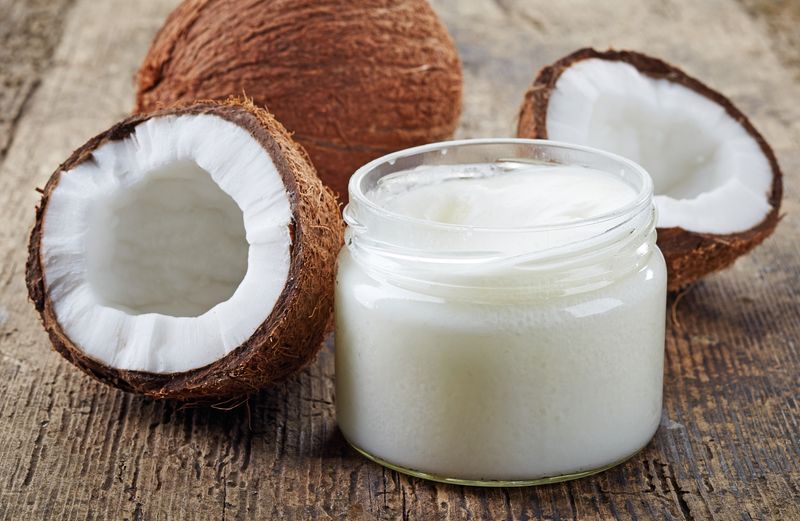
The solid-at-room-temperature nature of coconut oil makes it perfect for creating that classic crisp-edged, chewy-centred cookie texture. Use it in a 1:1 ratio for butter.
Be aware that unrefined versions will impart a tropical flavour to your bakes – brilliant for coconut biscuits, perhaps less ideal for savoury pastry!
2. Olive Oil
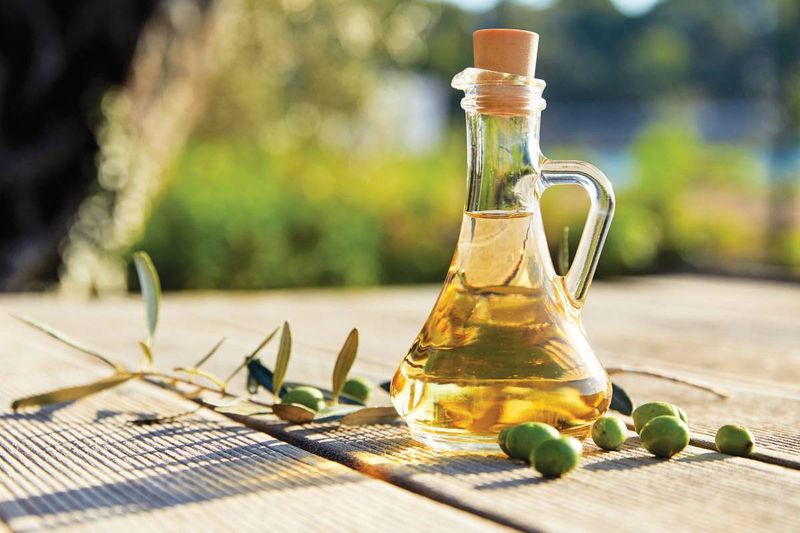
Extra virgin olive oil works wonderfully in Mediterranean-inspired treats like biscotti or olive oil cake. The fruity notes complement citrus flavours beautifully.
For milder bakes, choose a light olive oil that won't overpower your recipe. Remember to use about 75% of the butter amount called for in your recipe.
3. Vegetable Oil
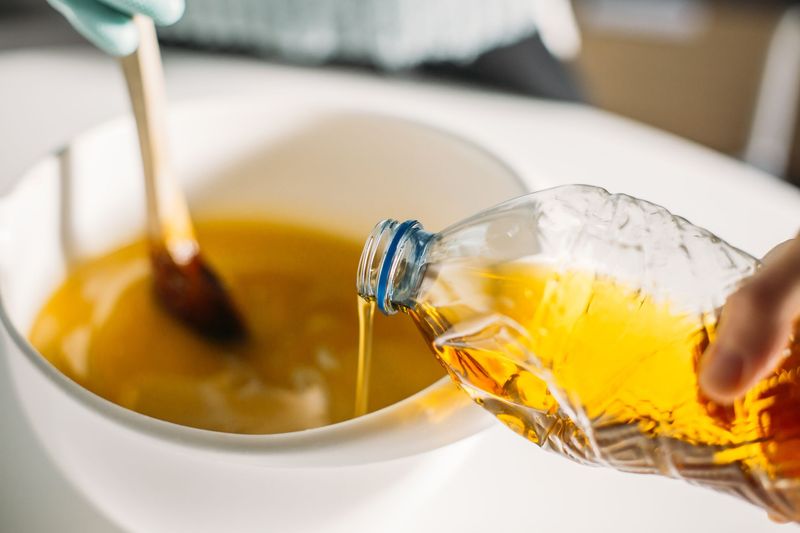
Nearly flavourless and incredibly versatile, vegetable oil creates exceptionally moist cakes and soft cookies. The neutral taste won't compete with other ingredients in your recipe.
For best results, use about 75-80% of the butter amount called for. Your baked goods might spread a bit more, so consider chilling the dough before baking.
4. Margarine
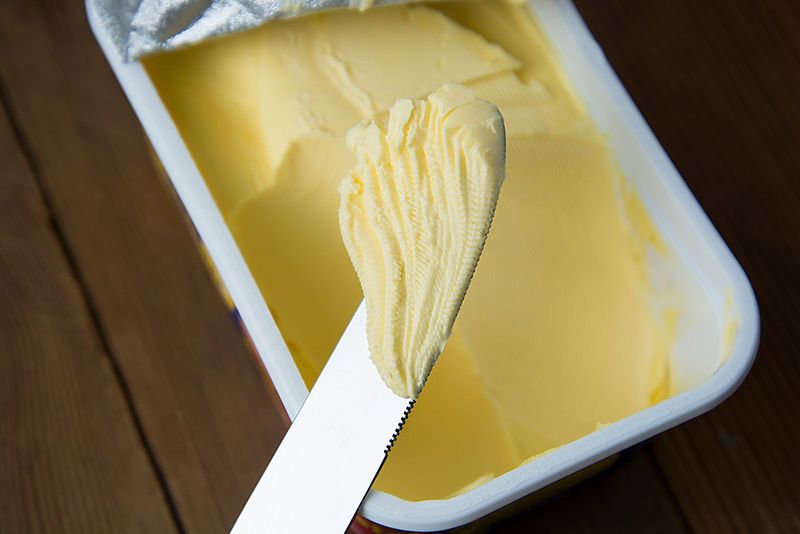
The classic butter substitute behaves similarly in recipes because it's specifically designed to do so. Look for high-fat varieties (at least 80%) for best baking results.
Some margarines contain water, which can affect texture. Stick margarines typically work better than tub versions for baking, especially in pastries where solid fat is needed.
5. Greek Yoghurt
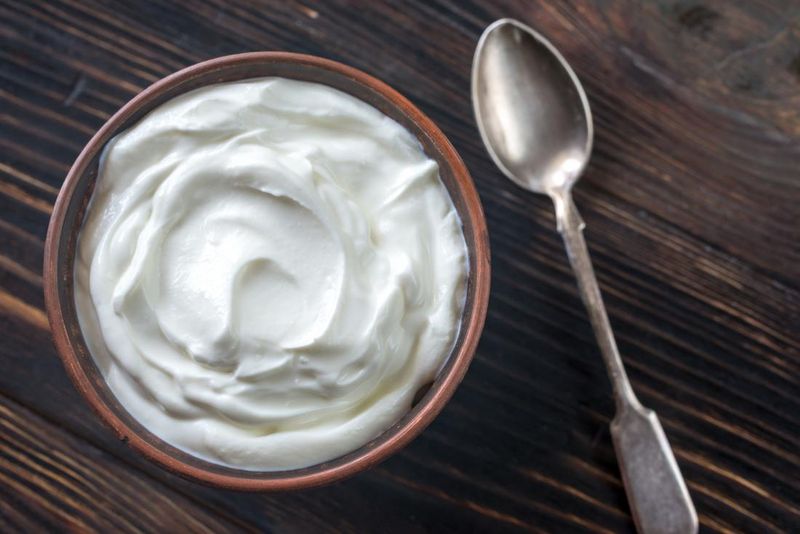
Tangy and protein-packed, Greek yoghurt creates wonderfully tender muffins and quick breads. Full-fat versions work best for replacing butter in most recipes.
The acidity reacts beautifully with baking soda to help bakes rise. For cookies and cakes, you might need to combine it with a bit of oil for best results.
6. Mashed Bananas
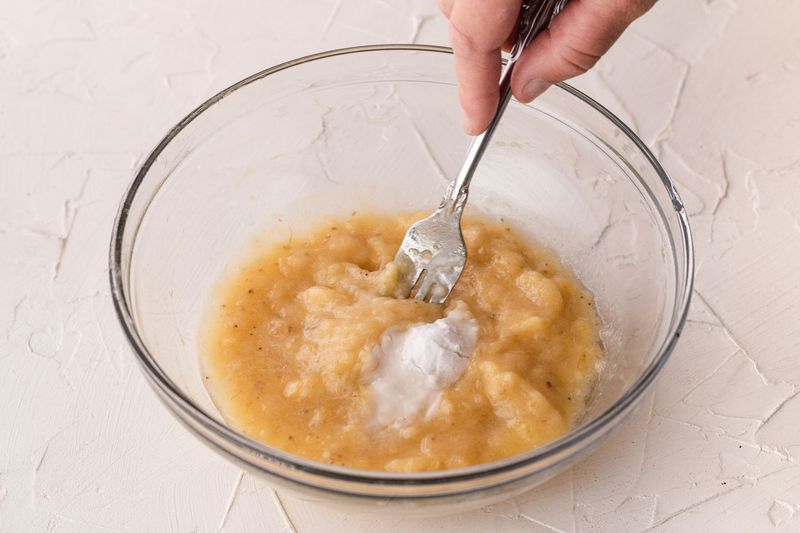
Overripe bananas with brown speckles provide natural sweetness and moisture to bakes. They work particularly well in breakfast treats like muffins and quick breads.
The distinctive flavour pairs beautifully with chocolate, nuts, and spices. You'll need about the same amount of mashed banana as the butter called for in your recipe.
7. Applesauce
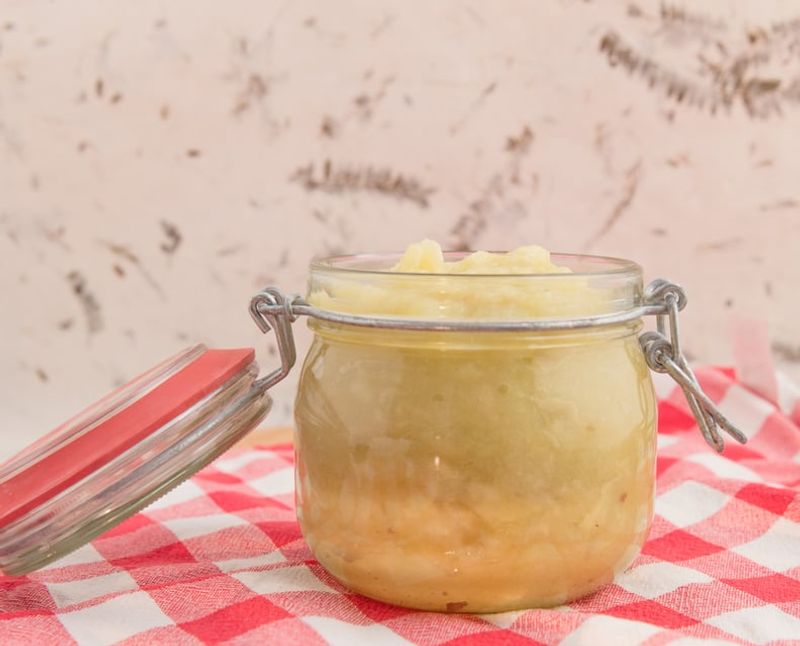
Unsweetened applesauce creates incredibly moist, tender baked goods with fewer calories. The subtle apple flavour works wonderfully with cinnamon and other warm spices.
For best results, replace half the butter with applesauce. Using too much can make your bakes gummy, so this half-and-half approach often yields the perfect texture balance.
8. Nut Butters (Peanut, Almond, Cashew)
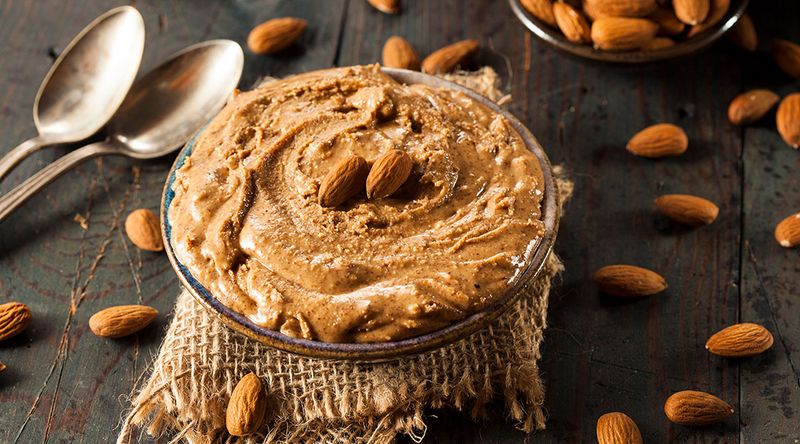
Rich and flavourful, nut butters add protein and healthy fats to your bakes. They create wonderfully chewy cookies with distinctive nutty undertones. Smooth varieties work best for most recipes. Natural nut butters might separate, so give them a good stir before measuring.
They shine especially in chocolate chip cookies and brownies.
9. Avocado Purée
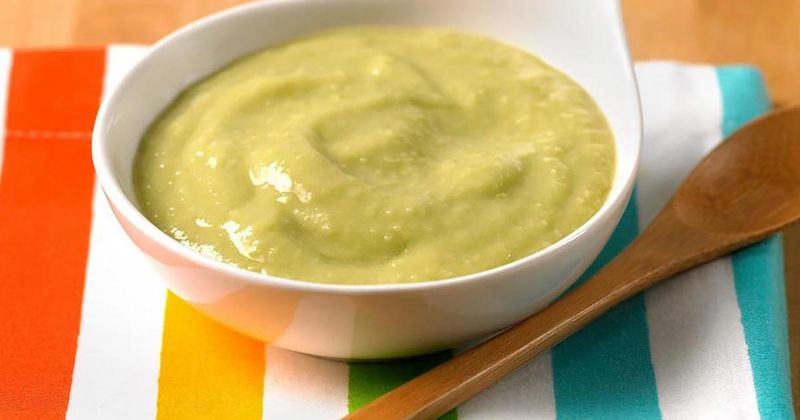
Perfectly ripe avocados create an amazingly buttery texture in brownies and chocolate bakes. The mild taste disappears behind stronger flavours like cocoa or cinnamon. Simply mash until completely smooth for best results.
The natural fats in avocados produce tender bakes with a subtle richness that's particularly good in chocolate recipes.
10. Pumpkin Purée
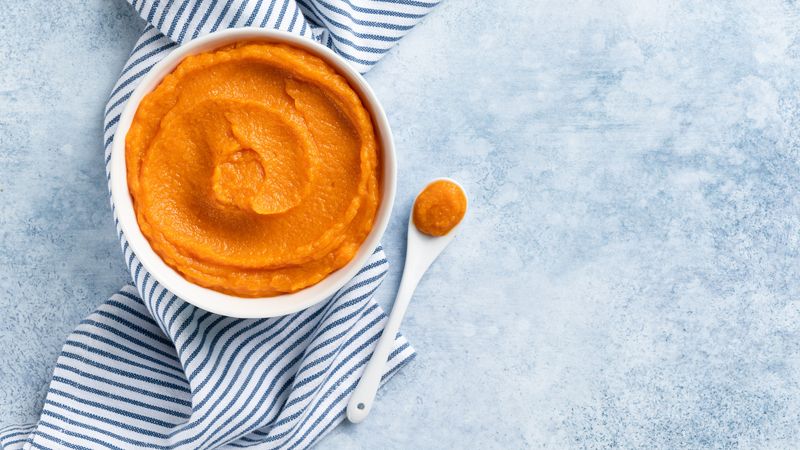
Sweet, earthy pumpkin purée adds vibrant colour and moisture to autumn-inspired treats. The natural sweetness means you can often reduce sugar in your recipe too. Works brilliantly in spiced cookies, muffins, and quick breads.
For best results, drain excess moisture if your purée seems watery, as this could affect your final texture.
11. Shortening
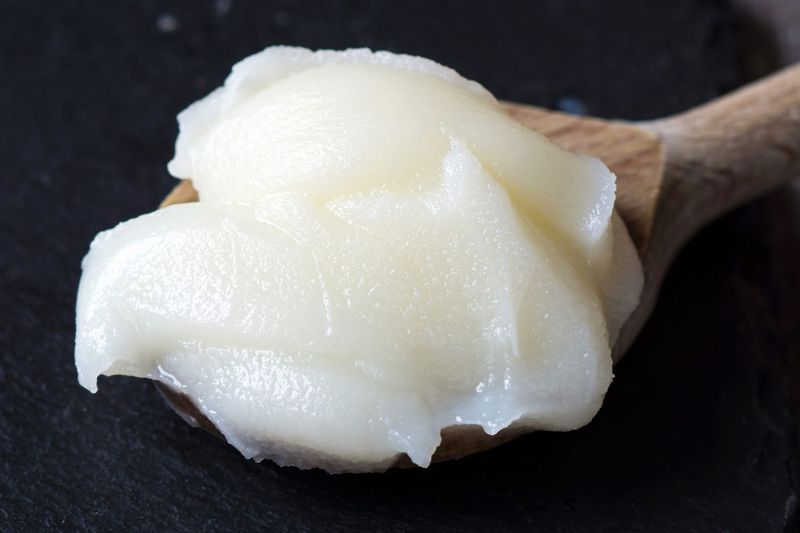
Made from vegetable oils, shortening creates exceptionally tender, flaky pastries and cookies with well-defined edges. Unlike butter, it contains no water, which affects how baked goods rise and spread. Use in a 1:1 ratio for butter.
Many modern shortenings are reformulated to reduce or remove trans fats.



