













Root vegetables might not shout for attention, but they’ve long been a backbone of British cooking. From classics like potatoes to colourful options such as beetroot, these staples can turn into dishes that are both hearty and full of flavour.
Whether adding depth to a Sunday roast or bringing comfort to a midweek supper, they prove that simple ingredients often go the furthest.
This article is for general information only. Taste, appearance, and availability of vegetables may vary, and photos are for illustrative purposes.
1. Roast Them With Herbs And Garlic
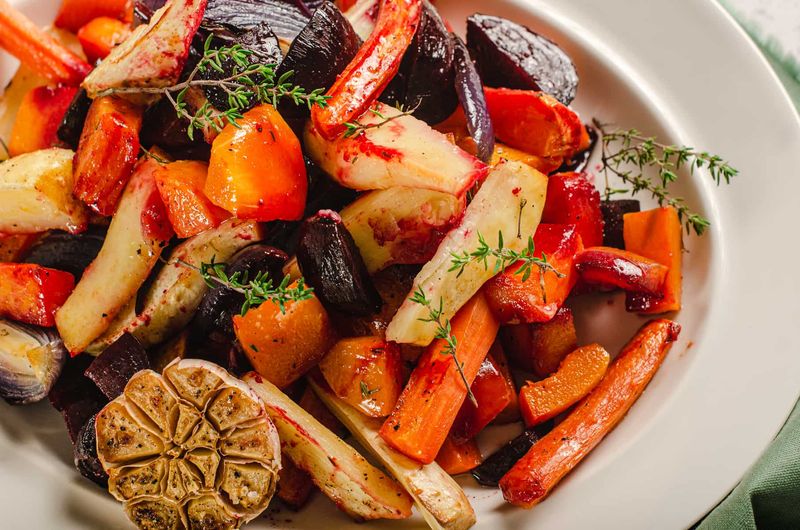
Nothing beats the smell of root vegetables slowly caramelising in the oven on a Sunday afternoon. Parsnips, carrots, and potatoes become golden and crispy on the outside whilst staying fluffy inside.
Toss them with olive oil, fresh rosemary, and crushed garlic before roasting at 200°C. The natural sugars develop beautifully, creating those coveted crispy edges that make everyone fight over the last piece.
2. Make A Hearty Root Vegetable Soup

When the weather turns proper grim, there's nothing quite like a steaming bowl of root vegetable soup to warm your bones. Butternut squash, sweet potato, and carrots blend into liquid comfort.
Add a splash of coconut milk for richness and a pinch of warming spices like cumin or paprika. Serve with crusty bread for dunking – it's basically a hug in a bowl that costs pennies to make.
3. Create Crispy Root Vegetable Chips
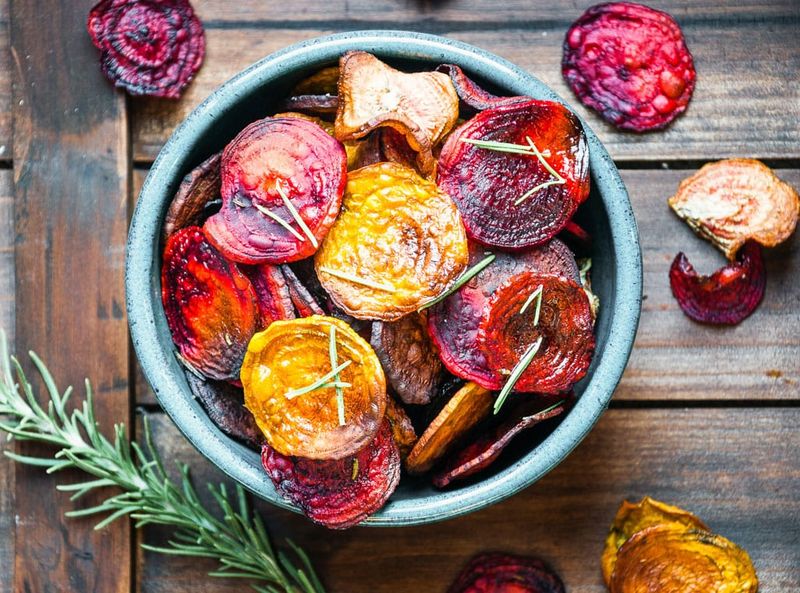
Forget expensive shop-bought crisps when you can make your own colourful chips from beetroot, sweet potato, and parsnips. Slice them paper-thin using a mandoline or sharp knife.
A light coating of oil and sea salt is all you need before baking until they're perfectly crispy. These vibrant chips make brilliant party snacks and are surprisingly addictive – you've been warned about polishing off the entire batch!
4. Mash Them Into Creamy Perfection
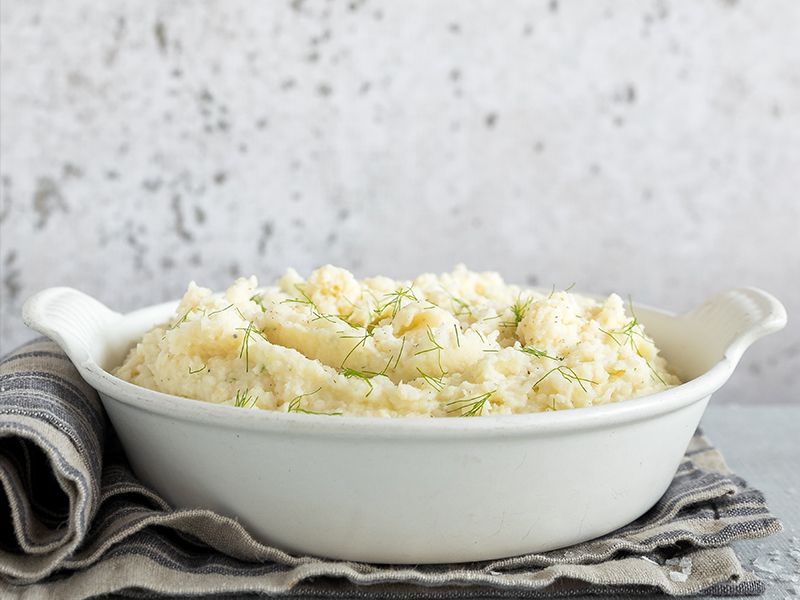
Move over plain potato mash – mixing root vegetables creates something far more interesting for your taste buds. Celeriac and potato make an incredibly smooth, buttery combination that's become quite trendy.
Sweet potato mash with a knob of butter and black pepper offers natural sweetness. Even turnips and swede, often overlooked, create wonderfully earthy mashes that pair beautifully with sausages or roast beef on cold evenings.
5. Grate Them Raw Into Fresh Salads
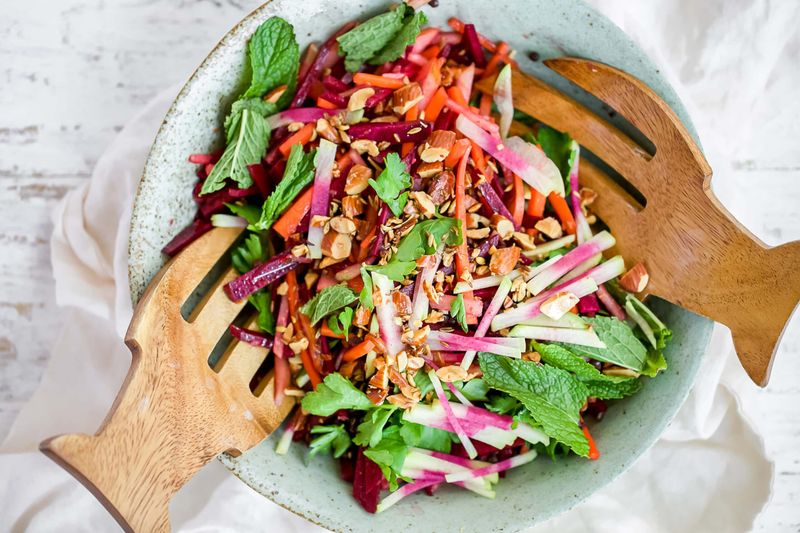
Raw root vegetables bring unexpected crunch and colour to winter salads when fresh leaves are scarce and expensive. Carrots, beetroot, and radishes grate beautifully for vibrant, nutritious bowls.
A simple dressing of lemon juice, olive oil, and honey brings out their natural sweetness. Add some toasted seeds or nuts for extra texture – it's a refreshing change from heavy winter meals that still feels substantial.
6. Turn Them Into Warming Curries

Root vegetables absolutely shine in spicy curries, soaking up all those gorgeous flavours whilst holding their shape beautifully. Sweet potatoes and butternut squash work particularly well with coconut-based sauces.
Carrots and potatoes make excellent additions to traditional British curry house favourites. The natural sweetness balances the heat perfectly, creating satisfying vegetarian meals that even the most dedicated meat-eaters will thoroughly enjoy and request again.
7. Pickle Them For Tangy Treats
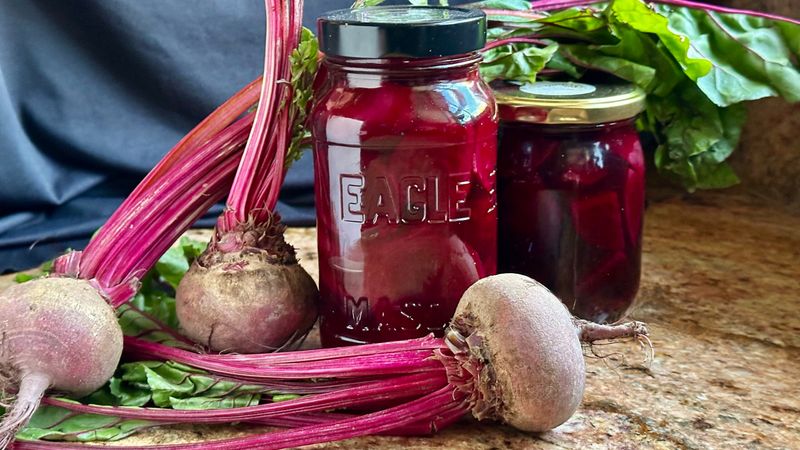
Pickled vegetables are having quite the moment, and root vegetables pickle beautifully for months of tangy enjoyment. Beetroot creates that classic purple pickle we all remember from childhood.
Turnips, radishes, and carrots develop wonderful sharp flavours that cut through rich foods perfectly. Quick pickling takes just hours, whilst traditional methods create deeper, more complex flavours that transform simple roots into gourmet accompaniments for cheese boards.
8. Bake Them Into Sweet Treats

Root vegetables make surprisingly excellent ingredients for cakes and baked goods, adding natural moisture and sweetness. Carrot cake remains a British favourite for good reason.
Sweet potato creates incredibly moist brownies, whilst beetroot adds gorgeous colour to chocolate cakes without any earthy taste. Parsnip cake might sound odd, but it's absolutely delicious with cream cheese frosting – trust the process and prepare to be amazed by these unconventional baking successes.
9. Stuff Them With Delicious Fillings

Large root vegetables make brilliant natural vessels for hearty stuffings that satisfy even the hungriest appetites. Sweet potatoes and butternut squash are particularly good for this technique.
Scoop out the flesh, mix with cheese, herbs, and breadcrumbs, then pile everything back inside before baking. The result is an impressive-looking dish that's actually quite simple to prepare but feels properly restaurant-worthy for Sunday dinners or entertaining guests.
10. Spiralise Them Into Healthy Noodles
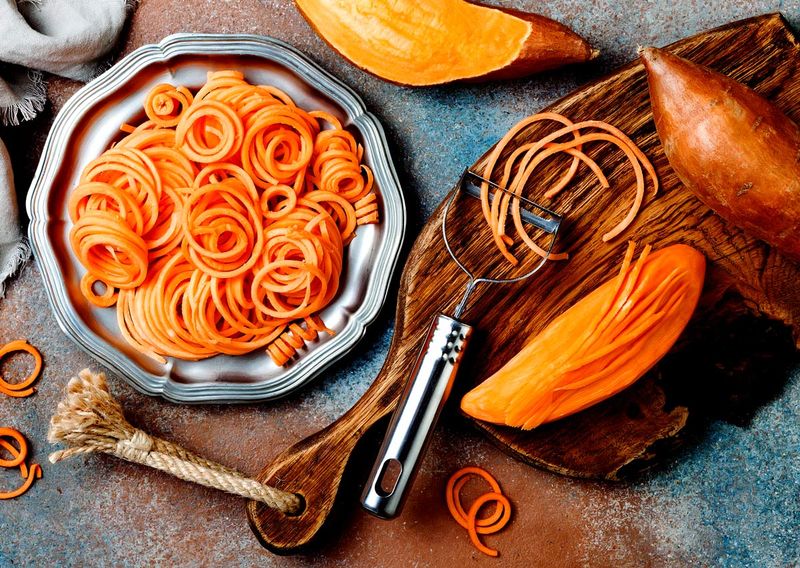
Spiralising root vegetables creates brilliant low-carb alternatives to pasta that actually taste good, unlike some health food disappointments. Sweet potato noodles have become particularly popular recently.
Butternut squash spirals work wonderfully with creamy sauces, whilst beetroot creates stunning pink noodles that photograph beautifully. A quick sauté in the pan with garlic and olive oil is usually enough – they're naturally sweet and satisfying without heavy sauces.
11. Ferment Them Into Gut-Friendly Foods
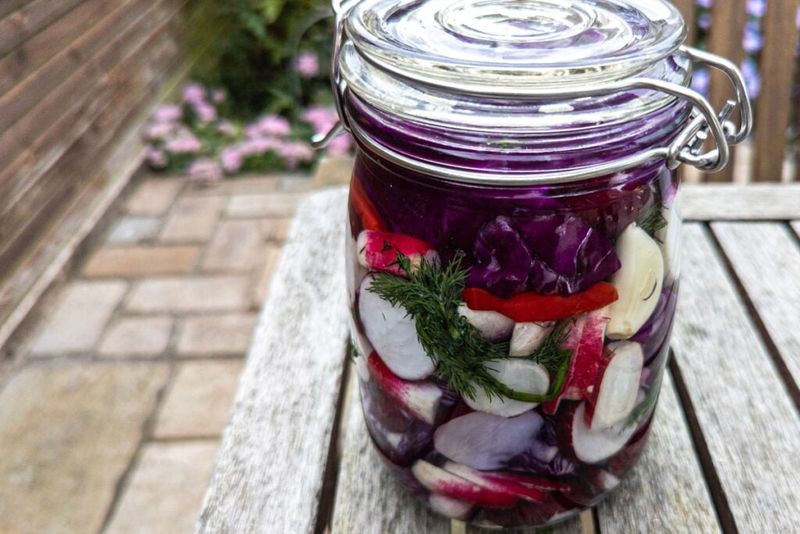
Fermentation transforms humble root vegetables into complex, tangy superfoods that support digestive health brilliantly. Traditional sauerkraut often includes carrots and turnips for extra flavour and crunch.
Beetroot ferments create gorgeous pink krauts that taste amazing with sausages. The process is surprisingly simple – just salt, time, and patience create these probiotic powerhouses. Start small with quick ferments before attempting longer, more complex projects that develop deeper flavours.



