













Pastry is one of the building blocks of baking that turns ordinary ingredients into extraordinary treats. From flaky croissants to crisp tart shells, different pastries create unique textures and flavours in our favourite baked goods.
Understanding these basic pastry types will help you recognise what makes each special and might even inspire you to try making them at home!
This article is for general informational purposes only. Baking results may vary depending on recipe, ingredients, and technique.
1. Shortcrust Pastry

The workhorse of the pastry world! Made by rubbing cold butter into flour until it resembles breadcrumbs, then binding with a little cold water.
Its crumbly, tender texture makes it perfect for savoury pies and quiches. The secret to good shortcrust? Handling the dough as little as possible to prevent gluten development.
2. Sweet Shortcrust Pastry (Pâte Sucrée)
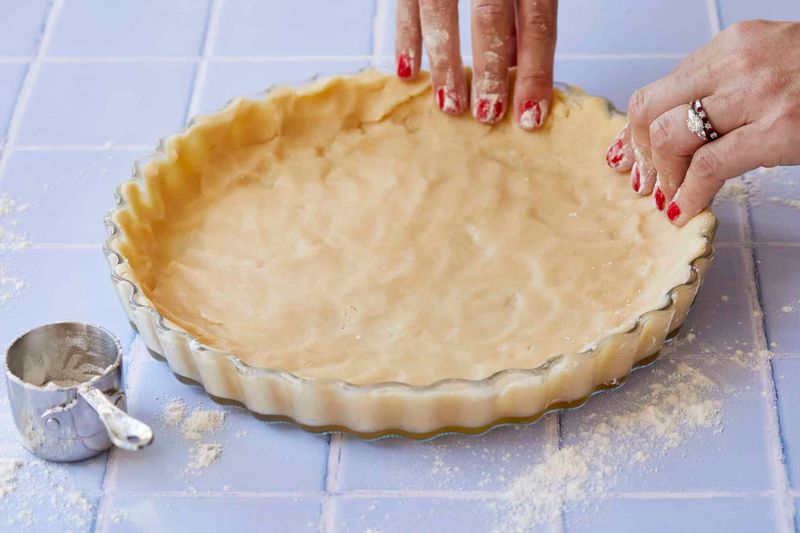
The delightful cousin of regular shortcrust with added sugar and sometimes egg yolks for richness. This sweet version creates a cookie-like base for fruit tarts and desserts.
The dough feels more like play-dough when rolled. Unlike its savoury counterpart, sweet shortcrust actually benefits from a bit more handling to develop structure.
3. Puff Pastry
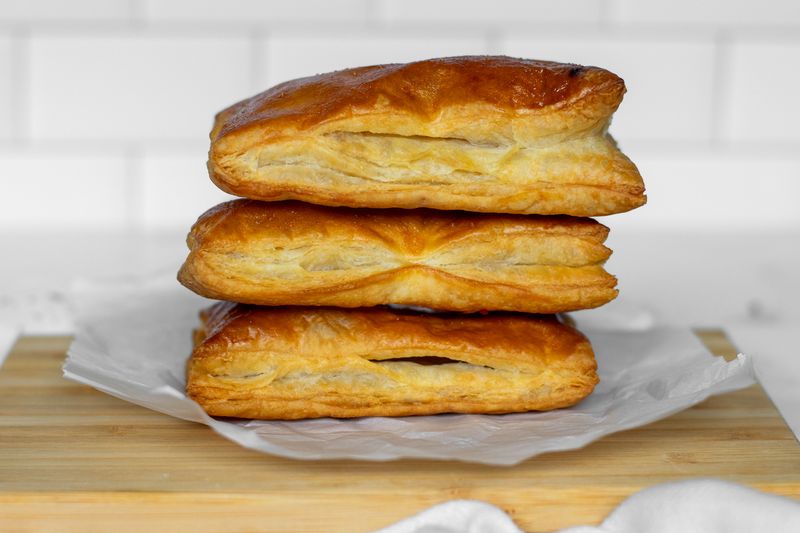
A marvel of baking engineering! Created by folding butter between layers of dough repeatedly, puff pastry can rise to eight times its original height when baked.
The steam from melting butter creates those signature flaky layers. Though time-consuming to make from scratch, ready-made versions work brilliantly for quick pastries like sausage rolls and palmiers.
4. Rough Puff Pastry
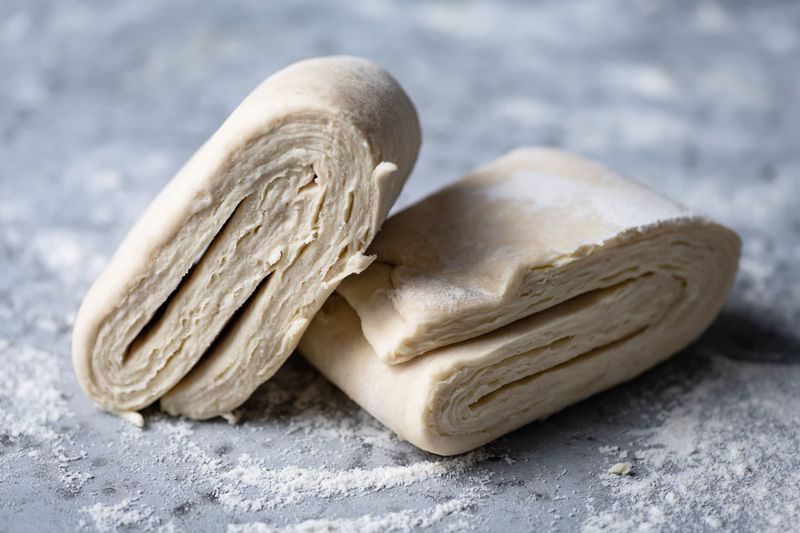
The cheeky shortcut to traditional puff pastry! Rather than creating a butter block, chunks of butter are mixed directly into the dough before folding.
While not achieving quite the same height as classic puff, rough puff still creates impressive flaky layers. Home bakers love this method because it's faster and more forgiving than traditional puffed pastry.
5. Choux Pastry
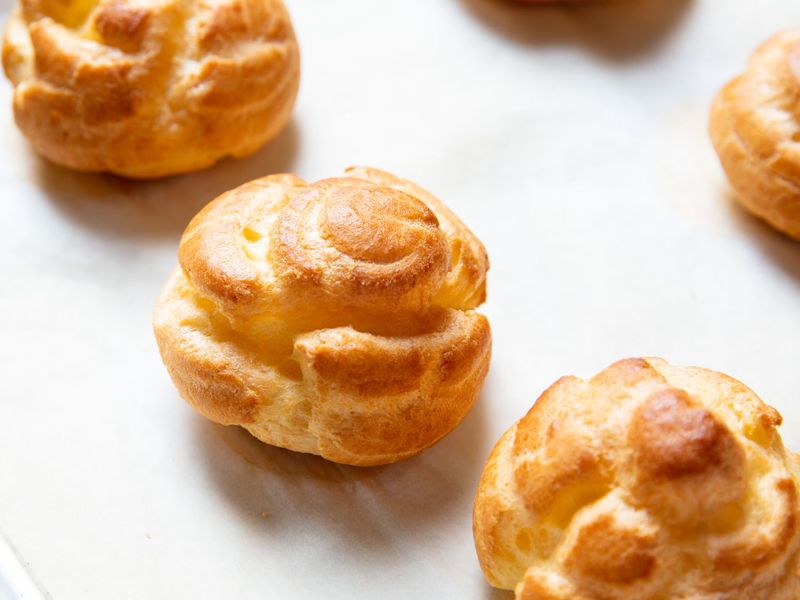
The magical mixture that transforms from thick batter to hollow puffs! Unlike other pastries, choux is cooked twice – first on the stovetop, then in the oven.
Water evaporating during baking creates that signature hollow center perfect for filling. From cream-filled éclairs to cheesy gougères, choux pastry's versatility makes it a favourite among professional and home bakers alike.
6. Filo (Phyllo) Pastry
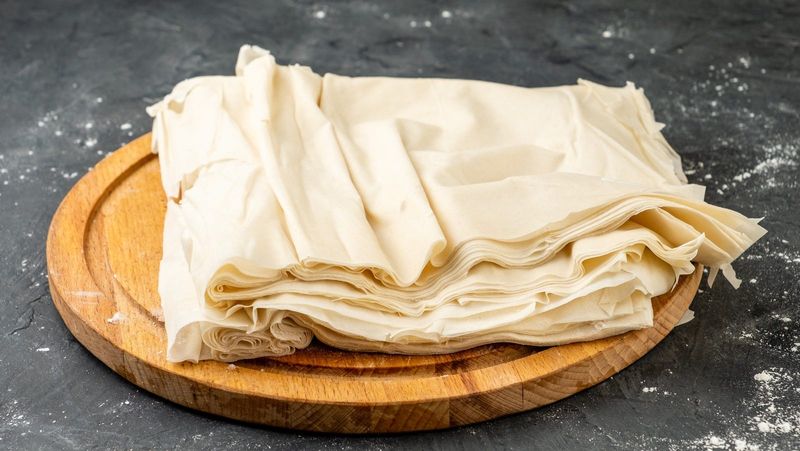
Whisper-thin sheets that crackle with deliciousness! Originating in Middle Eastern and Mediterranean cuisines, filo requires patience to stretch dough until nearly transparent.
Brush each delicate sheet with butter before layering to create that signature shatteringly crisp texture. Most home cooks opt for ready-made filo sheets found in supermarket freezers for baklava, samosas, or spinach pies.
7. Hot Water Crust Pastry
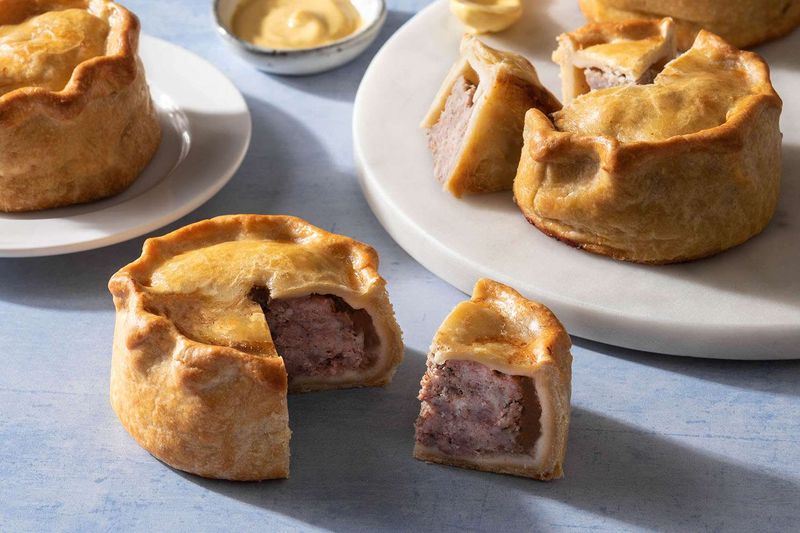
The sturdy fortress of the pastry world! Made by mixing flour with hot water and melted fat, this creates a pliable dough that can be molded into freestanding shapes.
Traditionally used for British pork pies, the robust structure holds heavy fillings without collapsing. Unlike most pastries that require cold ingredients, hot water crust actually benefits from warmth during handling.
8. Suet Crust Pastry
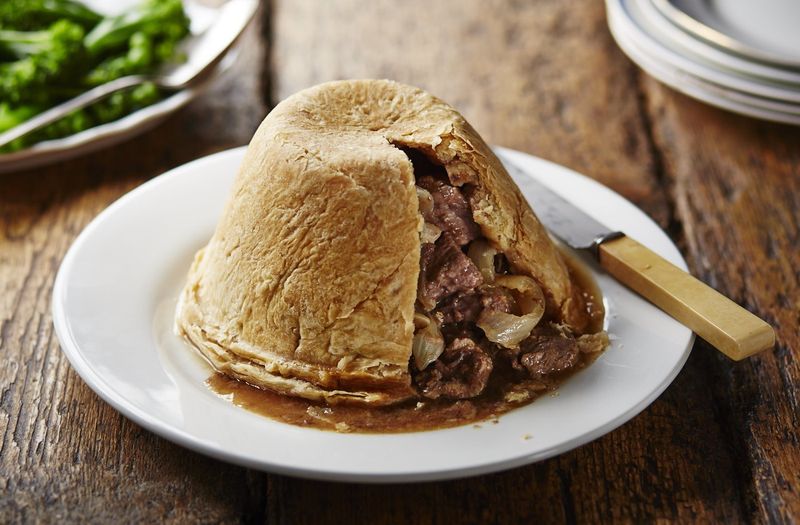
The hearty, traditional topping for British puddings! Made with beef suet (hard fat from around the kidneys) or vegetable alternatives mixed into flour and water.
The resulting pastry steams rather than bakes, creating a soft, dumpling-like texture. Classic comfort dishes like steak and kidney pudding or spotted dick rely on suet pastry's unique ability to withstand long, moist cooking methods.



