













There’s something about autumn that makes food feel extra comforting – and with good reason. This time of year, British markets and supermarket shelves are brimming with seasonal produce that’s as nourishing as it is flavourful.
From earthy root veg to crisp apples and rich squashes, autumn offers the perfect mix of ingredients to warm you up and keep meals feeling fresh and satisfying.
This article is for general information and entertainment purposes only. Always check with a qualified professional for health or dietary advice. Photos are for illustrative purposes only and may not reflect actual products.
1. Butternut Squash
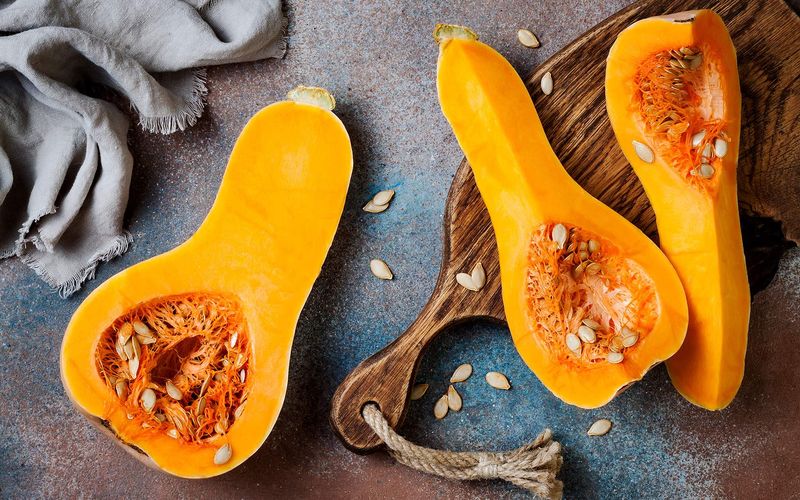
Picture a vegetable that looks like a giant peanut but tastes like autumn sunshine. Butternut squash becomes ridiculously sweet when roasted, transforming from rock-hard to silky smooth.
British supermarkets stock these beauties from September through March, making them brilliant value for money. One squash feeds a family of four easily.
Roast chunks with honey and thyme, or blend into velvety soups that'll make your kitchen smell like heaven.
2. Conference Pears
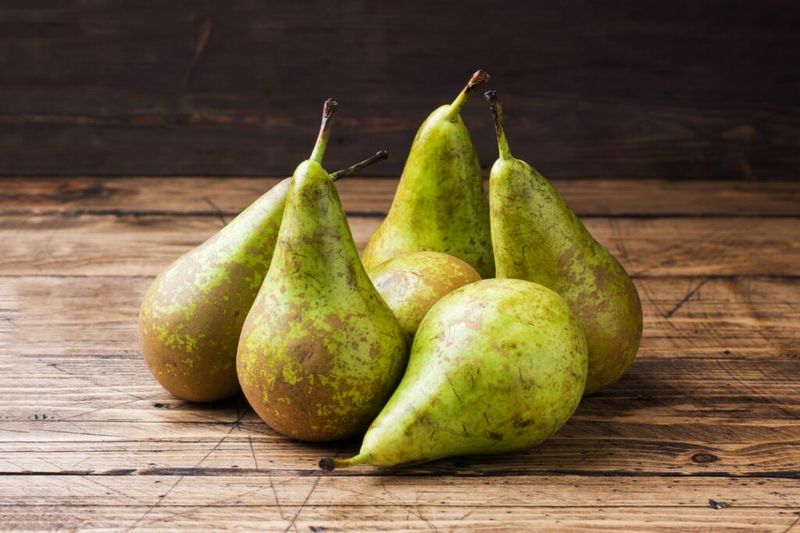
Conference pears ripen just as the leaves start turning, delivering that perfect balance of sweet and subtle that makes them uniquely British. These elongated beauties were actually bred right here in Berkshire back in 1894.
Unlike imported varieties, British Conference pears have travelled mere miles, not thousands. They're brilliant poached in red wine or simply eaten fresh.
Check for gentle yielding near the stem – that's your cue for perfect ripeness.
3. Purple Sprouting Broccoli
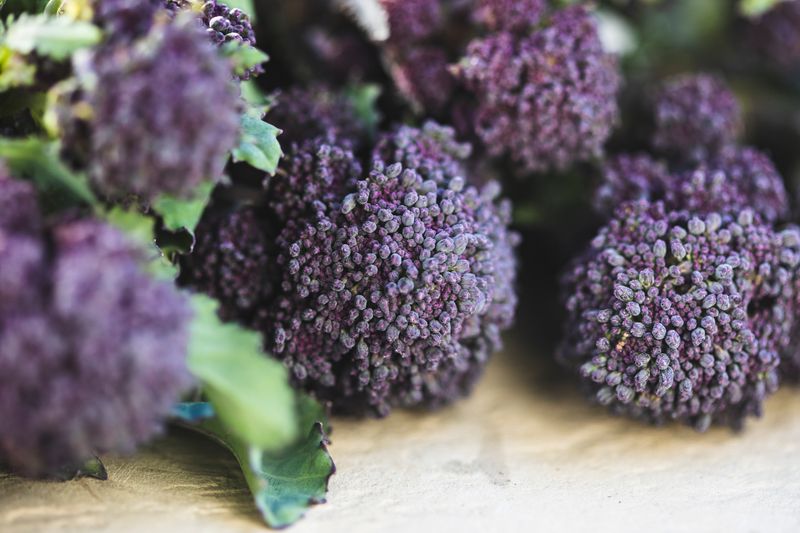
Most people think broccoli season ends with summer, but they're missing out on purple sprouting broccoli's late winter magic. This gorgeous vegetable starts appearing in February, bridging that tricky gap between seasons.
The purple heads turn bright green when cooked, delivering a sweeter, more delicate flavour than regular broccoli. Steam lightly and finish with lemon and almonds.
British growers have perfected this crop, making it fresher and cheaper than imported alternatives during its natural season.
4. Cox's Orange Pippin
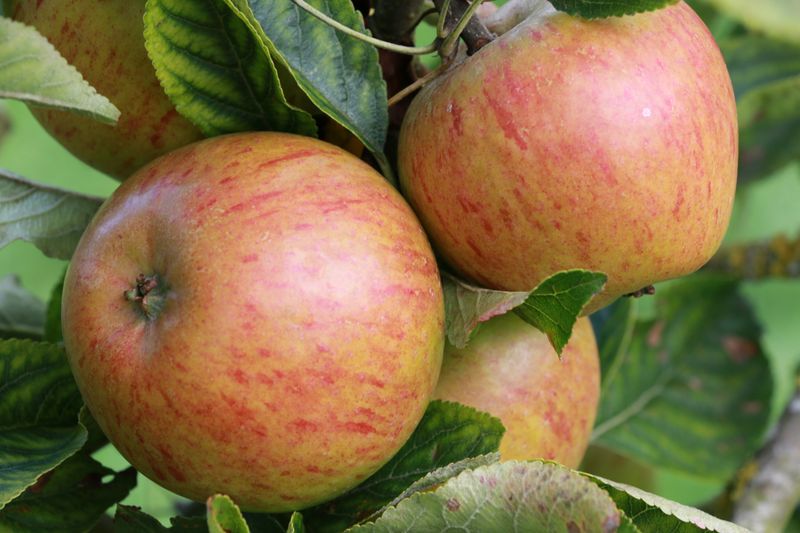
If apples had royalty, Cox's Orange Pippin would wear the crown. This quintessentially British variety delivers complex flavours that dance between sweet and sharp, with hints of honey and spice.
Harvested from September onwards, these apples actually improve with a few weeks' storage, developing deeper flavours. They're perfect for both eating fresh and cooking.
British orchards produce the best Cox's in the world – the climate here creates that distinctive aromatic quality you simply can't replicate elsewhere.
5. Leeks
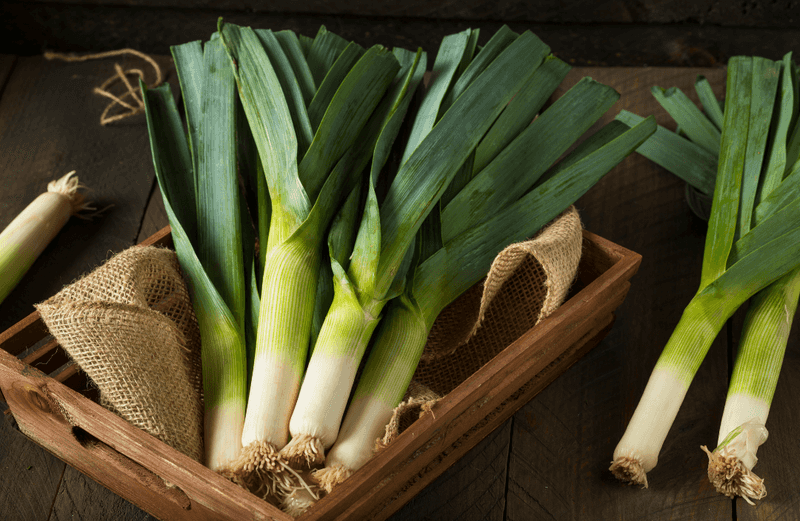
Wales might claim leeks as their national symbol, but the whole of Britain benefits from their autumn harvest. These mild members of the onion family become incredibly sweet when slow-cooked, practically melting into creamy perfection.
Autumn leeks are at their absolute peak – thick, tender, and full of flavour. They're brilliant in everything from cock-a-leekie soup to leek and potato bakes.
British leeks are available year-round, but autumn varieties offer the best value and flavour intensity for your money.
6. Bramley Apples
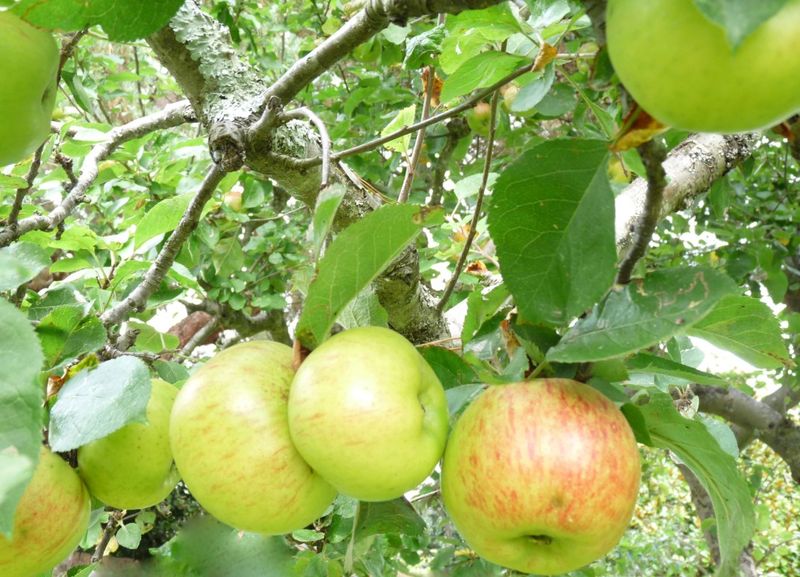
Bramley apples are the heavyweight champions of British cooking apples, turning fluffy and tart when heated. These massive green beauties are harvested from late August, reaching peak perfection through autumn.
One Bramley apple often weighs as much as three eating apples, making them fantastic value. They collapse beautifully when cooked, creating that classic British apple sauce texture.
Whether you're making crumble, sauce, or proper British apple pie, Bramleys deliver that sharp, clean flavour that balances sweet pastry perfectly.
7. Parsnips
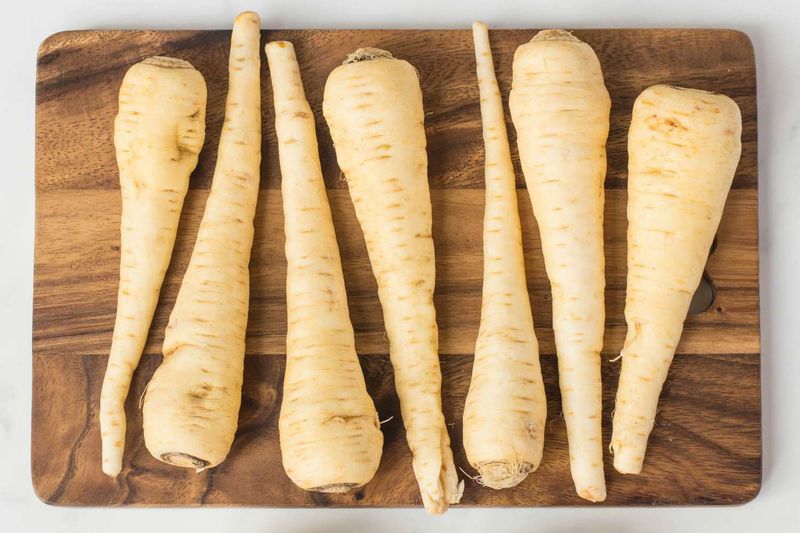
Parsnips get overlooked until Christmas, but clever cooks know they're brilliant from October onwards. These cream-coloured roots become incredibly sweet after the first frost, developing flavours that rival the finest desserts.
British parsnips are world-class – our climate produces roots with exceptional sweetness and texture. Roast them with honey for caramelised perfection, or mash with butter for creamy luxury.
They store brilliantly too, often lasting months when kept cool and dry, making them excellent value throughout winter.
8. Blackberries
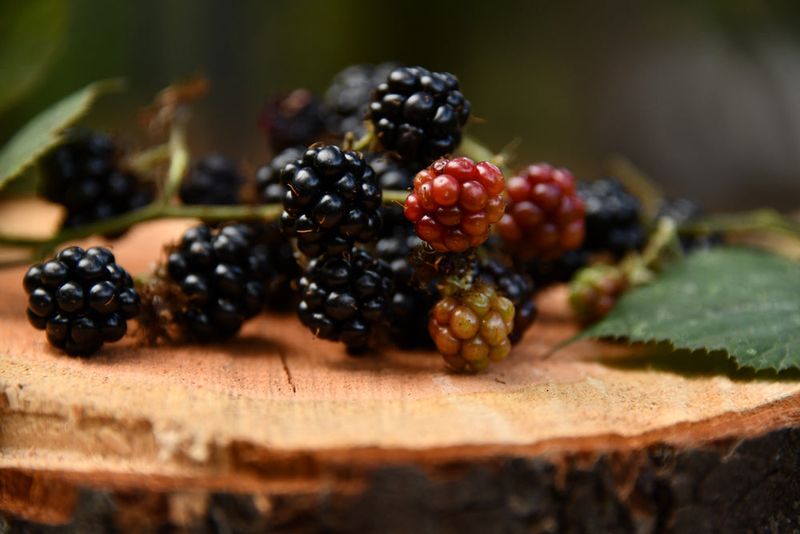
September hedgerows across Britain burst with wild blackberries, offering free pudding to anyone willing to brave a few thorns. These dark purple jewels pack incredible antioxidant power alongside their sweet-tart flavour.
Cultivated varieties appear in supermarkets, but wild ones taste infinitely better and cost nothing but effort. They freeze brilliantly, preserving summer's final gift for winter puddings.
Apple and blackberry crumble remains Britain's most beloved autumn dessert for good reason – the combination is absolutely magical when both fruits peak together.
9. Savoy Cabbage
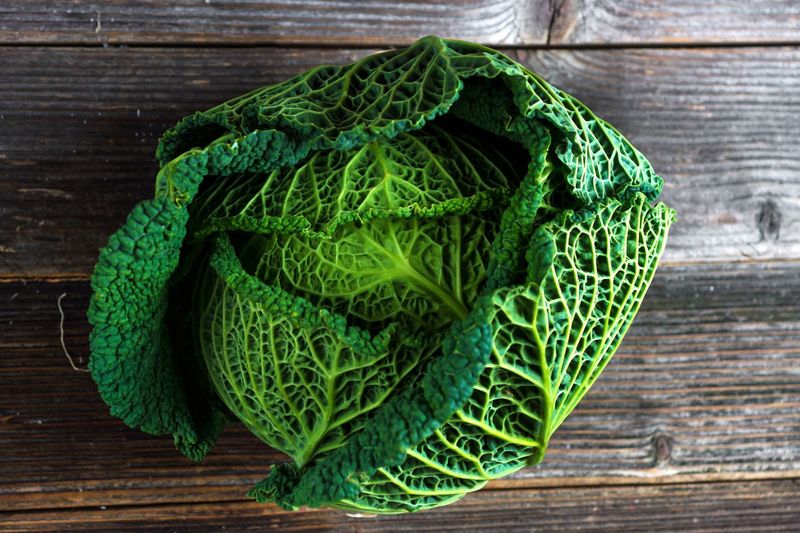
Savoy cabbage looks like someone took regular cabbage and gave it a permanent wave, but those crinkled leaves serve a purpose. The texture holds onto flavours beautifully, making it perfect for hearty autumn dishes.
British Savoy varieties are incredibly hardy, improving in flavour after light frosts. The leaves separate easily, making them brilliant for stuffing with mince and herbs.
Unlike smooth cabbages, Savoy has a delicate, almost nutty flavour that works brilliantly both raw in slaws and slow-braised with bacon and apples.
10. Jerusalem Artichokes
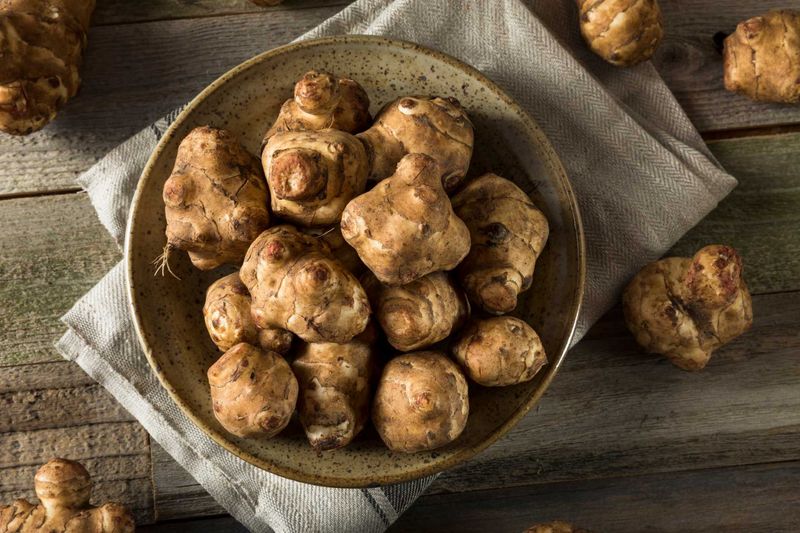
Jerusalem artichokes look like ginger's weird cousin but taste nothing like their appearance suggests. These knobbly tubers deliver a nutty, almost smoky flavour that's absolutely unique among British vegetables.
They're harvested from October through February, offering excellent value when other fresh vegetables cost a fortune. Roast them whole with rosemary, or turn them into the most luxurious soup imaginable.
Fair warning though – they're nicknamed 'fartichokes' for good reason, so perhaps save them for intimate family dinners rather than first dates!



