













Making pizza at home might seem challenging, but it's actually one of the most rewarding cooking adventures you can embark on. With the right techniques and a bit of practice, you can create restaurant-quality pizzas right in your kitchen. Let's explore how to craft the perfect homemade pizza from scratch.
This article is for general cooking inspiration only. Ingredients, preparation methods, and results may vary depending on personal preferences and kitchen equipment.
1. Choose Your Flour
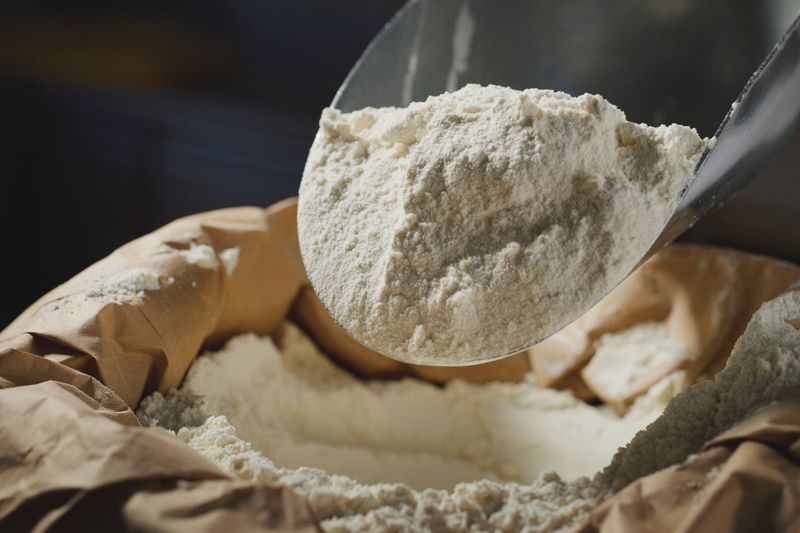
The foundation of great pizza begins with the right flour. "00" flour creates that authentic Italian texture, while bread flour gives a chewier base with more structure.
All-purpose works in a pinch too, offering a middle-ground option. Your flour choice dramatically impacts the final texture of your crust.
2. Mix The Dough
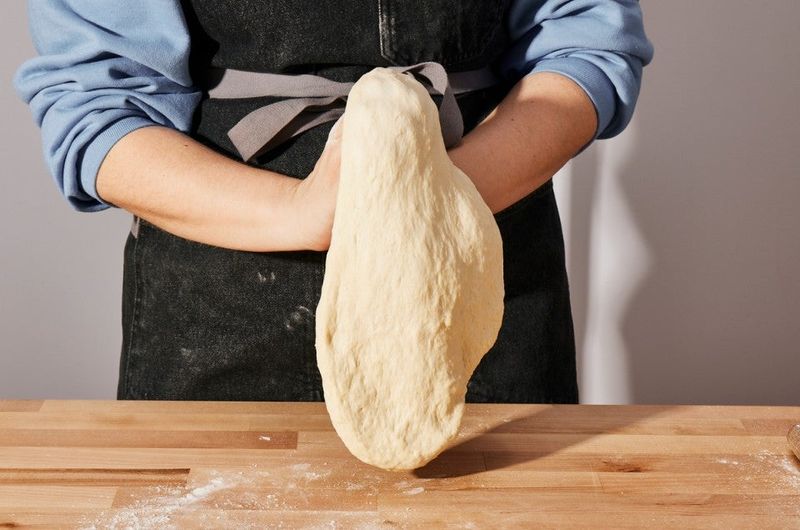
Creating magic happens when simple ingredients combine. Water, yeast, salt, olive oil and your chosen flour transform into pizza potential.
Mix until just combined, then knead by hand for 8-10 minutes until smooth and elastic. The dough should spring back when poked gently, indicating the gluten has developed properly.
3. Let It Rise
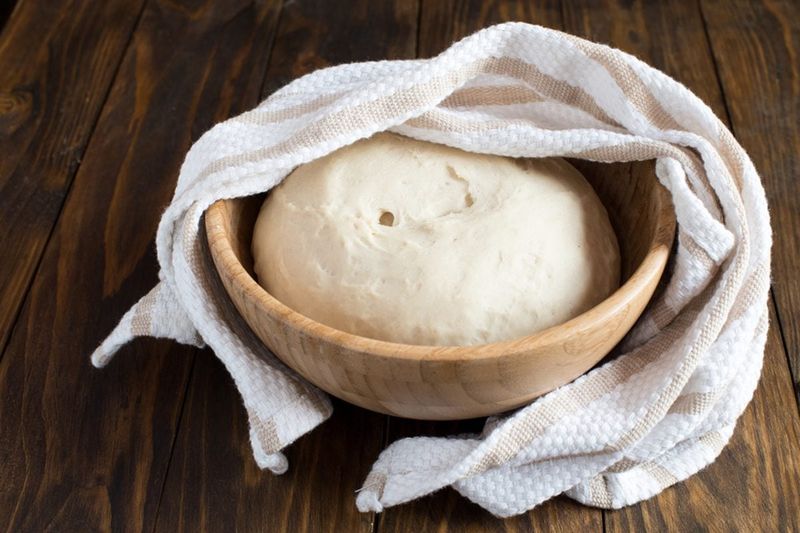
Patience rewards the pizza maker! Place your dough ball in an oiled bowl, cover with a damp cloth, and let science do its work.
The yeast feasts on sugars, creating carbon dioxide bubbles that expand the dough. For deeper flavor, consider a slow rise in the refrigerator overnight rather than a quick 1-2 hour rise at room temperature.
4. Preheat The Oven
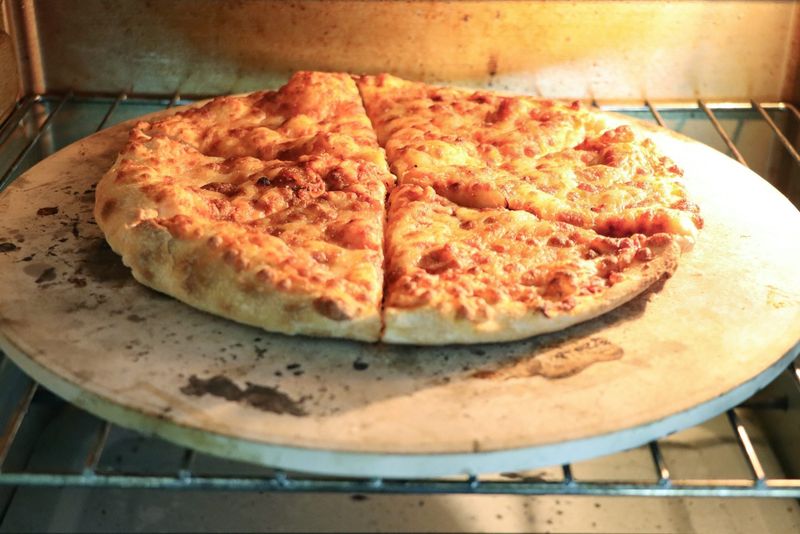
Professional pizzerias use blazing hot ovens for good reason. Crank your home oven as high as it goes (usually 250°C/500°F) for at least 30 minutes before baking.
A pizza stone or steel creates that coveted crispy base by absorbing moisture. Place it in the oven during preheating to ensure maximum temperature is reached.
5. Shape The Base
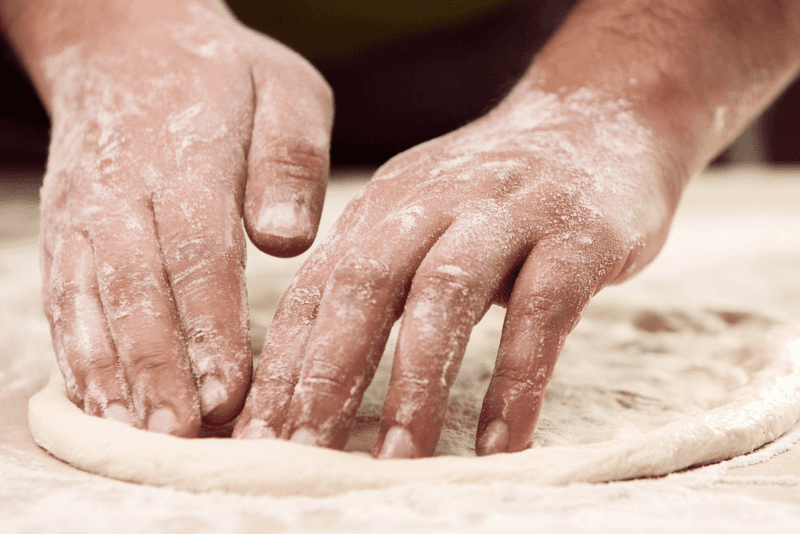
Forget the rolling pin! Gently press your dough outward from the center using fingertips, leaving a slightly thicker border for the crust.
Pick it up and drape it over your knuckles, letting gravity stretch it naturally. Aim for about 12 inches across and an even thickness throughout the center.
6. Add The Sauce
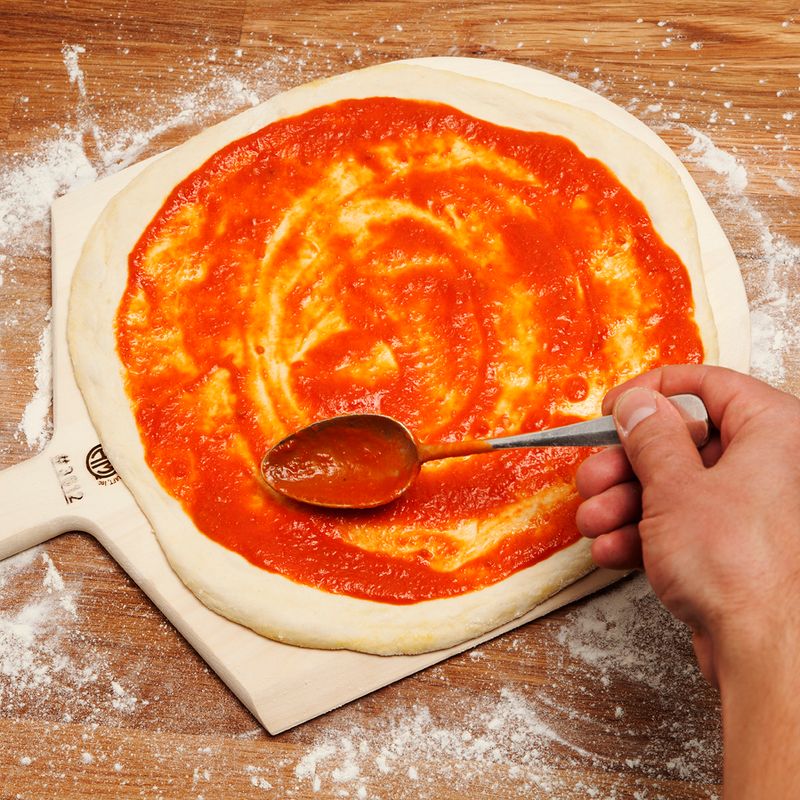
Less is more when it comes to pizza sauce. A thin layer spread to within half an inch of the edge prevents a soggy middle.
Classic tomato sauce works beautifully, but don't be afraid to experiment with white sauce, pesto, or even a drizzle of olive oil and garlic. The sauce should complement, not overwhelm, your other toppings.
7. Sprinkle The Cheese
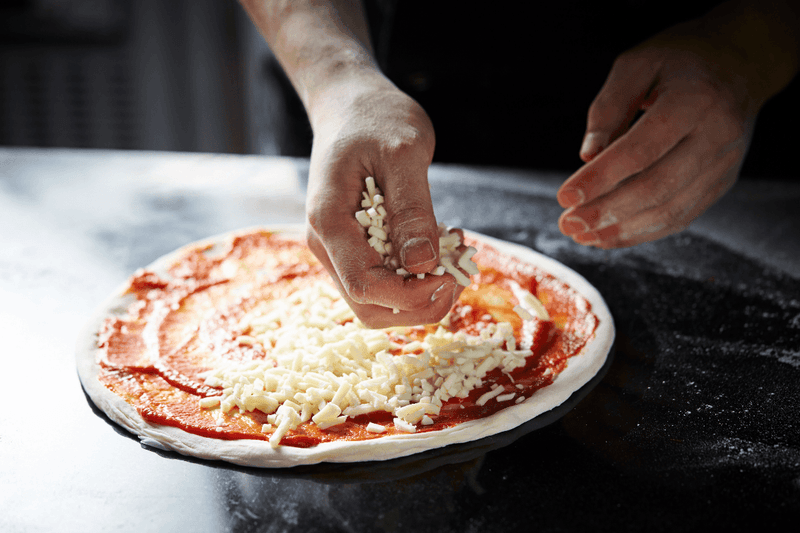
Fresh mozzarella torn into chunks creates those gorgeous melty pools, while low-moisture mozzarella provides more even coverage.
Many pizza experts recommend using less cheese than you think you need. For extra flavor, consider adding a light dusting of parmesan or pecorino before baking.
8. Layer The Toppings

Quality trumps quantity with pizza toppings. Select just 3-4 complementary ingredients that won't release excessive moisture.
Precook raw meats and vegetables that contain lots of water (like mushrooms or courgettes) to prevent a soggy pizza. Distribute toppings evenly but leave some negative space for a professional appearance.
9. Bake To Perfection
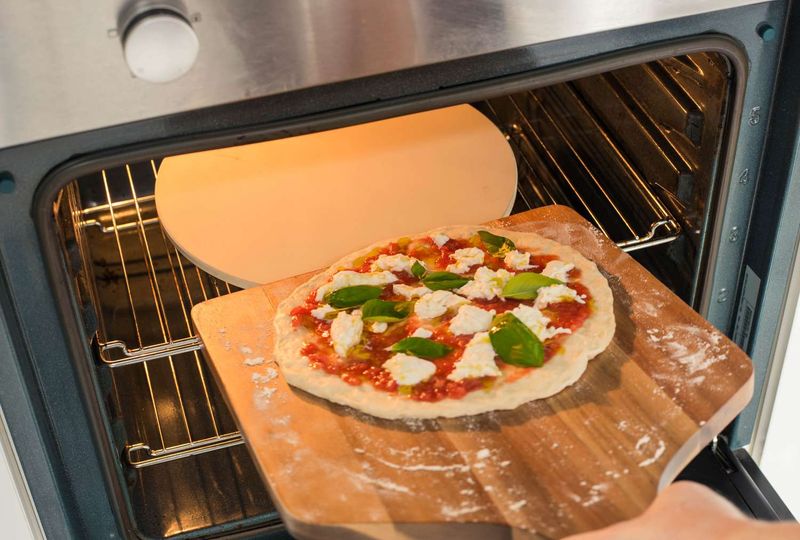
The moment of truth arrives! Slide your pizza onto the preheated stone using a lightly floured pizza peel or the back of a baking sheet.
Most homemade pizzas need just 8-12 minutes to reach golden perfection. Watch for bubbling cheese and a crust that's browned but not burnt. The base should be firm enough to hold its shape when lifted.
10. Slice And Serve

Allow your masterpiece to rest for 1-2 minutes before cutting – this helps the cheese set slightly and prevents it from sliding off.
A sharp pizza wheel makes clean cuts, but kitchen scissors work brilliantly too. Finish with fresh basil leaves, a drizzle of good olive oil, or chilli flakes for that authentic pizzeria experience.



