











Baked goods are a familiar comfort for many people, often tied to routine, nostalgia, and simple pleasure. As dietary needs change with age, however, certain pastries, breads, and cakes can become harder to digest, chew, or balance within everyday meals.
This is not about strict avoidance, but awareness of how texture, sugar levels, and fat content may affect comfort and wellbeing over time. The examples below highlight baked items that some older adults choose to limit or adapt, alongside gentler alternatives that can be easier to enjoy.
All information is provided for general interest only and should not replace personalised advice from a qualified healthcare professional or dietitian. Individual needs and tolerances vary.
Photos are for illustrative purposes only.
Hard Crusty Bread Rolls

Crusty bread rolls might look appealing, but they create real challenges for seniors with dental issues or dry mouth conditions.
The tough exterior can damage fragile gums or loose teeth.
Chewing becomes a painful struggle rather than an enjoyable experience.
Many older adults find themselves choking on hard pieces that break off unexpectedly.
Softer alternatives like dinner rolls or lightly toasted bread provide similar satisfaction without the dental risks that come with overly crusty varieties.
Sugar-Heavy Danish Pastries

Danish pastries pack enormous amounts of sugar that can wreak havoc on blood glucose levels in seniors.
One pastry often contains more sugar than the daily recommended amount.
The combination of refined flour and sweet fillings creates dangerous spikes in blood sugar.
Diabetes management becomes nearly impossible when consuming such treats regularly.
The butter-laden pastry also contributes to heart problems that many seniors already face, making these indulgent treats particularly risky for older adults seeking stable health.
Flaky Croissants

Croissants contain shocking amounts of butter and create serious choking hazards for seniors with swallowing difficulties.
The flaky layers easily separate and can lodge in the throat unexpectedly.
Each croissant delivers saturated fats that clog arteries already vulnerable in older adults.
The buttery richness often triggers digestive upset in sensitive stomachs.
The delicate pastry crumbles into sharp pieces that irritate dentures and can cut tender gum tissue, making breakfast an uncomfortable ordeal rather than pleasant meal.
Cream-Filled Éclairs

Éclairs pose multiple dangers with their rich cream fillings that spoil quickly and harbour harmful bacteria.
The custard inside becomes a breeding ground for foodborne illness.
Temperature control issues in many bakeries put seniors at serious risk of food poisoning.
Older immune systems struggle to fight off bacterial infections from contaminated cream.
The combination of processed cream and sugar overloads digestive systems that have become more sensitive with age, often resulting in uncomfortable stomach problems and nausea.
Deep-Fried Fritters

Deep-fried fritters, while deliciously crunchy, come with a high-fat content that can impact cardiovascular health.
Seniors mindful of their heart health should be cautious, as excess fat intake can lead to increased cholesterol levels.
The frying process also adds unnecessary calories, making weight management more challenging.
For a healthier alternative, baked fritters with fresh ingredients might satisfy the craving without the added risks.
Sticky Cinnamon Buns

The allure of sticky cinnamon buns often lies in their gooey texture and sugary glaze. These treats can quickly become a toothache in waiting, especially for seniors with sensitive teeth or dental work.
Moreover, the high sugar content can lead to spikes in blood sugar levels, which is a significant concern for those managing diabetes or pre-diabetic conditions.
Additionally, the dense, chewy dough may cause digestive discomfort, making moderation or alternative choices advisable.
Jam-Filled Doughnuts

Jam doughnuts combine the worst elements for senior health with deep-fried dough, artificial preservatives, and concentrated fruit sugars.
The hot jam filling creates serious burn risks for sensitive mouths.
The sticky filling adheres to dentures and dental work, creating uncomfortable messes.
Blood sugar levels rocket from the double sugar hit of jam and glazed dough.
Grease from deep frying triggers acid reflux and stomach problems common in older adults, whilst the artificial additives in commercial jam cause digestive upset and allergic reactions.
Rock-Hard Biscotti
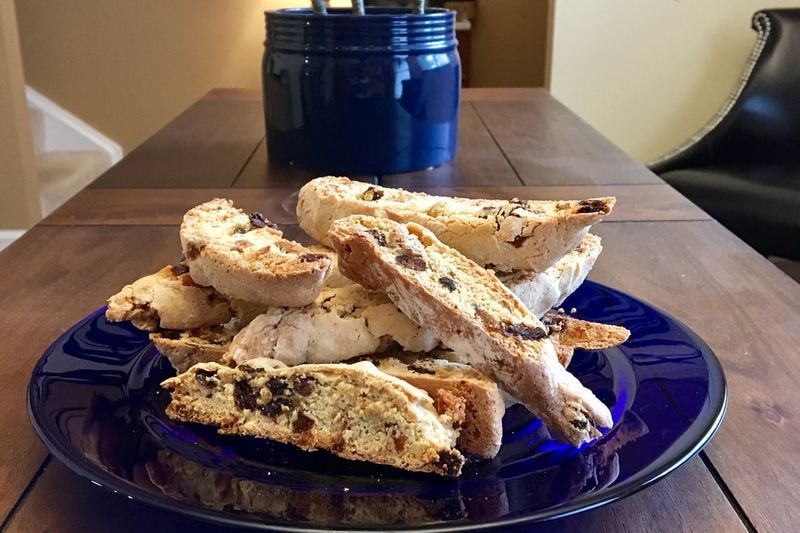
Biscotti earn their reputation as tooth-breakers, especially dangerous for seniors with brittle teeth or dental work.
The twice-baked hardness can crack crowns and damage fragile enamel instantly.
Many older adults attempt to soften them in tea, but this creates soggy messes that fall apart unexpectedly.
The hard texture puts enormous strain on jaw muscles already weakened by age.
Attempting to bite these concrete-like cookies often results in dental emergencies and expensive repair work that could easily be avoided with softer treat choices.
Extra-Crumbly Coffee Cake
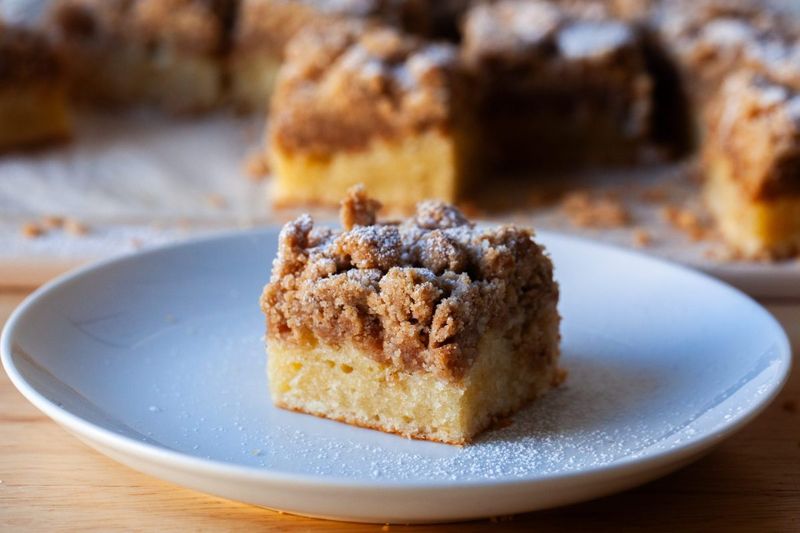
The allure of the coffee cake lies in its inviting aroma and delightful crumb topping.
Yet, for seniors, the extra-crumbly texture can pose challenges. Imagine the joy of biting into a slice, only to find it crumbling into a thousand pieces.
This delightful mess might be cumbersome for those with arthritis or weakened grip strength, making it difficult to manage.
Additionally, the high sugar content can impact blood sugar levels, which may be a concern for those with diabetes.
Thick Crust Pizza
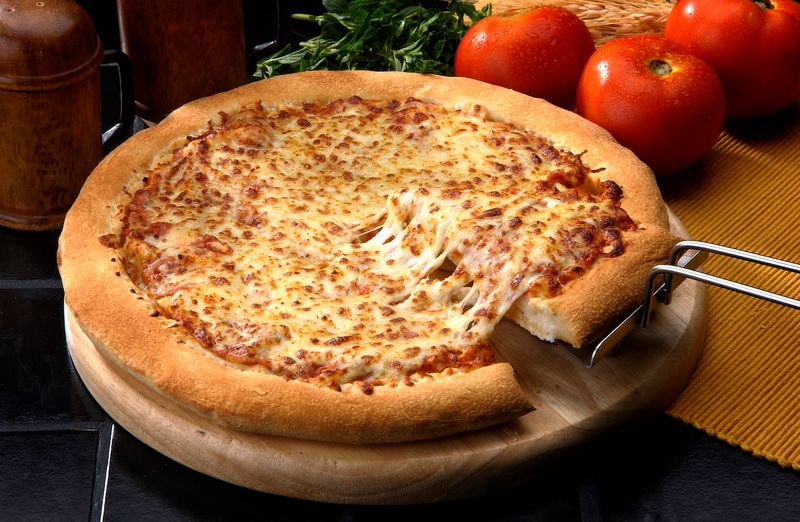
Thick crust pizza offers a hearty bite, but it might not be the best choice for seniors.
The dense, chewy texture can be a challenge for those with dental issues or dentures.
While the robust flavor and satisfying mouthfeel are appealing, the high carb content and potential for greasy toppings may not be ideal for a senior diet focused on heart health.
Opting for a thinner crust or alternative toppings can be a more manageable choice, providing the joy of pizza without the drawbacks. It's all about finding that balance in a beloved classic.
Overly Seeded Or Wholegrain Artisan Loaves
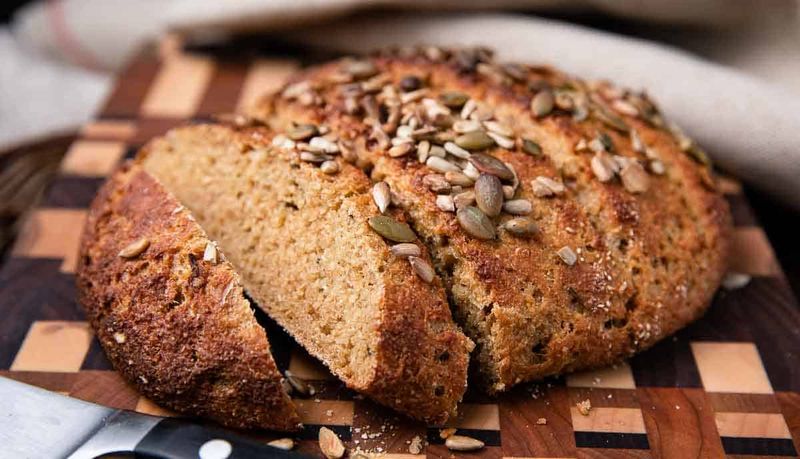
Dense, heavily seeded loaves are often marketed as wholesome, but their toughness can pose challenges for older adults with dental issues or sensitive digestion. Large seeds and thick crusts may be difficult to chew comfortably and can irritate gums or dentures.
While wholegrains remain an important part of a balanced diet, softer sliced wholemeal or lightly toasted bread is often easier to manage.
Iced Celebration Cakes With Thick Frosting
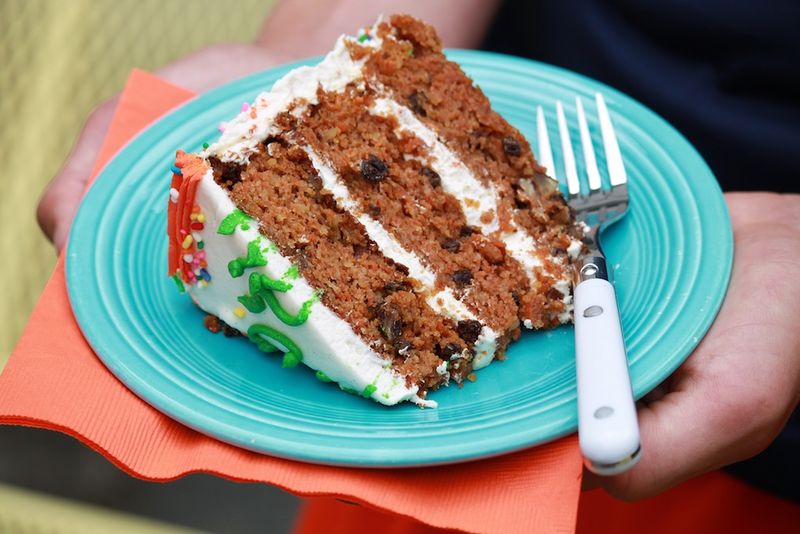
Celebration cakes with heavy layers of icing or fondant can be difficult to eat comfortably, especially for those with dental work or dry mouth. The combination of dense sponge and thick sugar coatings may feel overwhelming rather than enjoyable.
Lighter sponge cakes with modest icing or fruit-based toppings are often better tolerated while still feeling festive.