













Getting enough protein doesn't have to be complicated or boring. Whether you're trying to build muscle, stay fuller for longer, or simply eat more healthily, adding 20 grams of protein to your meals can make a real difference.
Small changes to what you already eat can boost your protein intake without completely changing your diet.
This content is for general information only. Nutritional values and results may vary depending on individual diet and preparation. Photos are for illustrative purposes only and may not represent the exact foods discussed.
1. Use Protein Powder
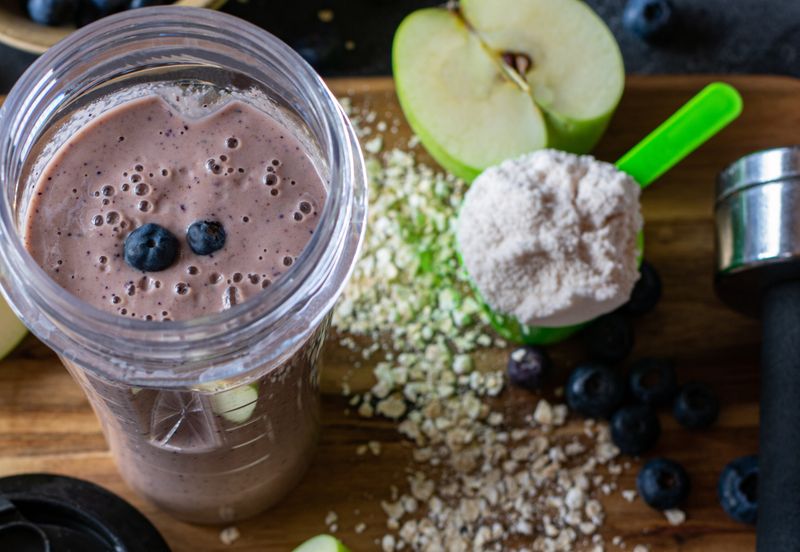
Protein powder transforms ordinary smoothies into nutritional powerhouses within seconds. A single scoop typically contains 20-25 grams of protein, making it one of the quickest ways to reach your target.
Blend it with fruit and milk for breakfast, or stir unflavoured varieties into porridge and pancake batter. Chocolate protein powder works brilliantly in homemade energy balls too.
Keep sachets in your gym bag for convenient post-workout nutrition anywhere.
2. Eat Greek Yogurt
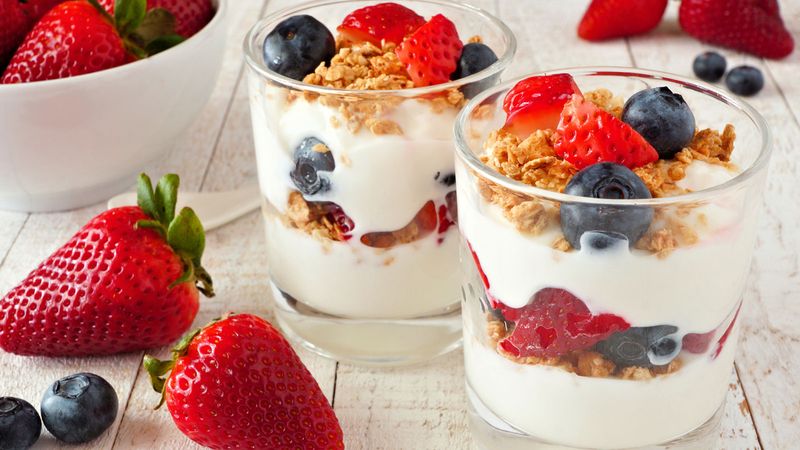
Greek yogurt packs nearly double the protein of regular yogurt, delivering around 20 grams per 200g serving. Its thick, creamy texture makes it incredibly versatile for both sweet and savoury dishes.
Swap it for sour cream in recipes, use it as a base for overnight oats, or create protein-rich dips with herbs and spices. The tangy flavour pairs beautifully with berries and nuts.
Choose plain varieties to avoid added sugars whilst maximising protein content.
3. Incorporate Cottage Cheese
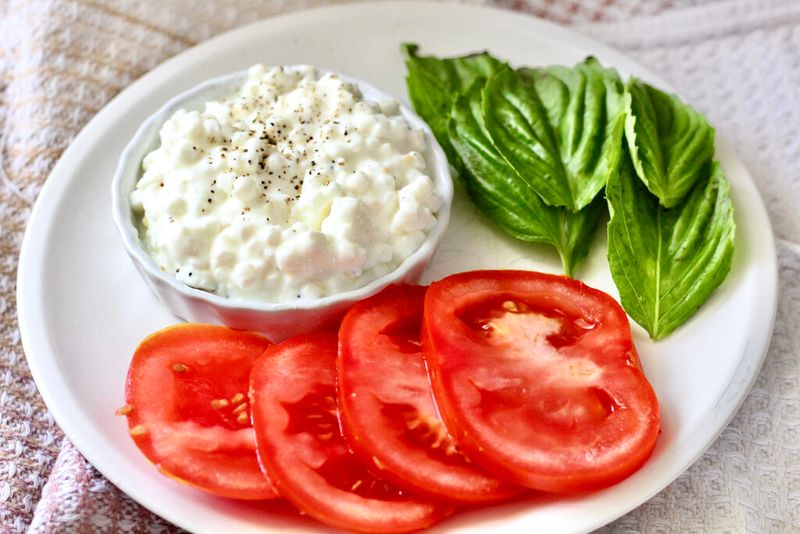
Once considered old-fashioned, cottage cheese is experiencing a well-deserved comeback amongst fitness enthusiasts. Half a cup provides approximately 14 grams of protein, so a generous serving easily hits 20 grams.
Its mild flavour works wonderfully in both sweet and savoury applications. Try it with sliced tomatoes and black pepper, or blend it into smoothies for extra creaminess.
Low-fat versions maintain high protein whilst keeping calories reasonable for weight management goals.
4. Add Eggs
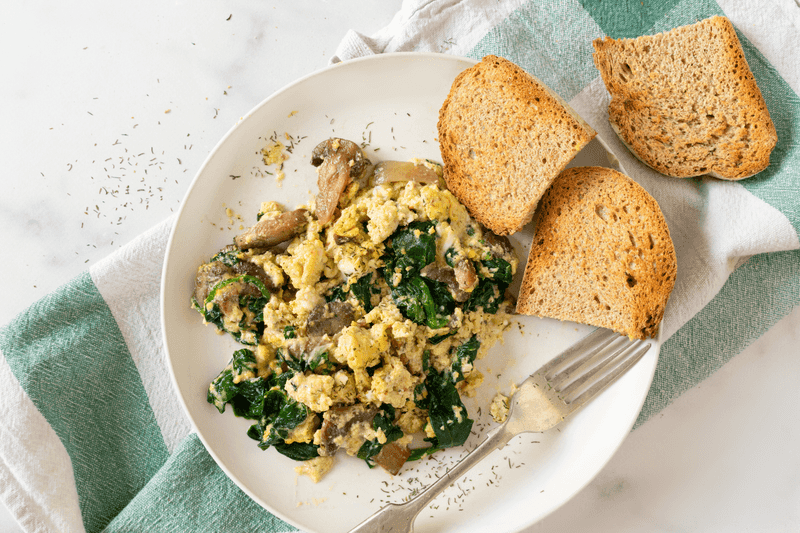
Eggs remain one of nature's most complete protein sources, containing all essential amino acids your body needs. Three large eggs provide roughly 18-21 grams of high-quality protein.
Scramble them into fried rice, poach them over salads, or hard-boil a batch for grab-and-go snacks throughout the week. Even adding an extra egg to your usual omelet boosts protein significantly.
Don't skip the yolks - they contain valuable nutrients alongside protein.
5. Mix In Beans And Lentils
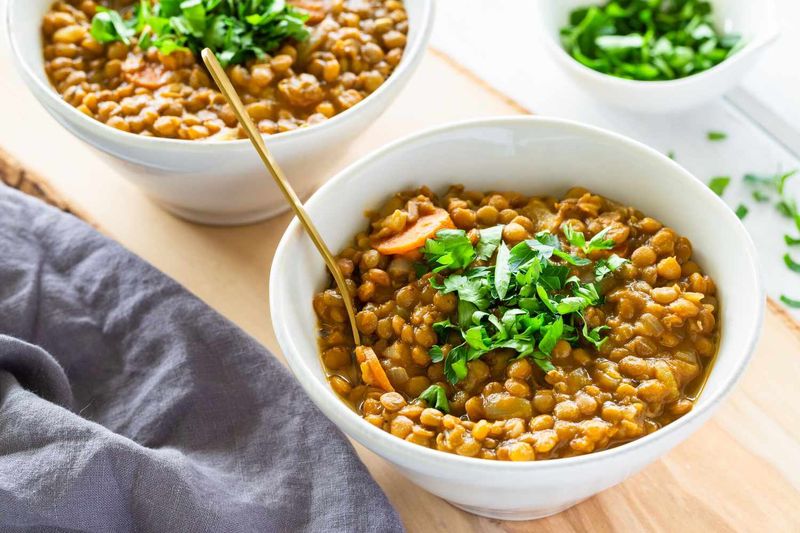
Beans and lentils offer plant-based protein that's both affordable and filling. A cup of cooked lentils delivers about 18 grams of protein, whilst beans provide 12-15 grams per serving.
Toss them into salads, soups, and pasta dishes for extra substance. Red lentils cook quickly and blend seamlessly into sauces, whilst chickpeas add satisfying crunch to roasted vegetable dishes.
Canned varieties save time whilst providing identical nutritional benefits to dried versions.
6. Boost With Seeds
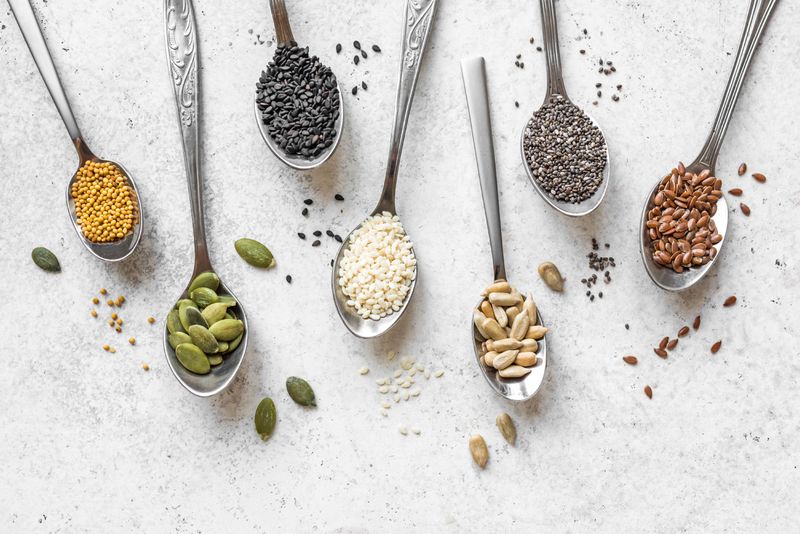
Hemp seeds pack an impressive protein punch, containing all nine essential amino acids in just three tablespoons. Pumpkin seeds, sunflower seeds, and chia seeds also contribute meaningful protein amounts when combined.
Sprinkle them over yogurt, blend into smoothies, or incorporate into homemade granola bars. Their nutty flavour enhances both sweet and savoury dishes without overwhelming other ingredients.
Store them in airtight containers to maintain freshness and prevent rancidity over time.
7. Use Canned Fish
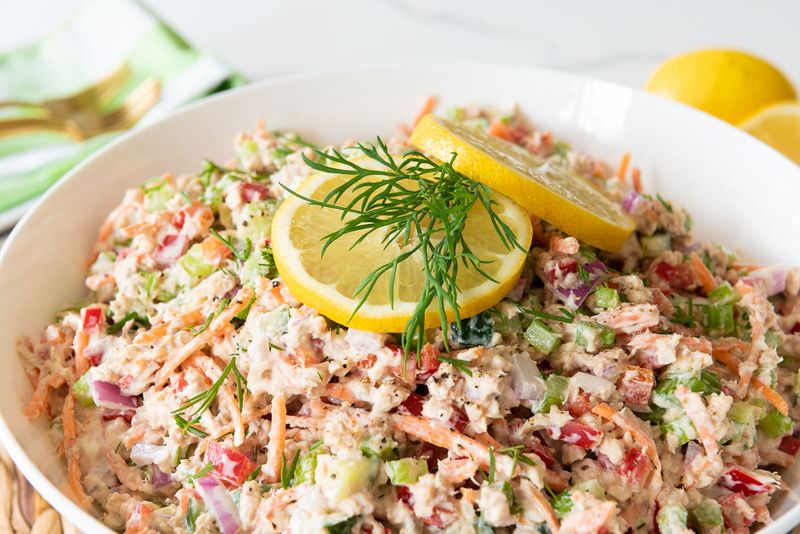
Tinned salmon, tuna, and sardines provide convenient, shelf-stable protein that requires zero cooking time. A small tin typically contains 20-25 grams of complete protein.
Flake them into pasta salads, mash with avocado for protein-rich toast toppings, or add to scrambled eggs for extra substance. Sardines on crackers make an unexpectedly delicious afternoon snack.
Choose varieties packed in water rather than oil to keep calories controlled whilst maximising protein density.
8. Stir In Tofu
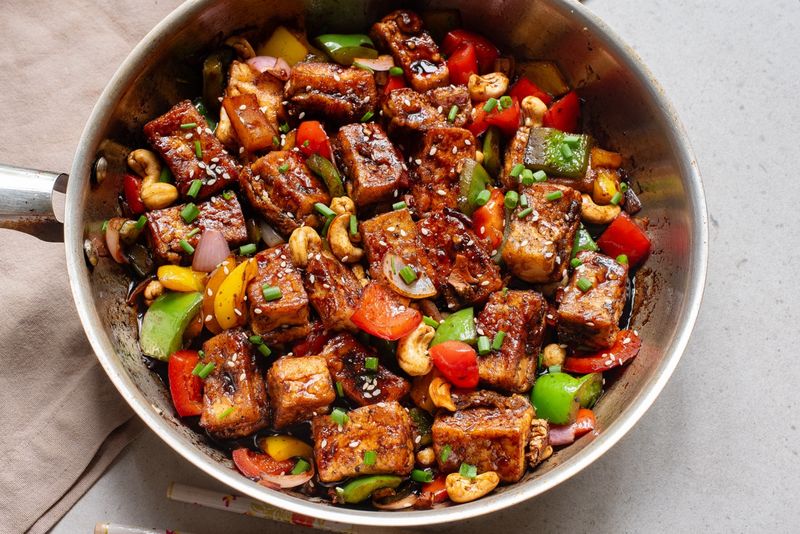
Tofu acts like a protein sponge, absorbing flavours from marinades and sauces whilst providing about 20 grams of protein per 150g serving. Firm varieties hold their shape well in stir-fries and curries.
Silken tofu blends invisibly into smoothies and desserts, adding creaminess without altering taste. Even scrambled tofu makes a satisfying breakfast alternative that soaks up spices beautifully.
Press out excess water before cooking to achieve better texture and flavour absorption.
9. Include Lean Chicken

Chicken breast remains the gold standard for lean protein, delivering approximately 25 grams per 100g serving. Its neutral flavour adapts to countless cuisines and cooking methods.
Batch-cook portions on Sunday for easy meal prep throughout the week. Shred cooked chicken into salads, soups, and wraps, or slice it over grain bowls.
Skinless varieties keep saturated fat low whilst maximising protein content. Season generously with herbs and spices to prevent blandness.
10. Drink A Glass Of Milk
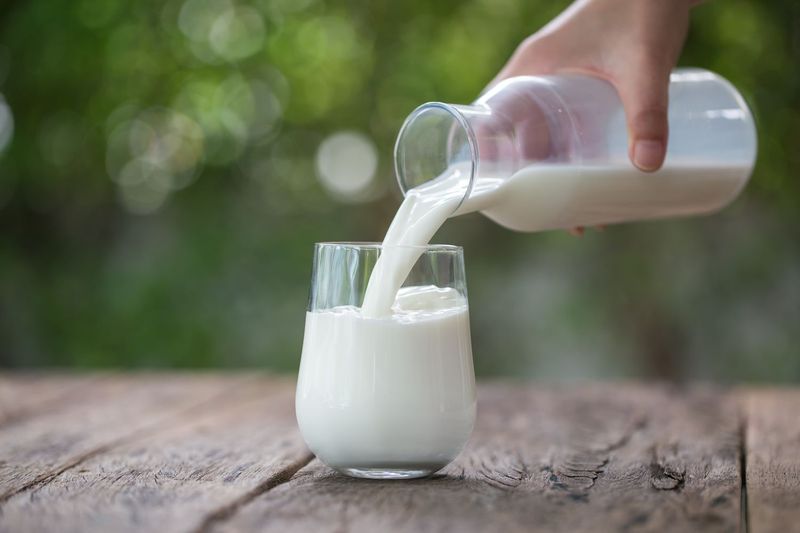
A large glass of milk provides roughly 8-10 grams of protein, making it an easy addition that pushes other protein sources over the 20-gram threshold.
Use it in protein smoothies, pour over high-protein cereals, or simply drink alongside meals. Plant-based alternatives like soy milk offer similar protein levels for those avoiding dairy products.
Semi-skimmed versions balance protein content with reasonable calorie levels. Cold milk pairs particularly well with homemade protein cookies or energy bars.
11. Cook With Quinoa
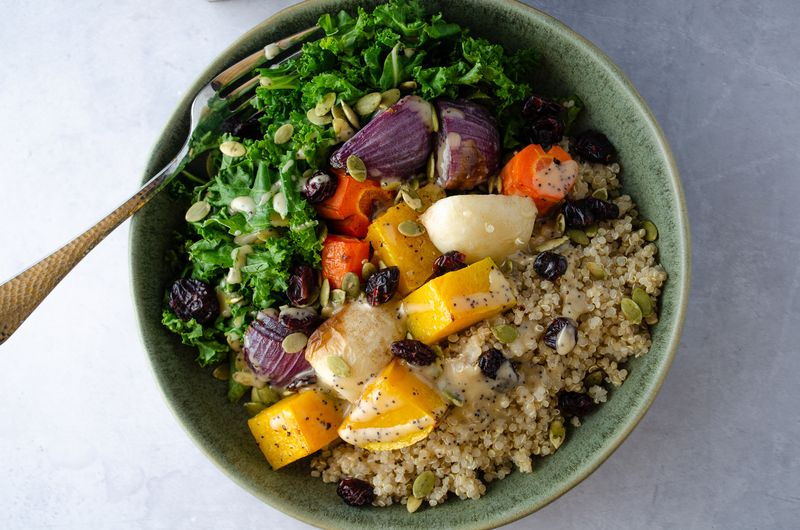
Quinoa stands out amongst grains as a complete protein source, containing all essential amino acids. One cup of cooked quinoa provides about 8 grams of protein.
Use it as a base for grain bowls, substitute for rice in stir-fries, or add to soups for extra heartiness. Its nutty flavour complements both Mediterranean and Asian-inspired dishes beautifully.
Rinse quinoa thoroughly before cooking to remove bitter-tasting saponins that coat the natural seeds.



