













Sandwiches are a lunchtime staple, but even this simple meal can go wrong in surprising ways. From soggy bread to bland fillings, we've all experienced disappointing sandwich moments. These common mistakes are easy to fix once you know what to look for, transforming your everyday sandwich into something truly delicious.
This article is for general information and enjoyment only. Ingredients, results, and tastes may vary based on preparation and preference.
1. Using Bread That's Too Soft

Pillowy white bread might seem like a classic choice, but it quickly turns into a soggy mess. Opt for firmer varieties like sourdough, ciabatta, or a well-baked baguette instead.
These sturdier options hold up better against moist fillings and provide more satisfying texture. Your sandwich will maintain its structure from first bite to last.
2. Overloading With Too Many Fillings
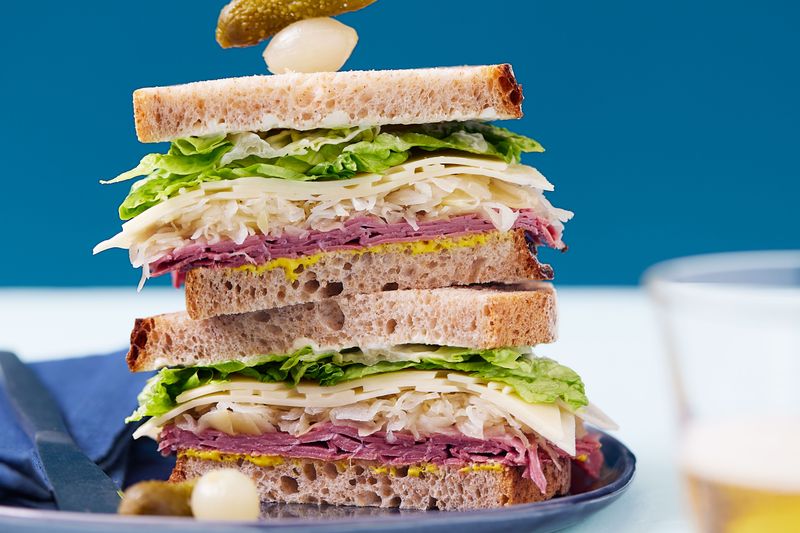
Ever created a towering masterpiece only to have it collapse after the first bite? Restraint is key. Select just 3-4 complementary fillings that work together rather than competing for attention.
Quality trumps quantity every time. Your sandwich will be easier to eat and the flavors will shine through more clearly.
3. Forgetting To Toast Or Warm The Bread

Raw bread often lacks character and can taste doughy. A quick toast adds delightful crispness and brings out the bread's natural flavors through caramelization.
Even just 30 seconds in the toaster can transform your sandwich experience. For extra indulgence, try buttering the bread before toasting for a golden, flavorful crust.
4. Skipping A Spread To Prevent Dryness
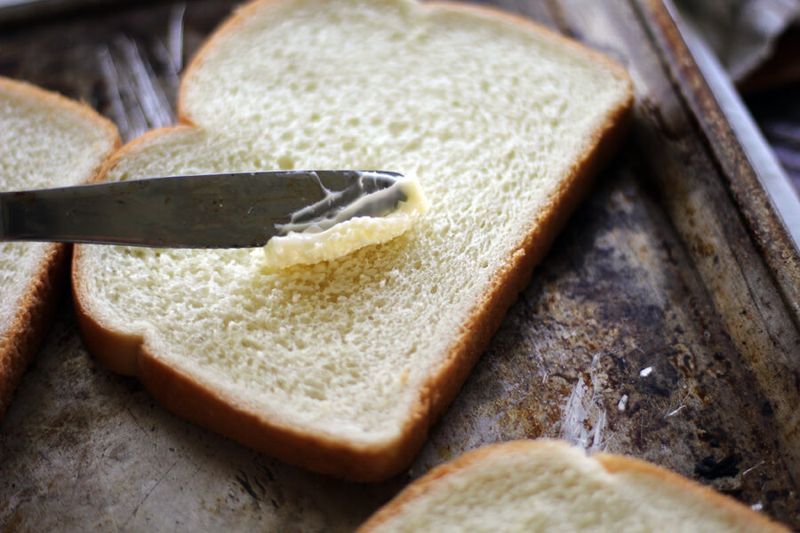
A dry sandwich is nobody's friend. Whether it's mayo, mustard, hummus, or butter, spreads create a moisture barrier between bread and fillings while adding crucial flavor.
They also help ingredients stick together rather than sliding out. Apply spreads all the way to the edges for consistent moisture in every bite.
5. Not Balancing Flavours (Too Much Sweet Or Savoury)
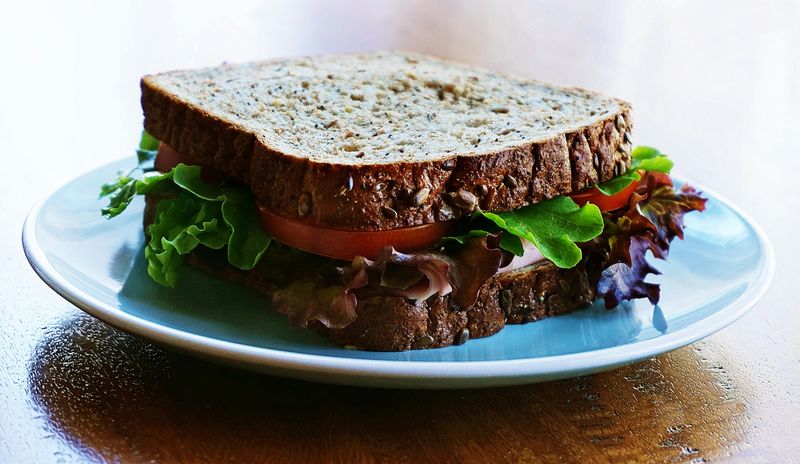
One-dimensional sandwiches miss the mark. The best ones balance sweet, salty, acidic, and umami notes. Consider adding a pickle to a rich cheese sandwich or a drizzle of honey to spicy chicken.
Contrasting flavours create excitement for your taste buds. Try pairing sharp cheddar with sweet apple slices or salty ham with tangy mustard for perfect harmony.
6. Adding Wet Ingredients Directly On Bread
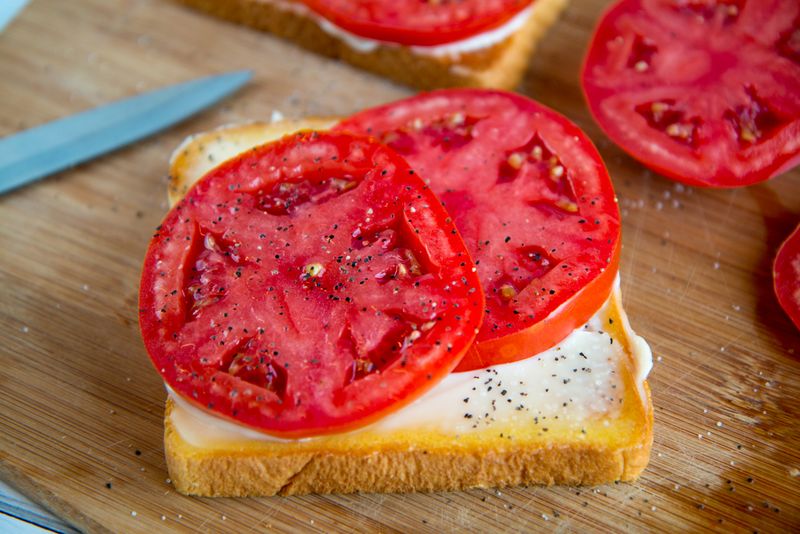
Sliced tomatoes, pickles and dressings spell disaster when placed directly against bread. Create a moisture barrier by placing cheese or meat next to the bread first.
For extra protection, pat wet ingredients dry with kitchen paper before adding them. Your tomatoes and cucumbers will still taste fresh, but won't turn your bread into a soggy disappointment.
7. Ignoring Texture (All Soft, No Crunch)
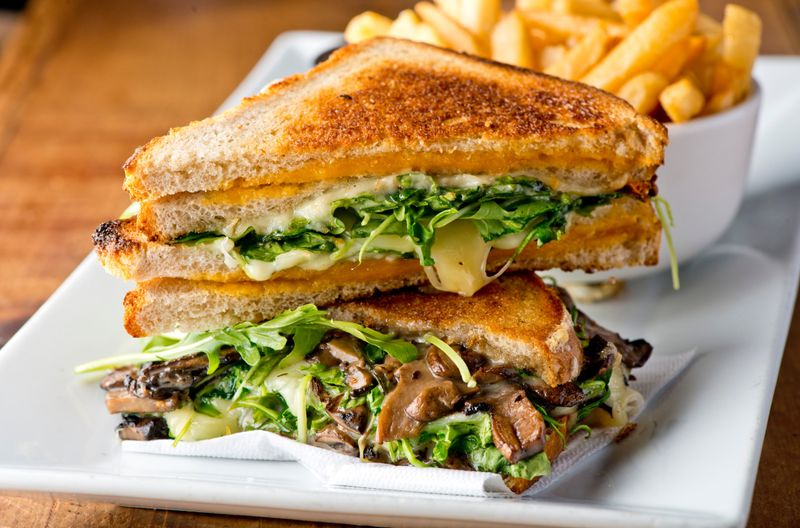
Texture contrast makes sandwiches exciting! Add potato crisps, toasted nuts, or fresh vegetables for satisfying crunch among softer ingredients.
Think beyond just flavour when selecting fillings. That delightful contrast between creamy avocado and crisp lettuce or between tender chicken and crunchy bacon creates a more memorable eating experience.
8. Using The Wrong Cheese For Melting
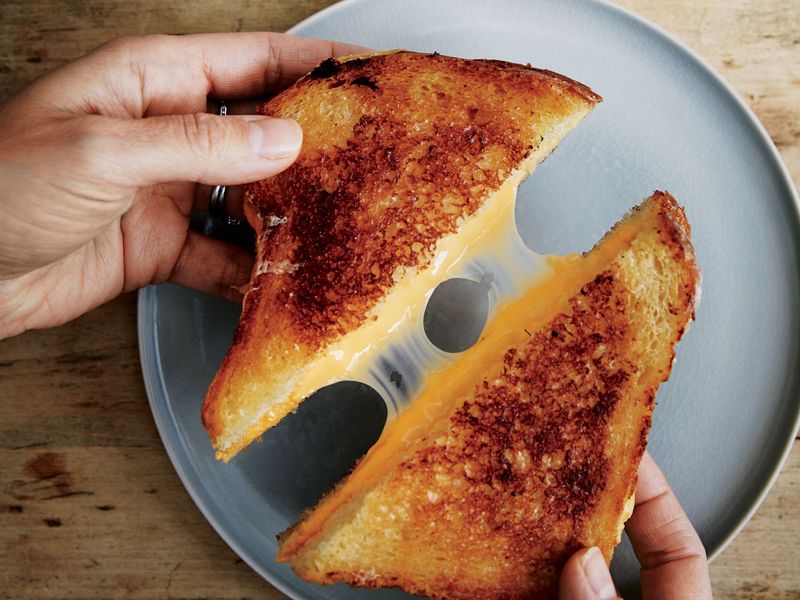
Not all cheeses melt equally! Cheddar, Gruyère and fontina transform into gooey perfection, while feta and halloumi maintain their shape and texture when heated.
Choose your cheese based on the sandwich style. Grate hard cheeses for faster, more even melting. For cold sandwiches, consider softer varieties that don't require heat to be enjoyable.
9. Cutting The Sandwich Poorly (Fillings Fall Out)
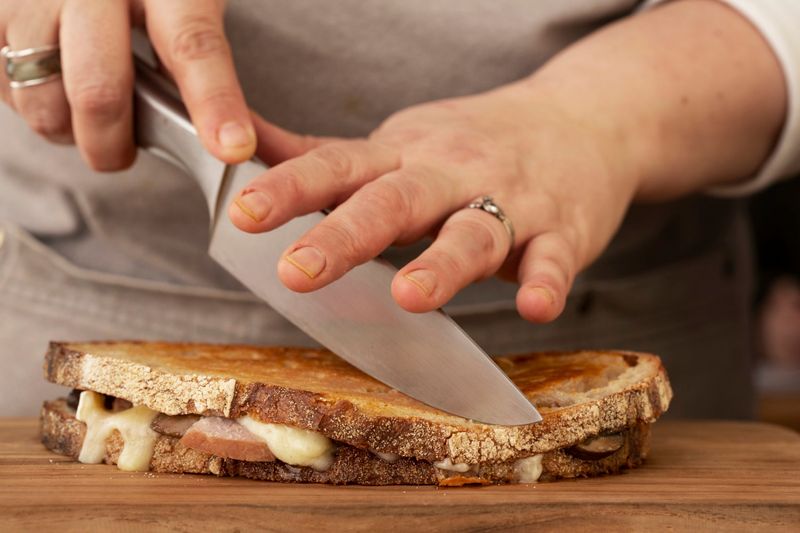
The right cut makes all the difference between a sandwich that holds together and one that collapses in your hands. Wait a minute after assembly before cutting to let ingredients settle.
Use a sharp knife and cut with a single, decisive motion rather than sawing. For stuffed sandwiches, the diagonal cut creates a more stable structure than straight halves.
10. Forgetting To Season Vegetables Or Meat
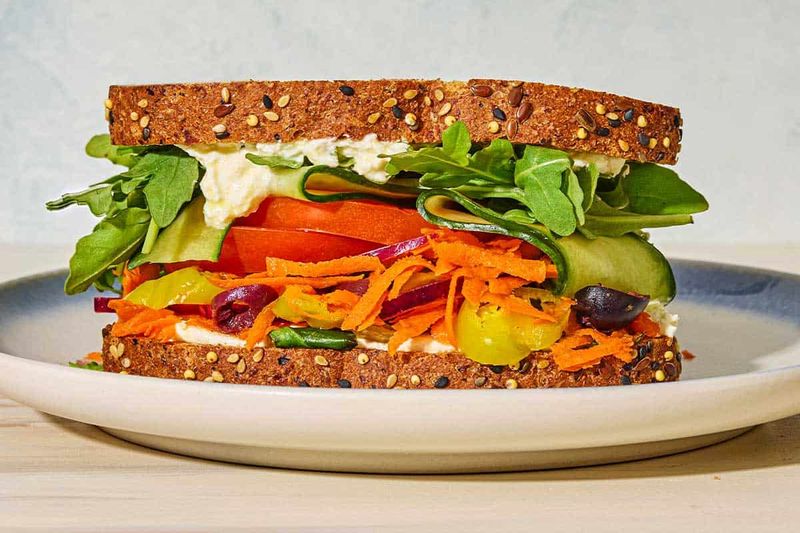
Plain vegetables or unseasoned meat can make even the fanciest sandwich fall flat. A sprinkle of salt and pepper works wonders on tomatoes, cucumbers, and lettuce, bringing out their natural flavors.
For meats, consider adding herbs or spices before cooking. Even pre-cooked deli meats benefit from a light dusting of herbs or a quick grind of black pepper.
11. Not Layering Ingredients In The Right Order
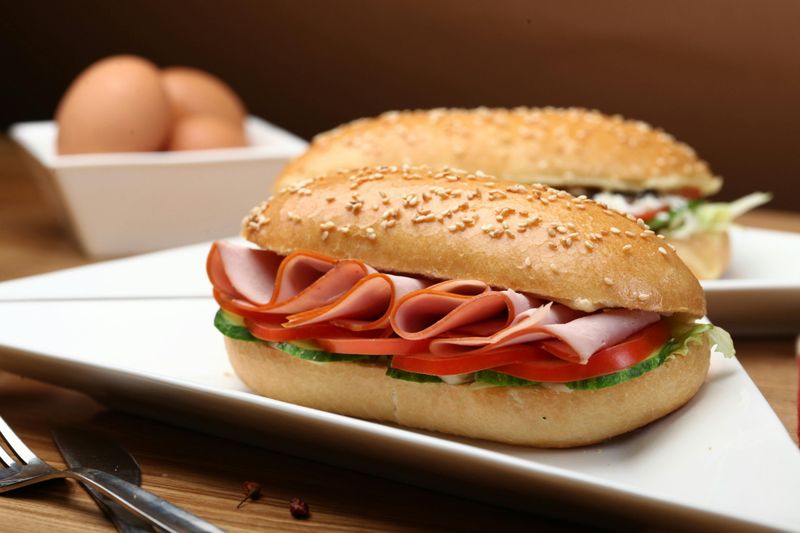
Strategic layering prevents sandwich collapse. Start with sturdy ingredients against the bread, followed by slippery items like meats and cheeses in the middle, with lighter ingredients like lettuce on top.
This architecture keeps everything in place while you eat. For club sandwiches, alternate wet and dry ingredients between bread layers for structural integrity.
12. Using Too Much Or Too Little Sauce

Sauce distribution makes or breaks a sandwich. Too much creates a soggy mess; too little leaves it dry and bland. Apply sauces in a thin, even layer across the entire bread slice.
For thicker sauces like mayo, use the back of a spoon to spread. Consider serving extra sauce on the side for dipping - this gives you control over each bite's moisture level.
13. Packing The Sandwich Too Early (Gets Soggy)
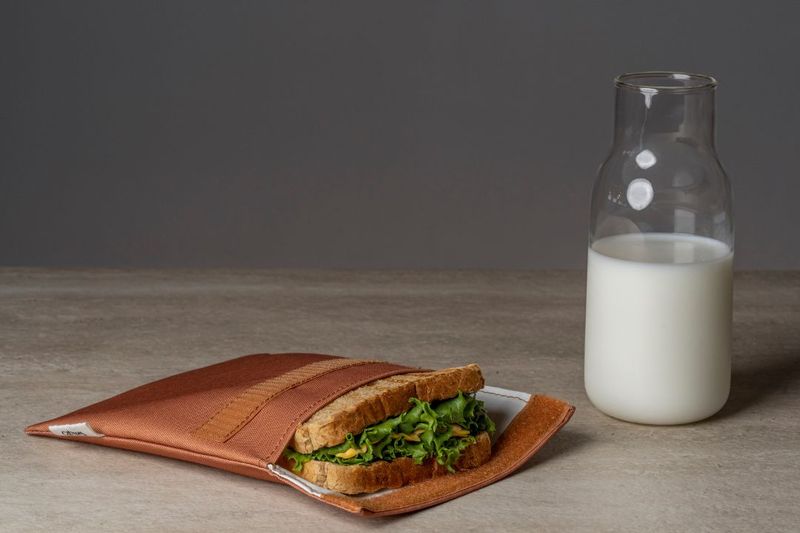
Making sandwiches hours before eating leads to disappointment. If you must prepare ahead, try the deconstructed approach: pack ingredients separately and assemble just before eating.
Alternatively, toast the bread first to create a moisture barrier. For packed lunches, wrap sandwiches in parchment paper rather than plastic wrap to allow moisture to escape instead of soaking in.
14. Overcooking Or Undercooking Proteins
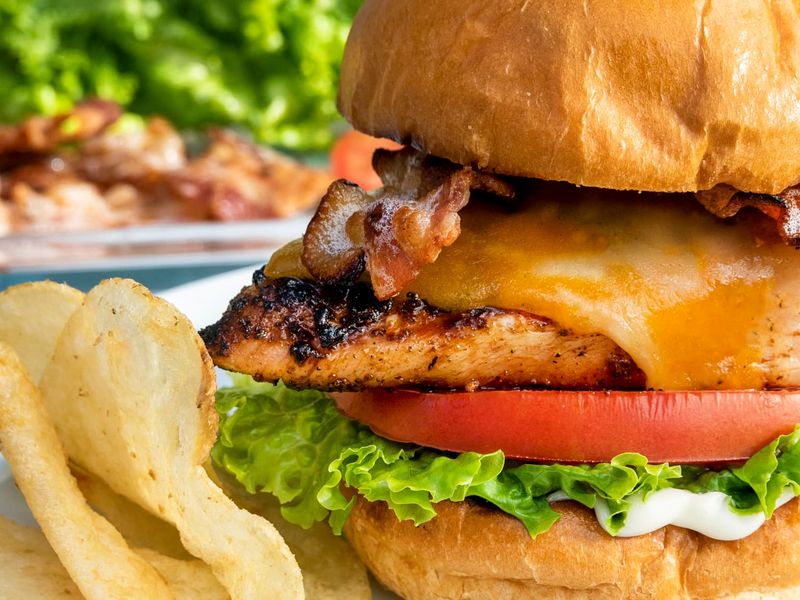
Rubbery chicken or raw bacon ruins the sandwich experience. Cook proteins to their ideal doneness before assembly - chicken should be just cooked through, bacon crisp but not burnt.
For thinly sliced meats like steak, slightly undercook as they'll continue cooking from residual heat. Let hot proteins rest before adding to prevent unwanted steam from making your bread soggy.
15. Ignoring Temperature - Serving Cold When It Should Be Warm

Temperature impacts flavor dramatically. Some sandwiches shine when warm - like grilled cheese or a classic Reuben - while others are best cold, such as cucumber tea sandwiches.
Match your fillings to the appropriate temperature. Melty cheese sandwiches should be served immediately while still warm. For cold sandwiches, chill components beforehand for the most refreshing experience.



