Getting enough fibre and protein in your daily meals doesn't have to be complicated or boring. Many delicious foods naturally contain both nutrients, helping you feel fuller for longer whilst supporting your digestive health.
From breakfast staples to hearty dinner options, these dual-purpose foods make it easy to tick both nutritional boxes in one tasty bite.
This content is for general information only. Nutritional content, taste, and results may vary depending on ingredients and preparation. Photos are for illustrative purposes only and may not represent the exact foods discussed.
1. Wholemeal Toast With Nut Butter
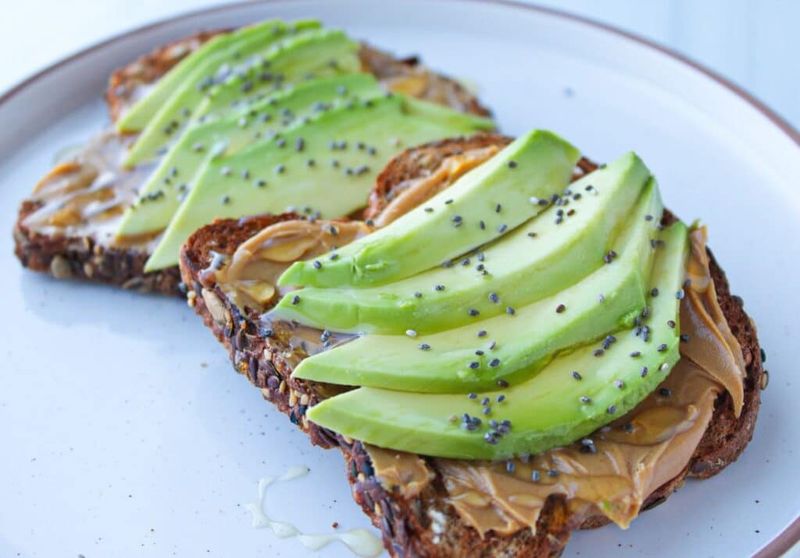
Transform an ordinary breakfast into a nutritional powerhouse by spreading almond or peanut butter on wholemeal bread. The combination delivers roughly 8 grams of protein and 6 grams of fibre per serving.
Choose bread with visible grains and seeds for maximum fibre content. Natural nut butters without added sugar work best for sustained energy.
This simple pairing keeps you satisfied until lunchtime whilst providing essential healthy fats your body needs.
2. Black Beans
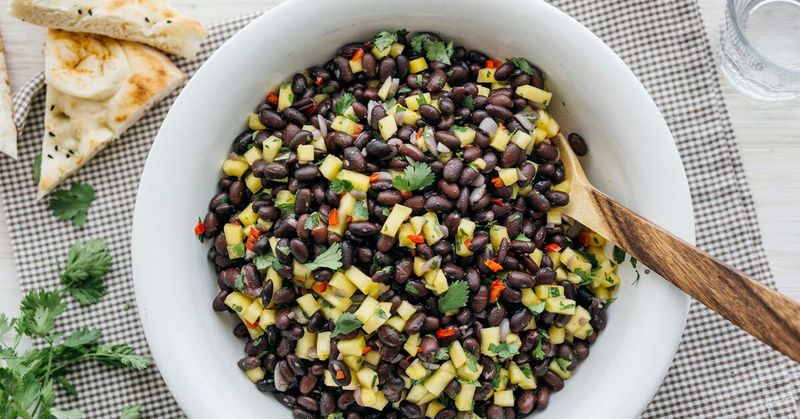
One cup of cooked black beans contains an impressive 15 grams of protein and 15 grams of fibre. These nutritional champions work brilliantly in soups, salads, or Mexican-inspired dishes.
Rinse tinned beans thoroughly to reduce sodium content, or cook dried beans from scratch for better texture. They freeze well after cooking, making meal prep easier.
Black beans also provide folate and iron, supporting energy levels throughout your day.
3. Quinoa
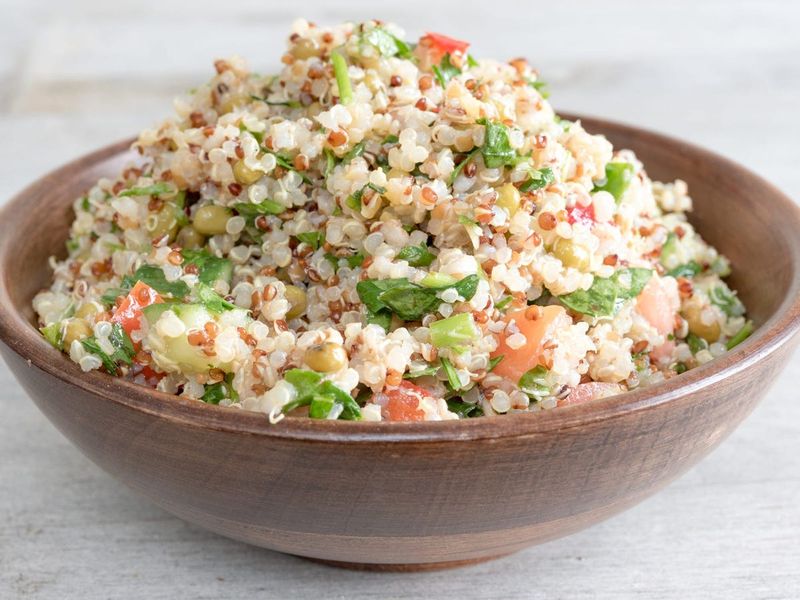
This ancient grain stands out as a complete protein source, containing all nine essential amino acids your body cannot produce. One cooked cup provides 8 grams of protein and 5 grams of fibre.
Rinse quinoa before cooking to remove its natural bitter coating. It cooks similarly to rice but with a delightfully nutty flavour and fluffy texture.
Use quinoa as a rice substitute or add it cold to salads for extra crunch.
4. Lentils
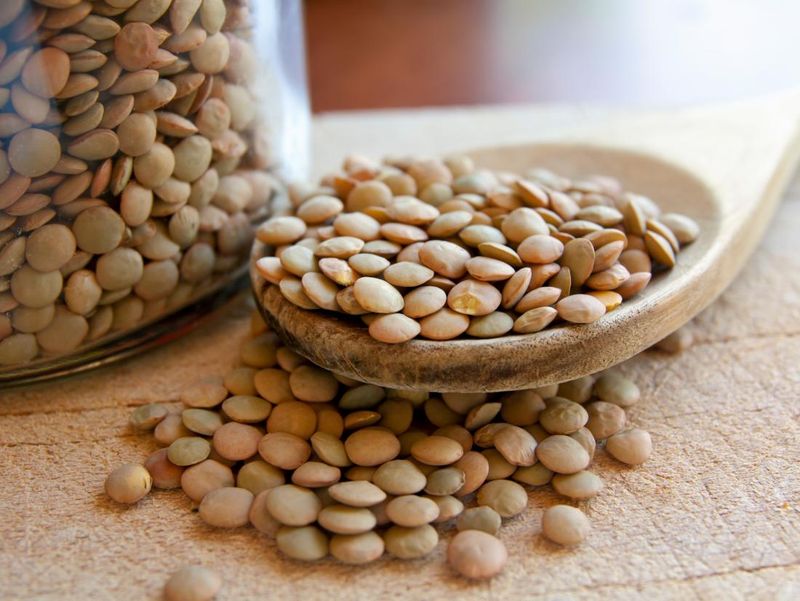
Red, green, or brown lentils each pack about 18 grams of protein and 16 grams of fibre per cooked cup. Unlike other legumes, they cook quickly without soaking overnight.
Red lentils break down during cooking, making them perfect for thick soups and curries. Green and brown varieties hold their shape better in salads.
Lentils absorb flavours beautifully, so season them generously with herbs and spices for maximum taste.
5. Chia Seeds
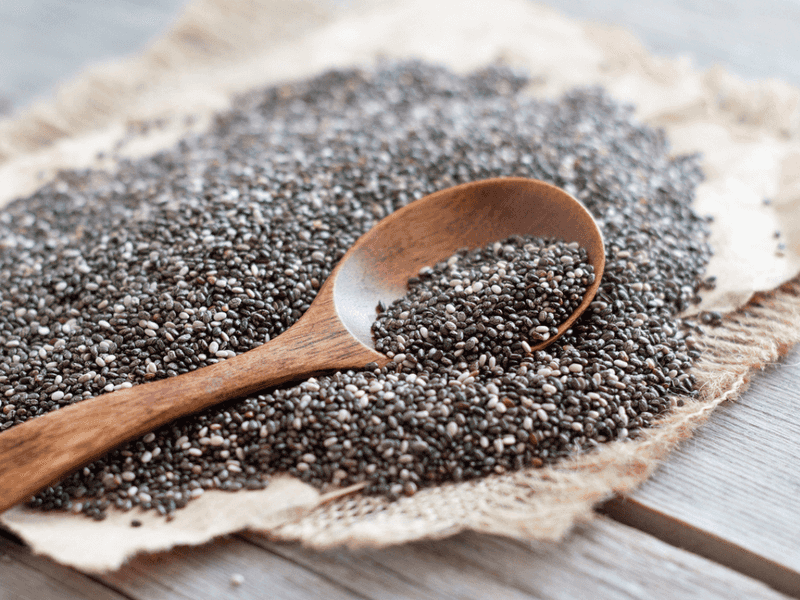
Don't let their tiny size fool you. Two tablespoons of chia seeds deliver 4 grams of protein and 10 grams of fibre, plus omega-3 fatty acids.
When mixed with liquid, chia seeds form a gel-like consistency perfect for puddings or smoothie bowls. They expand significantly, so start with small amounts.
Sprinkle them over yoghurt, blend into smoothies, or make overnight chia pudding for a nutritious breakfast treat.
6. Chickpeas
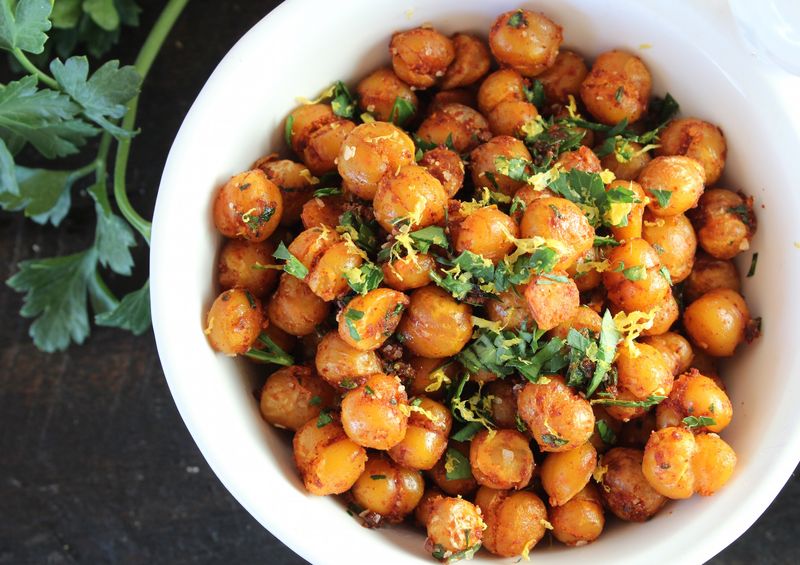
Versatile chickpeas offer 12 grams of protein and 12 grams of fibre per cooked cup. Roast them for a crunchy snack or blend them into creamy hummus.
Tinned chickpeas work perfectly for quick meals, whilst dried ones provide better texture when you have time to cook from scratch.
Try mashing chickpeas with herbs for a protein-rich sandwich filling, or toss them into salads for extra substance and nutrition.
7. Oats
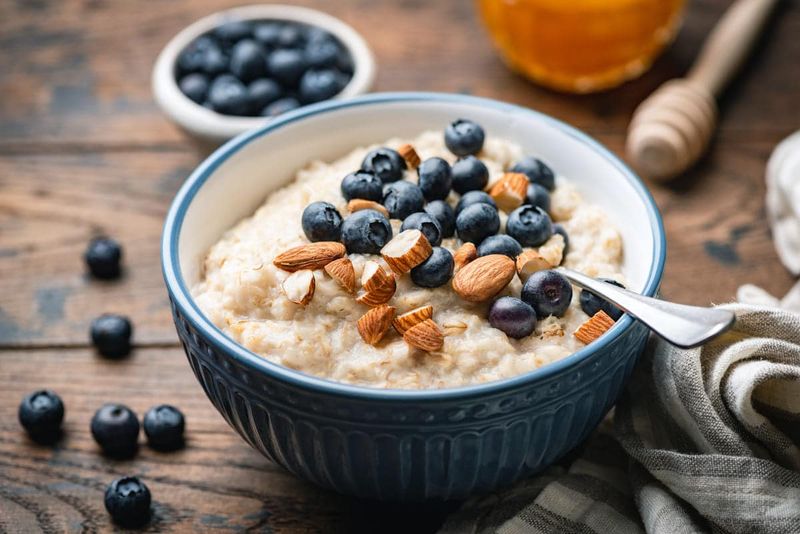
A bowl of porridge made with 50g oats provides 5 grams of protein and 5 grams of fibre. Steel-cut oats contain slightly more nutrients than rolled varieties.
Cook oats with milk instead of water to boost the protein content further. Add nuts, seeds, or Greek yoghurt for an even more substantial breakfast.
Overnight oats work brilliantly for busy mornings, absorbing flavours whilst you sleep for a ready-made nutritious meal.
8. Edamame
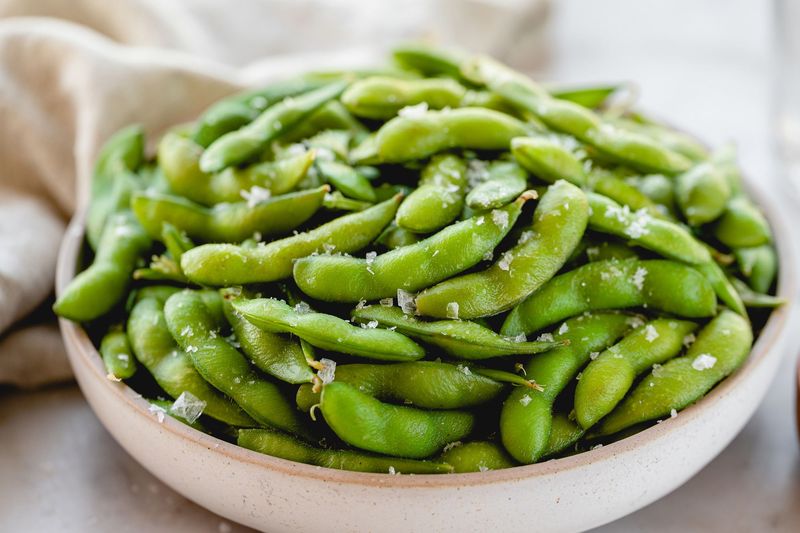
These young soybeans pack 17 grams of protein and 8 grams of fibre per cup when shelled. Steam them in their pods for a fun, interactive snack.
Frozen edamame keeps well and cooks in just five minutes. Sprinkle with sea salt whilst warm for the classic preparation method.
Shell the beans and add them to stir-fries, grain bowls, or salads for a protein boost with a satisfying bite.
9. Almonds
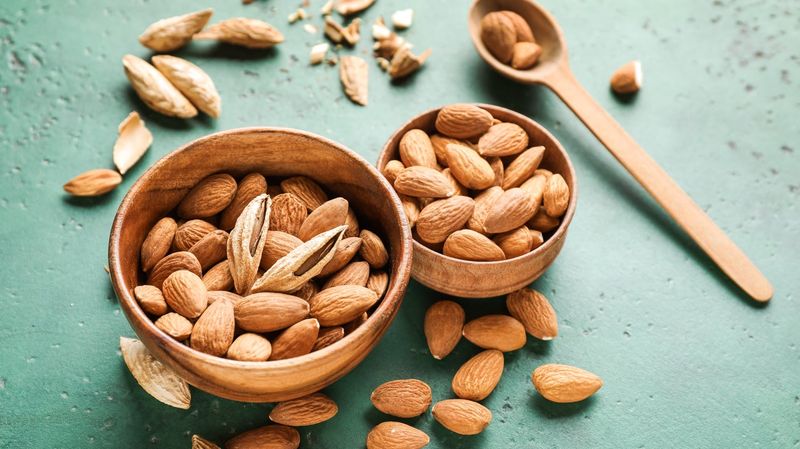
A 30g serving of almonds contains 6 grams of protein and 4 grams of fibre, along with healthy monounsaturated fats and vitamin E.
Raw almonds work well for snacking, whilst toasted ones add crunch to salads and yoghurt. Almond flour makes an excellent low-carb baking alternative.
Portion control matters with nuts due to their calorie density, but their combination of nutrients helps maintain steady blood sugar levels.
10. Broccoli
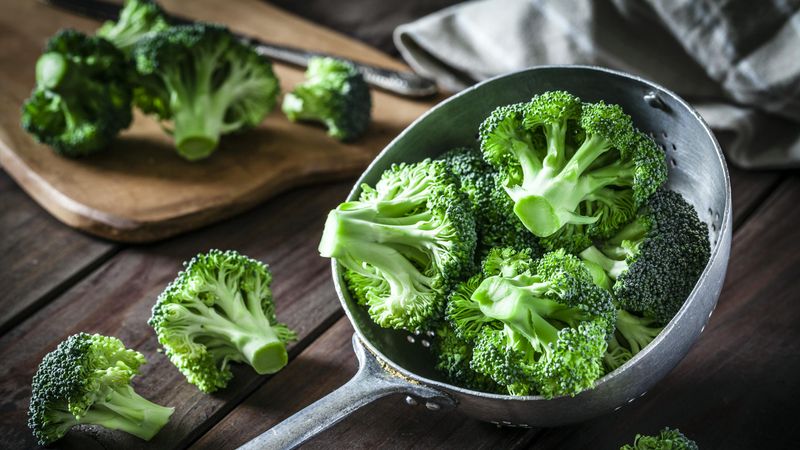
Surprisingly, this green vegetable contains 3 grams of protein and 5 grams of fibre per cup when cooked. It also provides vitamin C and folate.
Steam broccoli lightly to preserve its nutrients and maintain a slight crunch. Overcooking destroys both texture and nutritional value significantly.
Roasted broccoli develops a delicious nutty flavour that even vegetable skeptics tend to enjoy. Toss with olive oil and garlic before roasting.
11. Greek Yoghurt with Berries
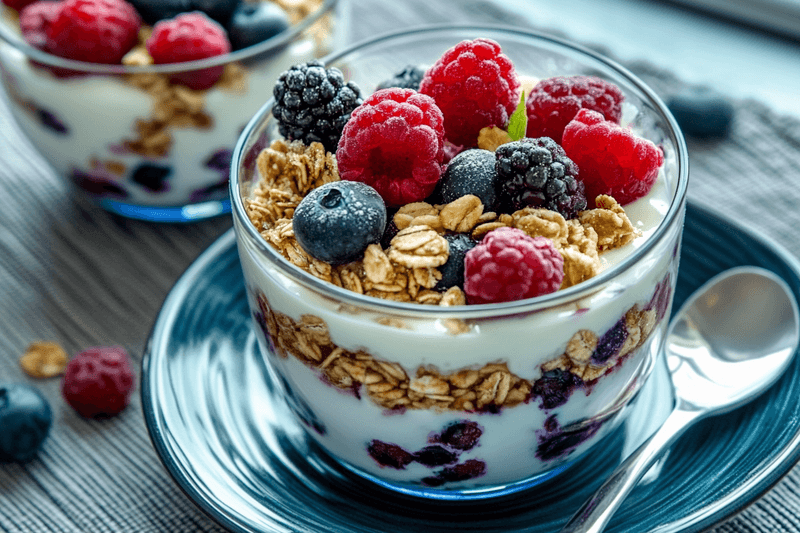
Plain Greek yoghurt provides 15-20 grams of protein per serving, whilst mixed berries add natural sweetness and 4 grams of fibre.
Choose full-fat varieties for better satiety and nutrient absorption. Avoid flavoured yoghurts that contain added sugars and artificial ingredients.
Frozen berries work just as well as fresh ones and often cost less. They thaw quickly when mixed into yoghurt.