













Few vegetables compare to mushrooms, with their earthy, meaty flavour often described as rich umami. They’re incredibly versatile, showing up in everything from a full English breakfast to comforting stroganoff and flavourful stir fry. Yet many home cooks struggle to keep mushrooms from turning slimy or soaking up too much fat.
There is, however, a simple trick that can transform them into something deeply savoury without drowning them in butter or oil.
This article is intended for general cooking information only. Preparation methods, ingredients, and results may vary.
How To Cook Tastier Mushrooms
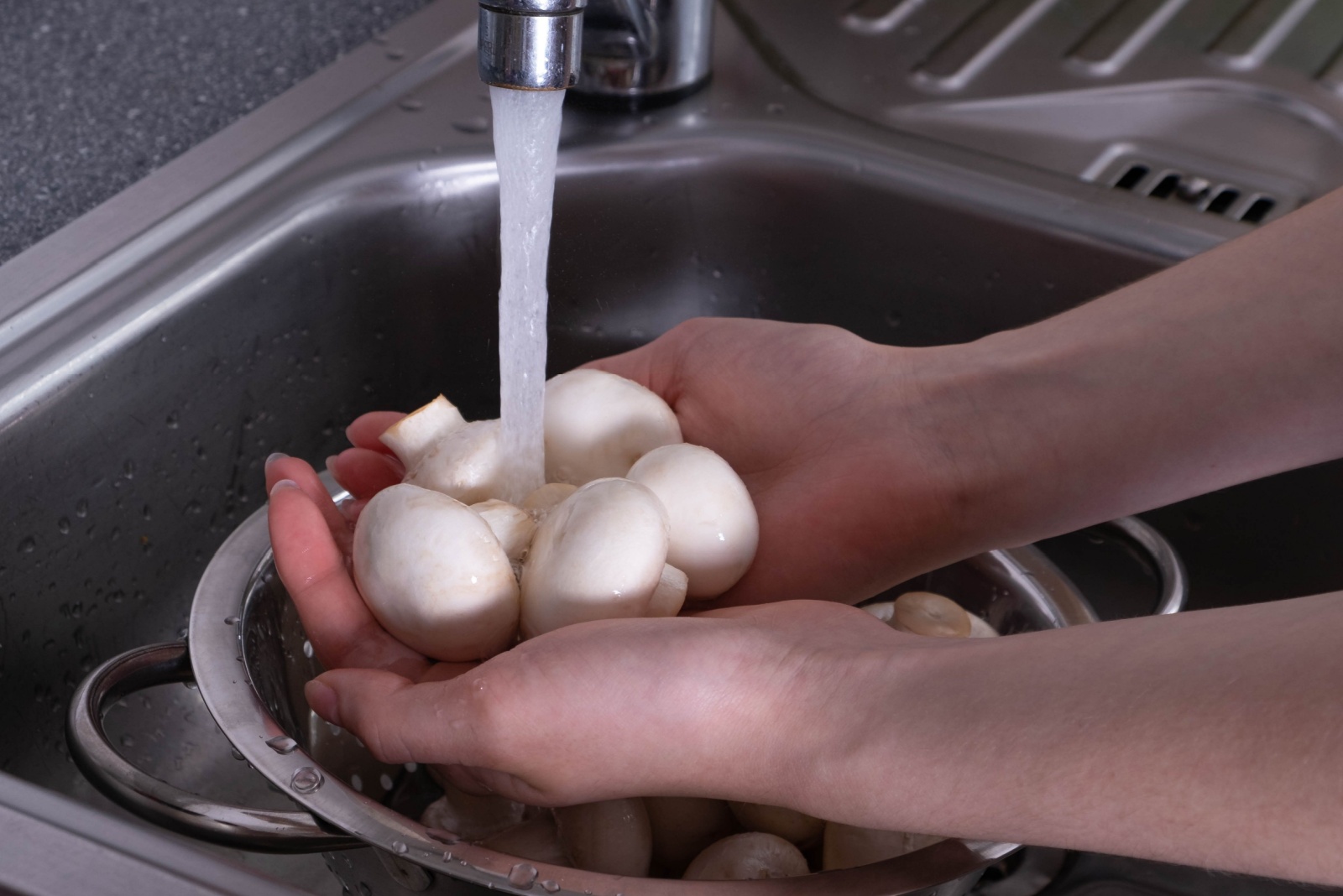
Start by washing mushrooms in a bowl of water instead of avoiding it, as many believe they should remain dry. Once rinsed, place them in a pan with just enough water to cover the surface. Heat until the water begins to boil, season with salt, and allow them to cook gently.
This method draws out and amplifies the natural umami already inside the mushrooms. When the liquid eventually evaporates, the mushrooms are perfectly primed for the next stage of cooking.
Why Water Works Better Than Fat
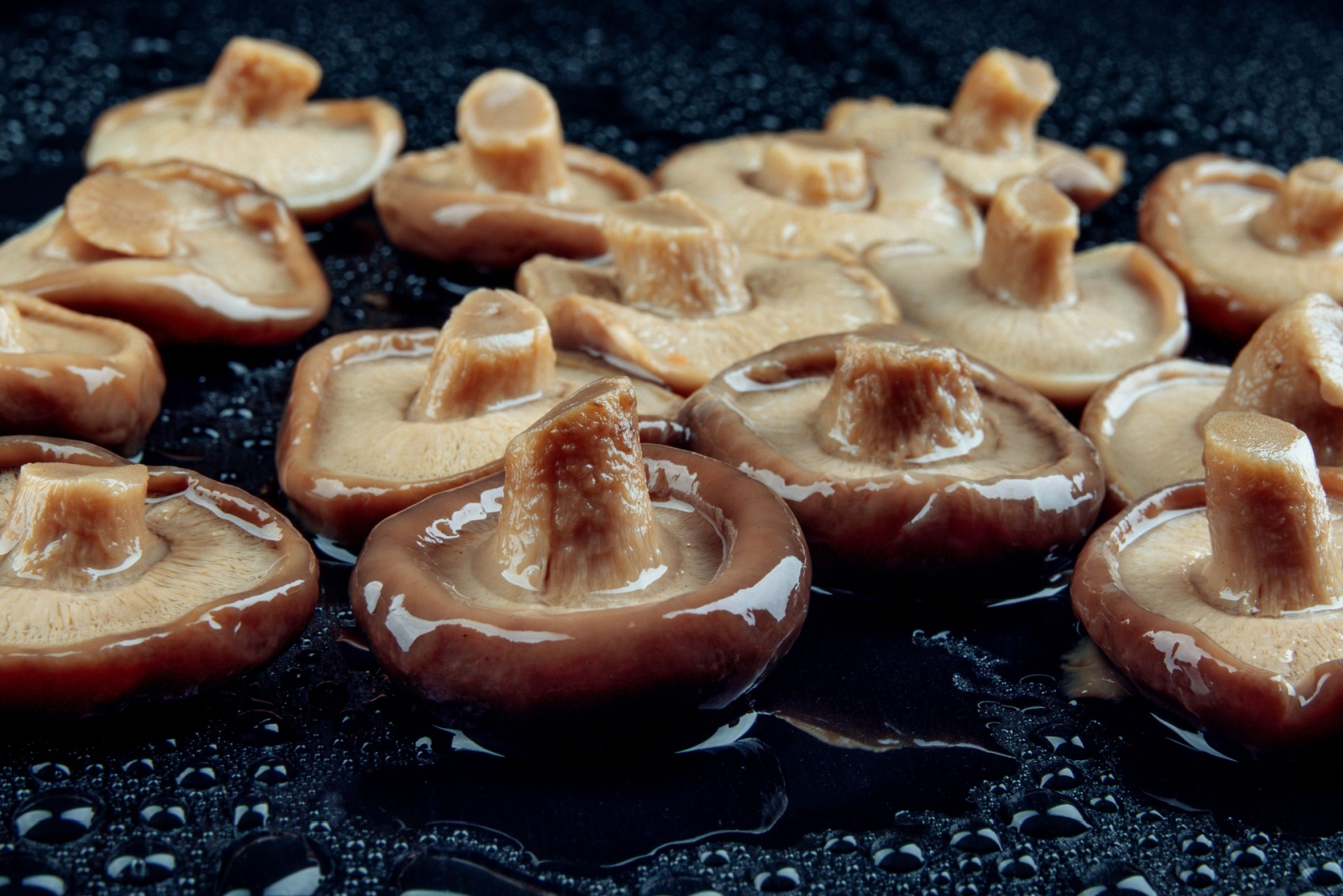
Mushrooms are made up of delicate fibres filled with tiny air pockets, which quickly soak up whatever liquid they encounter. Adding oil or butter too early often causes them to absorb fat instantly, leaving little flavour for the rest of the dish.
Using water first allows the mushrooms to soften evenly while releasing their natural juices. Once the water has boiled away, fats can be introduced sparingly to coat them rather than drown them. This approach ensures mushrooms stay plump, flavourful, and not greasy.
Finishing Touches For More Flavour
When the water has completely evaporated, it’s time to add oil, butter, or another fat of your choice. Because the mushrooms are already infused with their own juices, the fat clings lightly to the surface instead of being absorbed.
This not only keeps them from turning slimy but also creates a silky texture that pairs well with garlic, onions, or fresh herbs. For an extra boost, splash in a little more water at the end to glaze the pan and meld everything together. The result is a deeply savoury side dish that enhances any meal, from breakfast plates to hearty dinners.



