Adventurous eating opens doors to new cultures and experiences. Around the world, culinary daredevils sample dishes that might make the average person squirm.
Whether you're a food explorer or simply curious about global gastronomy, these extraordinary edibles will challenge your taste buds and expand your palate.
This article is for general information and lighthearted reading only. It highlights adventurous foods enjoyed in different cultures. Availability, preparation, and taste may vary by region. Photos are illustrative and may not reflect every version.
1. Escargot
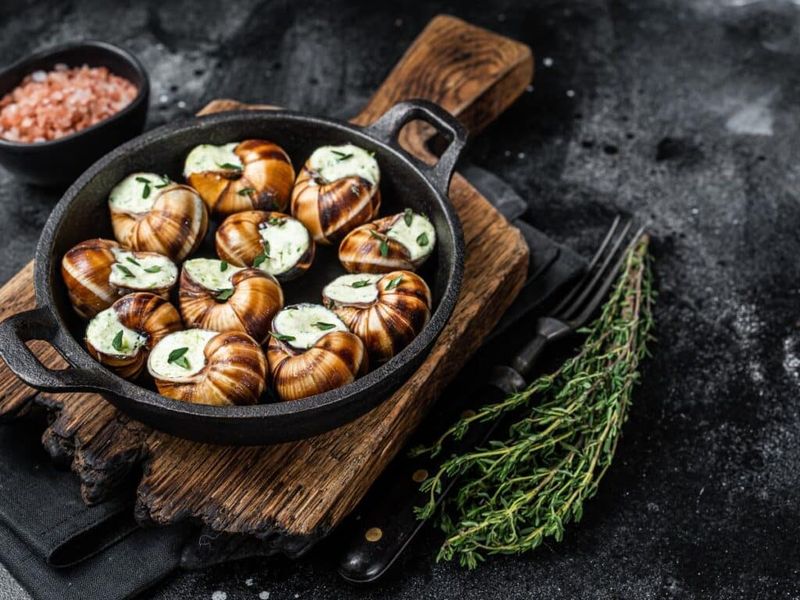
The French have transformed garden snails into a gourmet delight. Bathed in garlic butter and herbs, these molluscs offer a surprisingly tender texture with an earthy flavour.
Traditionally served in their shells, escargot requires special utensils – tiny forks and tongs that add to the theatrical dining experience. The Romans actually considered snails a luxury food centuries ago!
2. Haggis
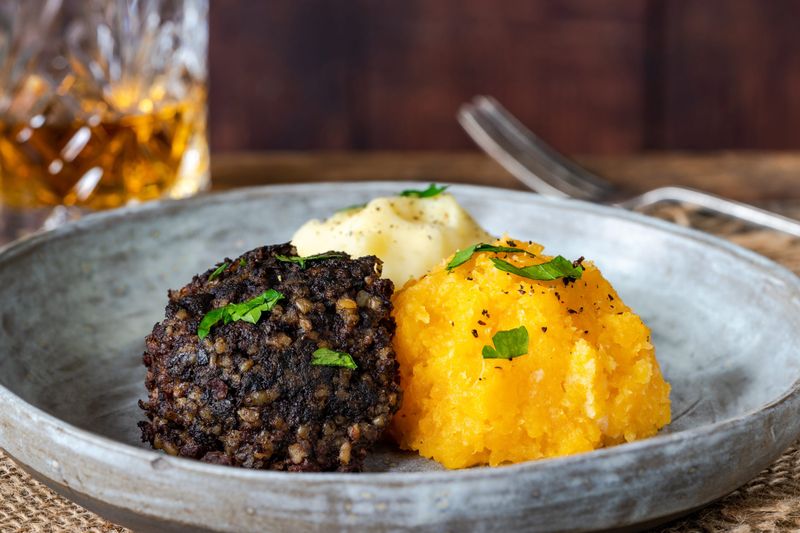
Scotland's national dish combines sheep's heart, liver and lungs with oatmeal, suet, and spices, all encased in a sheep's stomach. The mixture creates a savoury, peppery pudding with a crumbly texture. Burns Night celebrations wouldn't be complete without haggis, ceremonially carried in while bagpipes play.
Modern versions often use artificial casings rather than stomach, making it slightly more approachable for first-timers.
3. Fugu (Pufferfish)
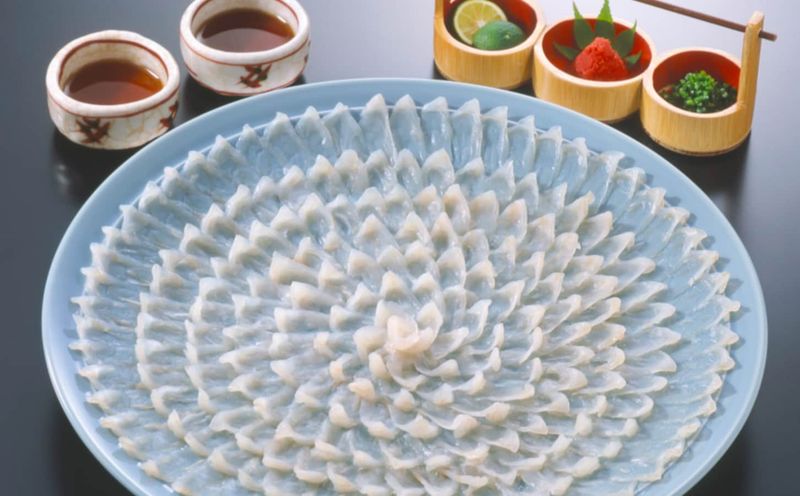
Perhaps the most dangerous delicacy in the world, fugu contains lethal toxins that must be carefully removed by licensed chefs who train for years. The Japanese prize this fish for its subtle flavour and unique texture.
Served as paper-thin sashimi, the mild taste produces a slight tingling sensation on the lips – not from poison but from trace amounts of safe neurotoxins.
4. Balut
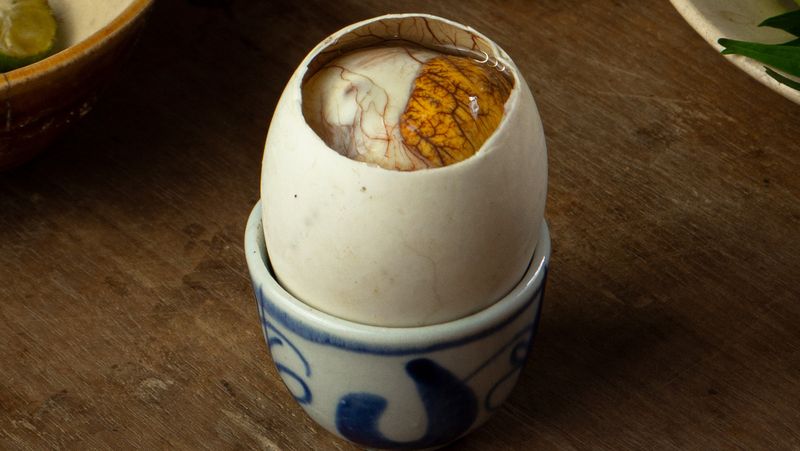
A Filipino street food favourite, balut is a fertilised duck egg enjoyed warm, straight from the shell. Often seasoned with salt, vinegar, or chili garlic sauce, it offers a mix of flavours and textures that many find comforting.
Street vendors traditionally announce its arrival with distinctive calls through neighbourhoods at dusk.
5. Alligator Meat
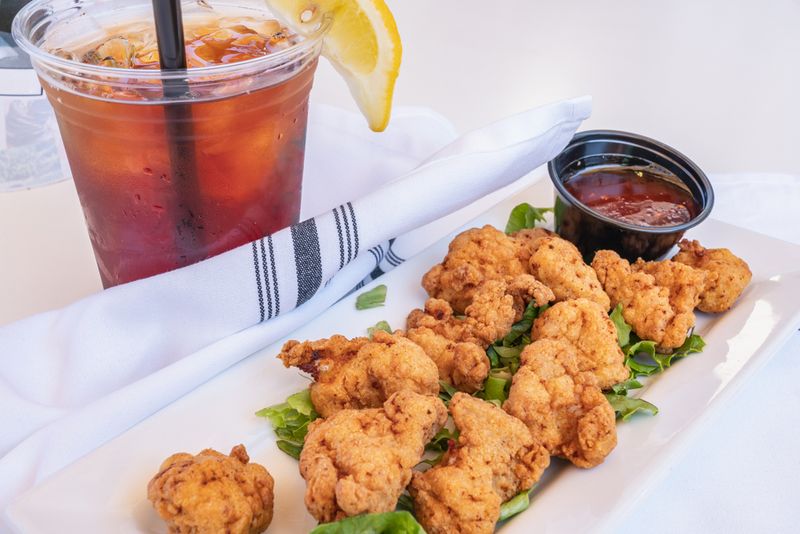
The reptilian alternative to chicken, alligator meat appears on menus throughout the American South. Its mild flavour falls somewhere between chicken and fish, with a firm texture that works brilliantly in Cajun dishes. Tail meat is most prized for its tenderness, while body meat offers more robust flavours.
Sustainability advocates note that alligator farming actually helps conservation efforts by reducing pressure on wild populations.
6. Durian Fruit
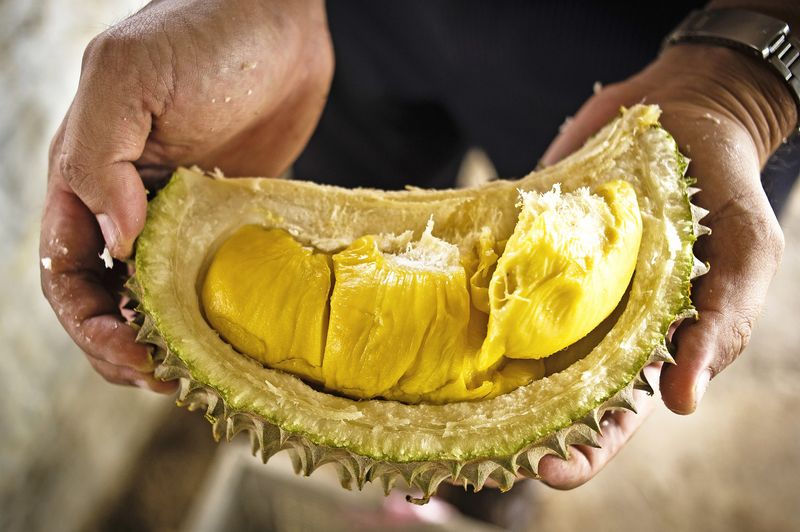
Known as the world's smelliest fruit, durian is banned in many hotels and public transport systems across Southeast Asia. Its custard-like flesh offers complex flavours of caramel, almond, and vanilla – if you can get past the aroma.
Devotees describe the smell variously as rotting onions, gym socks, and sewage. Yet in Malaysia and Indonesia, it's called the "king of fruits." Some people never overcome their aversion, while others become lifelong enthusiasts.
7. Century Egg
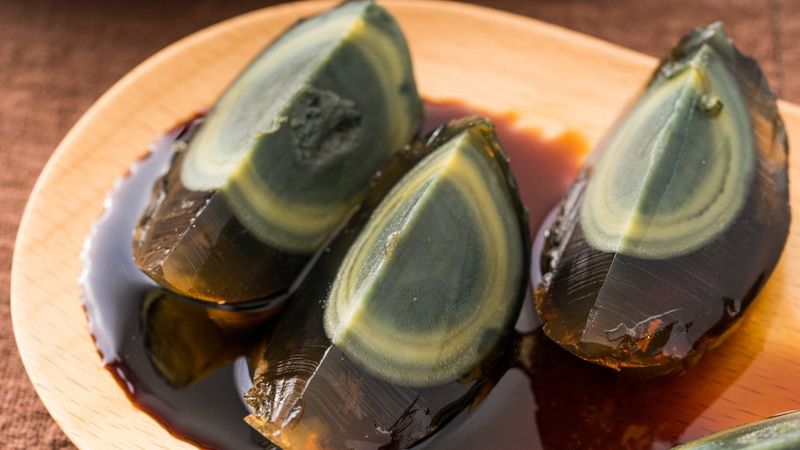
These Chinese preserved eggs aren't actually centuries old, but they are preserved for several weeks or months. Duck, chicken or quail eggs are coated in clay, ash, salt, and lime, transforming them completely. The preservation process turns the whites translucent dark brown or black, while the yolk becomes creamy and cheese-like with a dark green hue.
The flavour is rich and complex – earthy, slightly ammonia-like, with umami notes similar to a strong cheese.
8. Fried Tarantula
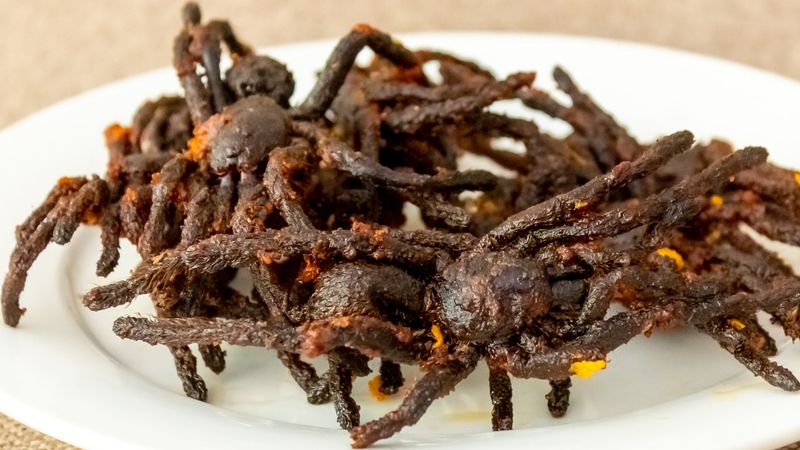
Cambodian street vendors offer these arachnid treats – whole tarantulas fried crisp in garlic-infused oil. The legs provide a crunchy texture similar to potato crisps, while the body contains a soft, white meat often compared to crab.
Originally eaten during food shortages under the Khmer Rouge, they've evolved into a popular snack and tourist attraction. Vendors in Skuon, nicknamed "Spider Village," sell thousands daily, preparing them fresh from nearby burrows.
9. Sea Urchin (Uni)
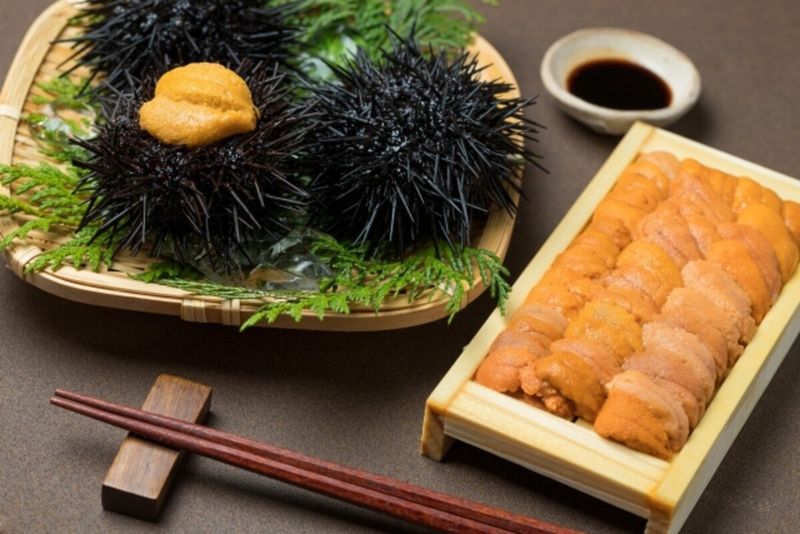
Beneath the spiky exterior of sea urchins lies uni – the golden-orange reproductive organs prized by sushi connoisseurs. The custard-like texture melts on your tongue, delivering an intensely oceanic flavour with sweet and briny notes.
Japanese chefs serve uni atop rice as nigiri or wrapped in seaweed as gunkan maki. The finest specimens come from Hokkaido waters. While polarizing for beginners, uni often becomes a favourite among those who acquire the taste.