













The smell of freshly baked cookies is hard to beat, but getting them just right can be tricky. Too flat, too hard, or just not quite tasty enough – these problems are common in home baking.
With the right techniques, though, you can consistently make cookies that look and taste exactly how you want them. These simple but effective tips will help you master the art of cookie baking.
This article is for general baking tips only. Results may vary depending on oven type, ingredients, and personal methods. Always follow food safety guidelines when handling raw eggs and flour.
1. Use Room Temperature Ingredients
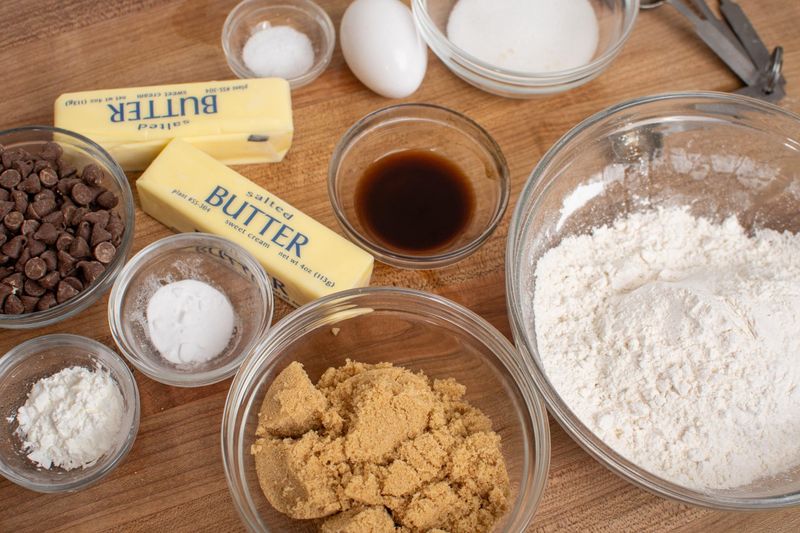
Butter and eggs straight from the fridge can affect the texture of your dough. Cold butter won’t cream properly with sugar, and cold eggs can cause mixtures to seize.
Take butter and eggs out about an hour before baking. Butter should be soft enough to press but not melting, while room temperature eggs mix smoothly for better texture.
2. Measure Flour Correctly
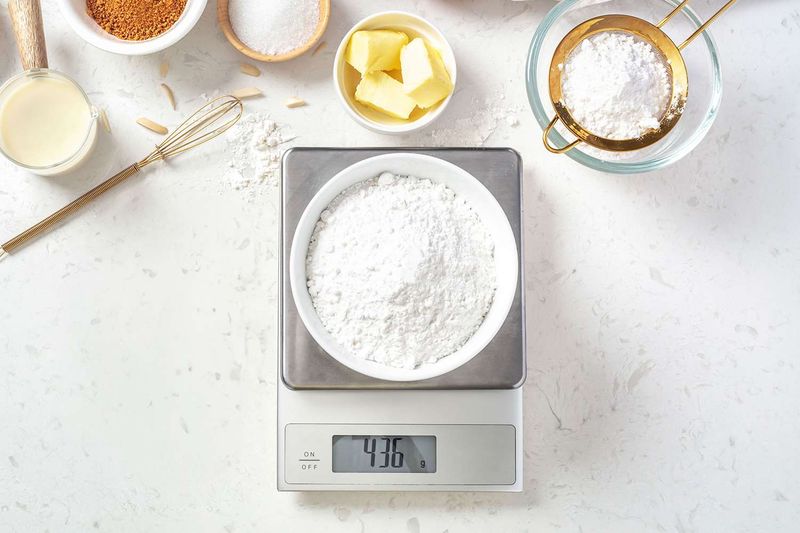
Too much flour makes cookies dry and crumbly. The common mistake is scooping straight from the bag, which packs in excess flour.
Spoon flour into your cup, level it off, and avoid tapping or shaking. Better yet, weigh it on kitchen scales for accuracy and consistency every time.
3. Chill Your Cookie Dough
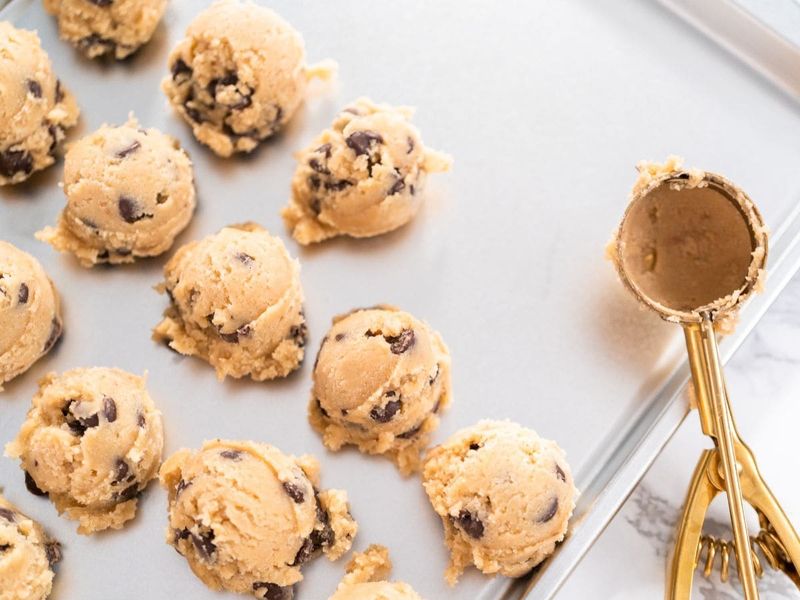
Warm dough spreads too quickly in the oven. Chilling firms it up and helps cookies hold their shape.
Refrigerate for at least 30 minutes, or even overnight for improved flavour. Slice-and-bake doughs are easiest to chill when wrapped tightly in cling film.
4. Avoid Overmixing Your Dough
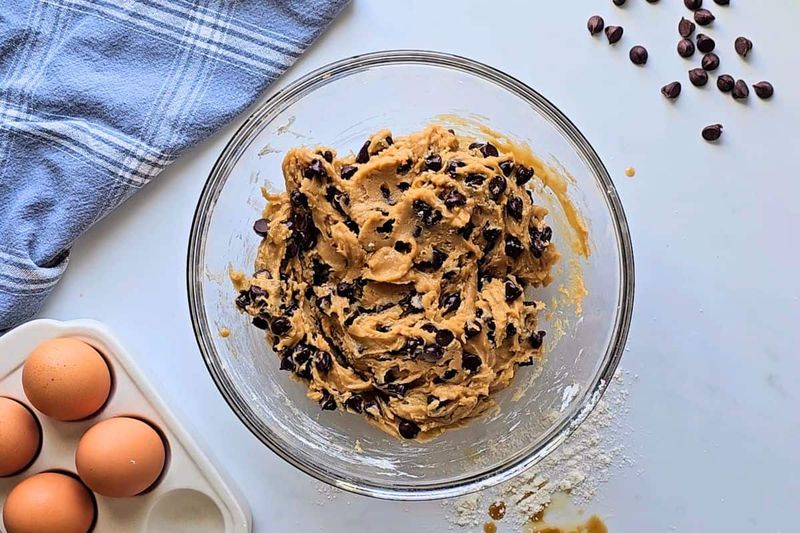
Overworked dough develops too much gluten, making cookies tough instead of tender.
Mix just until the flour disappears, then fold in extras like chocolate chips or nuts by hand. The dough might look a little uneven, but that’s ideal.
5. Line Trays With Parchment Or Silicone Mats
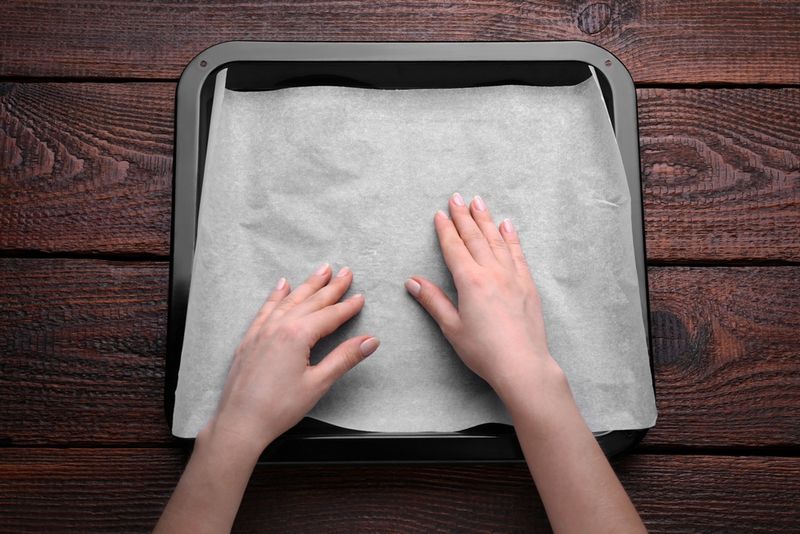
Greasing trays can make cookies spread and brown unevenly. Parchment paper or silicone mats give a consistent surface and prevent sticking.
Avoid wax paper, as it isn’t heat-safe and can melt or catch fire.
6. Space Cookies Properly Apart
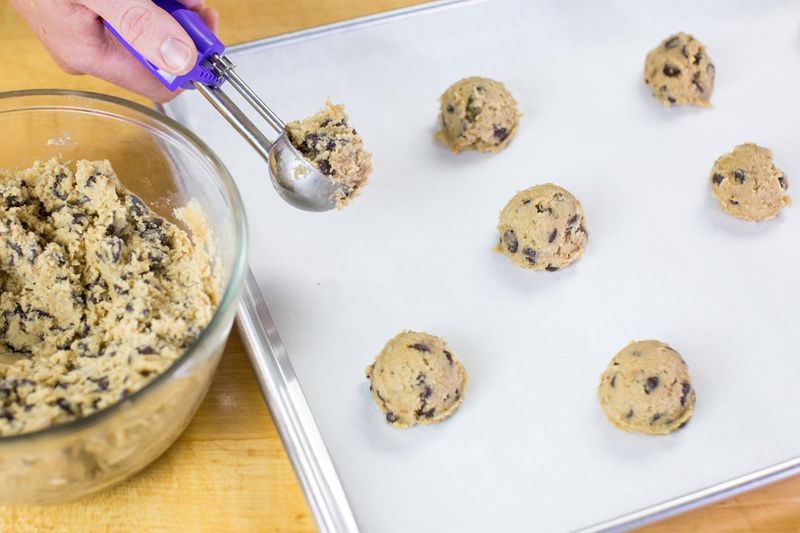
Cookies spread as they bake, so crowding leads to uneven results. Most need at least 5 cm between each portion.
If in doubt, bake fewer per tray. Using two trays instead of one ensures better spacing and more evenly shaped cookies.
7. Preheat Your Oven Completely
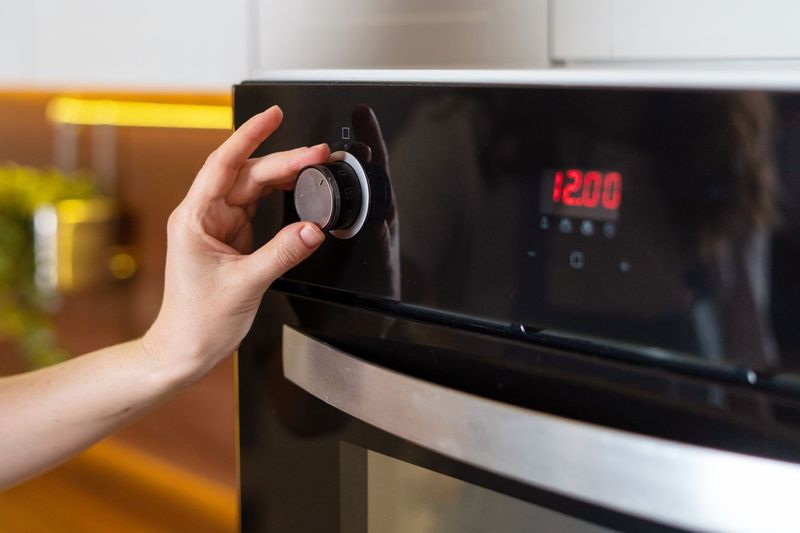
An oven that isn’t fully heated will throw off baking. Cookies need that initial blast of heat to set properly.
Allow 10–15 minutes for the oven to reach temperature, and consider an oven thermometer for accuracy. Adjust the heat if your oven runs hot or cool.
8. Rotate Your Baking Trays
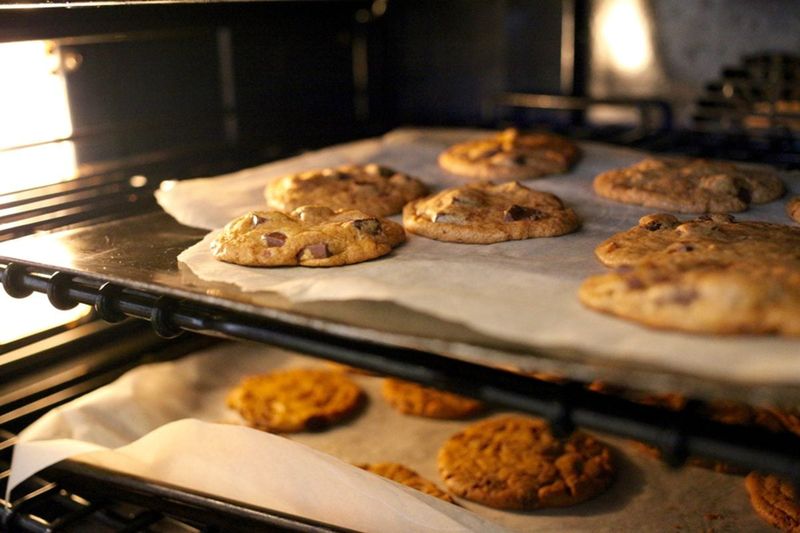
Ovens often have hot spots. Rotating trays halfway through baking helps every cookie brown evenly. If using two trays, swap their positions as well as turning them 180 degrees.
9. Watch For Visual Cues
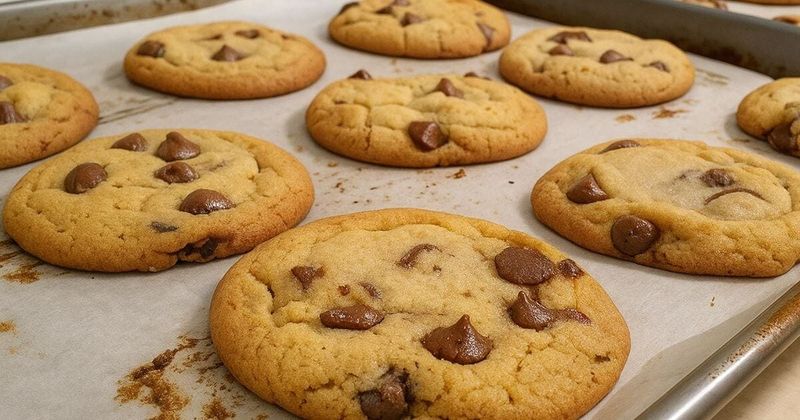
Cookies keep cooking after leaving the oven, so don’t wait for them to look fully done.
The edges should be set and lightly golden, while the centres can look soft or slightly shiny. This gives chewy middles with crisp edges.
10. Cool Cookies On The Tray First
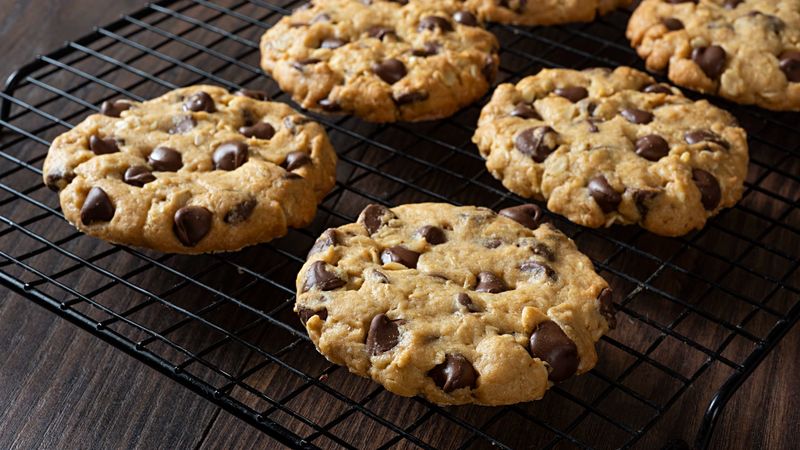
Fresh from the oven, cookies are too fragile to move. Leave them on the tray for about 5 minutes to firm up.
Afterwards, transfer to a wire rack so steam can escape, preventing soggy bottoms.
11. Store Different Types Separately
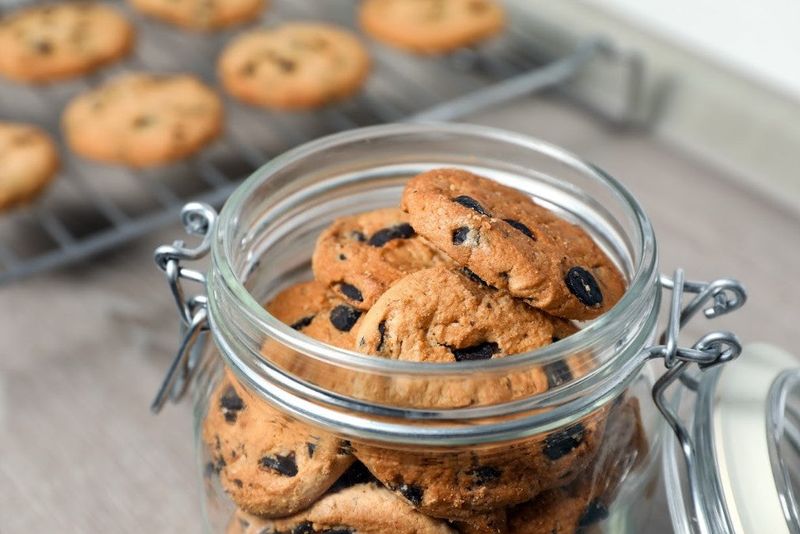
Mixing textures in storage ruins them both. Soft cookies lose moisture, while crisp ones turn stale.
Keep soft cookies in airtight containers, and crispy ones in looser containers. Adding a slice of bread to soft cookies helps them stay moist.



