













Food has the power to transport us across continents without ever leaving our table. From ancient recipes passed down through generations to dishes that define entire cultures, some foods are more than just meals – they're experiences.
These legendary foods represent the pinnacle of culinary achievement from around the world, each with its own fascinating history and unique flavor profile.
This content is for general information only. Availability, preparation, and taste of foods may vary by region, restaurant, and personal preference.
1. Neapolitan Pizza (Italy)
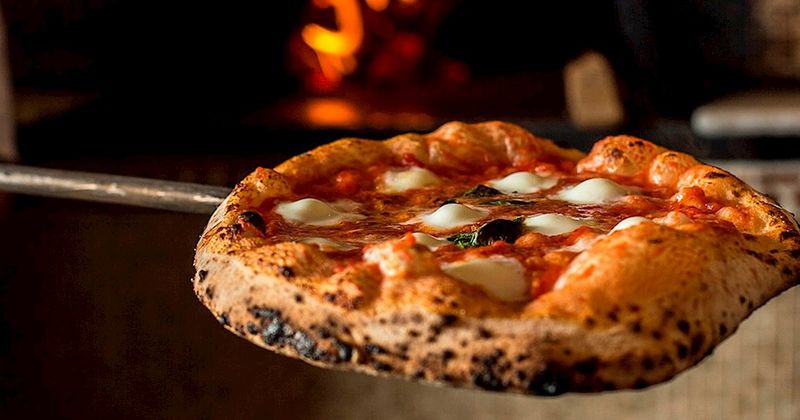
The godfather of all pizzas comes with strict rules! Authentic Neapolitan dough must be hand-kneaded (no rolling pins allowed) and baked for just 90 seconds in a scorching wood-fired oven.
The result? A pillowy, slightly charred crust that's simultaneously crisp and chewy. A true slice of Italian heritage that dates back to the 18th century.
2. Kobe Beef (Japan)
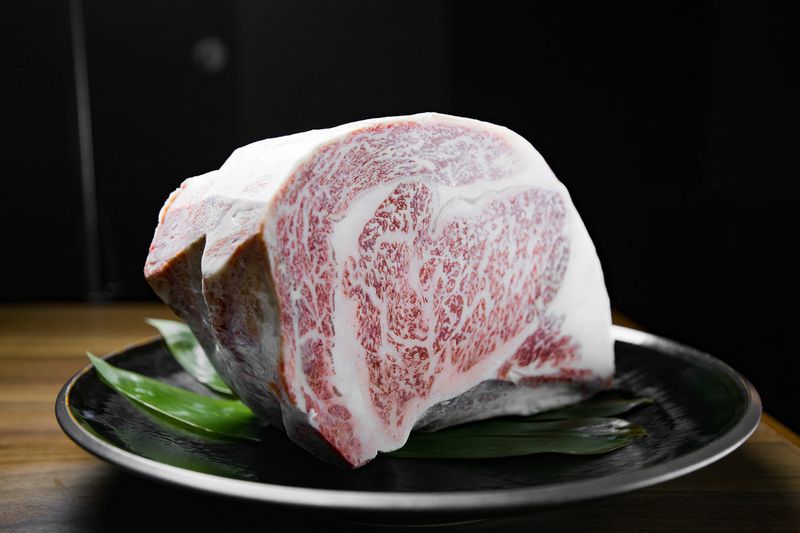
Fancy beef that costs more than some designer handbags? That's Kobe for you. These pampered Japanese cattle supposedly listen to classical music and receive regular massages, resulting in meat so marbled it practically melts at room temperature.
The buttery texture and rich umami flavor create a culinary experience that's worth every penny of its eye-watering price tag.
3. Peking Duck (China)
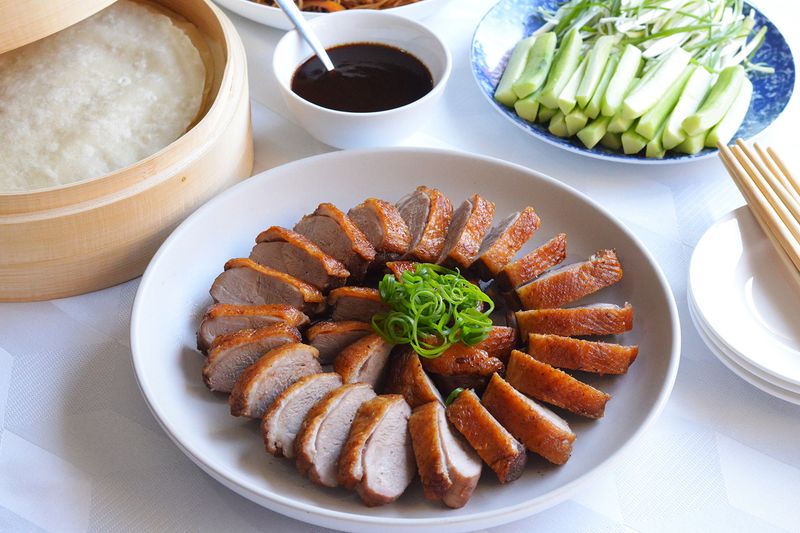
Imperial feasting doesn't get better than this 700-year-old Chinese masterpiece. The preparation is almost theatrical – ducks are air-dried, glazed with maltose, and roasted until the skin becomes impossibly crisp while the meat stays juicy.
Served with whisper-thin pancakes, hoisin sauce, cucumber, and spring onions, it's a DIY wrap that's been delighting diners since the Ming Dynasty.
4. Croissant (France)

The humble croissant might look simple, but creating those perfect buttery layers requires three days of folding, rolling, and patience. When done right, each bite shatters into delicate shards before melting on your tongue.
Despite being a symbol of French cuisine, the croissant actually originated in Austria as the "kipferl" before Marie Antoinette made it fashionable in Paris.
5. Paella (Spain)
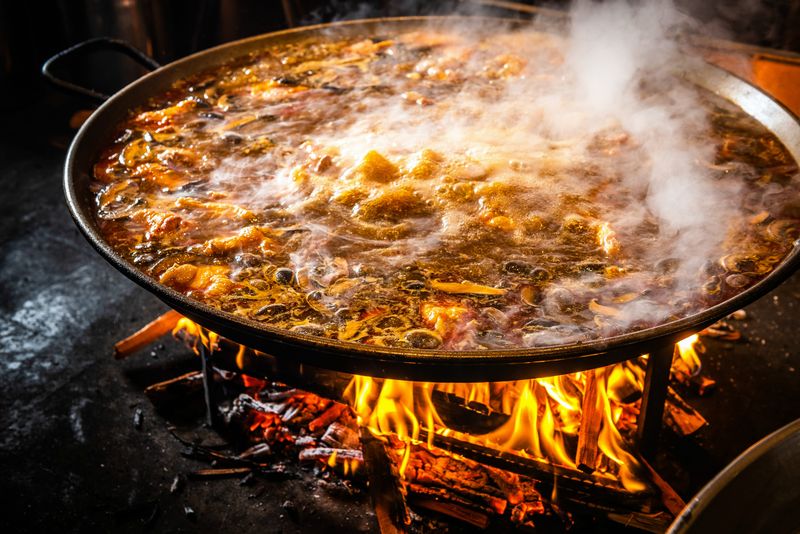
Traditional Valencian paella isn't the seafood extravaganza many tourists expect – it's a humble countryside dish of rabbit, chicken, snails, and beans cooked over an orange wood fire.
The magic lies in the socarrat – that gloriously caramelized crust that forms on the bottom of the pan. Spanish families still gather around giant paellas every Sunday, maintaining a tradition that dates back centuries.
6. Butter Chicken (India)
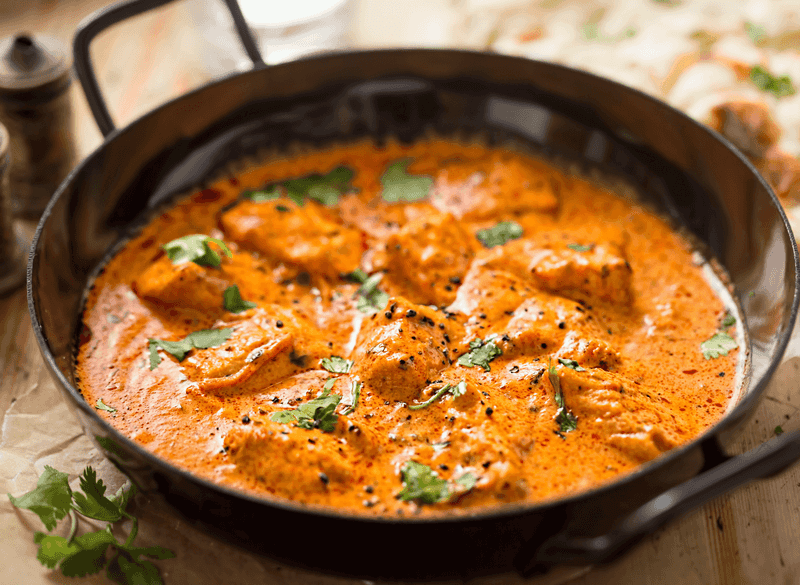
Born from a chef's ingenuity rather than ancient tradition, butter chicken was created in 1950s Delhi when leftover tandoori chicken was simmered in a buttery tomato sauce to prevent waste.
This happy accident produced velvety, aromatic perfection. The complex layering of spices creates depth without overwhelming heat, making it the perfect gateway dish for those new to Indian cuisine.
7. Tacos Al Pastor (Mexico)
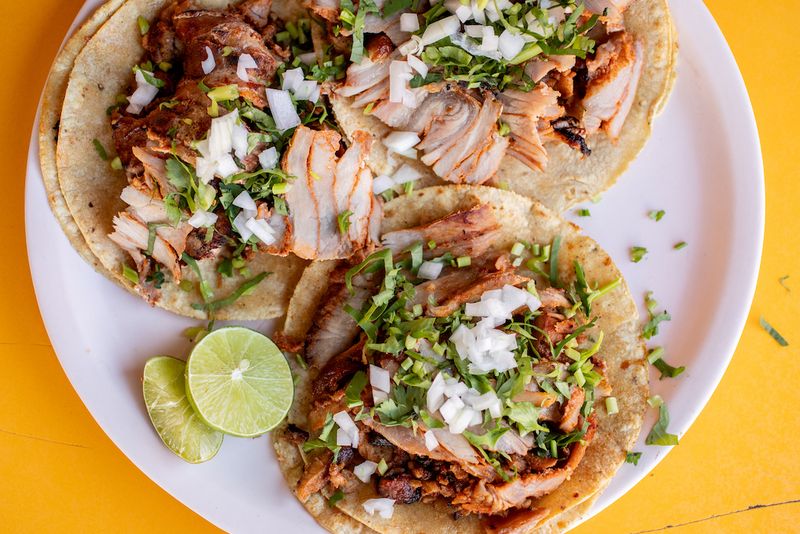
Lebanese immigrants brought shawarma techniques to Mexico in the 1930s, and Mexicans brilliantly transformed it using local ingredients. The result? Marinated pork stacked on a vertical spit, slowly roasted beside a pineapple that drips its juices onto the meat.
Sliced directly onto miniature corn tortillas and topped with cilantro, onion and pineapple, these tacos represent the beautiful cultural fusion that defines Mexican cuisine.
8. New York Bagel (USA)

What makes a New York bagel so special? Many claim it's the city's water, but the truth lies in the traditional technique. These doughy rings are first boiled (creating that distinctive chewy crust) before being baked to perfection.
Brought to America by Polish Jewish immigrants in the late 19th century, the best specimens come slathered with cream cheese and topped with silky lox – a quintessential Big Apple breakfast.
9. Belgian Waffles (Belgium)
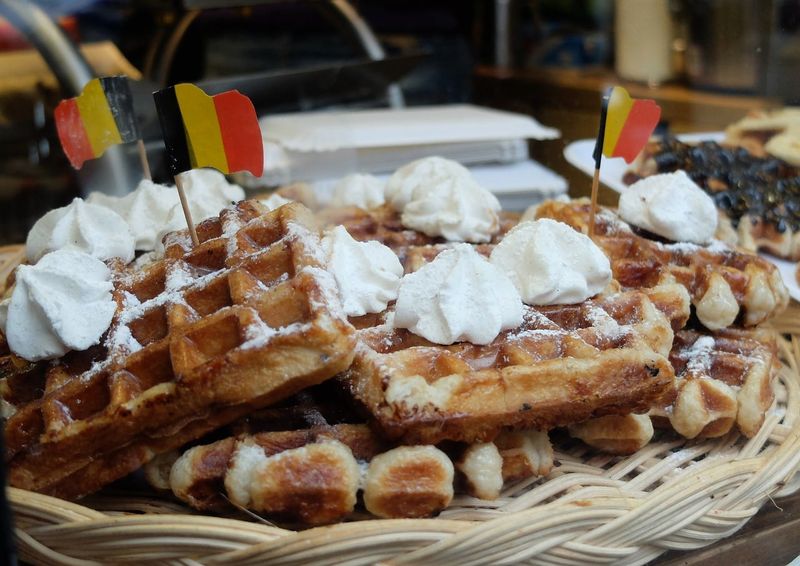
The Brussels waffle (what Americans call "Belgian") features deep pockets designed to hold ridiculous amounts of toppings, while the denser Liège waffle has caramelized sugar pearls that create crunchy, sweet explosions in every bite.
Belgian street vendors have been perfecting these recipes since the Middle Ages, creating what might be the world's most satisfying portable treat.
10. Gelato (Italy)
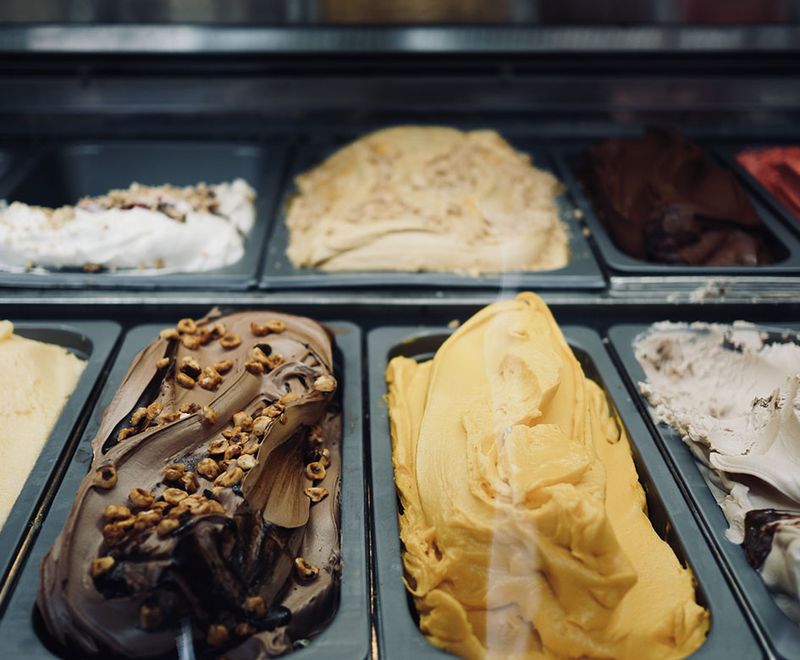
Ice cream's sophisticated Italian cousin contains less fat and air, creating an intensely flavored, velvety texture that's denser than regular ice cream. Made fresh daily in small batches, traditional gelaterias pride themselves on using seasonal ingredients.
The best artisans still follow techniques pioneered during the Renaissance, when the Medici family commissioned the first gelato for elaborate Florentine banquets.



