













Irish cuisine goes far beyond just potatoes and soda bread. The Emerald Isle boasts a rich culinary tradition filled with hearty stews, fresh seafood, and delightful baked goods.
These traditional recipes have been passed down through generations, bringing comfort and joy to dinner tables across Ireland. Let's explore some authentic Irish dishes that showcase the country's farming heritage and coastal bounty.
Recipes may vary by region and personal preference, and cooking times or ingredients might differ slightly. This article is for general informational purposes and aims to celebrate Irish culinary heritage.
1. Irish Soda Bread
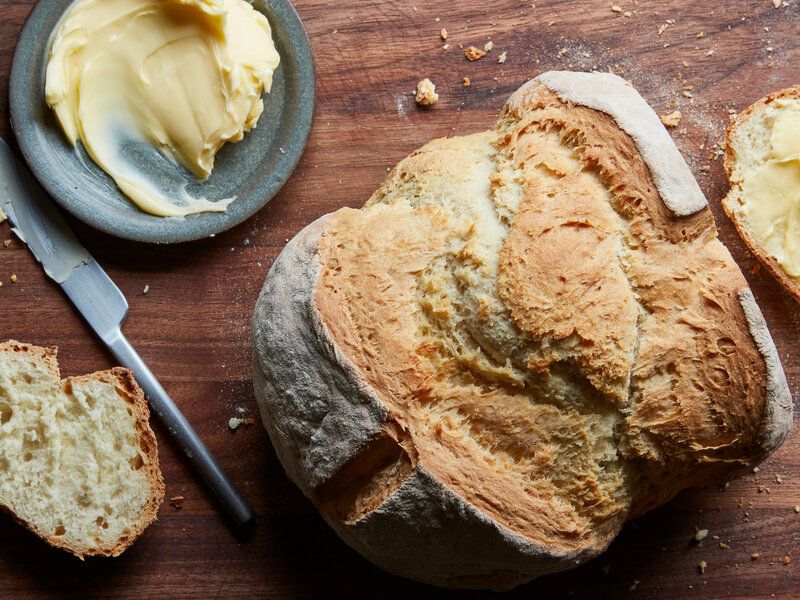
Nothing says Irish cooking quite like a crusty loaf of soda bread fresh from the oven. This quick bread uses baking soda instead of yeast as its leavening agent, making it incredibly simple to prepare, even for novice bakers.
The traditional version contains just flour, salt, baking soda, and buttermilk, though many families add their own twist with raisins, caraway seeds, or honey. The cross-cut into the top before baking isn't just decorative – it helps the heat penetrate the thickest part of the bread.
Slather a warm slice with Irish butter for a taste of authentic countryside comfort that has sustained Irish families for generations.
2. Colcannon
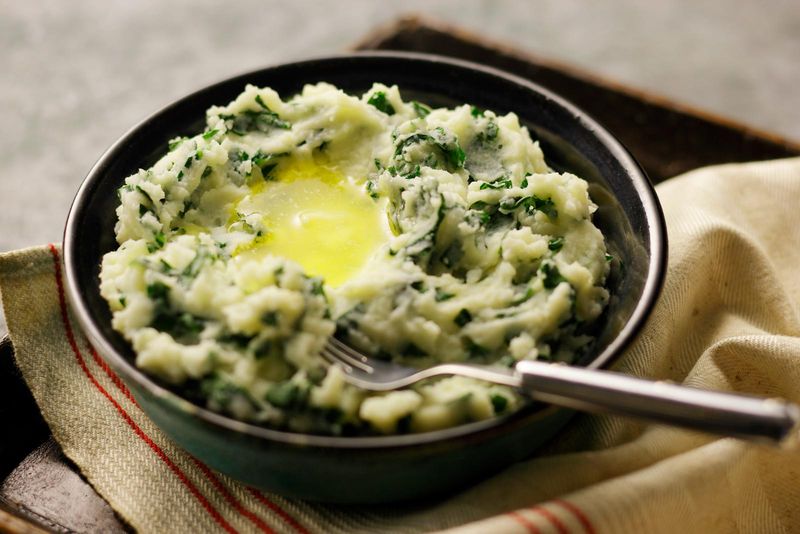
Creamy mashed potatoes blended with cabbage or kale create this beloved Irish comfort food. The name comes from "cál ceannann," meaning "white-headed cabbage" in Gaelic, though modern versions often use the more nutritious kale instead.
The secret to perfect colcannon lies in using floury potatoes and plenty of real butter. Some regional variations include mixing in spring onions, leeks, or even bacon for extra flavour. Traditionally served with a well in the centre filled with melted butter, this dish appears at many Irish tables during Halloween.
Folklore says unmarried women would place rings inside colcannon, and whoever found one would soon find true love.
3. Boxty
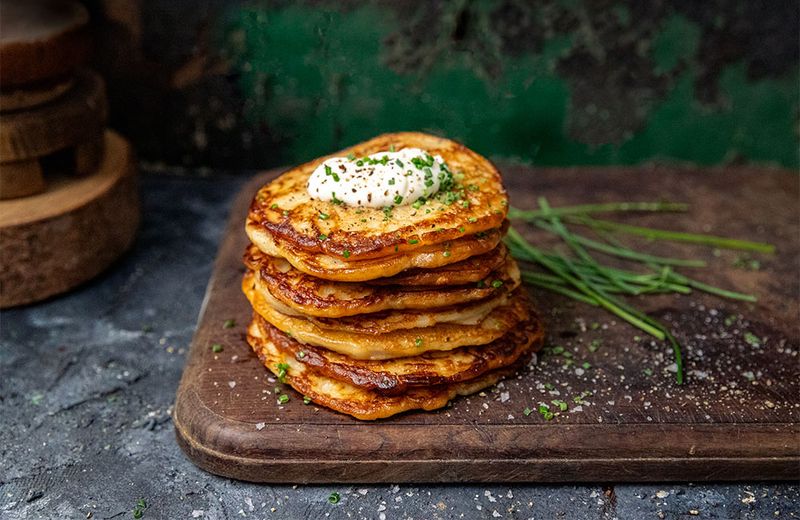
An old Irish rhyme declares: 'Boxty on the griddle, boxty in the pan, if you can't make boxty, you'll never get your man.' These potato pancakes showcase the Irish talent for transforming humble spuds into something magical.
Made from a mixture of grated raw potatoes, mashed potatoes, flour, and buttermilk, boxty has a unique texture that's both fluffy and crispy. The pancakes are fried until golden brown on a griddle or pan, creating a delicious contrast between the crisp exterior and tender centre.
Traditionally served as part of a full Irish breakfast or alongside savoury fillings like smoked salmon or bacon, boxty remains popular in counties Cavan, Leitrim, and Longford.
4. Dublin Coddle
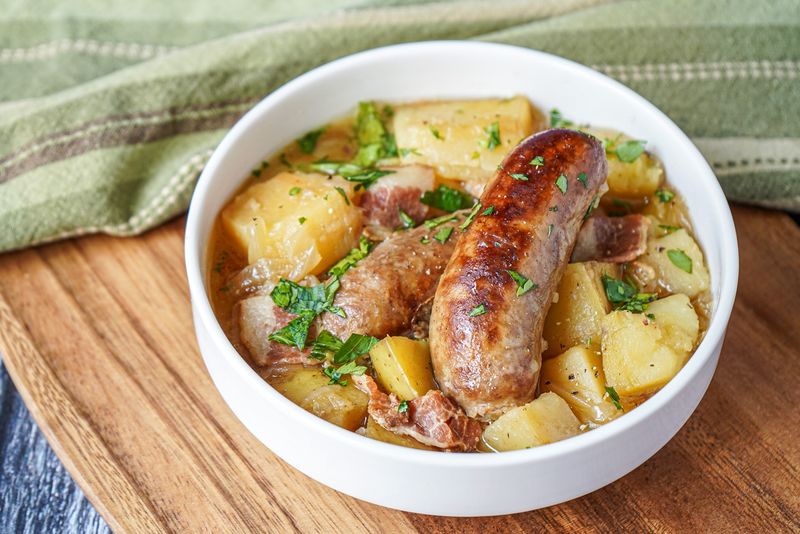
Born from frugality, Dublin Coddle emerged as a Thursday night staple when Catholic families needed to use up meat before Friday's fasting. This one-pot wonder combines sausages, bacon, potatoes, and onions slowly simmered together until everything becomes wonderfully tender.
The name 'coddle' comes from the gentle cooking method – nothing boils, just a slow, affectionate simmer. Every Dublin family has their own version, with some adding barley, carrots, or herbs according to taste and availability.
Literary giants James Joyce and Jonathan Swift both mentioned this dish in their writings, cementing its place in Irish cultural history and its culinary tradition.
5. Irish Stew
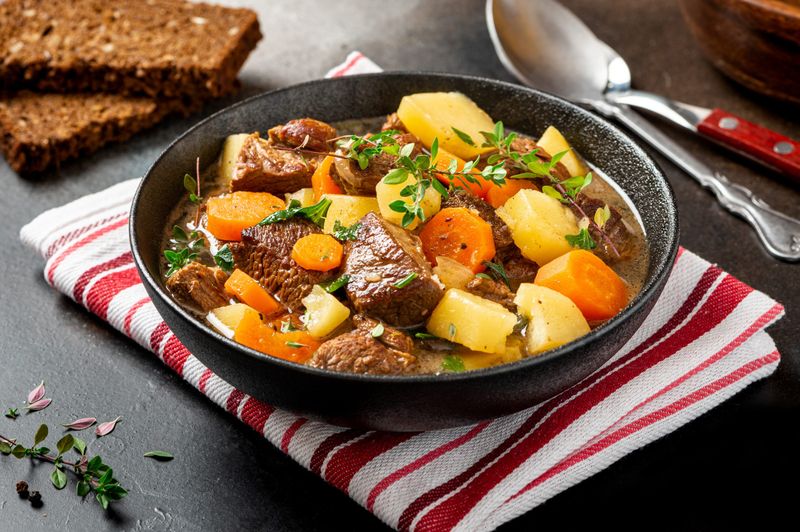
The quintessential Irish comfort food, traditional Irish stew originally contained just lamb, potatoes, onions, and water. This peasant dish evolved from necessity, using affordable, available ingredients to create something nourishing and satisfying.
Debates rage across Ireland about proper ingredients – some insist on mutton over lamb, others declare carrots and celery essential additions, while purists reject any vegetables beyond potatoes and onions. What everyone agrees on is the cooking method: slow and gentle, allowing the flavours to meld together perfectly.
The rich, hearty broth develops its distinctive flavour from the bone-in meat, creating a dish that has sustained Irish families through centuries of harsh winters.
6. Bacon And Cabbage
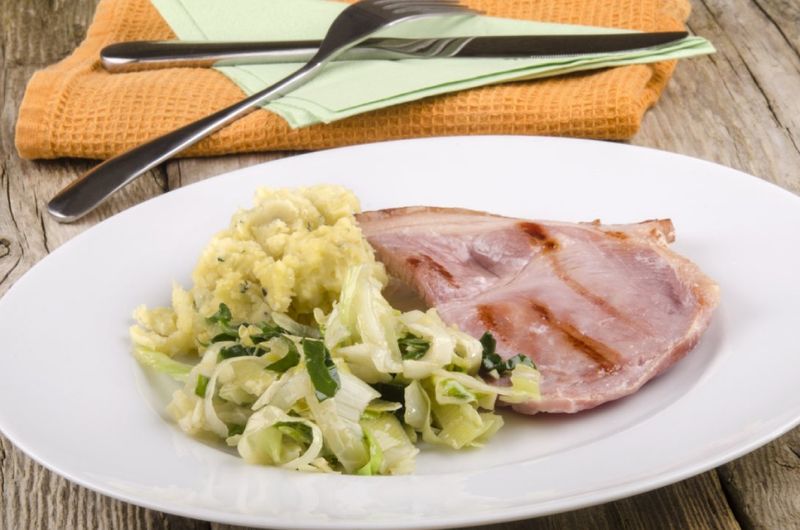
While corned beef and cabbage gained fame abroad, bacon and cabbage remain the authentic Irish favourite. Using a cured pork loin (known as back bacon), this dish celebrates Ireland's strong pig-farming tradition.
The bacon joint simmers gently until tender, then the cabbage cooks briefly in the flavourful meat broth. Served with floury potatoes and parsley sauce, this simple combination creates a symphony of complementary flavours and textures. County Cork families often add their signature twist with a splash of cider vinegar in the cooking water.
This humble meal sustained generations of farming families, offering a perfect balance of protein and vegetables in one satisfying plate.
7. Seafood Chowder
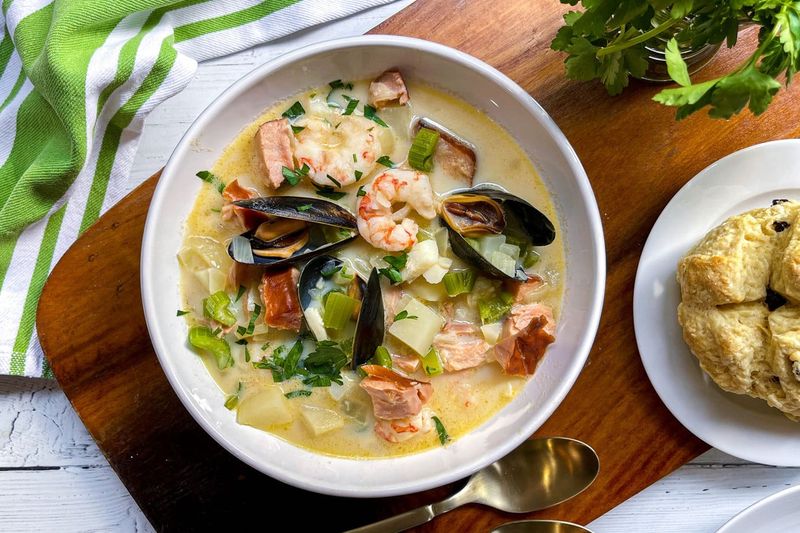
Along Ireland's wild Atlantic coastline, fishing communities have perfected the art of seafood chowder. Each harbour town proudly serves its own version, featuring whatever the boats brought in that morning – usually a mix of salmon, cod, mussels, and prawns.
The creamy base gets its distinctive flavour from Irish butter, leeks, and sometimes a splash of white wine or cream. Unlike American chowders, the Irish version rarely includes corn but always features chunky potatoes to add heartiness to the broth.
Accompanied by brown soda bread slathered with butter, seafood chowder represents the perfect marriage between Ireland's farming and fishing traditions.
8. Shepherd's Pie
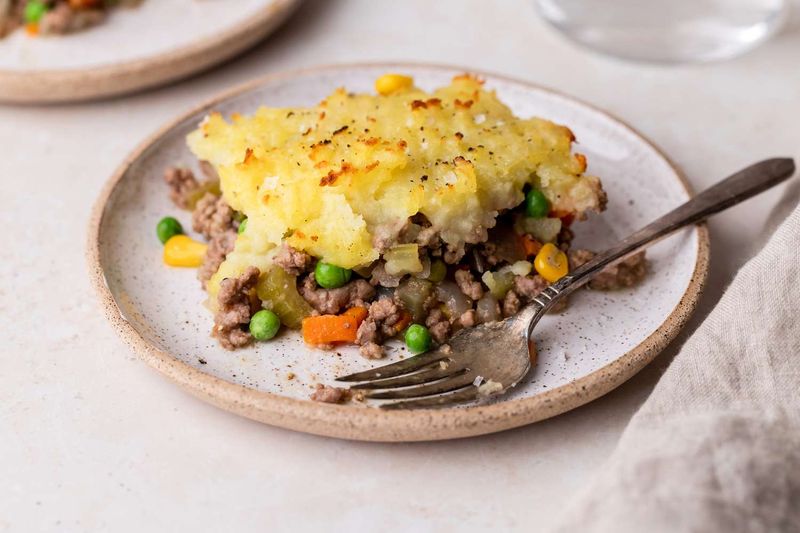
Savoury minced lamb simmered with vegetables and topped with fluffy mashed potatoes – Shepherd's Pie exemplifies Irish ingenuity in transforming leftovers into something magnificent. The dish originated as a clever way to repurpose Sunday roast remnants into Monday's dinner.
Authentic Irish versions use lamb (never beef – that would be Cottage Pie), onions, carrots, and peas in a rich gravy beneath a golden potato crust. Many family recipes include secret ingredients like Worcestershire sauce, tomato paste, or a splash of stout for depth of flavour.
The perfect Shepherd's Pie achieves a delicate balance: crispy potato peaks, creamy mash beneath, and savoury filling that holds together when served.
9. Barmbrack
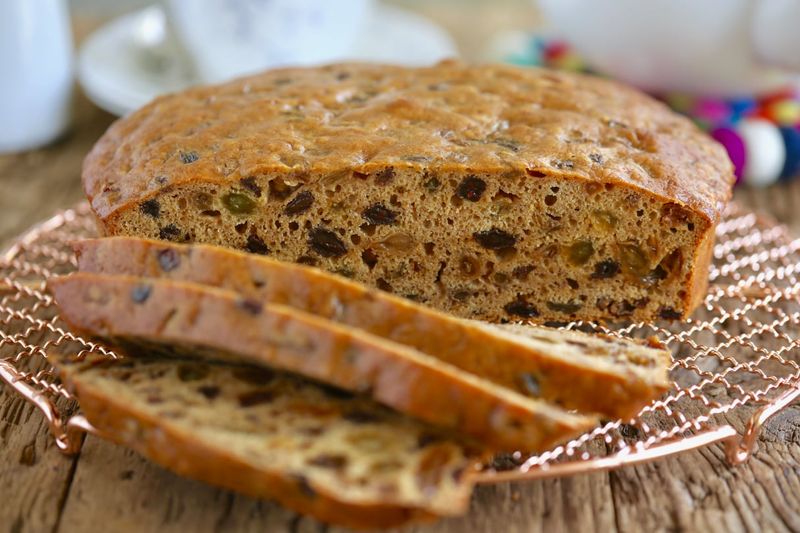
Sweet, fruity, and steeped in tradition, Barmbrack is a tea-soaked fruit bread deeply connected to Irish Halloween customs. The name comes from the Irish "báirín breac" meaning "speckled loaf," referring to the dried fruit scattered throughout the bread.
Traditionally, various objects were baked inside – finding a ring meant marriage within the year, while a thimble foretold spinsterhood. Modern versions skip these choking hazards but retain the delicious combination of tea-soaked raisins, sultanas, and mixed peel in a lightly spiced dough.
Sliced thick and spread with butter, Barmbrack makes the perfect accompaniment to afternoon tea during the darker months.
10. Apple Cake
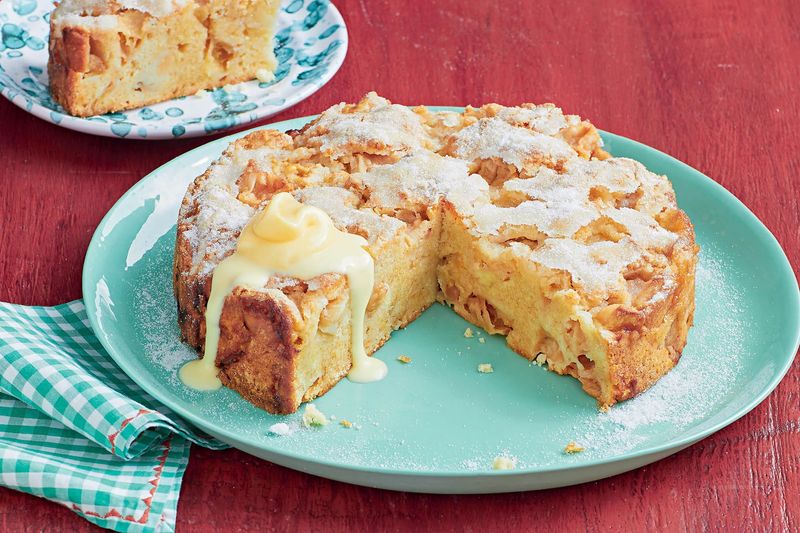
County Armagh, known as the "Orchard County," produces spectacular apples that feature prominently in this beloved dessert. Irish apple cake differs from American apple pie – less sweet, more bread-like in texture, yet wonderfully moist from the fruit.
The cake combines tart cooking apples with warm spices like cinnamon and nutmeg, creating a homey aroma that's irresistible when baking. Some recipes include sour cream for richness or almonds for texture, but all versions celebrate Ireland's excellent apple harvest.
Traditionally served warm with custard sauce or a dollop of whipped cream, this rustic dessert appears at kitchen tables throughout autumn when Irish orchards overflow with fruit.



