








When money was scarce, families across the world relied on clever cooking to make ingredients go further.
These traditional meals, shaped by history and necessity, used simple staples to create filling, flavourful dishes. From rural Britain to coastal Japan, each one show how home cooks created meals that are still enjoyed by many today.
This article shares examples of simple, budget-friendly meals that people have enjoyed in the past. The versions you make today might look or taste a little different, as ingredients, cooking methods, and personal touches have changed over time.
1. Bubble And Squeak (United Kingdom)
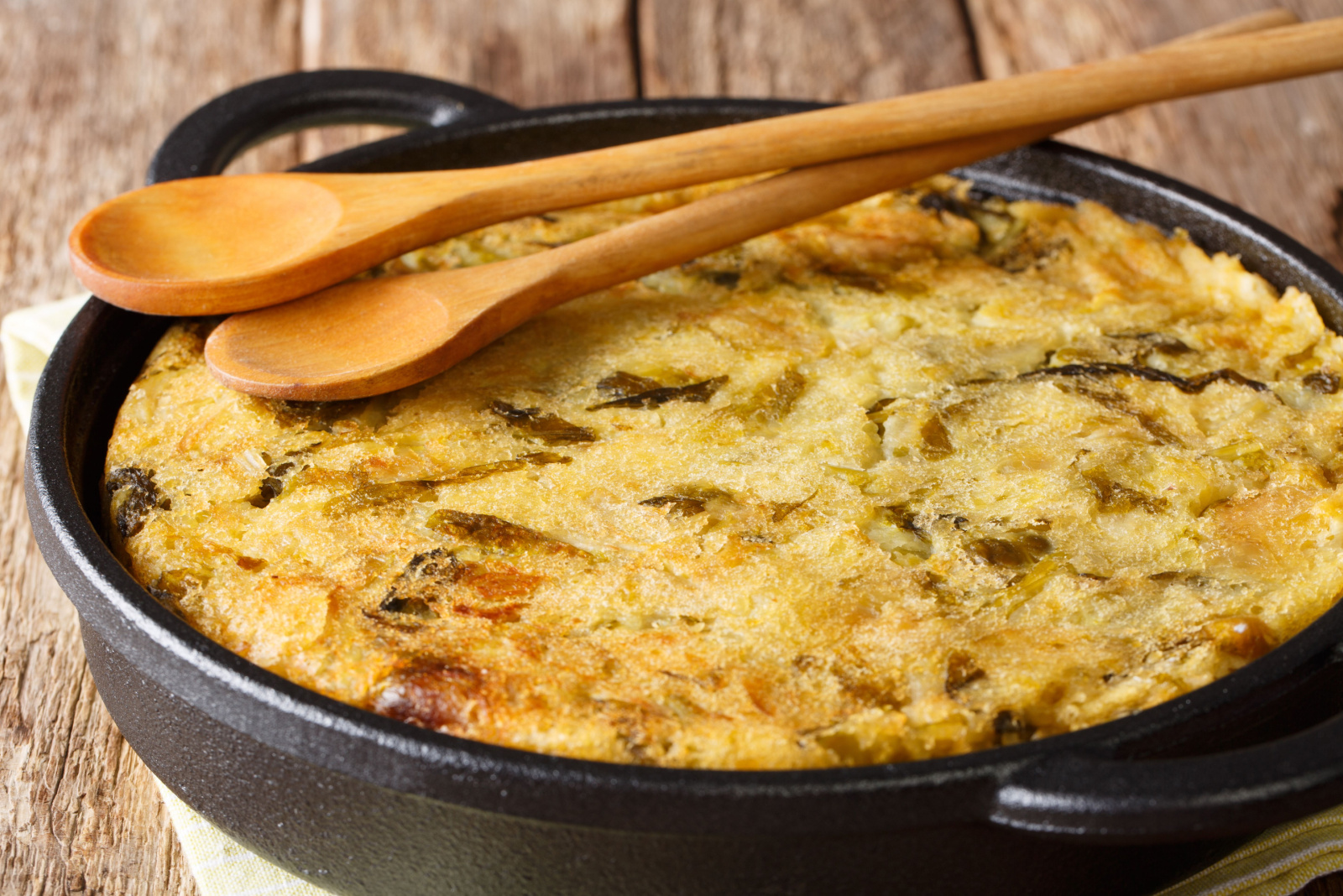
This classic makes the most of leftover Sunday roast vegetables, usually potatoes and cabbage, by frying them together until they develop a golden crust.
The name comes from the sound they make while cooking. Served either alongside a fried egg or with slices of cold meat, it became especially popular during wartime Britain when rationing meant nothing could be wasted.
2. Cabbage And Noodles (Poland/Slovakia)
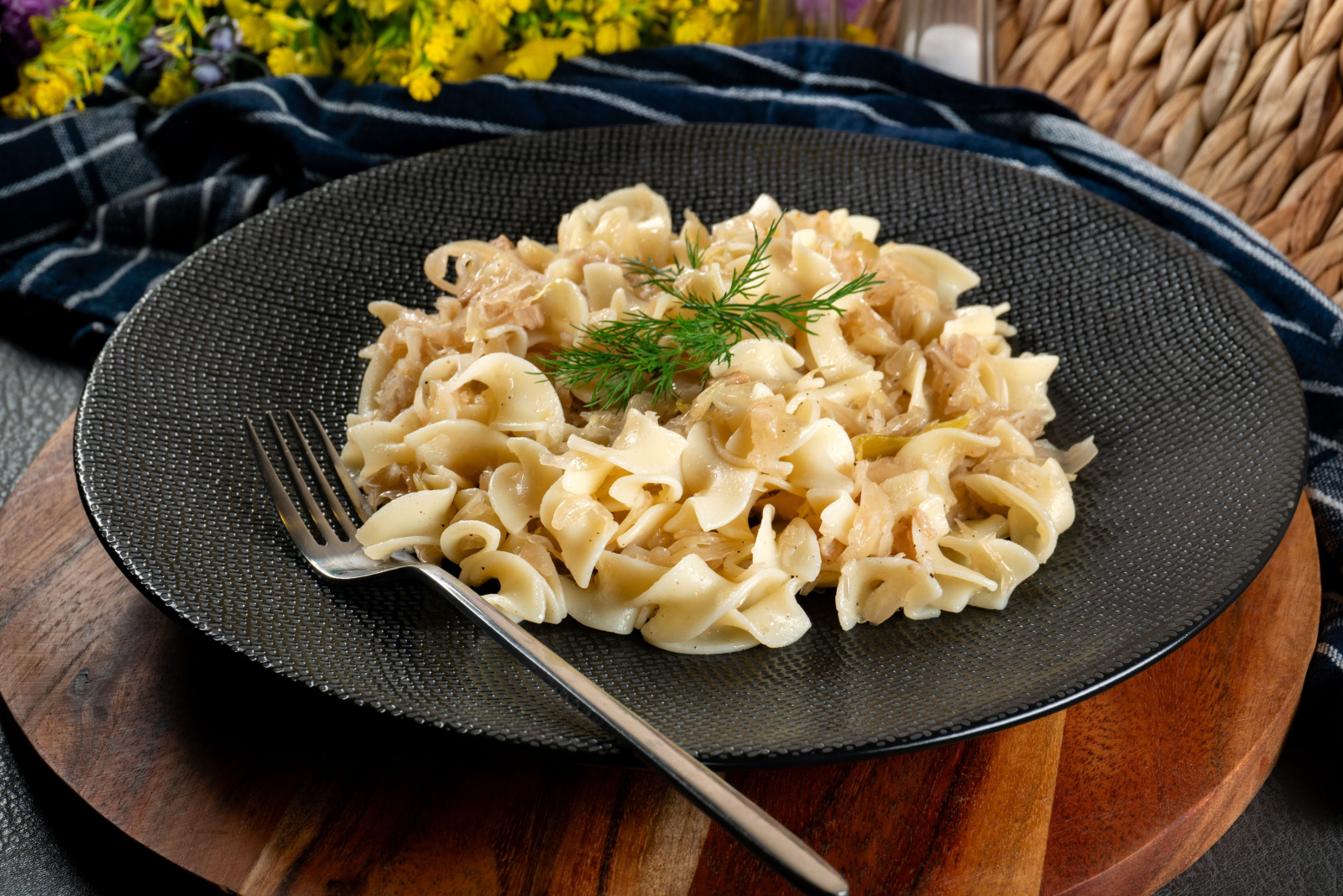
A staple in parts of Poland and Slovakia, haluski combines caramelised cabbage with soft egg noodles. Many versions include a small amount of bacon or sausage for extra flavour.
It was often cooked slowly to bring out the sweetness in the cabbage, making it a satisfying meal during periods when meat was scarce but vegetables were plentiful.
3. Arroz Con Huevo (Latin America)
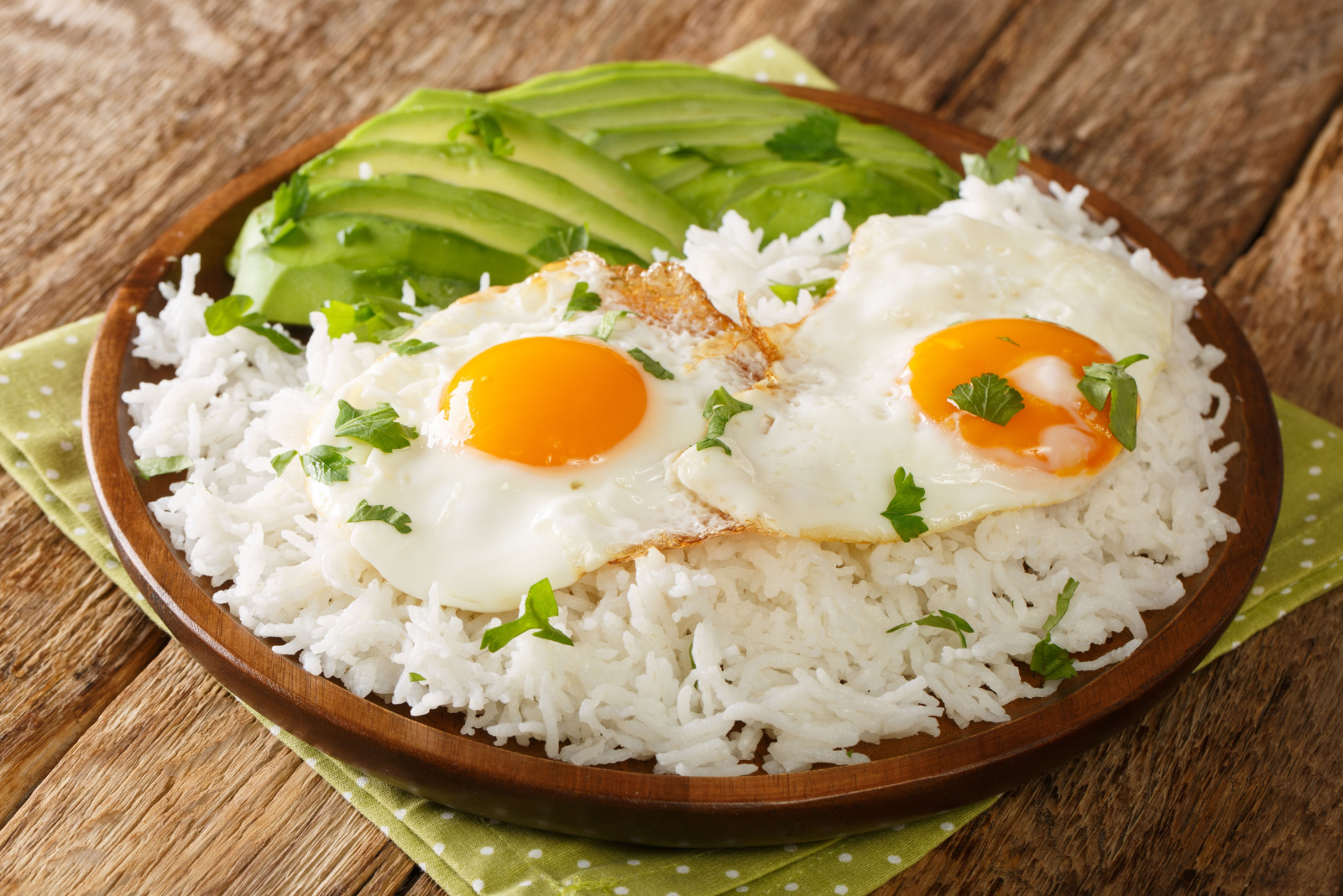
A simple but nourishing dish, arroz con huevo pairs cooked rice with a fried egg, sometimes finished with a spoonful of salsa or hot sauce.
In many households, it served as an affordable alternative to meat-based meals. Variations might add beans, avocado, or plantains, but the appeal remains in its minimal cost, quick preparation, and dependable flavour.
4. Okonomiyaki (Japan)
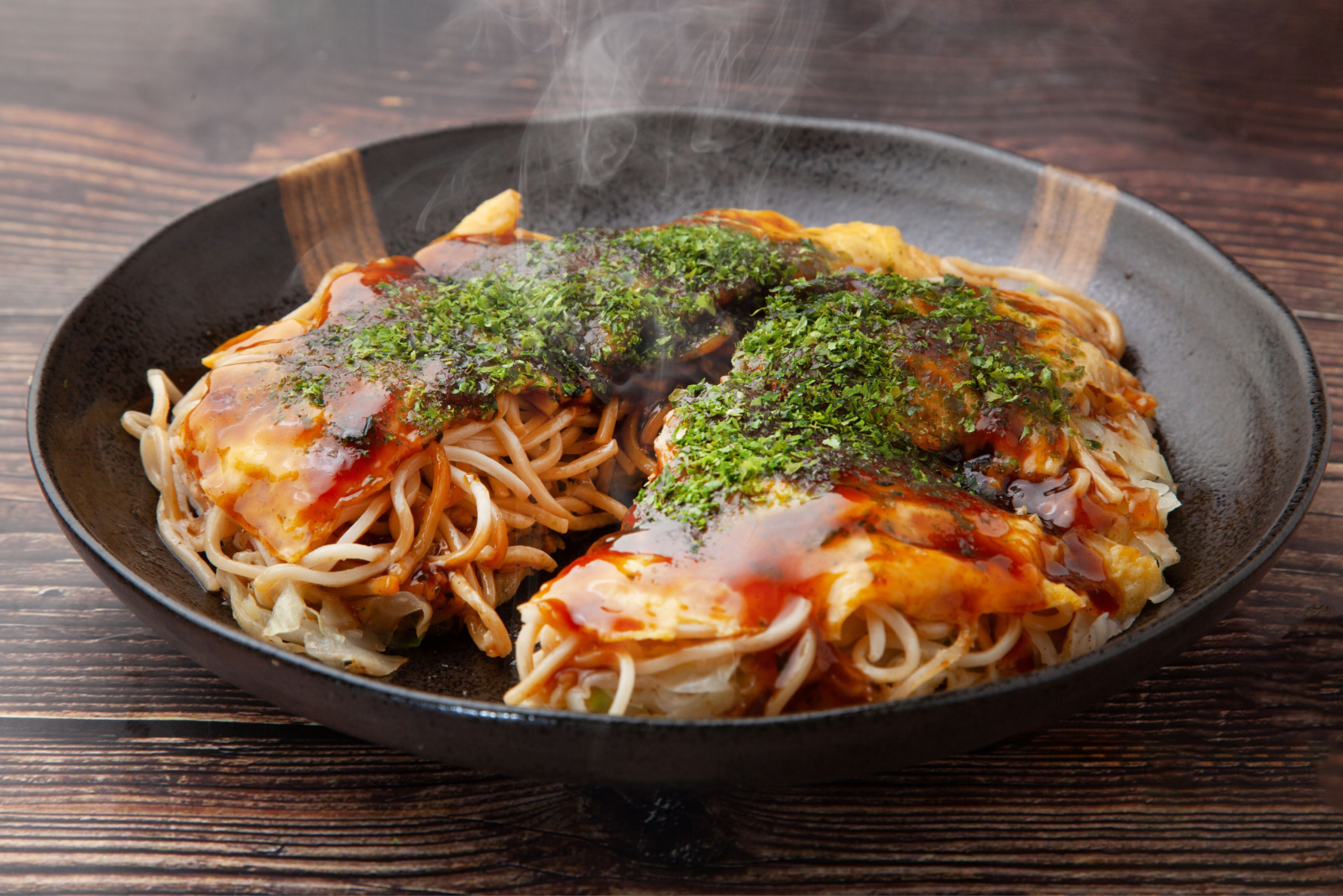
This savoury pancake is made from a batter of flour, cabbage, and water, then customised with whatever ingredients are available.
It rose in popularity after the Second World War when rice was scarce. Toppings such as seafood, sliced pork, or bonito flakes are common, and it is often finished with a tangy sauce and mayonnaise, giving a rich flavour despite its modest base.
5. Fasolada (Greece)
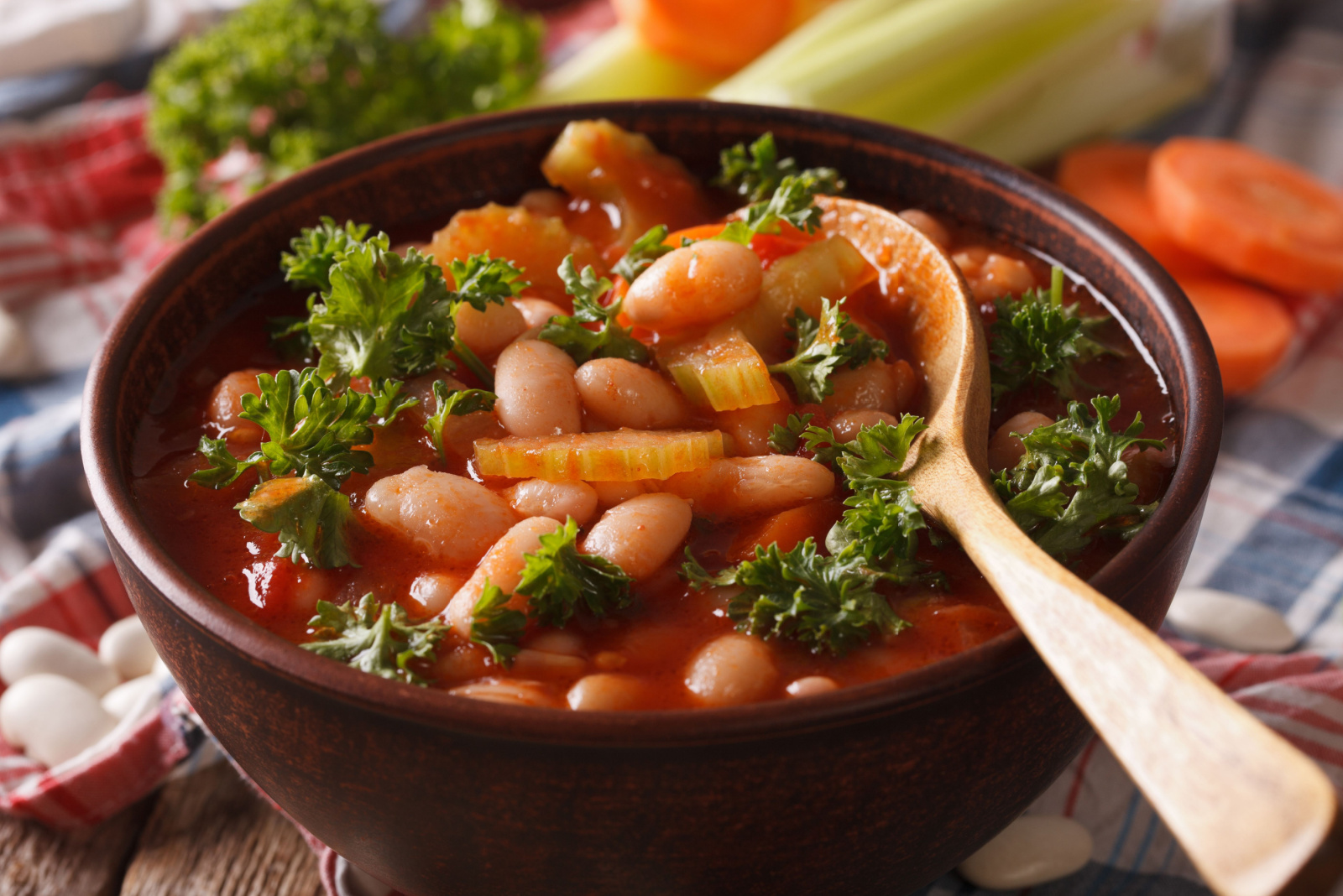
Often referred to as Greece’s national dish, fasolada is a soup made from white beans, olive oil, carrots, celery, and onions.
It has been eaten for centuries, valued for its ability to feed large families with affordable ingredients. Slow simmering blends the flavours into a comforting, protein-rich meal, especially welcome during cold winters or lean years.
6. Shakshuka (North Africa/Middle East)
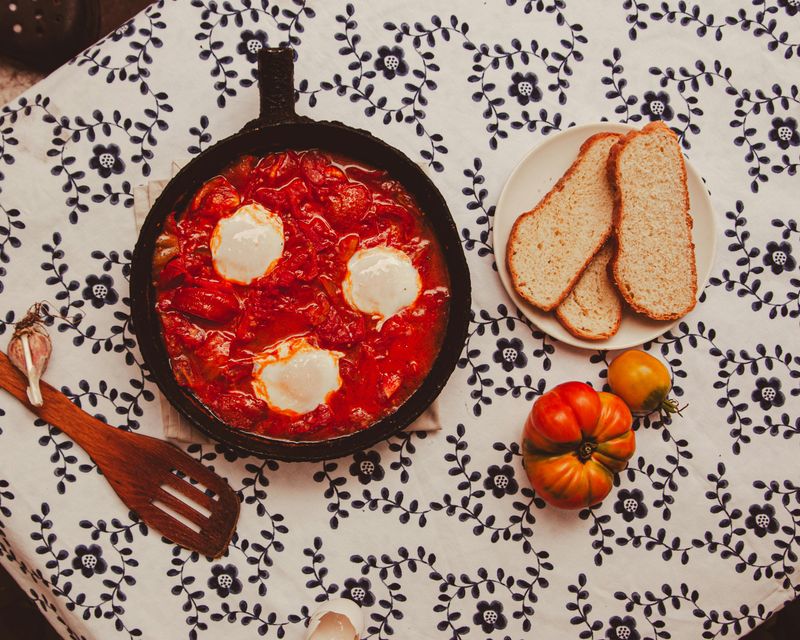
Shakshuka consists of eggs poached in a sauce of tomatoes, peppers, onions, and spices.
Originating in North Africa, it spread throughout the Middle East as a practical way to use seasonal vegetables. Its one-pan method makes it quick to prepare, and the finished dish is often enjoyed with bread for dipping, making it suitable for breakfast, lunch, or dinner.
7. Spam Musubi (Hawaii, USA)
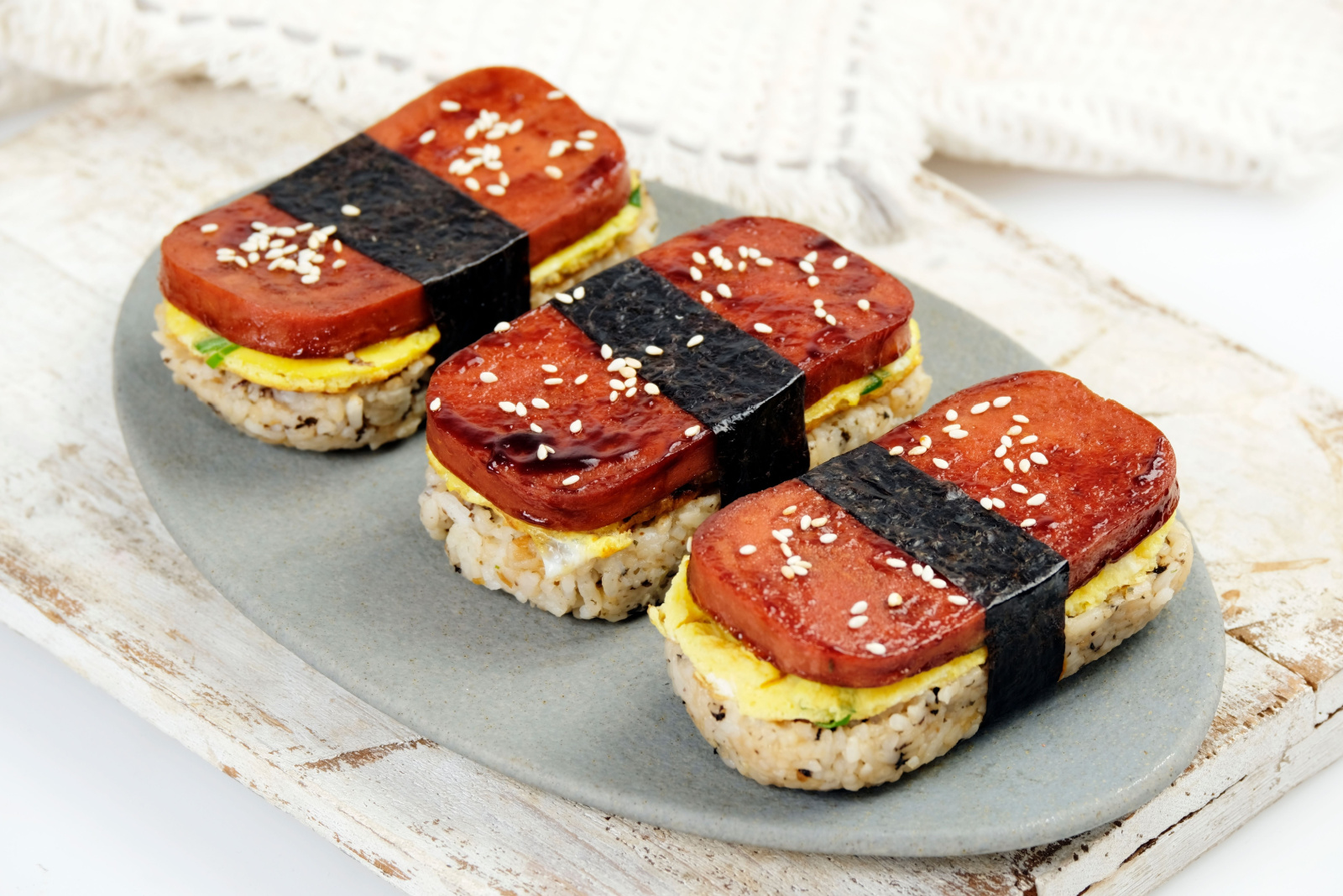
This dish combines grilled slices of Spam with rice, wrapped in nori seaweed. It developed during the Second World War when canned meat became widely available in Hawaii due to military supply lines.
The mix of Japanese and American influences created a portable, affordable snack that remains popular today in shops and lunchboxes across the islands.
8. Khichdi (India)
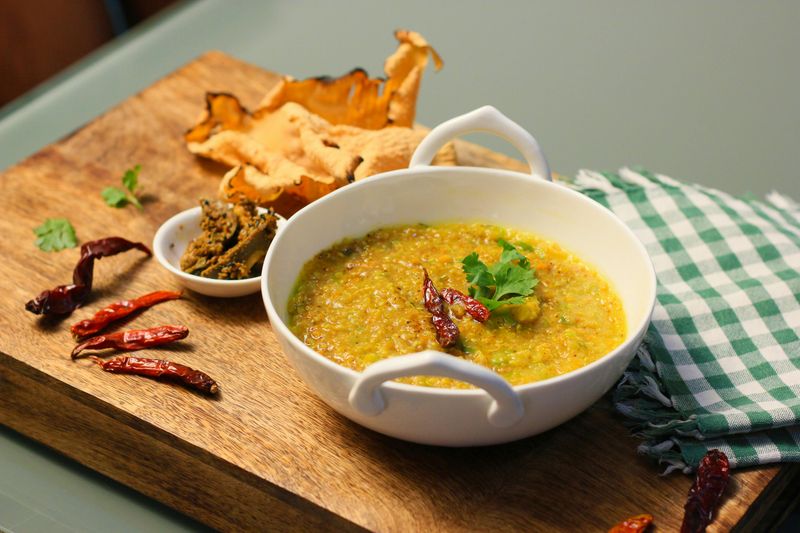
Khichdi blends rice and lentils with spices into a soft, porridge-like dish. It has been eaten in India for centuries, often considered both nourishing and easy to digest.
While each region has its own variation, it is commonly served to those recovering from illness or as a gentle first food for children, making it both practical and culturally significant.