There’s something deeply satisfying about cracking into a firm, brightly coloured pumpkin or squash long after the leaves have fallen. With the right know-how, these hardy vegetables can see you through the chilliest months, ready to transform into comforting soups, pies, and roasts.
This guide walks you through exactly how to store them so they last well into winter.
These tips are based on our team’s personal experience and a fair bit of trial and error over the years – they’re not the only way to do it, but they’ve kept our winter stews, curries, and pies well supplied.
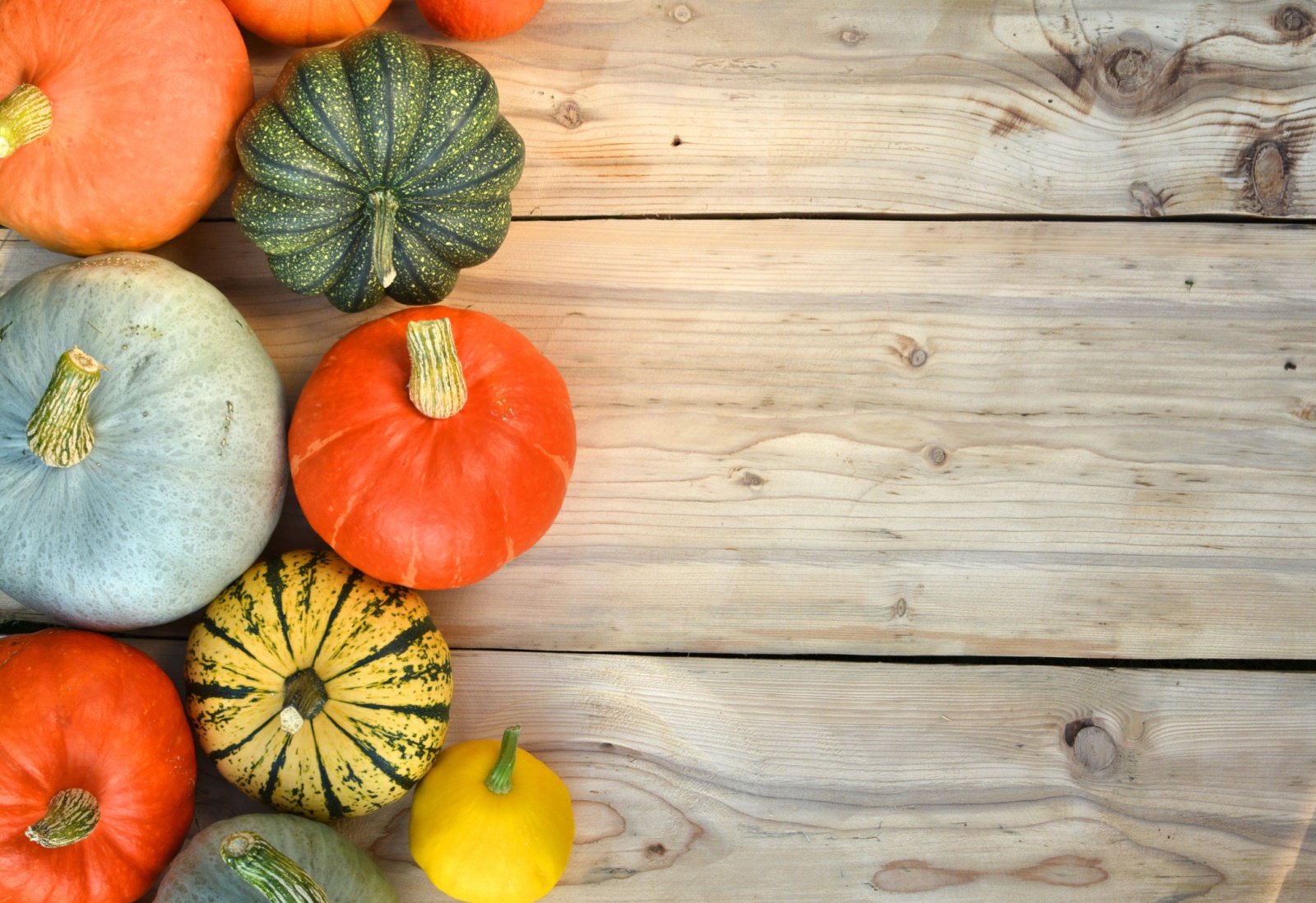
Why Bother Storing Them?
Pumpkins and winter squash are nature’s way of giving you ready-made comfort food in a shell. Treated right, they can last for months without any fancy equipment.
That means fewer last-minute supermarket runs and more opportunities to whip up something hearty on a cold January evening.
Step One: Choose Wisely
Not every pumpkin or squash is a long-term keeper. Look for ones with thick, unblemished skin and a sturdy stem still attached.
If the skin dents easily with a fingernail, it’s probably too fresh and won’t last as long. Small nicks or soft spots are bad news. They’re like open invitations for mould to move in.
Step Two: Cure Them First
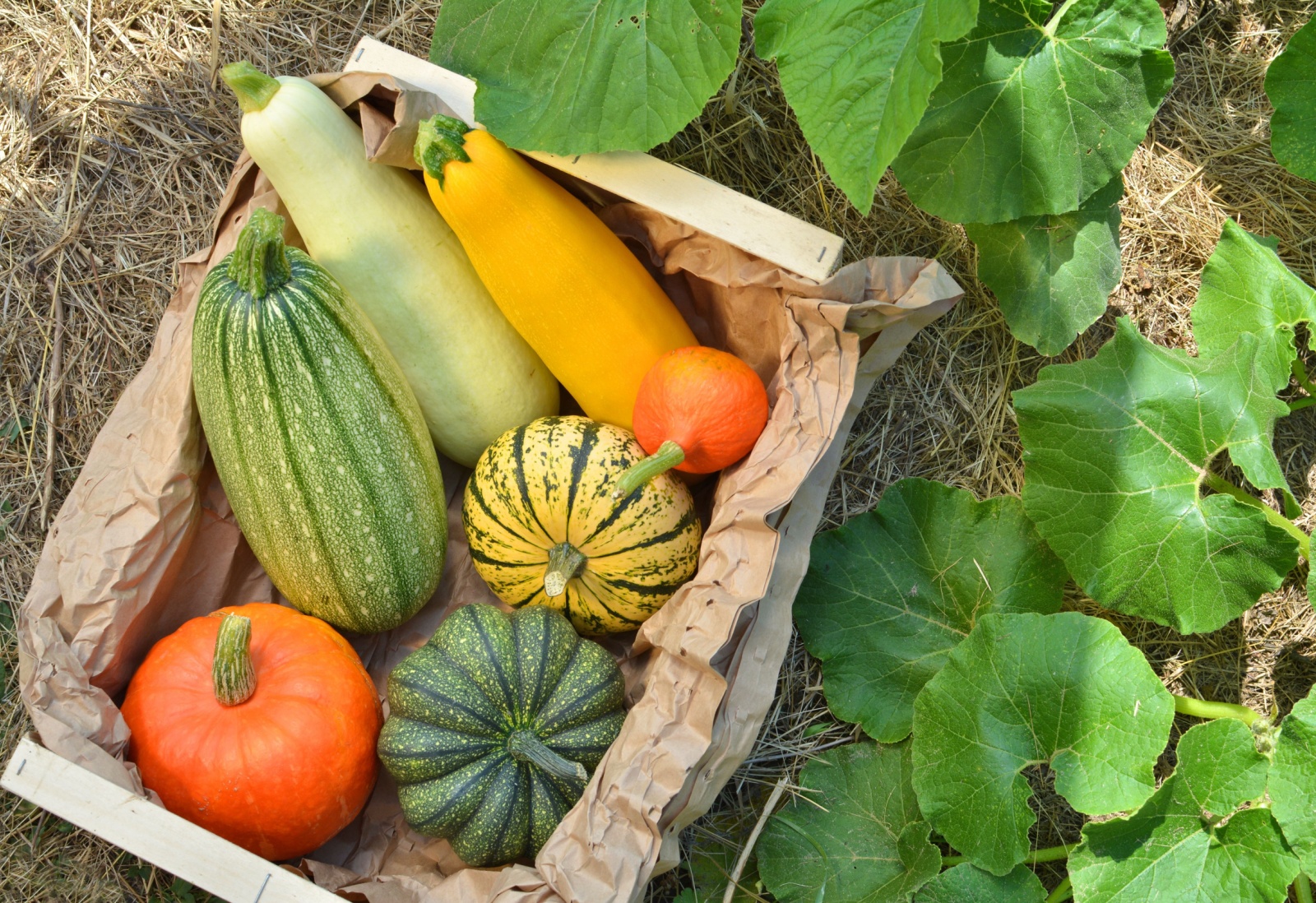
Before they head into storage, give your squash a little “sun holiday”, ideally 10 to 14 days in a warm, dry place (around 25–30°C).
This toughens up the skin, helps seal small scratches, and lets excess moisture evaporate. If it’s sunny, a windowsill works. If not, a warm airing cupboard can do the trick.
Step Three: Find The Right Spot
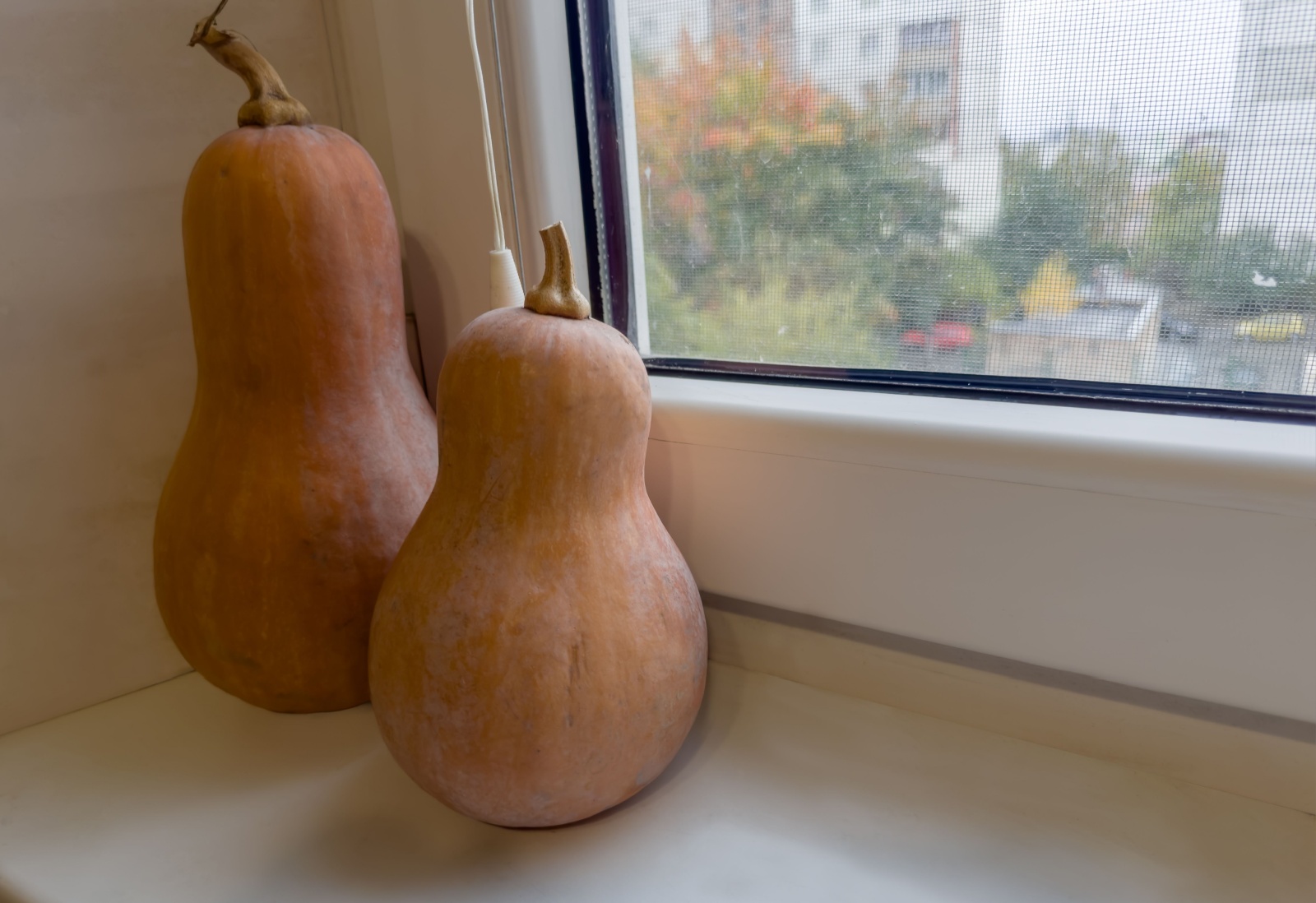
These veg like the Goldilocks treatment: cool (about 10–15°C), dark, and dry. Think spare room, pantry, or even the space under the stairs, just not the fridge (too cold) or near the boiler (too warm).
Air circulation matters, so don’t pile them in a box; space them out on a shelf or rack.
Step Four: Keep An Eye Out
Check them every couple of weeks. One soft, rotting squash can turn the whole batch into compost surprisingly quickly. If you spot a suspicious patch, either cook it that day or compost it before it takes down its neighbours.
Bonus Tip: Use The “Ugly” Ones First
The ones with minor imperfections or thinner skins won’t store as long. Put them at the front of the queue for soups, bakes, and roasted veg trays. Save the thick-skinned, heavyweights for deep winter.
The Payoff
Handled properly, some varieties like butternut, kabocha, and Crown Prince can keep for three to six months.
That’s plenty of time to turn them into warming soups, spiced curries, creamy risottos, or sweet pumpkin bread. It’s a little bit of autumn you can keep on the shelf until spring is knocking at the door.