













Have you ever noticed how honey jars come in various shades from pale gold to rich amber?
Honey's colour actually tells us quite a lot about what's inside. The difference between light and dark honey goes far beyond appearance, affecting everything from taste to benefits.
The information in this article is based on general and publicly-available knowledge and widely accepted descriptions of honey varieties. Flavour, colour, and texture can vary depending on floral source, region, and processing methods.
1. Floral Source
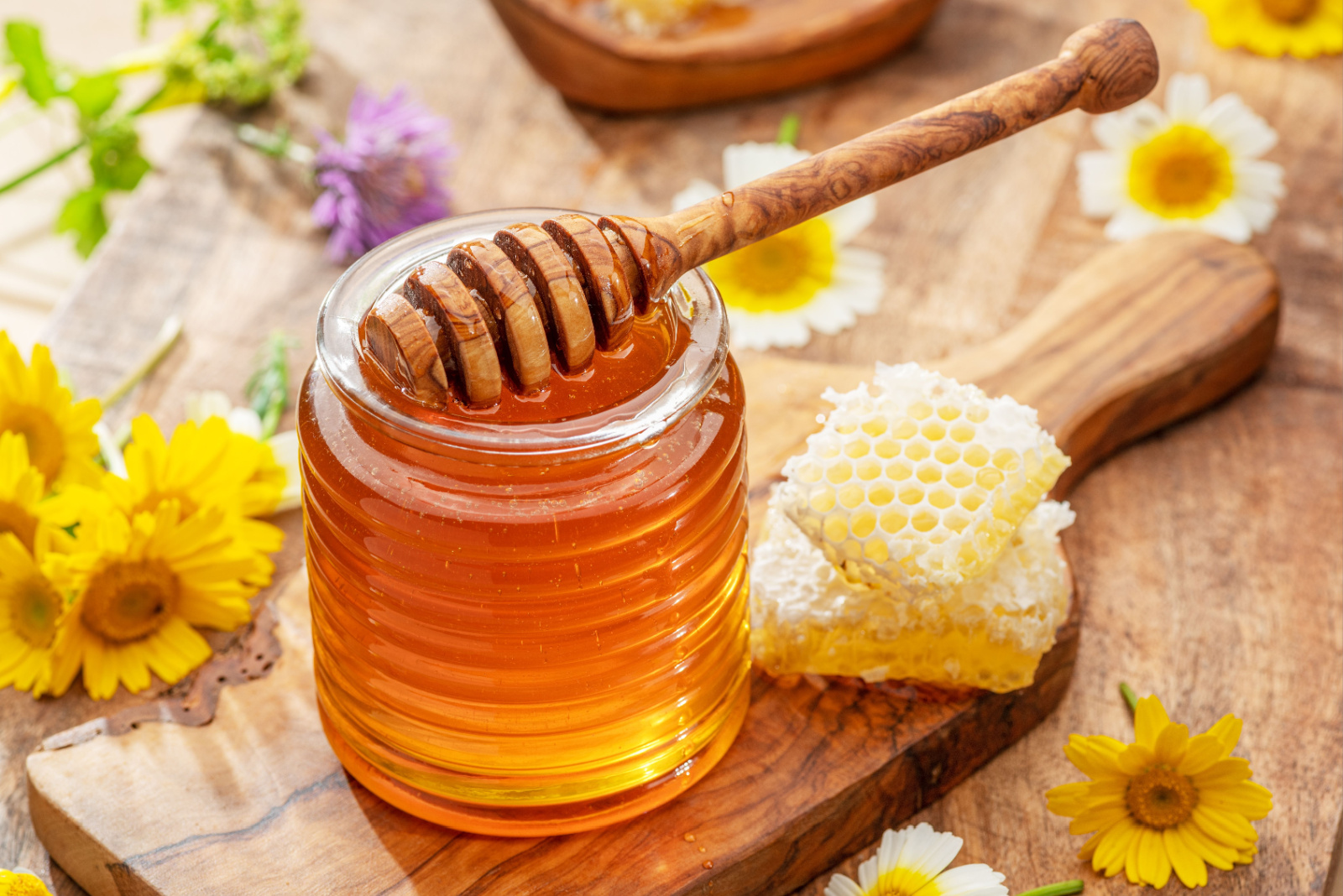
The flowers bees visit determine honey's colour. Bees buzzing around clover fields produce delicate, light-coloured honey.
When they collect nectar from buckwheat or heather, the result is dramatically darker.
Each plant contributes unique compounds that affect both colour and character.
2. Taste Intensity
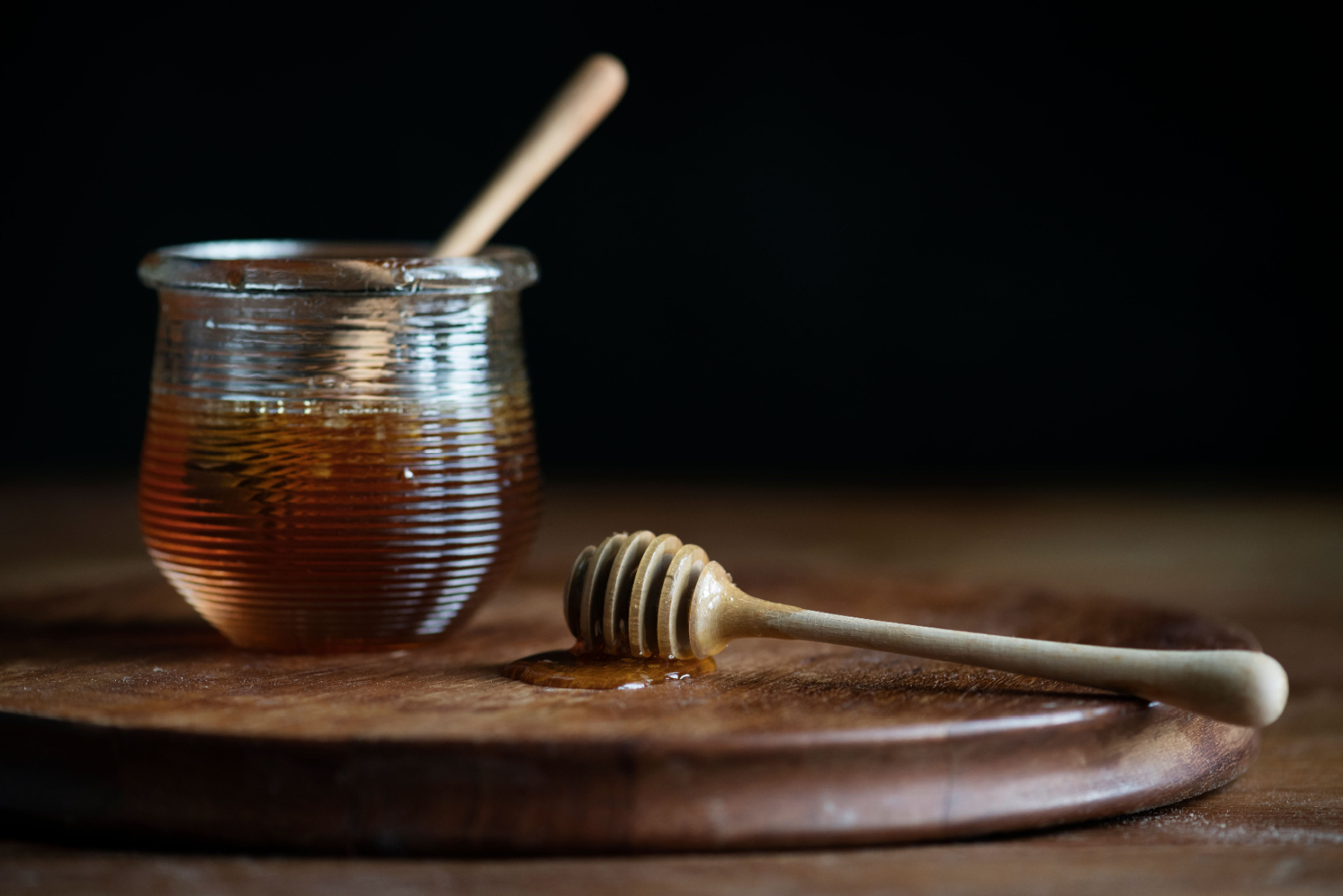
Light honey is very sweet. Think subtle notes that complement rather than overpower, great for morning toast or stirring into tea.
Dark honey, however, shouts its presence with bold, complex flavours.
Some varieties even deliver hints of toffee, spice, or dried fruit, making them brilliant partners for strong cheeses or hearty breads.
3. Antioxidant Content
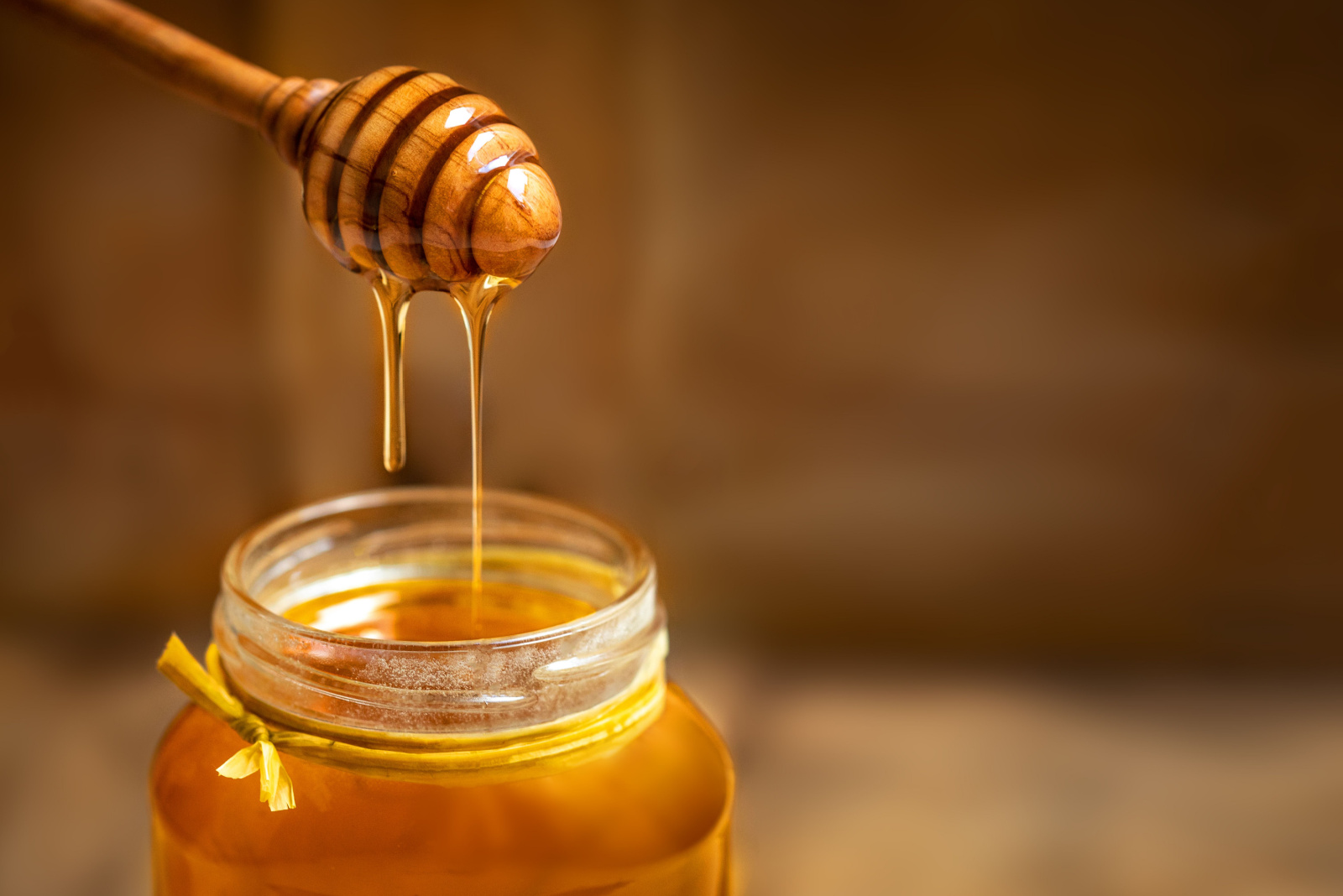
Researchers have discovered something fascinating about honey colour: the darker the honey, the higher its antioxidant levels.
Buckwheat honey, with its deep amber hue, contains up to 20 times more antioxidants than lighter varieties.
These compounds help fight free radicals in our bodies, potentially offering greater health protection.
4. Mineral Profiles
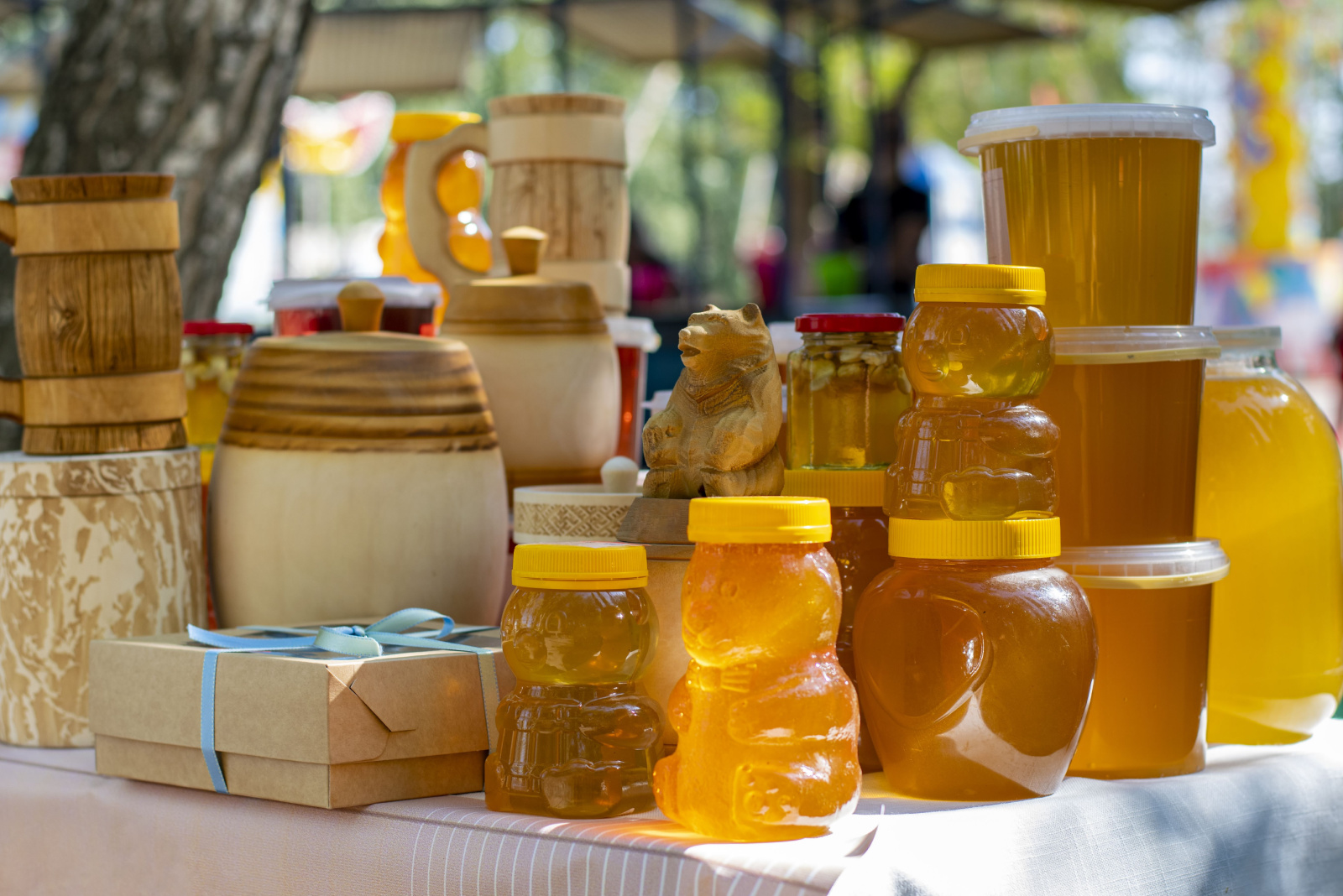
Nutritional analysis reveals dark honey's secret strength, a richer mineral content. While light varieties contain trace minerals, darker honeys boast significantly more iron, zinc, and manganese.
This nutritional boost comes from the diverse plant sources and soil conditions where the source flowers grow.
For anyone seeking a natural mineral, reaching for that jar of forest honey might be a sweet solution.
5. Crystallisation Happens At Different Rates
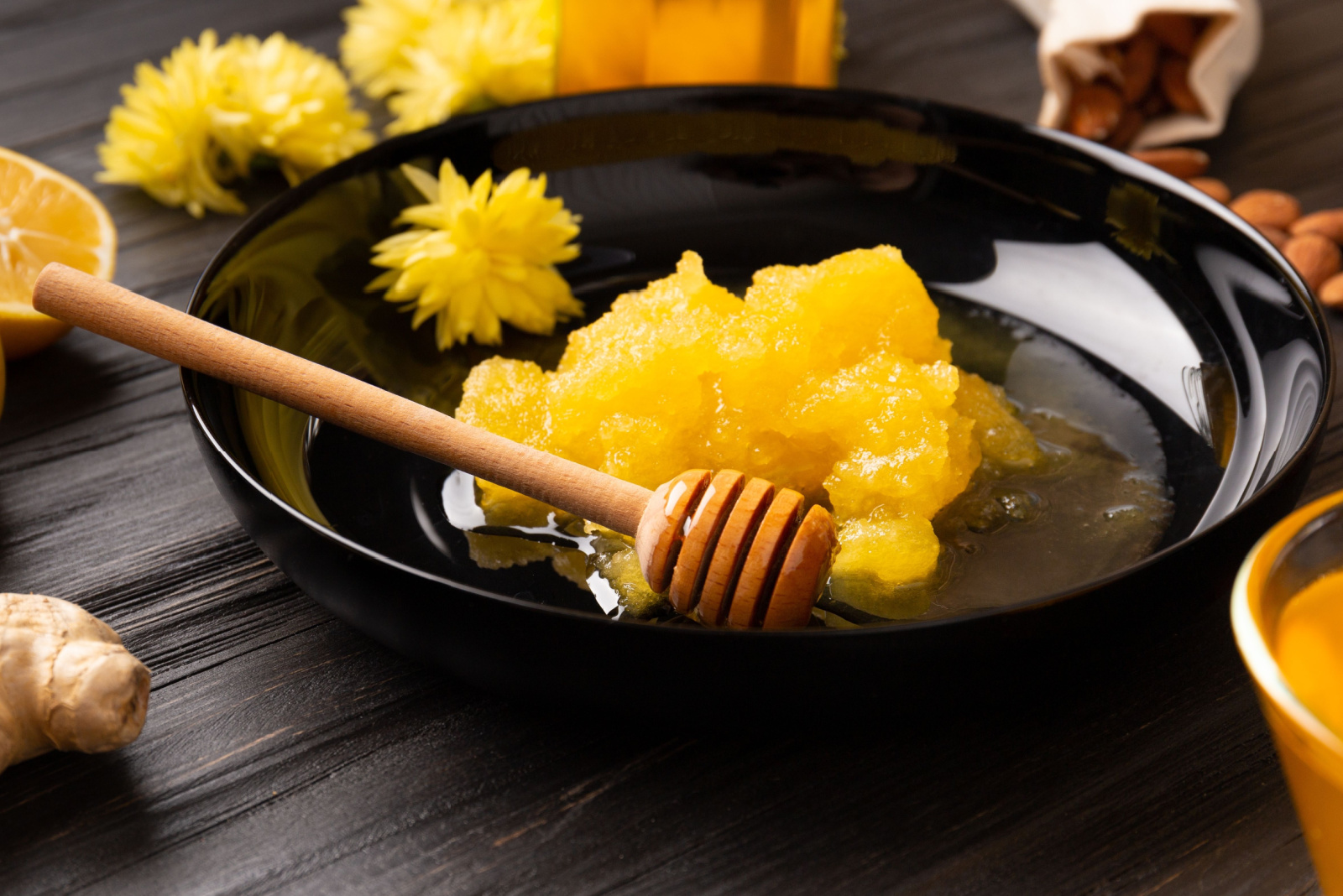
Found your light honey turning solid? That's completely natural! Light varieties typically crystallise faster because they contain more glucose relative to fructose.
The tiny sugar crystals form more readily in these delicate honeys.
Meanwhile, dark honey often remains liquid longer due to its different sugar composition, a practical consideration when choosing honey for your kitchen shelf.
6. Aroma Creates Distinctive Personalities
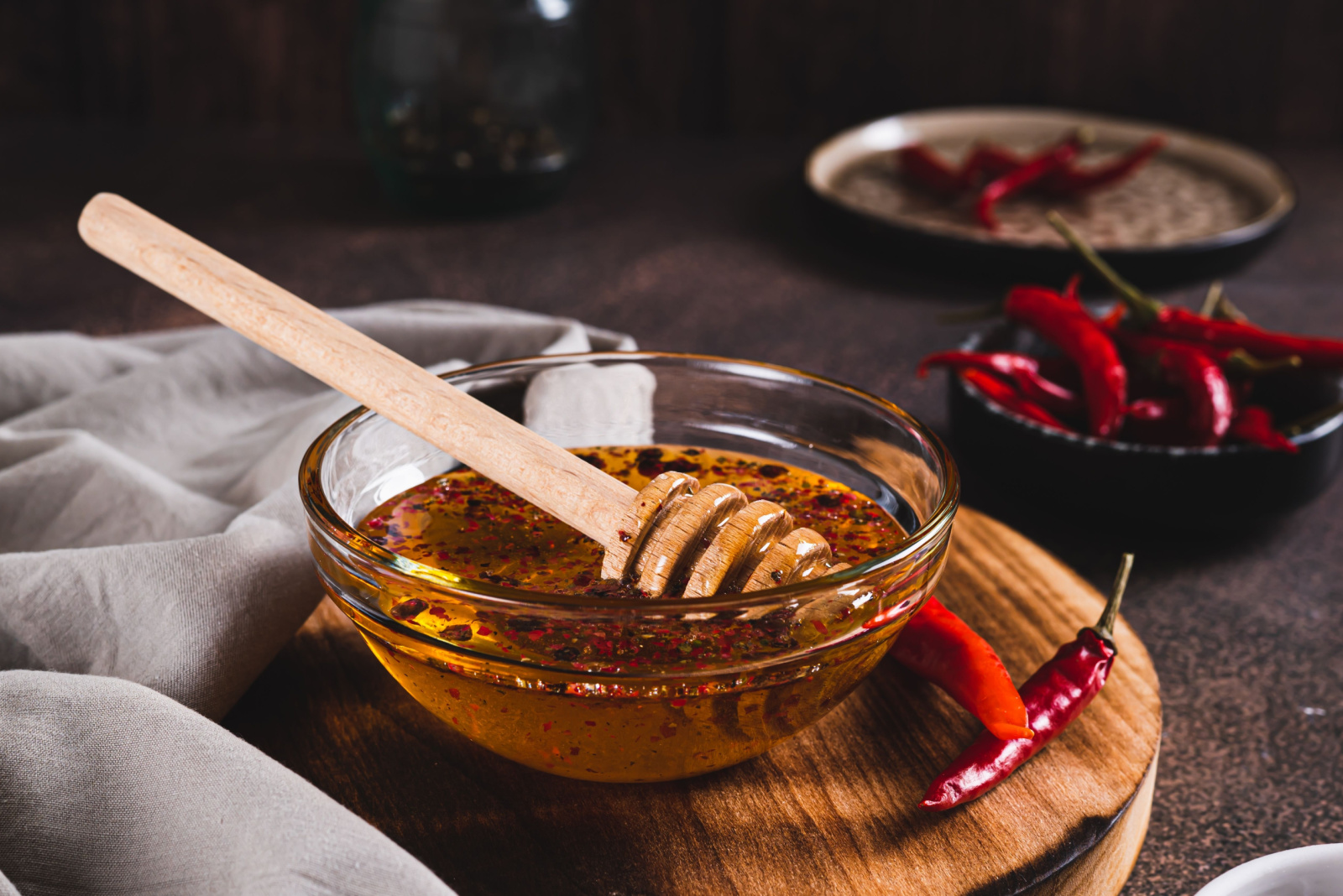
Close your eyes and inhale the scent of light acacia honey, subtle, floral, almost disappearing before you can name it.
Now try the same with dark forest honey and experience a robust, woody perfume that fills your senses.
These aromatic differences come from volatile compounds unique to each nectar source, creating entirely different sensory experiences before you even taste a drop.
7. Geographical Origins
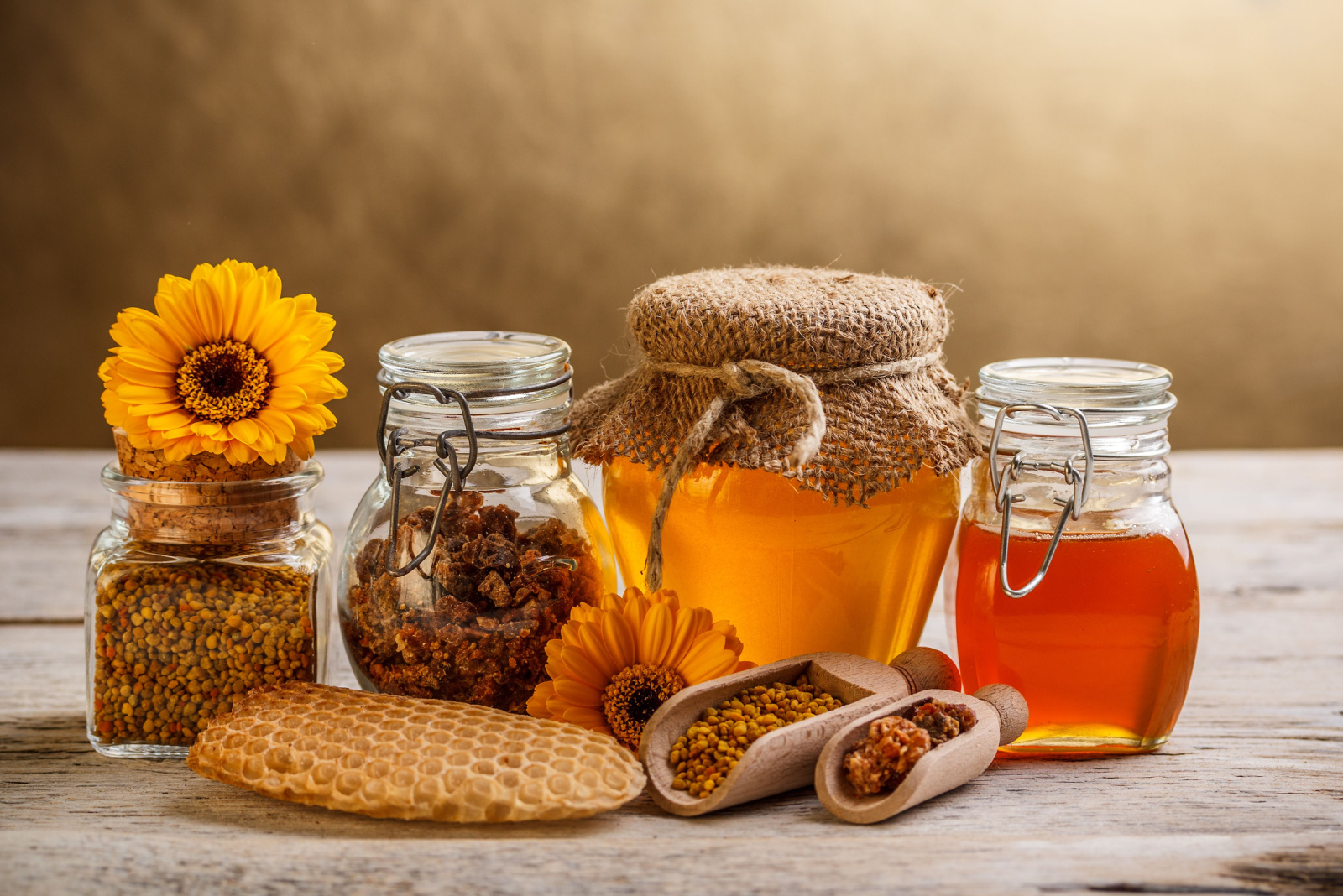
Geography writes itself into honey's colour story. Alpine meadows dotted with wildflowers often yield lighter varieties with clean, crisp profiles.
Forests and moorlands, by contrast, produce darker, more complex honeys.
The terrain, climate, and native flora create regional honey signatures, from the light, citrusy honeys of Mediterranean coastlines to the dark, molasses-rich varieties from northern forests.
8. Antibacterial Properties
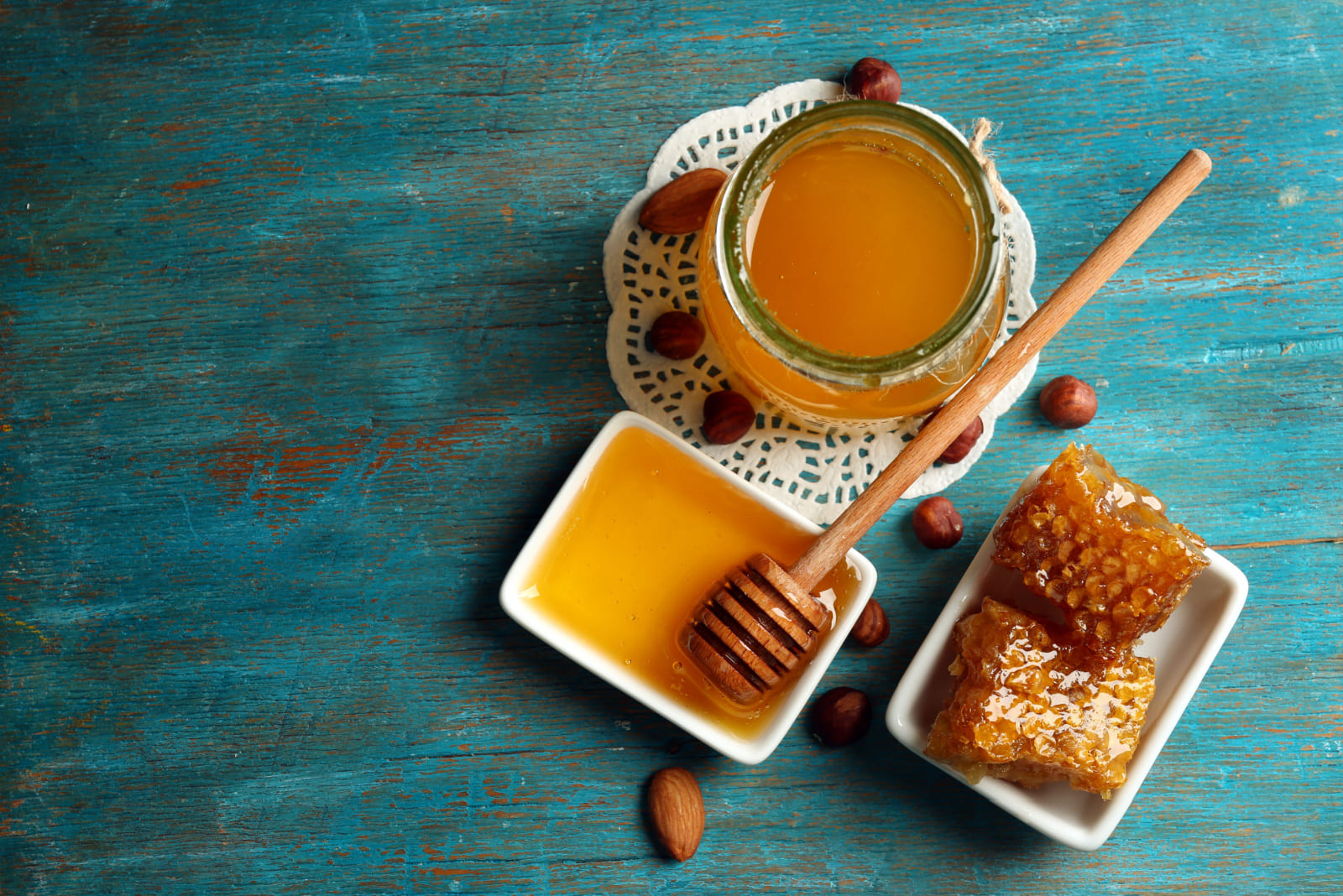
Research by Dr. Peter Molan revealed manuka honey's exceptional antibacterial properties, which tend to be stronger in darker varieties.
The methylglyoxal concentration, responsible for those healing benefits, increases with colour depth.
While all honey offers some therapeutic value, darker types typically contain more bioactive compounds that might help with everything from wound healing to soothing sore throats.
9. Culinary Applications
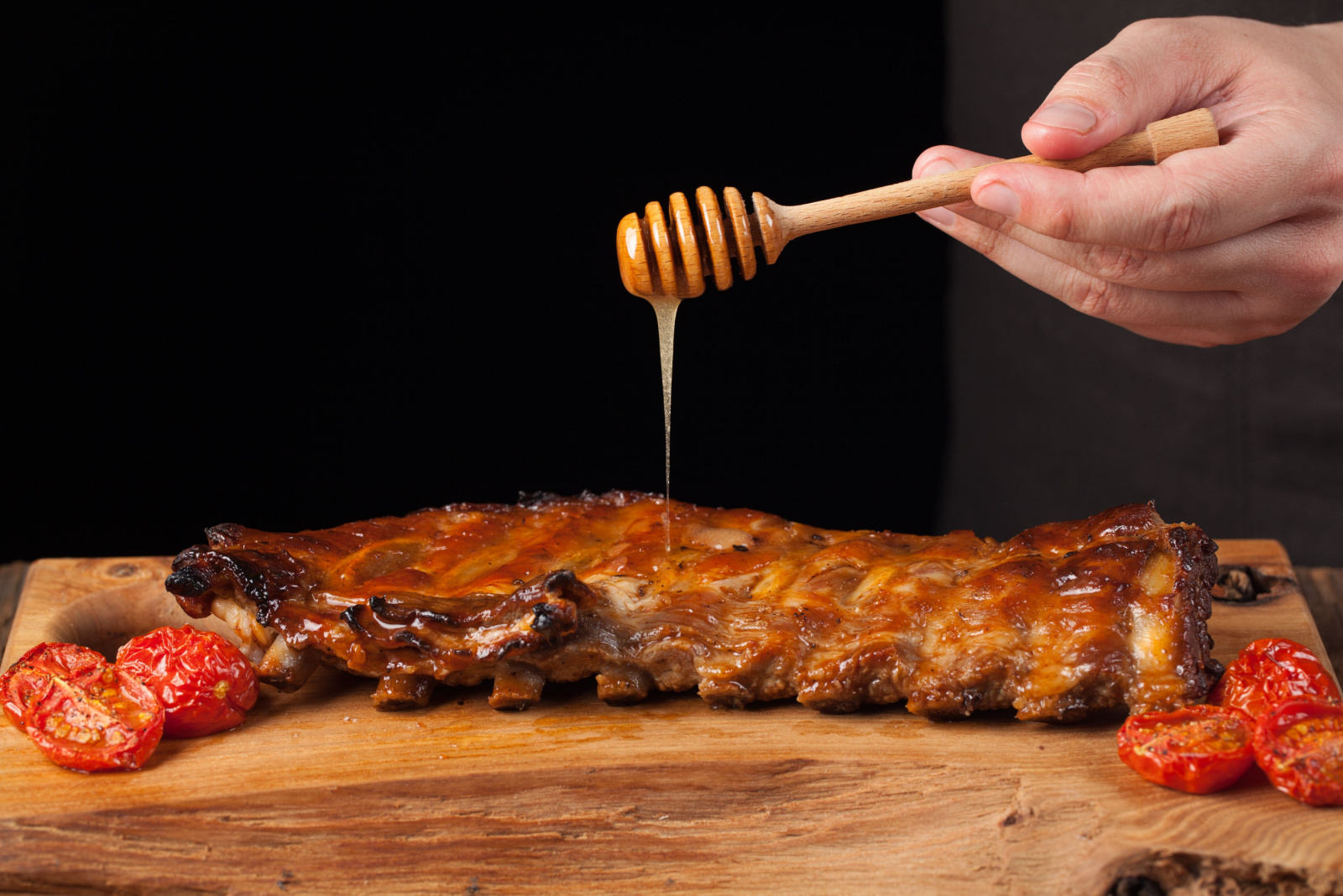
Many professional chefs know light honey shines in delicate applications, think summer fruit salads or lemon sorbet where subtlety matters.
Dark honey turns hearty dishes with its robust character. It stands up beautifully in gingerbread, barbecue glazes, and rich marinades.
Both types have their culinary sweet spots, with light varieties complementing without overwhelming and dark ones adding distinctive depth to recipes.



