













Lamb can be a tricky meat to master – too often ending up dry and tough rather than succulent and tender. Whether you're roasting a leg for Sunday lunch or grilling chops for a midweek meal, these practical pointers will help you achieve perfectly juicy lamb every time.
This content is for general information only. Results may vary depending on ingredients, preparation, and cooking methods.
1. Room Temperature Is Non-Negotiable
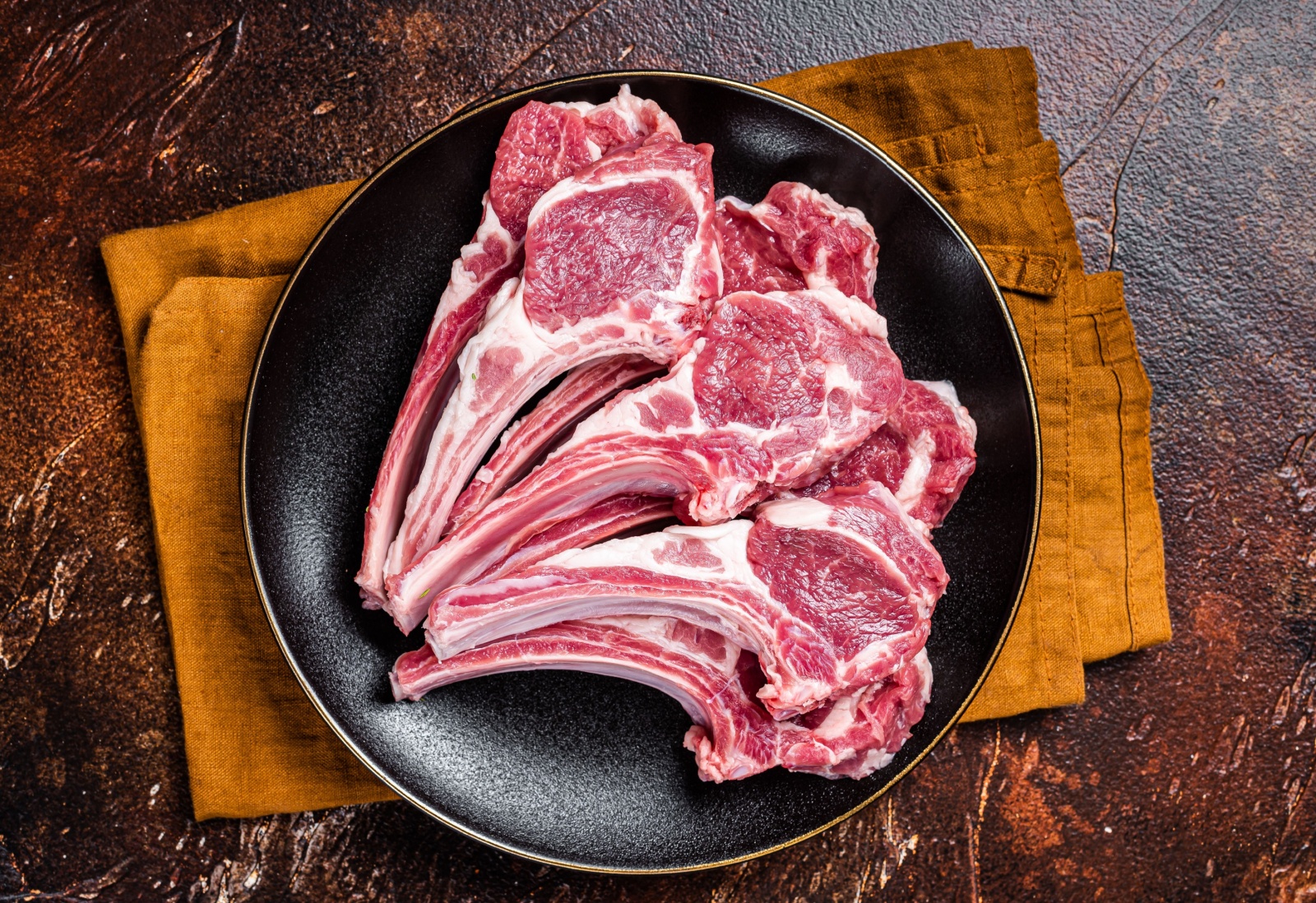
Never cook lamb straight from the fridge. Taking your meat out 30-60 minutes before cooking allows it to reach room temperature throughout.
This simple step ensures even cooking from edge to centre. Cold meat tends to seize up when it hits heat, pushing out precious juices that keep your lamb moist.
2. Salt Early, Salt Generously
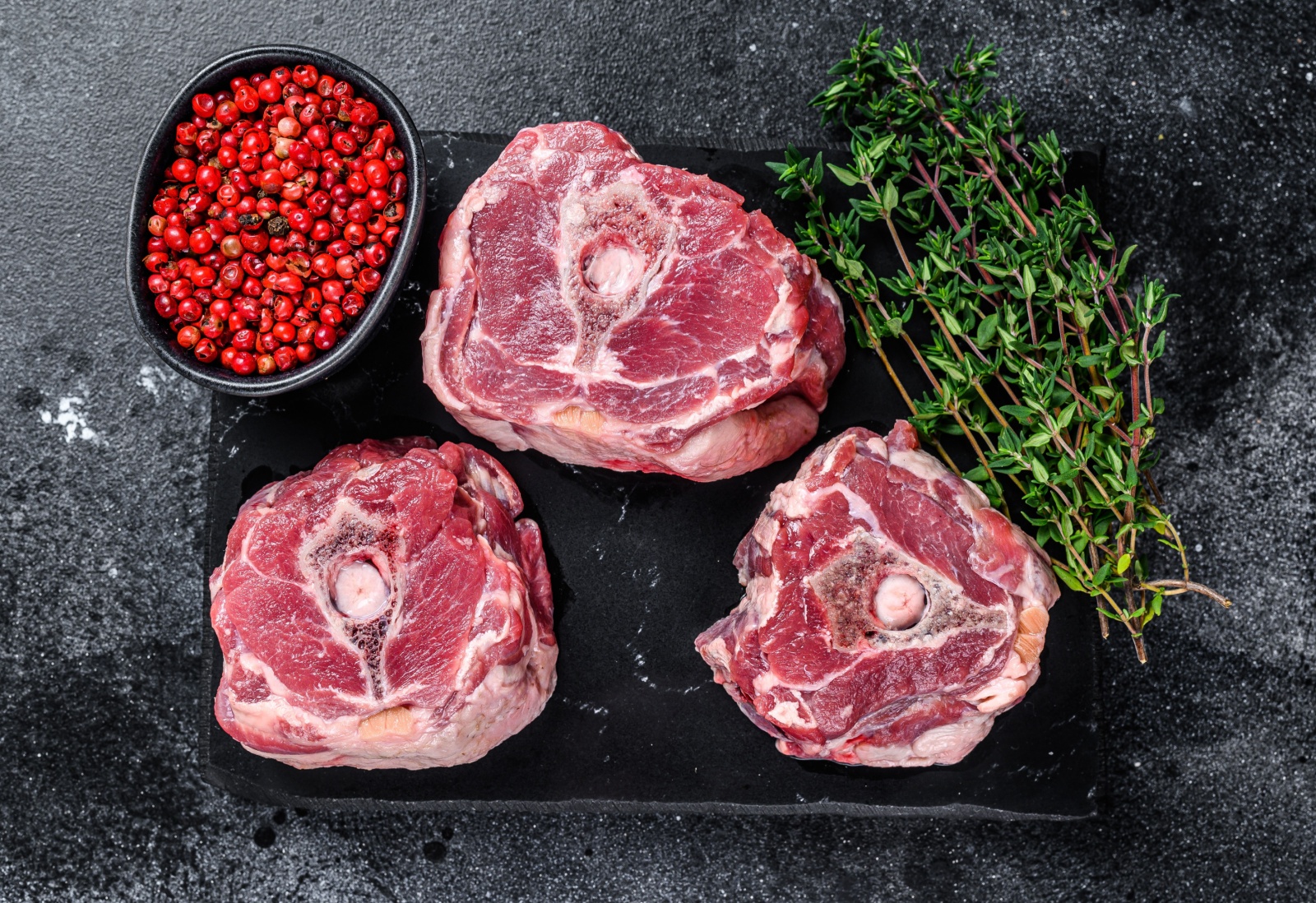
Seasoning lamb well in advance works wonders for juiciness. Salt draws moisture to the surface, which is initially absorbed back in, carrying flavour deep into the meat.
For larger cuts, salt up to 24 hours ahead and refrigerate uncovered. This creates a dry exterior that browns beautifully while keeping the inside moist.
3. Fat Is Your Friend
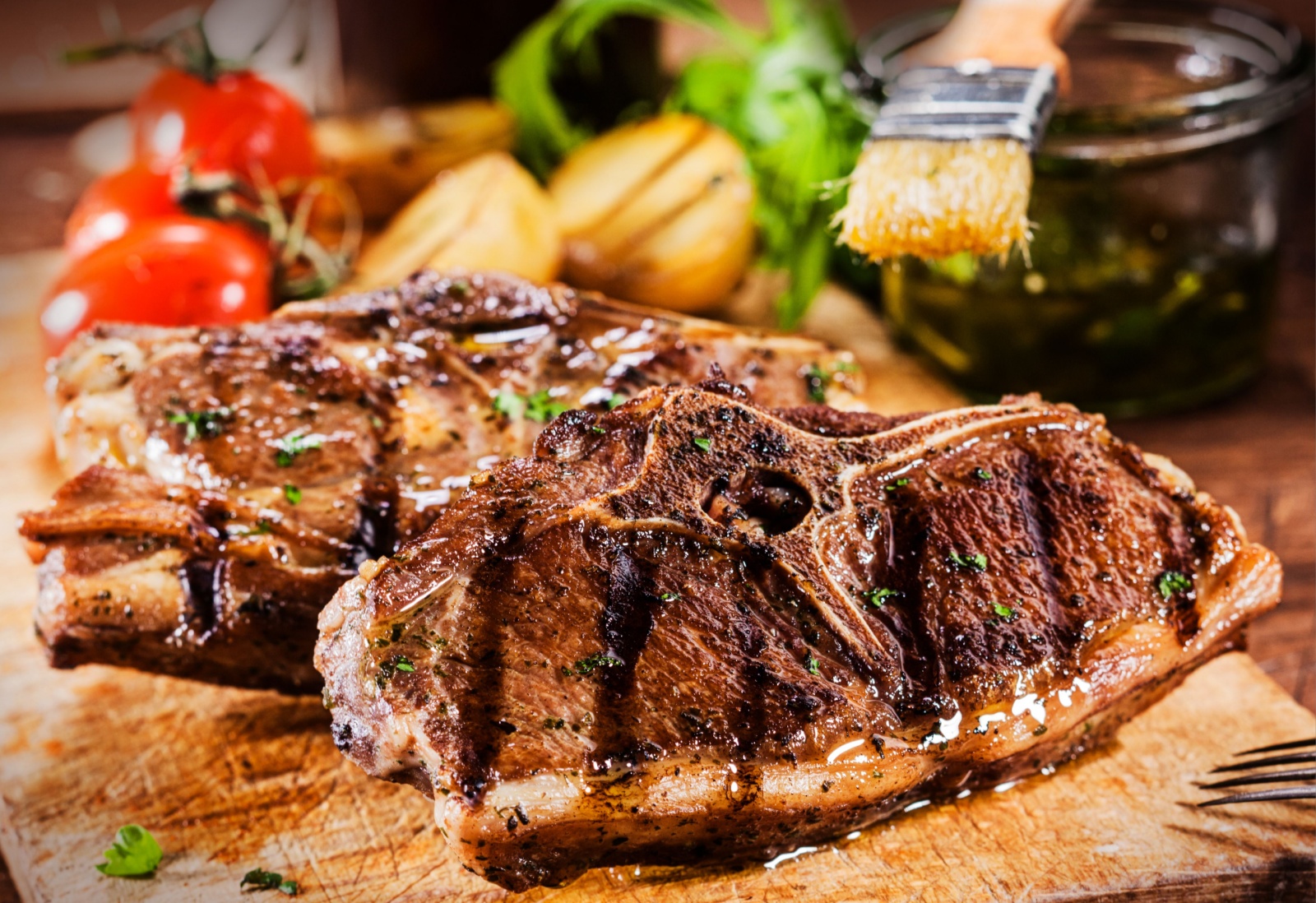
That layer of fat isn't something to trim away – it's nature's basting mechanism. As lamb cooks, the fat melts gradually, continuously moistening the meat beneath.
For leaner cuts like loin or leg, consider adding fat. Drape with bacon rashers or spread with herb butter before roasting to introduce extra moisture during cooking.
4. Master The Marinade Magic
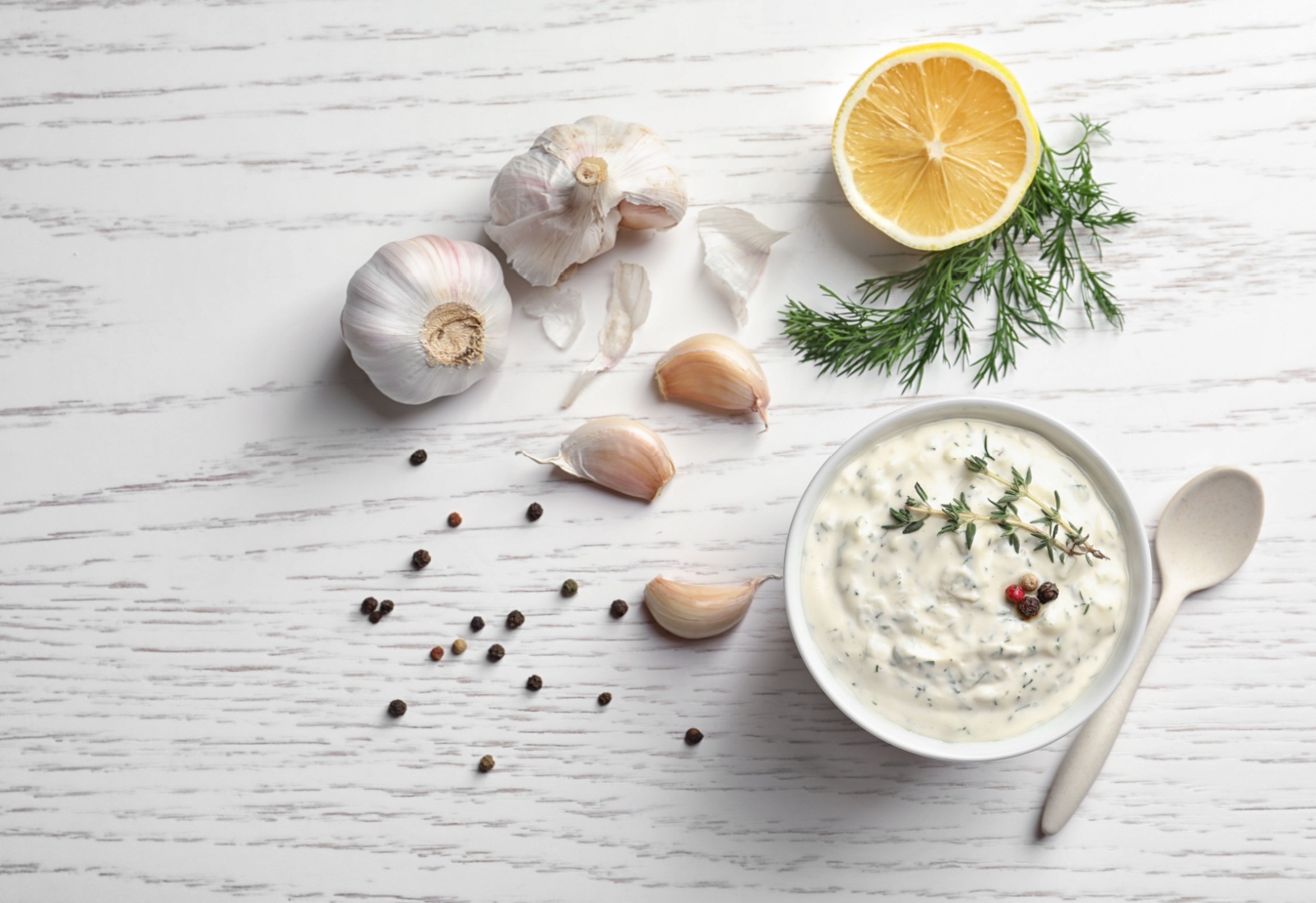
Yoghurt-based marinades are brilliant for lamb. The lactic acid gently tenderises without turning the meat mushy, while the creamy consistency helps retain moisture during cooking.
Mix Greek yoghurt with garlic, mint and lemon zest for a classic combination. Even 30 minutes makes a difference, but overnight delivers spectacular results.
5. The Reverse Sear Technique
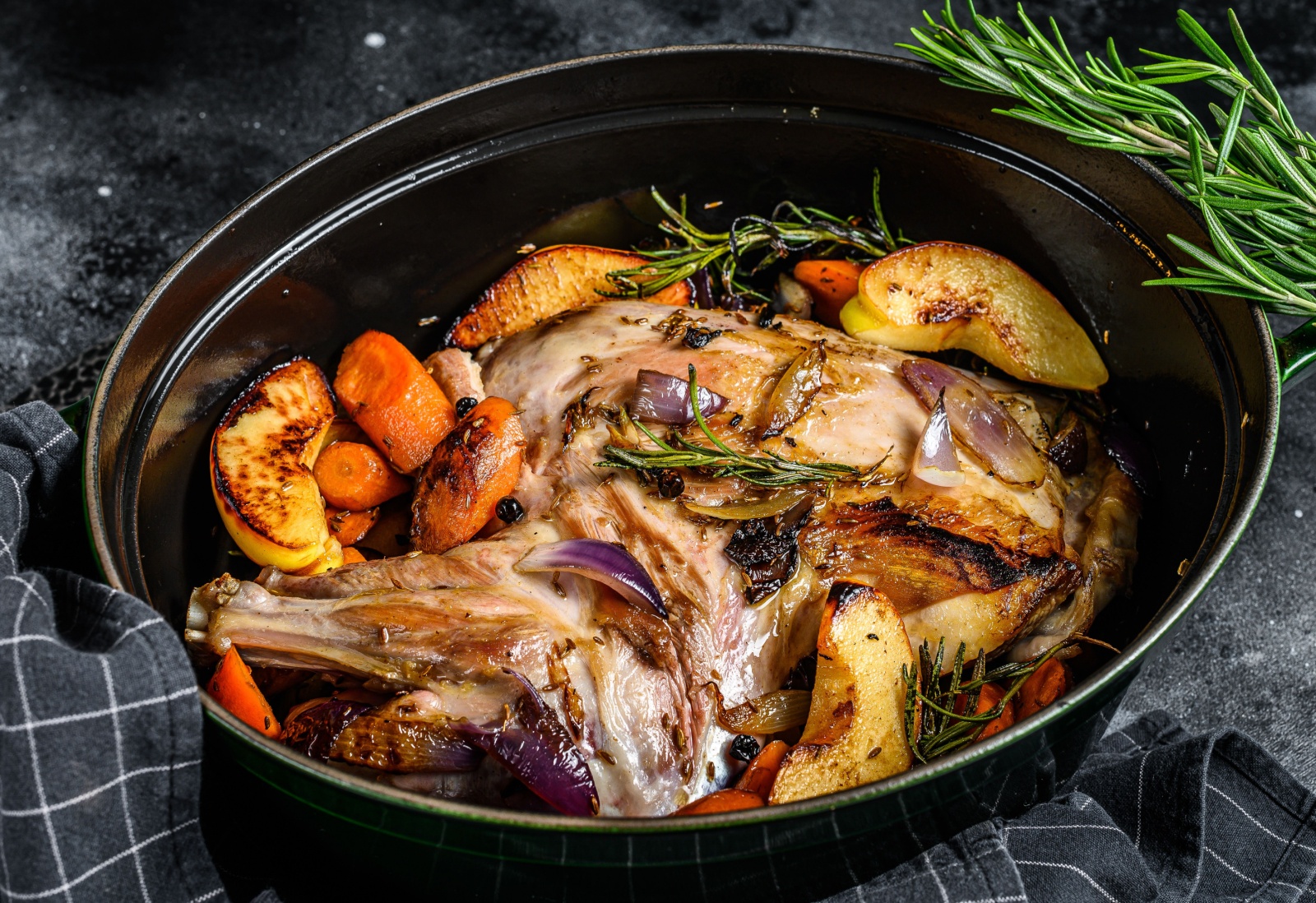
Flip conventional cooking wisdom on its head! Start lamb in a low oven (120°C) until it reaches 10°C below your target temperature.
Then finish with a blazing hot sear in a pan or under the grill. This method gives you perfectly even doneness with a beautiful crust, and dramatically reduces moisture loss compared to traditional methods.
6. Bone-In For Better Flavour
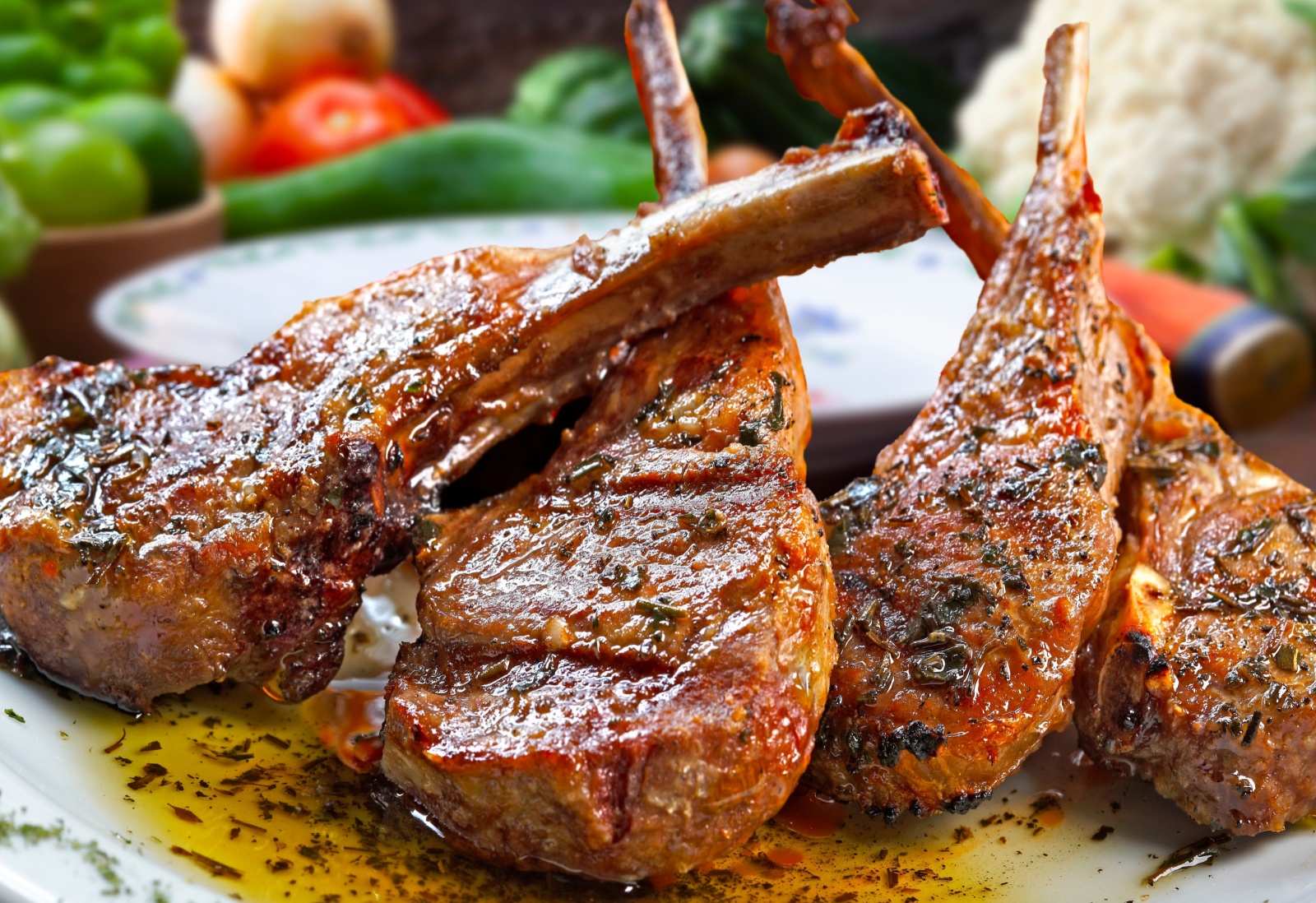
Bones act as natural insulators, slowing the cooking process around them. This creates a more gradual heat gradient through your lamb, resulting in juicier meat.
They also contribute flavour compounds as they heat. Choose bone-in cuts like racks, shoulders or chops whenever possible – your patience will be rewarded with superior succulence.
7. Probe Thermometers Prevent Overcooking
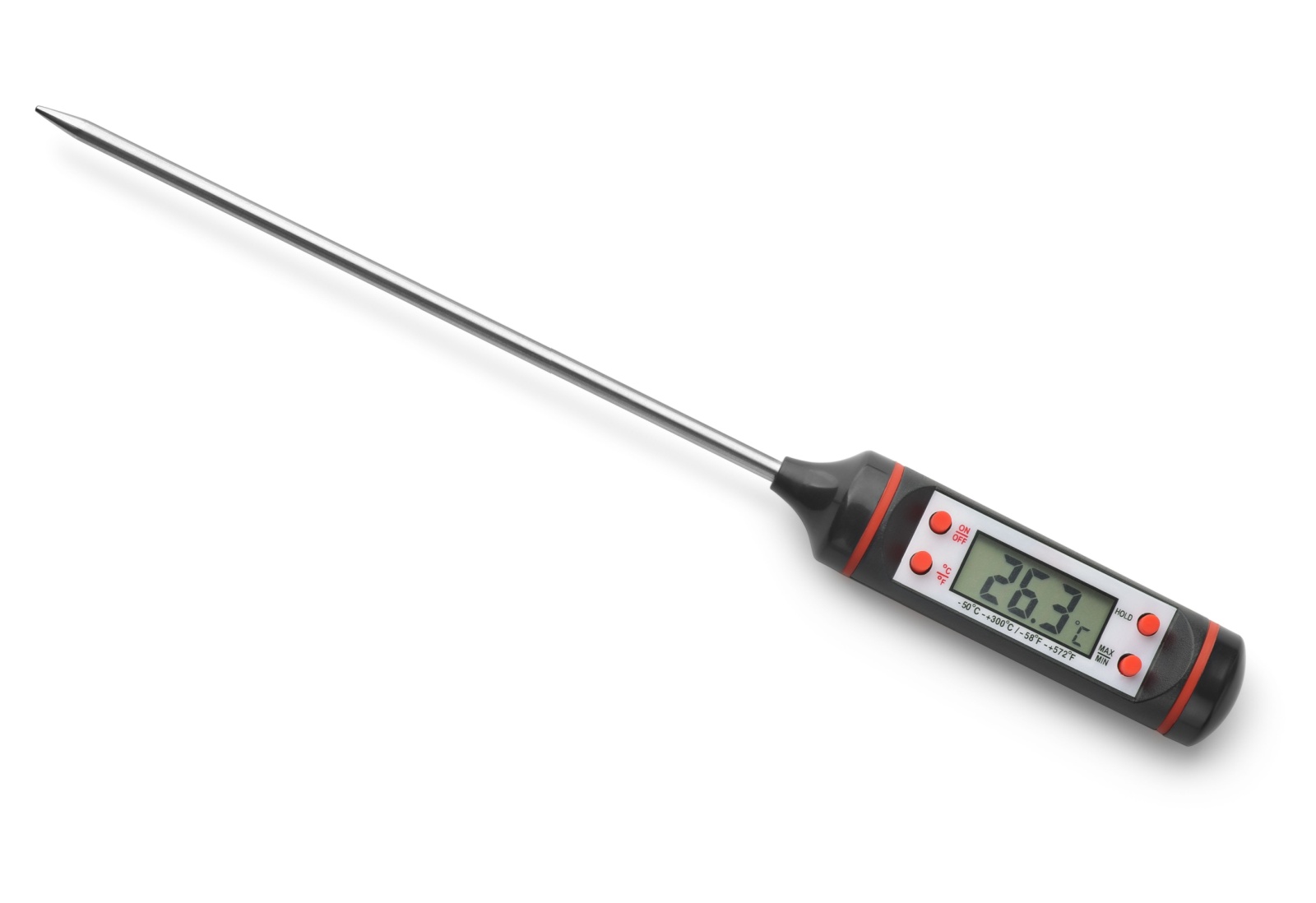
Guesswork is the enemy of juicy lamb. A digital probe thermometer eliminates the need to cut into your meat (releasing precious juices) to check doneness.
For pink, medium-rare perfection, aim for 57-60°C. The temperature will rise another 3-5°C while resting, resulting in perfectly juicy meat that's safe to eat.
8. Resting Is Sacred
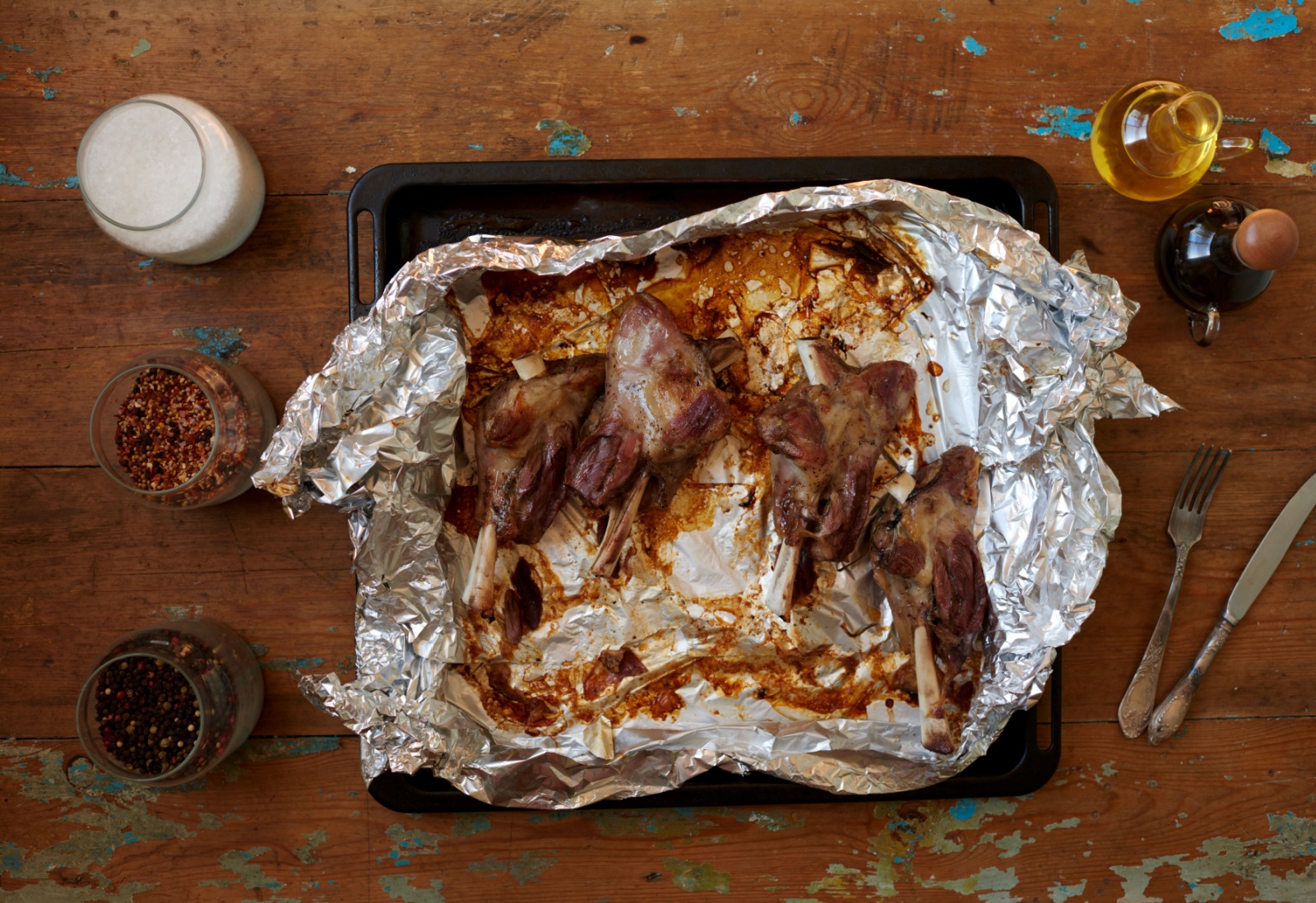
Perhaps the most crucial step for juicy lamb is proper resting. After cooking, the meat's fibres are contracted and juices are concentrated in the centre.
Resting allows these fibres to relax and juices to redistribute throughout. Rest smaller cuts for 5-10 minutes and larger roasts for 20-30 minutes, loosely tented with foil to maintain warmth.
9. Butter Basting Brilliance
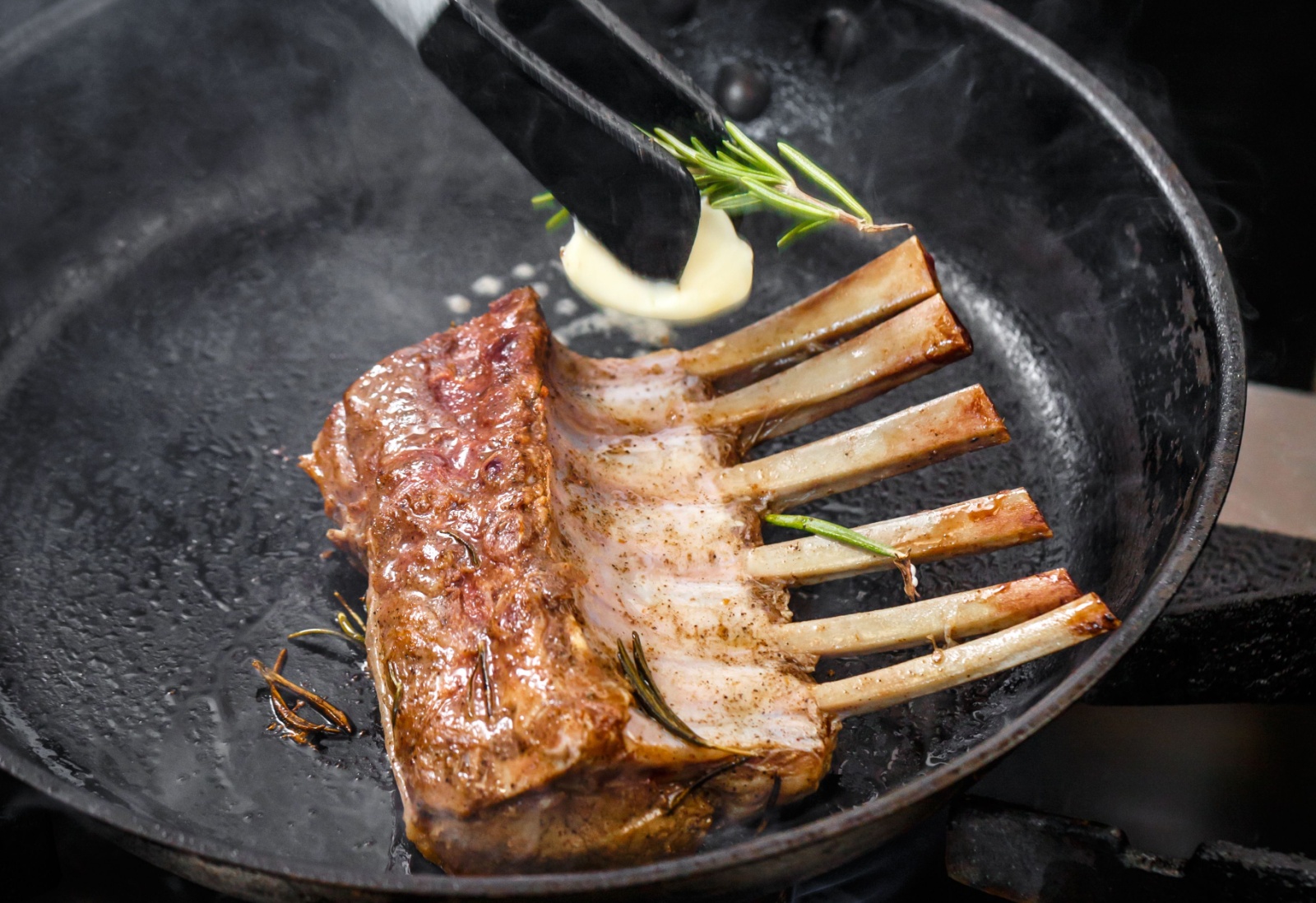
For pan-cooked lamb, the French technique of butter basting creates unparalleled juiciness. Once your lamb is nearly cooked, add a generous knob of butter to the pan.
As it foams, tilt the pan and repeatedly spoon the hot butter over the meat. The butter creates a moisture-sealing layer while adding richness and glossy appeal.
10. Low And Slow For Tough Cuts
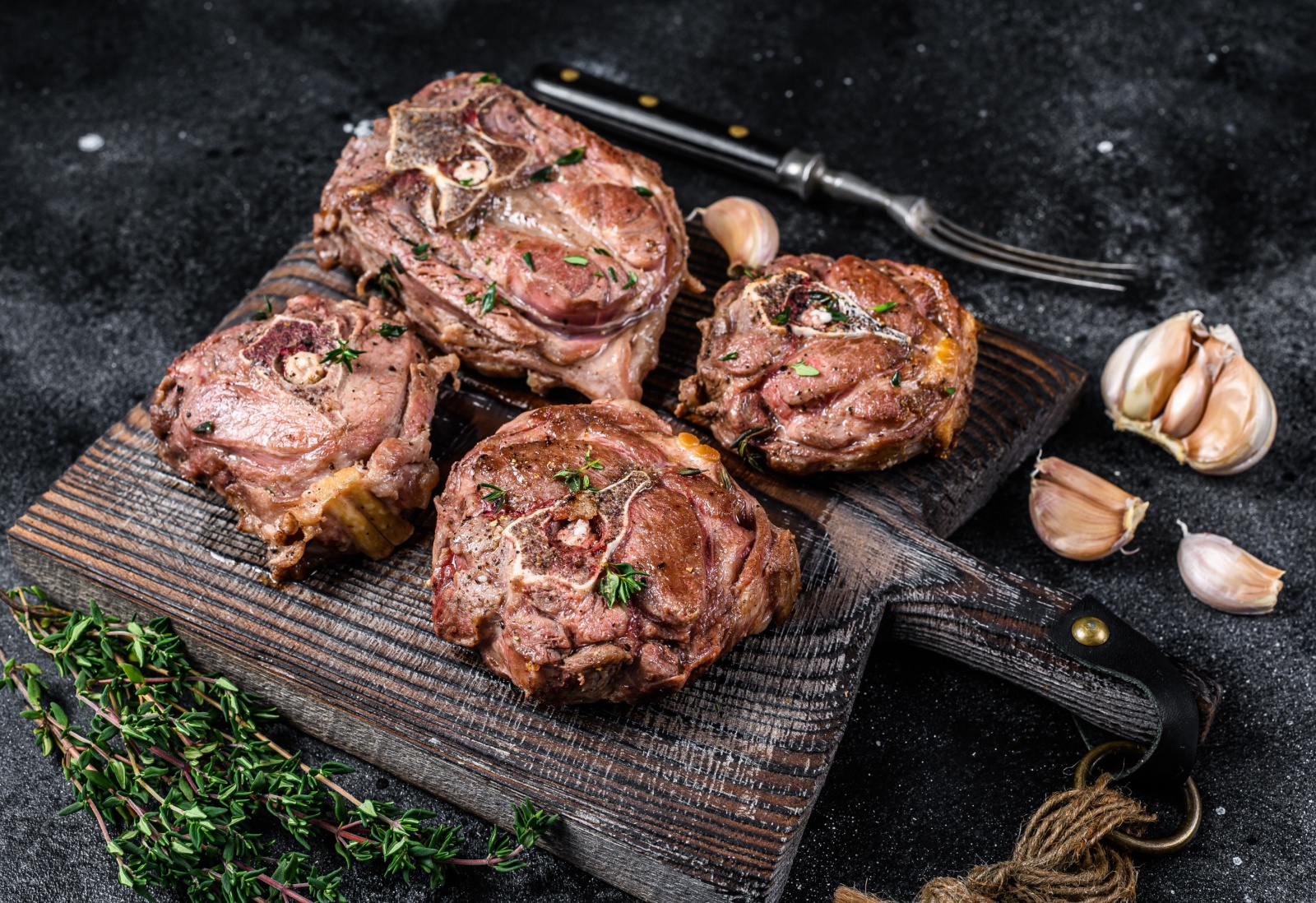
Shoulder and neck benefit from gentle, extended cooking. These harder-working muscles contain collagen that transforms into gelatin when cooked slowly, creating that melt-in-your-mouth texture.
Cook at 150°C for several hours until fork-tender. The natural juices combine with rendered fat and gelatin for an incredibly moist result without any special techniques.
11. Stuffing Creates Moisture Pockets
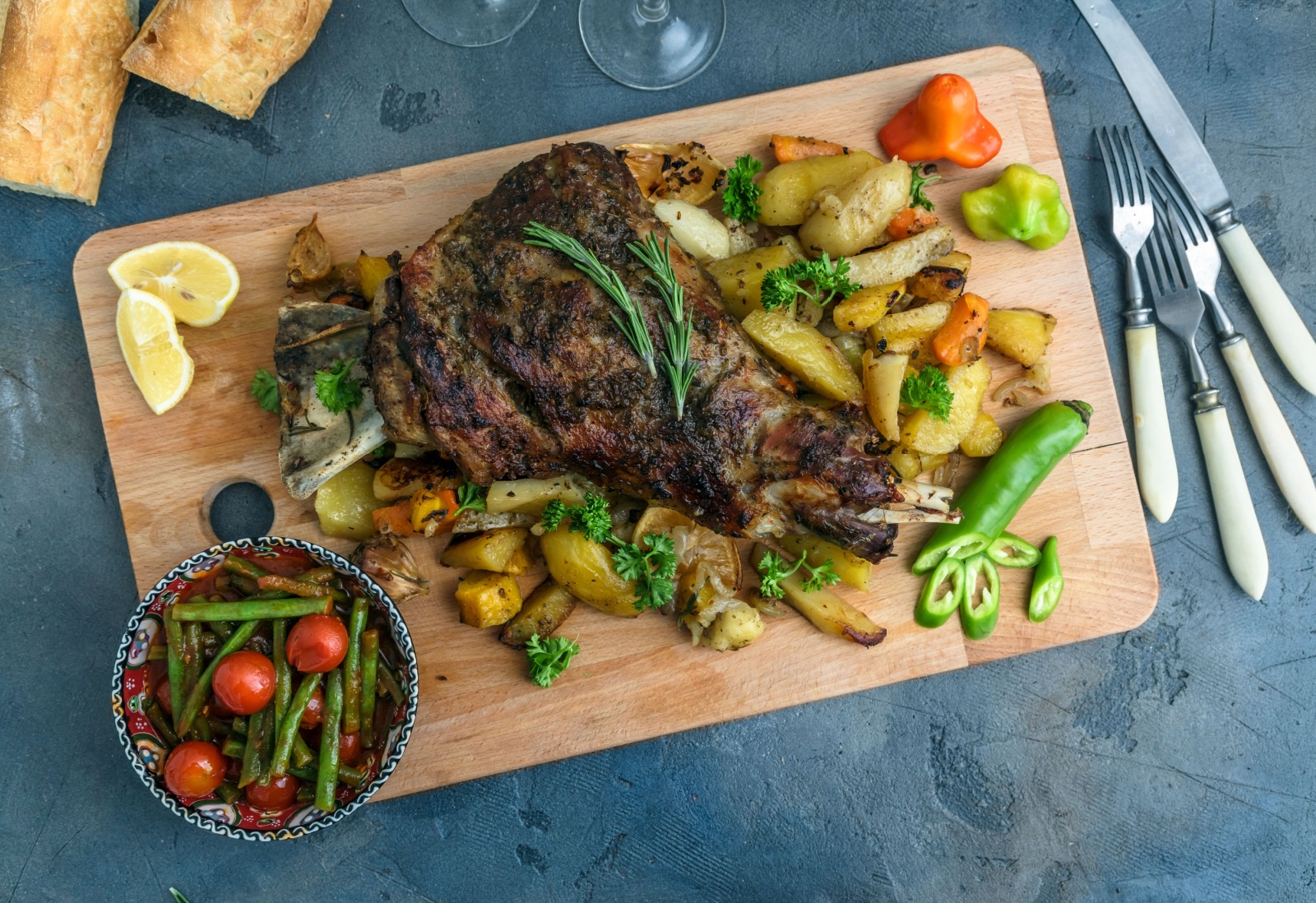
Butterflied lamb legs or shoulders can be transformed with strategic stuffing. Create a mixture of herbs, breadcrumbs and moisture-rich ingredients like diced apricots or olives.
Roll and tie the meat with the stuffing inside. As it cooks, the stuffing releases moisture directly into the surrounding meat, keeping it juicy from the inside out.
12. The Magic Of Milk Braising
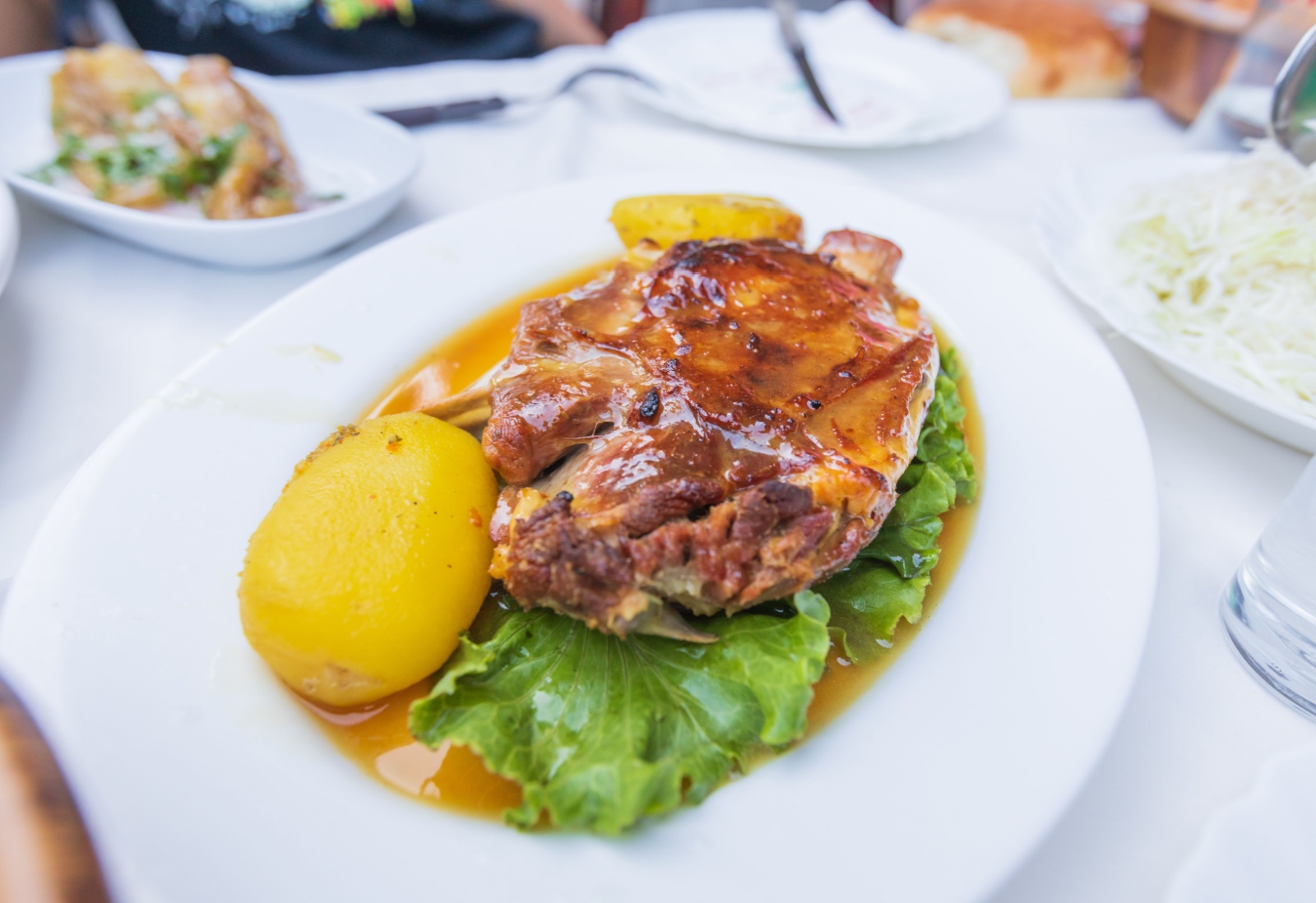
An old Italian technique that works beautifully with lamb. Partially submerge your seasoned meat in milk and cook slowly until tender.
The milk's enzymes gently break down proteins while its sugars caramelise, creating a rich sauce. The result is incredibly tender, juicy lamb with a nutty, golden exterior that's simply divine.
13. Sous Vide For Foolproof Results
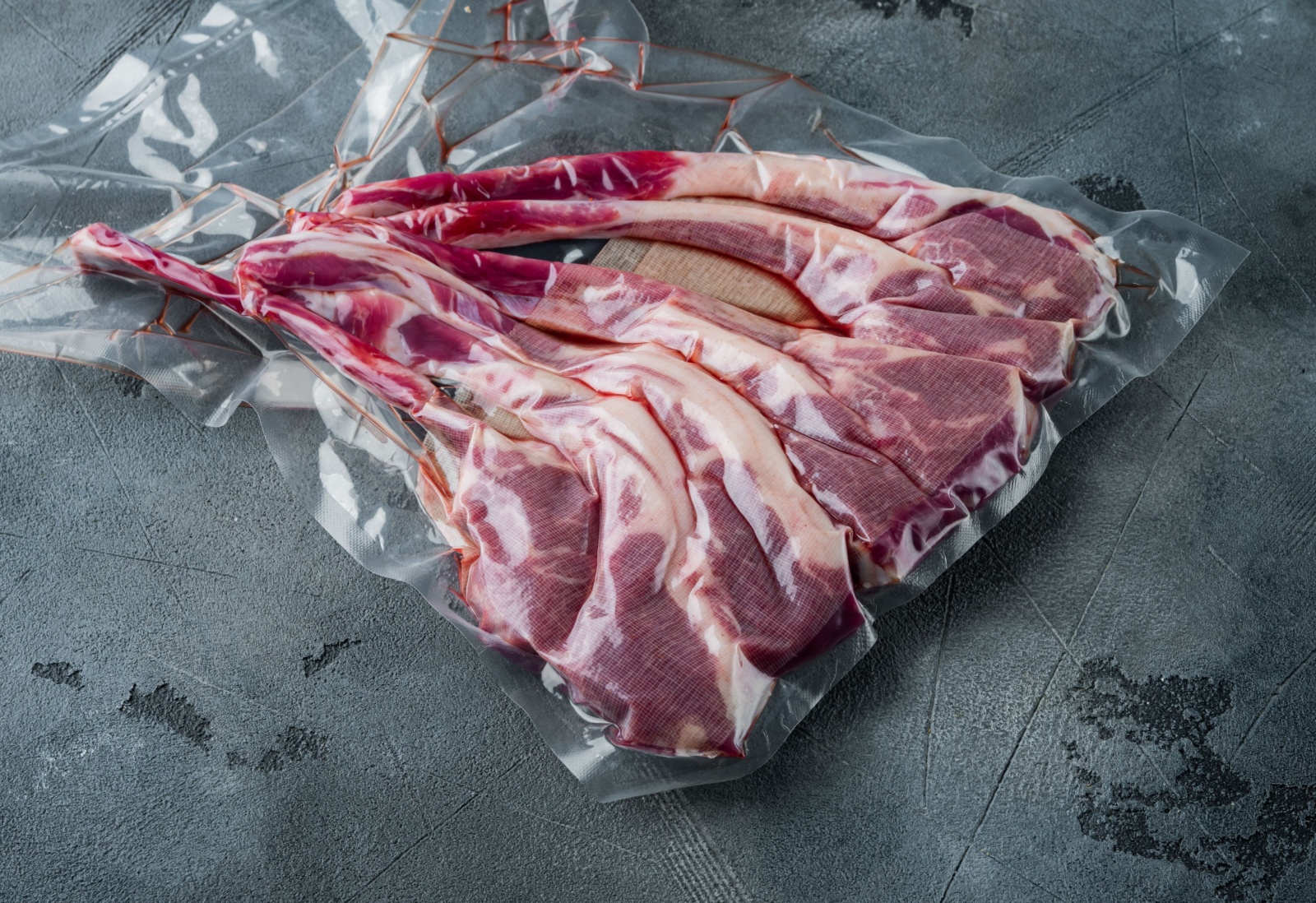
If you have access to sous vide equipment, it's nearly impossible to produce dry lamb. The vacuum-sealed environment prevents moisture loss while precise temperature control ensures perfect doneness.
Cook at 57°C for medium-rare, then quickly sear the exterior. Even novice cooks can achieve restaurant-quality, supremely juicy results this way.
14. Crown Roast Protection Strategy
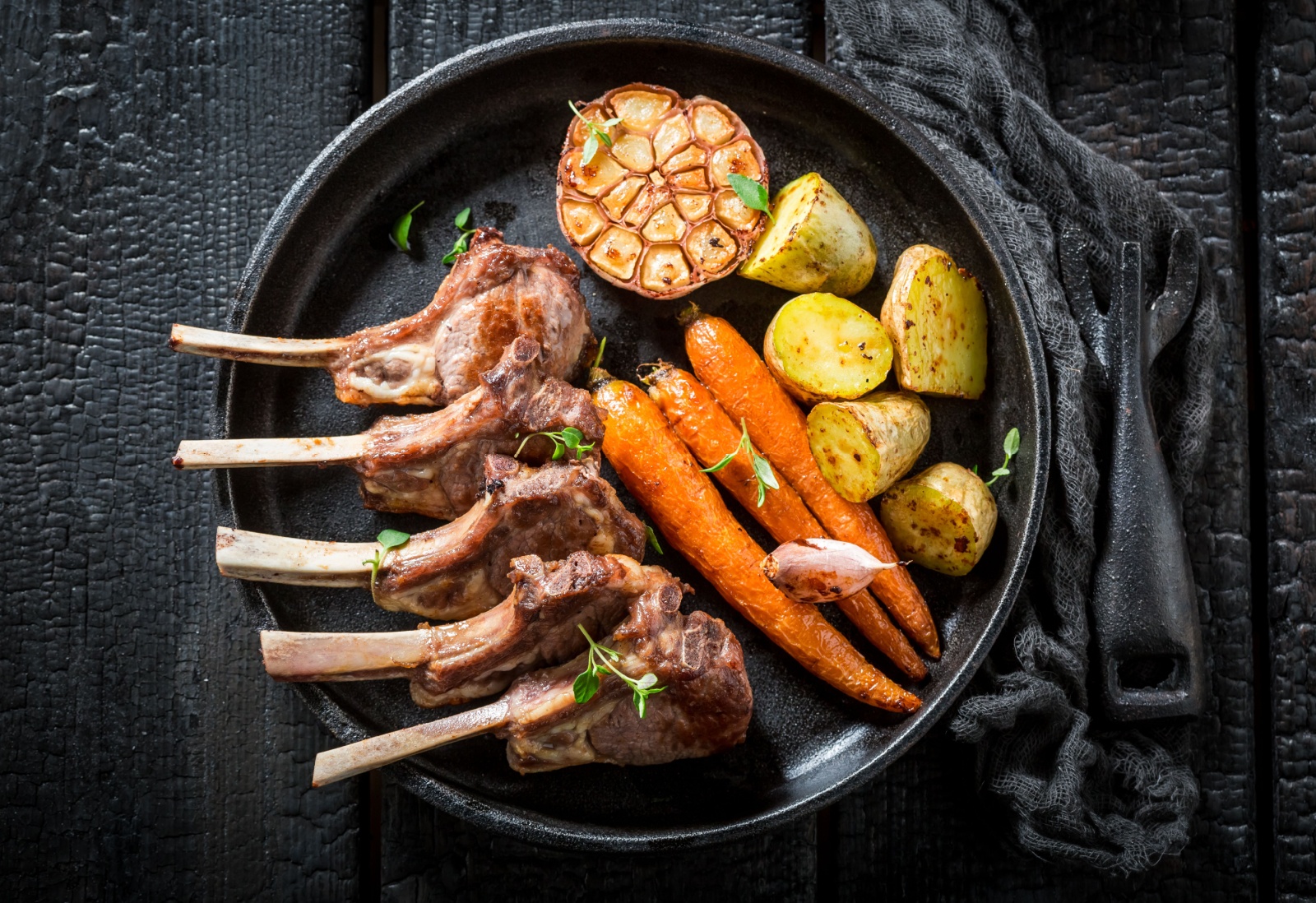
When preparing a showstopping crown roast, cover those exposed rib bones with foil. The bones can burn while the meat needs more time to cook through.
Another trick: place a small ovenproof dish of water in the centre of the crown. This creates a moist microclimate inside your roast, helping preserve juiciness throughout cooking.
15. The Secret Sauce: Lamb Jus
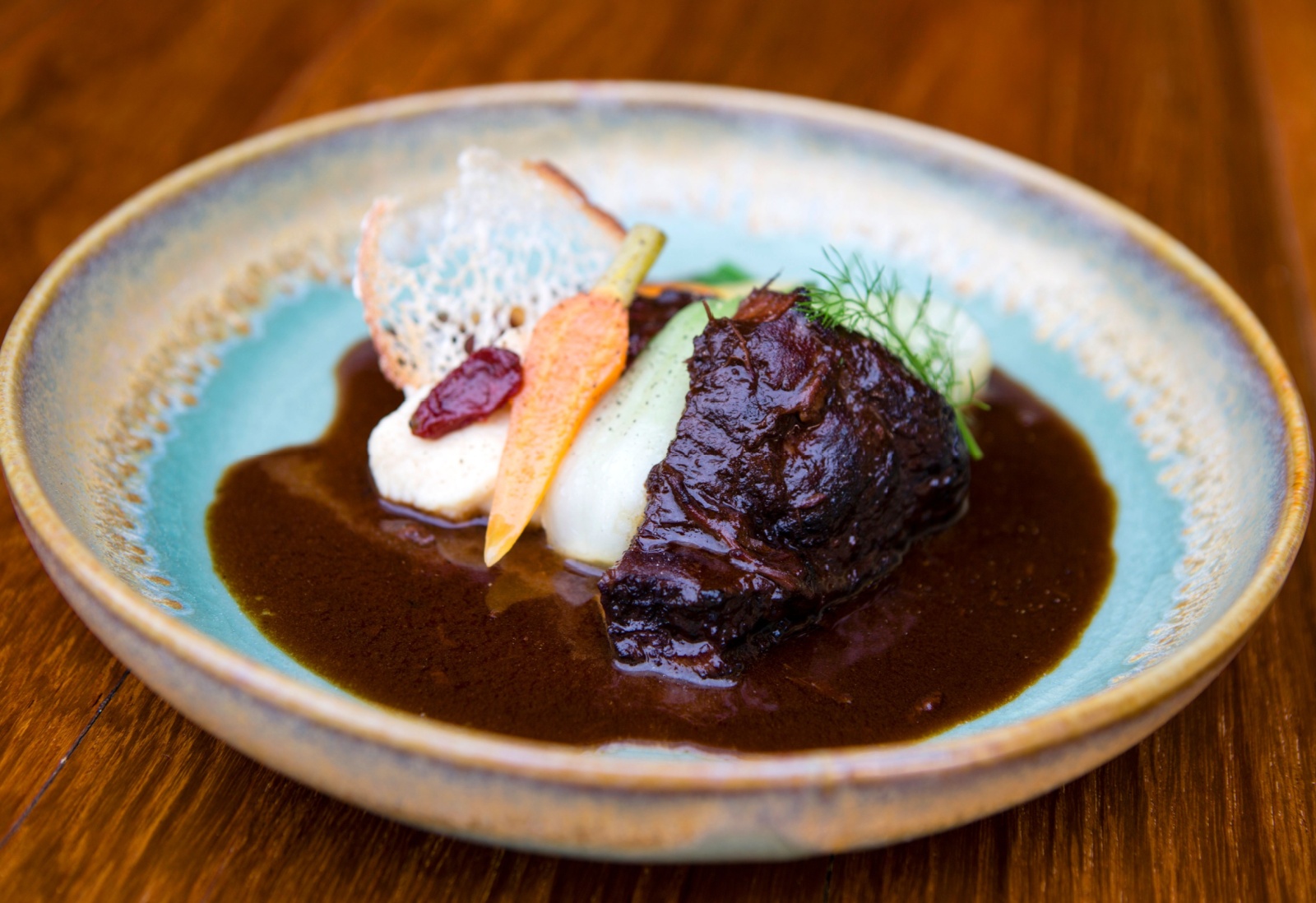
Even perfectly cooked lamb benefits from a moisture boost at serving time. Create a simple jus by deglazing your roasting pan with red wine and stock, then reducing.
Strain and drizzle over your sliced meat. The jus adds both moisture and concentrated flavour, salvaging even slightly overcooked portions. It's your insurance policy against dryness!



