













From the way tea is brewed to the type of bread on the table, food culture in the North and South of the UK reflects centuries of tradition, climate, and local produce.
While there's plenty that unites British cooking, there are also some tasty differences.
1. Tea Strength
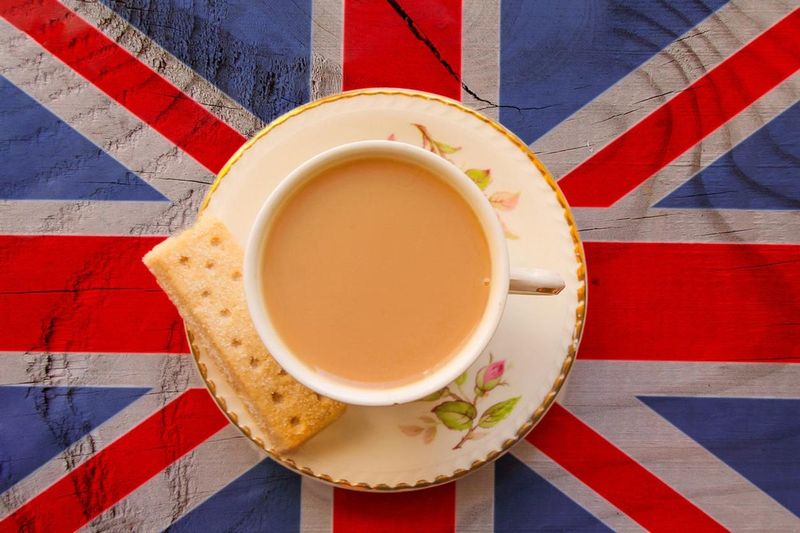
Northerners take their brew seriously! A proper cuppa up North is dark, strong, and served in a sizeable mug that warms your hands on chilly days.
Southern tea drinkers often prefer a more delicate infusion, sometimes even with the milk added first (a controversial move in many Northern households). The difference speaks volumes about regional character: robust and straightforward versus lighter and more refined.
2. Preferred Bread
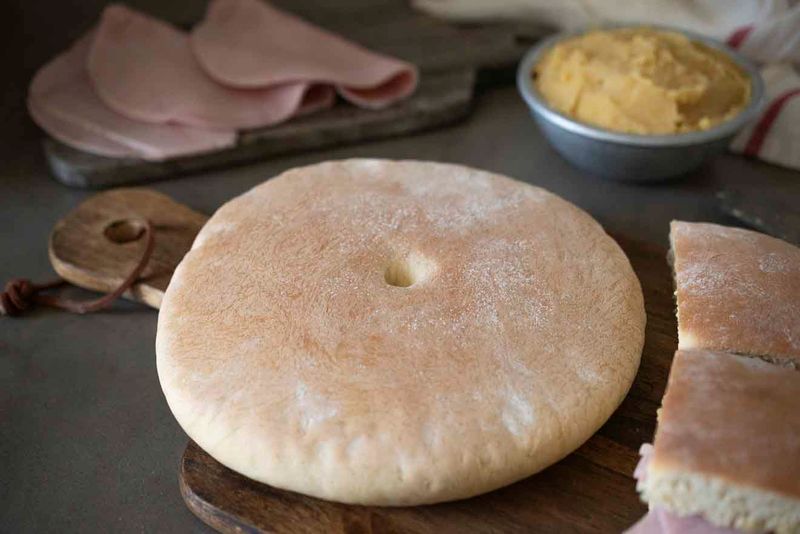
Walking into a Northern bakery, you'll spot stotties, barm cakes, and teacakes dominating the shelves. These hearty, filling breads have sustained generations of industrial workers and remain beloved regional staples.
Cross the invisible dividing line southward, and the bread selection transforms. Artisanal sourdoughs, ciabattas, and focaccias appear more frequently, reflecting Continental influences that historically reached Southern ports first.
3. Fish And Chips Accompaniments
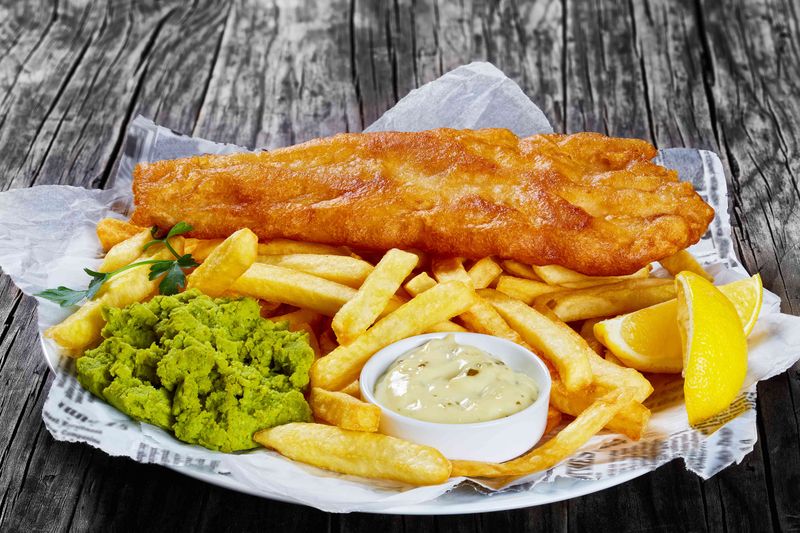
Order fish and chips in Manchester or Newcastle, and your meal arrives with a side of mushy peas or curry sauce as standard fare. The vibrant green or golden curry provides a warm, comforting contrast to the crispy batter.
The same order in Brighton or London typically comes with lemon wedges and tartare sauce. This lighter, zestier approach reflects the South's preference for fresher, more delicate flavours alongside their cod.
4. Breakfast Choices
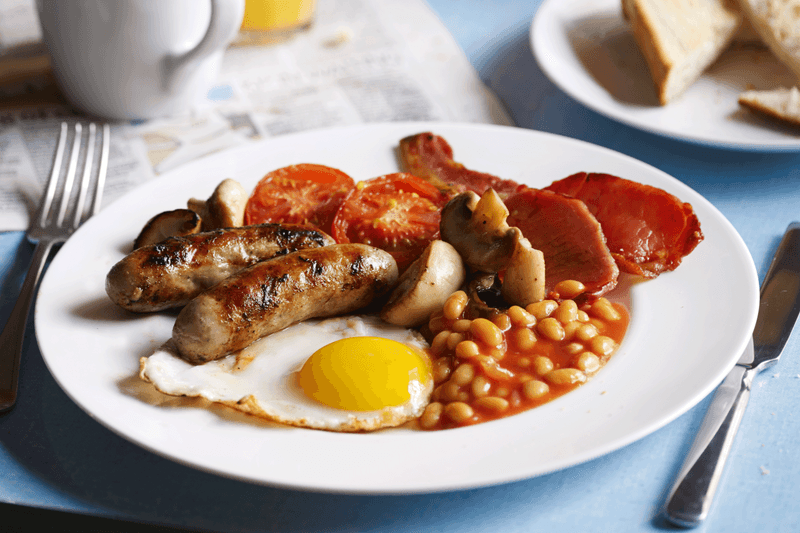
Morning plates in Sheffield or Leeds often feature black pudding, fried bread, and hash browns. The Northern breakfast philosophy seems to be 'the heartier, the better' – fuel for traditionally physical working days.
London brunches might include grilled tomatoes, mushrooms, and recently, avocado toast. Southern breakfast trends have evolved more rapidly with international influences, particularly from Mediterranean and American cuisine, creating lighter, more diverse morning options.
5. Meat Pies
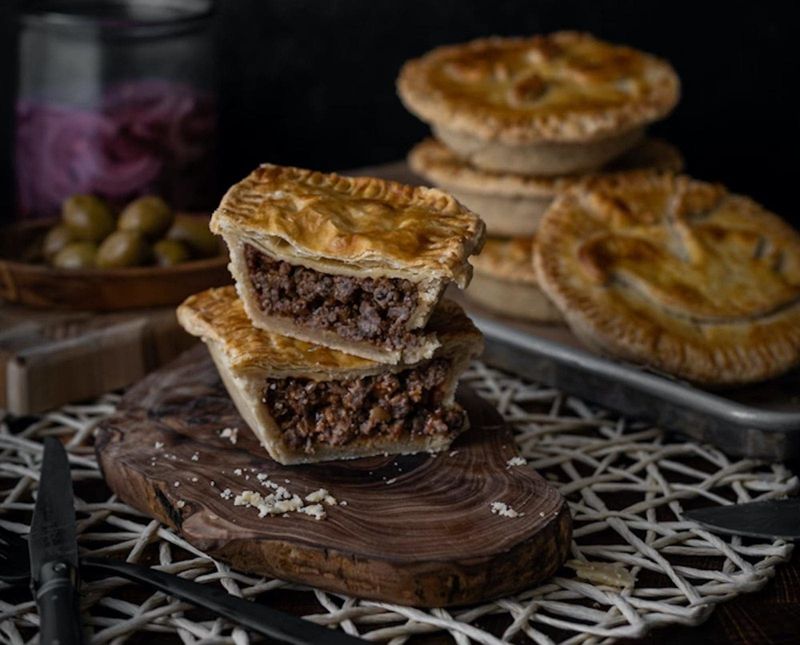
Nothing warms a Northern soul like a proper meat pie! From Lancashire hotpot to steak and kidney, these pastry-topped wonders represent comfort food at its finest.
The filling-to-pastry ratio is generous, with gravy that could feed an army. Southern pies tend toward chicken and leek or vegetable options, often featuring less gravy and more herbs.
6. Cheese Varieties
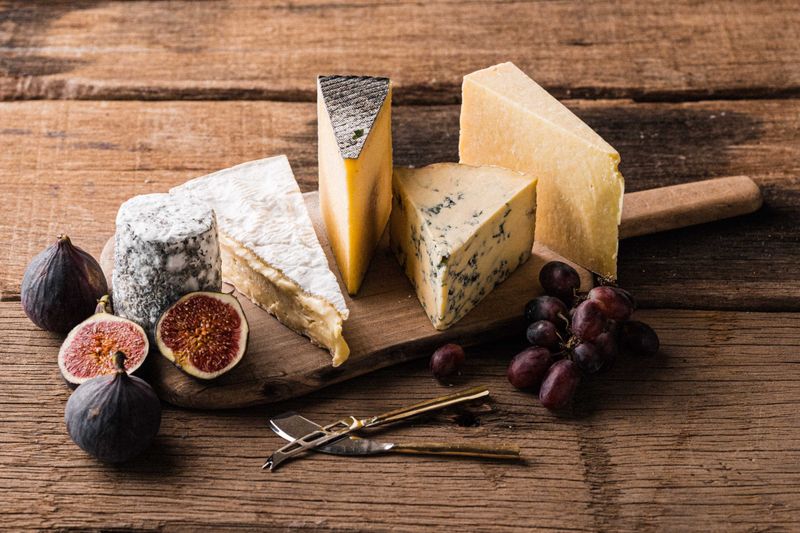
Northern cheese boards proudly display Wensleydale, Lancashire, and tangy Cheshire varieties. These robust, crumbly cheeses pair beautifully with a pint of local ale and have sustained farmers for centuries.
Southern cheese selections often feature creamier textures – Stilton, Brie, and goat's cheese appear more frequently. Wine, rather than beer, typically accompanies these selections, reflecting continental European influences that historically entered through Southern ports.
7. Portion Sizes
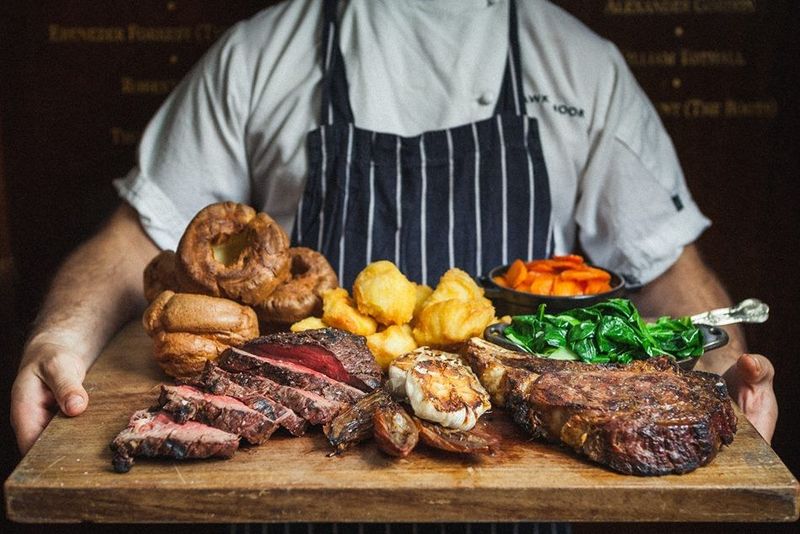
'Value for money' might be the Northern dining motto! Restaurants and cafes up North typically serve hearty portions that leave no one hungry. The generous serving tradition stems from fueling industrial workers after long shifts.
Southern establishments often focus more on presentation and quality over quantity. Plates frequently feature artistic arrangements with smaller portions, emphasizing the dining experience rather than sheer volume. This difference reflects historical economic divisions that still influence food culture today.
8. Sweet Treats
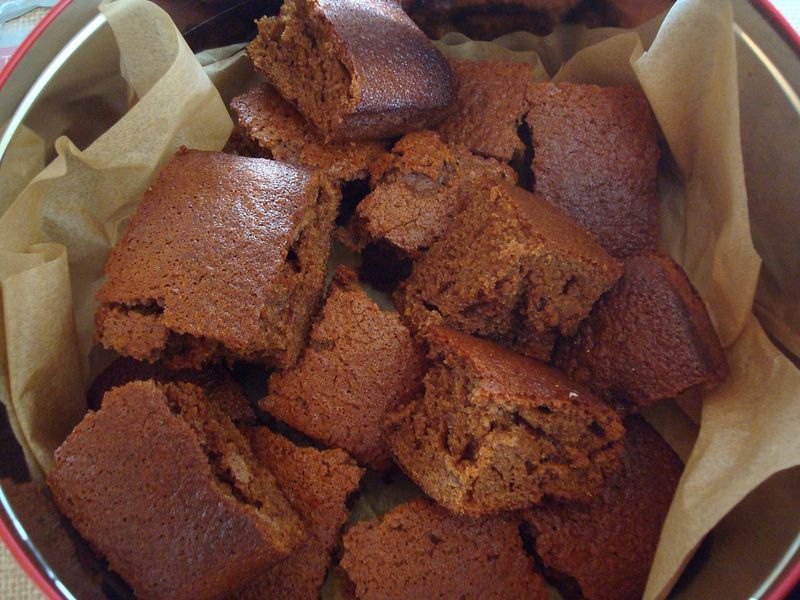
Sticky parkin, Eccles cakes, and treacle toffee dominate Northern sweet displays. These robust, spiced treats developed to provide energy and comfort during harsh northern winters.
Victoria sponge, Battenberg, and delicate scones represent Southern teatime traditions. The lighter, more refined approach to desserts reflects the milder climate and historically stronger connections to continental European baking traditions that influenced Southern kitchens first.
9. Sunday Roast Style
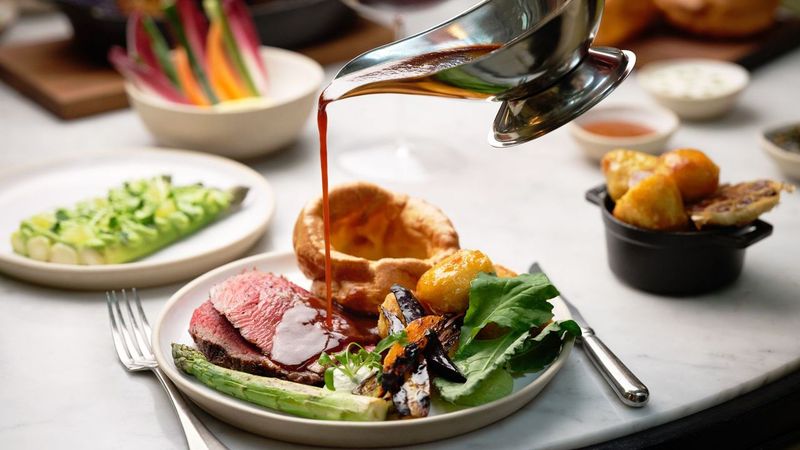
Yorkshire puddings reign supreme across Northern Sunday tables, regardless of whether beef, chicken, or lamb is the star. The crispy-yet-soft puddings serve as perfect gravy vessels and represent Northern cooking ingenuity.
Southern roast traditions tend to reserve Yorkshire puddings exclusively for beef dinners. Lamb might come with mint sauce, chicken with bread sauce – each meat paired with its traditional accompaniment rather than the Northern 'Yorkshire puddings with everything' approach.
10. Takeaway Favourites
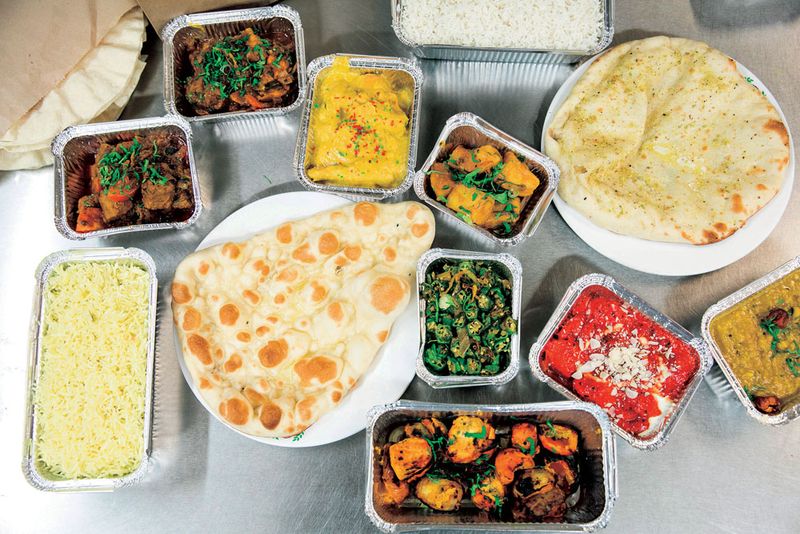
Northern high streets showcase chip shops, curry houses, and kebab shops in abundance. The focus remains on hearty, warming food that satisfies after a night out or a long workday.
Southern takeaway scenes have diversified faster, embracing sushi, Vietnamese, and Mediterranean options earlier. Urban Southern areas particularly feature greater international variety, reflecting demographic differences and food trends that typically emerge first in London before spreading northward.
11. Cooking Fats

Open kitchen cupboards across the North and you might still find dripping or lard used for certain traditional dishes. These animal fats create distinctive flavours in pastries and roasted potatoes that many Northerners consider essential to proper cooking.
Southern kitchens increasingly favour olive oil and vegetable-based fats. This shift happened earlier and more completely in the South, influenced by Mediterranean cooking styles and health-conscious trends that gained traction in Southern urban centres first.
12. Attitude To Convenience Foods

Frozen Yorkshire puddings and proper gravy granules remain kitchen staples in many Northern households. Convenience doesn't mean compromising on heartiness – quick meals still need to satisfy and comfort.
Southern shoppers pioneered the UK's adoption of ready-prepared salads, grain bowls, and plant-based alternatives. The convenience market in Southern supermarkets evolved faster toward health-focused options, reflecting different priorities in food preparation that still characterize regional differences.



