






Britain's food landscape hides treasures far beyond the famous fish and chips. Every corner of the UK harbours delicious regional specialties that locals cherish but visitors rarely discover.
From hearty stews to delicate pastries, these dishes tell stories of local history, available ingredients, and culinary ingenuity that deserve wider recognition.
1. Cullen Skink
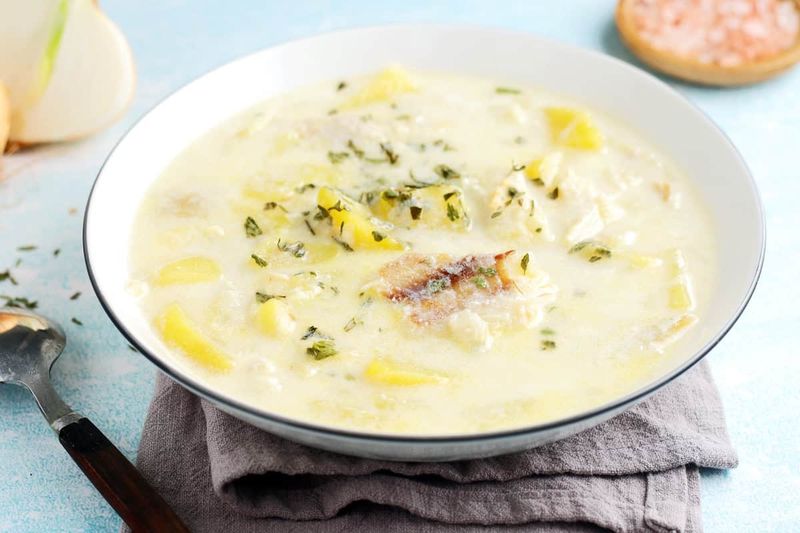
Hailing from the fishing village of Cullen in Moray, this smoky haddock soup warms the soul on blustery Scottish days. The velvety broth combines potatoes, onions and milk with chunks of locally-smoked fish.
Traditionally served with crusty bread, it's heartier than chowder yet more refined than stew. Fishermen's families once relied on this nourishing meal during harsh coastal winters.
2. Bedfordshire Clanger
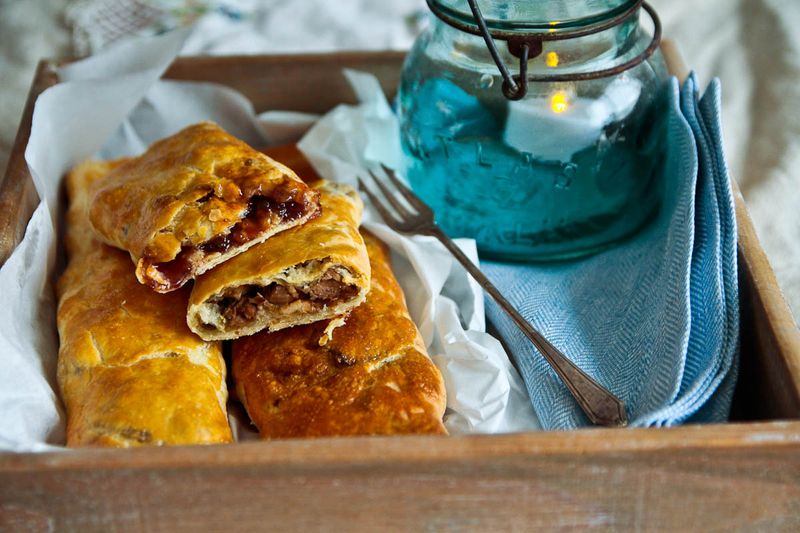
Farmers' wives created this ingenious pastry to sustain their husbands through long workdays. One half contains savory meat and vegetables while the other holds sweet jam or fruit.
The name 'clanger' likely comes from its elongated shape, resembling a cricket bat. Modern versions might feature gammon and potato at one end with apple or cherries at the other – truly a complete meal wrapped in suet pastry.
3. Scouse
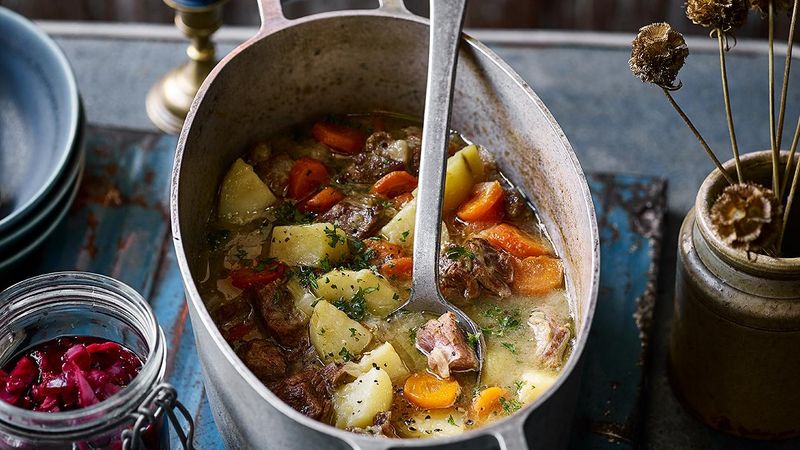
Before becoming Liverpool's signature dish, Scouse traveled with Scandinavian sailors who called their lamb stew 'lobscouse.' Liverpudlians adapted it using affordable ingredients – typically lamb or beef, potatoes, carrots and onions simmered slowly until tender.
No two family recipes are identical. The dish gave Liverpudlians their nickname 'Scousers' and remains a point of fierce local pride, often served with pickled red cabbage or beetroot.
4. Glamorgan Sausages
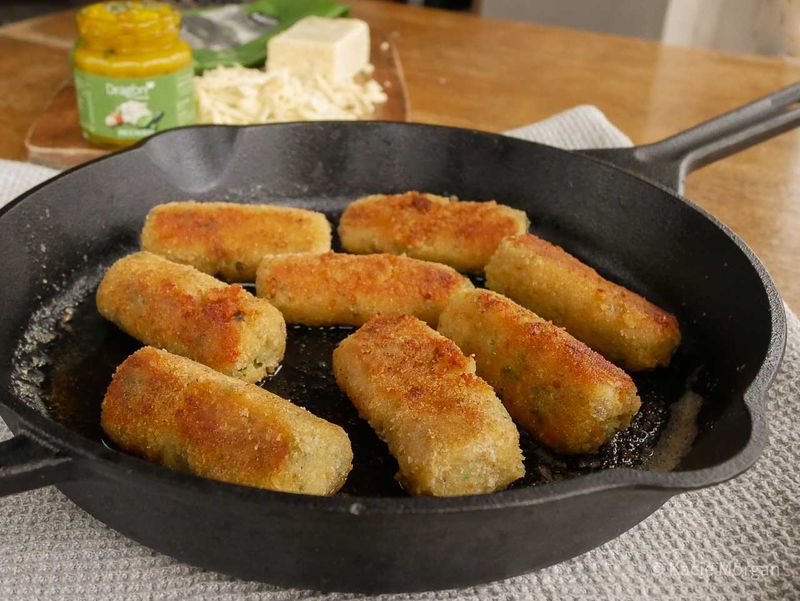
When meat was scarce during wartime, Welsh cooks created these vegetarian delights. Named after the historic county of Glamorgan, they contain no meat whatsoever – just Caerphilly cheese, leeks, and breadcrumbs rolled into sausage shapes.
Mustard adds a gentle kick while fresh herbs provide aromatic depth. Golden-fried until crispy outside yet meltingly soft within, they're Welsh comfort food at its finest, showcasing the country's excellent cheese-making traditions.
5. Pease Pudding
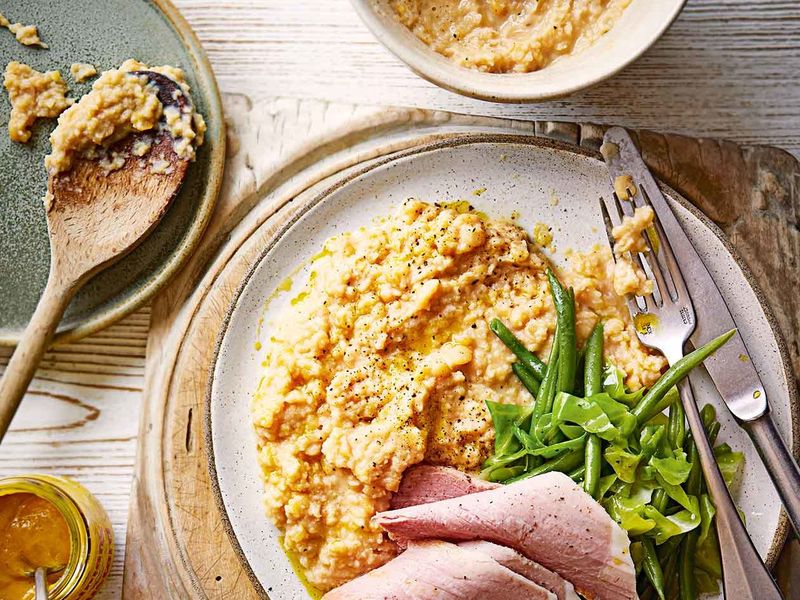
Geordie comfort food doesn't get more authentic than pease pudding! Yellow split peas boiled with onion and herbs create a spreadable paste with earthy flavors that's been nourishing Northeastern folk for centuries.
Traditionally served alongside ham and stottie cake (a regional bread), it's sometimes called 'Geordie hummus.' The texture varies from smooth to chunky depending on family preference, and many households guard their recipes jealously.
6. Stargazy Pie
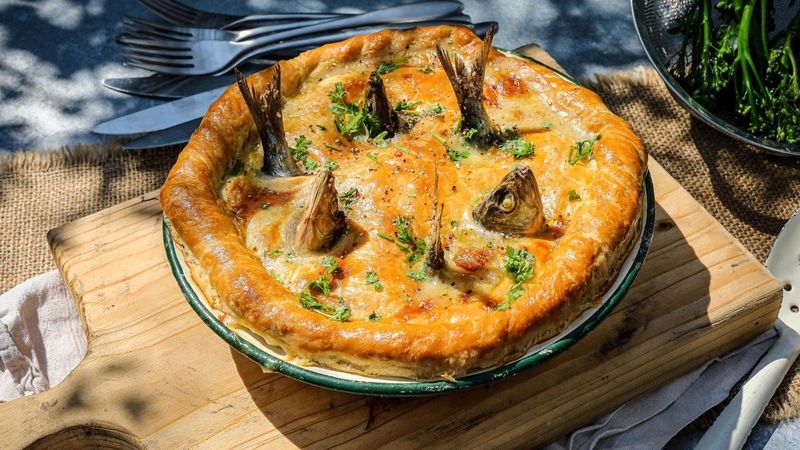
Tom Bawcock's heroism inspired this theatrical Cornish creation. Legend tells how he braved terrible storms to catch fish when his village faced starvation, and the catch was baked into a celebratory pie.
Fish heads poke through the pastry 'gazing at the stars' – hence the name. Beneath the crust, pilchards or sardines rest in a savory egg-and-cream sauce flavored with herbs. It's still served annually during Tom Bawcock's Eve celebrations in Mousehole.
7. Forfar Bridie
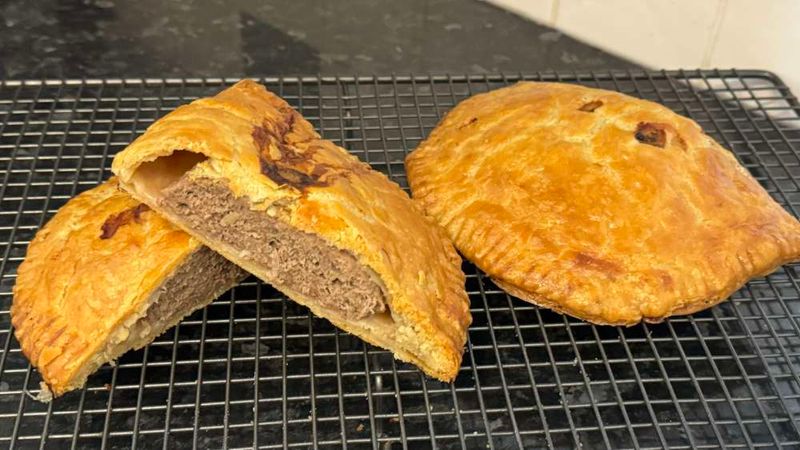
Originating in the market town of Forfar, these horseshoe-shaped pastries have fueled Scottish workers since the 1800s. Legend claims they were first created by a local baker named Bridie, though some suggest the name refers to their popularity as wedding food.
The filling combines minced steak, onions and beef suet seasoned simply with salt and pepper. Two holes in the top distinguish a bridie from its Cornish cousin – allowing steam to escape while creating a perfectly crisp shell.
8. Staffordshire Oatcakes
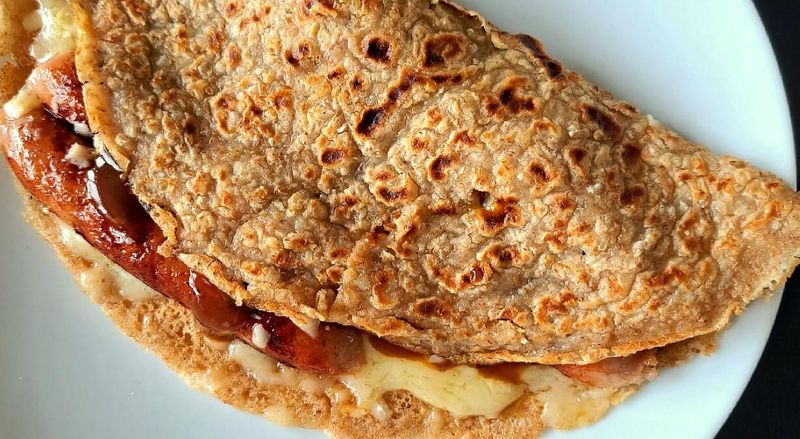
Unlike their Scottish namesakes, these oatcakes are soft, pancake-like creations unique to the Potteries region. The distinctive batter blends oatmeal with flour and yeast, creating a fermented flavor profile unlike anything else in British cuisine.
Factory workers once collected them on their way to shifts, rolled around bacon and cheese. Though traditional oatcake shops have dwindled, passionate locals ensure this humble delicacy survives, often enjoyed as a hearty breakfast wrapped around savory fillings.
9. Haggis, Neeps And Tatties
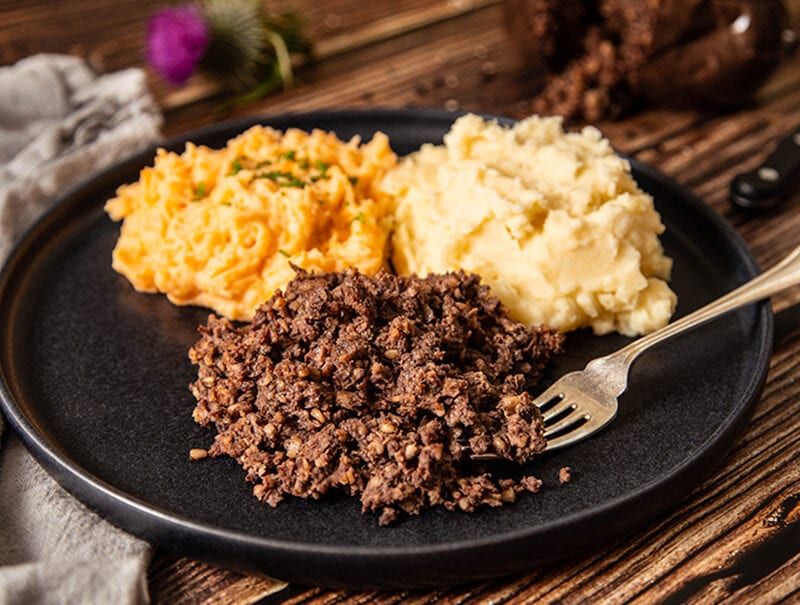
Scotland's national dish deserves appreciation beyond Burns Night! The haggis itself – a peppery mixture of sheep's heart, liver and lungs with oatmeal and onions – offers complex, savory flavors when properly prepared.
'Neeps' (turnips) and 'tatties' (potatoes) provide sweet and earthy accompaniments. Together, they form a harmonious trio representing Scottish ingenuity in using every part of available ingredients. A dram of whisky alongside completes this quintessentially Scottish experience.
10. Pan Haggerty
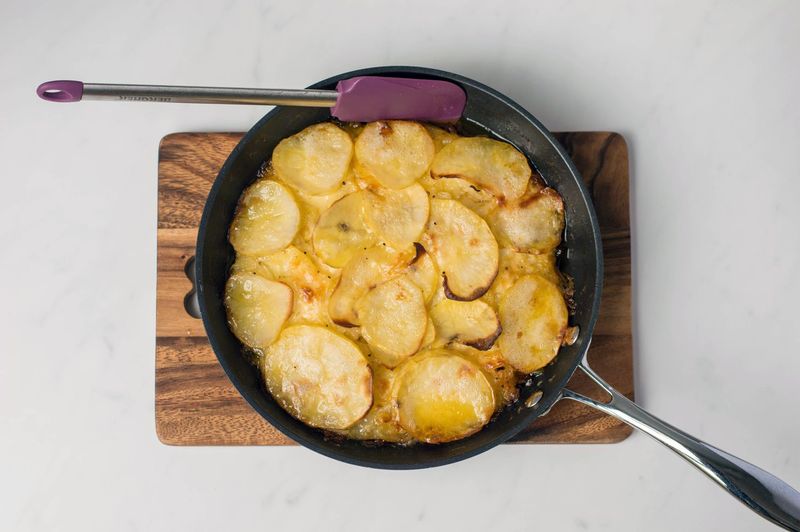
Miners' families created this thrifty one-pan wonder using pantry staples. Thinly sliced potatoes, onions and cheese are layered methodically, then slowly cooked until gloriously golden. The magic happens as the bottom layer caramelizes while cheese bubbles on top.
No two versions are identical – some add bacon or cabbage between layers. The name likely derives from 'hag' (to chop) and 'ty' (to tie together), perfectly describing this harmonious marriage of humble ingredients.
11. Laverbread
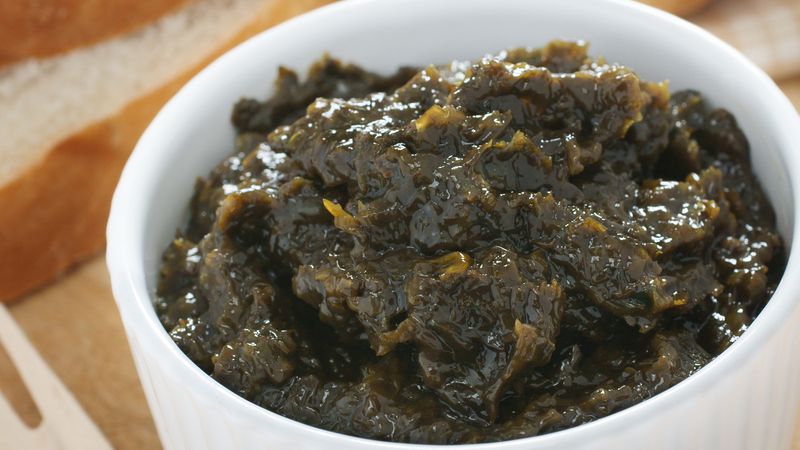
Despite the name, this Welsh delicacy isn't bread at all! Harvested seaweed (laver) is slowly simmered until it transforms into a dark, nutritious paste packed with minerals and umami flavors. Traditionally mixed with oatmeal and fried into patties for breakfast alongside bacon and cockles.
Some called it 'Welshman's caviar' for good reason – its distinctive marine taste provides a concentrated burst of seaside essence that divides opinion but represents Wales' connection to its coastal bounty.
12. Singin' Hinnies
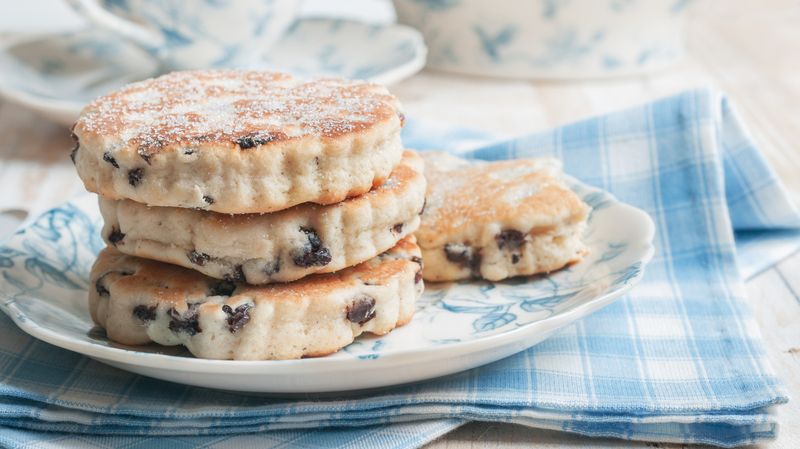
These delightful griddle cakes earned their musical name from the sizzling sound ('singing') they make while cooking. The 'hinny' part is simply a Northumbrian term of endearment – fitting for such a beloved treat.
The secret to their tender texture lies in beef suet or butter rubbed into flour before adding milk and currants. Cooked on a traditional flat iron griddle until golden, they're best enjoyed warm with a generous spread of butter melting into their crumbly interior.
13. Maids Of Honour Tarts
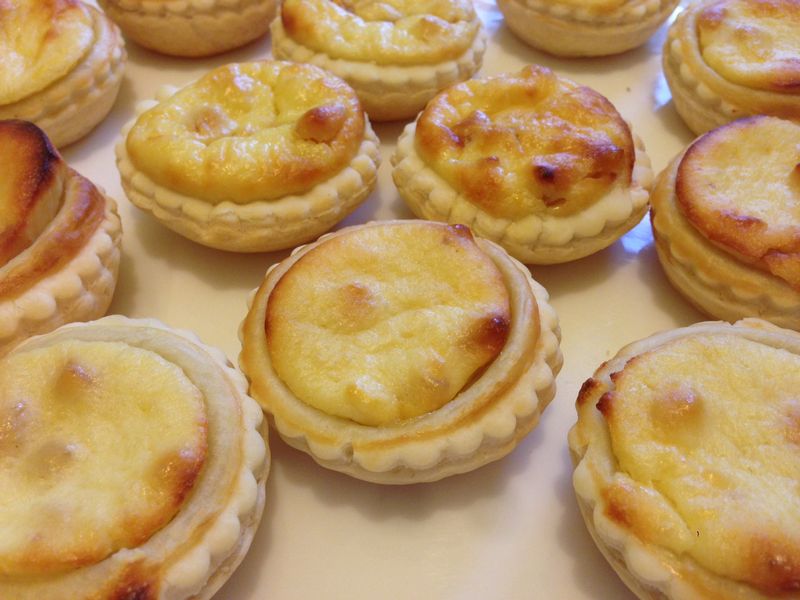
Royal history flavors these dainty pastries! Legend claims Henry VIII discovered a maid of honour enjoying these tarts and was so delighted by their taste that he imprisoned the recipe in his royal safe.
The delicate pastry cases cradle a sweet, lemony curd cheese filling – sometimes enhanced with almonds or nutmeg. The Original Maids of Honour shop in Richmond has been making them since the 1700s, continuing a tradition that supposedly dates back to Tudor times.
14. Lancashire Butter Pie
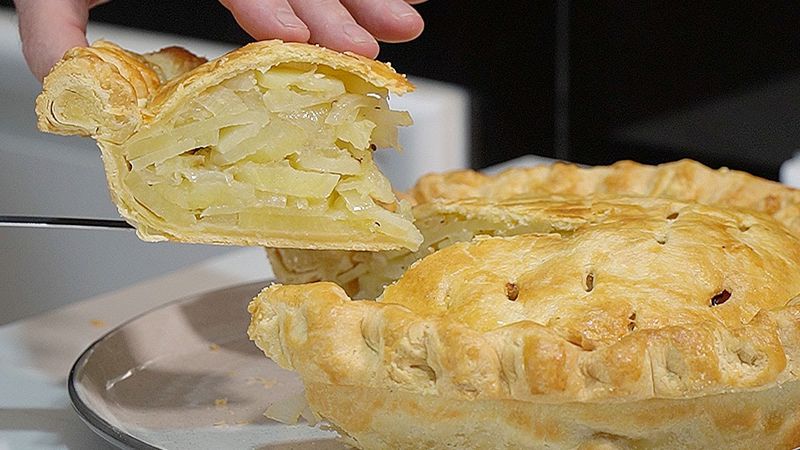
Catholic textile workers created this simple pie for meat-free Fridays. Also called 'Catholic pie' or 'Friday pie,' it features potatoes, onions and – most importantly – generous amounts of butter encased in shortcrust pastry.
The absence of meat never feels like deprivation thanks to the rich, buttery goodness. Preston North End football fans still enjoy butter pies on match days, keeping this regional specialty alive. The best versions have a peppery kick that cuts through the richness perfectly.
15. Black Bun
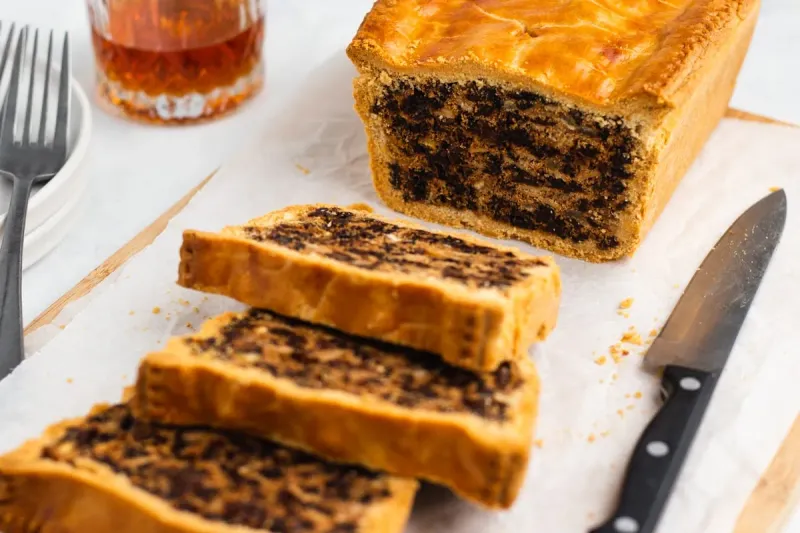
Hogmanay celebrations wouldn't be complete without this fruit-packed treasure! Originally eaten on Twelfth Night before becoming associated with Scottish New Year festivities, it's essentially a rich fruit cake completely encased in pastry.
The densely spiced interior combines dried fruits, black treacle, whisky and spices – almost like a Christmas pudding in texture. Tradition holds that first-footing (being the first visitor after midnight) requires bringing a black bun to ensure prosperity for the household throughout the coming year.