













Even seasoned home cooks can slip into habits that put health and safety at risk.
Some of these mistakes are easy to overlook, but they can lead to foodborne illness, contamination, or spoilage if you're not careful.
1. Leaving Food Out Too Long
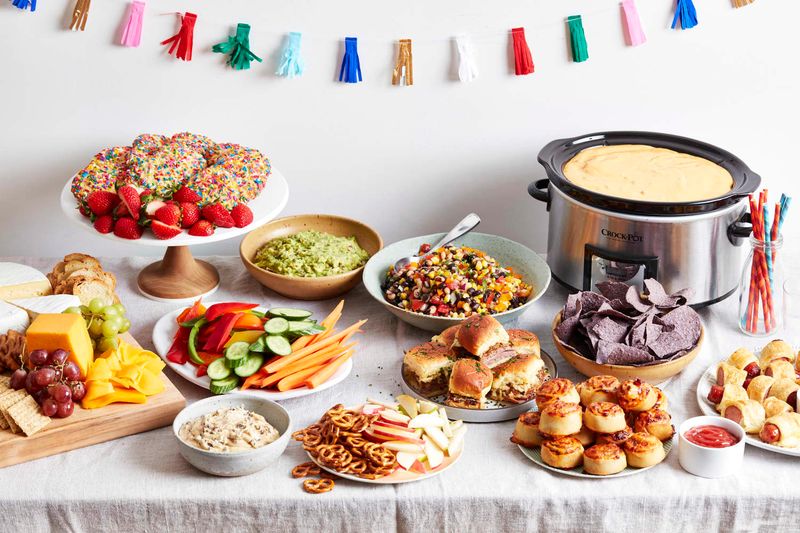
Many of us are guilty of forgetting about that pasta salad sitting on the counter during parties. According to the Food Standards Agency, perishable food should never sit at room temperature for more than two hours.
Bacteria multiply rapidly between 5°C and 63°C, sometimes doubling every 20 minutes. Always set a timer if you're prone to kitchen distractions.
2. Using The Same Board For Raw Meat And Vegetables
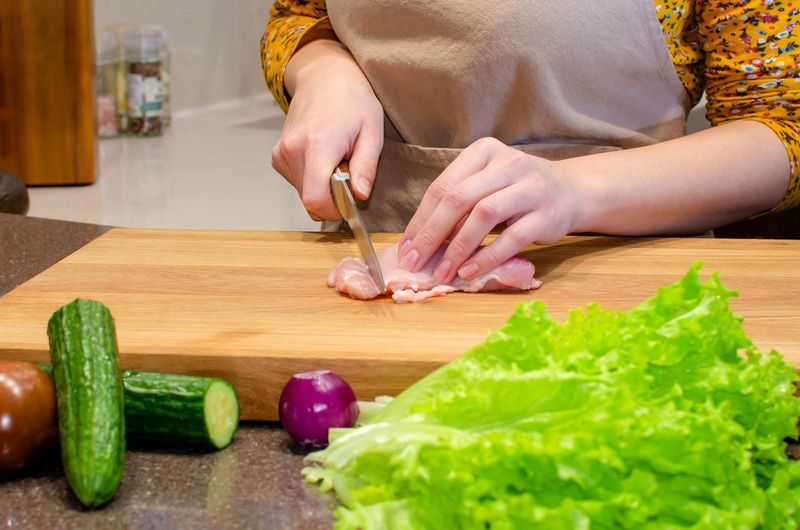
The humble chopping board harbours more dangers than most realise. Raw meat juices contain harmful bacteria that easily transfer to ready-to-eat foods like salad vegetables.
Use colour-coded boards: red for raw meat, green for vegetables. If you can't afford multiple boards, thoroughly wash with hot soapy water between different food types.
3. Washing Raw Chicken
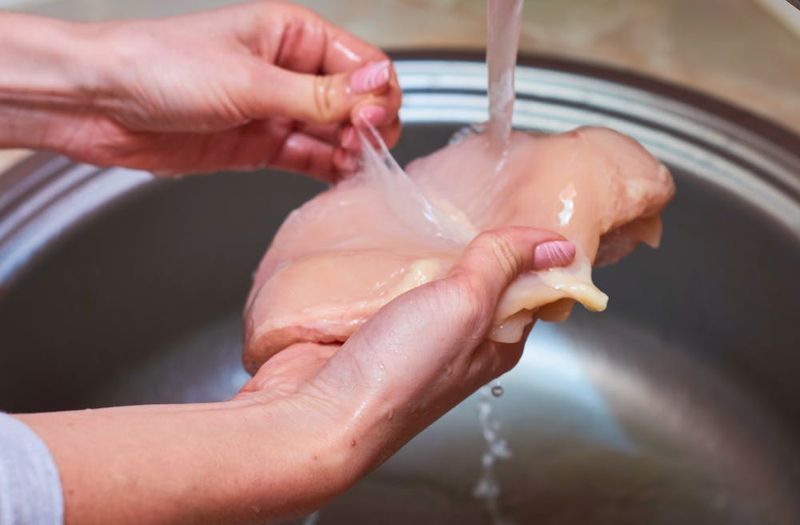
Splashing water over raw chicken creates an invisible spray of bacteria that can travel up to 80cm from your sink. Research from the UK Food Standards Agency found that 44% of people still wash poultry before cooking.
Proper cooking kills all harmful bacteria without the need for washing. Simply pat the chicken dry with kitchen paper if needed.
4. Ignoring Use-By Dates
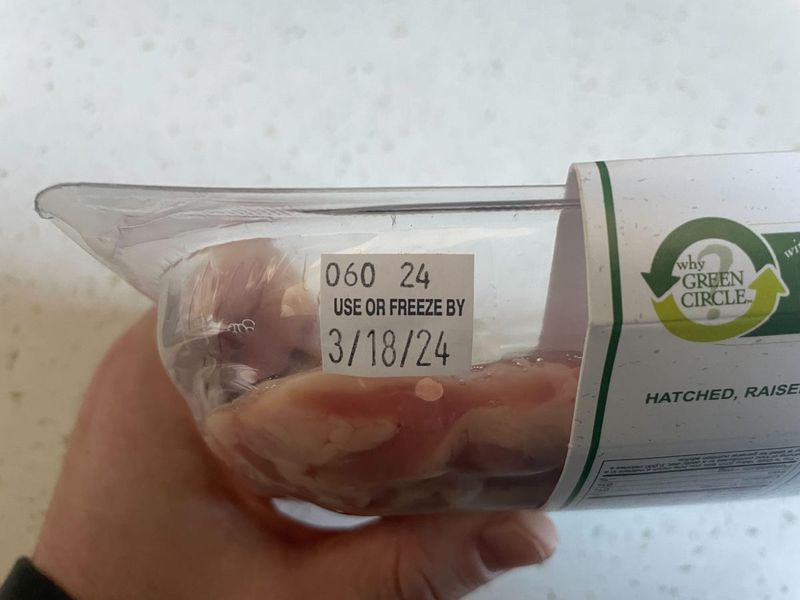
That yoghurt that expired yesterday might look fine, but appearances can be deceiving. Use-by dates aren't arbitrary suggestions—they're carefully calculated safety indicators.
Certain foods like soft cheeses and ready meals can harbour dangerous bacteria even when they look and smell normal. Best-before dates indicate quality, but use-by dates are about safety.
5. Thawing Meat On The Counter
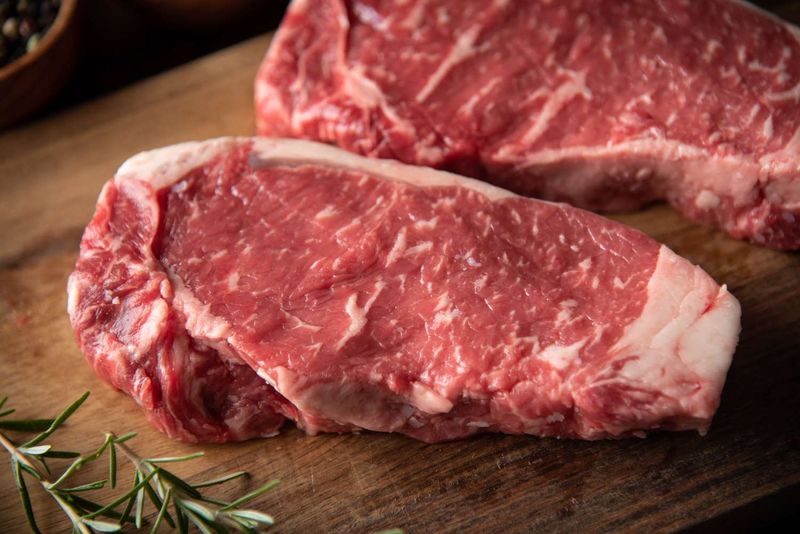
The outer layers of meat reach the danger zone (above 8°C) long before the centre thaws when left on your worktop. This creates perfect conditions for bacterial growth.
Thaw meat slowly in the refrigerator. For quicker results, use the defrost setting on your microwave or place sealed meat in cold water, changing the water every 30 minutes.
6. Eating Raw Dough Or Batter
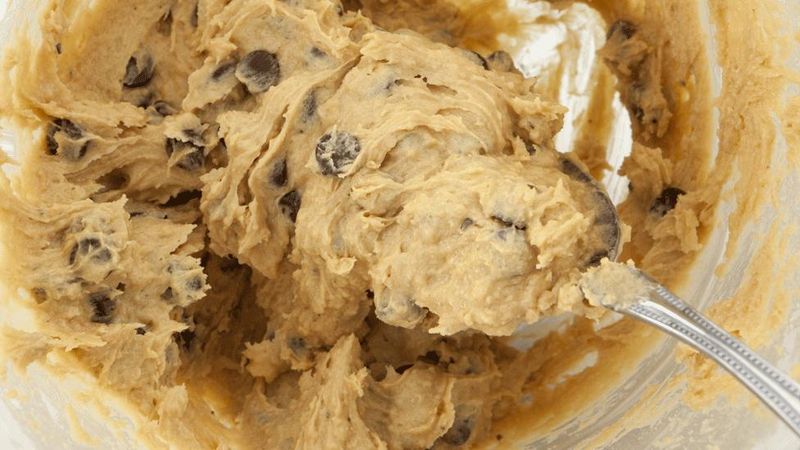
Licking the spoon after mixing cake batter is a childhood tradition with hidden dangers. Raw eggs potentially contain Salmonella, but that's not the only risk.
Studies by the Food Standards Agency show uncooked flour can harbour E. coli bacteria. Children under five, pregnant women, and those with compromised immune systems face the highest risk from these foodborne pathogens.
7. Not Washing Hands After Handling Raw Meat
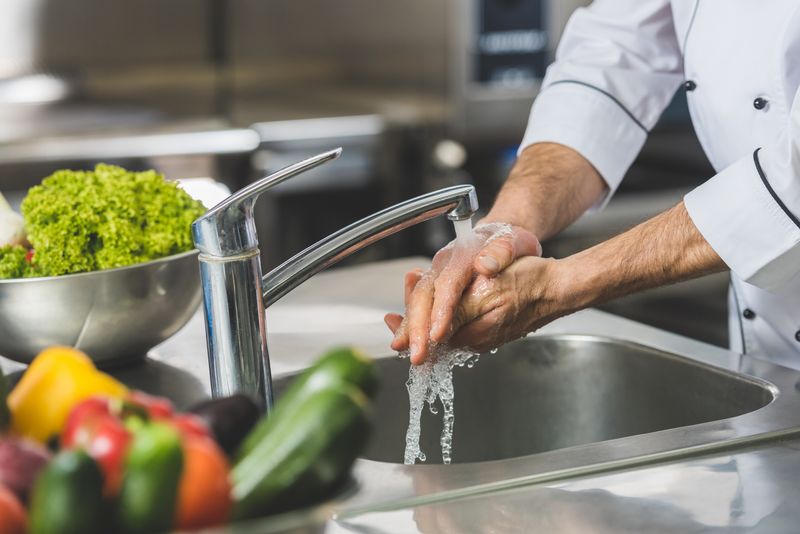
A quick rinse under cold water won't eliminate bacteria from your hands after handling raw meat. The NHS recommends washing with warm water and soap for at least 20 seconds—about the time it takes to sing 'Happy Birthday' twice.
Pay special attention to fingertips, between fingers, and wrists. These areas are frequently missed but regularly come in contact with food and surfaces.
8. Storing Hot Food In The Fridge Immediately
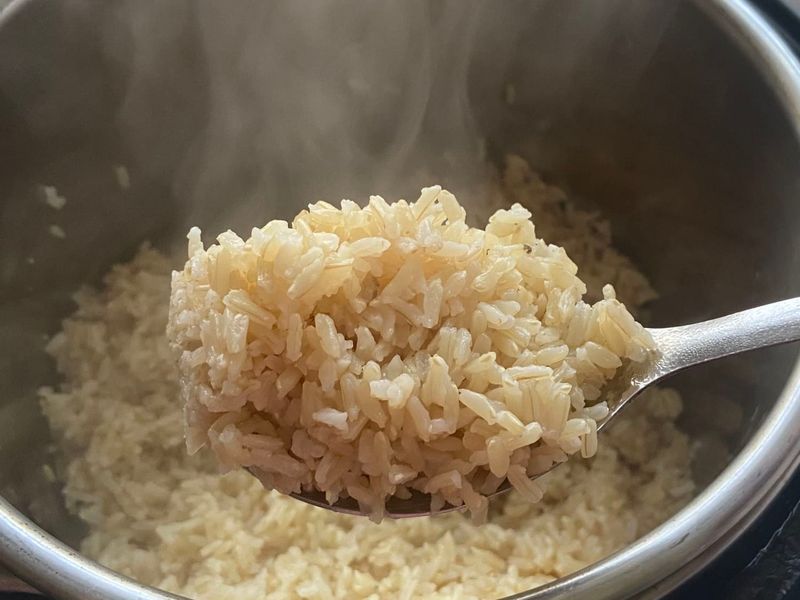
Shoving that steaming curry straight into the fridge seems responsible, but it can create problems. Large containers of hot food raise the internal temperature of your refrigerator, potentially pushing other foods into the danger zone.
Divide hot food into smaller, shallow containers to cool faster. Allow food to cool for up to 90 minutes before refrigerating.
9. Tasting Food To Check If It's Gone Off
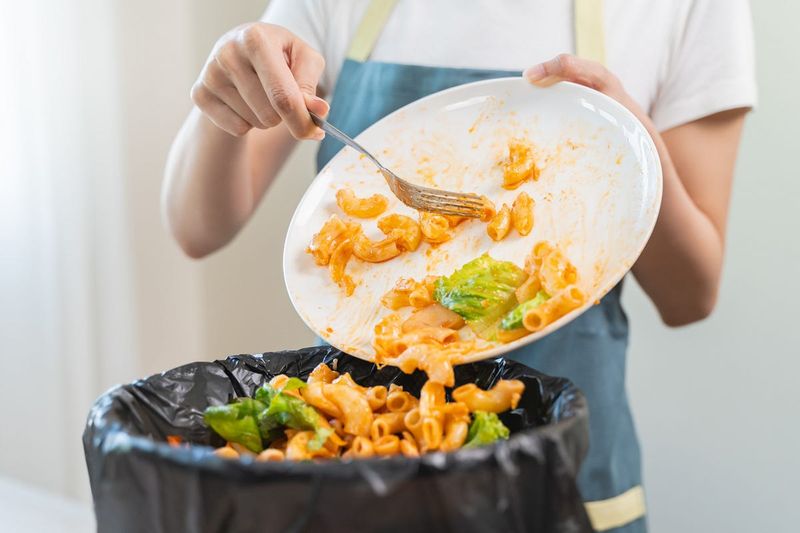
That sniff-and-taste approach to questionable leftovers is more dangerous than you think. Harmful bacteria like Listeria don't always produce detectable changes in appearance, smell or taste.
Research from the Food Standards Agency shows just a few cells of certain bacteria can cause serious illness. When in doubt, follow the food safety mantra: 'If in doubt, throw it out!'
10. Using A Tea Towel For Multiple Jobs
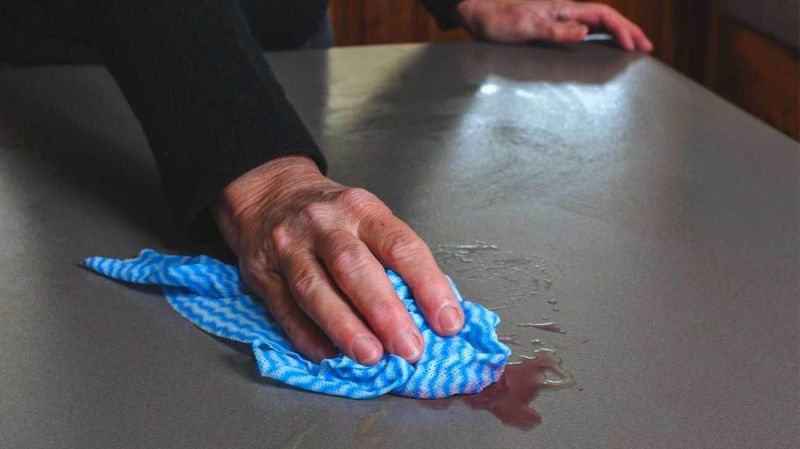
That innocent-looking tea towel hanging in your kitchen could be a bacterial playground. Switching between wiping hands, drying dishes, and mopping spills creates cross-contamination opportunities.
Change tea towels daily and use separate ones for hand-drying and dish-drying to reduce risks.
11. Not Cooking Meat To The Right Temperature
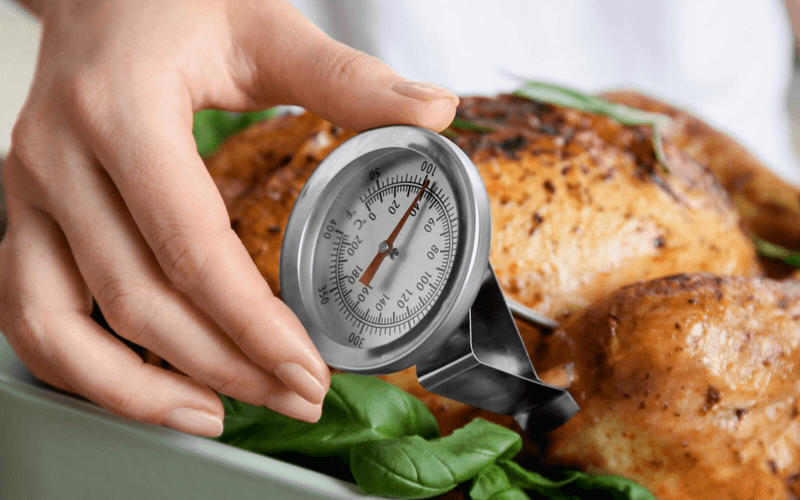
Eyeballing meat doneness is a gamble with your health. Different meats require different internal temperatures to kill harmful bacteria.
The UK Food Standards Agency recommends 70°C for at least two minutes to ensure safety. Investing in a food thermometer eliminates guesswork—especially important for poultry and minced meat products where bacteria may be distributed throughout.
12. Reusing Marinade From Raw Meat
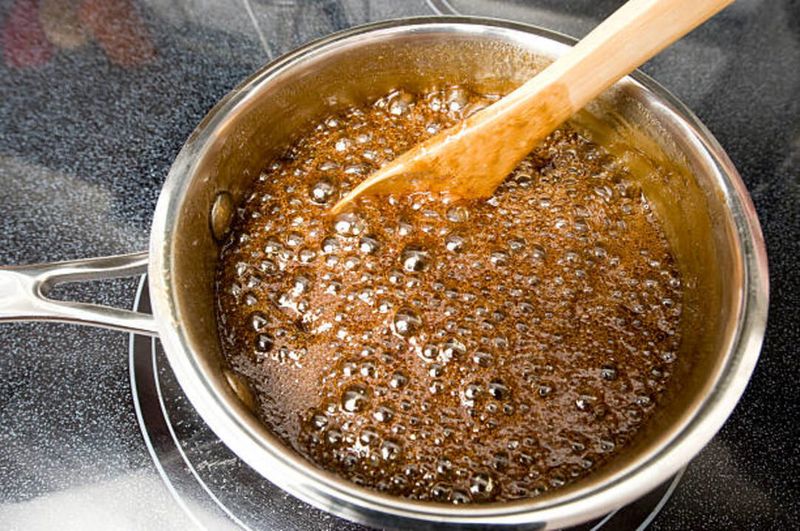
That flavourful marinade that raw chicken soaked in is now teeming with bacteria. Using it as a sauce without cooking is like serving a side of food poisoning.
Set aside a portion of marinade before adding raw meat if you want to use it later. Alternatively, boil used marinade for at least one minute to kill harmful bacteria.
13. Leaving Leftovers Uncovered In The Fridge
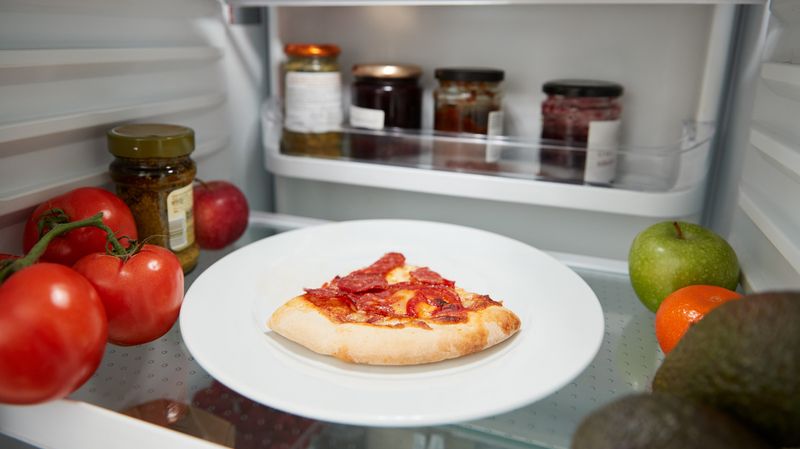
Those uncovered leftovers in your fridge aren't just drying out—they're vulnerable to cross-contamination. Exposed food can absorb odours and bacteria from surrounding items.
Condensation dripping from higher shelves can transfer bacteria to uncovered foods below. Always use airtight containers or cling film to protect leftovers properly.
14. Overfilling The Fridge
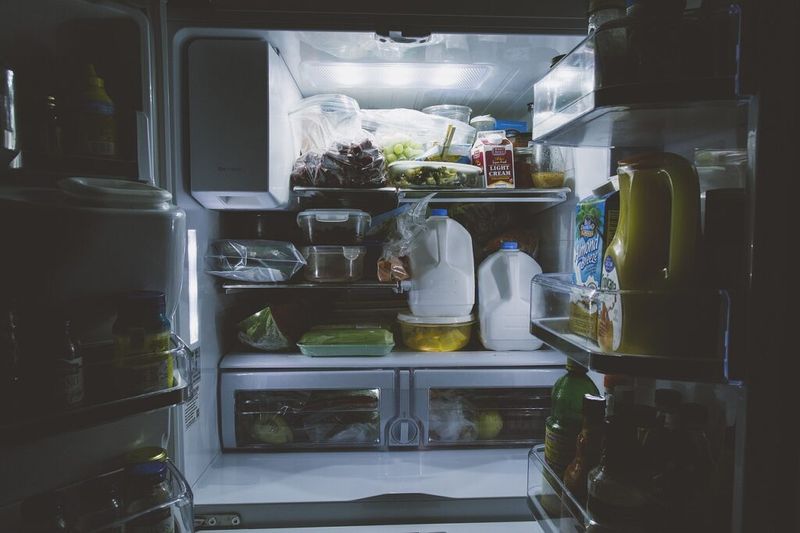
Cramming your fridge to capacity after a big shop prevents proper air circulation. Cold air needs to flow around food items to maintain safe temperatures throughout.
An overpacked fridge may have temperature variations of up to 5°C between areas. This puts some foods at risk of entering the danger zone where bacteria multiply rapidly.
15. Using Tins With Dents Or Bulges
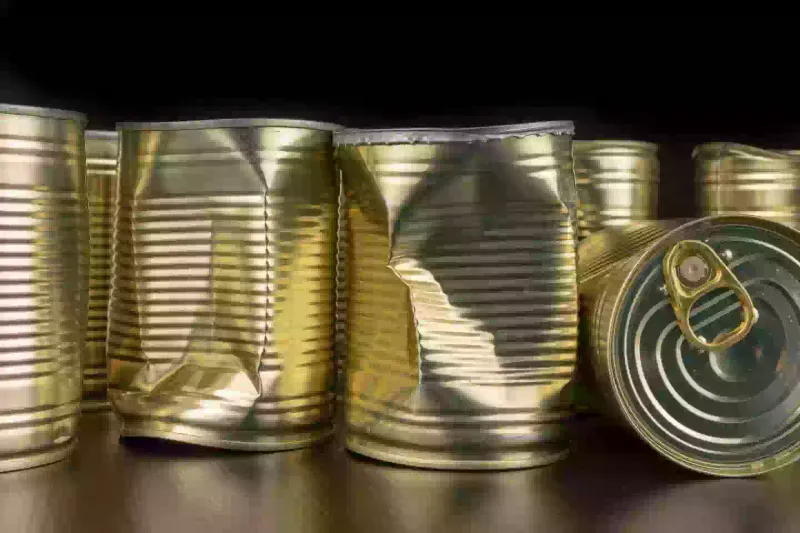
That dented tin of beans might seem fine, but it could harbour a dangerous secret. Damage to tins can break internal seals, allowing Clostridium botulinum bacteria to grow and produce a potentially fatal toxin.
Even small dents along seams or deep dents elsewhere warrant caution. Bulging cans are particularly dangerous and should always be discarded.
16. Not Rinsing Fresh Produce
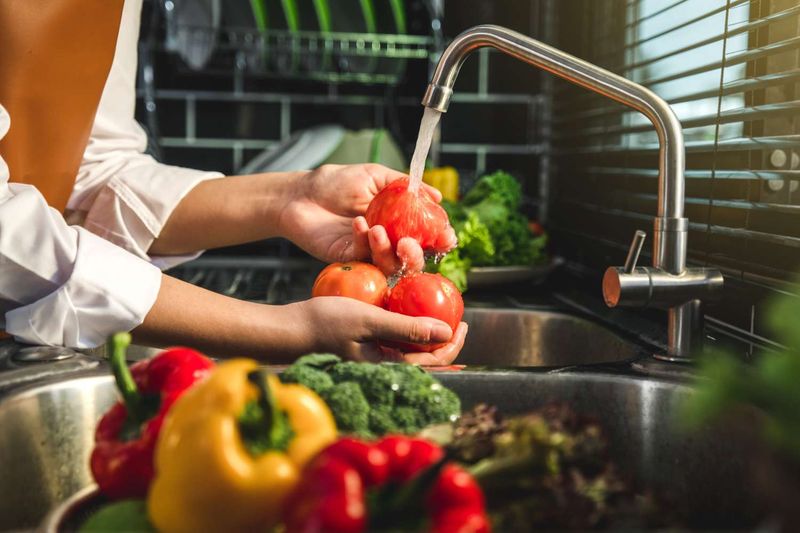
Skipping the rinse for fruits and vegetables introduces pesticides, dirt, and bacteria into your meals. Even produce you plan to peel should be washed first.
Cutting through unwashed produce can transfer surface contaminants to the edible portions. A thorough rinse under cold running water, combined with gentle rubbing, removes most surface contaminants.
17. Eating Sprouted Potatoes
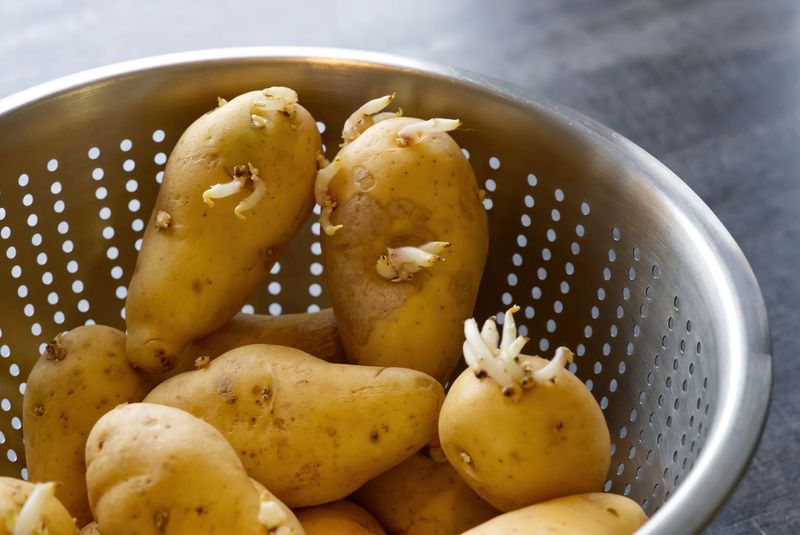
Those alien-looking sprouts on old potatoes aren't just unsightly—they contain solanine, a natural toxin that can cause nausea, headaches, and even neurological problems in high doses.
Green patches on potatoes also indicate solanine presence. Small sprouts can be removed along with a centimetre of surrounding potato, but heavily sprouted or green potatoes should be binned.
18. Not Washing Reusable Grocery Bags
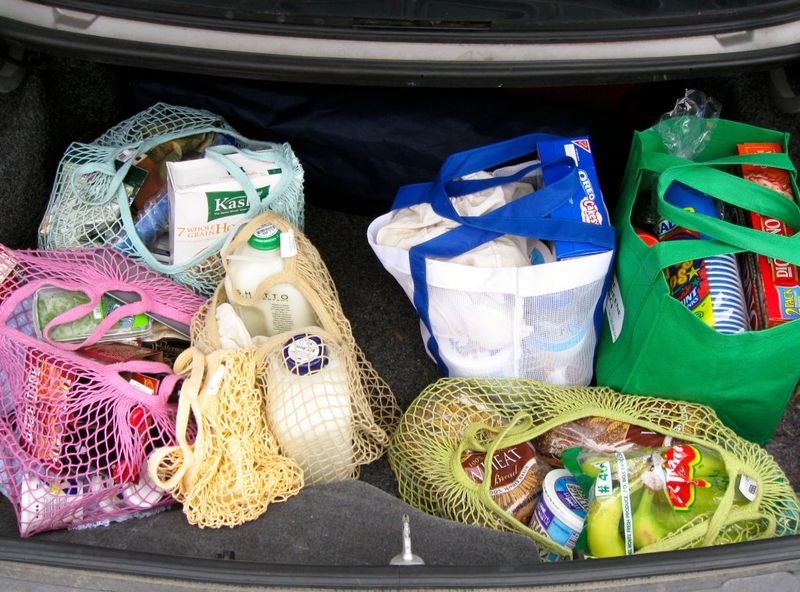
Those eco-friendly shopping bags might be saving the planet but harbouring dangerous bacteria. Raw meat juices, soil from vegetables, and other contaminants accumulate with each use.
Research by Dr. Richard Summerbell found E. coli in 12% of reusable bags tested. Canvas and cotton bags should go through the washing machine regularly, while insulated bags need wiping with antibacterial cleaner after each use.
19. Using Chipped Plates Or Bowls
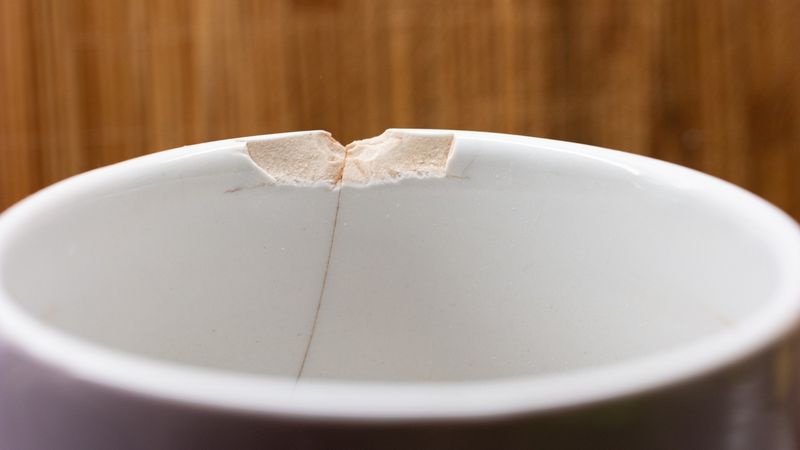
Cracked or chipped dishes aren't just aesthetically displeasing—they're bacterial hideouts. Microscopic crevices trap food particles and moisture where bacteria thrive beyond the reach of washing.
Damaged glazes can also leach chemicals into food. This is particularly concerning with acidic foods like tomato sauce or citrus that accelerate chemical migration.
20. Ignoring Allergens In Shared Utensils
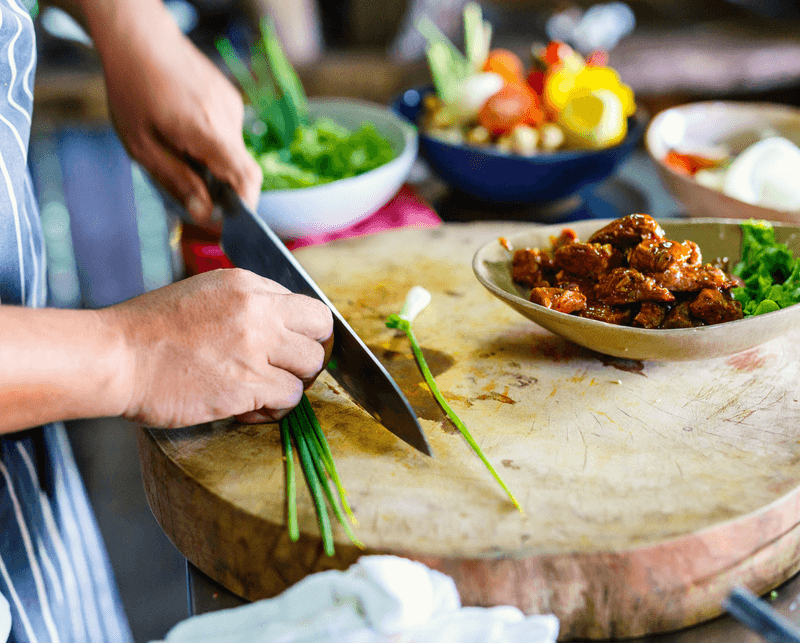
Using the same knife for peanut butter and jam seems harmless unless you're serving someone with a severe allergy. Even microscopic traces of allergens can trigger life-threatening reactions in sensitive individuals.
Protein residues from common allergens like nuts, milk, and eggs can persist despite visible cleaning. For households with allergy sufferers, separate utensils and preparation areas are essential safeguards.



