













Even the most confident home cooks can slip into habits that make food less tasty, less nutritious, or just harder to prepare.
Sometimes it's about technique, other times it's about knowing when to break a so-called rule. Here are surprisingly common food mistakes – and how to fix them – so your meals turn out better every time.
1. Overcrowding The Pan
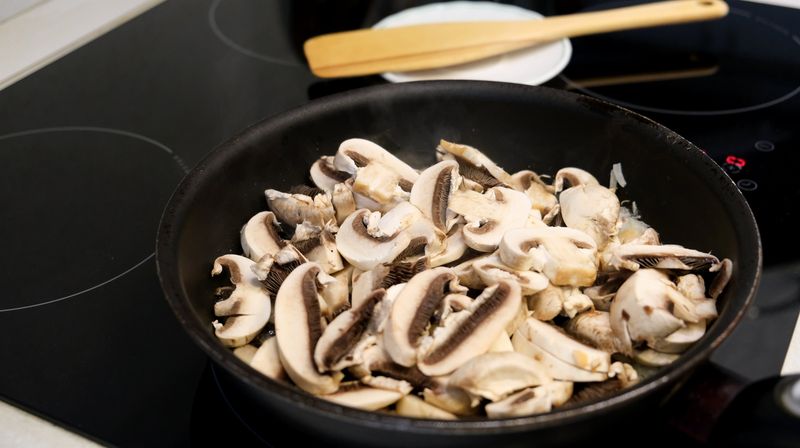
Food needs space to brown properly! When you pack too many items into one pan, they release moisture and steam each other instead of developing that delicious caramelisation.
This is why restaurant food often tastes better - they use bigger pans with fewer ingredients per batch. Give your ingredients room to breathe for better texture and flavour.
2. Not Salting Pasta Water
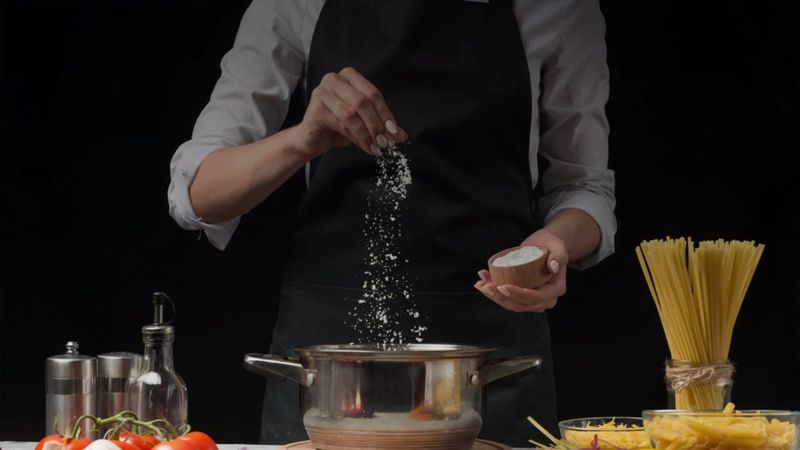
Your pasta water should taste like the sea! Unsalted water produces bland pasta that no amount of sauce can fully rescue.
Add salt only after the water boils to prevent pitting your cookware. The salt doesn't just flavour the outside - it actually penetrates the pasta as it cooks, seasoning it from within.
3. Washing Raw Chicken
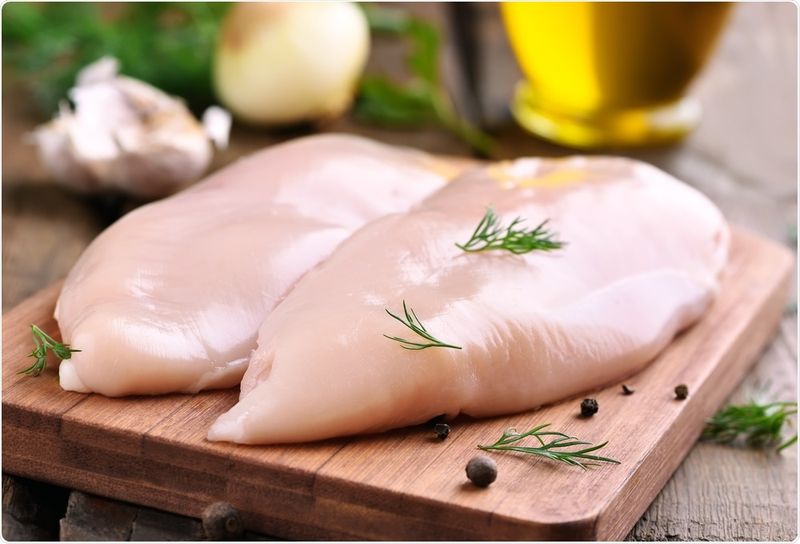
Rinsing chicken under the tap might seem cleaner, but food safety experts at the Food Standards Agency strongly advise against it.
Water splashes can spread harmful bacteria like Campylobacter up to 80cm around your sink! Proper cooking kills bacteria more effectively than washing ever could. Save yourself the cleaning and potential food poisoning risk.
4. Cutting Meat Immediately After Cooking
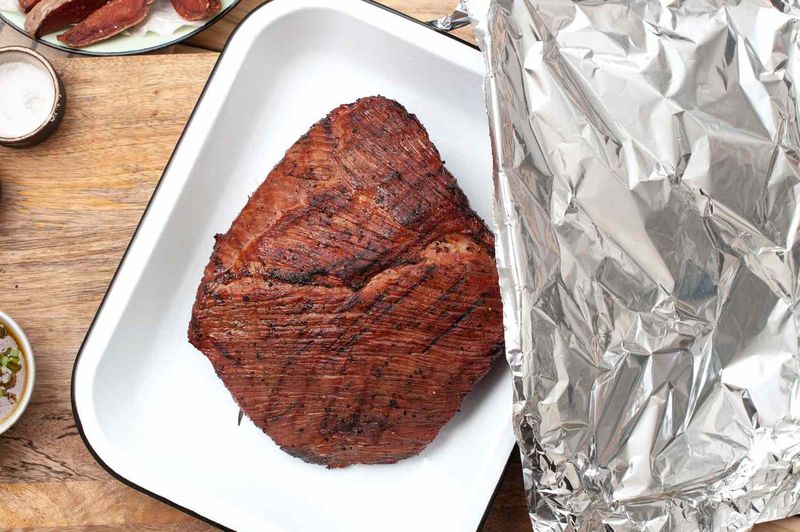
Patience yields juicier results! When meat finishes cooking, the juices concentrate near the surface. Slicing immediately allows these flavourful liquids to escape onto your cutting board.
Resting gives time for juices to redistribute throughout the meat. For most cuts, 5-10 minutes under loose foil creates noticeably more succulent results.
5. Using Dull Knives
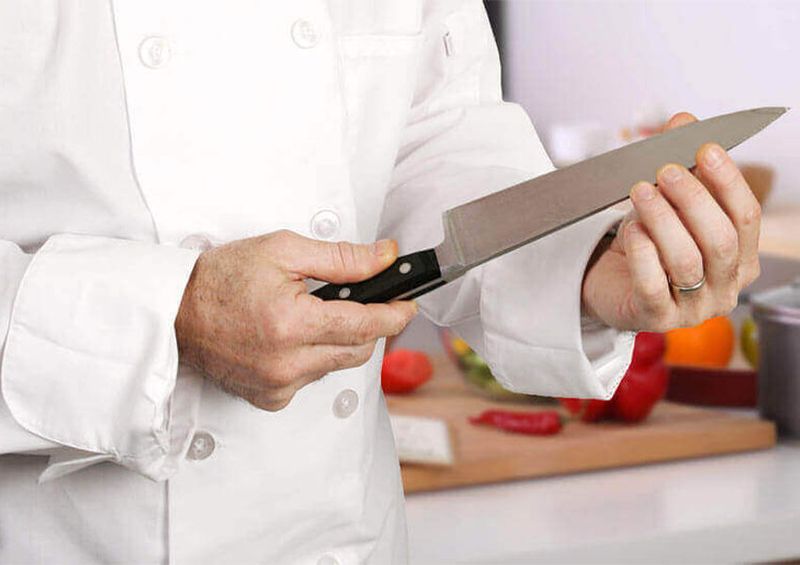
Counter-intuitively, sharp knives are safer than dull ones! Blunt blades require more force and are more likely to slip, causing accidents.
Professional chefs sharpen their knives regularly for good reason. A properly sharpened knife glides through vegetables with minimal pressure, giving you better control and more precise cuts.
6. Overcooking Vegetables
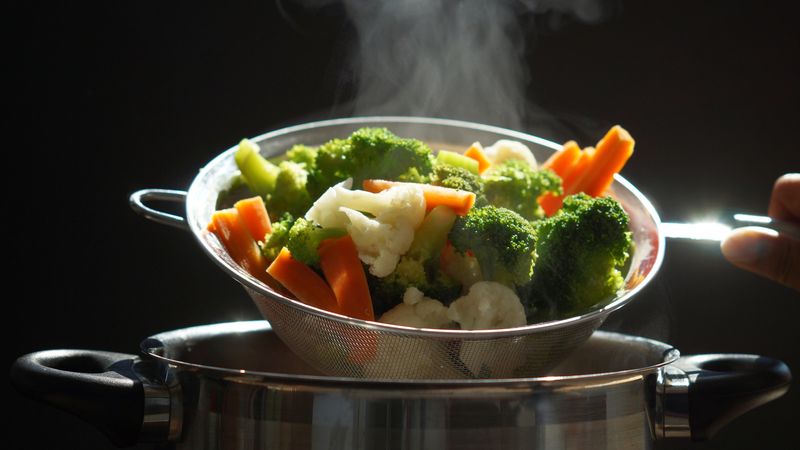
Those mushy, grey-green beans from school dinners weren't just unappetising—they were nutritionally depleted! Excessive heat destroys vitamins and natural enzymes.
Blanch or steam-cook most vegetables until just tender. They'll retain their vibrant colour, crisp texture, and significantly more vitamins than their overcooked counterparts.
7. Forgetting To Preheat The Pan
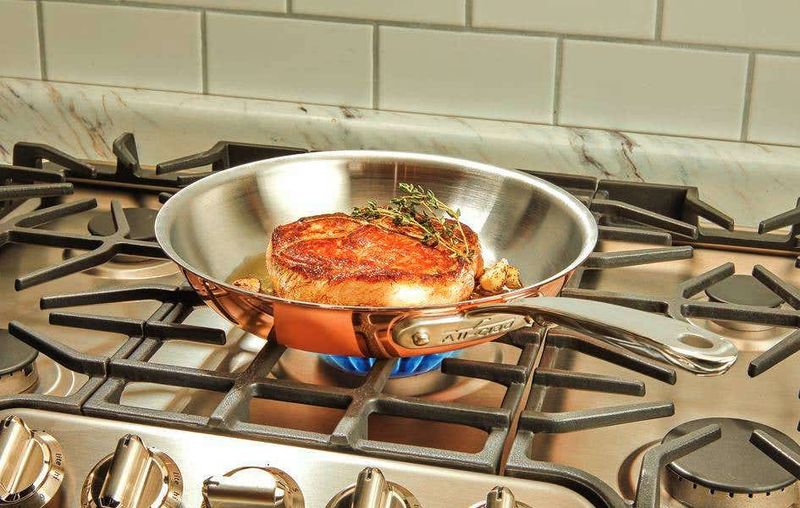
A cold pan is the enemy of properly seared food. Proteins like meat and fish stick terribly to unheated surfaces, tearing apart when you try to flip them.
Test readiness by sprinkling water droplets—they should dance and evaporate immediately. This simple step ensures food begins cooking instantly upon contact, developing proper browning and releasing naturally when ready.
8. Using Too Much Oil
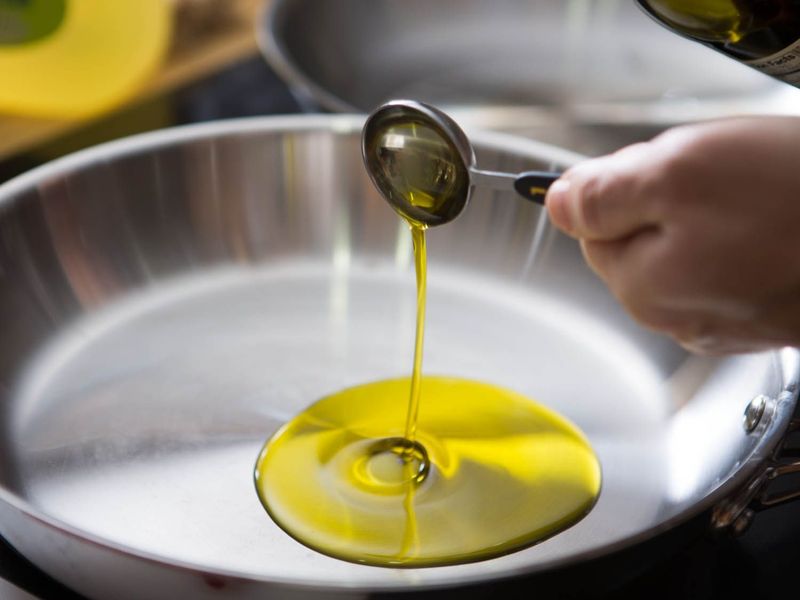
More isn't always better! Excessive oil makes food greasy and can mask the natural flavours you're trying to enhance.
Measure oil rather than free-pouring. For most sautéing, just enough to coat the pan is sufficient—about 1-2 tablespoons for a standard frying pan.
9. Storing Bread In The Fridge
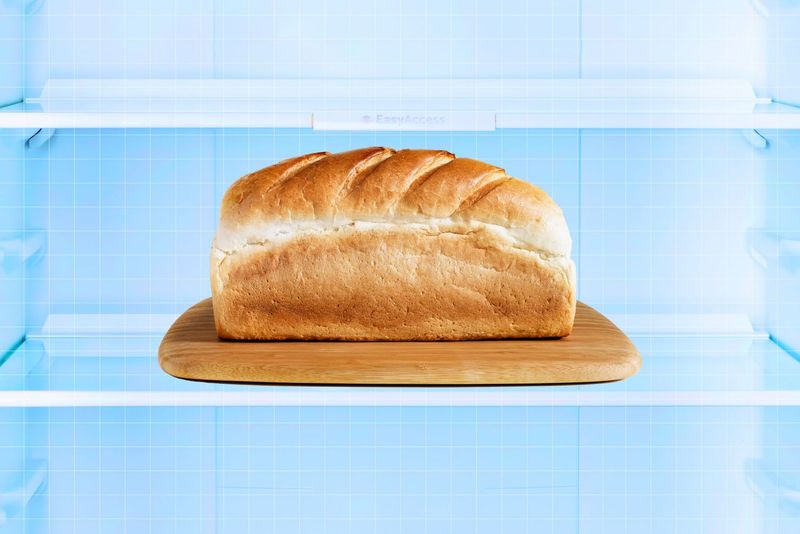
The refrigerator is actually bread's enemy! Cold temperatures accelerate starch recrystallization—the process that makes bread go stale - even while slowing mould growth.
Room temperature storage in a bread bin works better for short-term freshness. For longer storage, freezing bread stops both staling and mould, preserving texture when thawed.
10. Ignoring Use-By Dates on Fresh Meat
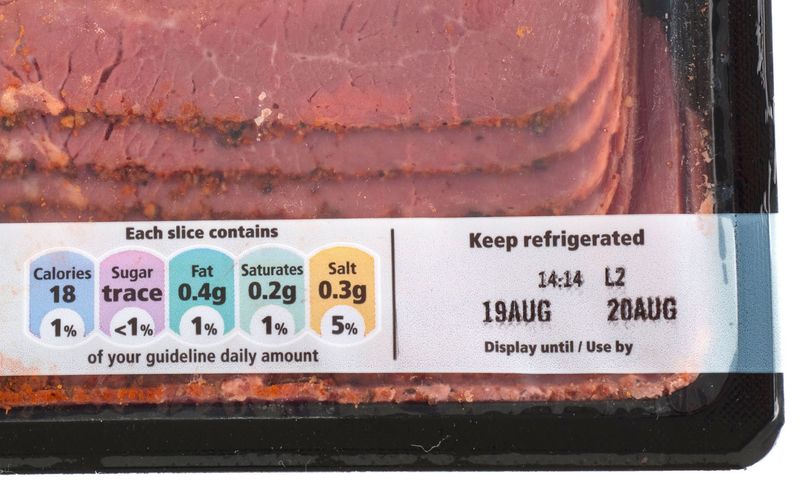
While some foods remain safe past their best-before dates, use-by dates on fresh meat aren't mere suggestions. They indicate genuine food safety concerns.
Pathogenic bacteria can multiply to dangerous levels without changing meat's appearance or smell. The Food Standards Agency recommends freezing meat on the purchase day if you won't use it before its use-by date.
11. Overmixing Batter
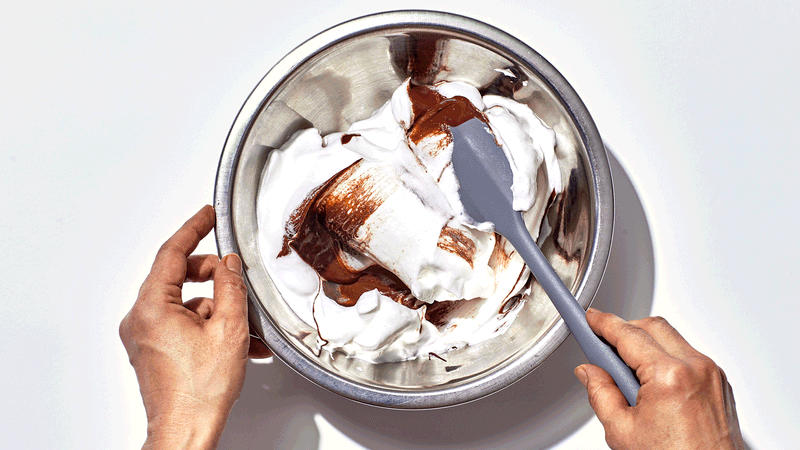
That tough, rubbery muffin was likely the victim of overmixing! When flour meets liquid, gluten development begins - perfect for bread but disastrous for tender baked goods.
Use the 'fold and turn' method until ingredients are just combined, with a few small lumps remaining. This gentle approach creates the tender crumb texture that makes cakes and muffins properly light.
12. Not Letting Dough Rest
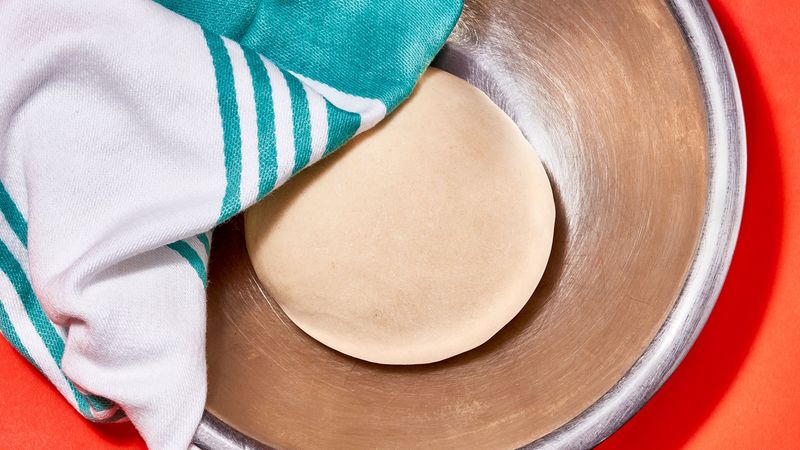
Impatient bakers miss out on the magic of resting dough! When flour proteins form gluten, they create tension that makes dough spring back stubbornly when rolled.
Resting allows these proteins to relax. Even 30 minutes makes pastry and pizza dough dramatically easier to shape without shrinking back, while improving texture and digestibility.
13. Using The Wrong Cutting Board
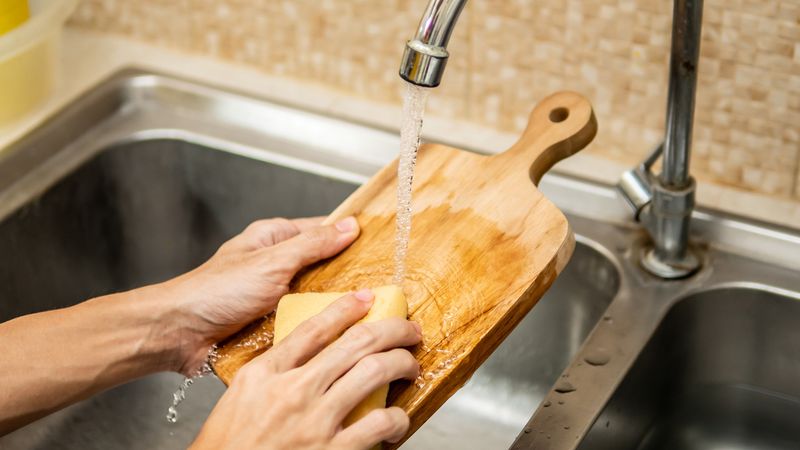
That wooden board might look lovely, but it's not ideal for raw meat! Porous surfaces can harbour bacteria in tiny grooves, creating cross-contamination risks.
Food safety specialists recommend dedicated plastic boards for raw meat and fish. These can be sanitised in the dishwasher at high temperatures. Save your beautiful wooden boards for bread, cheese, and ready-to-eat foods.
14. Forgetting To Season At Every Stage
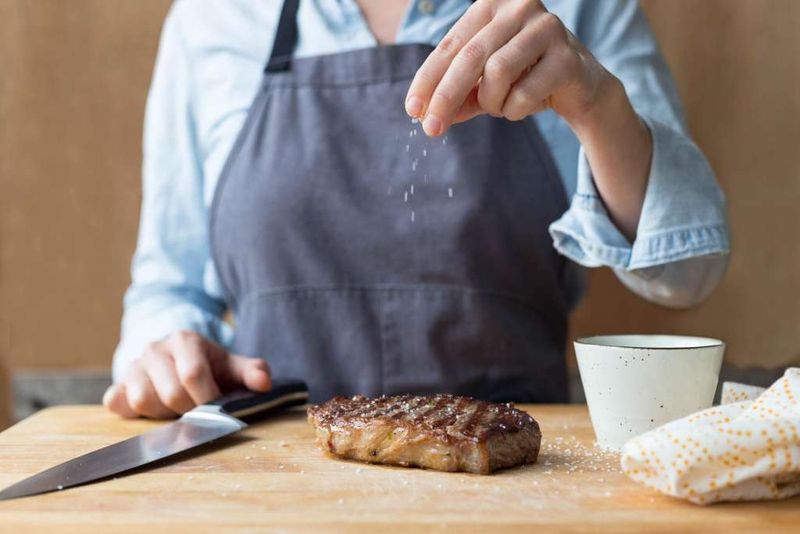
Adding salt only at the end limits its flavour-enhancing potential! Layering small amounts throughout cooking creates depth that last-minute seasoning can't match.
Salt needs time to dissolve and penetrate food properly. This gradual approach allows you to control the overall seasoning more precisely, reducing the risk of over-salting while building more complex flavours.
15. Not Tasting As You Cook
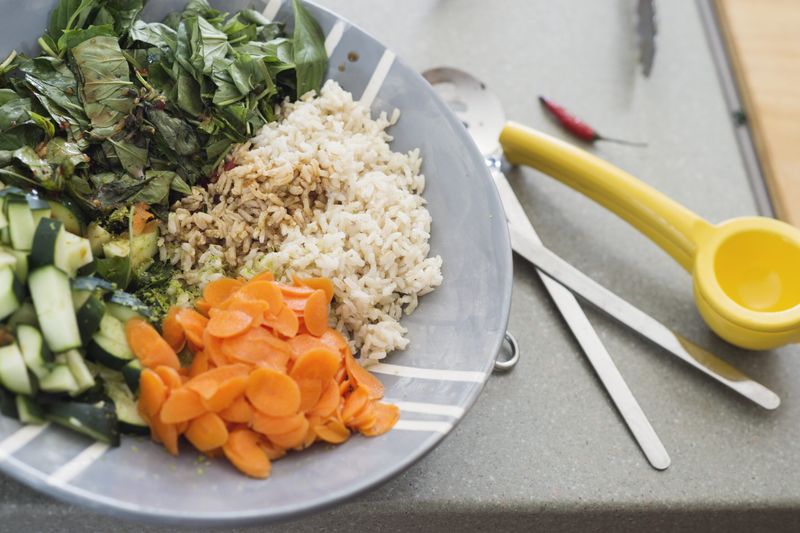
Recipes aren't infallible! Ingredients vary in flavour intensity, and personal preferences differ widely. Professional chefs taste constantly, making small adjustments throughout cooking.
Having a small spoon nearby specifically for tasting is highly recommended. This simple habit helps you catch seasoning issues early, when they're still easily corrected.
16. Peeling All Vegetables
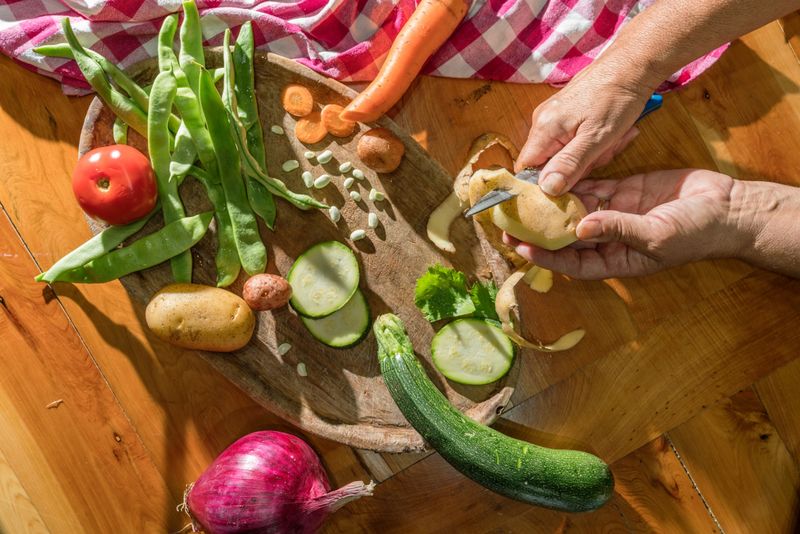
Your vegetable peeler might be stealing nutrients! Many essential vitamins and fibre concentrate just beneath the skin of fruits and vegetables.
Nutritionists point out that unpeeled potatoes contain up to 175% more vitamin C than peeled ones. For non-organic produce, a thorough wash with a vegetable brush removes pesticide residues while preserving these valuable nutrients.
17. Cooking Cold Meat Straight From The Fridge
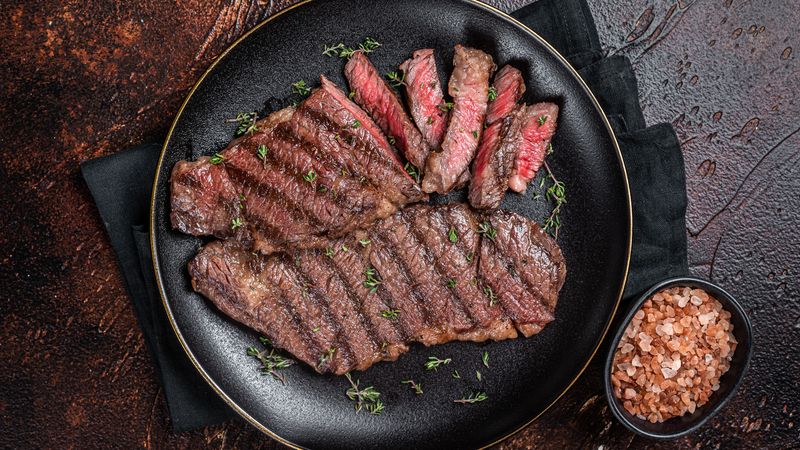
That perfectly medium-rare steak becomes nearly impossible when starting with ice-cold meat! The temperature difference between outside and inside is too extreme.
Chef Gordon Ramsay recommends allowing meat to reach room temperature before cooking - usually 30-60 minutes depending on thickness. This simple step promotes even cooking, preventing the outside from burning while the centre remains undercooked.
18. Using The Wrong Oil For High Heat
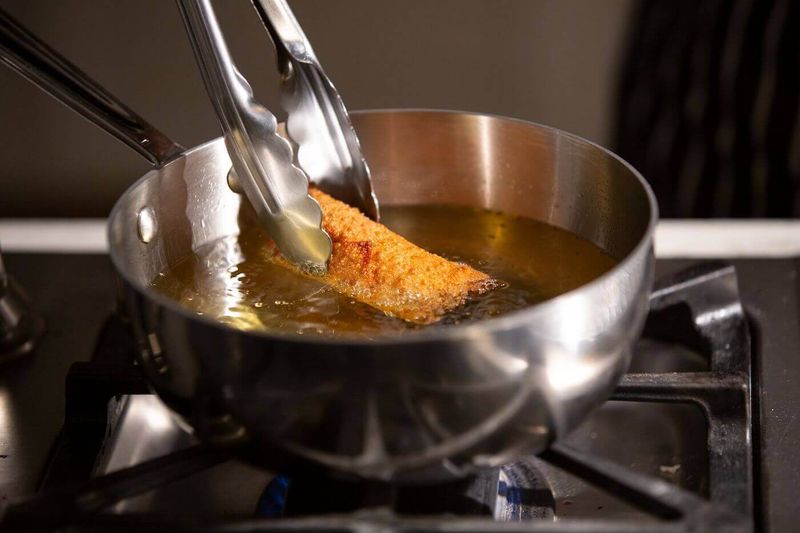
That bitter, smoky kitchen disaster likely resulted from using the wrong cooking oil! Each oil has a specific smoke point - the temperature at which it begins breaking down.
Food scientists explain that extra virgin olive oil's low smoke point makes it unsuitable for high-heat frying. Refined oils like sunflower, groundnut, or rice bran maintain stability at higher temperatures, preserving both flavour and nutritional value.
19. Throwing Away Pasta Water
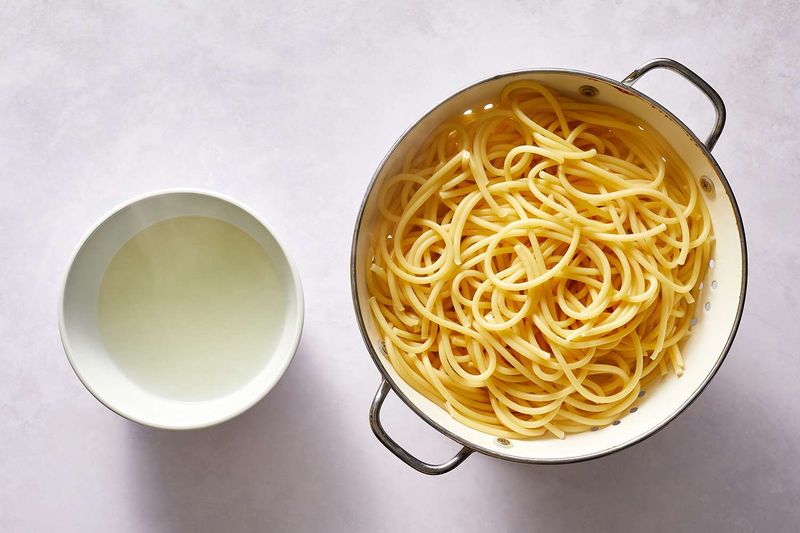
That cloudy pasta water isn't just starchy waste—it's liquid gold for sauce creation! The dissolved starches act as a natural thickener and emulsifier. Italian chef Gennaro Contaldo always reserves a cup before draining.
Adding a splash to your sauce helps it cling beautifully to pasta instead of sliding off. The starches also create a silkier texture without adding cream or butter.
20. Not Letting Roast Meat Rest Before Carving
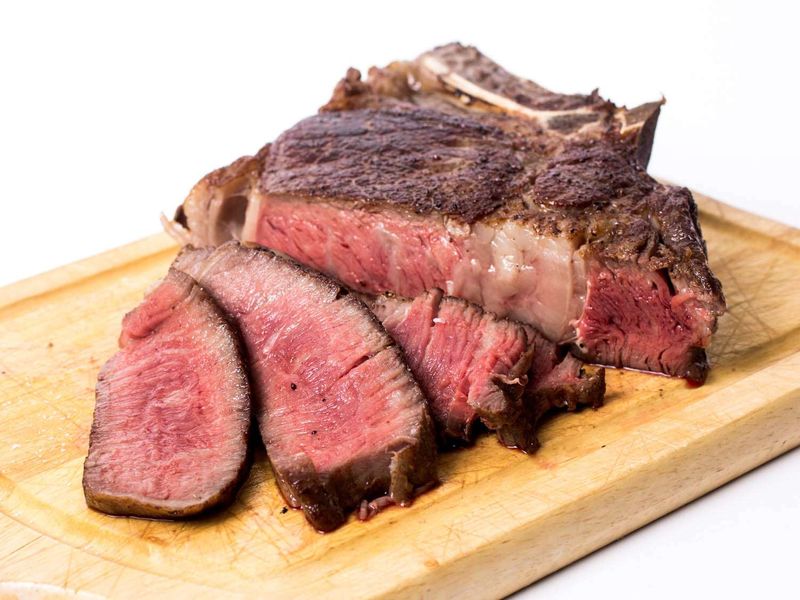
Carving straight from the oven results in dry meat and juice-soaked cutting boards! During cooking, meat's natural juices concentrate toward the centre.
Chefs explain that resting time allows these juices to redistribute throughout the meat. For a standard roast chicken, 15-20 minutes under loose foil makes the difference between moist, succulent meat and a disappointingly dry dinner.
21. Using The Wrong Salt
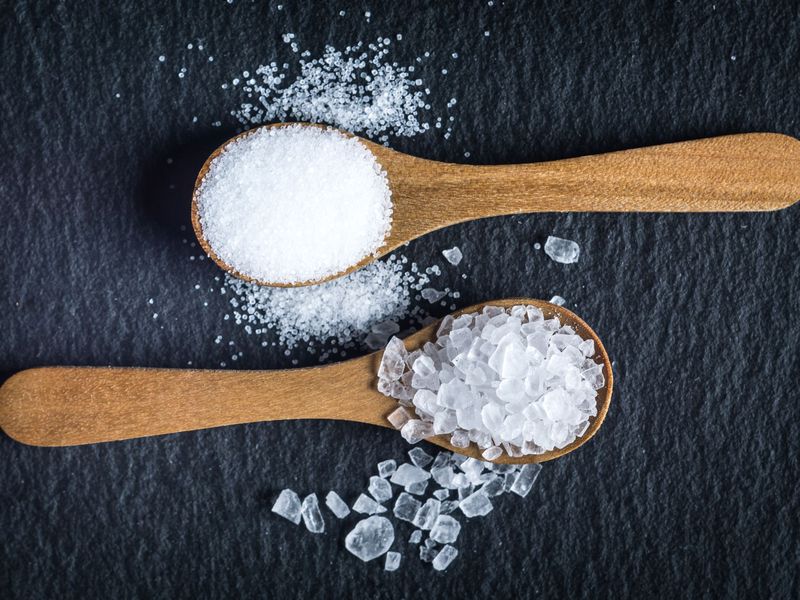
Not all salts are interchangeable! Fine table salt packs more sodium per teaspoon than flaky sea salt, potentially ruining carefully balanced dishes.
Chef Yotam Ottolenghi prefers kosher or sea salt for cooking, as their larger crystals dissolve gradually and provide better control. Table salt contains anti-caking agents that can impart a slightly metallic taste, making it less ideal for finishing dishes.
22. Keeping Tomatoes In The Fridge
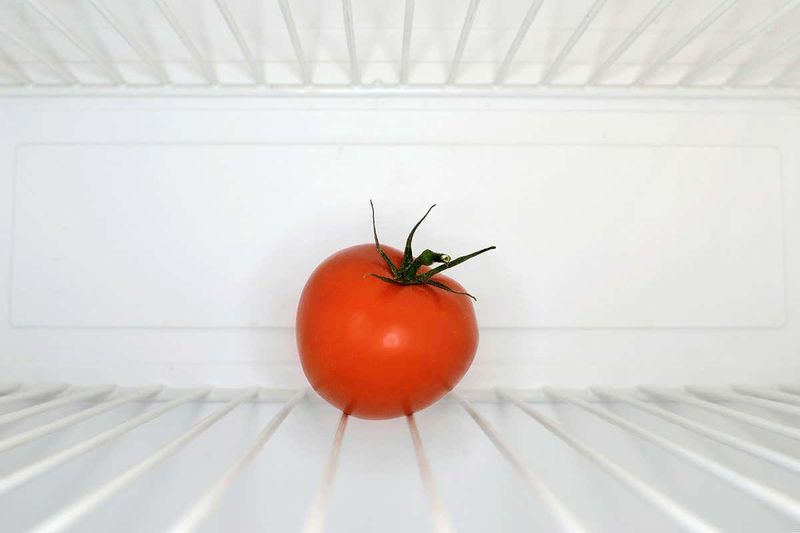
Refrigerated tomatoes lose their vibrant flavour! Cold temperatures damage the membranes inside the fruit, altering both taste and texture. Plant scientist Harry Klee found that chilling deactivates critical flavour-producing enzymes.
Store tomatoes stem-side down on the counter instead, where they'll continue ripening naturally. Only refrigerate fully ripe tomatoes if you need to extend their life by a few days.



