













There's something irresistible about a bakery cake. The sponge is softer, the icing is silkier, and somehow it all tastes a little more indulgent than anything you whip up in your own kitchen.
While homemade cake has its own charm, bakeries often have a few tricks up their sleeves that make their slices so unforgettable.
1. Professional-Grade Ingredients
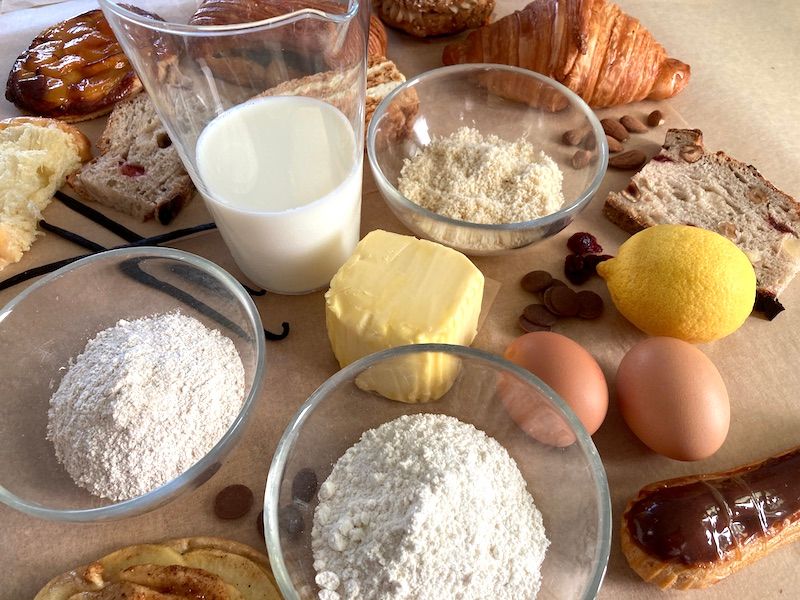
Ever wondered why bakery cakes have that extra oomph? The secret lies in premium ingredients that aren't sitting on supermarket shelves.
Professional bakers invest in top-quality butter with higher fat content, specialty chocolates with precise cocoa percentages, and vanilla extracts that cost more than your entire home baking cupboard.
These superior ingredients create deeper flavours and better textures that home recipes simply can't match.
2. Precision In Measurement
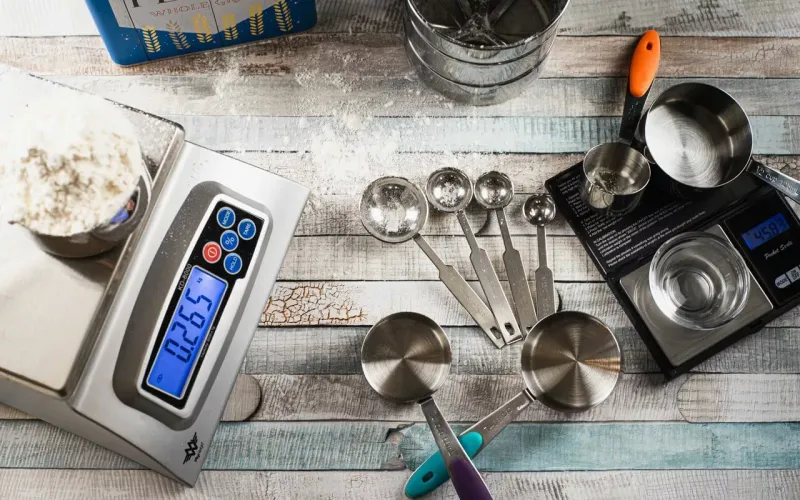
Bakers treat their craft like chemistry. While you might casually scoop flour with a cup measure, professionals weigh every ingredient to the exact gram on digital scales.
This precision ensures consistent results every single time. A mere 10 grams too much flour can transform a light, fluffy sponge into something disappointingly dense.
Temperature control matters too – professionals monitor everything from room temperature to ingredient temperature for perfect results.
3. Specialised Equipment
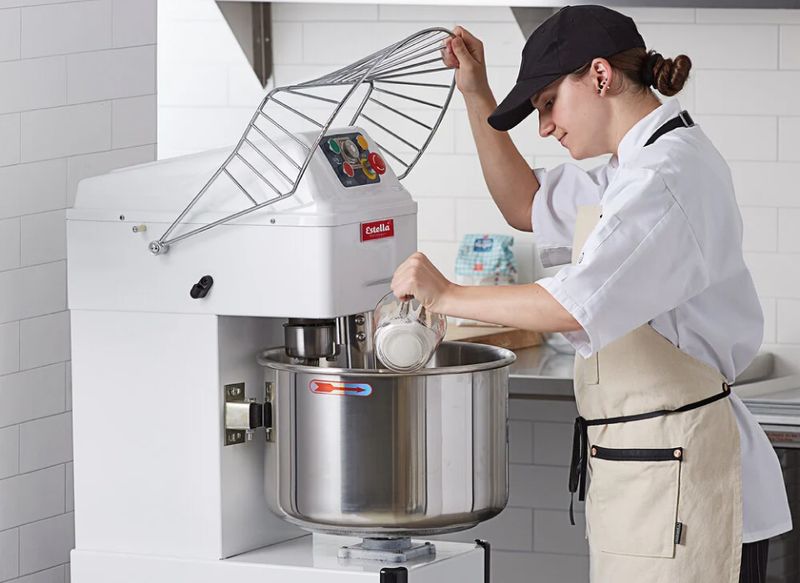
The humble hand mixer gathering dust in your cupboard simply can't compete with industrial stand mixers that cost thousands.
Professional ovens distribute heat evenly without hot spots, while special cake tins conduct heat perfectly for even baking. Bakeries also use dough sheeters, temperature-controlled proving cabinets, and blast chillers.
These tools create perfect textures that home kitchens struggle to achieve without significant investment.
4. Expert Techniques
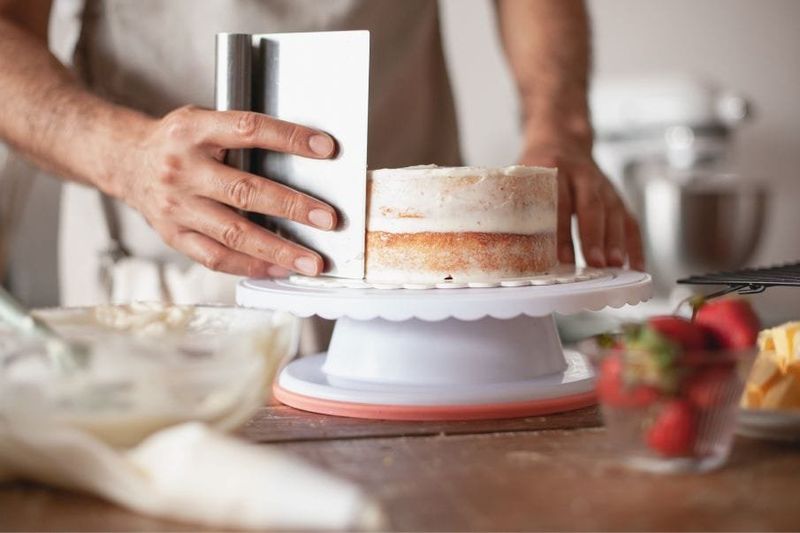
Those silky-smooth batters don't happen by accident. Professional bakers develop techniques over thousands of hours that most home bakers never master.
They know exactly how long to cream butter and sugar for maximum aeration. Their folding technique preserves air bubbles while incorporating flour. Even their mixing speed changes at different stages of the process.
These refined methods create textures that most recipe books never fully explain.
5. Superior Moisture Control
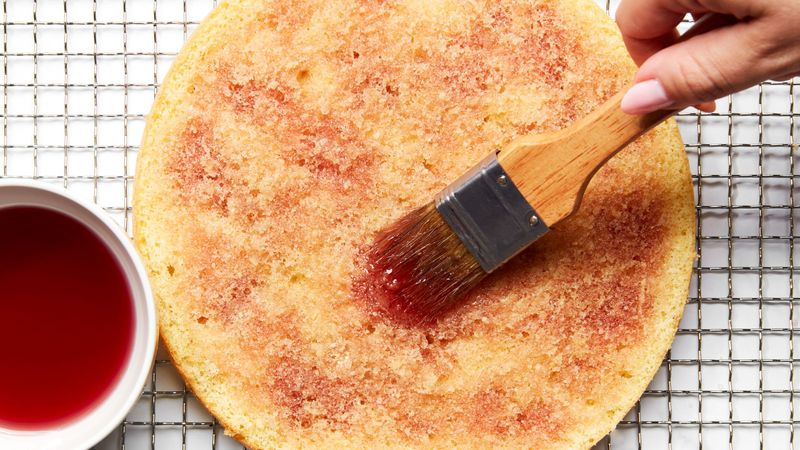
Noticed how bakery cakes stay moist for days? That's no accident.
Professional bakers routinely brush layers with sugar syrup or flavoured liquids before assembly. Some even use specialised moisture-retaining ingredients like invert sugar or glucose that most home bakers have never heard of.
These moisture-preservation techniques keep bakery cakes deliciously soft long after a homemade version would have dried out.
6. Perfectly Balanced Flavours
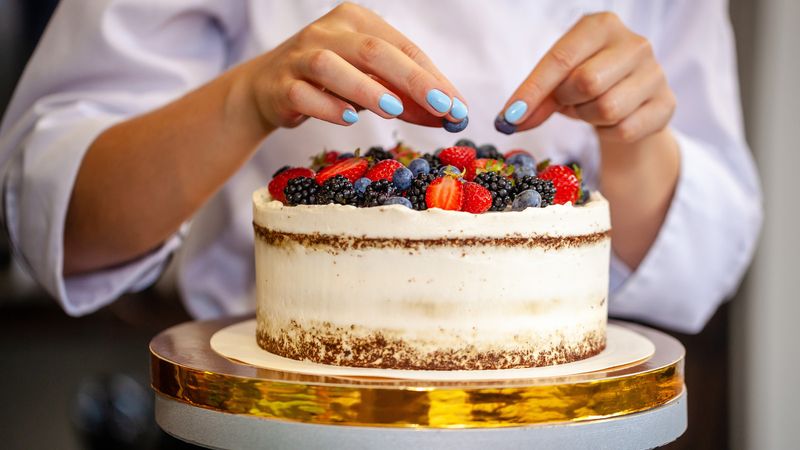
Bakery recipes aren't created overnight. They're refined over years through countless taste tests and adjustments.
Professional bakers understand flavour science – how a pinch of salt enhances sweetness, how certain acids brighten flavours, and how fat carries flavour compounds. They balance sweetness, acidity, bitterness and saltiness with surgical precision.
This explains why your chocolate cake recipe never quite matches theirs, despite following directions perfectly.
7. High-Quality Fillings And Frostings
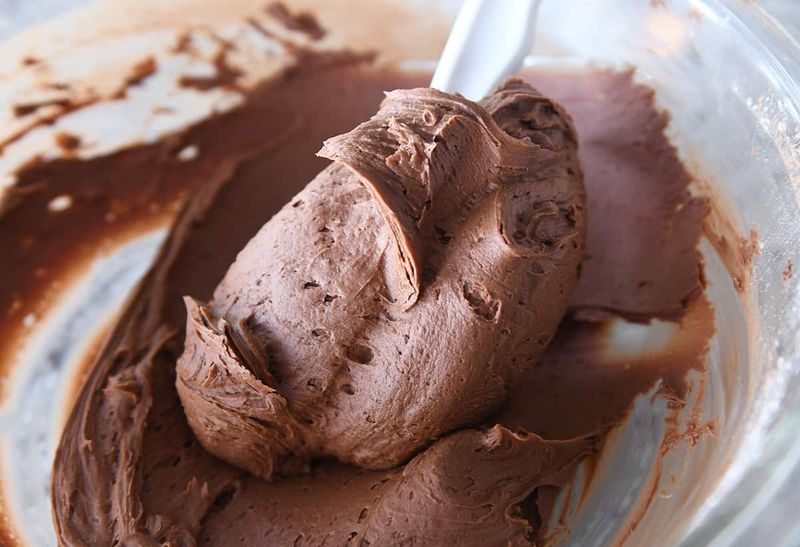
That bakery buttercream feels silkier for good reason. Professional frostings contain significantly higher ratios of butter or cream than most home recipes suggest.
While you might wince at adding another block of butter, bakeries prioritise texture and flavour over calorie counts. Their ganaches use premium chocolates with specific cocoa percentages, and their fruit fillings start with fresh, seasonal produce.
The result? Luxurious mouthfeel that's hard to recreate at home.
8. Access To Unique Flavourings
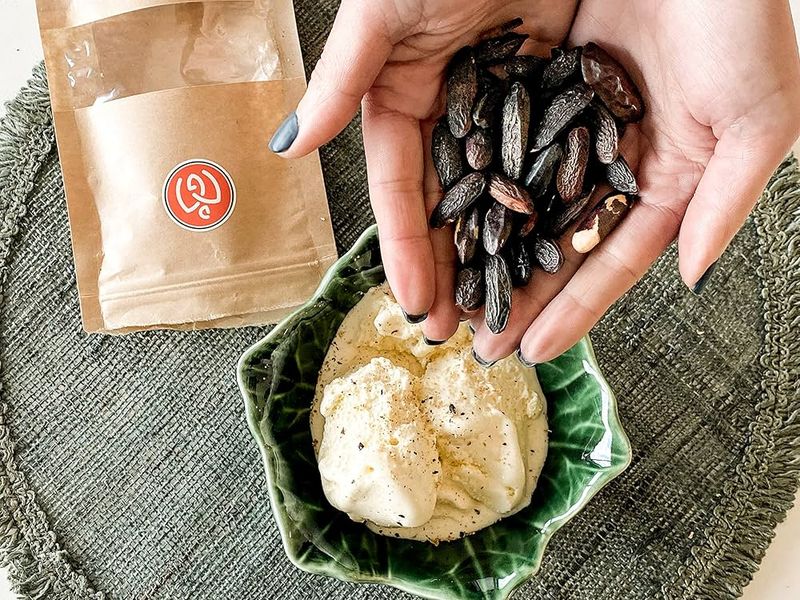
That mysterious depth in bakery cakes often comes from ingredients you can't find at Tesco. Professional bakers have access to specialist suppliers offering concentrated flavour compounds, rare spice blends, and premium extracts.
They might use tonka bean instead of vanilla, or incorporate freeze-dried fruit powders for intense flavour without added moisture. Some even blend custom flavour profiles.
These speciality ingredients create complexity that home recipes rarely achieve.
9. Consistent Oven Temperatures
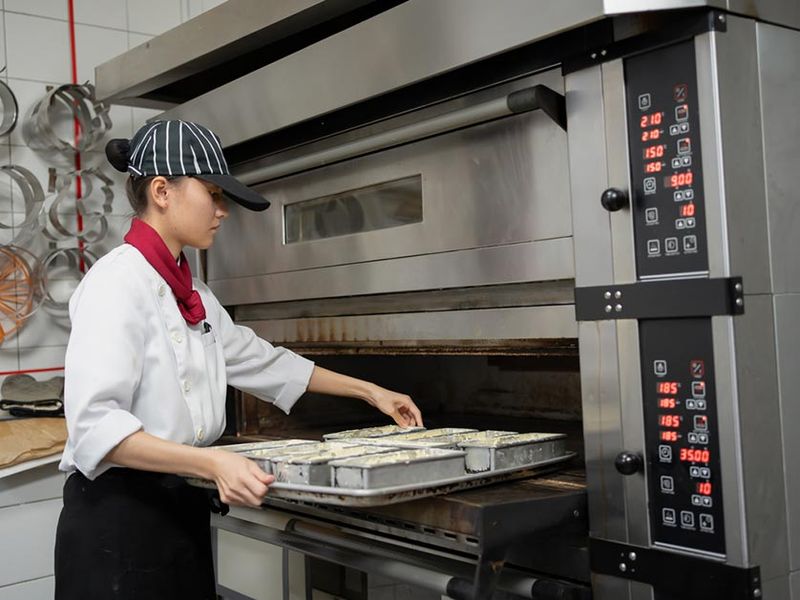
Your home oven is lying to you. When set to 180°C, most domestic ovens fluctuate wildly, developing hot spots that cause uneven baking.
Professional bakeries use calibrated ovens that maintain precise temperatures throughout the baking process. Many feature steam injection systems that create the perfect environment for even rising.
This temperature consistency prevents the disappointment of cakes that rise unevenly or develop tough edges.
10. Decorative Expertise
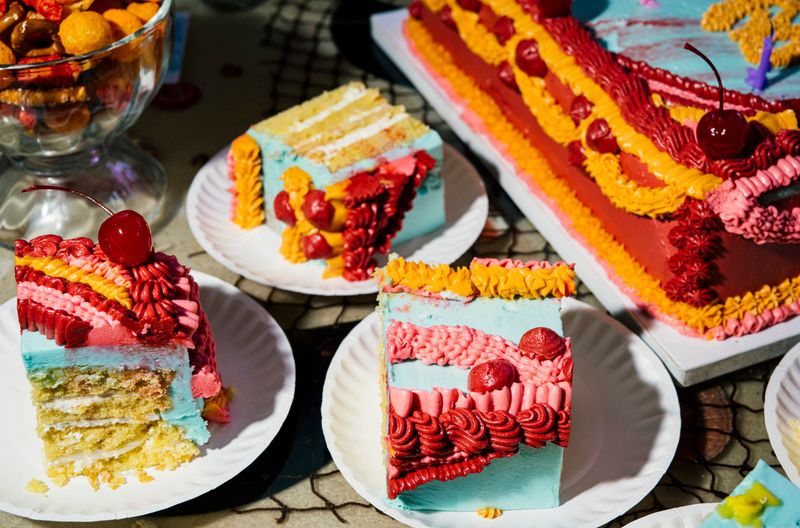
We eat with our eyes first. Professional cake decorators train for years to master techniques that transform simple sponges into works of art.
Their piping skills create perfectly uniform rosettes and borders. They understand how to balance visual elements for maximum impact, and how to work with fondant without creating unsightly folds or air bubbles.
This visual perfection creates anticipation that enhances the perceived flavour when you finally take a bite.
11. Larger Batch Baking
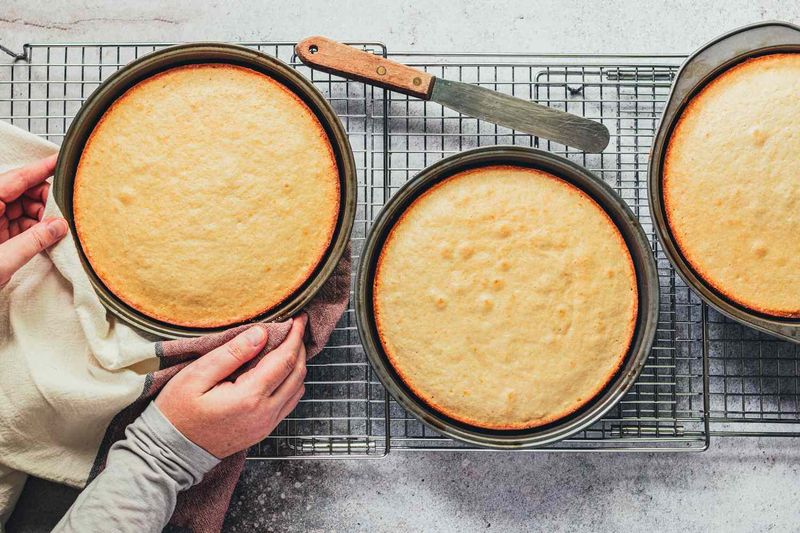
Size matters in baking. Professional recipes are typically scaled for larger quantities, which actually improves both texture and flavour development.
Larger batters maintain temperature better during mixing. They also create more consistent air incorporation and gluten development. The thermal mass of bigger cakes allows for more even baking throughout.
These scale advantages create subtle but significant improvements that home bakers rarely experience with small-batch recipes.
12. Quality Control Standards
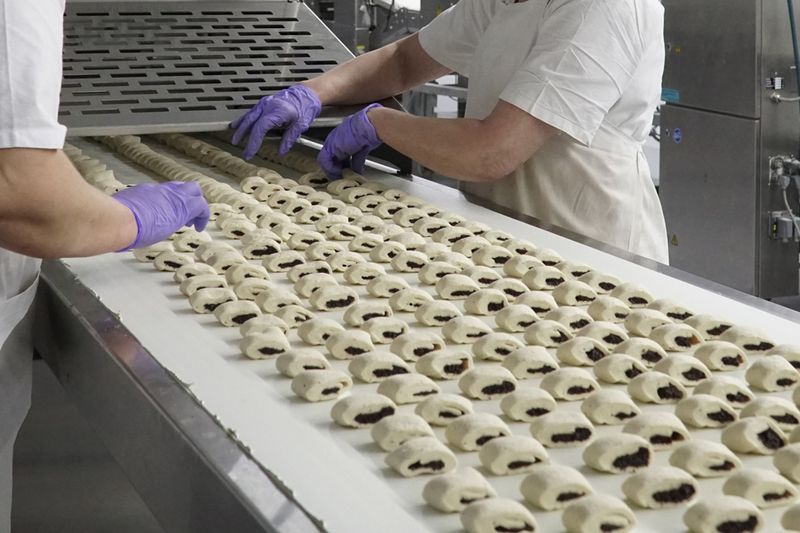
Failed cakes never make it to bakery display cases. Professional bakers implement strict quality control, discarding anything that doesn't meet their standards.
They check for proper rise, moisture content, and flavour balance before a cake ever reaches customers. Many bakeries conduct daily taste tests to ensure consistency across batches.
Meanwhile, home bakers typically serve whatever comes out of the oven, regardless of whether it met expectations.
13. The Freshness Factor
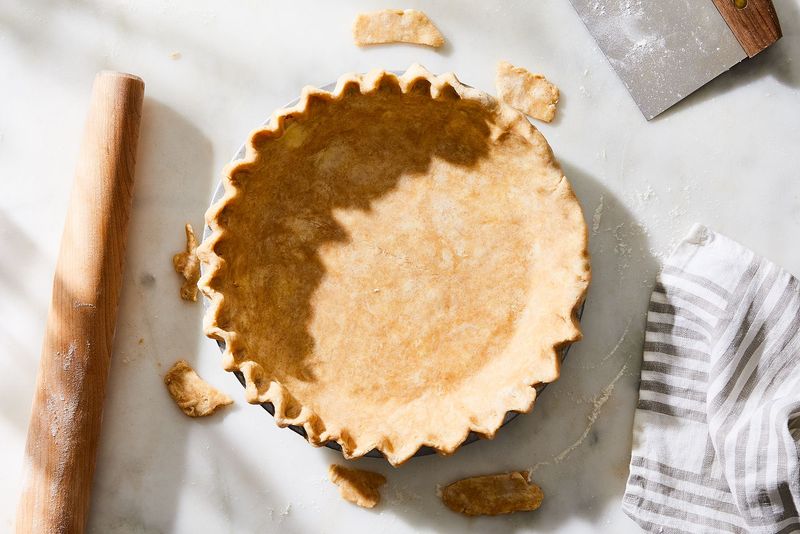
Timing is everything. Professional bakeries operate on strict production schedules, often baking fresh goods daily or even multiple times throughout the day.
This means the cake you're enjoying might have been baked just hours before purchase. Home bakers typically prepare cakes a day ahead for celebrations, losing that just-baked magic.
Fresh cake has aromatic compounds and textural qualities that begin diminishing surprisingly quickly after baking.
14. Psychological Indulgence
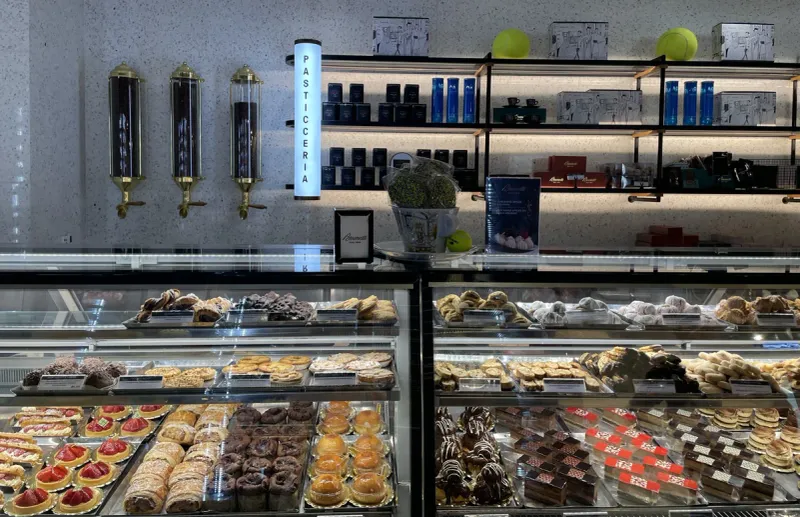
The experience transforms the taste. Walking into a bakery engages all your senses – the warm, buttery aroma, the visual feast of the display case, the anticipation of choosing your perfect slice.
This sensory journey primes your brain to expect something special. Scientists call this 'environmental enhancement' of flavour perception.
Studies show identical foods taste better when presented as special or premium experiences rather than everyday items.
15. Less Washing Up
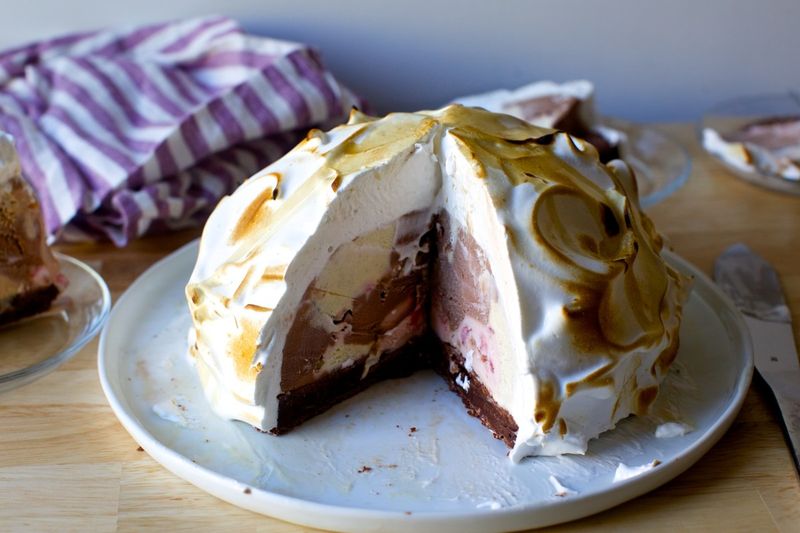
Never underestimate the power of convenience! Baking at home creates an explosion of dirty bowls, measuring spoons, and sticky utensils that dampen the enjoyment of the final product.
Bakery cakes arrive without the associated kitchen chaos. This mental freedom from cleanup actually enhances your perception of taste and enjoyment.
Food psychologists confirm that contextual factors like convenience significantly impact our taste experience and satisfaction levels.



