













Confused by all those fancy food labels? You're not alone! Every time we shop, we face dozens of claims about how our food was grown or how animals were treated.
Understanding what these labels actually mean can help you make choices that match your values and avoid paying extra for empty promises.
1. Free-Range
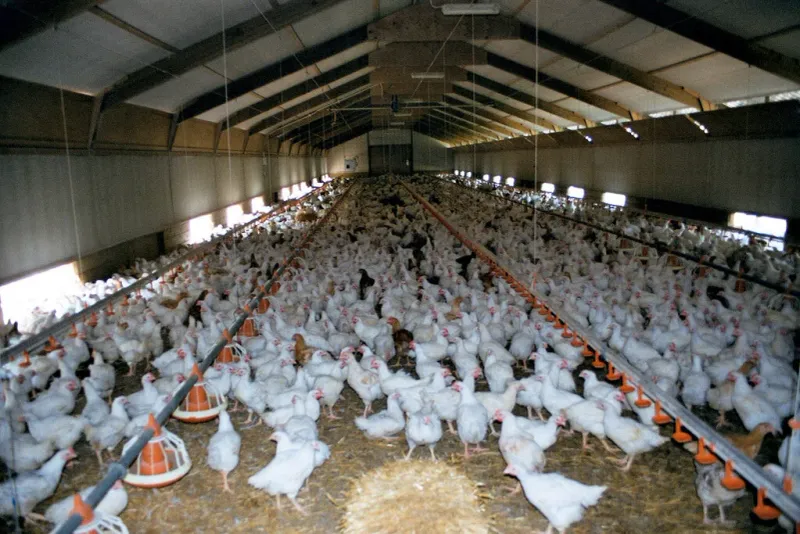
Chickens pecking in green pastures might come to mind, but the reality can be quite different. UK standards require free-range hens to have some outdoor access, but this could mean thousands of birds sharing a small patch of land.
Many free-range chickens never actually venture outside, despite having the option. The space requirements are just 4 square metres per bird - hardly the idyllic farm scene on the packaging!
2. Organic
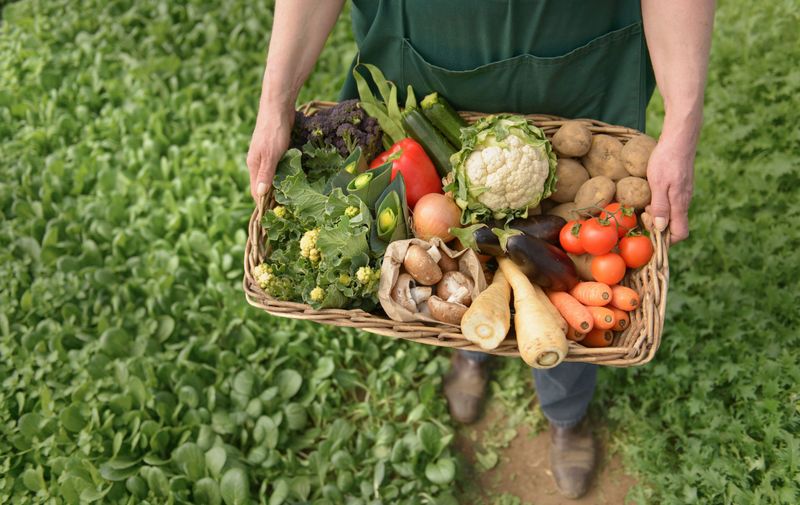
Fancy a carrot grown without synthetic chemicals? Organic farming prohibits artificial pesticides and fertilisers, focusing instead on natural alternatives and crop rotation to maintain soil health. Animals raised on organic farms enjoy better living conditions than conventional farms.
The Soil Association, the UK's leading organic certification body, requires 60% more space for organic chickens than standard free-range systems.
3. RSPCA Assured
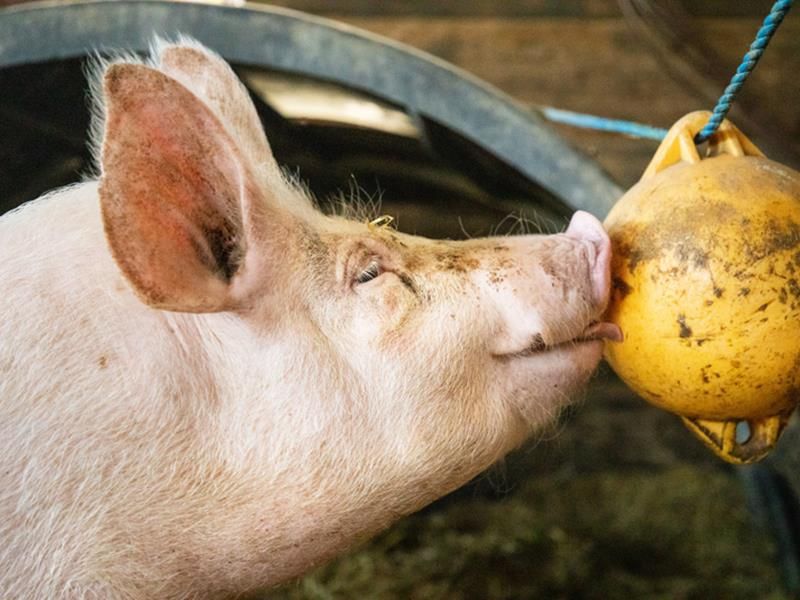
Animals under this scheme live better lives thanks to strict welfare standards. From birth to slaughter, inspectors check that farms provide proper space, enrichment activities, and humane handling.
Unlike some labels, RSPCA Assured covers the entire life cycle of the animal. Interestingly, over 25% of UK pork products now carry this label, showing growing consumer concern for animal treatment.
4. Pasture-Fed
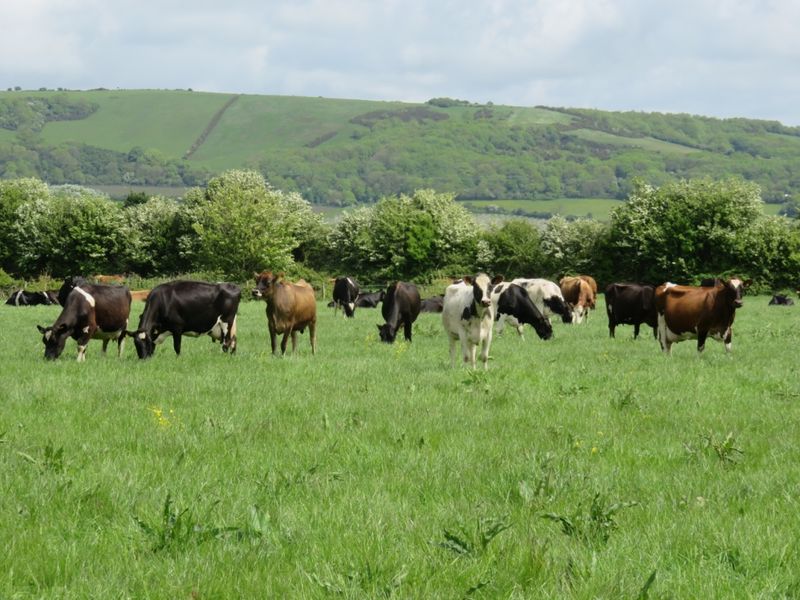
Picture cows doing what they naturally love - munching on grass in open fields. The Pasture-Fed Livestock Association certifies farms where animals eat only what grows in pastures, with zero grain supplements.
This natural diet produces meat with higher levels of omega-3 fatty acids and vitamins. Though less common in supermarkets, pasture-fed meat is gaining popularity at farmers' markets and specialty butchers across Britain.
5. Fairtrade
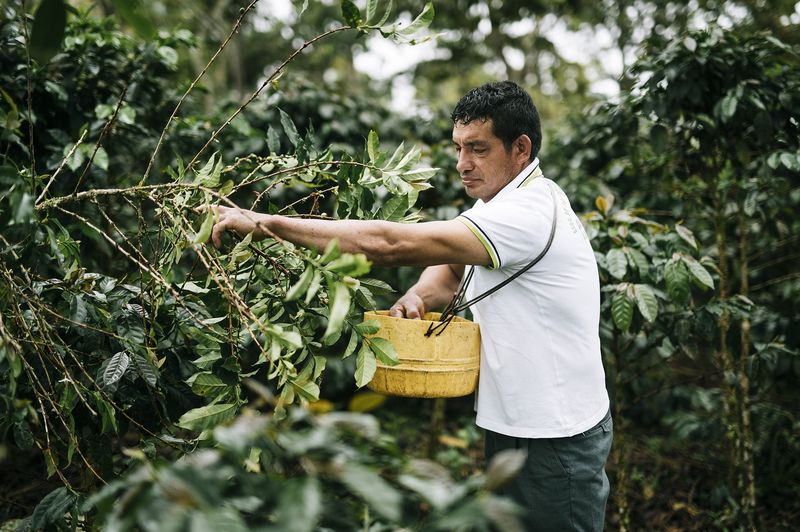
Your morning cuppa could be changing lives! Fairtrade certification ensures farmers in developing countries receive fair prices for crops like coffee, cocoa, and bananas.
Beyond fair wages, Fairtrade premiums fund community projects such as schools and healthcare facilities. British shoppers purchase over £2 billion worth of Fairtrade products annually, making the UK one of the world's largest Fairtrade markets.
6. Red Tractor
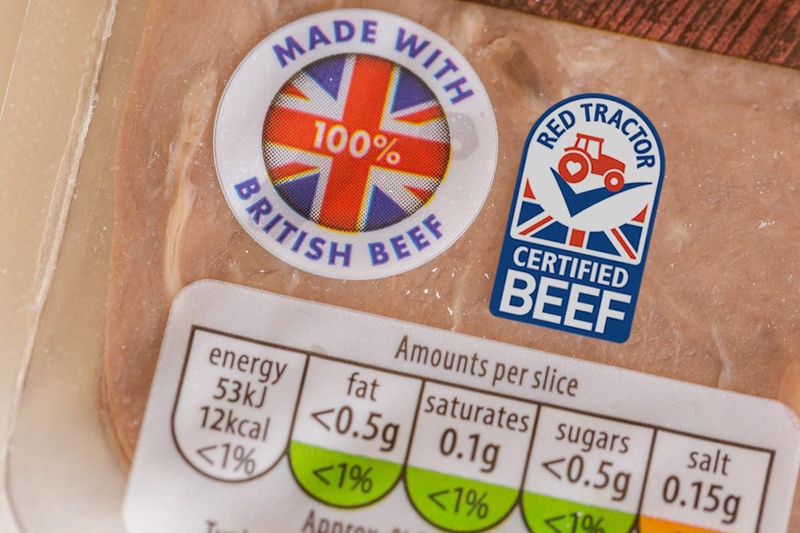
Look for the little red tractor logo on British food products! This scheme covers basic standards for food safety, traceability and animal welfare on UK farms.
While widespread, Red Tractor represents minimum acceptable standards rather than premium welfare. Over 75% of UK-produced food carries this mark, making it one of the most common certifications you'll spot during your weekly shop.
7. Grass-Fed
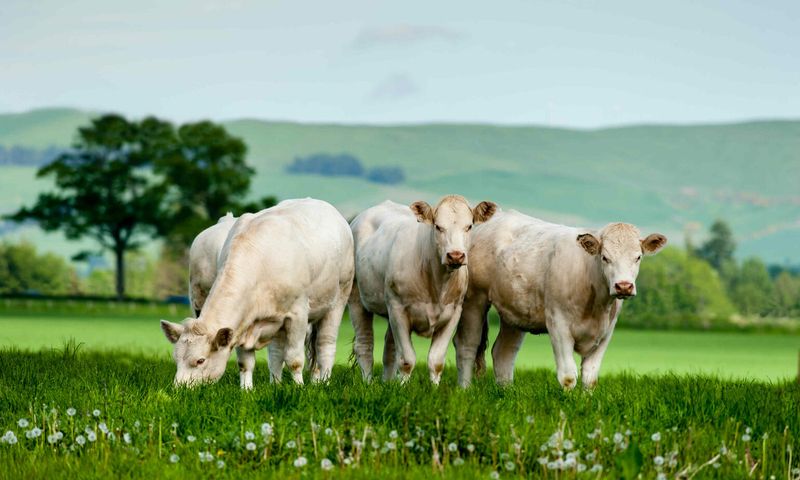
Beware the terminology trap! Unlike 'pasture-fed', grass-fed animals may still receive grain supplements alongside their grass diet.
Without certification from bodies like the Pasture for Life Association, percentages can vary wildly. Some 'grass-fed' animals might get just 51% grass in their diet. For the genuine article, look for '100% grass-fed' or the Pasture for Life symbol on packaging.
8. Cage-Free
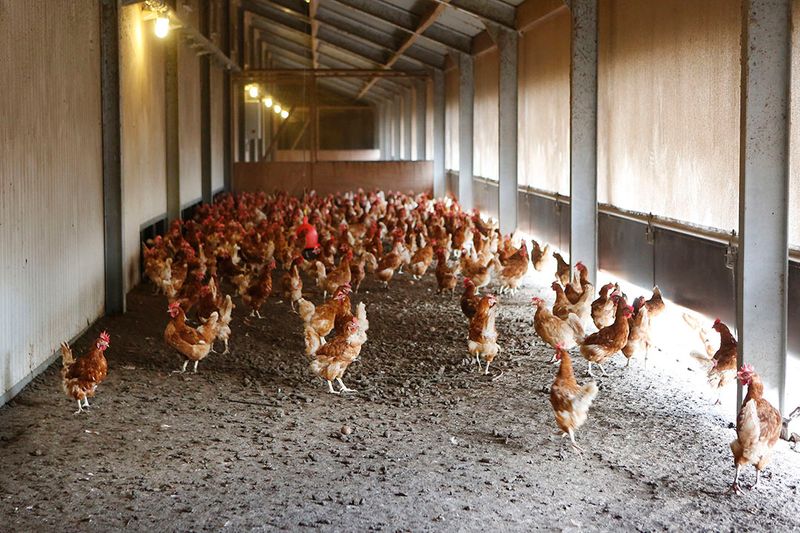
No more tiny battery cages! Cage-free hens live in large barns rather than cramped cages, allowing natural behaviors like stretching their wings and forming social groups. However, don't confuse this with free-range.
Cage-free birds typically remain indoors their entire lives, with up to nine hens per square metre. The European Union banned conventional battery cages in 2012, making cage-free the new minimum standard.
9. MSC Certified
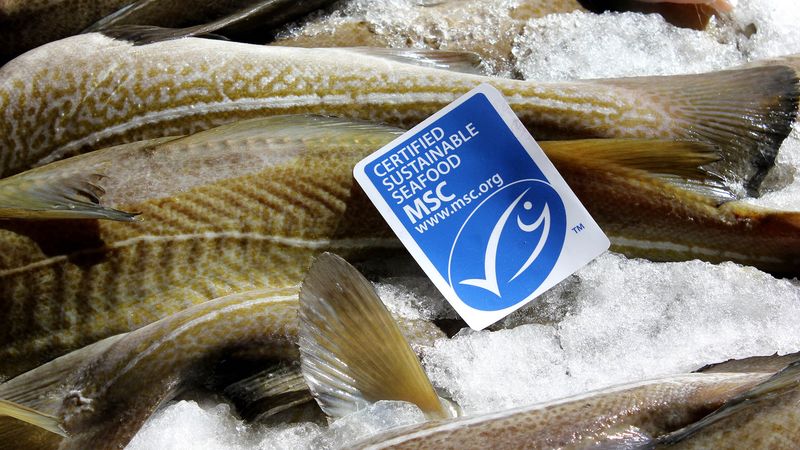
Blue fish labels matter for ocean health! The Marine Stewardship Council certifies fisheries that maintain sustainable fish populations and minimize environmental impact.
MSC-certified fish comes from waters where stocks are carefully monitored. Fishing methods must reduce bycatch - unwanted sea creatures accidentally caught in nets. Currently, about 15% of global wild seafood catch carries the MSC blue tick, helping consumers make ocean-friendly choices.
10. Rainforest Alliance
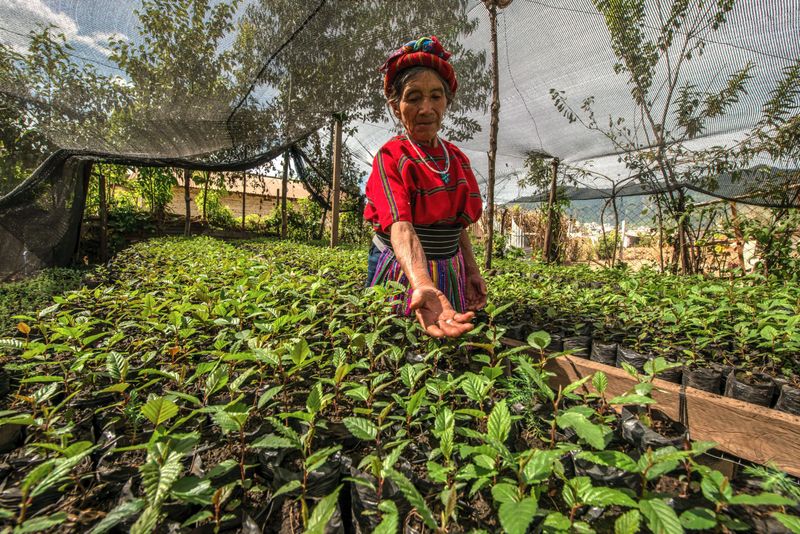
Spot the little green frog on your chocolate or tea? Products bearing this symbol support farms that protect wildlife habitats and treat workers fairly.
The Rainforest Alliance focuses on tropical crops grown in biodiversity hotspots. Their standards prohibit deforestation and require buffer zones around natural water sources. Unlike Fairtrade, this certification emphasizes environmental protection alongside social benefits.
11. Local
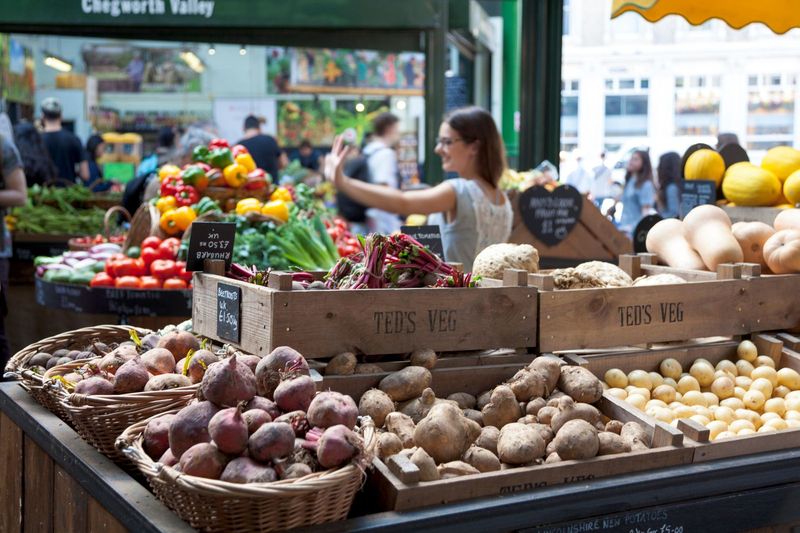
That 'locally grown' sign at the farm shop sounds wonderful, but what does it actually mean? Unlike official certifications, 'local' has no legal definition in the UK food industry.
For some sellers, local might mean within 30 miles; for others, it could be anywhere in the country! Ask specific questions about where your food comes from. Farmers' markets often require vendors to produce food within a set radius.
12. Biodynamic
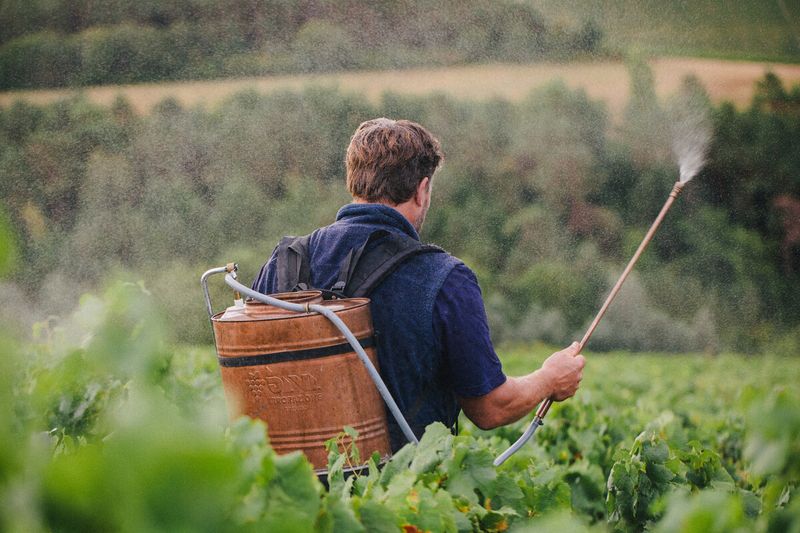
Beyond organic lies the fascinating world of biodynamic farming.
This holistic approach follows lunar cycles for planting and harvesting while using special preparations made from fermented manure, minerals and herbs. Demeter, the certification body, has some of the strictest standards in farming. Biodynamic farms function as self-contained ecosystems.
Though scientific evidence for some practices remains limited, these farms consistently show excellent soil health and biodiversity.
13. Vegan Certified
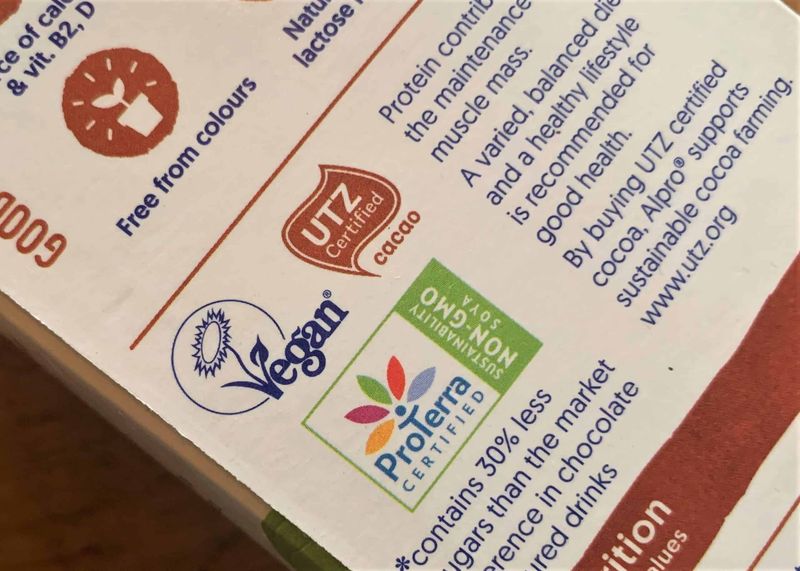
Plant-based products with official certification have been thoroughly checked for hidden animal ingredients. The Vegan Society's sunflower logo ensures items contain no animal derivatives and weren't tested on animals.
Even seemingly plant-based foods can contain surprising animal ingredients. Did you know some orange juices contain fish-derived omega-3 or that some wines use animal-derived fining agents? Certification provides peace of mind for ethical consumers.



