










We all love a cheeky treat now and then, but some of the everyday foods found in British kitchens might be doing more harm than good.
Whether it's sky-high sugar content, alarming additives, or links to health risks confirmed by UK experts, these are the foods nutritionists say we should seriously reconsider.
If you've got any of these lurking in your fridge or cupboard, it might be time for a clear-out.
1. Ultra-Processed Breakfast Cereals
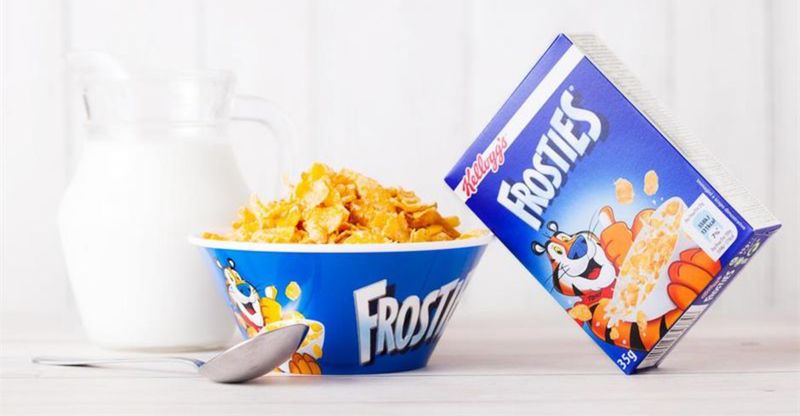
Those colourful boxes promising health benefits aren't telling the whole story. A 2023 report from Action on Sugar found some popular UK cereals contained more sugar per bowl than a glazed doughnut!
Children's favourites are often the worst culprits, with some containing artificial colours linked to hyperactivity. Nutritionists recommend plain porridge or homemade granola as healthier alternatives for your morning routine.
2. Processed Meats Like Ham And Bacon
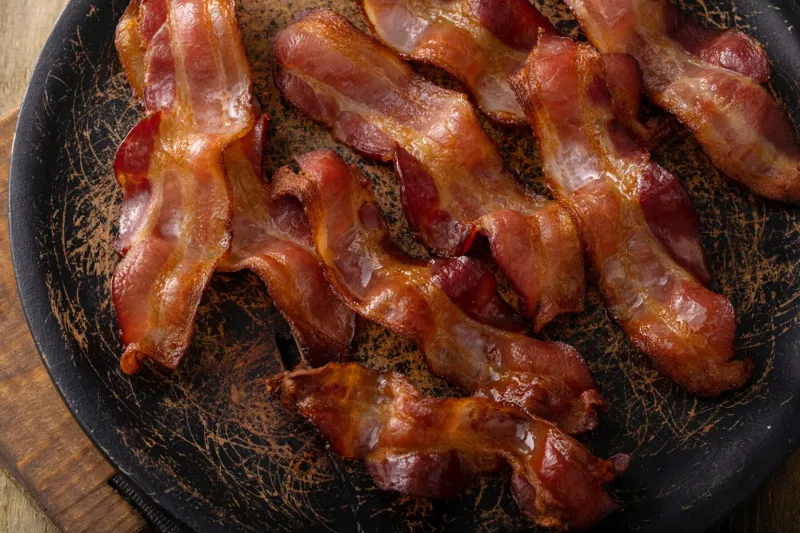
That Sunday fry-up might need a rethink. According to the NHS, eating too much processed meat increases your risk of bowel cancer significantly.
The culprits? Nitrates and sodium used for preservation and flavour enhancement. Even those fancy 'nitrate-free' options often contain celery extract, which naturally converts to nitrates in your body. Consider swapping your bacon sarnie for grilled mushrooms or smoked salmon occasionally.
3. Cheap White Bread
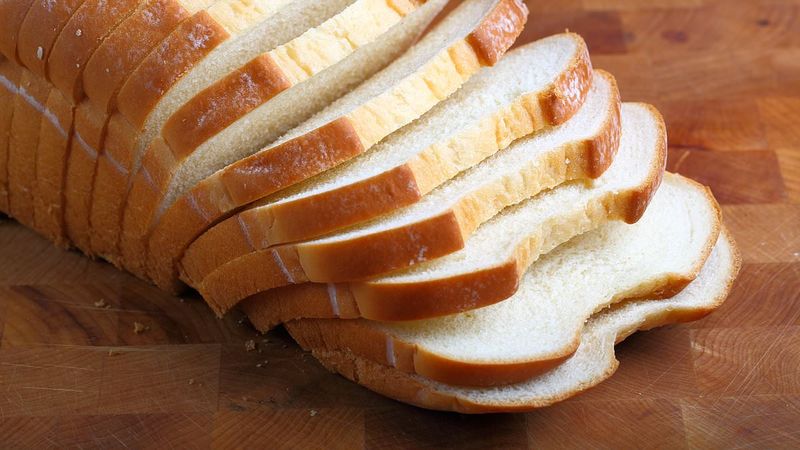
The nation's sandwich staple isn't doing your body any favours. Mass-produced white bread has been stripped of fibre and nutrients during processing, then 'fortified' with synthetic versions that aren't absorbed as well.
Public Health England recommends switching to wholegrain for better gut health. The rapid sugar spike from white bread can leave you feeling hungry again quickly, contributing to weight gain and energy crashes throughout the day.
4. Microwave Ready Meals
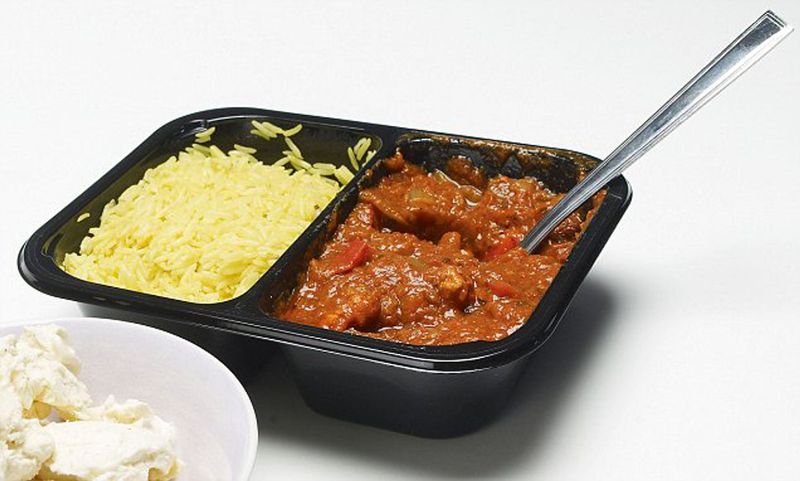
Quick doesn't equal quality when it comes to those supermarket meal solutions. A 2024 Which? investigation revealed several popular ready meals exceeded the daily recommended salt intake in just one portion!
Many contain palm oil, artificial preservatives, and flavour enhancers to compensate for quality. The plastic packaging also leaches chemicals when heated. Batch cooking homemade meals on weekends provides healthier alternatives that can be frozen for convenience.
5. Sweetened Yoghurts
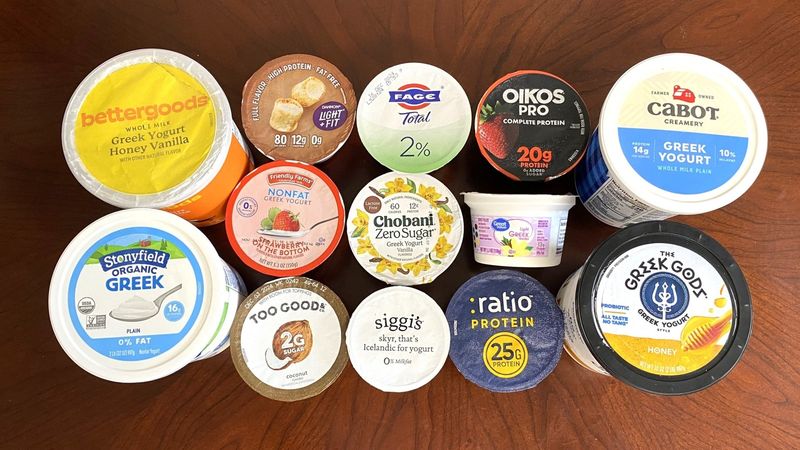
The health halo surrounding yoghurt quickly disappears when you examine the label. A University of Leeds study found some popular UK yoghurt brands contain more sugar than cola per serving.
Fruit-flavoured varieties are particularly sneaky, with 'fruit on the bottom' options sometimes containing four teaspoons of added sugar. Plain Greek yoghurt with fresh fruit offers the protein benefits without the sugar overload that contradicts the very health benefits yoghurt is known for.
6. Diet Fizzy Drinks
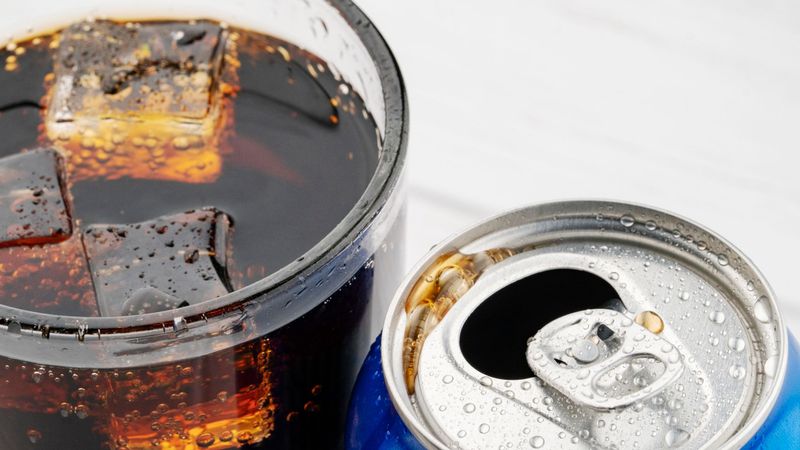
Zero calories doesn't mean zero consequences. The World Health Organization recently classified aspartame, commonly found in diet drinks, as 'possibly carcinogenic' in large amounts.
Regular consumption has been linked to increased cravings for sweet foods. Some studies suggest artificial sweeteners may disrupt gut bacteria balance. The acidic nature of these drinks also erodes tooth enamel regardless of sugar content, making water with a splash of fruit a smarter choice.
7. Flavoured Instant Noodles
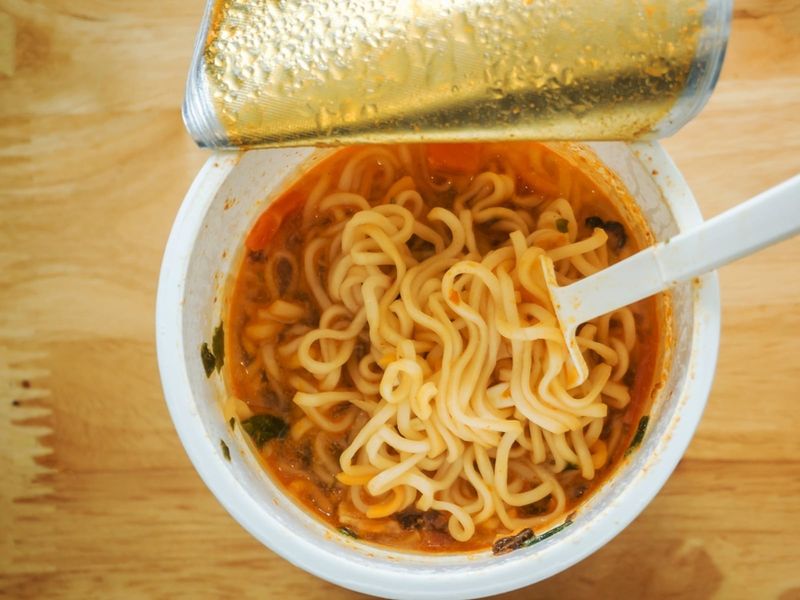
Students' favourite midnight snack deserves closer scrutiny. Those flavour sachets contain alarming levels of salt, MSG, and various E-numbers that can trigger headaches and digestive issues in sensitive individuals.
Nutritionist Rhiannon Lambert warns these quick snacks offer virtually no nutritional value. One packet can contain up to 80% of your daily sodium allowance! For a quick alternative, stock your cupboard with plain noodles and add your own seasonings and frozen vegetables.
8. Packaged Sandwiches From Chain Shops
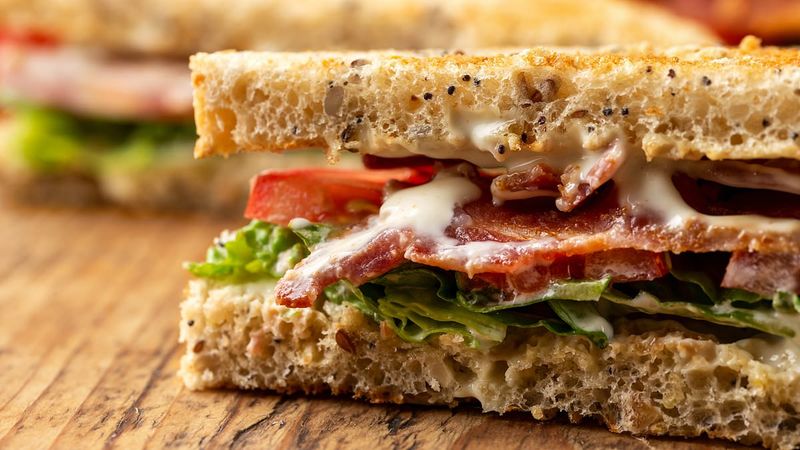
Grabbing lunch on the go seems innocent enough until you realise what's hiding between those bread slices. Many high street sandwiches contain more calories than a burger due to mayonnaise-heavy fillings and hidden sugars in the bread.
Preservatives keep them 'fresh' for days on shelves. The plastic packaging contributes to environmental waste too. Making your own sandwich takes minutes but saves money, calories, and unnecessary additives that chain shops rely on.
9. Sugary Coffee Shop Drinks

That caramel-topped mocha might be an Instagram favourite, but your body won't thank you. Fancy lattes and frappes often contain upwards of 15 teaspoons of sugar per serving, double the NHS daily recommended intake!
The combination of caffeine and sugar creates a temporary energy boost followed by a significant crash. The whipped cream topping adds saturated fat to the equation. A simple Americano with a splash of milk offers the caffeine kick without the sugar overload.
10. Frozen Breaded Chicken Products

Those freezer staples might solve dinner dilemmas, but at what cost? A 2023 Food Standards Agency review flagged serious concerns about fat and salt levels in frozen chicken nuggets and similar products.
Many contain mechanically recovered meat of questionable quality. The breadcrumb coating absorbs significant oil during cooking. Making homemade versions with real chicken breast pieces and wholemeal breadcrumbs gives you control over ingredients while still providing that satisfying crunch kids love.
11. Packaged Snack Cakes And Biscuits
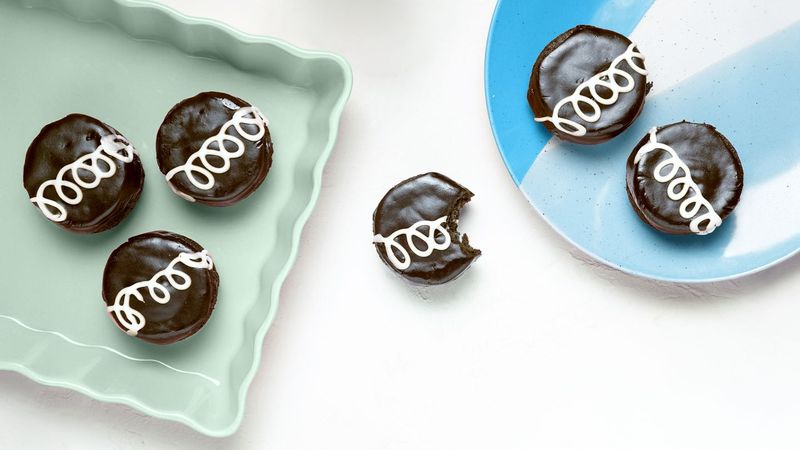
Britain's beloved teatime treats harbour a dark secret. From custard creams to mini rolls, these factory-made goodies often contain trans fats and palm oil that the British Heart Foundation warns can increase your risk of heart disease.
Many use artificial flavourings rather than real vanilla or chocolate. The sugar content in just two biscuits can equal a quarter of your daily limit! Homemade treats might take more effort but allow you to use quality ingredients in sensible portions.
12. Supermarket Pizza
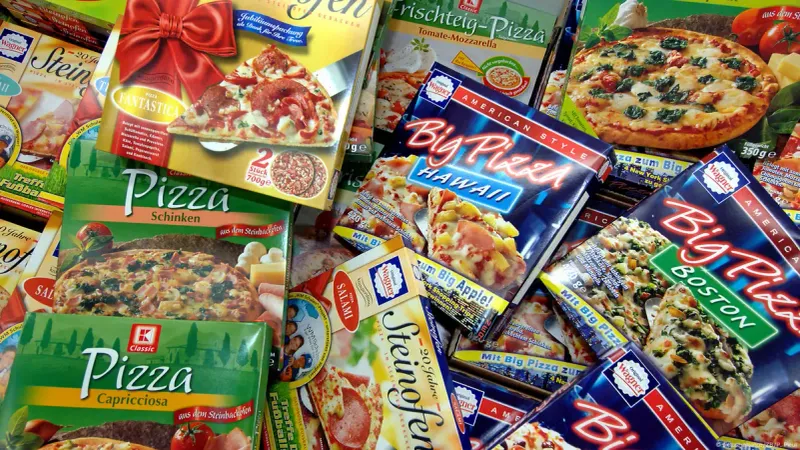
Friday night's easy dinner solution comes with hidden costs. Those £3 frozen pizzas might be wallet-friendly, but they're packed with salt, sugar in the sauce, and low-quality cheese substitutes.
One serving can contain your entire daily saturated fat allowance. The thin, nutrient-poor base spikes blood sugar rapidly. Making your own pizza with a wholemeal base and vegetable toppings transforms this favourite into a more balanced meal without sacrificing the enjoyment factor.
13. Spreads Made With Hydrogenated Oils
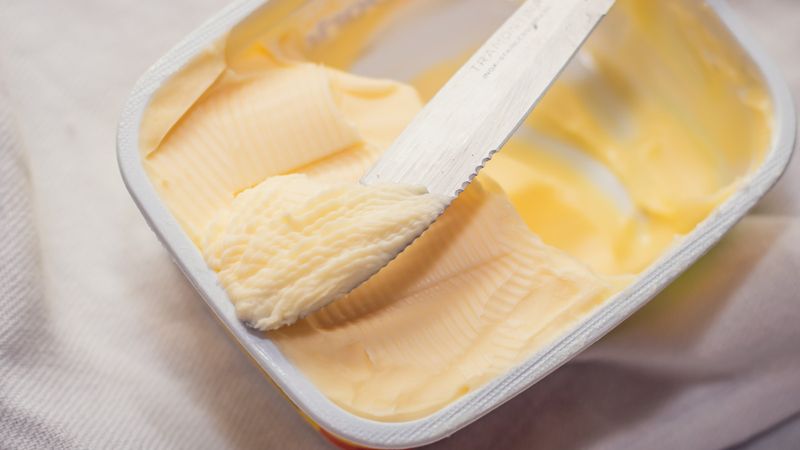
That innocent-looking tub in your fridge might be sabotaging your health. Margarines and spreads containing hydrogenated fats can raise your LDL (bad) cholesterol levels significantly, according to NHS guidelines.
Many were marketed as 'heart-healthy' alternatives to butter for decades before research revealed otherwise. The NHS now suggests choosing butter in moderation or spreads specifically labelled as free from trans fats. Some plant-based options like olive oil or avocado provide healthier alternatives for your morning toast.