Ever watched someone effortlessly pick up the tiniest grains of rice with chopsticks whilst you struggle to grasp a dumpling? You're not alone.
Chopsticks have been the primary eating utensils in many Asian cultures for thousands of years, and mastering them opens up a world of dining experiences. With these practical tips, you'll be handling chopsticks with confidence in no time.
1. Master The Standard Grip
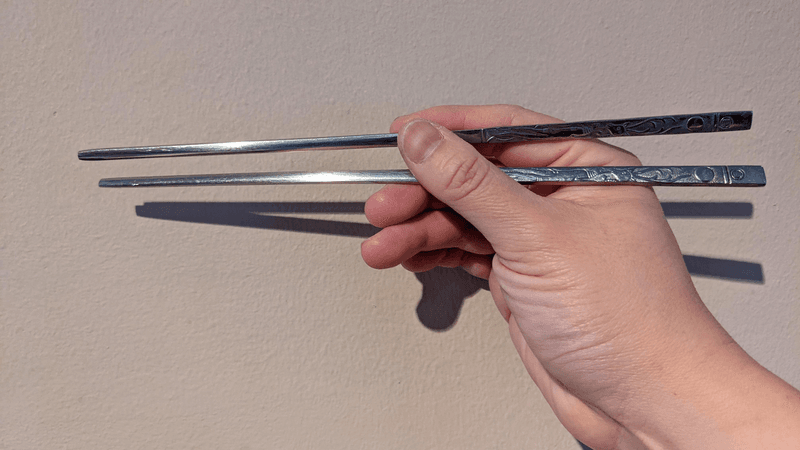
Think of your bottom chopstick as an immovable foundation. Rest it in the crook between your thumb and index finger, with your ring finger providing support underneath.
The top chopstick works like a movable lever, controlled by your thumb, index and middle fingers. Only this upper stick should move while eating—the lower one remains stationary, creating the perfect pincer movement.
2. Hold Chopsticks Two-Thirds Up
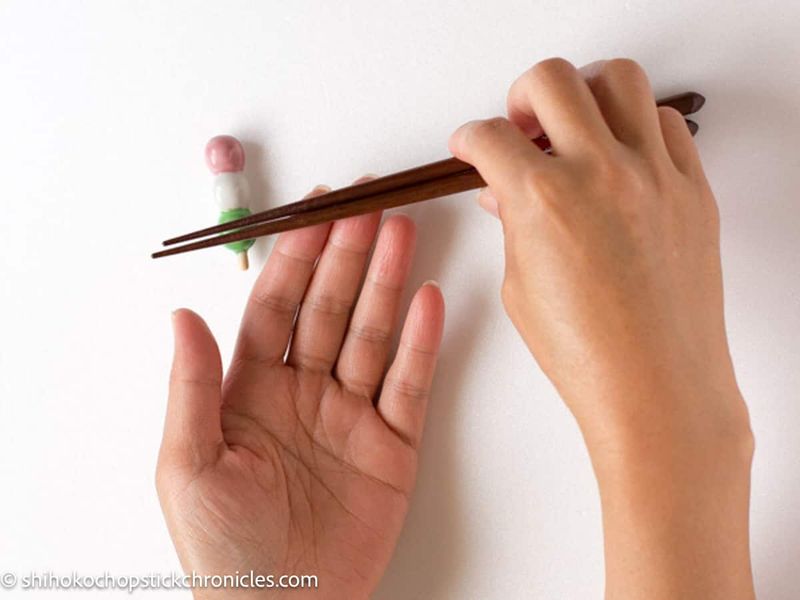
Finding the sweet spot matters! Grip your chopsticks approximately two-thirds of the way up from the eating ends for optimal control.
Too close to the tips and you'll struggle with leverage. Too far back and you'll lack precision. This balanced position, recommended by Oishya experts, provides the perfect combination of strength and dexterity for handling everything from slippery noodles to delicate sushi.
3. Practice With Firm Foods First
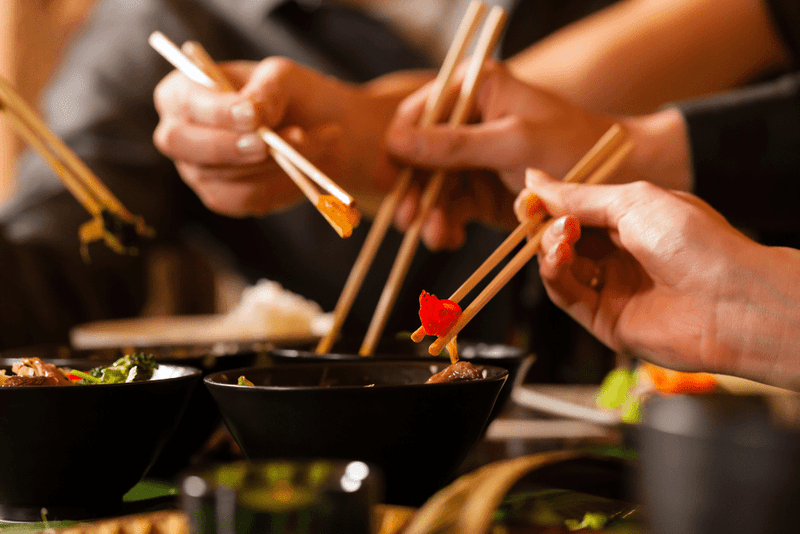
Building confidence starts with small victories. Begin your chopstick journey by picking up larger, non-slippery items like carrot sticks, cucumber pieces or firm tofu cubes.
These stable foods won't slide away while you're perfecting your technique. Once you've mastered these basics, gradually challenge yourself with trickier foods like noodles, and finally tackle the ultimate test—individual grains of rice.
4. Avoid Using Them Like Spears
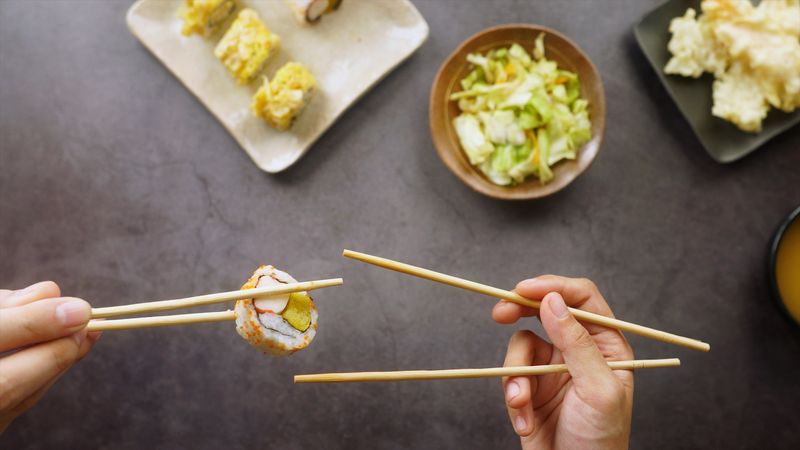
Resist the temptation to stab your food! According to Condé Nast Traveler, spearing food with chopsticks is considered improper and disrespectful in most Asian dining cultures.
Instead, develop finesse by thinking of chopsticks as extensions of your fingers—gently pinching food between the tips. With practice, this method becomes more efficient than stabbing and shows cultural awareness that fellow diners will appreciate.
5. Never Rub Disposable Chopsticks Together

That instinctive rubbing motion many Westerners do with wooden disposable chopsticks? It's actually quite offensive! As EatingWell points out, this action implies you think the restaurant has provided poor-quality utensils with splinters.
Even if you spot a few wood fibres, resist the urge to rub. Quality establishments take pride in their chopsticks, and this gesture may be interpreted as questioning their standards.
6. Keep Chopsticks Out Of Rice Bowls
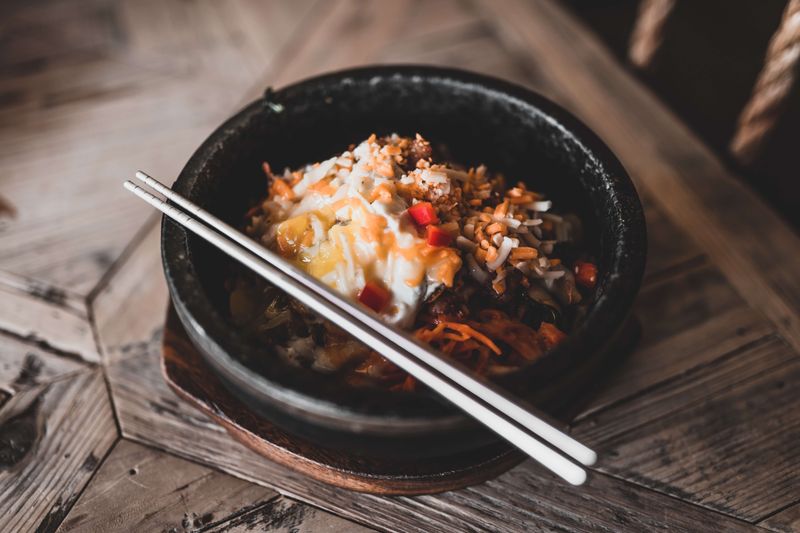
Never leave chopsticks standing upright in a bowl of rice! This resembles incense sticks at funeral ceremonies in many Asian cultures and symbolises passing.
When taking a break during your meal, place chopsticks horizontally across your bowl or plate. If provided, use a chopstick rest to keep the eating ends elevated from the table surface.
7. Avoid Chopstick-To-Chopstick Food Transfers
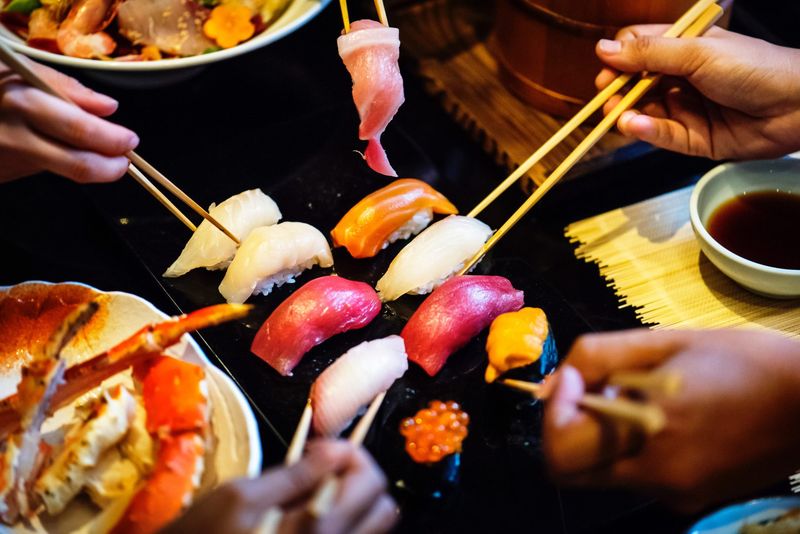
Passing food directly from your chopsticks to someone else's is a major cultural faux pas. Wikipedia notes this action mimics a funeral ritual where cremated bone fragments are passed between relatives.
Instead, place the food piece on the person's plate, allowing them to pick it up with their own utensils. This thoughtful gesture shows cultural sensitivity and prevents any unintended symbolism that might make others uncomfortable.
8. Utilise Chopstick Rests Properly
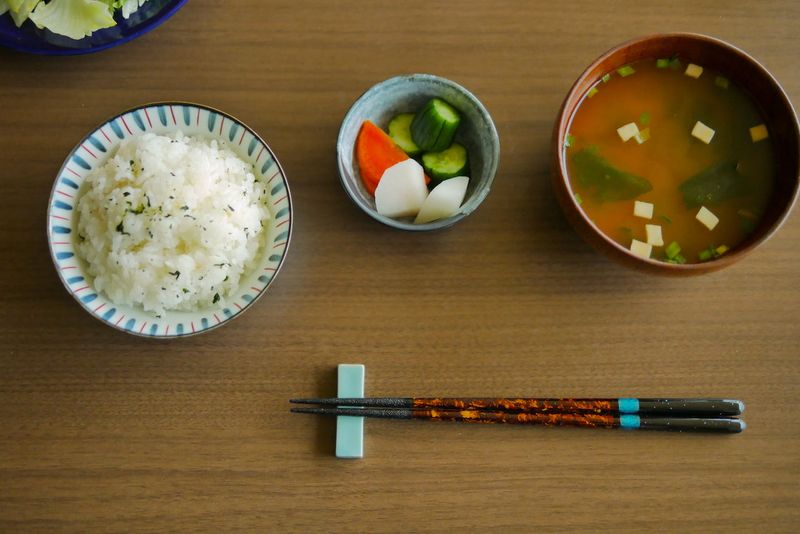
Chopstick rests aren't just decorative—they serve a hygienic purpose! When pausing during your meal, place your chopsticks neatly on the rest with tips pointing left.
No rest provided? Create your own by folding the paper wrapper into a small triangle. This keeps your chopstick tips clean and prevents them from touching the table. The parallel positioning signals you're simply taking a break, not finished with your meal.
9. Keep Cooking Chopsticks Separate
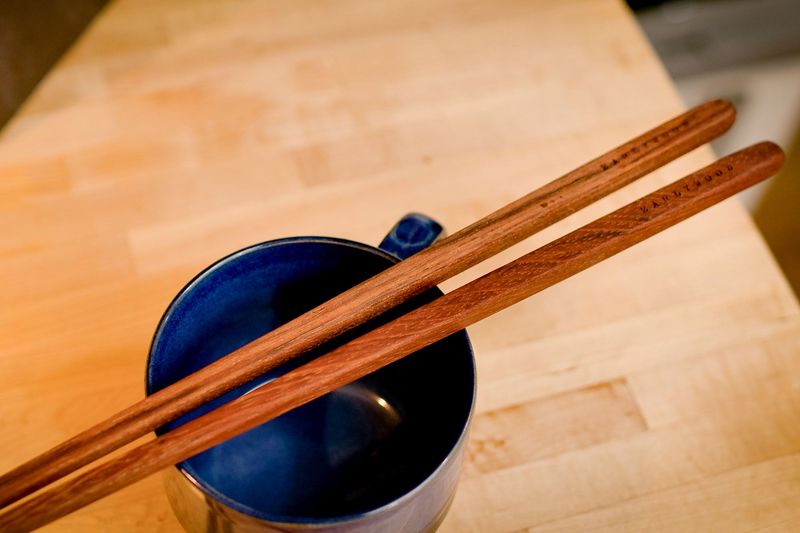
Smart chopstick users maintain dedicated pairs for cooking. These kitchen chopsticks are typically longer (around 30 centimetres) than dining versions, offering better reach when stirring hot pots or deep-frying.
The extra length protects your hands from heat and splatters while providing superior control for flipping delicate items. As recommended by Yahoo!, invest in bamboo or wood varieties for cooking—they won't conduct heat like metal ones.
10. Repurpose Old Chopsticks Creatively
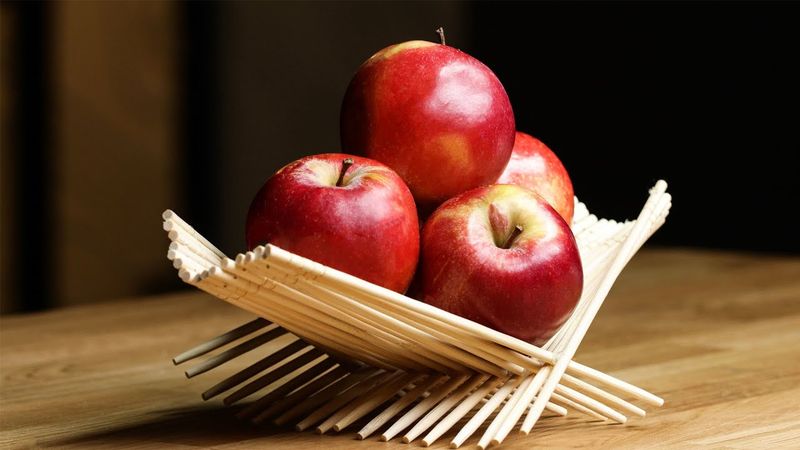
Those takeaway chopsticks needn't go to waste! Clean wooden chopsticks make excellent plant supports for indoor herbs or seedlings, keeping delicate stems upright.
They also work brilliantly as paint stirrers, crafting tools, or even makeshift bookmarks. The smooth, tapered shape makes them perfect for reaching into tight spaces like phone cases or keyboards to remove dust and crumbs that fingers can't reach.