













British dining habits have undergone a remarkable shift over recent years. Once a nation known for its punctual 'tea time' at 5pm, the UK has seen mealtimes creeping later and later into the evening.
This fascinating cultural change reflects our evolving lifestyles, work patterns, and global influences that have transformed when we sit down to eat.
1. More Flexible Work Schedules

The traditional 9-to-5 workday has become increasingly rare as remote and hybrid arrangements flourish across Britain.
Many professionals now enjoy the freedom to structure their days differently, leading to mealtimes that match their unique rhythms rather than the old factory whistle schedule.
With no rush-hour commute dictating when dinner must be served, families and individuals alike are embracing evening meals at 7pm, 8pm, or even later.
2. Longer Commutes And Evening Traffic
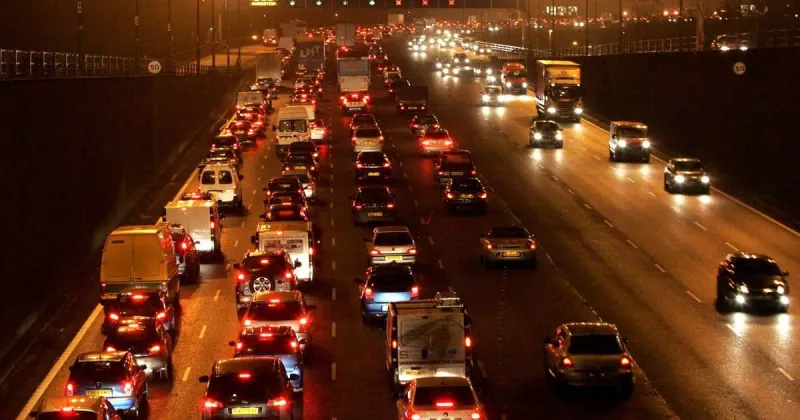
Rush hour in British cities stretches longer than ever before, particularly in London and Manchester where gridlock is a daily reality.
Workers facing 90-minute journeys home simply can't manage the traditional early evening meal their grandparents enjoyed.
By the time they've navigated packed trains or congested motorways, walked through their front door, and unwound from the day, the clock often shows 8pm or later.
3. Later Grocery Shopping Hours

Remember when shops closed at 5:30pm sharp? Those days are long gone! Modern supermarkets welcome shoppers until 10pm or even midnight in many locations.
This retail revolution has transformed our meal planning habits. Why rush to cook early when you can pop to Tesco at 8pm for fresh ingredients?
The convenience of extended shopping hours has naturally pushed dinner preparation later into the evening for millions of households.
4. Streaming And Screen Time Habits

Netflix, Disney+, and other streaming platforms have revolutionised how Britons spend their evenings. The ritual of watching specific programmes at set times has given way to binge-watching and on-demand viewing.
Many households now coordinate their evening meals around favourite shows or films. The concept of 'dinner and Netflix' has emerged as a modern cultural touchstone.
Why eat at 6pm when you can time your meal perfectly with the latest episode at 8:30pm?
5. Eating Out Has Gotten Later
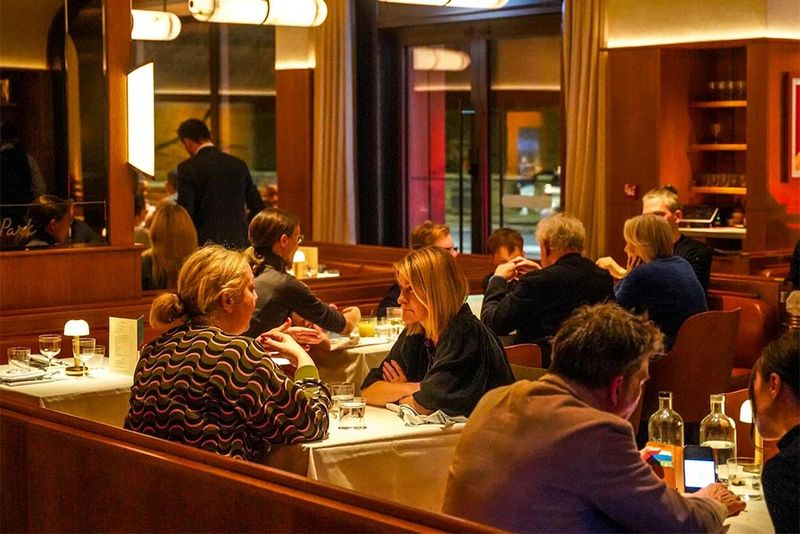
British restaurants have undergone a continental transformation. The prime dinner reservation slot has shifted from 7pm to 8:30pm in many establishments.
Restaurateurs report that few customers now request tables before 7:30pm, especially in metropolitan areas. Continental European influences have normalised later dining, with Spanish-style eating times becoming increasingly common.
Even pub kitchens now serve food well into the evening hours rather than closing early.
6. Social Media Food Trends
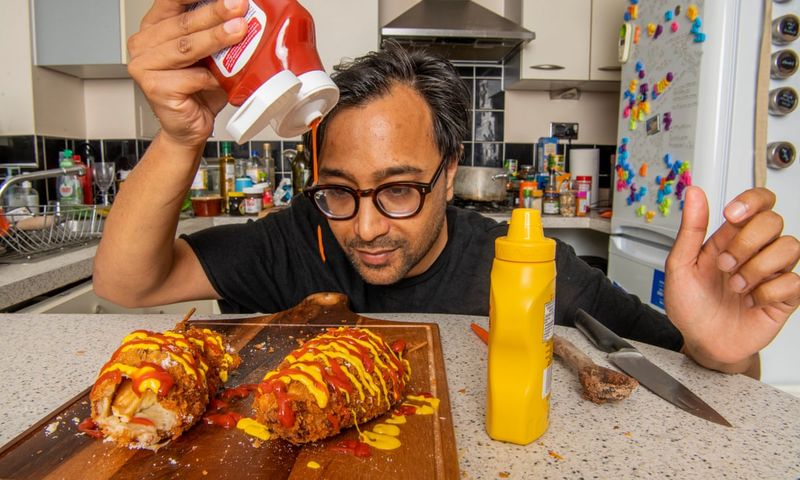
Scroll through TikTok or Instagram after 8pm and you'll find countless Brits sharing their evening cooking adventures. These platforms have created a culture where elaborate late-night meal preparation is celebrated rather than avoided.
Many trending recipes are complex affairs requiring significant preparation time. The '#LateNightCooking' hashtag regularly features amateur chefs starting dinner preparations at hours once considered bedtime.
These social platforms normalize eating at 9pm or later.
7. Rise In Evening Workouts

Gym culture has exploded across Britain, with 24-hour fitness centres now commonplace in urban areas. After-work exercise has become a standard part of many people's routines.
Nutritional science suggests waiting 1-2 hours after intense exercise before eating a substantial meal. Someone finishing a 7pm spin class or strength training session naturally pushes dinner toward 8:30pm or 9pm.
Protein-focused post-workout meals have replaced the traditional early tea time.
8. Busier Family Schedules
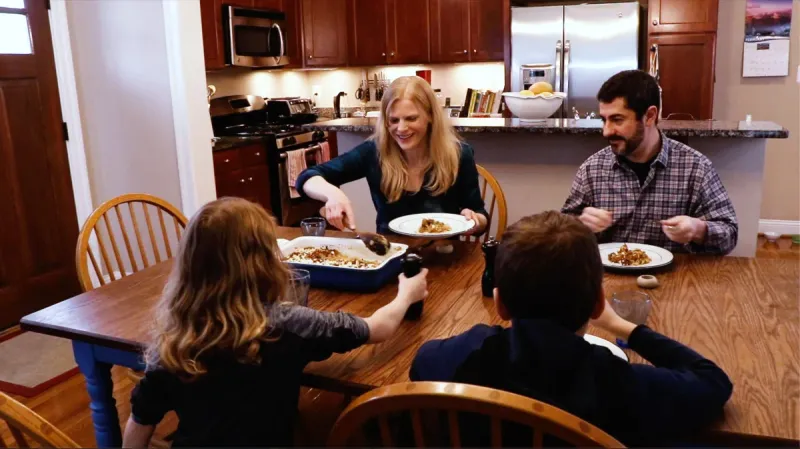
Modern British families juggle a dizzying array of after-school activities that would astonish previous generations. Football practice, music lessons, homework clubs, and part-time jobs for teenagers create logistical puzzles for parents.
Gathering everyone around the table before 7:30pm has become nearly impossible for many households. The concept of family dinner remains important, but its timing has shifted dramatically to accommodate these packed schedules.
Many parents report regular dinner times of 8pm or later during weekdays.
9. Growth Of Food Delivery Apps
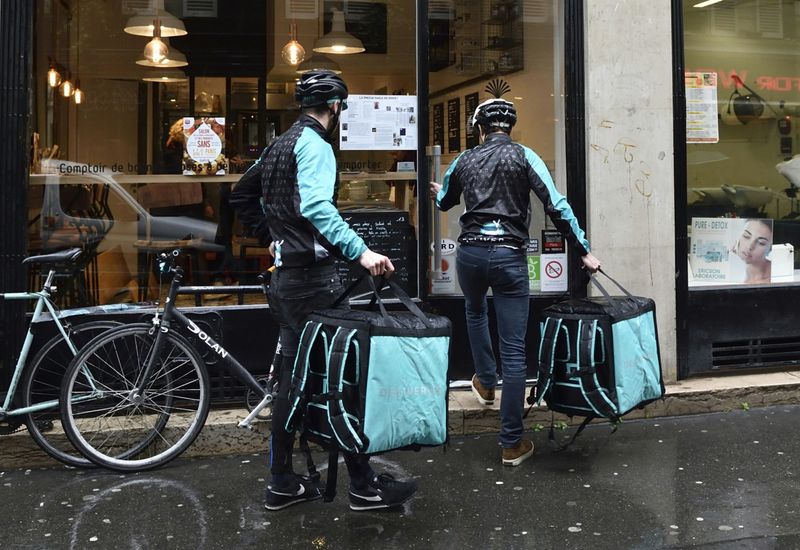
Deliveroo, Just Eat, and Uber Eats have transformed Britain's relationship with takeaway food. No longer limited to the local chippy or curry house, these platforms offer restaurant-quality meals delivered until the small hours.
The convenience factor is undeniable. Why rush home to cook when you can order from your phone and have dinner arrive precisely when you want it?
Many Brits now regularly schedule deliveries for 8pm or 9pm, especially during weekdays when cooking feels like too much effort.
10. Global Cuisine Influence

Britain's culinary landscape has been revolutionised by international dining traditions, particularly those cultures that traditionally eat later. Spanish tapas culture, with its 10pm dinners, has gained enormous popularity.
Middle Eastern and Mediterranean restaurants serving mezze until late hours have influenced home cooking patterns too.
As Brits have fallen in love with these global flavours, they've unconsciously adopted the later mealtimes that traditionally accompany them, shifting our national dinner hour later.
11. Shift Away From Traditional Mealtimes
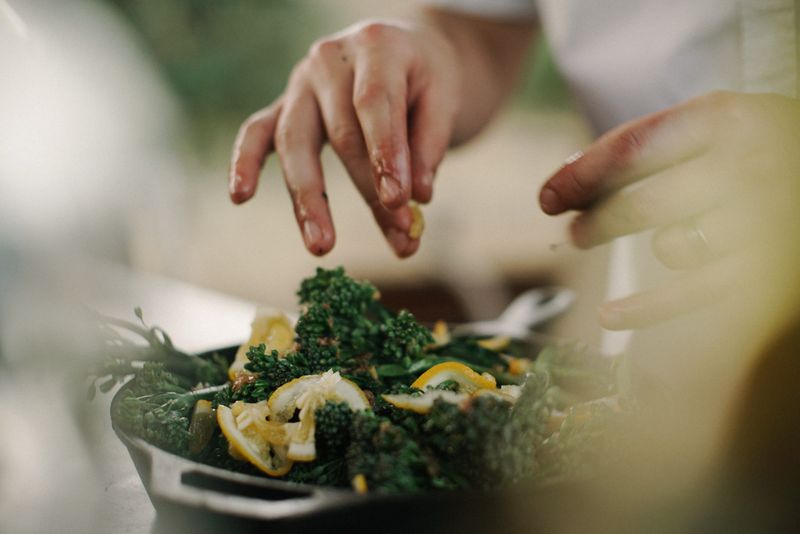
Younger Britons simply don't feel bound by the rigid eating schedules their grandparents observed. The concept of 'tea at 5pm sharp' feels as outdated as black and white television to many millennials and Gen Z.
A more spontaneous, flexible approach to mealtimes has emerged. Some nutritionists even suggest this might better align with our natural hunger signals rather than arbitrary clock times.
The freedom to eat when hungry rather than when tradition dictates represents a fundamental cultural shift in British society.



