













When we think of French bread, we picture golden baguettes with crackly crusts and tender insides. For centuries, France has claimed the crown as the world's bread champion.
But is this reputation still deserved? From traditional techniques to modern health concerns, bakers around the globe are challenging France's bread supremacy.
1. French Kids Often Get Their First Taste Of Freedom At The Bakery
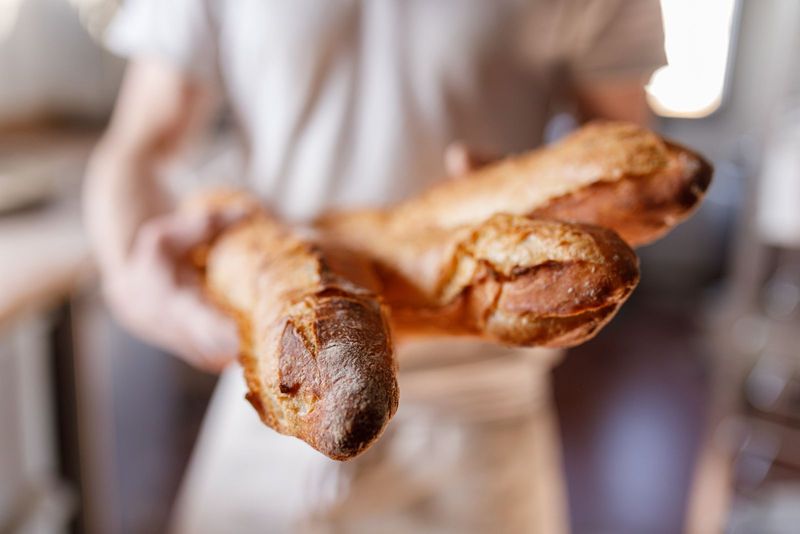
The humble baguette purchase marks a milestone in French childhood. Parents send their little ones on this inaugural solo mission, trusting them with a few euros and a simple task.
Children often can't resist breaking off the crusty end bit - le quignon - for a sneaky nibble on the journey home. This small act of delicious rebellion is practically a cultural birthright, connecting generations through a shared experience.
2. The Baguette Is More Labour-Intensive Than It Looks
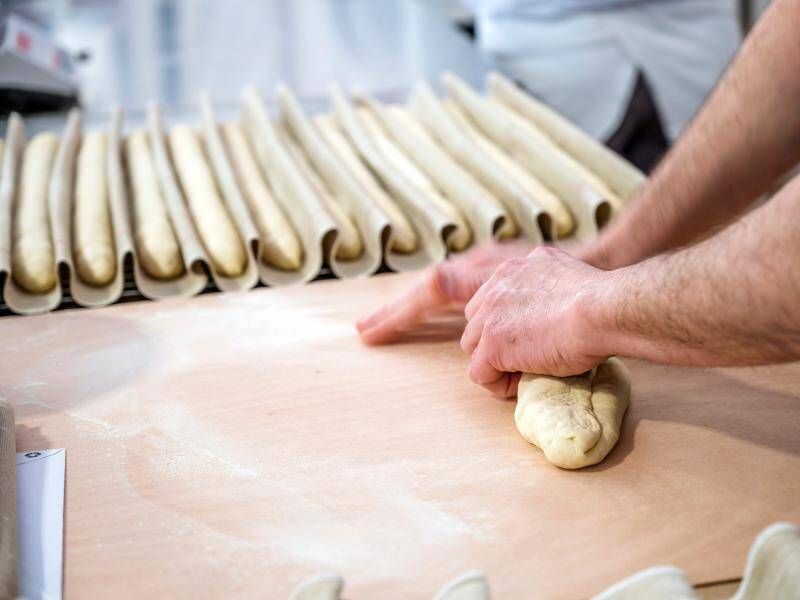
Those elegant golden sticks demand extraordinary dedication. Genuine baguettes require precise timing, specific hydration levels, and skilled hand-shaping that machines simply cannot replicate.
Bakers rise at ungodly hours—often 2 or 3 am—to begin the day's work. Their thin shape means baguettes take up valuable oven space inefficiently, making them less profitable than larger loaves despite their iconic status in French culture.
3. Some Bakeries Rely On Underpaid Apprentices
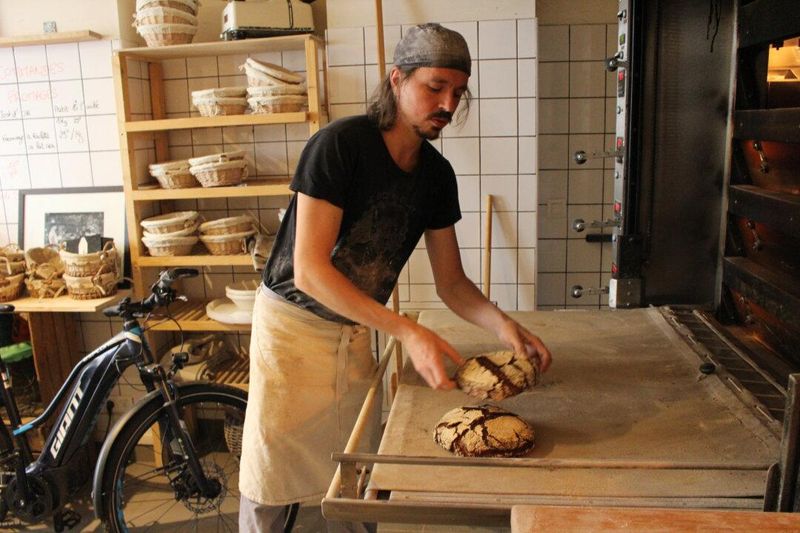
The economics of traditional French baking often don't add up. To survive, many boulangeries exploit a loophole: young apprentices working for minimal wages.
These youngsters endure gruelling hours and physically demanding work while mastering their craft. The system perpetuates itself as former apprentices become owners who need cheap labour to stay afloat, creating a cycle that keeps authentic bread affordable but at a human cost.
4. Frozen Bread Is Quietly Taking Over
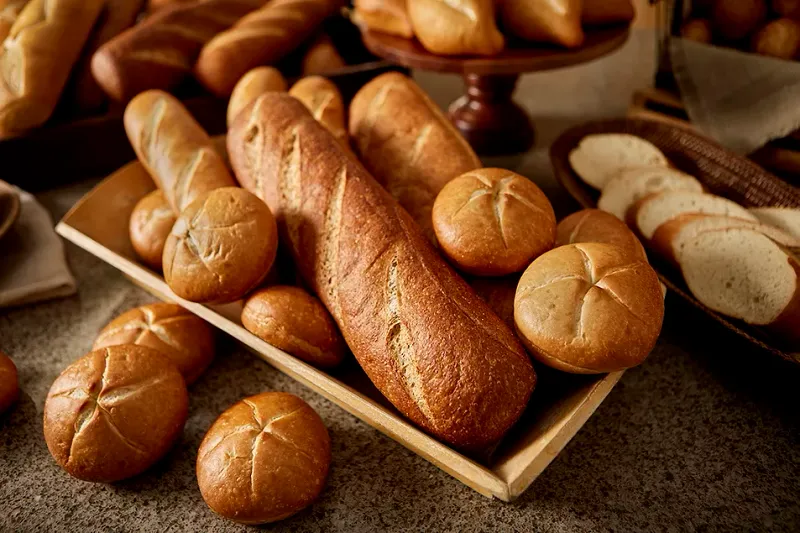
Behind the romantic façade of artisanal French baking lies a frosty secret. Industrial bakeries are increasingly supplying frozen dough to so-called 'traditional' shops.
According to recent industry reports, nearly a quarter of pastries sold in France in 2021 began life in freezers—outpacing both Britain and Spain. Many customers never realise their 'freshly baked' treats were manufactured weeks earlier in factories.
5. The "Artisan Boulanger" Label Doesn't Guarantee Everything
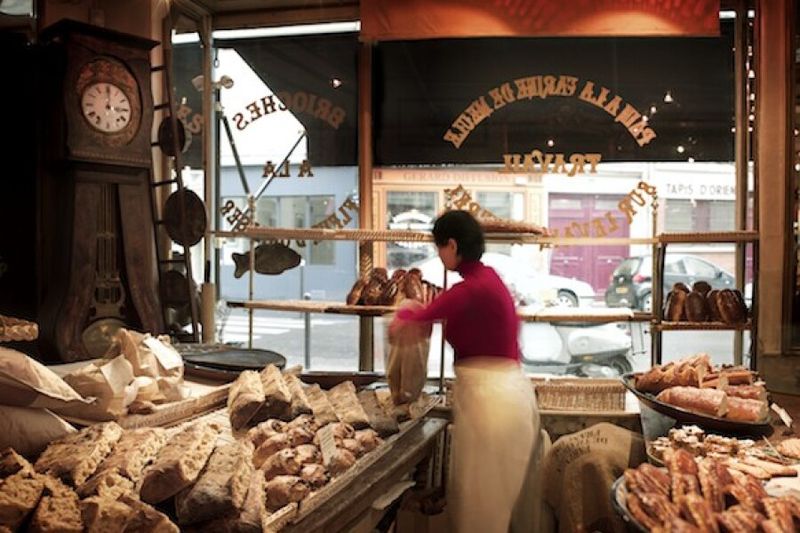
That prestigious title on the shopfront might not mean what you think. While legally protected—requiring bread to be made and baked on premises—it says nothing about ingredients or methods.
Many 'artisan' bakers use pre-mixed flour containing additives and dough improvers. These shortcuts yield consistent results with less skill and time investment. The crispy baguette you're enjoying might contain emulsifiers and enzymes never found in traditional recipes.
6. Most Baguettes Are Made With Refined White Flour
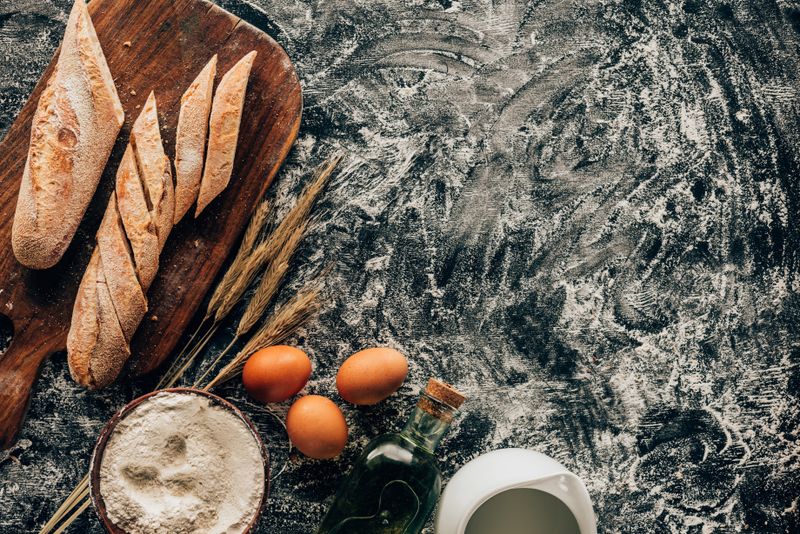
The quintessential French loaf hides a nutritional secret. Modern baguettes use highly processed white flour stripped of its most beneficial components.
Industrial roller mills remove the germ and bran—parts containing fibre, vitamins, and minerals—leaving only the starchy endosperm. The result? A beautifully light texture and extended shelf life, but at the cost of nutrition. Your daily baguette might look perfect while offering little more than quick-burning carbohydrates.
7. Modern Baguettes May Contribute To Health Issues
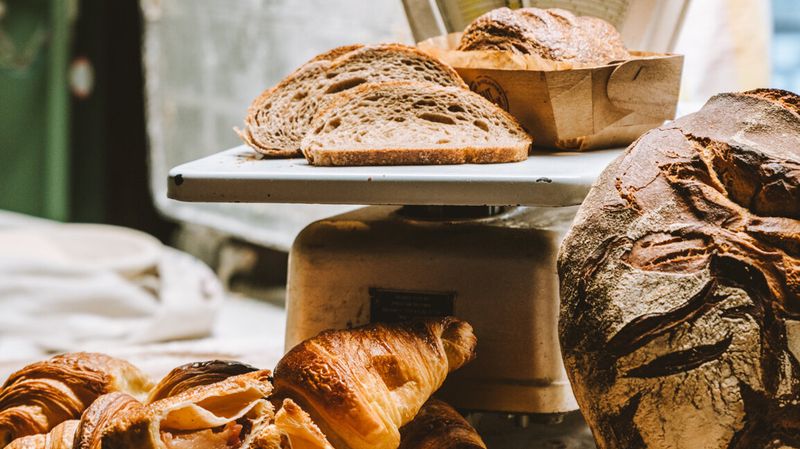
Medical researchers have raised alarms about conventional French bread. The rapid fermentation methods used today create gluten structures that some bodies struggle to process properly.
Studies from the French National Institute for Agricultural Research suggest connections between modern bread consumption and rising rates of gluten sensitivity. The absence of beneficial bacteria found in traditional sourdough leaves the gut microbiome deprived of important diversity, potentially contributing to digestive complaints.
8. Sourdough Is Rare In Standard French Bakeries
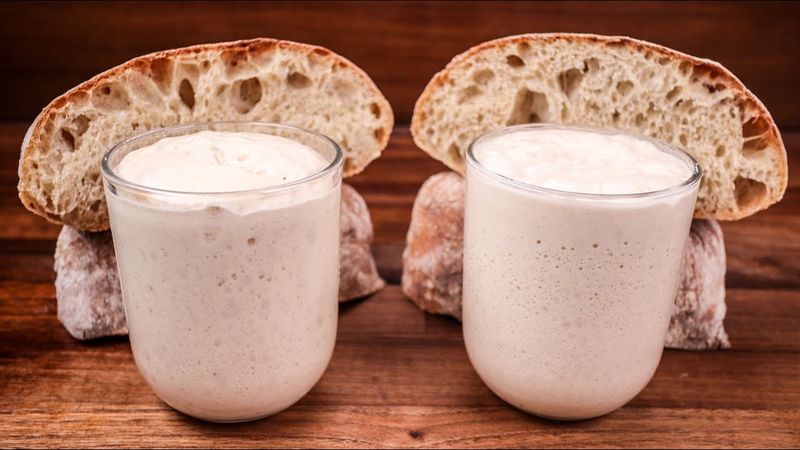
Ironically, while artisanal sourdough enjoys a renaissance worldwide, it remains uncommon in everyday French bakeries. Commercial yeast has largely replaced traditional levain (sourdough starter) for speed and consistency.
True sourdough fermentation—which breaks down gluten proteins and creates beneficial acids—takes 24+ hours. Most French bakers opt for 2-hour commercial yeast methods instead. The complex flavours and digestive benefits of authentic sourdough are sacrificed for efficiency.
9. France Still Has A Deep Connection To Wheat And Farming
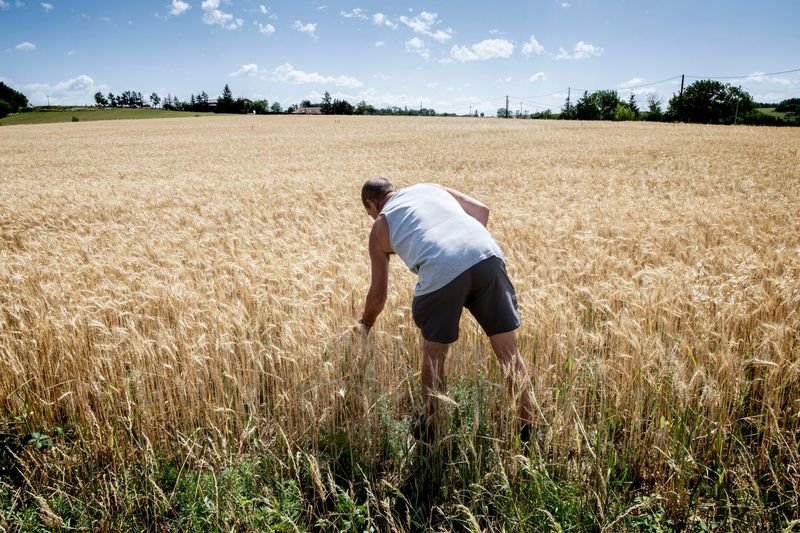
Amid industrialisation, a passionate movement of grain guardians thrives in French countryside. These paysan boulangers (farmer-bakers) grow heritage wheat varieties nearly lost to time.
Using methods their great-grandparents would recognise, they cultivate landrace wheats like Rouge de Bordeaux and Blé de Savoie. These ancient grains contain genetic diversity developed over centuries of natural selection, producing flavours and nutritional profiles absent in modern varieties.
10. France's Seed-Saving Movements Are Inspiring Others
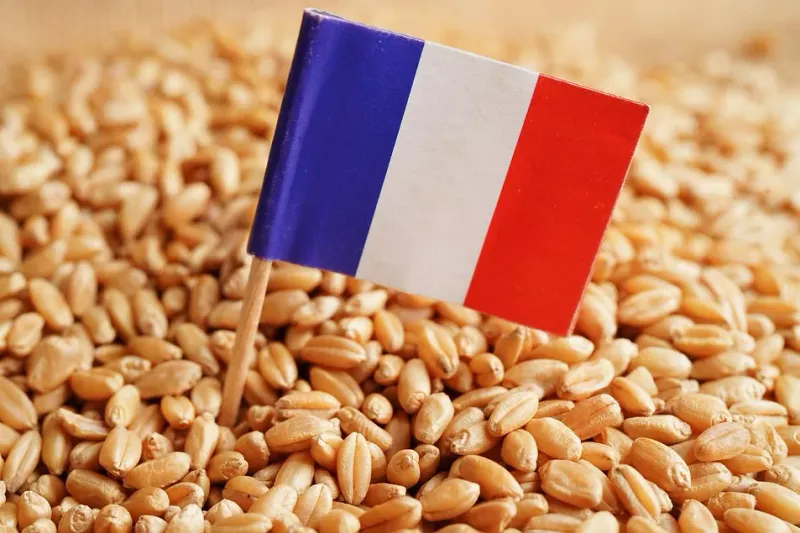
Grassroots organisations like Réseau Semences Paysannes have become unexpected global influencers. Their fight to preserve agricultural biodiversity has sparked similar movements from California to Japan.
These French seed guardians meticulously document forgotten grain varieties, preserving living libraries of wheat that would otherwise disappear. Their work challenges industrial agriculture's monoculture approach, demonstrating how diversity creates resilience against climate change and plant diseases.
11. Britain Lost Much Of Its Wheat Heritage But It's Making A Comeback
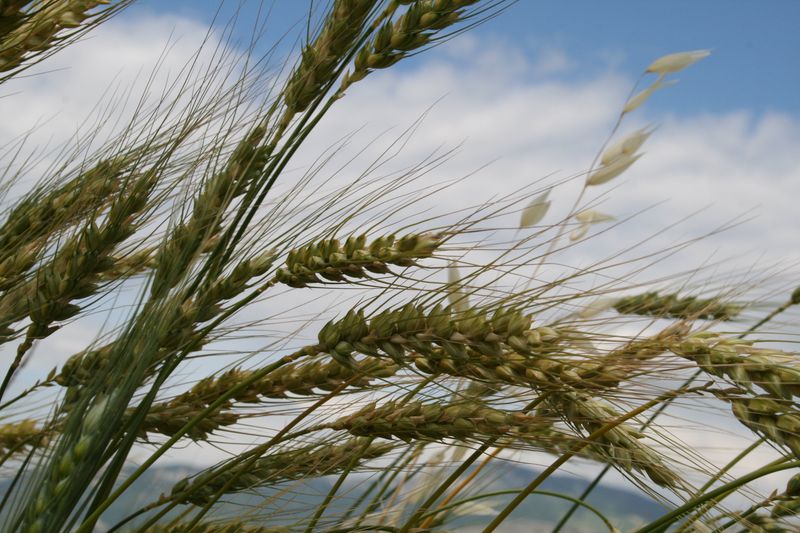
The industrial revolution nearly erased Britain's ancient grain varieties. Now, pioneering figures like seed expert Andy Forbes and baker Andrew Whitley are orchestrating a remarkable revival.
Their Scotland-based Bread Matters project has reintroduced forgotten varieties like April Bearded and Red Lammas. These heritage grains thrive with fewer inputs and connect modern bakers to flavours not tasted since Victorian times. Britain's wheat renaissance offers a different path from France's tradition-bound approach.
12. British Bread Is Getting More Interesting
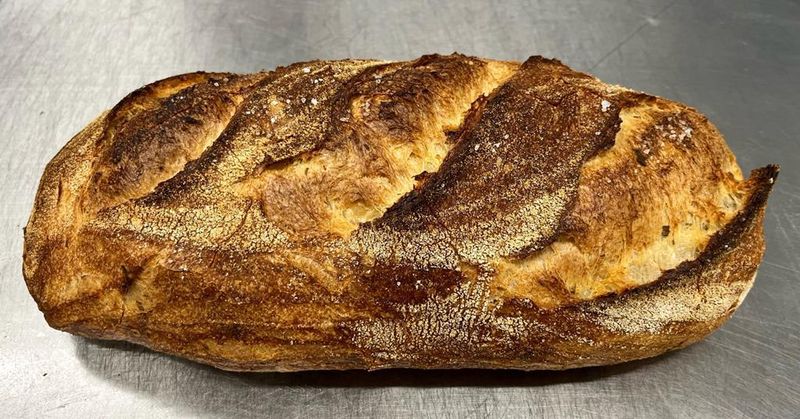
While France remains bound by tradition, Britain's bread scene explodes with creativity. From E5 Bakehouse in London to Small Food Bakery in Nottingham, British bakers experiment fearlessly with fermentation, grains, and techniques.
Free from rigid definitions of what constitutes 'proper' bread, UK bakers blend global influences with local ingredients. Community-supported bakeries connect directly with farmers, creating unique loaves that express specific terroirs and seasonal changes.
13. But France Still Gets One Thing Very Right
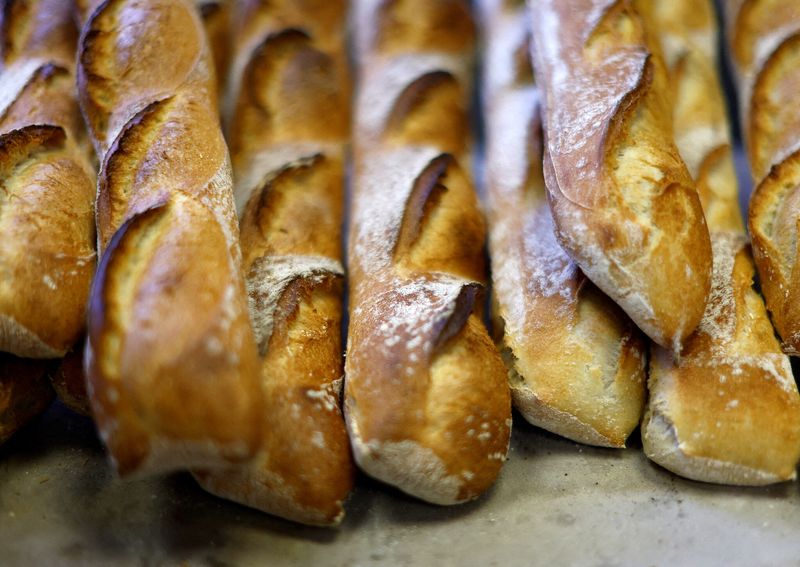
For all its flaws, French bread culture maintains something precious: bread as a daily ritual rather than an occasional luxury. The morning baguette run remains a cornerstone of community life.
French bread is democratic - available to everyone regardless of income. Small bakeries survive in villages too tiny to support other businesses. This accessibility creates social cohesion and preserves neighbourhood gathering spots in an increasingly isolated world.



