













Isn't it funny how the tables turn? Many foods that were once survival staples for the working class now command premium prices on fancy restaurant menus.
These humble ingredients were born from necessity, helping families stretch their budgets during tough times. Today, they've been reimagined, elevated, and transformed into sought-after culinary treasures that food critics can't stop raving about.
1. Sourdough Bread
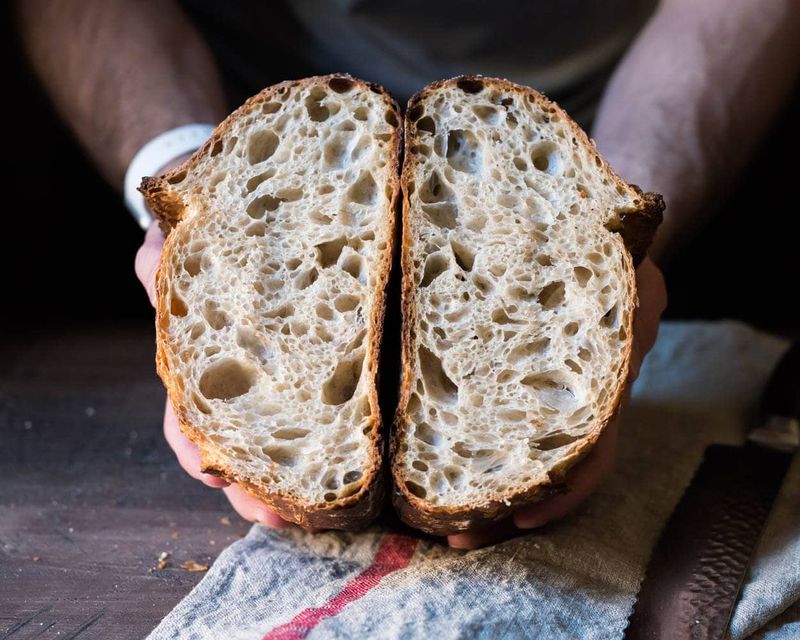
Before commercial yeast became widely available, sourdough was simply the practical way to make bread rise using wild fermentation. Families kept their starters alive for generations out of necessity, not trendiness.
Now artisan bakers charge upwards of £10 for a perfectly crafted loaf with that signature tang and chewy crust. What was once everyday sustenance has become the cornerstone of upscale toast bars and farm-to-table restaurants.
2. Sardines
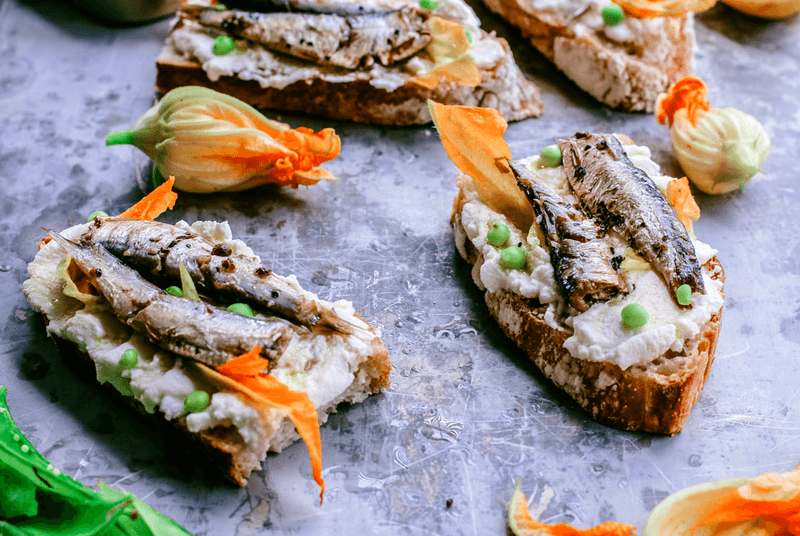
Those little silver fish packed tightly in tins once symbolized frugal eating. Fishermen's families ate them fresh while the wealthy turned up their noses at these 'poor man's fish'.
Fast forward to today, and you'll find sardines commanding attention on £18 small plates. Chefs arrange them artfully on sourdough toast, garnished with pickled shallots and microgreens, transforming this humble protein into an Instagram-worthy delicacy.
3. Bone Broth
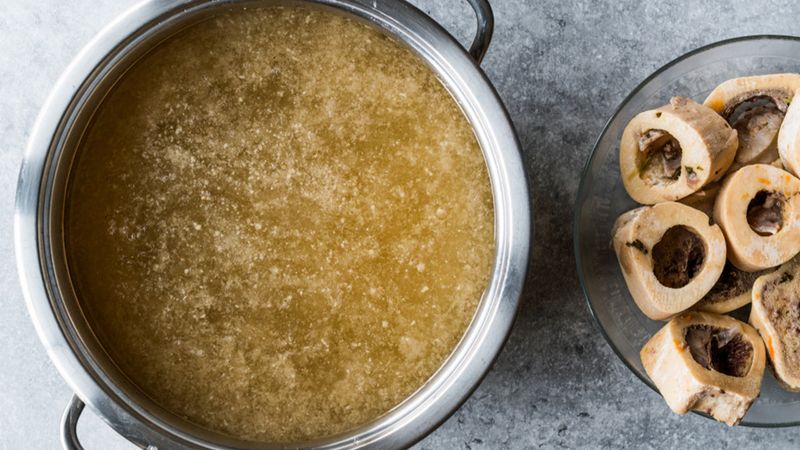
Grandmothers worldwide knew the secret – simmer animal bones to extract every last bit of nourishment. Nothing went to waste in kitchens where money was tight.
Today, wellness influencers tout bone broth as liquid gold, with dedicated cafés charging £7 per cup. The same frugal practice has been rebranded as an ancient superfood, sipped by celebrities and fitness enthusiasts for its supposed collagen-boosting properties.
4. Potatoes
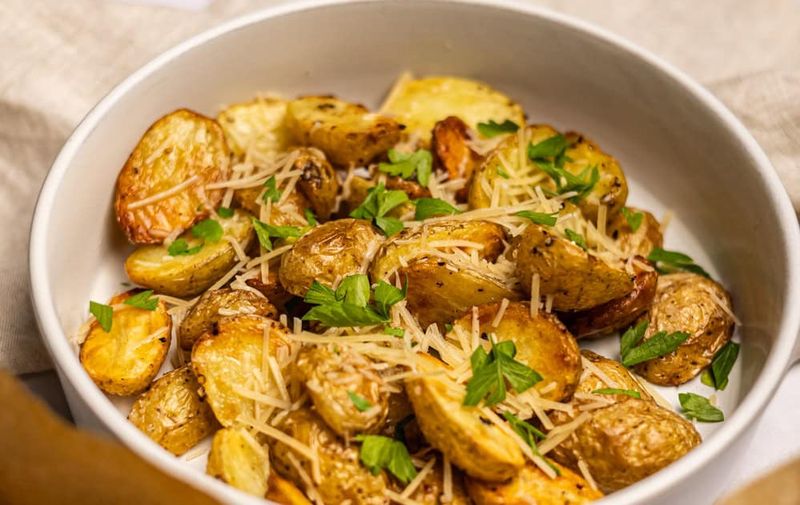
The humble spud has fed more struggling families through hard times than perhaps any other food. Plain, filling, and dirt-cheap, potatoes were the ultimate budget stretcher.
Look at restaurant menus now – triple-cooked chips with truffle oil for £9, silky pomme purée swimming in butter, or potato pavé meticulously layered and pressed. Chefs have elevated this root vegetable into something almost unrecognizable from its humble origins.
5. Polenta
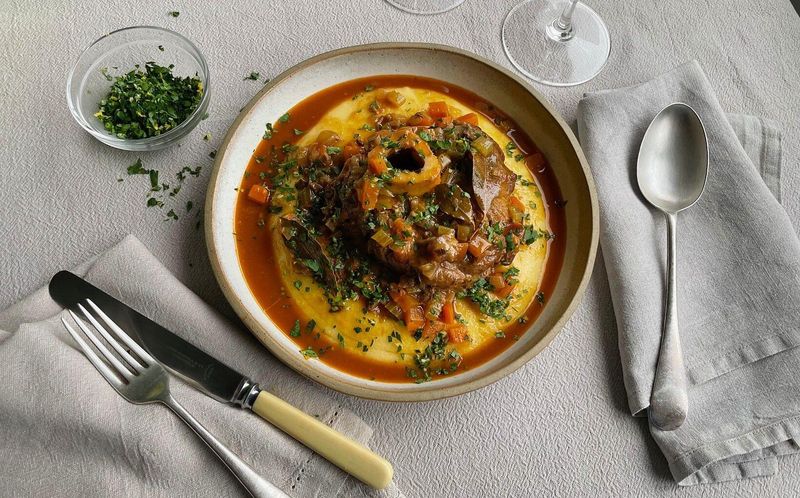
Italian peasants relied on this cornmeal porridge as a filling stomach-stuffer when meat was scarce. Cooked simply with water and perhaps a bit of cheese if lucky, polenta kept hunger at bay for centuries.
Modern chefs have reinvented this peasant food as a creamy, luxurious base for braised short ribs or wild mushrooms. Restaurants now charge £20+ for dishes featuring this once-humble grain, often enriched with mascarpone and finished with aged parmesan.
6. Oxtail
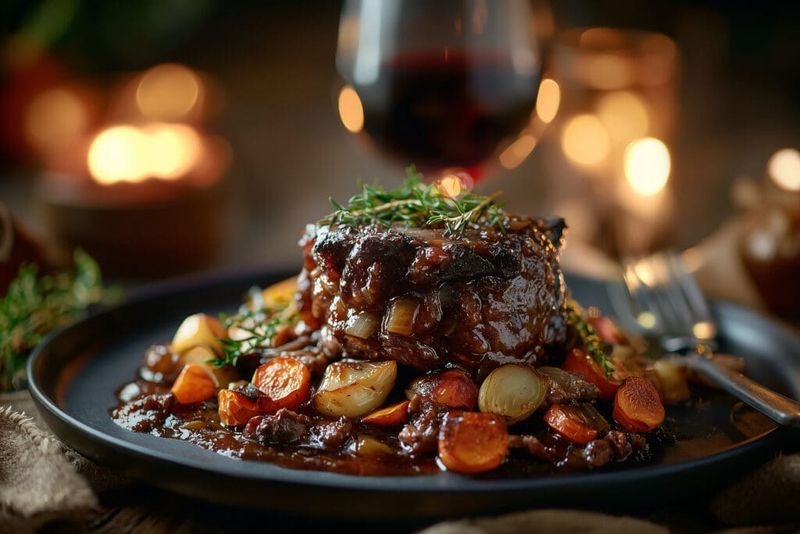
When butchers could barely give away these bony cuts, resourceful cooks turned them into hearty stews. Working-class families knew how to coax incredible flavour from what the wealthy rejected.
The secret got out. Chefs discovered that slow-cooking transforms oxtail into melt-in-your-mouth magic. Now this former throwaway cut stars in £30 main courses, braised in red wine and served with bone marrow and truffled mash.
7. Pork Belly
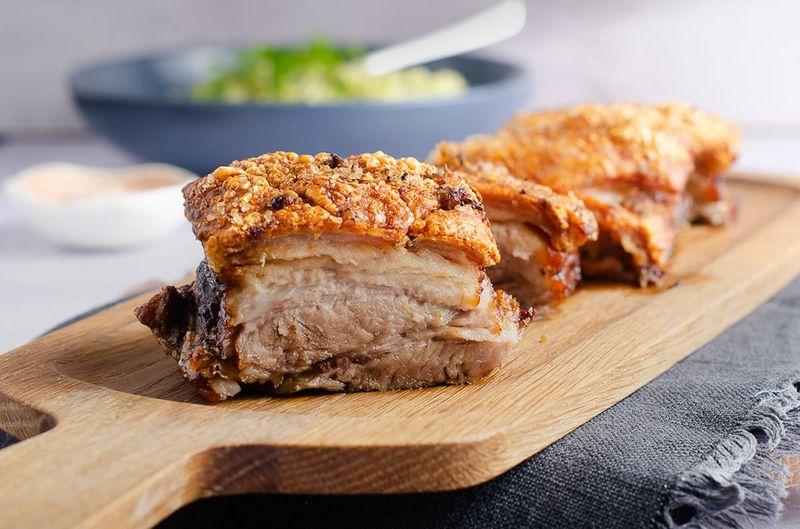
Fatty and cheap, pork belly was the cut that nobody wanted except those who couldn't afford better. Families would slow-cook it for hours to render the fat and make it palatable.
The culinary world finally caught on to what thrifty cooks always knew. That beautiful fat creates unmatched flavour and texture when properly prepared. Today, crispy pork belly with perfect crackling commands premium prices at gastropubs and fine dining establishments alike.
8. Macaroni And Cheese
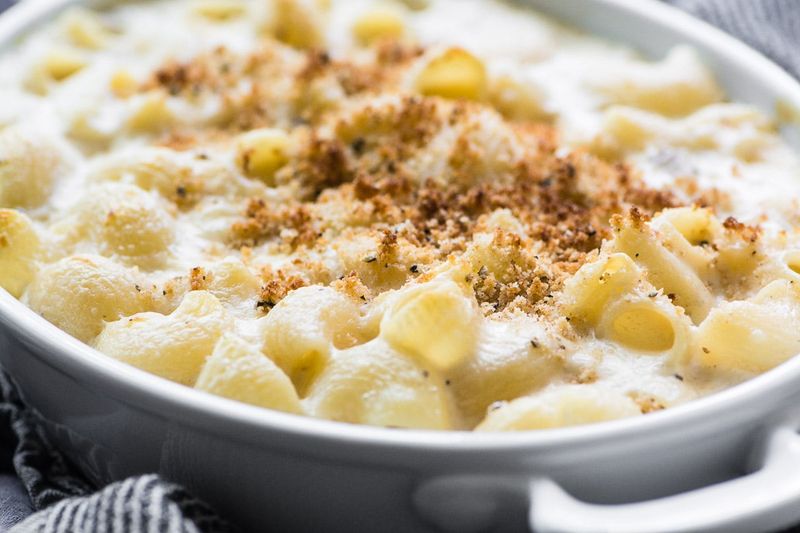
Remember the blue box that cost pennies? Mac and cheese has long been the ultimate budget-friendly comfort food, feeding families when the cupboard was nearly bare.
The transformation has been remarkable. Chefs now craft this childhood staple with cave-aged Gruyère, handmade pasta, and black truffle shavings. Some versions include lobster or crab meat, pushing prices to £25 or more for what was once the cheapest dinner imaginable.
9. Mussels
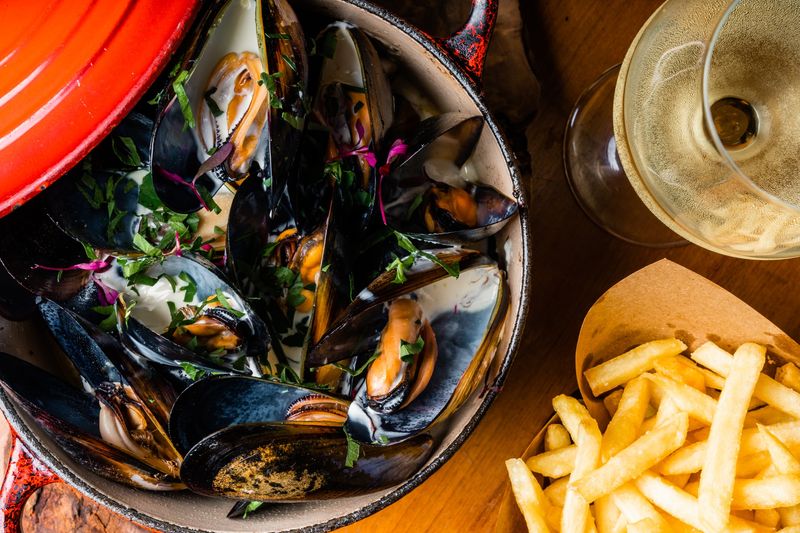
Coastal communities relied on these abundant shellfish that could be gathered for free along shorelines. When you couldn't afford fish from the market, you collected mussels yourself.
The humble mussel has climbed the social ladder dramatically. French-style moules marinières now graces bistro menus at £18 a pot. Served with artisan bread for dipping into that glorious white wine broth, these former poverty foods have become celebrated seafood treasures.
10. Bread Pudding
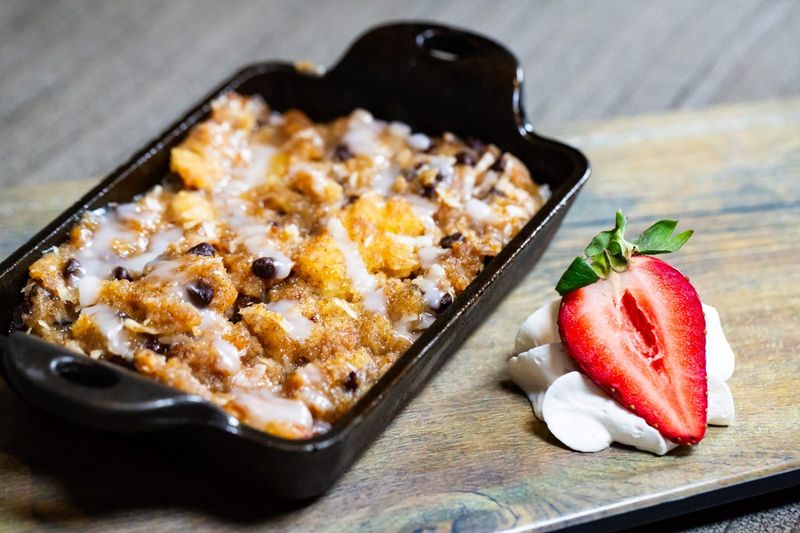
Nothing showcases frugal ingenuity like bread pudding – a clever way to transform stale bread into something delicious. Adding a few eggs, milk, and whatever sweetener was available saved bread from the bin.
Modern pastry chefs have elevated this humble dessert beyond recognition. Brioche bread pudding with Madagascar vanilla beans, soaked in bourbon caramel sauce and topped with gold leaf appears on dessert menus for £12 a serving.
11. Lentils
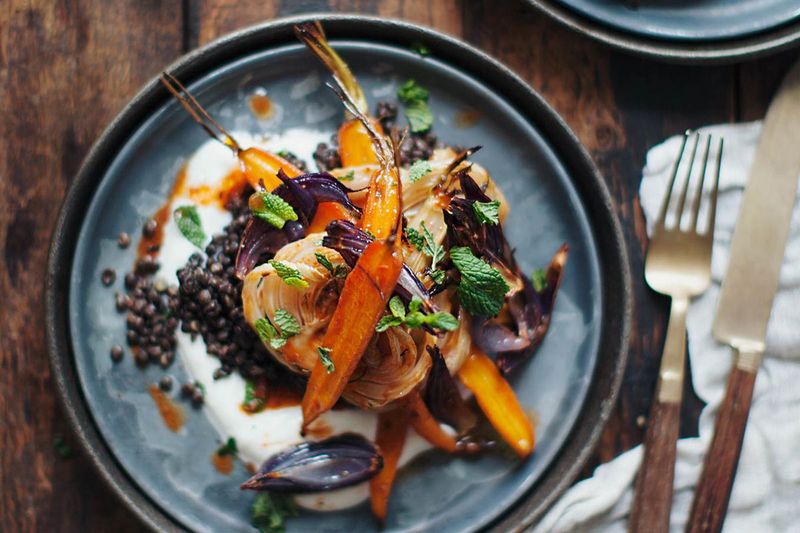
These protein-packed legumes have sustained the world's poorest populations for millennia. When meat was unaffordable, lentils provided crucial nutrition at a fraction of the cost.
Today, you'll find Puy lentils from France commanding premium prices at specialty shops. Chefs showcase them in warm salads with goat cheese and roasted vegetables or as the base for £25 main courses featuring seared duck breast or perfectly cooked fish.
12. Chicken Thighs
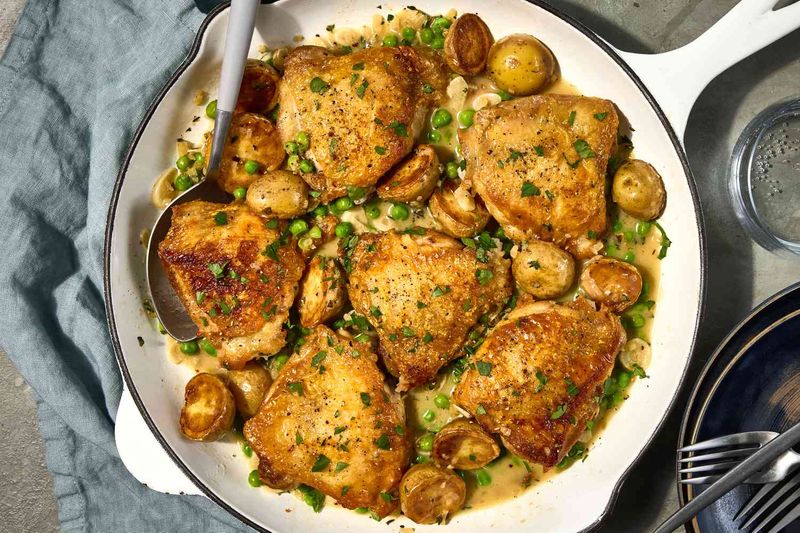
While the wealthy favoured pristine chicken breasts, thrifty households knew the secret – thighs had more flavour and cost half the price. Budget-conscious cooks embraced these juicy, forgiving cuts.
The culinary world finally caught up to what grandmothers always knew. Now, confited chicken thighs with crispy skin appear on fine dining menus. Chefs praise their superior flavour and moisture, charging premium prices for what was once considered the lesser cut.
13. Cabbage
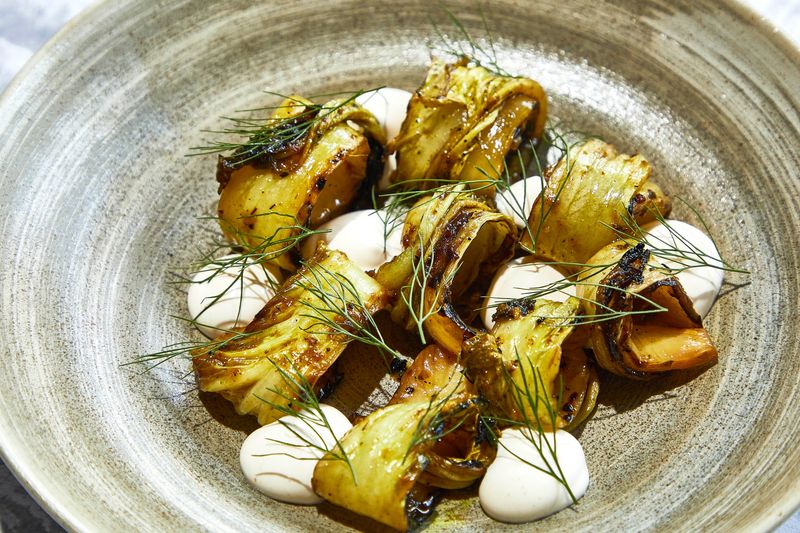
Few vegetables scream 'poverty food' like cabbage – cheap, filling, and with a long shelf life. For centuries, it sustained families through harsh winters when fresh produce was scarce.
Now, charred cabbage steaks with brown butter appear on trendy restaurant menus for £14. Korean-inspired kimchi has become a gourmet staple. Even simple roasted cabbage wedges drizzled with quality olive oil command respect from food critics who once would have turned up their noses.
14. Risotto
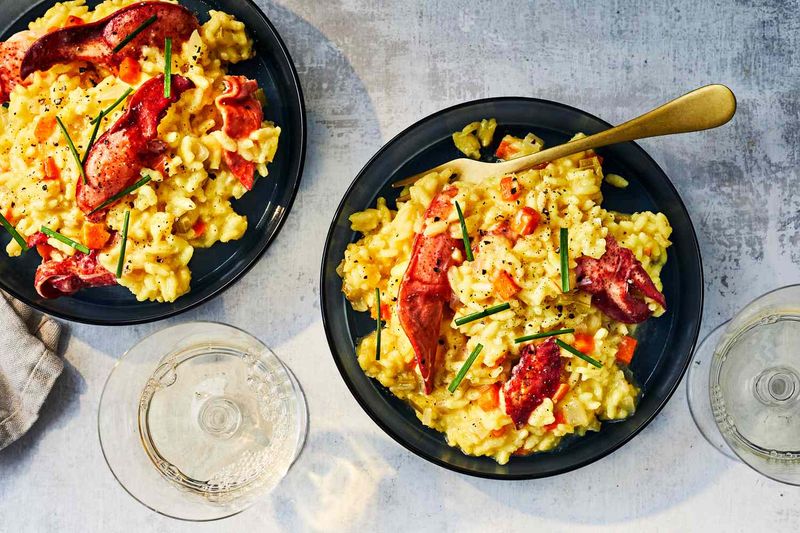
Northern Italian farmers created this dish to use the short-grain rice they grew in paddies. Adding a bit of broth and whatever vegetables were available made a filling meal during lean times.
The humble rice dish has transformed into a mark of culinary prowess. Chefs now showcase their technique through perfectly al dente grains suspended in creamy sauce. Additions like saffron, wild mushrooms, or seafood elevate the peasant staple to £28 main course status.



