











Sandwiches seem simple, but tiny tweaks can transform an ordinary sarnie into something spectacular. Whether you're packing lunches or preparing a quick meal, these clever sandwich tricks will revolutionise your bread-based creations.
From preventing soggy bottoms to creating restaurant-quality results at home, these hacks will upgrade your sandwich game forever.
1. Toast Bread For Structure

Lightly toasting your bread creates a sturdy foundation that stands up to moisture. The golden surface forms a protective barrier against wet fillings like tomatoes or saucy meats.
Even a gentle toast makes all the difference, especially for packed lunches that might sit for hours before eating. Your sandwich stays intact rather than turning into a soggy mess by lunchtime.
2. Flip The Bread Inside-Out
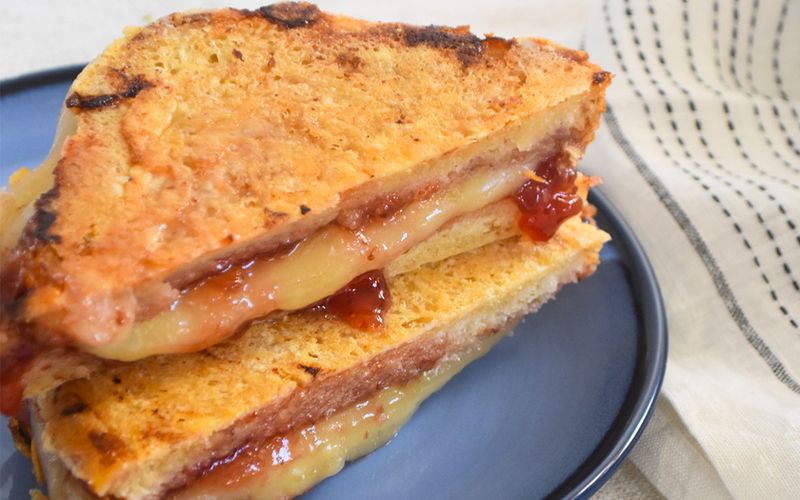
Ordinary bread becomes extraordinary when you turn it inside-out before grilling. The soft interior surfaces crisp up beautifully in a buttered pan, creating a golden exterior that's impossibly crunchy.
This reversal trick works brilliantly with sourdough and artisanal loaves. The dense crumb pattern that normally faces inward creates a textural delight when exposed to direct heat.
3. Double Condiment Strategy
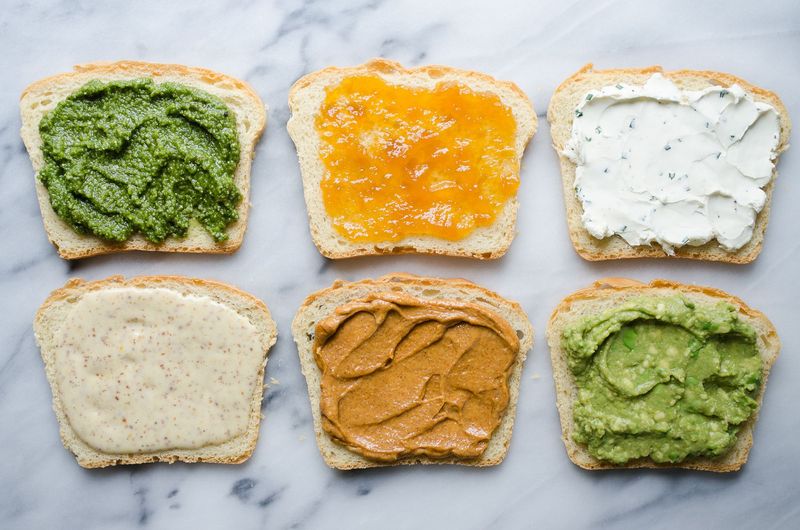
Apply different condiments to each bread slice for flavour complexity that single-spread sandwiches can't match. Tangy mustard on one side balances perfectly with creamy mayo on the other.
This technique prevents flavour muddling and creates distinct taste zones. Try horseradish and hummus, pesto and butter, or mango chutney and cream cheese for unexpectedly delicious combinations that elevate ordinary fillings.
4. Leafy Green Shield
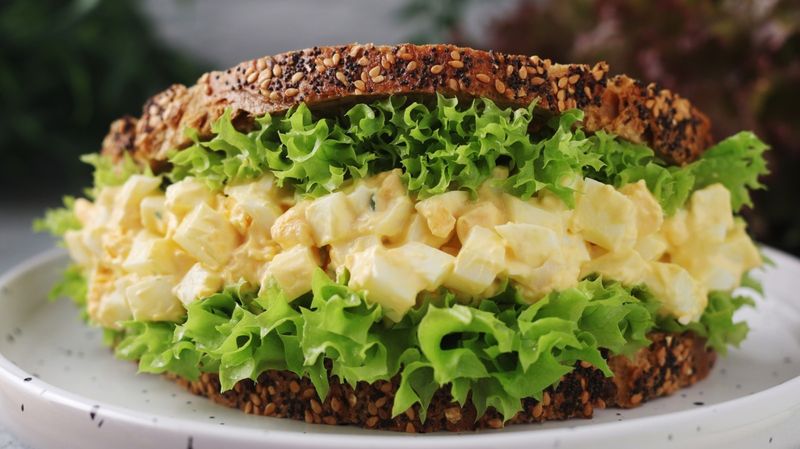
Create a moisture barrier by strategically placing large lettuce or spinach leaves directly against your bread. These greens act as natural waterproofing against juicy tomatoes, pickles, and saucy fillings.
For maximum protection, pat the leaves dry with kitchen paper first. This simple rearrangement keeps your bread fresh and prevents the dreaded mid-sandwich sogginess that ruins texture and enjoyment.
5. Press For Success
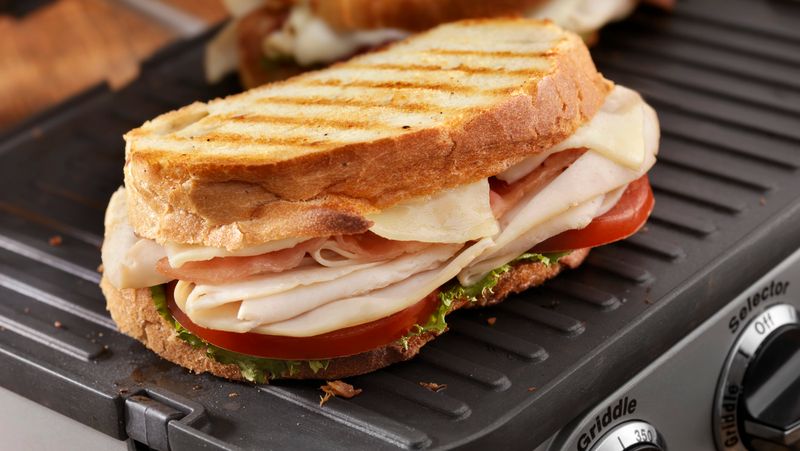
Sandwich presses transform everyday sandwiches into cafe-quality delights. The even pressure melts cheese perfectly while creating irresistibly crispy edges that ordinary preparation methods can't achieve.
No dedicated press? A heavy cast-iron pan works brilliantly as an improvised weight. The gentle compression also melds flavours together more effectively, creating a cohesive eating experience rather than separate ingredients between bread.
6. Mix-In Method For Proteins
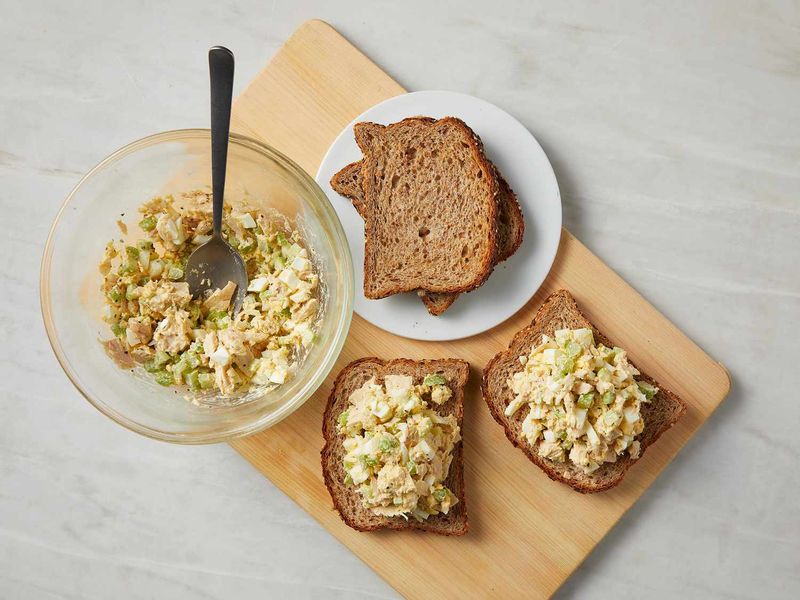
Rather than dolloping mayo atop tuna or egg, blend it directly into your protein filling. This integration creates silky texture throughout and ensures consistent flavour in every bite.
The mixing technique also allows you to use less mayonnaise while maintaining creaminess. Try adding a splash of lemon juice or pinch of herbs during mixing for brightness that cuts through richness without adding extra moisture.
7. Unexpected Crunch Elements

Textural contrast makes sandwiches memorable. Crushed crisps add salty crackle, while thinly sliced apples provide juicy snap alongside cheese or chicken.
Red cabbage delivers magnificent crunch without the moisture that lettuce often brings. Toasted nuts and seeds work brilliantly too, adding nutritional value alongside their satisfying texture – try walnuts with cream cheese or pumpkin seeds with avocado.
8. Strategic Protein Layering
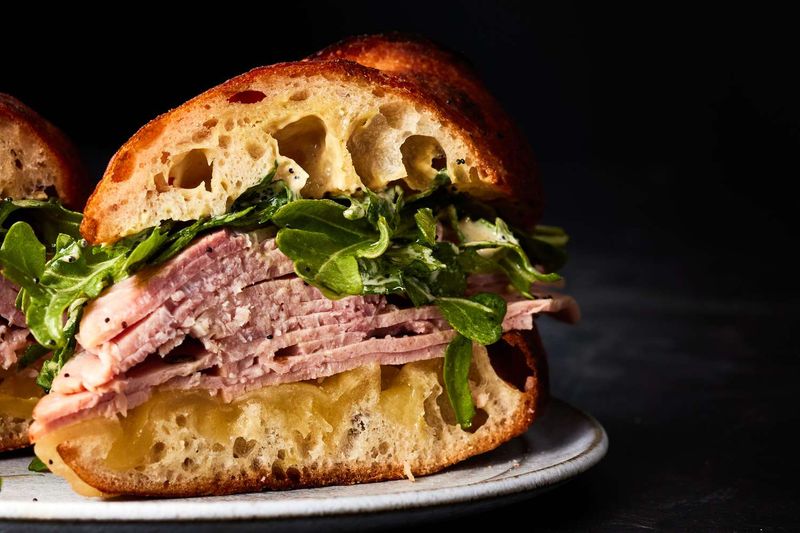
Sandwich architecture matters! Place firmer meats like ham or roast beef near the bread for structural support. Softer proteins like egg salad or tuna work best in the middle where they're protected.
This thoughtful arrangement prevents filling collapse and squeezing out. For multiple meats, alternate thin and thick slices for textural interest, creating a more satisfying bite than simply stacking identical layers.
9. Acid Brightening Technique
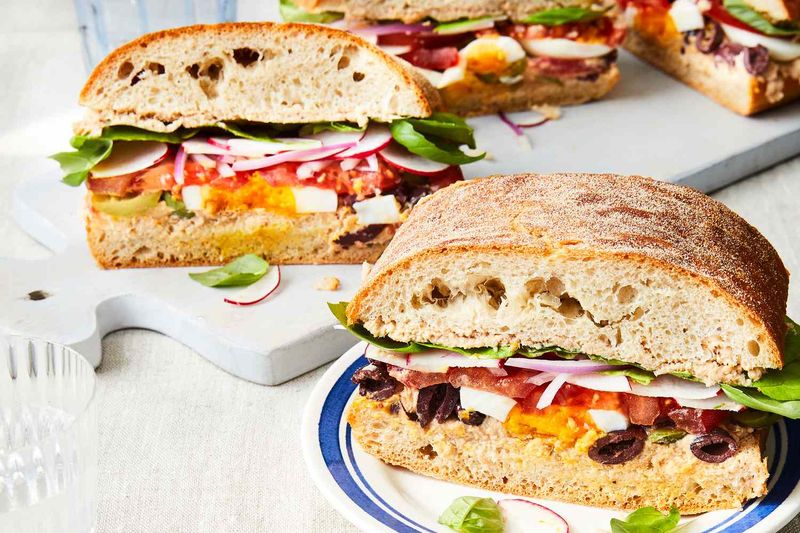
Rich sandwich fillings need acid to prevent flavour fatigue. Pickled onions, capers, or a splash of vinegar cuts through fatty meats and cheeses, refreshing your palate between bites.
Even a light sprinkle of lemon zest works wonders on tuna or chicken. This brightness balances heavier elements without adding sogginess, keeping each mouthful interesting rather than becoming overwhelmingly rich or one-dimensional.
10. Centre-Loading Soft Cheeses

Soft cheeses like brie or cream cheese belong in your sandwich's middle section. This central positioning prevents them from oozing out the sides when you take a bite.
Surround these creamy treasures with firmer ingredients that act as gentle barriers. The heat from warm proteins will slightly melt the cheese, creating a luscious middle layer that binds other ingredients together without escaping the sandwich's confines.
11. Diagonal Cutting Magic

The humble diagonal cut creates triangular sandwich halves with pointed tips that are easier to bite into than rectangular shapes. This geometry distributes filling pressure more evenly, reducing squeeze-out during eating.
The longer edge exposure also enhances aroma release, improving flavour perception. For multi-layered club sandwiches, diagonal cutting is practically essential for maintaining structural integrity from first bite to last.
12. Rest Period Perfection
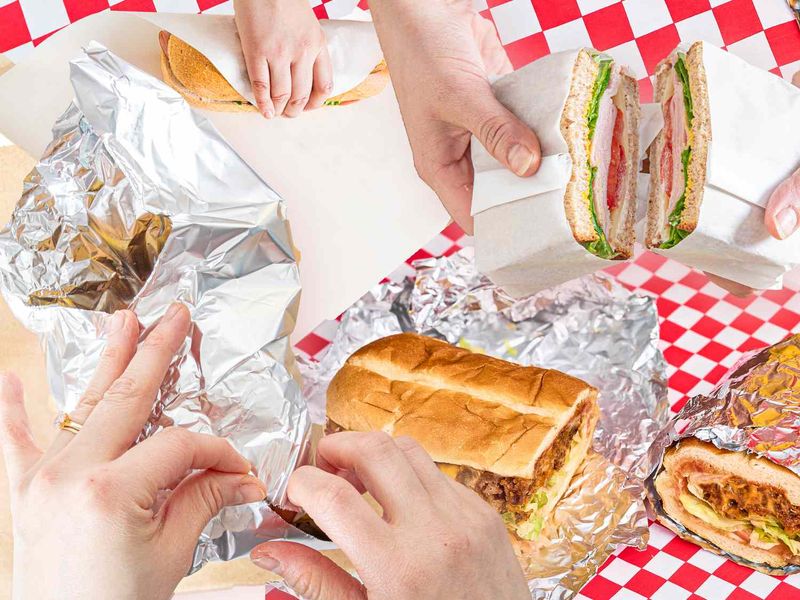
Allow your freshly made sandwich to rest for 60 seconds wrapped in parchment paper before serving. This brief pause lets ingredients settle and flavours meld together beautifully.
The slight compression helps everything bond without squashing. For toasted sandwiches, this rest prevents burning your mouth on molten cheese while still enjoying it warm. Your patience will be rewarded with a more cohesive eating experience.
13. Microwave Revival Secret
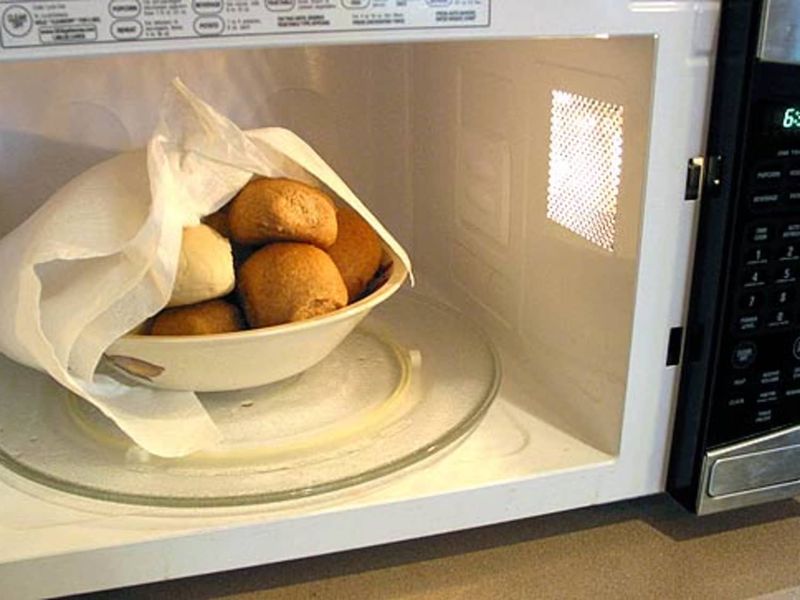
Rescue day-old sandwiches with the damp paper towel technique. Lightly moistened kitchen paper wrapped around your sandwich creates gentle steam during microwaving.
This moisture prevents bread from becoming tough and rubbery. Just 15-20 seconds is usually sufficient for revitalisation without sogginess. The method works especially well for cheese or meat sandwiches that have dried out in the fridge overnight.
14. Butter-Outside Grilling Technique
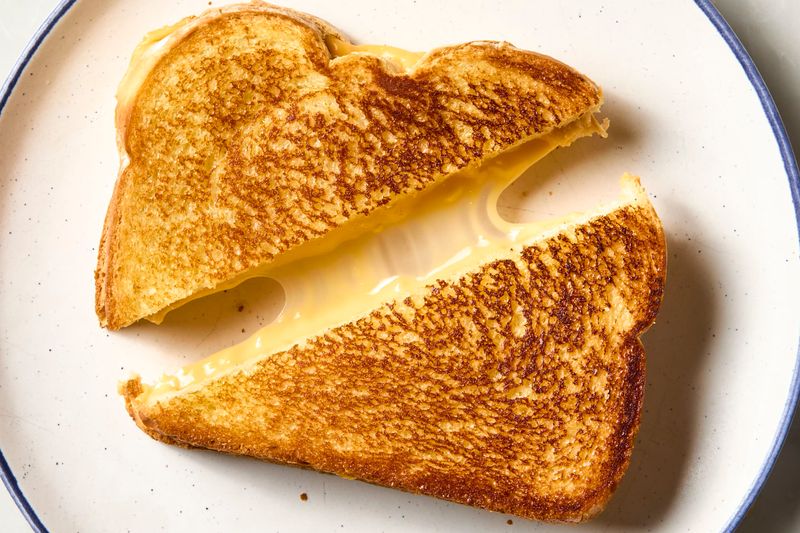
Soft, room-temperature butter spread thinly on the exterior creates sandwich magic when it hits a hot pan. Unlike oil, butter contains milk solids that caramelise beautifully, developing complex flavour and perfect golden colour.
The key is patience – medium-low heat allows for even browning without burning. This technique transforms ordinary bread into a crispy, richly flavoured vessel that elevates every filling it contains.
15. Breathable Wrapping Method
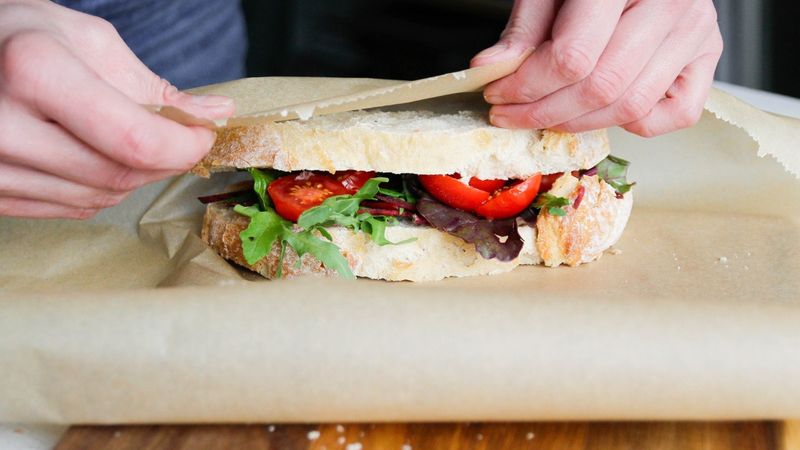
Plastic wrap suffocates sandwiches, trapping moisture that makes bread soggy. Parchment paper or aluminium foil allows subtle air circulation while still protecting your creation.
For packed lunches, this breathable wrapping maintains textural integrity for hours. The paper also serves as an impromptu place mat when unwrapped. Beeswax wraps offer an eco-friendly alternative that works brilliantly for this purpose.