











Did you know the average family wastes nearly £730 worth of food each year? That's perfectly good grub going straight in the bin! With grocery prices climbing and environmental concerns growing, cutting food waste isn't just smart - it's essential.
These clever kitchen hacks will help you stretch your food budget and reduce what ends up in landfills.
1. Freeze Herbs In Oil Or Butter
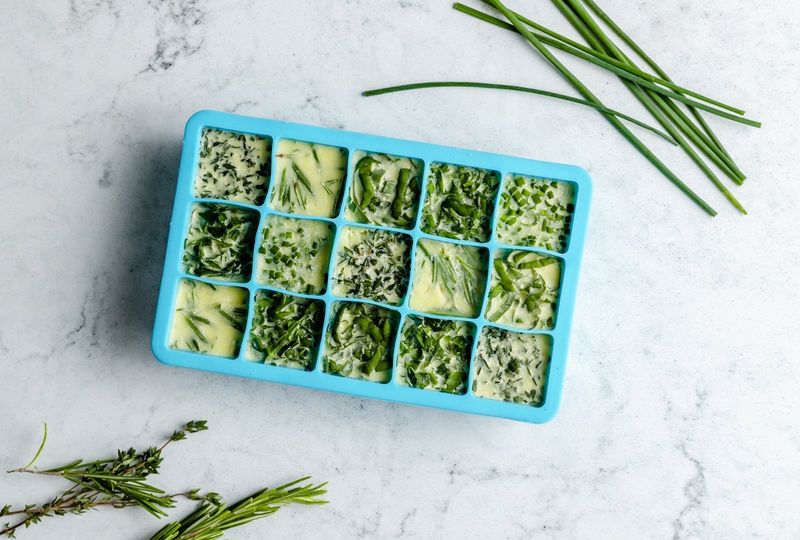
Fresh herbs often wilt before we use them fully. The solution? Chop them finely and pack ice cube trays with the herbs, then cover with olive oil or melted butter.
Once frozen, transfer to labelled freezer bags. Pop these flavour bombs directly into hot pans when cooking for instant herby goodness. They'll keep for months, saving both money and trips to the shop.
2. Revive Wilted Veg In Ice Water
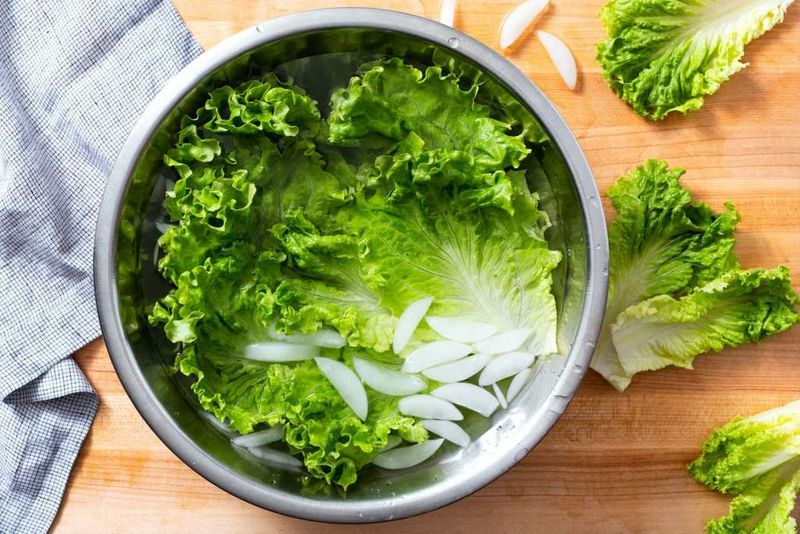
Found sad-looking lettuce or limp celery in your fridge? Don't bin it yet! Fill a bowl with ice-cold water and submerge your tired vegetables for 15-30 minutes.
The plant cells absorb water and regain their structure, making your produce crisp again. This simple trick works brilliantly for leafy greens, carrots, and even broccoli that's gone a bit soft.
3. Label & Date Your Leftovers
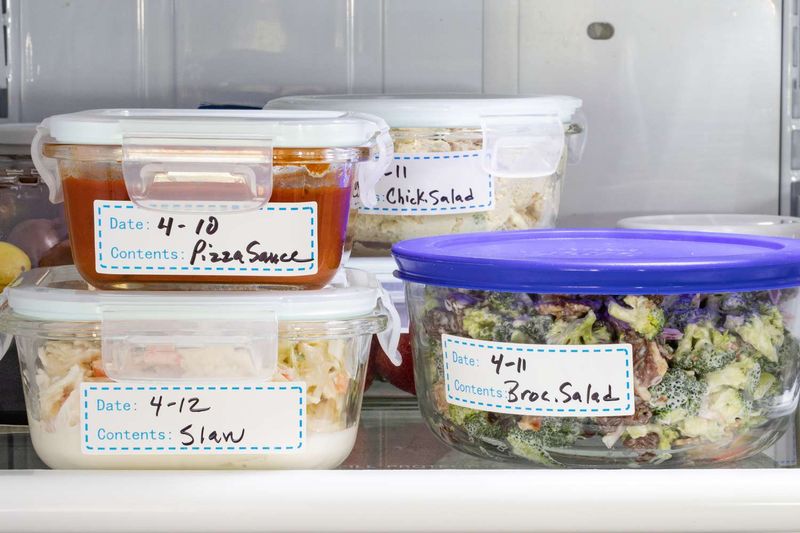
Mystery containers lurking at the back of your fridge? Grab some masking tape and a marker—your new food-saving best friends.
Write what's inside and when it was made before storing. This simple habit prevents the "what's this?" guessing game that often ends with food in the bin. For bonus points, keep a whiteboard list of what needs eating soon.
4. Store Mushrooms In Paper Bags
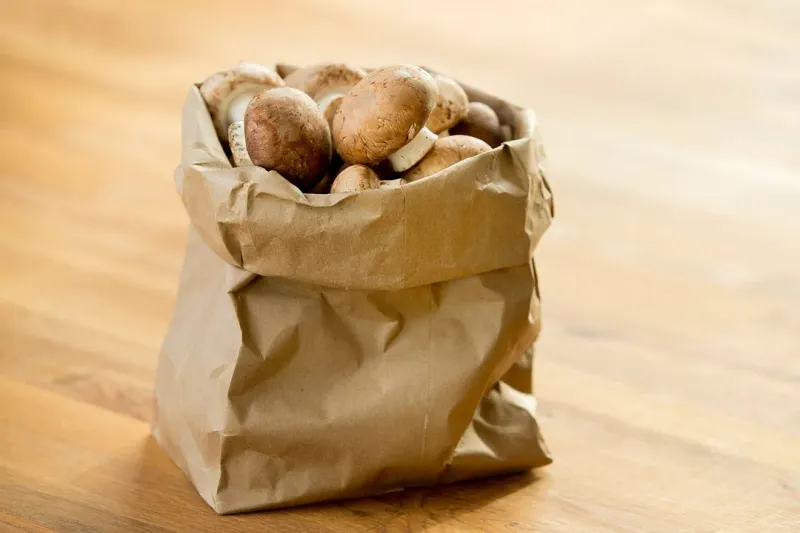
Mushrooms turn slimy quickly in plastic packaging because they release moisture with nowhere to go. Paper bags are the perfect alternative - they absorb excess dampness while allowing mushrooms to breathe.
Simply transfer shop-bought mushrooms to a paper bag before refrigerating. They'll stay fresh nearly twice as long! Remember to leave them unwashed until just before cooking.
5. Use The Freezer For More Than You Think
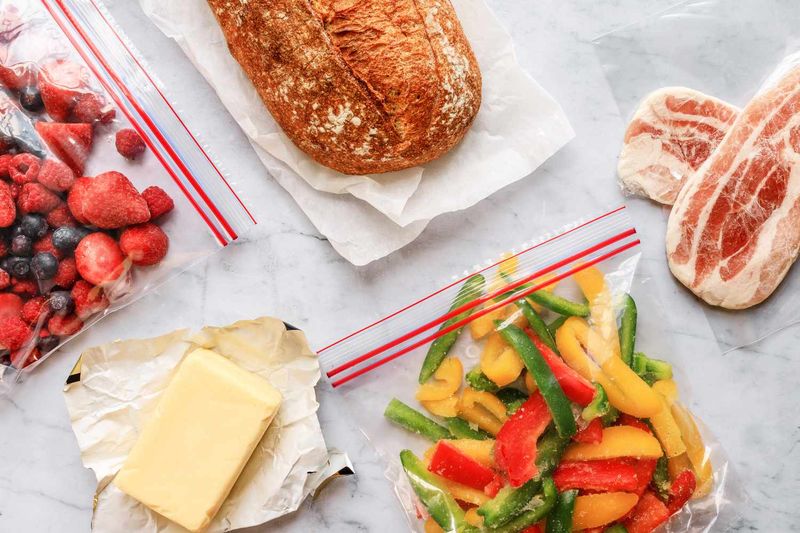
Your freezer isn't just for ice cream and frozen peas! Hard cheese grated straight from frozen works perfectly in cooking. Sliced bread can be toasted without defrosting.
Even milk can be frozen (leave room for expansion in the container). Cooked rice freezes brilliantly in portion-sized bags. The freezer essentially pauses food time, giving you weeks or months to use items.
6. Transform Vegetable Scraps Into Homemade Stock
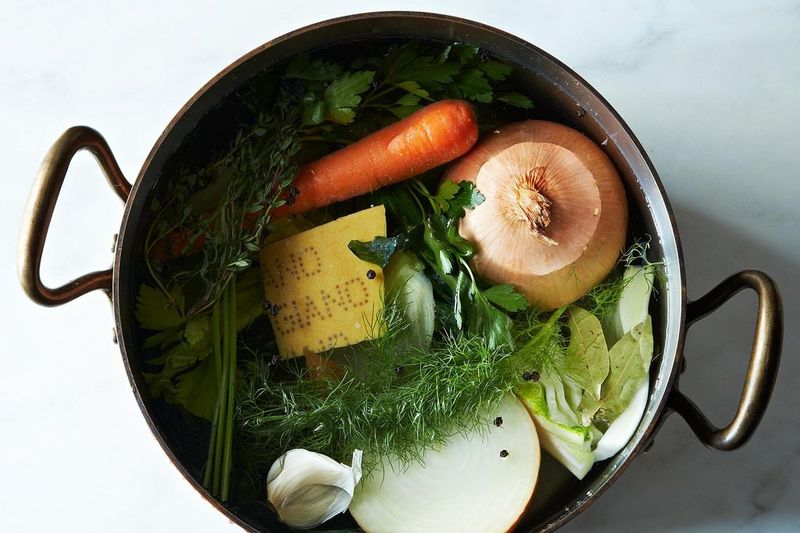
Those carrot tops, onion skins, and celery ends you normally bin? They're liquid gold waiting to happen! Keep a container in your freezer and add clean vegetable trimmings as you cook.
When it's full, simmer the scraps with water and herbs for an hour. Strain, and you've got gorgeous homemade stock for soups and risottos. Free flavour from what would've been waste!
7. Grate The Ends Of Hard Cheese
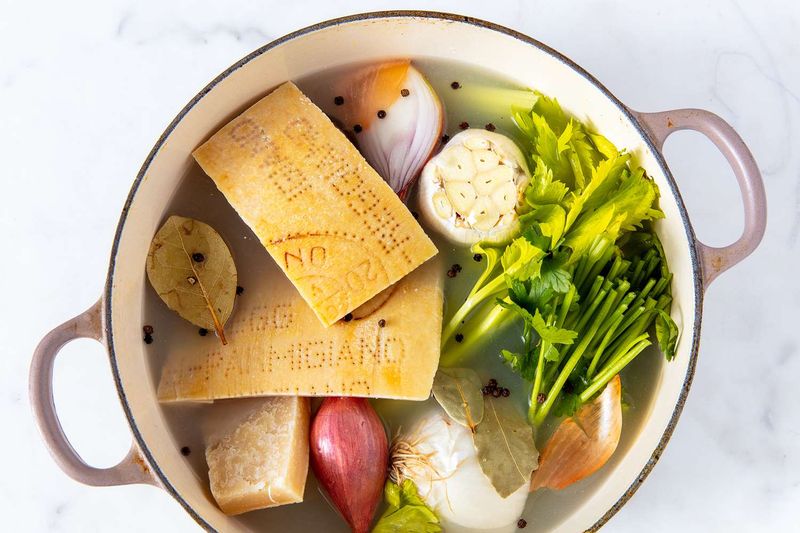
Those tough Parmesan or cheddar rinds seem useless, but they're packed with concentrated flavour. Grate them finely and sprinkle into pasta sauces, soups, or risottos for an umami boost.
Parmesan rinds can even be simmered whole in soups then removed before serving. One chef's secret: keep a cheese rind collection in the freezer to enhance countless meals.
8. Blitz Overripe Fruit Into Smoothies
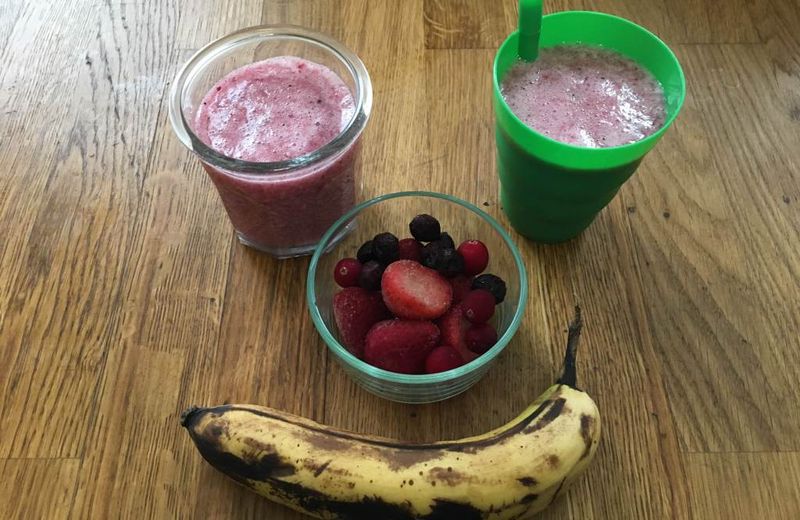
Spotted bananas and mushy berries may look past their prime, but they're actually perfect smoothie ingredients! The riper the fruit, the sweeter and more flavourful your drink will be.
Freeze overripe fruit in chunks for ready-to-blend smoothie packs. Simply toss them in the blender with yoghurt or milk when needed. Brown bananas are particularly brilliant—naturally sweeter with no added sugar required.
9. Cook Once, Eat Twice
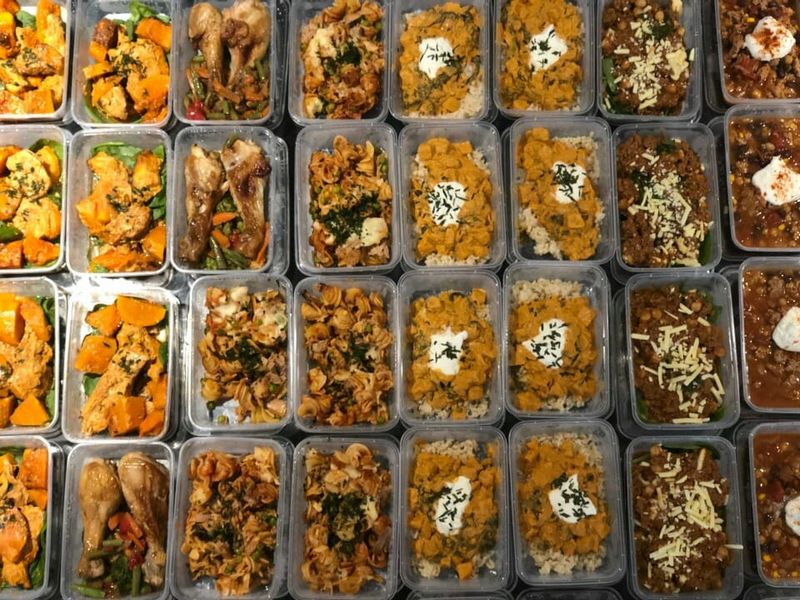
Batch cooking isn't just convenient—it's a brilliant money-saver. Next time you make lasagne, curry, or soup, double the recipe deliberately.
Portion the extras into containers, label clearly, and freeze. You'll use energy more efficiently by cooking larger amounts at once. Plus, you'll have homemade ready meals for busy days when takeaway temptation strikes!
10. Use The Whole Vegetable

Broccoli stalks make brilliant slaw when grated raw. Carrot tops blend into zingy pesto. Beet greens sauté beautifully like spinach.
Many veggie parts we typically discard are not just edible—they're delicious and nutritious! According to research from the University of California, vegetable tops often contain more vitamins than the parts we traditionally eat. Challenge yourself to find creative uses for every bit.
11. Turn Stale Bread Into Croutons Or Breadcrumbs
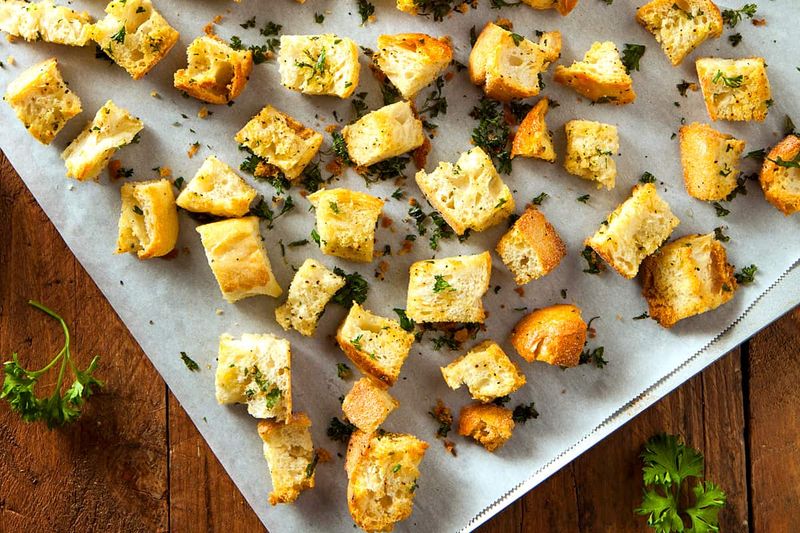
Bread past its prime needn't feed the birds! Cube it, toss with olive oil and herbs, then bake until golden for homemade croutons that outshine any shop-bought version.
Alternatively, blitz dry bread in a food processor for breadcrumbs that freeze brilliantly. Use them to top gratins, coat fish fingers, or bind meatballs. Stale bread actually works better than fresh for these purposes!
12. Make Frittatas From Leftover Veg

Monday's roast vegetables, Tuesday's steamed greens, and that lonely chunk of cheese can become Wednesday's spectacular meal! Whisk eggs with a splash of milk, fold in your leftovers, and bake.
Frittatas welcome almost any combination of ingredients. They're brilliant hot for dinner or cold for packed lunches. The egg binds everything together, creating a brand new dish from bits and bobs.
13. Blend Leftover Cooked Veg Into Soup

Yesterday's roasted carrots and parsnips? Last night's boiled potatoes? With a blender, they're tomorrow's lunch! Add stock, herbs, and perhaps a splash of cream to transform forgotten side dishes into velvety soup.
No recipe needed—just blend cooked vegetables with enough liquid for your preferred thickness. Warming, thrifty and infinitely adaptable, this approach turns potential waste into comfort food magic.
14. Use Yogurt Instead Of Cream

Cream sitting in your fridge about to expire? Plain yogurt makes a brilliant substitute in most recipes! It works wonderfully in creamy pasta sauces, curries, and baked goods.
For cooking, Greek yogurt stands up particularly well to heat. The tangy flavor often adds complexity that cream doesn't provide. As a bonus, you'll cut calories and add protein to your meals.
15. Plan Meals Around What You Already Have
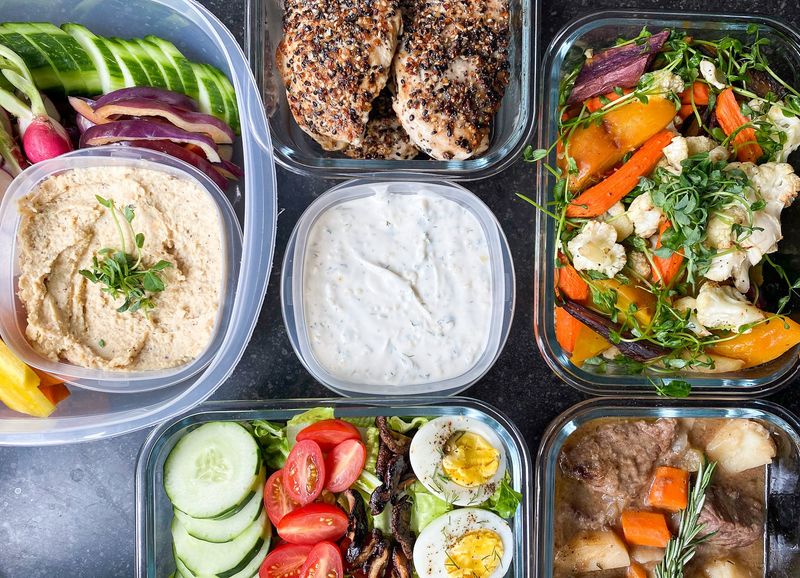
Before writing your shopping list, take inventory! Check what's lurking in the vegetable drawer and what needs using soon. Build your week's meals around these ingredients first.
A quick fridge audit might reveal half an onion, some wilting herbs, and leftover chicken—the makings of a fantastic risotto. This approach cuts waste dramatically and often sparks creative cooking you wouldn't otherwise try.
16. Use A Shopping List To Stay Focused
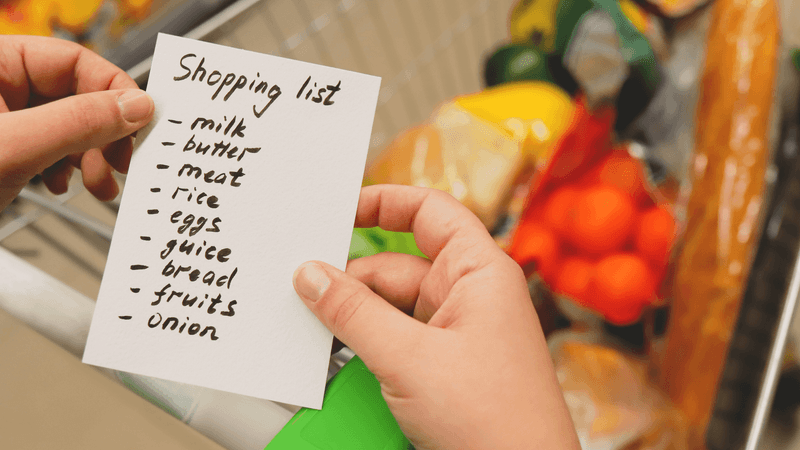
Impulse purchases often lead to food waste. The solution? Never shop without a list! Take inventory of what you need, plan your meals, and stick to your list in the shop.
Many households find digital lists work brilliantly—apps let family members add items as needed. Research from the University of Pennsylvania shows shoppers who use lists consistently waste 20% less food than those who shop spontaneously.
17. Shop Seasonal & Local

Strawberries in December often disappoint in flavour and shelf life. Seasonal, local produce isn't just tastier—it lasts longer because it hasn't traveled thousands of miles.
Visit farmers' markets or look for 'locally grown' labels. Seasonal produce is typically cheaper too! A simple seasonal food calendar on your fridge can help guide shopping choices throughout the year.
18. Don't Ignore 'Ugly' Produce
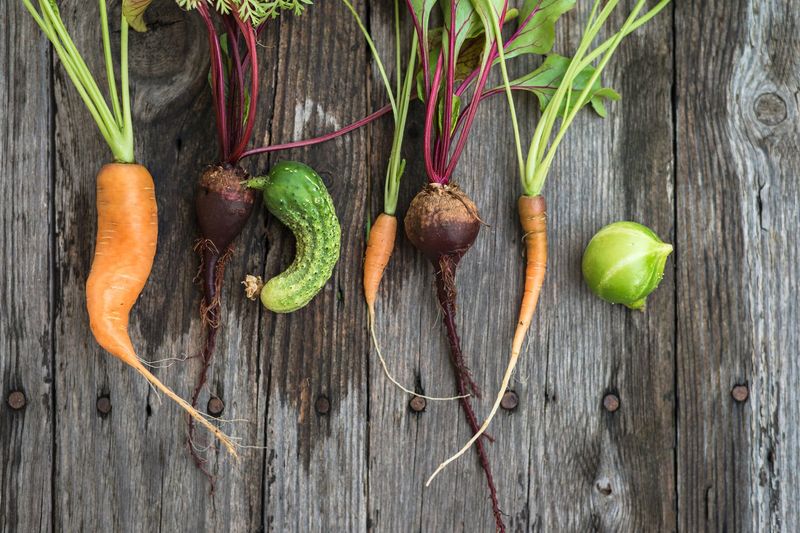
That wonky carrot or lumpy apple works just as well in cooking! Many supermarkets now sell 'imperfect' produce at reduced prices, saving perfectly good food from waste.
Misshapen vegetables are ideal for soups, stews, and smoothies where appearance doesn't matter. According to food waste charity WRAP, embracing 'ugly' produce could prevent millions of tonnes of food waste annually.
19. Try A 'Use-It-Up' Meal Once A Week
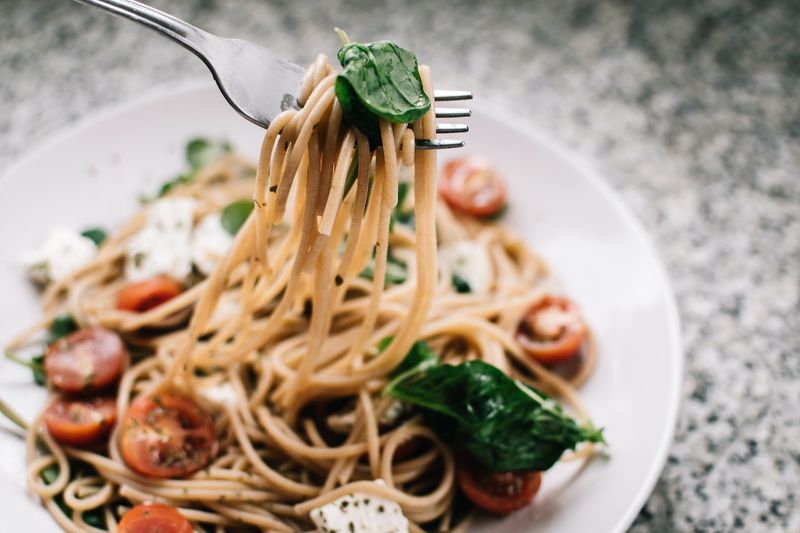
Make Thursday night 'Fridge Forage' night! Challenge yourself to create a meal using only what you already have. No shopping allowed.
These meals often become family favourites and develop your creative cooking skills. Stir-fries, frittatas, and pasta dishes are particularly forgiving formats for random ingredient combinations. You'll be amazed at what delicious meals emerge from this waste-busting habit.
20. Compost What You Can't Eat
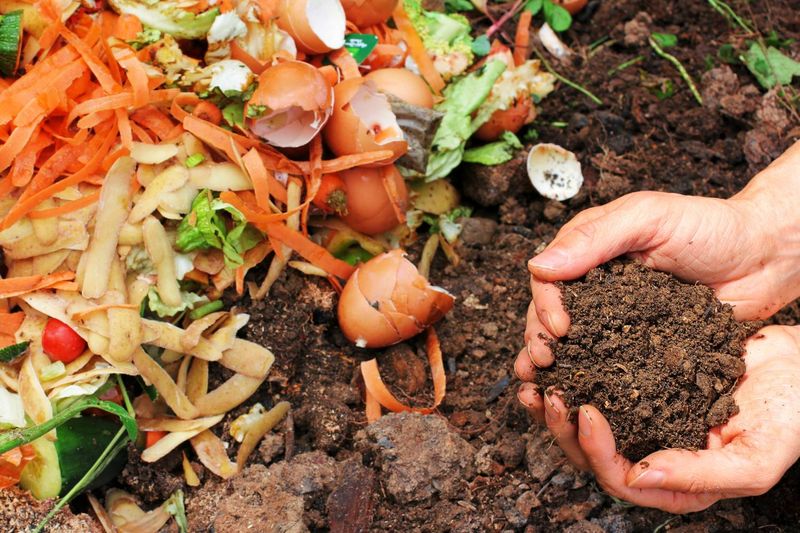
Even with the best intentions, some food scraps are inevitable. Eggshells, coffee grounds, and vegetable peelings make brilliant compost instead of methane-producing landfill waste.
No garden? Many councils offer food waste collection, or consider a small worm bin for flats. Research from the Composting Association shows home composting can divert up to 150kg of food waste per household annually from landfills.