













Ever wandered around a buffet wondering what's safe to pile on your plate? Buffets can be a minefield of food safety concerns, with some dishes sitting out for hours at temperatures perfect for bacterial growth.
Making smart choices isn't just about getting your money's worth - it's about protecting your health and ensuring your dining experience doesn't end with a stomach upset.
1. Cream-Based Salads Are Bacterial Playgrounds
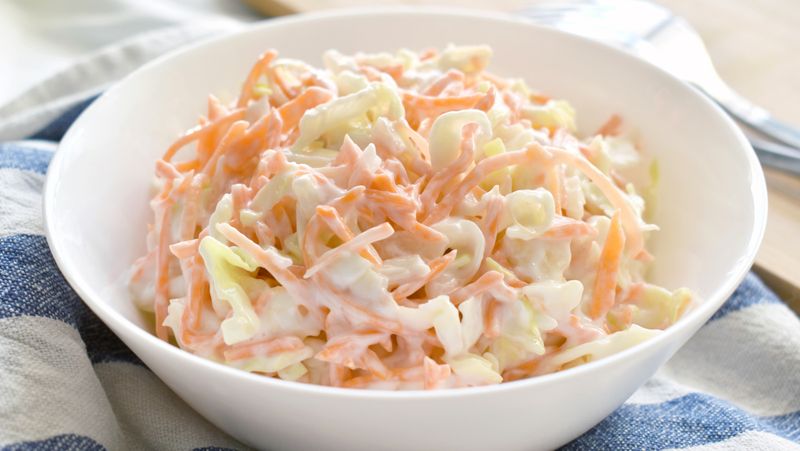
Mayonnaise-laden coleslaw and potato salad quickly become danger zones when left at room temperature. Bacteria multiply rapidly in these creamy environments, doubling every 20 minutes in the wrong conditions.
The dairy components break down, creating perfect breeding grounds for nasty microbes that can leave you feeling dreadful hours later.
2. Raw Fish Sushi
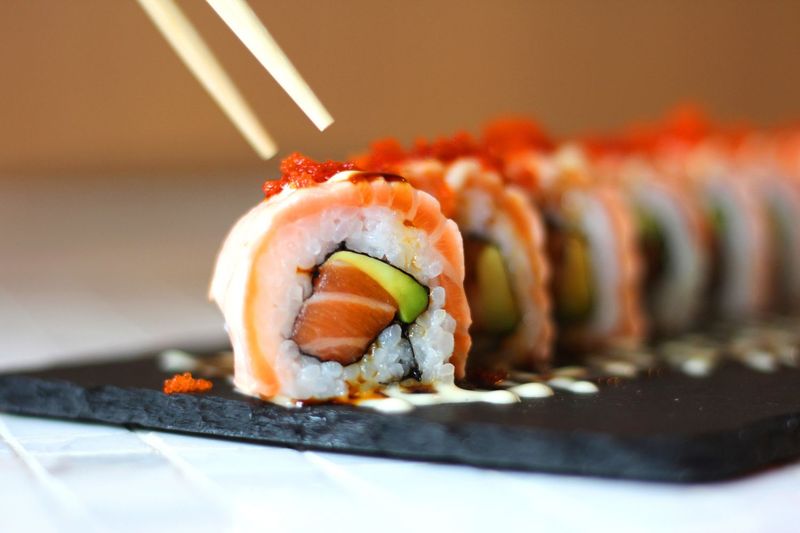
Those colourful sushi rolls might look tempting, but they require strict temperature control that buffets often struggle to maintain. Once raw fish hits the danger zone between 4-60°C, harmful bacteria flourish.
Professional sushi chefs meticulously handle these delicate morsels - buffet settings rarely offer this level of care and precision.
3. Melting Ice Cream
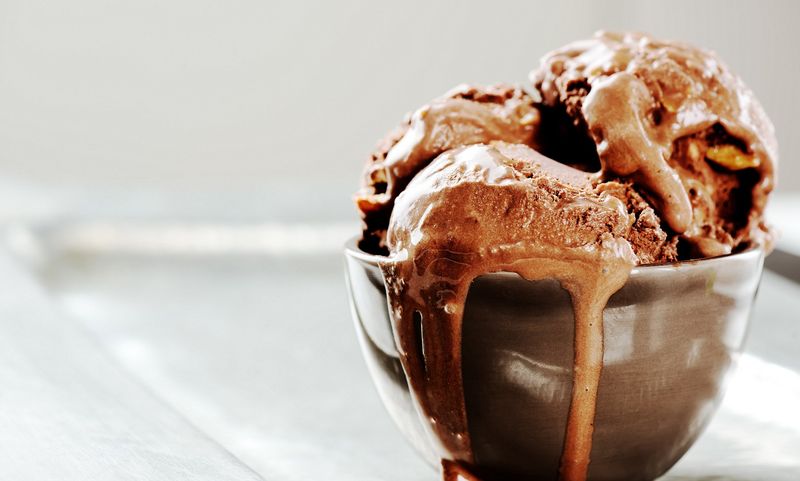
That soft-serve machine might be churning out more than just dessert. Refreezing partially melted ice cream creates ideal conditions for bacteria growth, particularly listeria which thrives in cold environments.
The constant temperature fluctuations in self-serve stations compromise both safety and texture, turning a sweet treat into a potential health risk.
4. Soggy Fried Foods
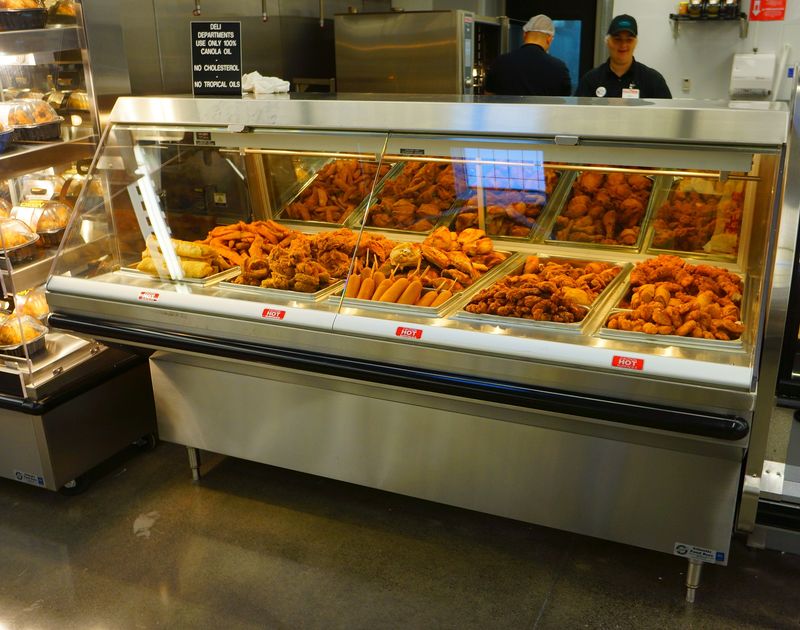
Once crispy spring rolls and golden chicken pieces quickly transform into oil-soaked disappointments under heat lamps. The moisture trapped between the food and warming trays creates steam that destroys that delightful crunch.
Beyond the texture issues, these items often sit at temperatures perfect for bacterial multiplication—neither hot enough to kill germs nor cold enough to inhibit growth.
5. Egg-Based Dishes
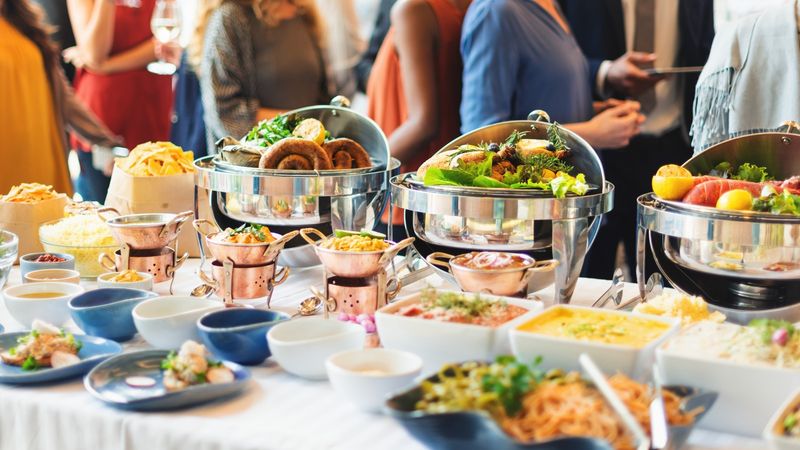
Devilled eggs and quiches might look harmless, but they're particularly vulnerable to salmonella contamination when not properly refrigerated. The proteins in eggs provide excellent fuel for bacterial growth at room temperature.
Most buffets can't guarantee these items stay below 4°C, the safe temperature threshold that prevents dangerous microbes from multiplying to illness-causing levels.
6. Communal Dips
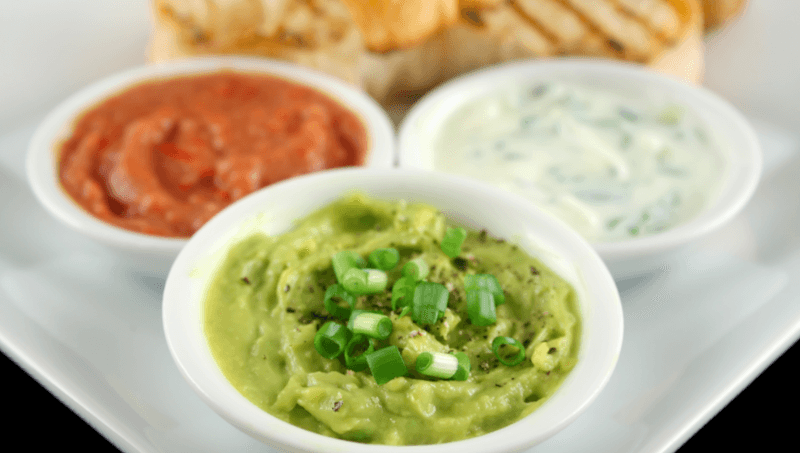
That creamy spinach dip might have more contributions than just the chef's ingredients. Double-dipping introduces oral bacteria from multiple diners, turning these shared condiments into microbial soup.
Dairy-based dips warm up quickly in buffet settings, creating perfect conditions for bacterial growth. The longer they sit out, the riskier they become.
7. Seafood Platters
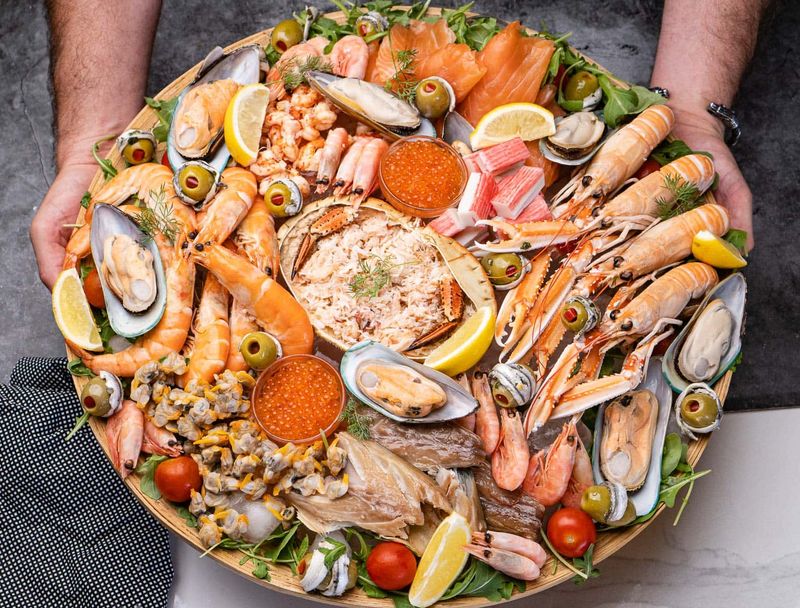
Those impressive displays of prawns and oysters deteriorate alarmingly fast at room temperature. Shellfish contain compounds that break down quickly, creating both off-flavours and dangerous bacterial toxins.
Even on ice, these delicacies have a limited safe window—typically just two hours—before they become serious food poisoning risks. Many buffets exceed this timeframe between refills.
8. Repeatedly Reheated Foods
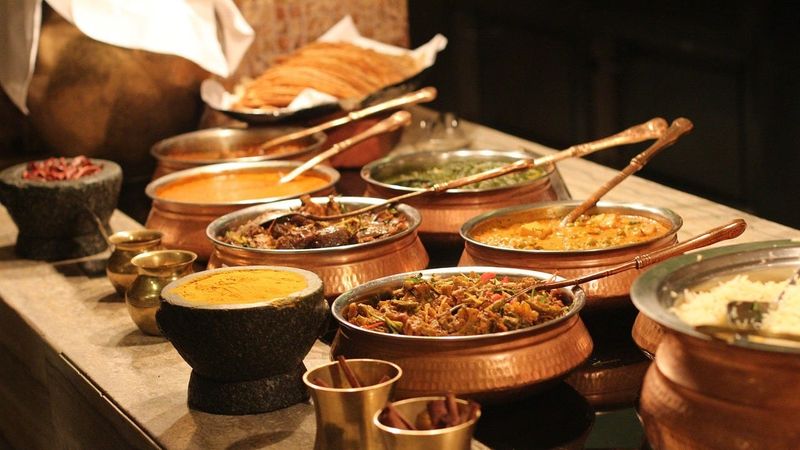
Chafing dishes create the perfect lukewarm environment where bacteria thrive but aren't killed. Foods cycled between the kitchen and buffet line undergo multiple temperature changes, each presenting new contamination opportunities.
Proteins break down with repeated heating, becoming dry and unpalatable while potentially harbouring harmful pathogens that survived the inconsistent temperature treatment.
9. Processed Meats Become Bacterial Breeding Grounds
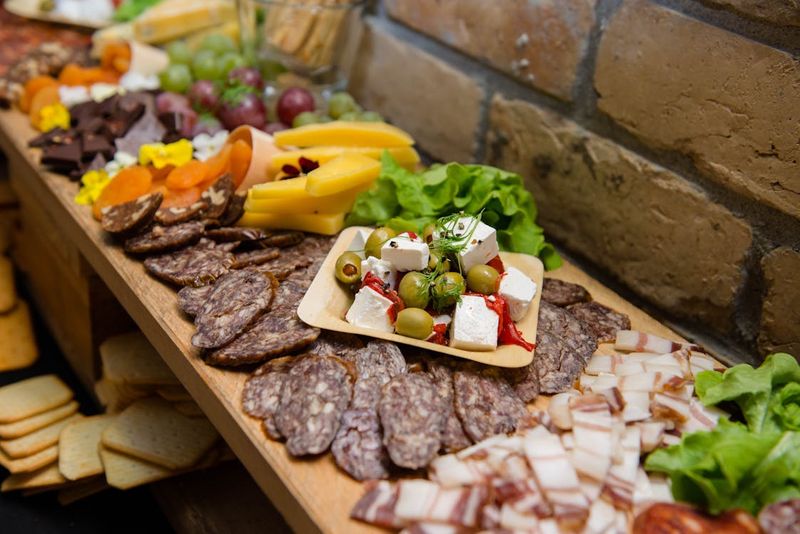
Those neatly arranged ham and salami slices have enormous surface area exposed to airborne bacteria. The nitrates that preserve these meats begin breaking down under buffet lights, compromising their safety barriers.
Their high moisture and salt content makes them particularly vulnerable to listeria growth—a bacteria that thrives even in refrigerated conditions and can cause serious illness.
10. Lukewarm Soups
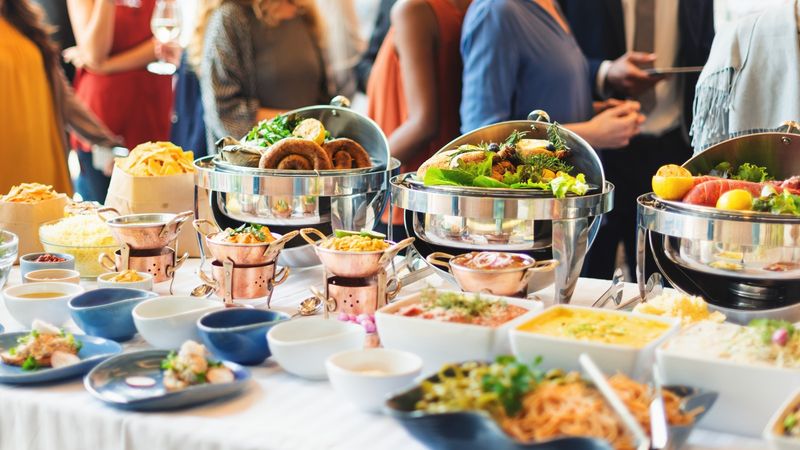
Buffet soups often hover around 50°C—warm enough to feel hot to touch but not hot enough to kill bacteria. This temperature sweet spot allows microbes to multiply rapidly while giving diners a false sense of security.
Thick soups like chowders retain heat unevenly, creating pockets where harmful bacteria can flourish even when the surface feels adequately warm.
11. Raw Toppings Hide Contamination Risks
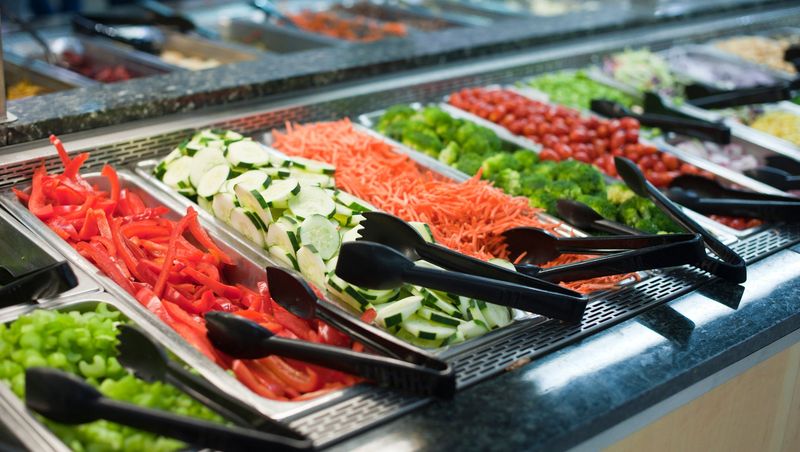
Those bright, crunchy garnishes atop buffet dishes often miss proper washing protocols in busy kitchens. Raw sprouts, onions, and leafy herbs can harbour E. coli and salmonella from their growing environments.
Cross-contamination occurs easily when the same tongs touch both raw and cooked ingredients. These seemingly innocent additions can introduce serious pathogens to otherwise safe dishes.
12. Pasta Salads
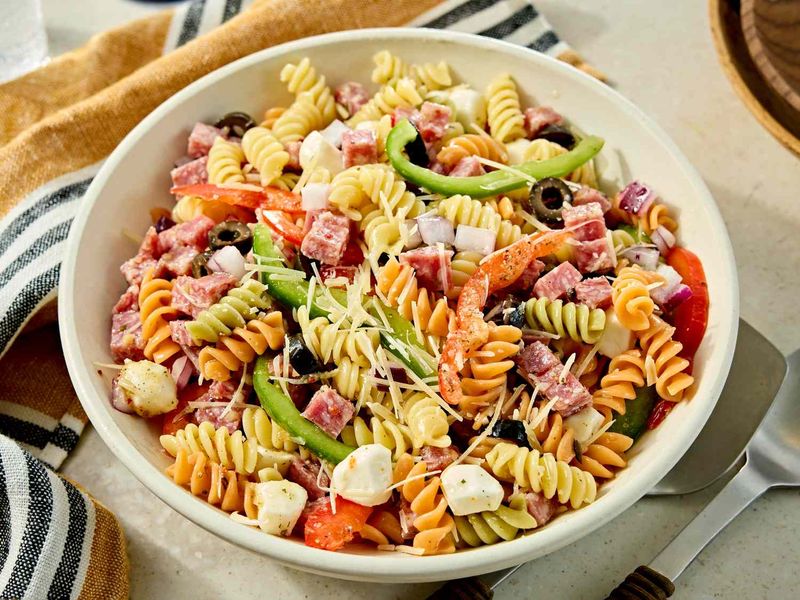
Creamy pasta salads provide perfect environments for bacterial growth—moist, room temperature, and full of proteins and starches. The mayonnaise breaks down after just 1-2 hours at room temperature, becoming both unsafe and unappetizing.
Multiple hands reaching for serving utensils introduce additional contamination risks to these already vulnerable dishes.
13. Freshly Grilled Meats - Always
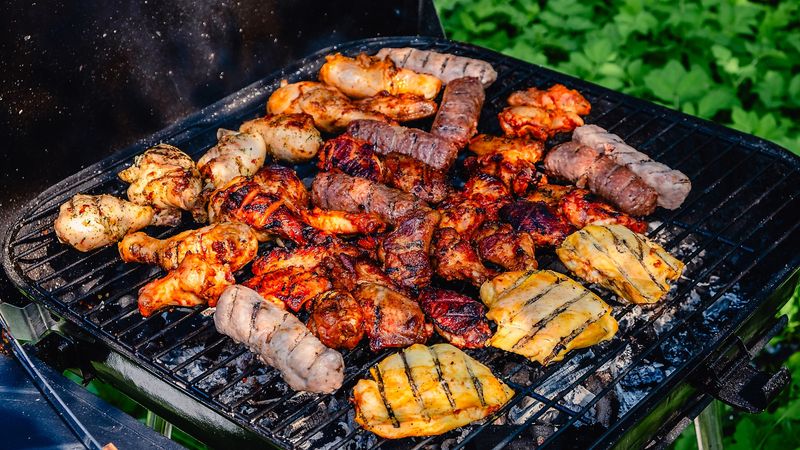
The sizzling sound from exhibition cooking stations isn't just for show - it signals food safety in action. High-temperature grilling kills surface bacteria instantly, while chefs ensure proper internal temperatures are reached.
Look for stations where meats are cooked to order or in small batches. This preparation method ensures minimal time in the danger zone between cooking and consumption.
14. Roasted Vegetables
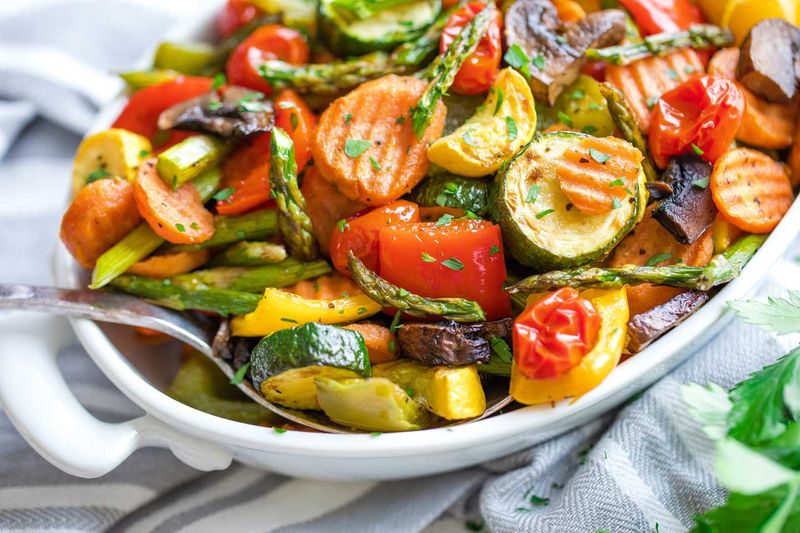
High-temperature roasting not only caramelises vegetables for maximum flavour but also eliminates harmful microorganisms. Their low moisture content after cooking makes them inhospitable environments for bacterial growth, even when held at serving temperatures.
The natural acidity in many vegetables provides additional protection against spoilage during buffet service.
15. Whole Fruits
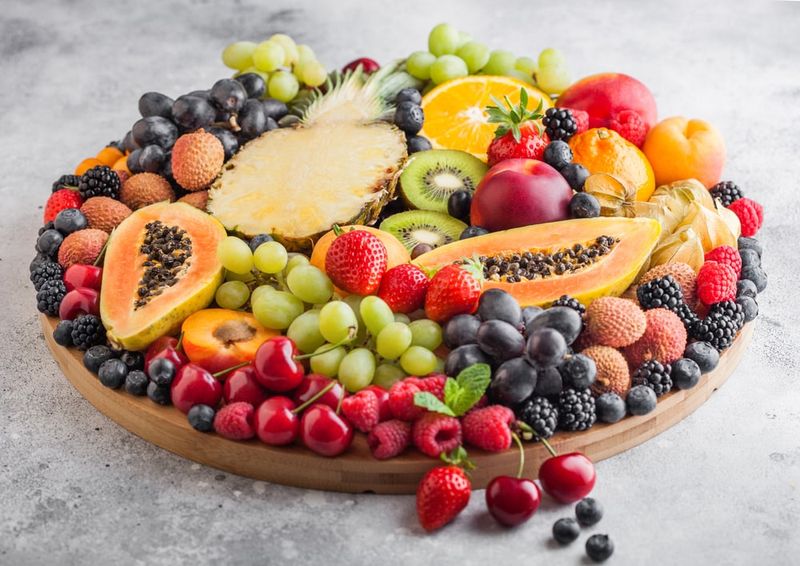
Nature's packaging - fruit skins and peels - creates reliable barriers against contamination. Oranges, bananas, and apples remain safe even after hours on display, unlike their pre-cut counterparts.
Choose fruits you can peel yourself for maximum safety. The natural acids in most fruits also create environments hostile to many harmful bacteria.
16. Hard Cheeses
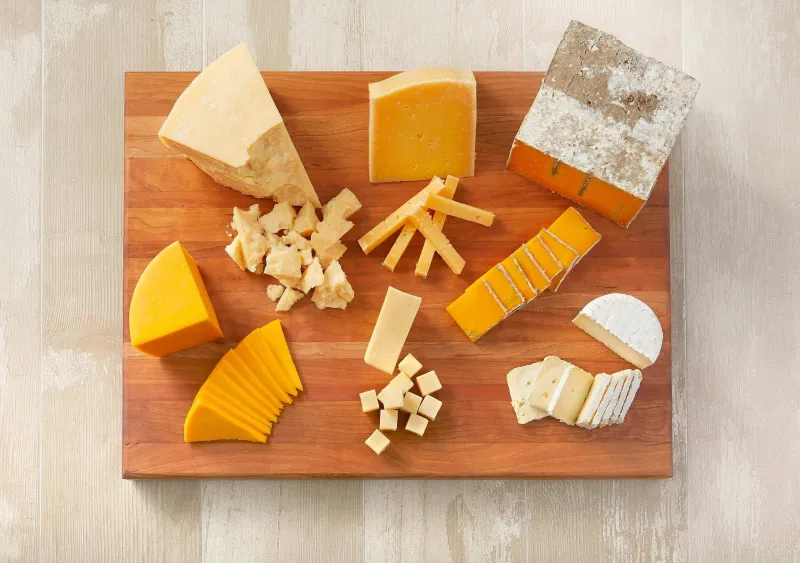
Aged cheddar, parmesan, and similar firm cheeses have low moisture content that naturally prevents bacterial growth. Their acidic environment and high salt concentrations create additional hurdles for harmful microorganisms.
Even after hours at room temperature, properly stored hard cheeses remain safe choices. Their concentrated flavours actually improve when served slightly warmed.
17. Properly Cooked Fish
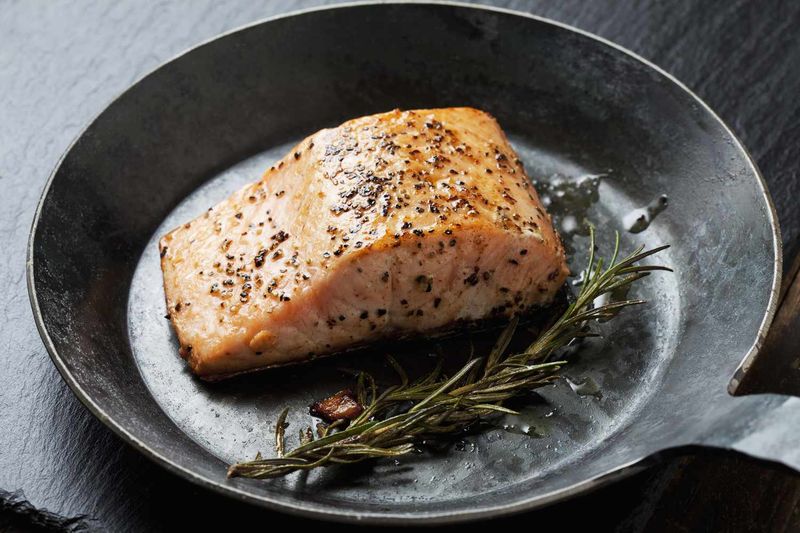
Unlike its raw counterparts, thoroughly cooked fish flakes easily with a fork, signalling that harmful bacteria have been eliminated. Look for fish that's still steaming or being actively replenished at the buffet.
Dry, overcooked fish not only tastes disappointing but may indicate it's been held too long at serving temperature. Fresh additions to the buffet are your safest bet.
18. Simple Green Salads
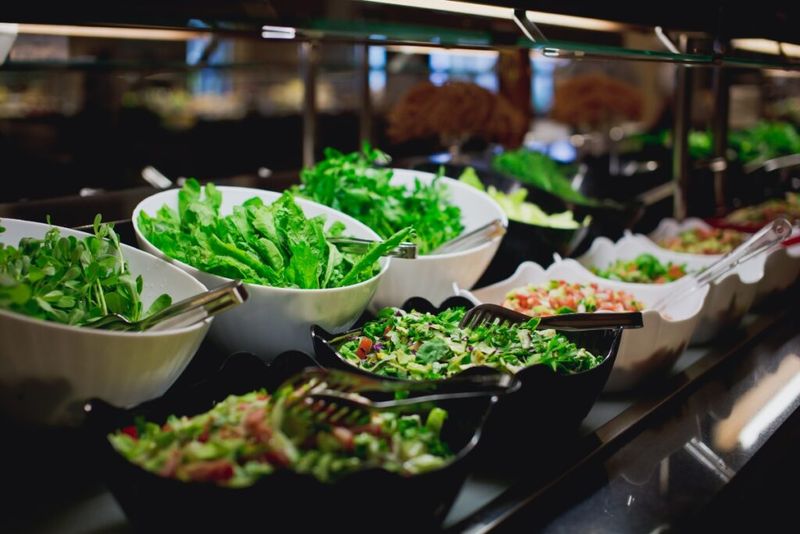
Basic green salads without creamy dressings remain safe longer than their mayonnaise-laden counterparts. Look for salad bars with proper sneeze guards and refrigeration units keeping greens crisp and cool.
Add acidic dressings like vinaigrettes yourself—they create environments hostile to bacteria. Avoid pre-mixed salads where greens may have wilted in dressing for hours.
19. Frequently Refreshed Hot Dishes
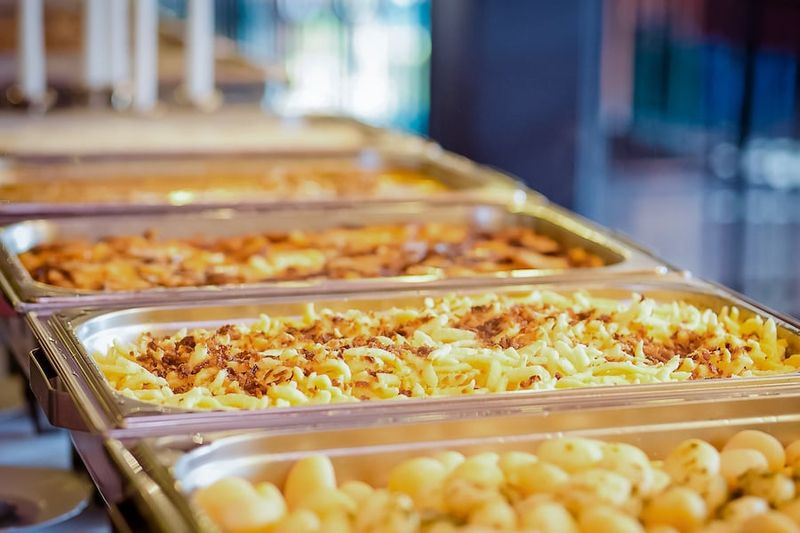
Busy buffet stations with high turnover naturally ensure fresher food. Watch for staff bringing out steaming fresh trays - these recent additions haven't had time to enter the bacterial danger zone.
Popular dishes that require frequent replenishment typically spend less time at risk temperatures. The constant rotation maintains both quality and safety standards.
20. Freshly Baked Bread
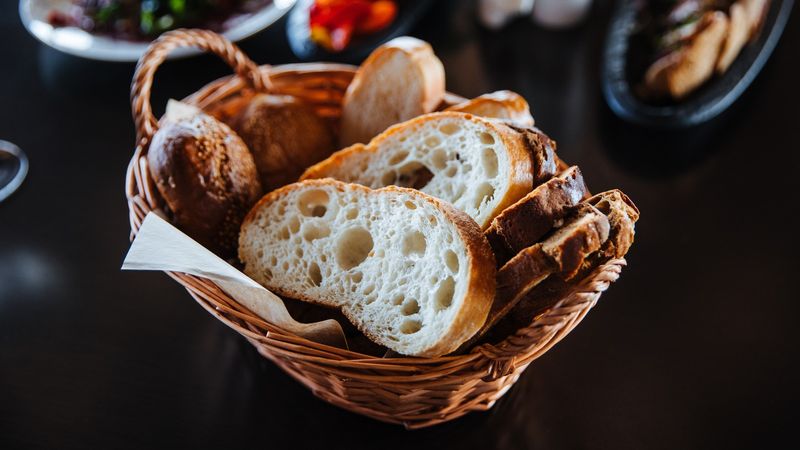
The high temperatures of baking kill any potential pathogens, while the low moisture content of crusty breads naturally inhibits bacterial growth. Most harmful microbes struggle to survive on bread's dry surface.
Look for bread baskets that are covered or frequently refreshed. The delightful aroma of fresh bread often signals recent preparation—a good indicator of food safety.



