













Remember those familiar restaurant signs that used to light up family outings across Britain? Many beloved dining chains that were once packed with hungry families have gradually disappeared from our high streets and motorways.
Rising costs, changing tastes, and fierce competition have transformed the UK dining landscape dramatically over recent decades.
Let's revisit these once-thriving eateries that filled our bellies and created lasting memories before their popularity waned.
1. Little Chef
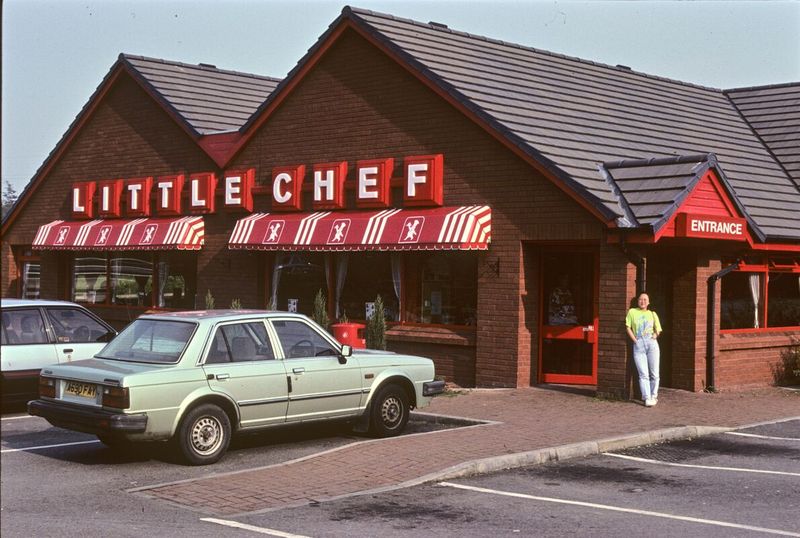
Bright red chef logos beckoned weary travellers from motorways across Britain for over 50 years. The Olympic Breakfast fuelled countless family road trips, becoming a nostalgic ritual for generations.
Sadly, dated interiors and inconsistent food quality couldn't compete with modern service stations. By 2018, this roadside institution had vanished completely, leaving only memories of pancakes and lollipops for well-behaved children.
2. Spudulike
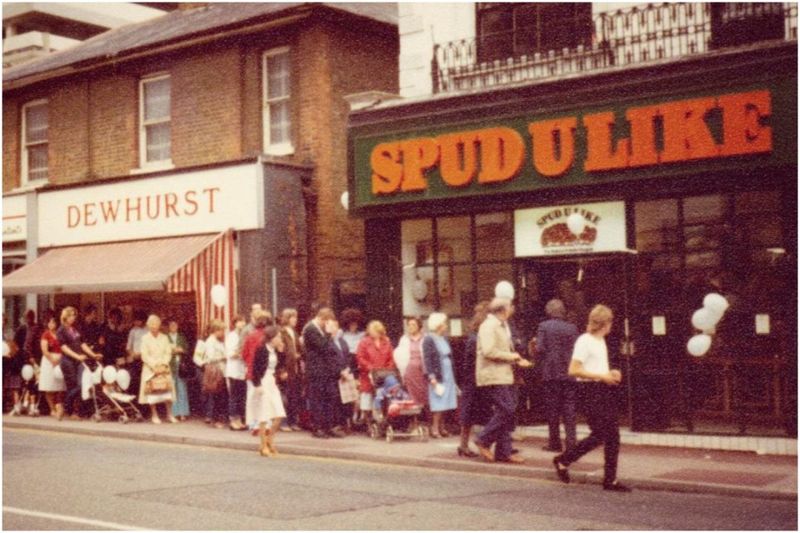
Jacket potatoes elevated to an art form! This quirky chain turned humble spuds into proper meals with mountains of creative toppings during its 1980s heyday.
Mall food courts once buzzed with Spudulike's steamy potato aroma. Financial struggles and changing fast-food preferences eventually mashed these potato specialists. After several rescue attempts, the final stores closed their doors in 2019.
3. PizzaExpress
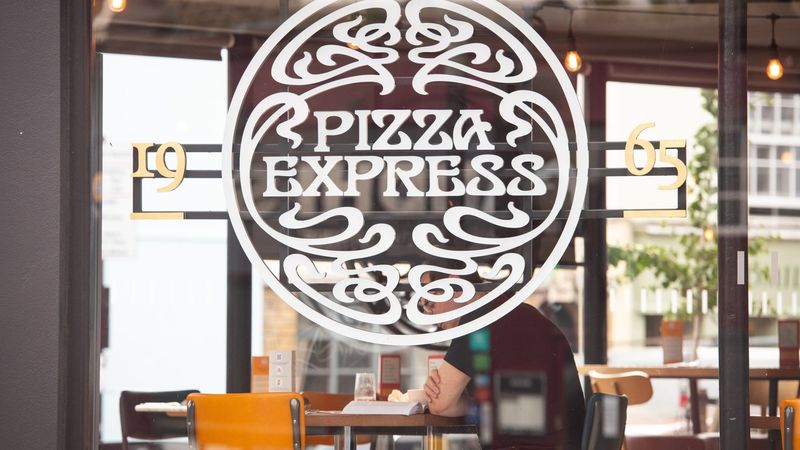
Those distinctive blue and white storefronts once guaranteed reliable Italian dining for special family occasions. Children delighted in dough balls while parents enjoyed Sloppy Giuseppe pizzas in stylish surroundings.
Though still operating, financial troubles forced massive closures in 2020. The chain's formulaic approach and premium pricing lost ground to trendier pizza competitors and delivery services that offered similar quality without leaving home.
4. Woolworths Cafés
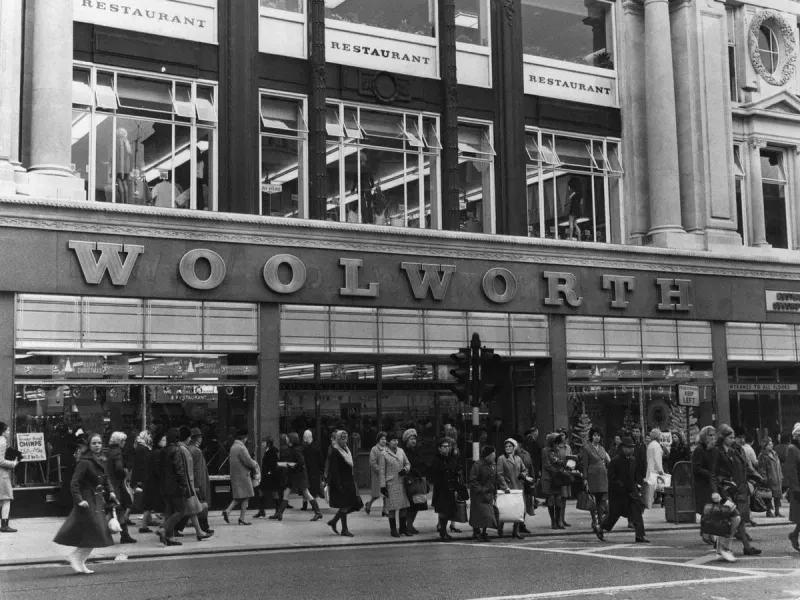
Hidden treasures within Britain's beloved Woolies stores! These unassuming cafés served simple fare - beans on toast, jacket potatoes, and impossibly frothy hot chocolates topped with squirty cream.
Shopping expeditions weren't complete without refuelling at these unpretentious eateries. When Woolworths collapsed in 2008, we lost not just pick 'n' mix but these charming cafés where generations of tired shoppers rested their feet.
5. Harry Ramsden's
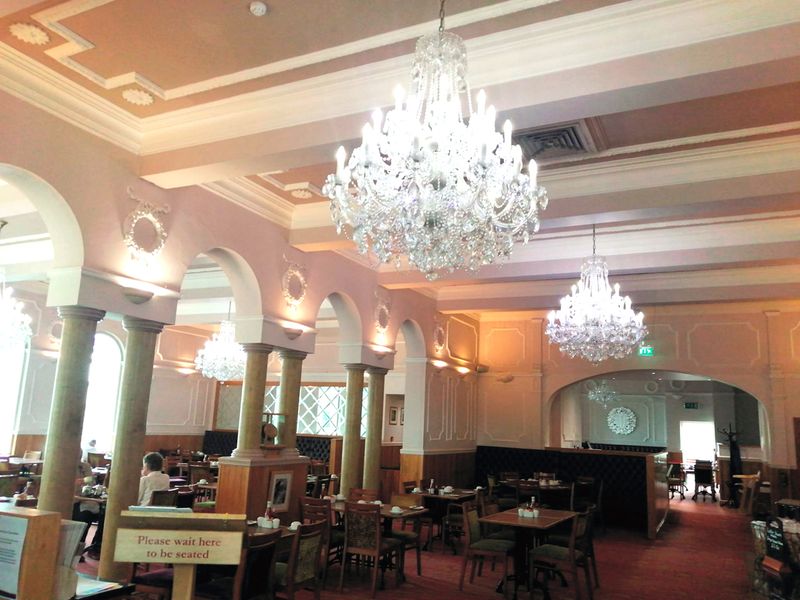
Fish and chips elevated to restaurant status! The original Guiseley location boasted chandeliers hanging above Britain's most famous battered cod, creating an oddly glamorous chippy experience.
Families once queued around the block for these legendary fish suppers. Rapid expansion diluted the magic, with quality suffering as the chain grew. Now reduced to a handful of seaside locations, the brand is but a shadow of its former crispy, golden glory.
6. BHS Restaurant
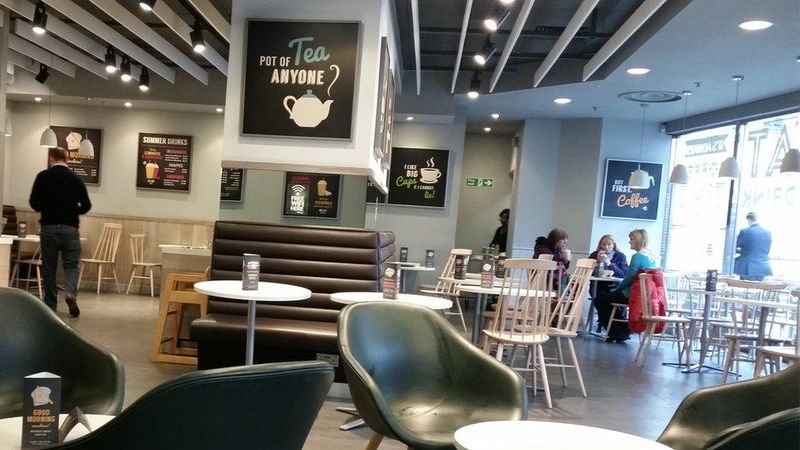
Tucked away on upper floors of British Home Stores, these cafeterias were havens for bargain-hunting mums and restless children. Plastic trays slid along metal rails as customers selected surprisingly affordable cottage pies and jam roly-poly with custard.
Department store dining at its most democratic! When BHS collapsed in 2016, we lost these unpretentious eateries where pensioners lingered over endless cups of tea and toasted teacakes.
7. Harvester
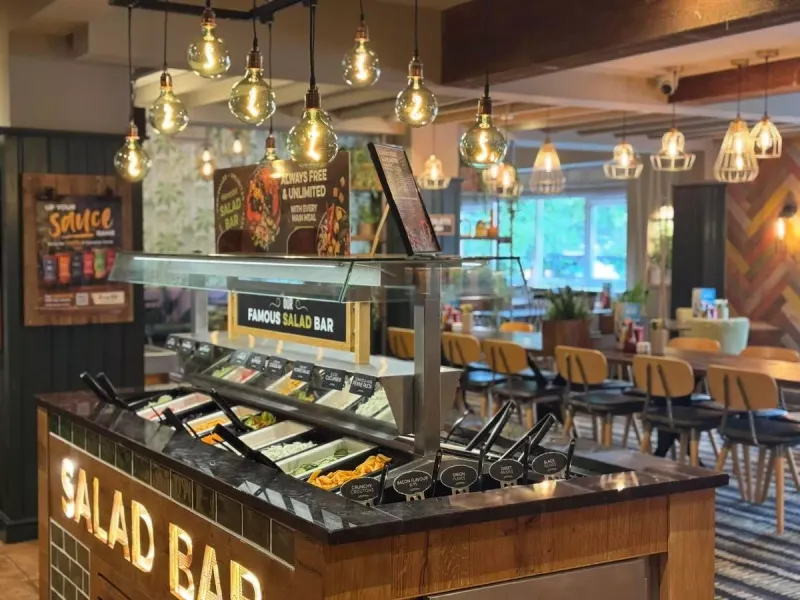
That unlimited salad bar! Children constructed precarious towers of cucumber, pasta salad and those addictive bacon bits, while parents enjoyed reasonably-priced grills in family-friendly surroundings.
Though still operating, Harvester's glory days are behind it. Health concerns about self-service food, coupled with dated décor and menu fatigue, have left many locations eerily quiet. Once-bustling car parks now stand half-empty on weekend evenings.
8. Beefeater
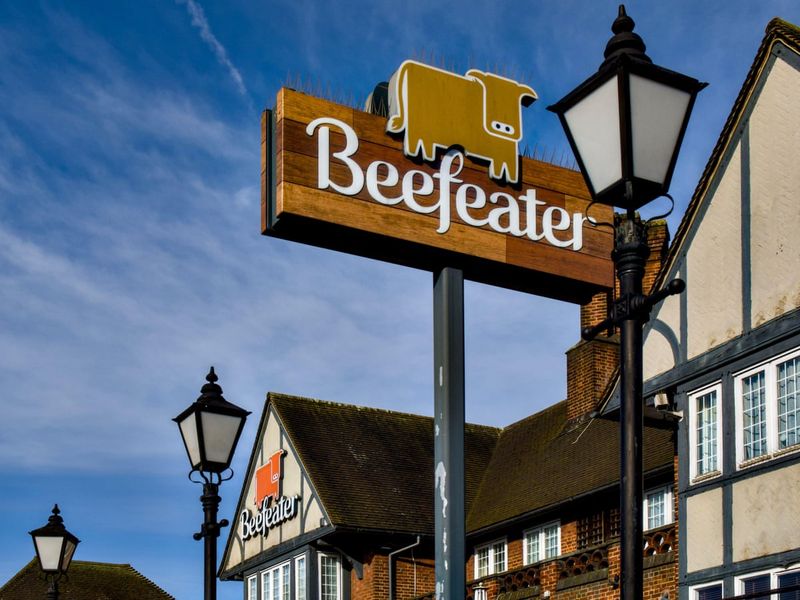
Named after those iconic Tower of London guards, Beefeater promised affordable steaks in mock-Tudor surroundings. Birthday celebrations inevitably featured those theatrical sizzling platters arriving at the table.
Menus featured peculiarly British interpretations of international cuisine alongside reliable grills. While technically still operating, declining quality and dated interiors have relegated this chain to roadside obscurity, frequented more by weary travelers than excited families.
9. The Golden Egg
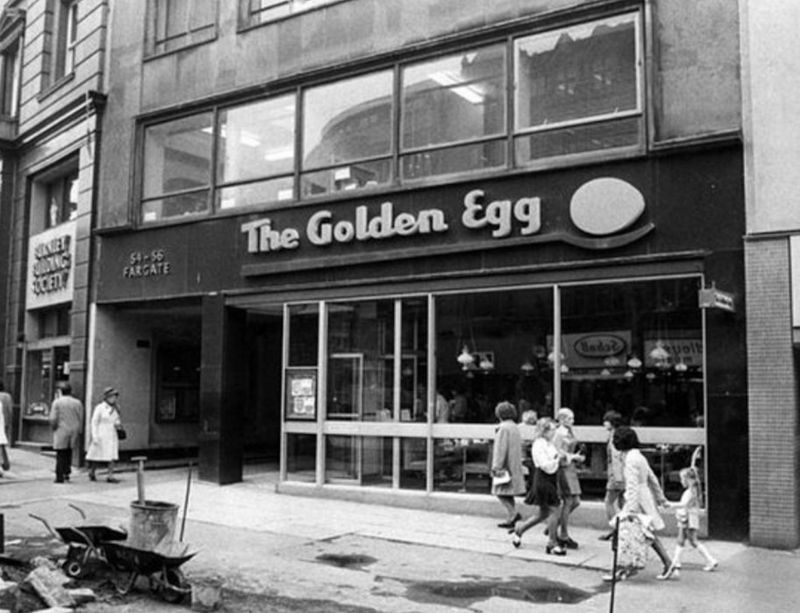
Formica tables and vinyl seating defined these 1970s high street staples. Famous for all-day breakfasts and bottomless tea, Golden Egg restaurants were unpretentious havens where families gathered for affordable meals.
Waitresses in distinctive yellow uniforms served comfort food to hungry shoppers. This beloved chain gradually disappeared as dining trends evolved, with the last eggs being served in the early 1990s, replaced by trendier American-style diners.
10. The Trocadero
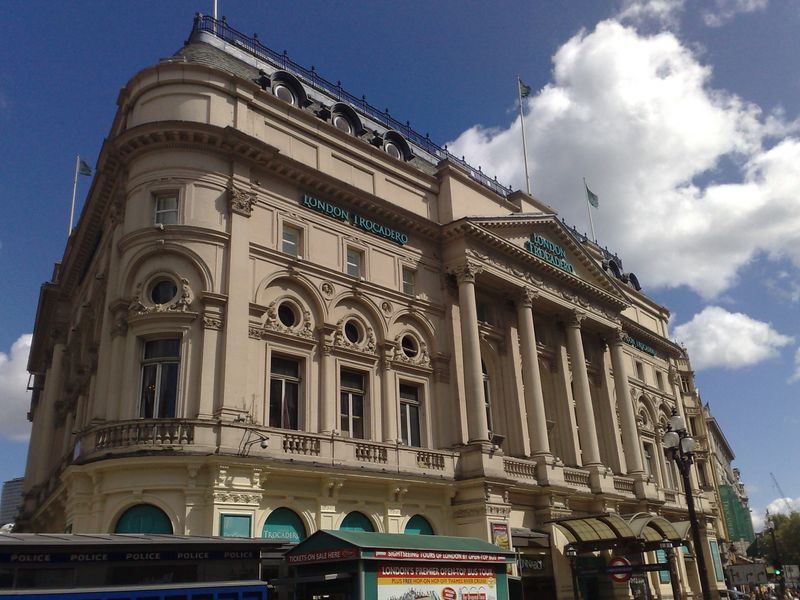
Not just a restaurant but an entertainment complex! The London Trocadero combined arcade games, shops and themed restaurants where exhausted parents refuelled while children begged for more game tokens.
The food was secondary to the experience - burgers, pizzas and other family-friendly fare served amidst neon lights and electronic beeps. Once the pinnacle of 1990s entertainment dining, this Piccadilly landmark gradually lost its appeal as gaming moved home.
11. Safeway Café
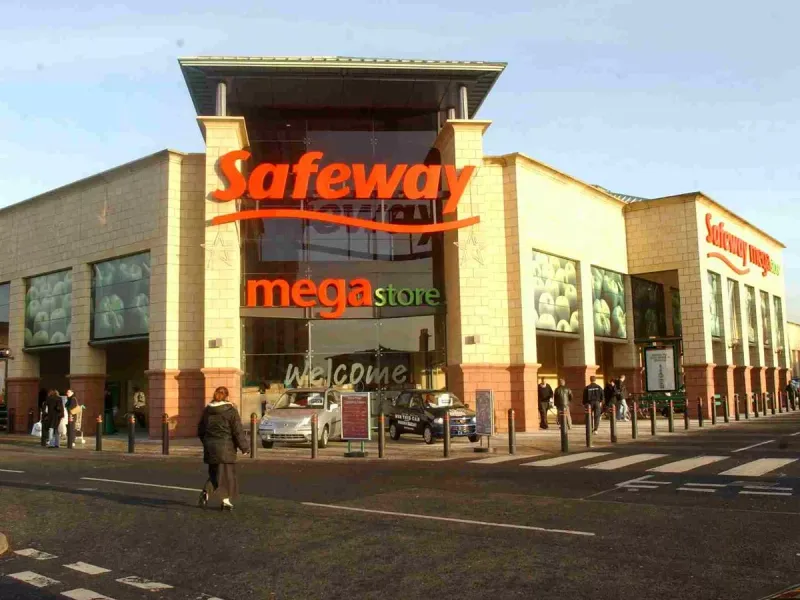
Before fancy barista coffees invaded supermarkets, Safeway cafés offered simple respite for weary shoppers. Pensioners lingered over bottomless tea while harried mums bribed children with cake during the weekly shop.
These humble eateries served no-nonsense British fare - jacket potatoes, toasties, and those distinctive orange squash drinks. When Morrisons acquired Safeway in 2004, these unpretentious cafés gradually disappeared, taking their reassuring ordinariness with them.



