



Remember those familiar shop fronts and restaurant logos that seemed to be everywhere in the 2000s?
Many once-mighty British high street giants have faced tough times since their glory days.
From changing shopping habits to economic pressures, these once-unstoppable brands now fight for survival or have disappeared altogether.
1. Little Chef
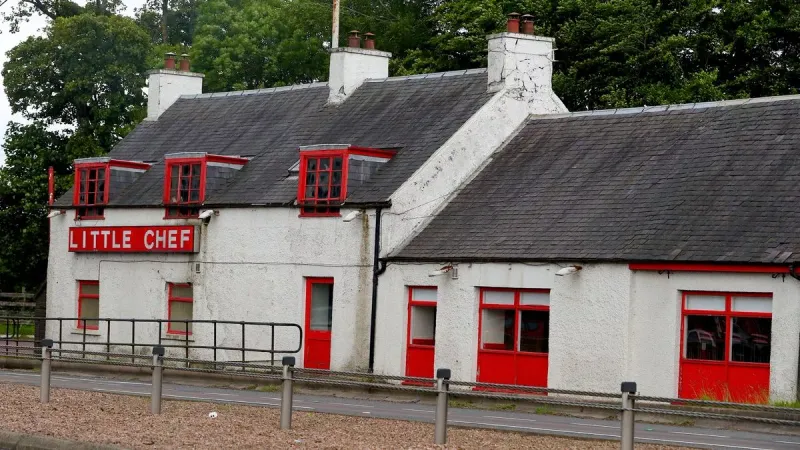
Those iconic red-and-white roadside restaurants with their chubby chef mascot were once unavoidable on British journeys. At its peak, Little Chef boasted over 400 locations nationwide.
Rising fuel costs and motorway service areas offering more variety gradually eroded its customer base. Despite several revival attempts, including hiring celebrity chef Heston Blumenthal, the brand couldn't adapt to changing tastes.
2. Spudulike
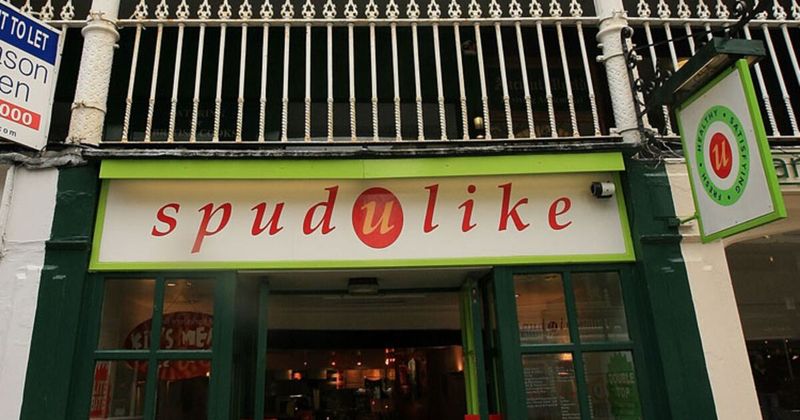
Fancy a jacket potato with tuna mayo? Spudulike pioneered the concept of fast-food baked potatoes with endless topping combinations. Their bright yellow storefronts were shopping centre staples throughout the 90s and early 2000s.
High rents and competition from food courts offering more exotic options slowly squeezed profits. The final blow came in August 2019 when all 37 remaining outlets shut overnight, leaving 298 staff suddenly jobless.
3. Eat
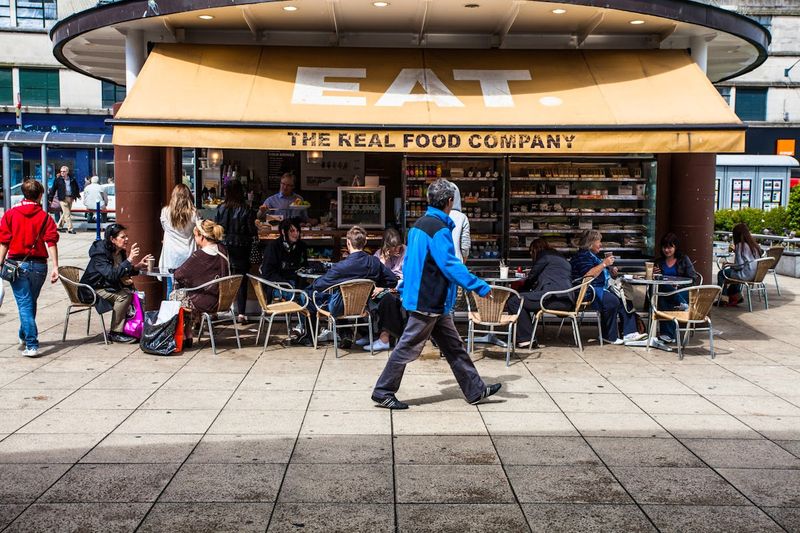
The red-branded sandwich shops offered a fresher alternative to the usual high street fare. Founded in 1996, Eat expanded rapidly across London and major UK cities with its handmade sandwiches and hot pots.
Fierce competition from Pret a Manger and Greggs proved too much for the smaller chain. In a classic 'if you can't beat them, join them' move, Pret acquired Eat in 2019 and converted most locations to Pret Veggie shops.
4. Gusto
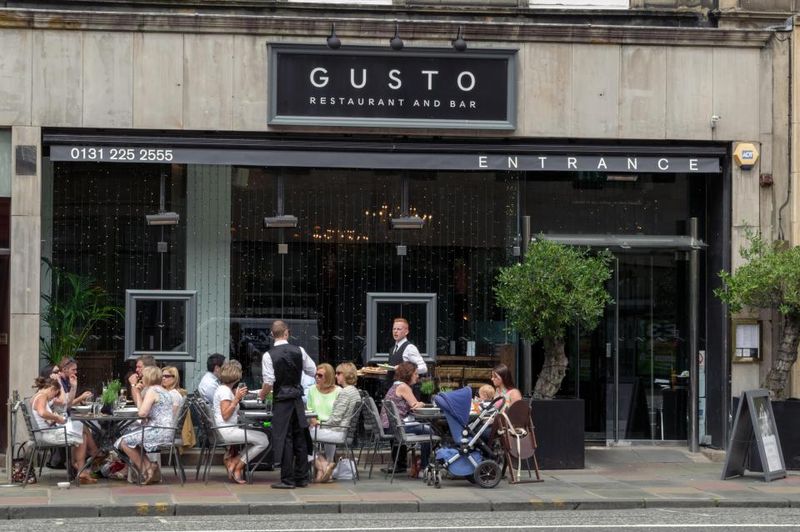
With its stylish interiors and authentic Italian menu, Gusto was the sophisticated choice for special occasions throughout the 2000s. Their pizza, pasta and cocktail offerings created a loyal following in city centres nationwide.
The cost-of-living crisis dealt a harsh blow to premium dining. In January 2023, Gusto entered administration and closed six restaurants, with their CEO citing 'economic headwinds' as the brand scaled back to survive in a challenging market.
5. Herman Ze German
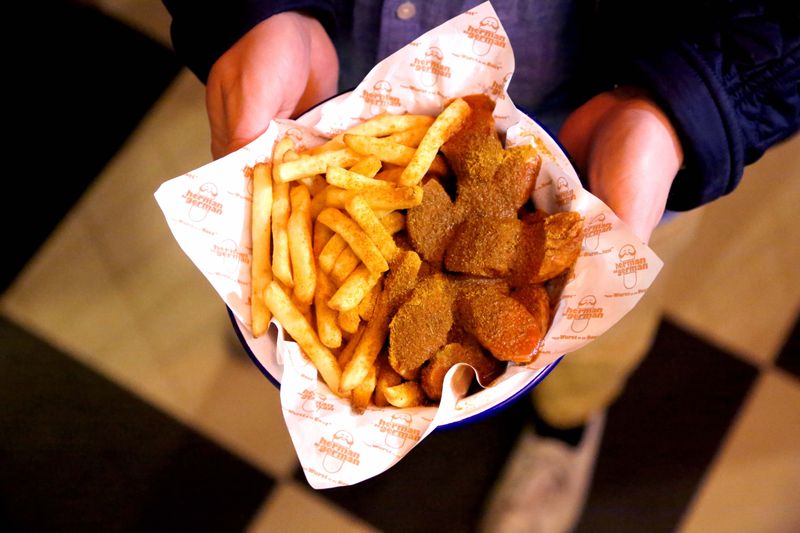
Starting as a humble street food stall, this quirky German sausage specialist grew into a cult favourite with London foodies. Their cheeky slogan 'Our wurst is the best' perfectly captured their playful approach to authentic German cuisine.
The pandemic proved catastrophic for their central London locations. With office workers staying home and tourists disappearing, Herman ze German announced in October 2020 they were permanently closing all UK outlets, ending their delicious decade-long British adventure.
6. Pizzaland
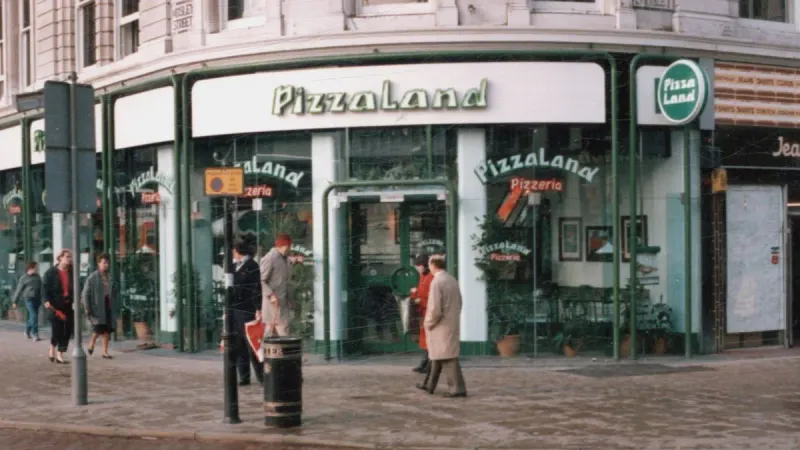
The red neon signs of Pizzaland brightened high streets across Britain in the 1990s and early 2000s. Their 'two-for-one' deals made them the affordable family choice before Pizza Express claimed the middle market.
Aggressive price wars with emerging competitors like Domino's and Pizza Hut squeezed profits to unsustainable levels. The final chapter came when Pizza Hut's parent company acquired the struggling chain in 1996 and gradually converted or closed all locations.
7. Bakers Oven
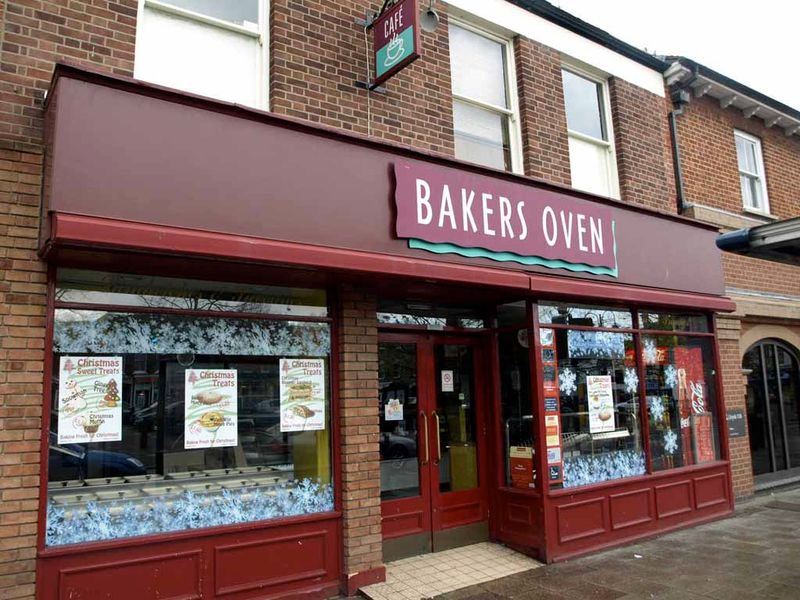
The aromatic Bakers Oven shops once competed directly with Greggs for Britain's takeaway pastry crown. Their traditional bakery feel and wider hot food selection gave them a distinct identity on the high street.
Greggs' aggressive expansion strategy led to them acquiring their rival in 1994. For years, both brands operated separately until 2008, when the last Bakers Oven disappeared as Greggs completed the rebrand, creating the pastry monopoly we know today.
8. Frankie & Benny's
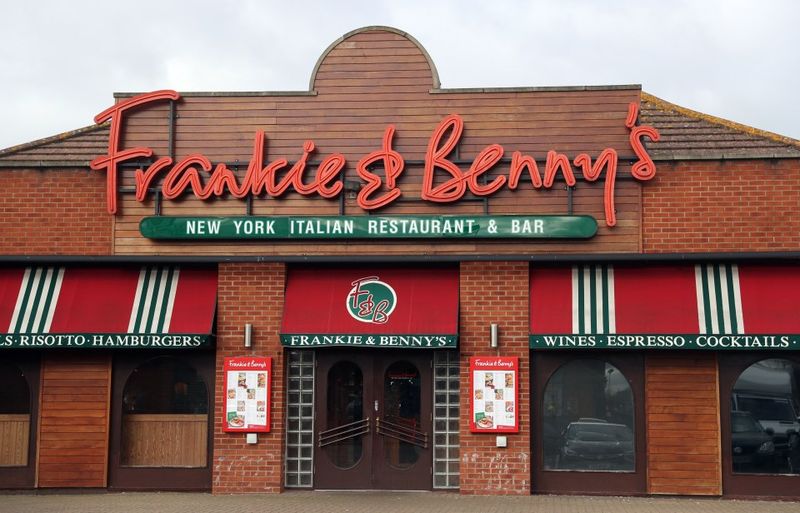
The red-and-green themed restaurants promising 'New York Italian' cuisine were everywhere in retail parks during the 2000s. Their jukeboxes, booth seating and family-friendly atmosphere made them weekend favourites for suburban Britain.
Quality gradually declined while prices increased, damaging customer loyalty. Parent company The Restaurant Group closed 125 locations in 2020, with more following. The remaining restaurants struggle with identity as the brand's nostalgic appeal fades into culinary history.
9. Papa John's
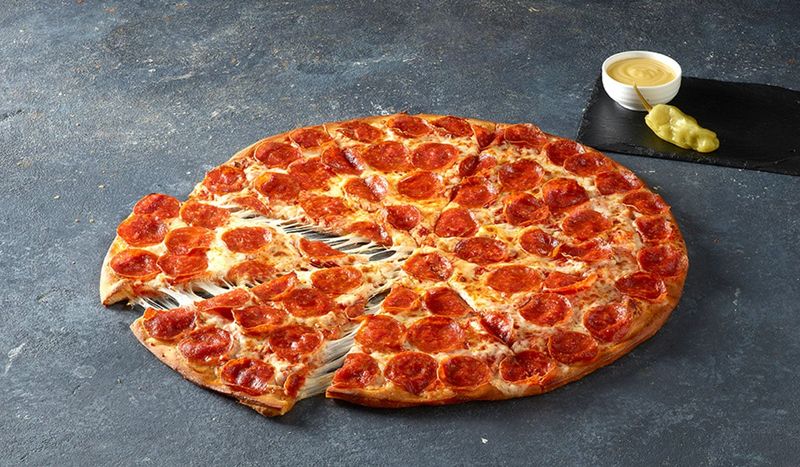
The American pizza giant arrived in the UK with ambitious plans to dominate the delivery market. Their 'Better ingredients, better pizza' slogan and focus on quality toppings initially won British fans seeking an alternative to Pizza Hut.
Fierce competition from Domino's and rising costs for franchisees created growing struggles. In March 2023, Papa John's announced plans to close numerous underperforming UK locations, concentrating on profitable areas while scaling back its once-expansive British ambitions.
10. Wetherspoon's
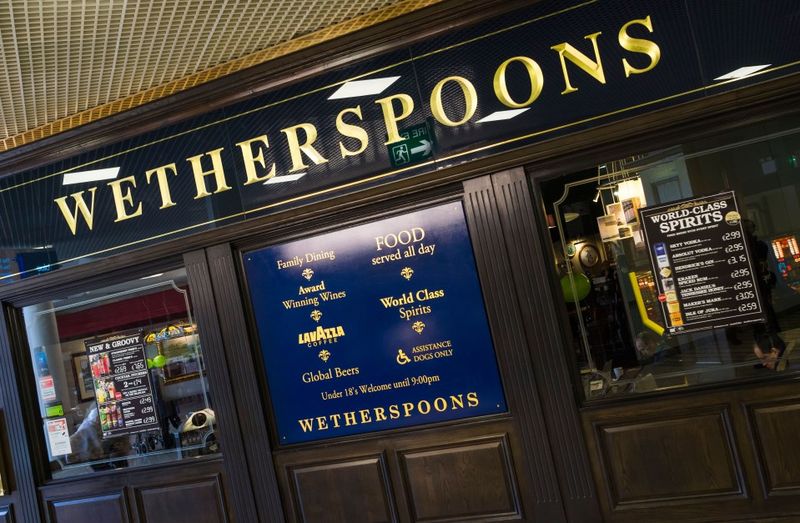
The budget-friendly pub chain revolutionised British drinking culture with its no-music, cheap-pints approach. At its height, 'Spoons' dominated high streets nationwide, often taking over historic buildings and converting them into massive, carpeted drinking halls.
Brexit-supporting owner Tim Martin faced backlash for political statements, while changing drinking habits hit profits. Since 2022, Wetherspoon's has sold or closed dozens of pubs, including many long-standing locations, as Britain's once-unstoppable pub giant adapts to a shrinking market.