













The British are famous for their polite manners, but nowhere is this more evident than at the dinner table.
From brewing the perfect cup of tea to the correct way to eat a scone, food etiquette in Britain isn't just about being polite - it's practically a national obsession.
Here's a look at some of the most seriously enforced food rules that might leave visitors scratching their heads.
1. The Sacred Tea Brewing Ritual
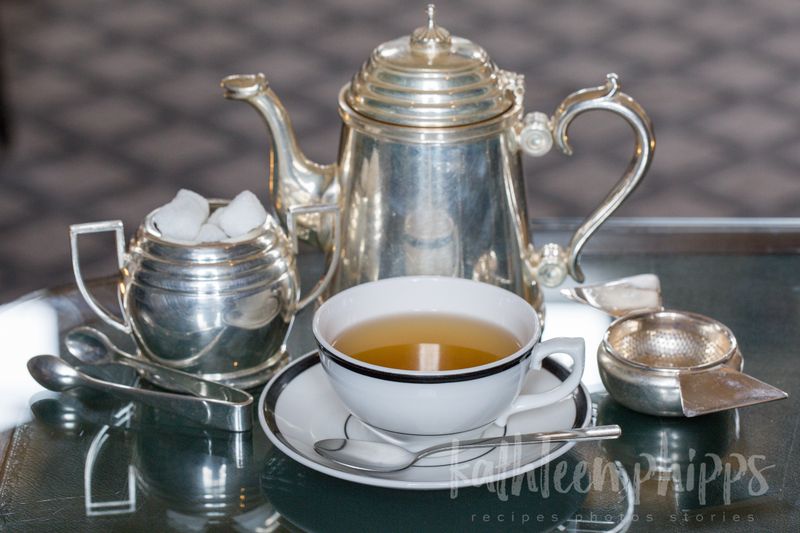
Microwaving water for tea in Britain? You might as well commit treason! The proper ritual demands a kettle, fresh water brought to a rolling boil, and precisely timed steeping - never under 3 minutes.
Your reputation hangs in the balance with every cup. British tea expert Jane Pettigrew even suggests warming the teapot first, a step many Brits wouldn't dare skip.
2. Milk-In-Tea Controversy
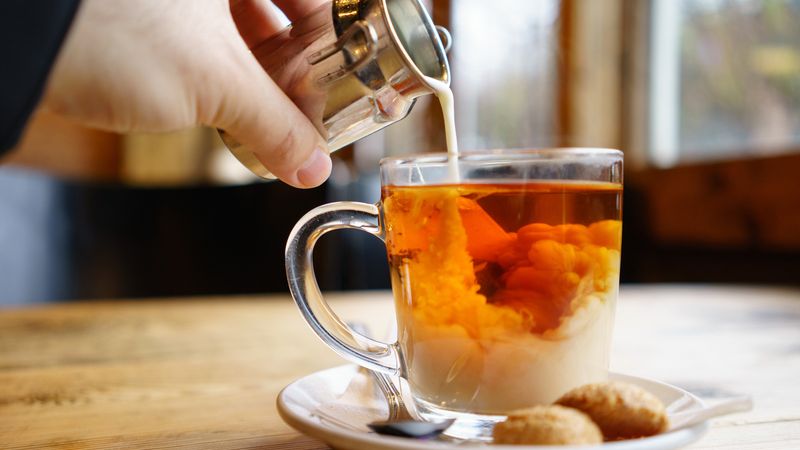
The milk debate divides the nation more than politics. Some insist it goes in first to protect fine china from thermal shock (a tradition from the 1700s). Others declare it's milk last, allowing proper assessment of tea strength.
Get it wrong at your peril! The Queen reportedly preferred milk last, instantly making it the 'correct' method for royal-loving Brits.
3. Cutlery Choreography
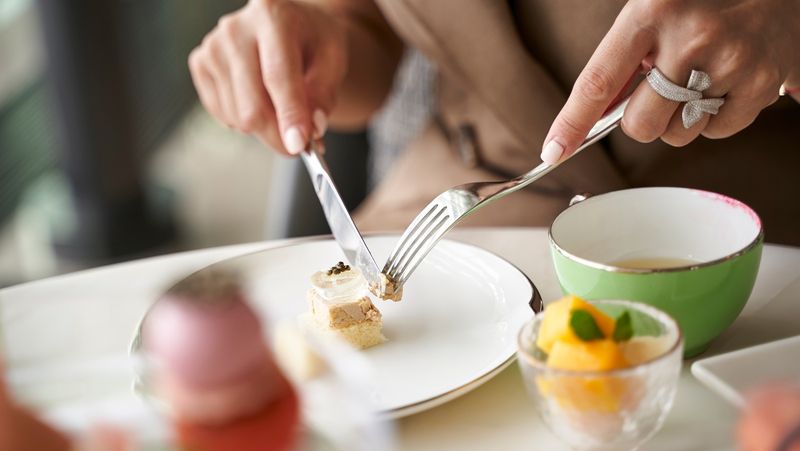
Americans cutting food then switching fork hands? Scandalous! Proper British dining requires the fork in the left hand, knife in the right—always. No switching allowed.
The tines of your fork must remain pointing downward. Food should be delicately pushed onto the back of the fork. Royal etiquette expert William Hanson calls this 'silent dining code' that instantly reveals your upbringing.
4. Cold Tea Catastrophe
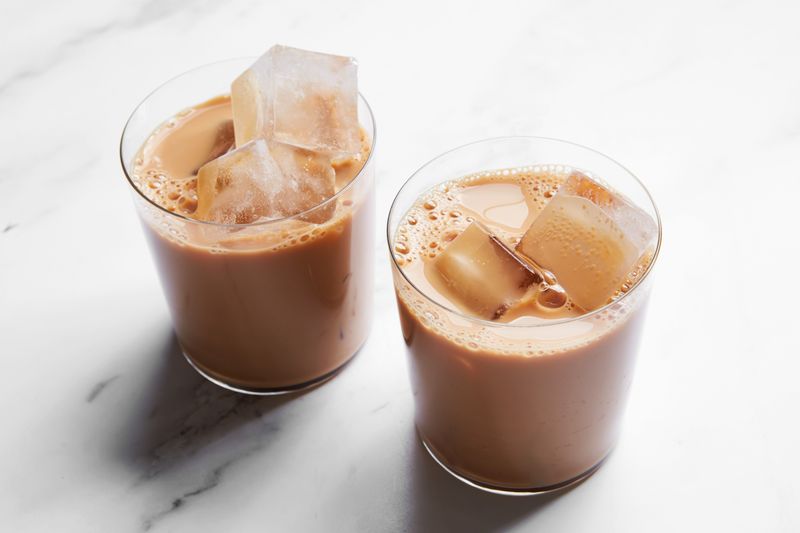
Letting your tea go cold is practically a criminal offense. The British will interrupt important conversations to finish their brew before the dreaded temperature drop.
Many offices have witnessed the sad sight of someone returning to their desk only to discover their abandoned cuppa has cooled. The pained expression that follows is uniquely British—a mix of disappointment and personal failure.
5. Sandwich Geometry Matters
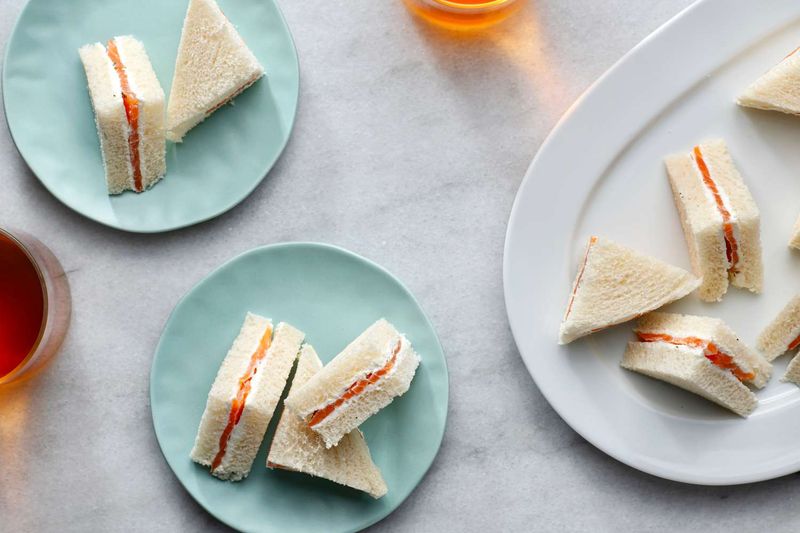
Triangle-cut sandwiches aren't just preferred—they're mandatory for proper afternoon tea. The diagonal cut exposes more filling and creates a more pleasing aesthetic experience.
Rectangle cuts are begrudgingly accepted for casual lunches, but never for guests you respect. Many British grandmothers have been known to quietly remake sandwiches rather than serve the 'wrong' shape to visitors.
6. Condiment Territory Wars
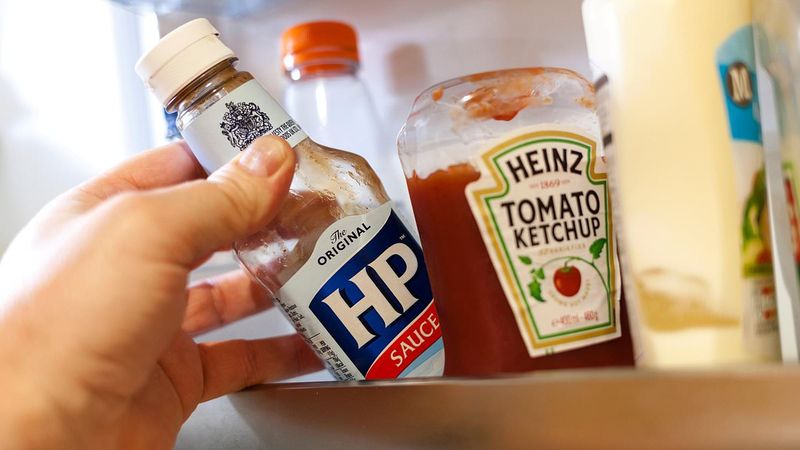
Asking for mayo on your bacon butty might get you strange looks or even a gentle correction. Brown sauce rules breakfast sandwiches, while ketchup belongs with chips.
Regional loyalties run deep. HP Sauce devotees will defend their brown sauce choice with surprising passion. Yorkshire folk have been known to refuse service in cafes that don't stock Henderson's Relish—their sacred local alternative to Worcestershire sauce.
7. The Great Scone Divide

Cornwall and Devon have waged a century-long battle over whether cream or jam goes first on scones. Devonians insist on cream first, then jam. Cornish tradition demands jam first, topped with cream.
Cross the county border with the wrong approach and prepare for stern correction! The debate got so heated that in 2018, the National Trust sparked outrage with a cream-first advertisement in Cornwall.
8. Breakfast Timing Rules
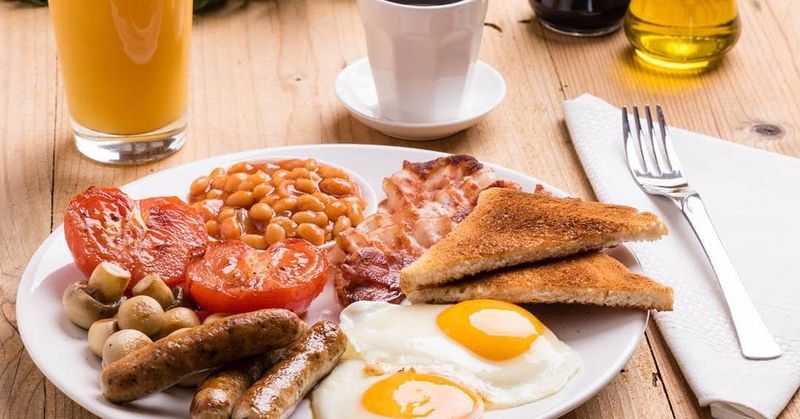
Order a full English after 11am and witness the server's barely concealed judgment. Breakfast foods have strict time boundaries that mustn't be crossed.
Many British cafés stop serving breakfast at precisely 11:30, regardless of customer pleas. The concept feels almost sacred—eggs, bacon and beans belong to morning hours only. Breaking this rule signals a chaotic lifestyle that proper Brits secretly disapprove of.
9. Finished Plate Sign Language
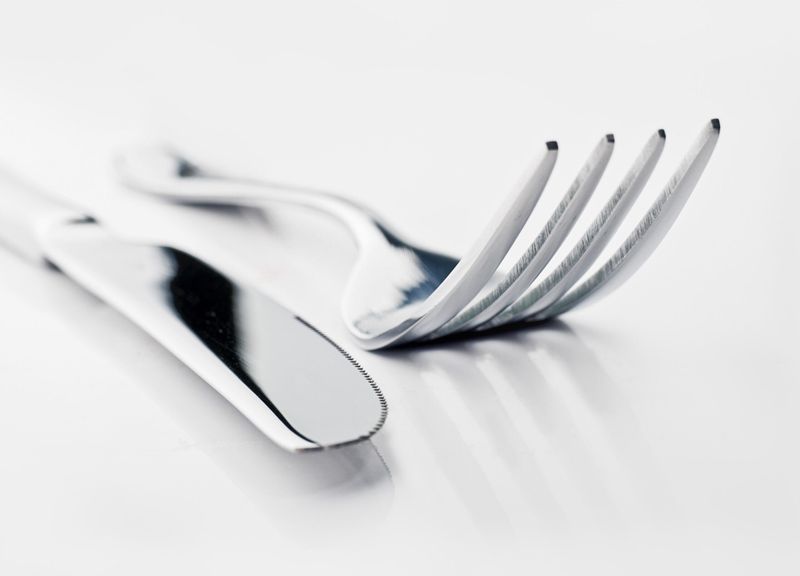
Your cutlery position speaks volumes without words. Placing knife and fork parallel at 6:20 position signals you've finished. Any other arrangement suggests you're merely pausing.
This silent communication system causes anxiety for foreigners unaware of the code. British hosts watch plates like hawks, interpreting cutlery positions before clearing dishes. Etiquette expert Debrett's publishes entire guides dedicated to this intricate system.
10. The Beverage Hierarchy
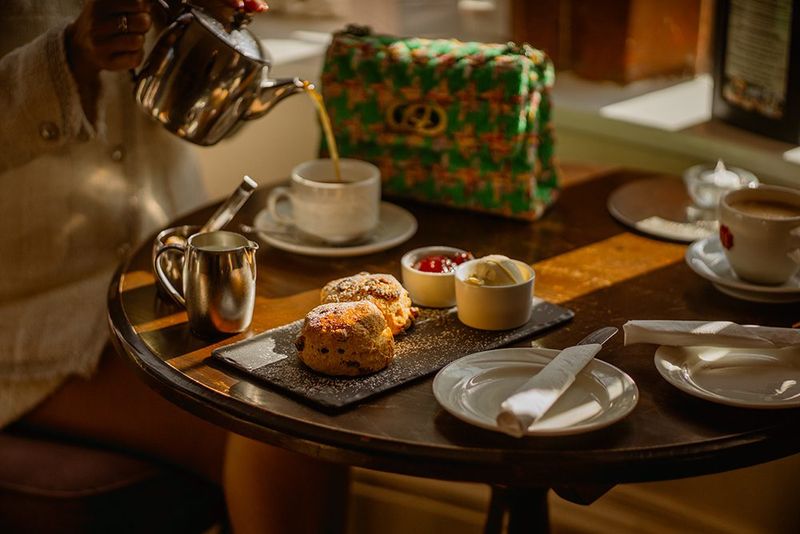
Coffee before dinner? How terribly continental! Tea reigns supreme at specific times of day, while coffee has its designated moments—primarily mornings or after meals.
Offering coffee during traditional afternoon tea time might raise eyebrows. The British schedule their caffeine intake with surprising rigidity. Many households maintain strict beverage schedules that visitors are expected to intuitively understand.



