













Ever wondered why you feel full for hours after certain meals? Some foods take their sweet time moving through your digestive system.
Understanding which foods hang about in your gut can help explain bloating, fullness, or discomfort you might experience after eating.
Let's explore the top culprits that make themselves at home in your digestive tract.
1. Red Meat
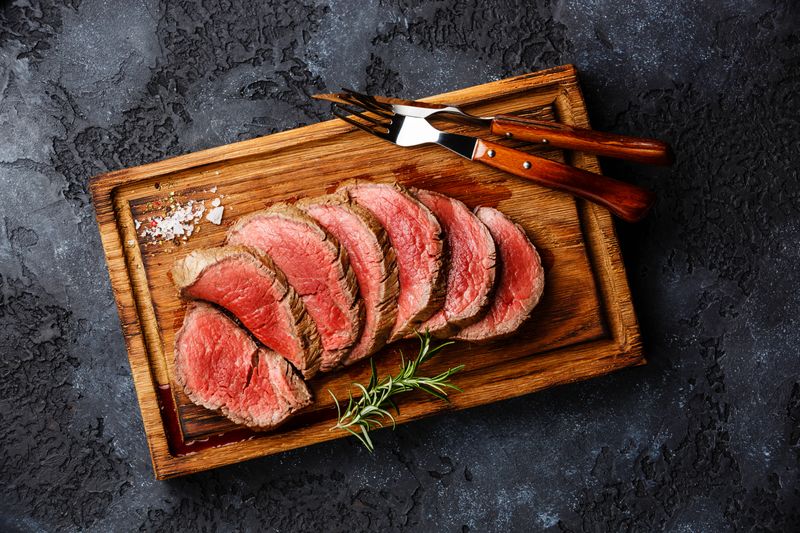
Your Sunday roast might be sticking around until Wednesday! Red meats contain complex protein structures and stubborn fats that your digestive enzymes struggle to break down quickly.
The body needs extra time - sometimes up to three days - to fully process these hearty proteins. Leaner cuts generally move through faster than fattier ones.
2. Cheese And Full-Fat Dairy
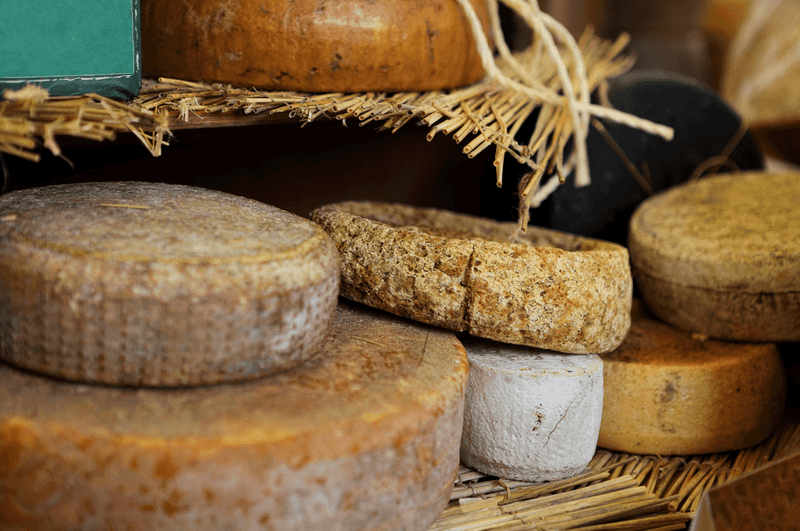
Fancy cheese boards create a traffic jam in your digestive highway. The combination of concentrated proteins and high fat content in cheese forms a dense mass that slows gastric emptying. Hard, aged varieties like cheddar and parmesan are particularly sluggish movers. Your stomach acids need extra time to tackle these dairy delights before sending them downstream.
3. Nuts And Nut Butters
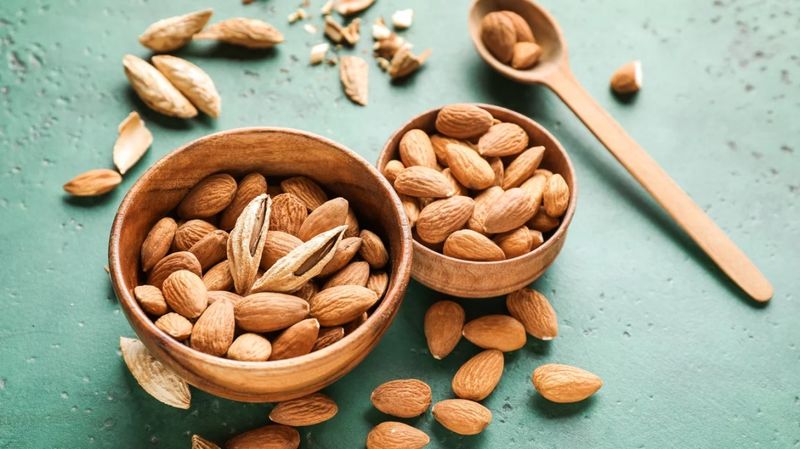
That handful of almonds packs a digestive punch! Nuts contain protective compounds designed to resist digestion, alongside healthy fats and proteins that require thorough processing.
Creamy nut butters might seem easier to handle, but they're still slow-movers. Chewing nuts thoroughly helps speed things along by breaking down cell walls before they reach your stomach.
4. Legumes
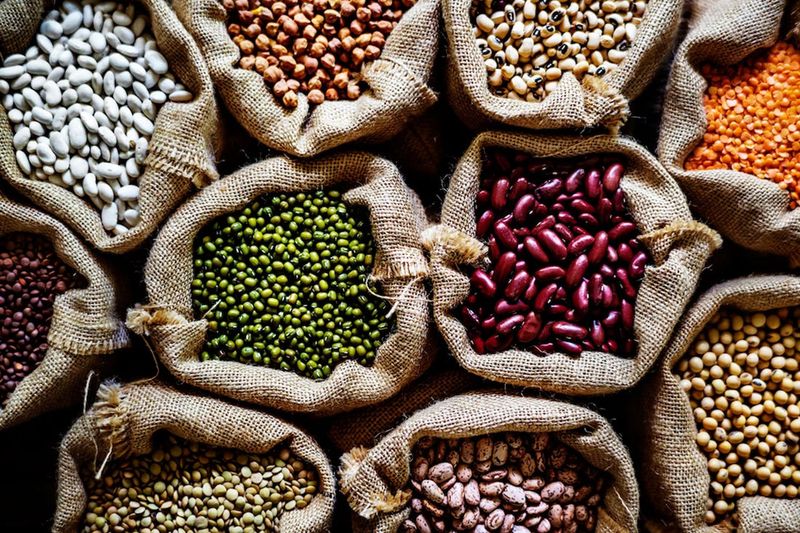
Beans might be magical fruits, but there's science behind their notorious reputation! These plant powerhouses contain oligosaccharides - complex sugars that human enzymes can't break down.
Instead, gut bacteria feast on these compounds, producing gas as a byproduct. Soaking dried beans before cooking and gradually increasing your intake helps your system adjust to processing these fibrous gems.
5. Cruciferous Vegetables
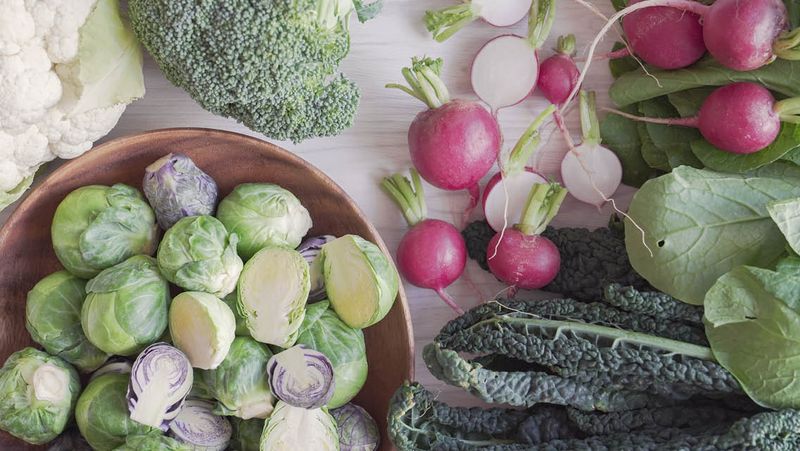
Brilliant for health but bewildering for digestion! These vegetables contain raffinose, a complex sugar that remains undigested until reaching your large intestine.
There, bacteria break it down through fermentation, often creating gas and bloating. Steaming rather than eating them raw can make these nutritional powerhouses easier for your gut to handle without sacrificing their cancer-fighting compounds.
6. Whole Grains
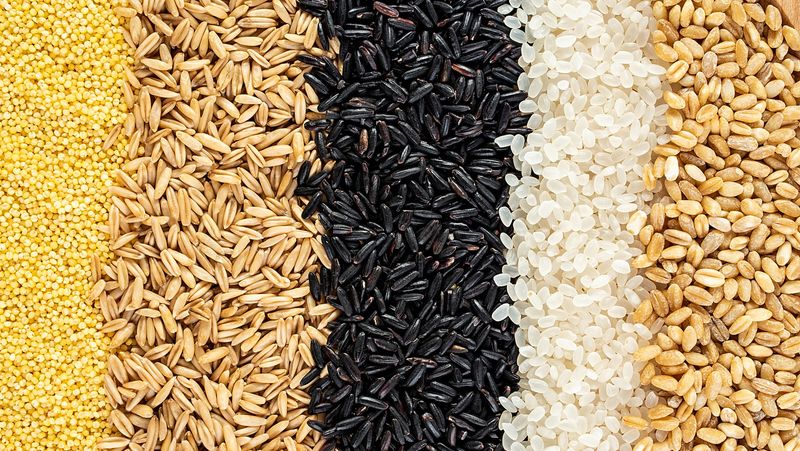
The outer bran layer in whole grains acts like nature's speed bump for digestion. This fibrous coating slows the breakdown process, which is actually beneficial for steady blood sugar levels.
Brown rice typically takes about twice as long to digest as its refined white counterpart. The trade-off for this digestive dawdling is sustained energy and improved gut health.
7. Fried And Greasy Foods
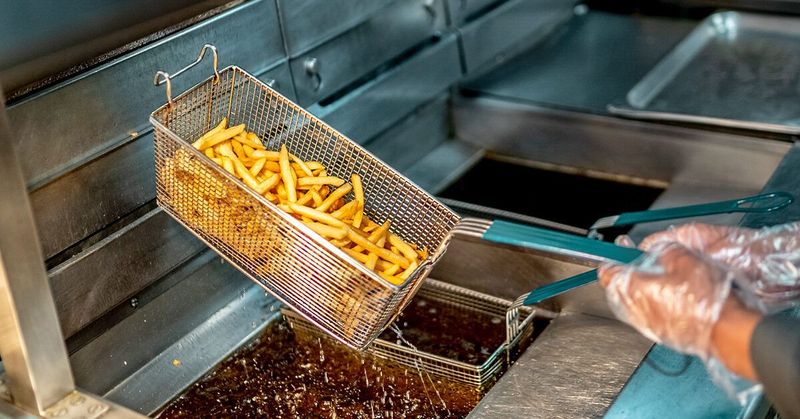
That takeaway chips feeling that lingers for hours isn't your imagination! Fried foods create a greasy coating that slows digestive enzymes from accessing the food particles efficiently.
The excess oil can also trigger your stomach to empty more slowly into the small intestine. Your liver works overtime producing bile to break down these stubborn fats, extending the entire digestive timeline.




Comments
No Comments