











Baking a perfect cake isn't just about following a recipe – it's about mastering little techniques that make a big difference.
Whether you're a beginner or looking to improve your skills, these simple tips will transform your cakes from good to spectacular.
Ready to impress family and friends with bakery-worthy creations made right in your kitchen?
Use Room Temperature Ingredients
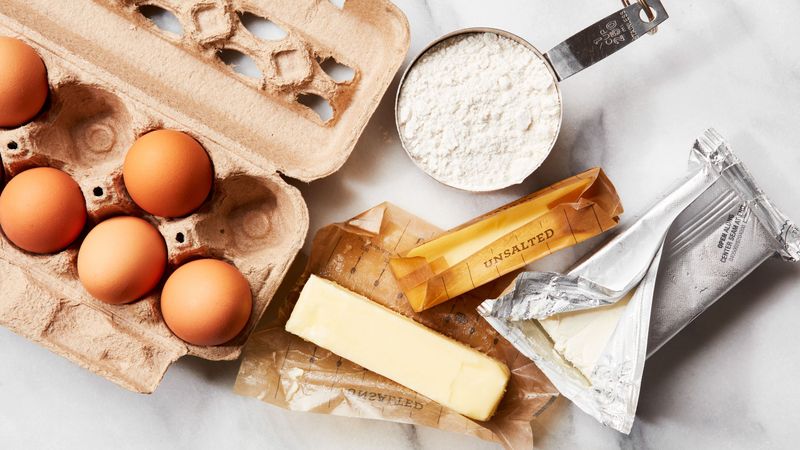
Cold ingredients simply don't play well together! When butter and eggs are at room temperature, they create a smooth, even mixture that traps air beautifully.
This trapped air expands during baking, giving your cake that coveted light texture. Take ingredients out about an hour before you plan to bake.
Measure Ingredients Accurately
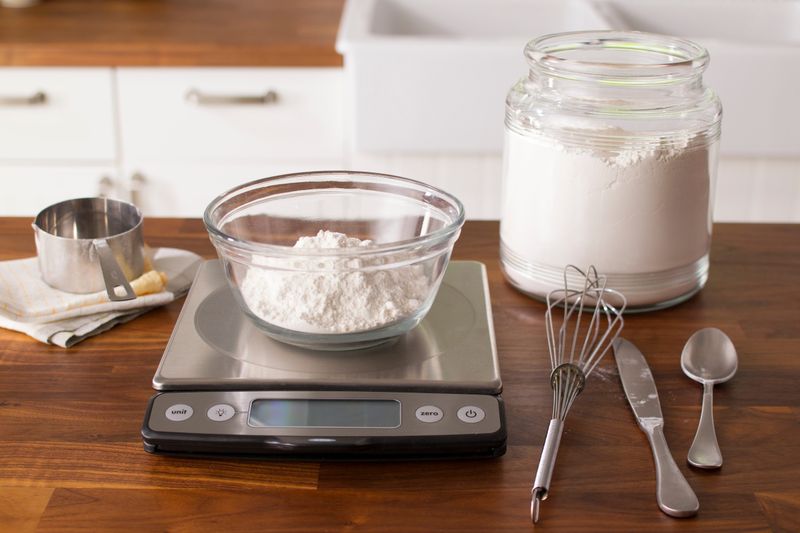
Baking is actually kitchen chemistry, where precision matters enormously. The humble digital scale is your best friend for consistent results every time.
For flour especially, the 'spoon and level' method prevents packing too much into your measuring cup. Just a tablespoon of extra flour can transform your light sponge into a brick!
Prepare Your Pans Properly
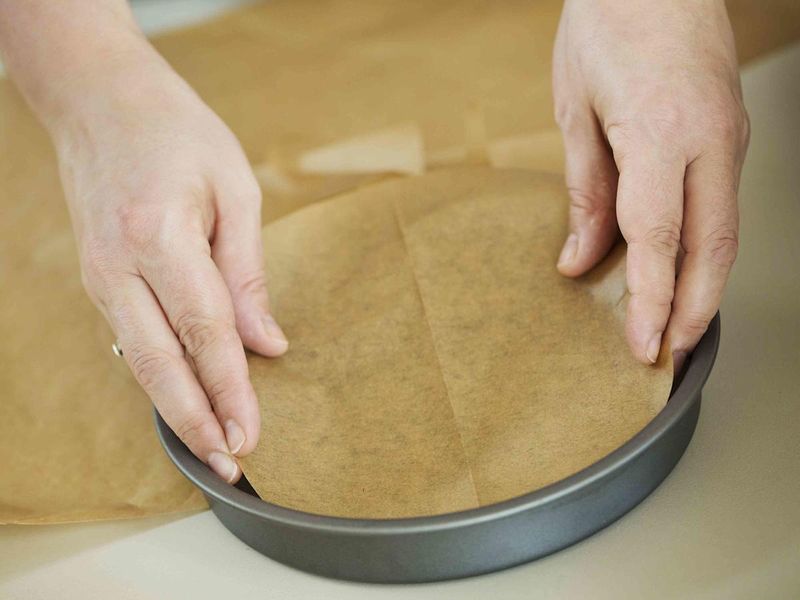
Ever had that heartbreaking moment when half your cake stays stuck in the tin? Proper pan preparation is your insurance against disaster.
For extra protection, try cutting parchment circles for the bottom of round pans. Many professional bakers swear by a mixture of butter and flour rather than cooking spray.
Don't Overmix The Batter
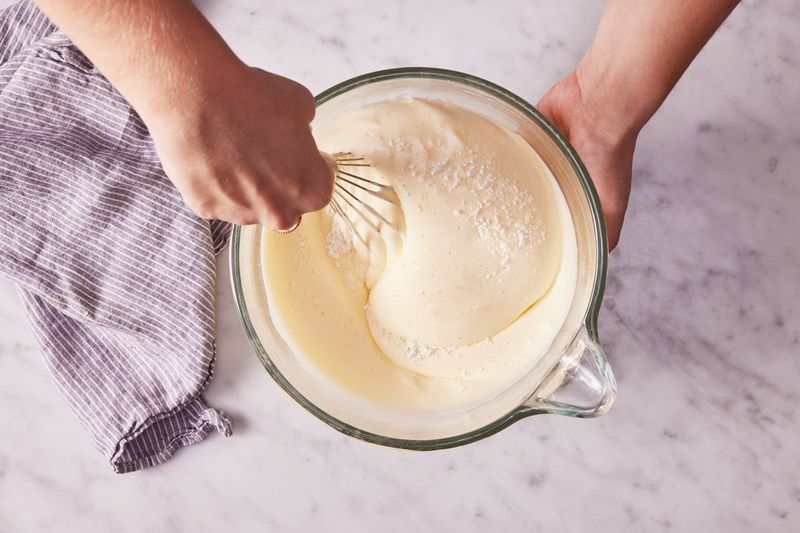
The moment when dry ingredients meet wet ones is critical. Mix just until you no longer see flour – then stop!
Overzealous mixing develops gluten, the protein that makes bread chewy but cakes tough. Watch for the batter to look uniform but still maintain a slightly thick, dropping consistency.
Preheat The Oven
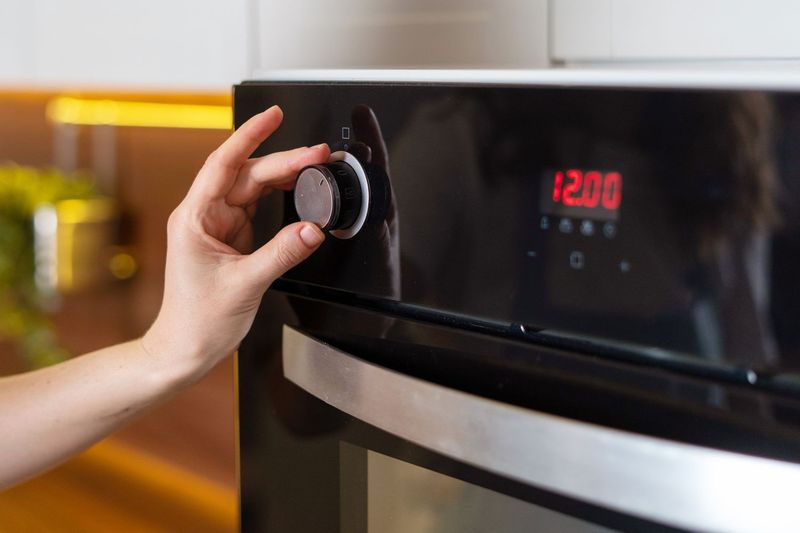
Your oven needs time to reach the perfect temperature before your cake goes in. Most ovens take at least 15-20 minutes to properly preheat.
Consider investing in an oven thermometer – many ovens run hotter or cooler than their settings indicate. Temperature precision makes the difference between a beautifully risen cake and a disappointing flat one.
Avoid Opening The Oven Door Early
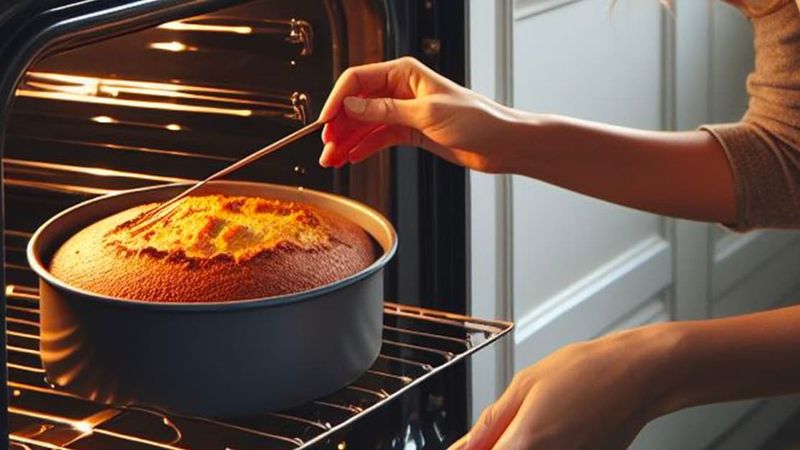
Patience is truly a virtue when it comes to baking! That blast of cooler air from an opened oven door can shock your cake, causing it to collapse dramatically in the center.
If you must check progress, wait until at least two-thirds of the baking time has passed. Use the oven light instead of opening the door whenever possible.
Rotate The Pan Midway
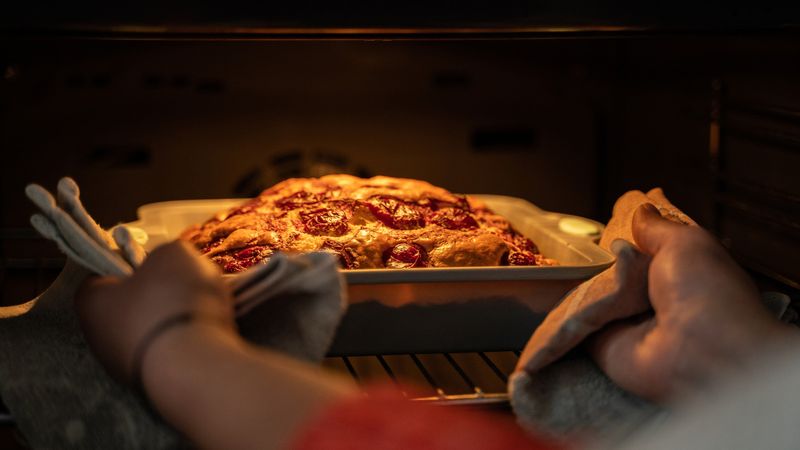
Even the fanciest ovens have hot spots that can cause uneven baking. A simple 180° rotation halfway through baking helps your cake brown uniformly.
Be swift when rotating – open the door, turn the pan, and close it again in one smooth motion. This technique is especially important for layer cakes where consistent height matters.
Test For Doneness
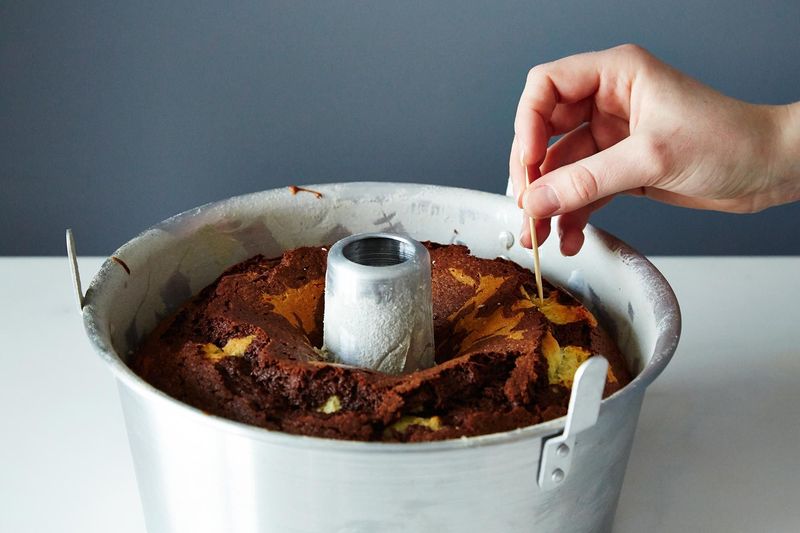
Timing alone isn't reliable – your cake needs the toothpick test! Insert it into the deepest part of your cake and examine what comes out.
Clean means potentially overbaked, while completely wet means underbaked. The sweet spot? A few moist crumbs clinging to the toothpick. Your nose is another great tool – properly baked cake smells gloriously fragrant.
Cool Cakes Properly
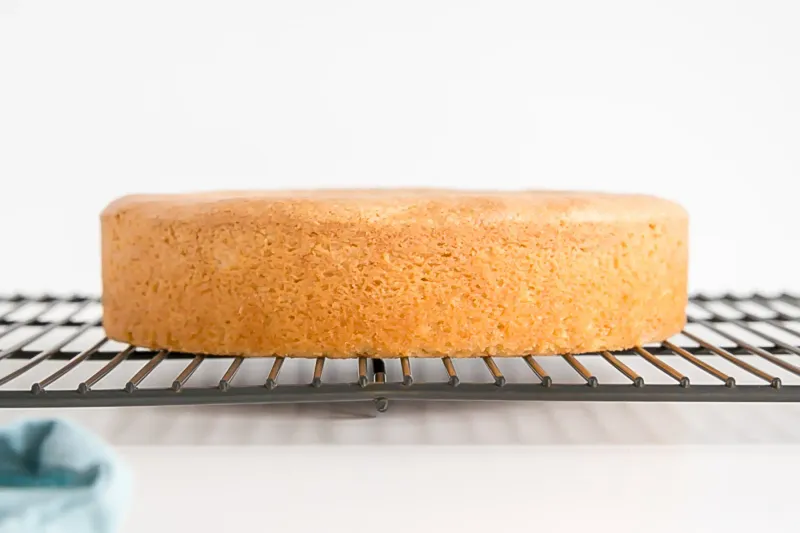
Fresh from the oven, your cake needs a short rest in its pan. This initial cooling period allows the structure to set before the delicate moving process.
After 10 minutes, flip onto a cooling rack – the grid pattern allows air to circulate underneath, preventing the dreaded soggy bottom. Patience here prevents your masterpiece from falling apart during decorating.
Frost Only When Cool
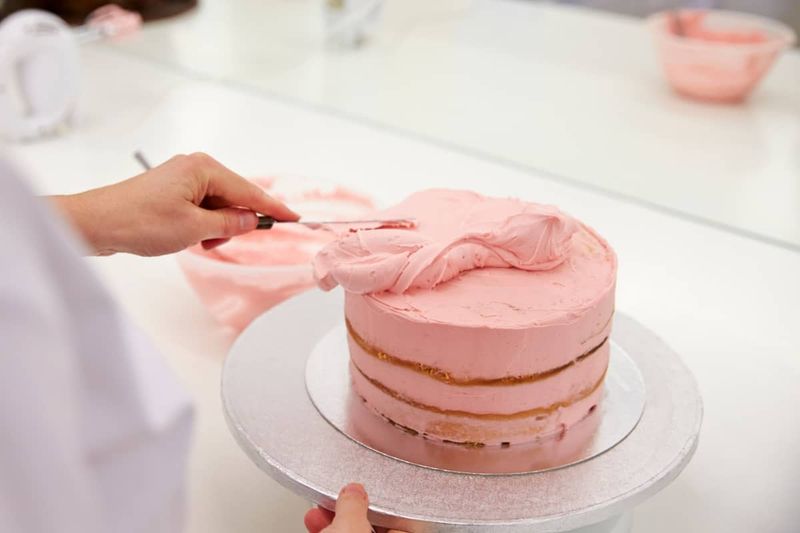
Attempting to frost a warm cake is a recipe for disaster! The heat melts your carefully prepared icing, creating a slippery, messy situation.
For perfect results, some bakers even chill their completely cooled cakes in the refrigerator for 30 minutes before frosting. This firms up the outer layer, creating the ideal surface for smooth, professional-looking decoration.