













That morning bowl of cereal might seem innocent enough, but not all breakfast options deserve a spot on your table.
Many popular UK cereals hide shocking amounts of sugar, artificial additives, and questionable nutritional value behind colourful packaging and clever marketing.
Your breakfast choice sets the tone for your entire day, so it's worth knowing which cereals are better left on the supermarket shelf.
1. Nestlé Lion Cereal
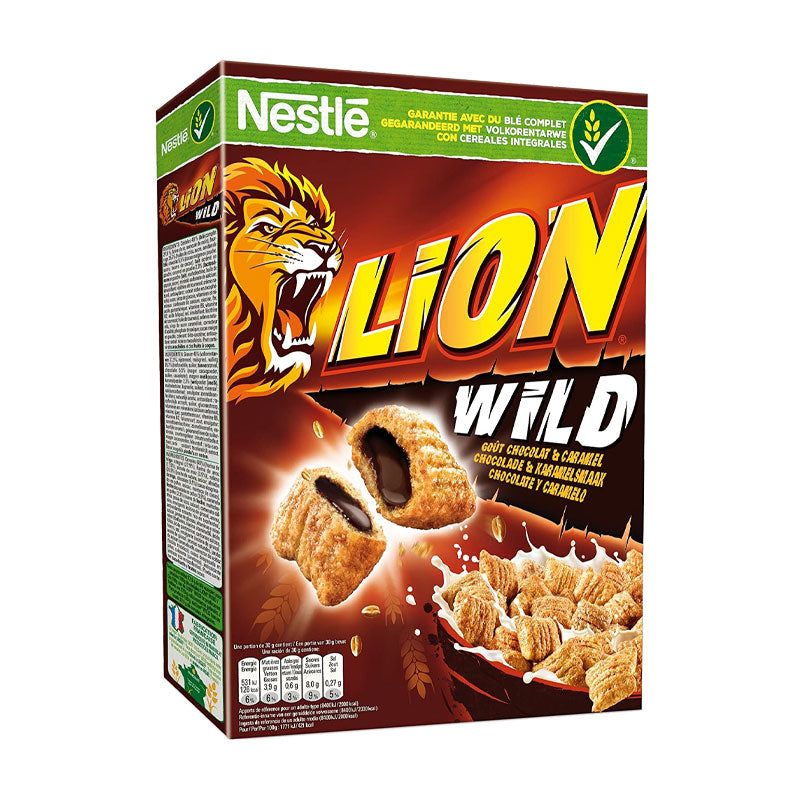
Remember those Lion chocolate bars? Well, imagine them crushed up and served with milk first thing in the morning! Nestlé Lion Cereal packs a whopping 29g of sugar per 100g – that's over 7 teaspoons in a typical serving.
The sweet caramel coating might taste delicious, but your body won't thank you for the massive blood sugar spike followed by the inevitable crash mid-morning. Most concerning is how this cereal is marketed toward children despite containing more sugar than many desserts.
Beyond the sugar content, Lion Cereal contains palm oil and various artificial flavourings that offer zero nutritional benefits. Your body deserves better fuel to start the day!
2. Kellogg's Frosties
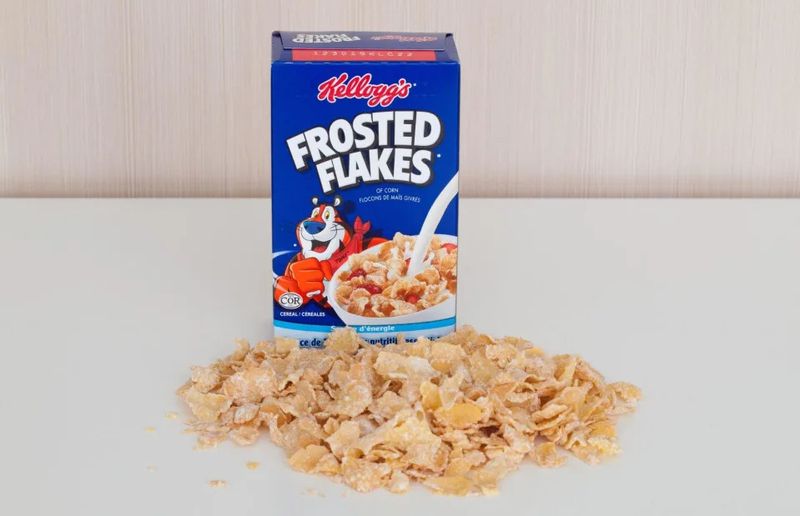
Tony the Tiger might be enthusiastic about Frosties, but nutritionists certainly aren't. These sugar-coated corn flakes contain a staggering 37g of sugar per 100g – making them one of the sweetest cereals on British shelves.
What's particularly troubling is how this cereal has been a breakfast staple for generations despite essentially being dessert. The simple corn flakes base gets completely overshadowed by the thick sugar coating that dissolves in milk, creating what amounts to sugary soup.
While Kellogg's has added some vitamins and minerals, they don't compensate for the damage caused by starting your day with such an intense sugar load. Your teeth and energy levels will suffer!
3. Kellogg’s Special K Original
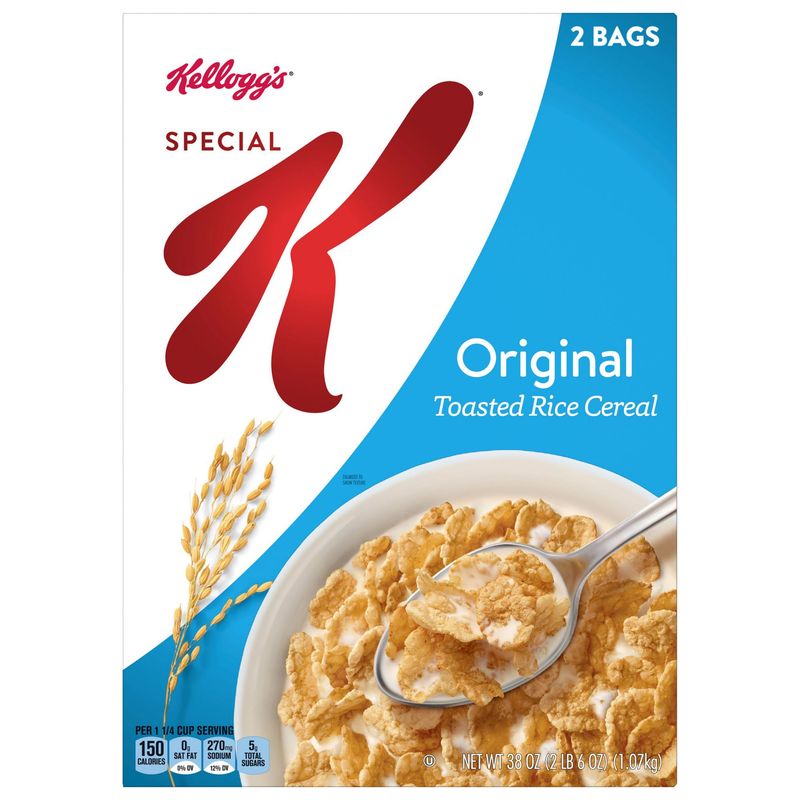
Kellogg’s Special K Original is a widely recognized breakfast cereal, often marketed as a healthy option. However, upon closer inspection, it contains 15g of sugar per 100g serving, which constitutes 17% of the daily recommended intake for an average adult.
This high sugar content is a concern for those aiming to reduce their sugar intake. Additionally, the cereal offers only 6g of protein per 100g, which is relatively low compared to other breakfast options.
While it does provide essential vitamins and minerals, such as iron and B vitamins, the nutritional profile may not align with the health-conscious consumer's expectations. Therefore, individuals seeking a low-sugar, high-protein breakfast might consider alternatives that better meet these criteria.
4. Quaker Oats Oat So Simple (Flavoured Varieties)
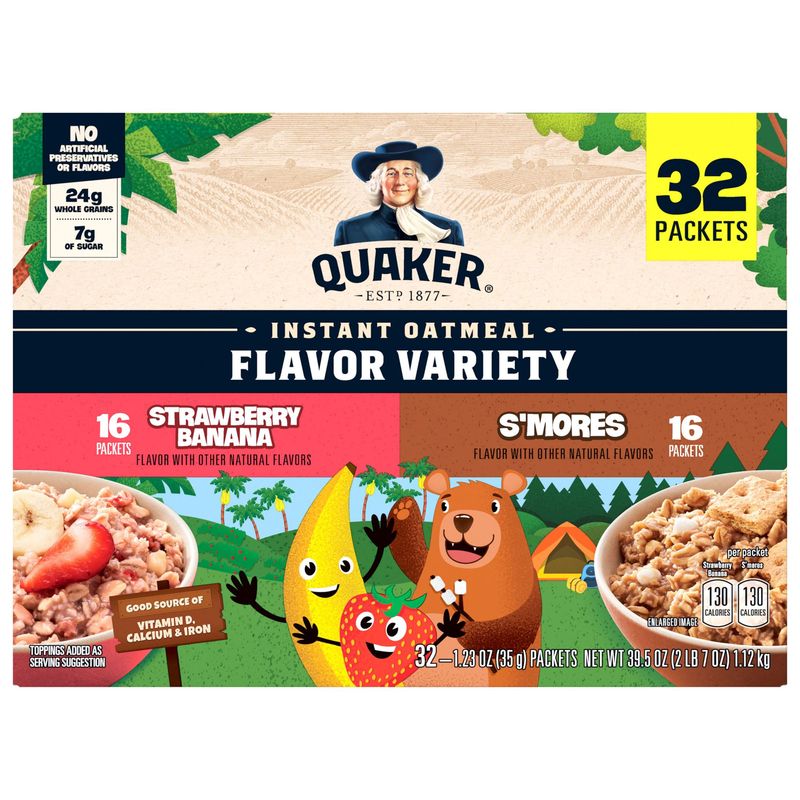
Quaker Oats Oat So Simple (Flavoured Varieties) may seem like a healthy breakfast choice with its whole grain oats, but the flavoured varieties often come with added sugars and artificial flavourings.
For example, some flavours can contain up to 6g of sugar per serving, which diminishes the health benefits of oats, making them less of a wholesome breakfast option.
If you're looking for a more natural, less sugary breakfast, opting for plain oats and adding your own toppings might be a healthier alternative.
5. Mornflake Pecan And Maple Crisp
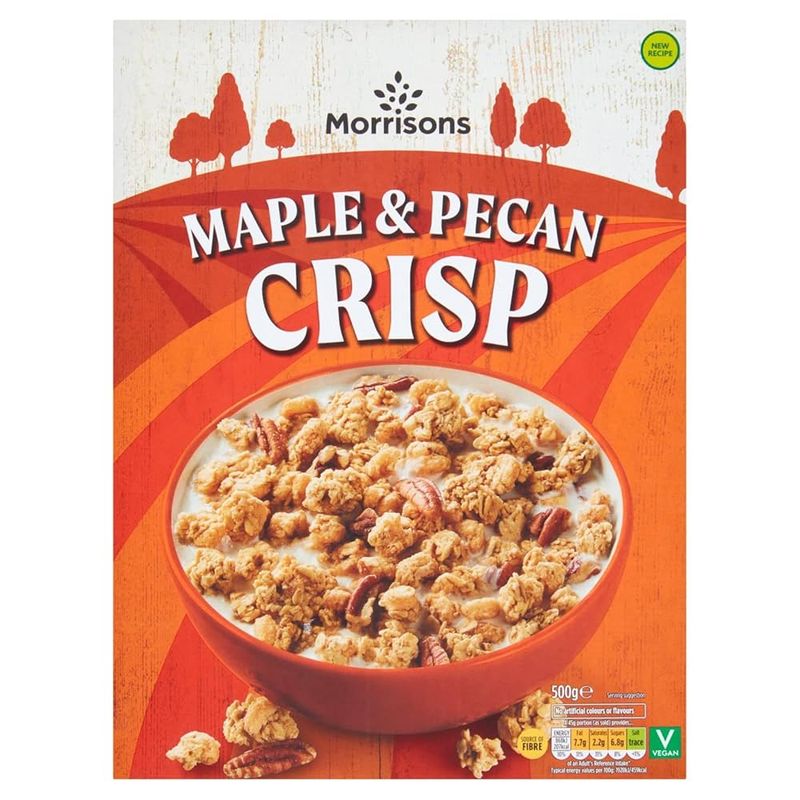
Marketed as a premium, adult-oriented breakfast option, this Jordan's cereal blend hides behind its 'natural' ingredients while delivering a massive calorie punch. The combination of maple syrup coating, pecans, and multiple grains creates a breakfast that can contain more calories than some fast-food meals.
The 'healthy nut' marketing is particularly misleading. While nuts are nutritious, they're combined here with sweetened clusters and sugar-coated grains that spike blood sugar levels dramatically.
Many consumers report feeling hungry shortly after eating, despite the high calorie count – a classic sign of nutritionally empty foods. For a truly satisfying breakfast, choose plain muesli and add your own measured portions of nuts and a small drizzle of real maple syrup.
6. Weetabix Protein
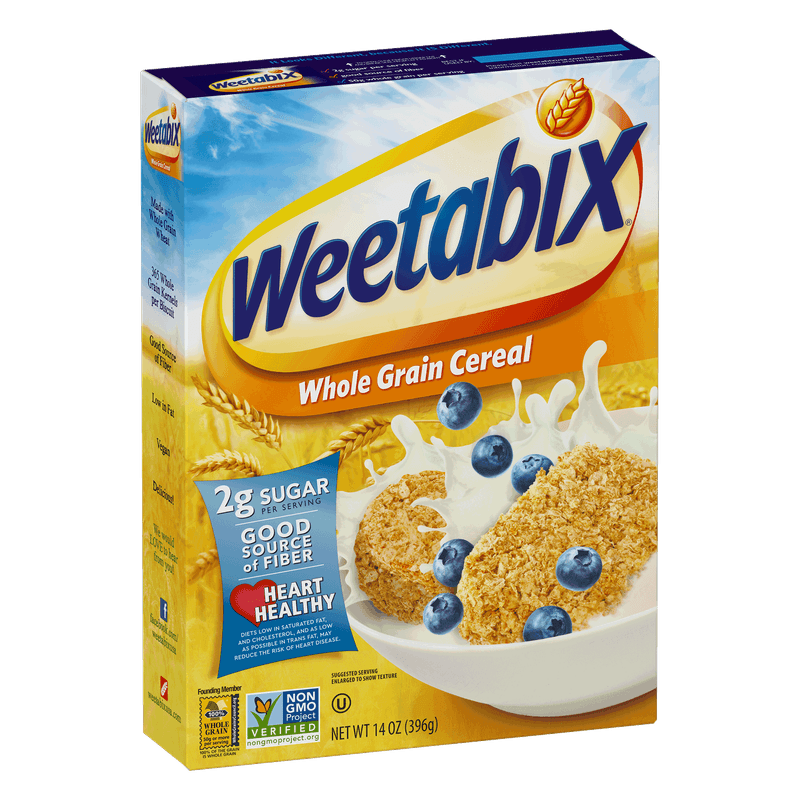
Weetabix Protein is often promoted as a healthier cereal option, designed to boost protein intake in the morning. However, despite the protein boost, it contains more sugar than traditional Weetabix, which can be a concern for those looking to maintain a balanced diet.
With approximately 5.6g of sugar per 30g serving, it’s not the best choice for those who want to avoid unnecessary sugar intake in the morning, especially when other cereals provide similar benefits with less sugar.
7. Honey Monster Puffs
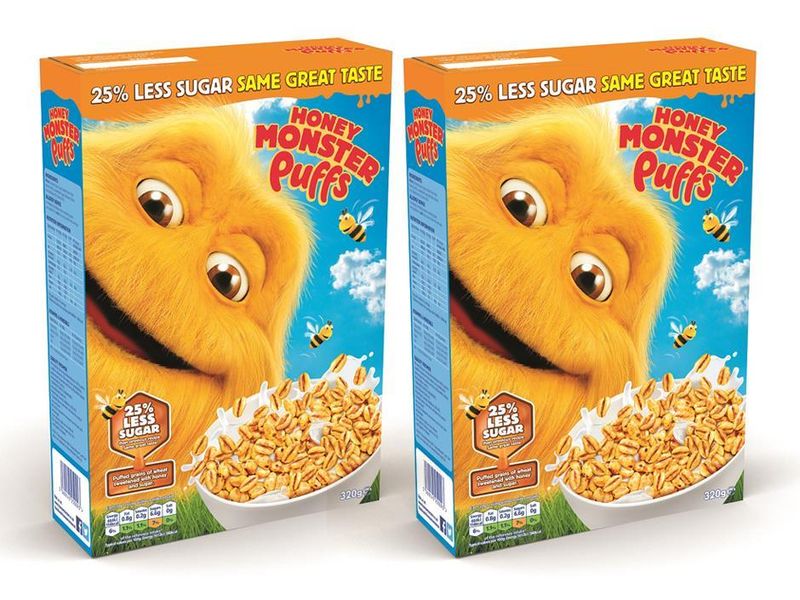
Honey Monster Puffs, formerly known as Sugar Puffs, have long been a popular breakfast choice for children, but they are a highly processed cereal that contains a significant amount of sugar.
With over 20g of sugar per 100g serving, they rank high in terms of sugar content, making them a poor choice for those trying to manage their sugar intake.
The overly sweet taste and lack of nutritional value mean Honey Monster Puffs should be avoided if you're aiming for a healthier, more balanced breakfast.




Comments
No Comments