













Proper food storage isn't just about making things last longer - it's about keeping your family safe from foodborne illnesses. The refrigerator serves as your kitchen's safety zone, maintaining the perfect temperature to slow bacterial growth in perishable foods.
Understanding which items absolutely need cold storage can save you from unnecessary food waste and potential health risks.
1. Milk
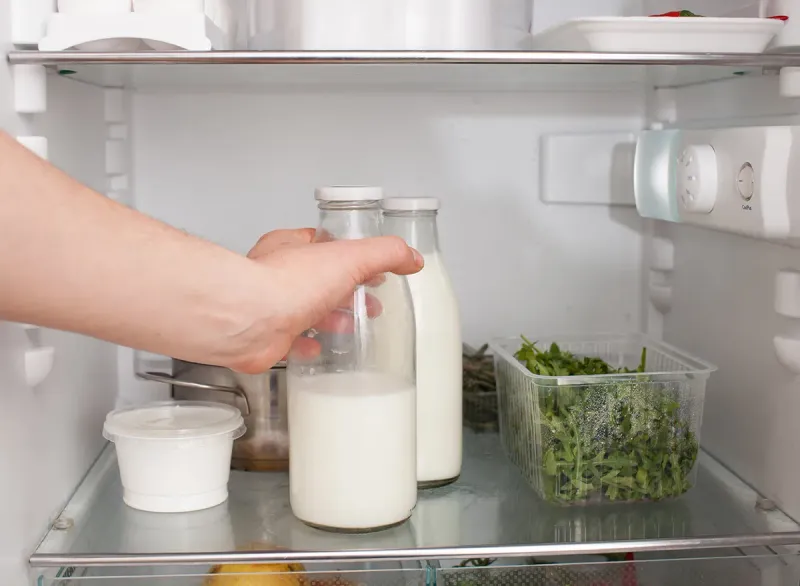
The creamy white liquid we pour over cereal requires constant chilling below 5°C. When left at room temperature, milk becomes a playground for harmful bacteria within just a couple of hours.
Food safety experts warn that spoiled milk isn't just unpleasant—it can cause serious stomach upsets. The proteins and sugars in milk break down rapidly when warm, altering both taste and nutritional quality.
2. Raw Meat And Poultry
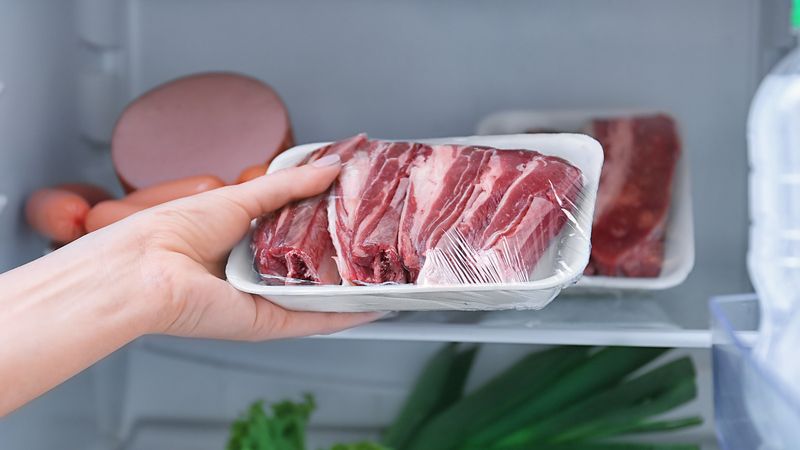
Uncooked chicken, beef, and pork demand proper cold storage to prevent dangerous bacterial growth. Always store these items in sealed containers on the bottom shelf of your fridge.
This strategic placement prevents any accidental drips from contaminating other foods below. Raw meats should never sit at room temperature for more than two hours, as bacteria multiply rapidly in the 'danger zone' between 8-60°C.
3. Cooked Meats
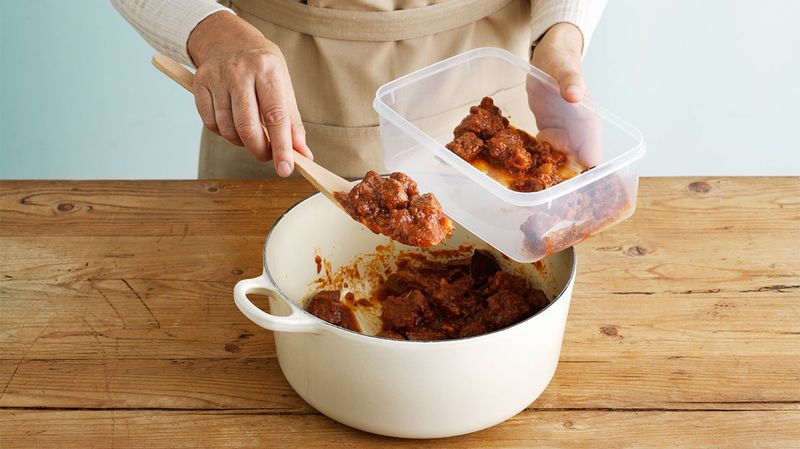
Sunday roast leftovers need swift refrigeration. Once the steam stops rising, cooked meats should be portioned, cooled slightly, and refrigerated within two hours of cooking.
Sliced ham, chicken, and other prepared meats provide the perfect environment for listeria bacteria if left out. Store these items in airtight containers and consume within 3-4 days for optimal safety and flavour.
4. Eggs
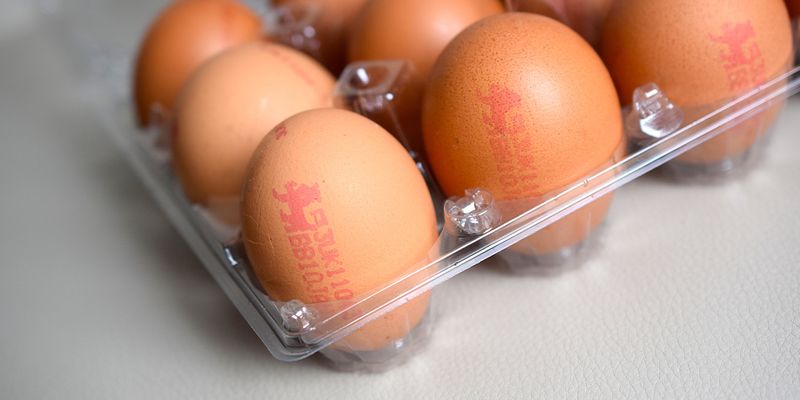
While supermarkets often display eggs at room temperature, UK Lion-stamped eggs benefit from refrigeration after purchase. The constant cool temperature helps maintain freshness and extends shelf life significantly.
A fascinating egg fact: refrigerated eggs can last up to three weeks longer than those kept at room temperature! Just avoid storing them in the refrigerator door, where temperatures fluctuate most.
5. Butter
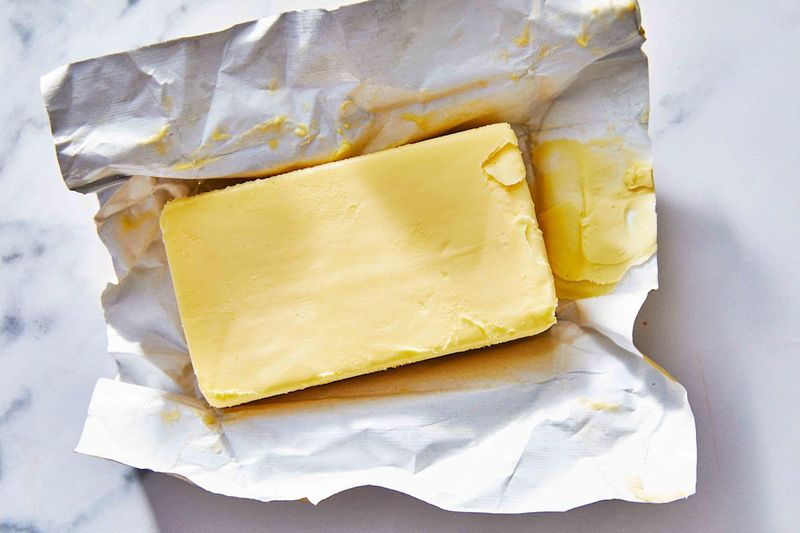
Butter's high fat content makes it surprisingly stable, but refrigeration prevents it from turning rancid, especially in warmer weather.
The fridge extends its shelf life from days to months. For spreading convenience, many British households use a butter dish that keeps a small portion at room temperature. Just remember to refresh this supply regularly and keep the main block safely chilled to preserve its sweet, creamy flavour.
6. Yoghurt
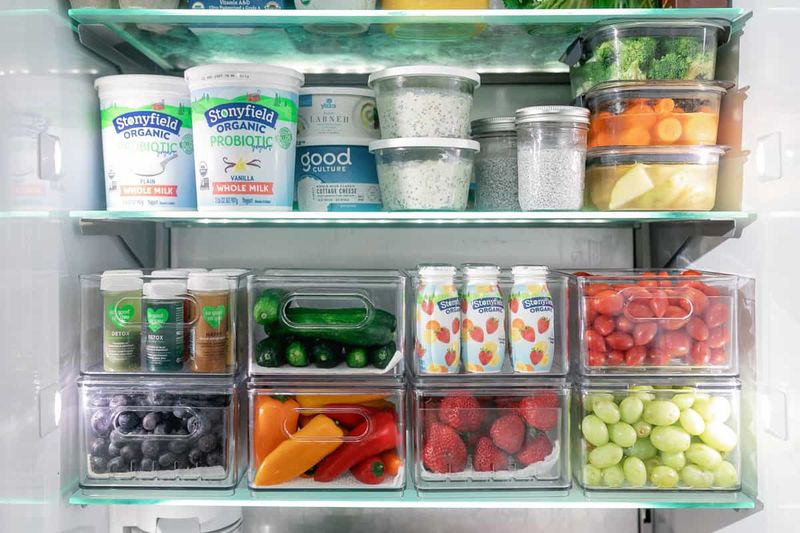
Those beneficial bacteria that make yoghurt so good for your gut need consistent cold temperatures to survive. When yoghurt warms up, these cultures become less effective and unwanted bacteria may multiply.
Nutritionists recommend storing yoghurt in its original container toward the back of your fridge where temperatures remain most stable. The cold environment preserves both the tangy flavour and the probiotic benefits that support digestive health.
7. Cheese

Soft varieties like brie, camembert, and cream cheese absolutely require refrigeration to prevent mould growth and maintain their delicate textures. Even hard cheeses benefit from chilling once their protective packaging is opened.
Cheese experts suggest wrapping cheese in wax paper before placing it in a container in the fridge. This allows the cheese to breathe while preventing it from drying out or absorbing other food odours.
8. Fresh Fish
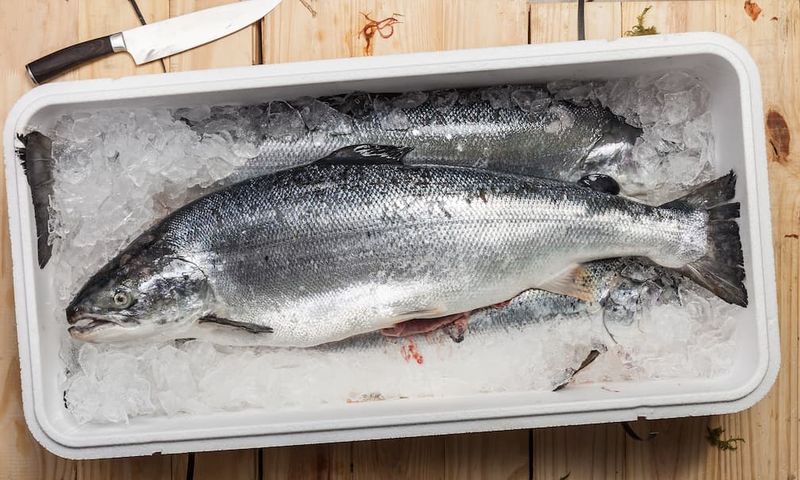
Fresh fish deteriorates faster than almost any other protein source. Marine biologists explain this is because fish contain enzymes and bacteria that thrive at room temperature, quickly breaking down the delicate flesh.
For maximum freshness, store fish in the coldest part of your fridge (usually the back) and use within 1-2 days. A brilliant tip: place fish on a bed of ice in a covered container for restaurant-quality preservation.
9. Tofu
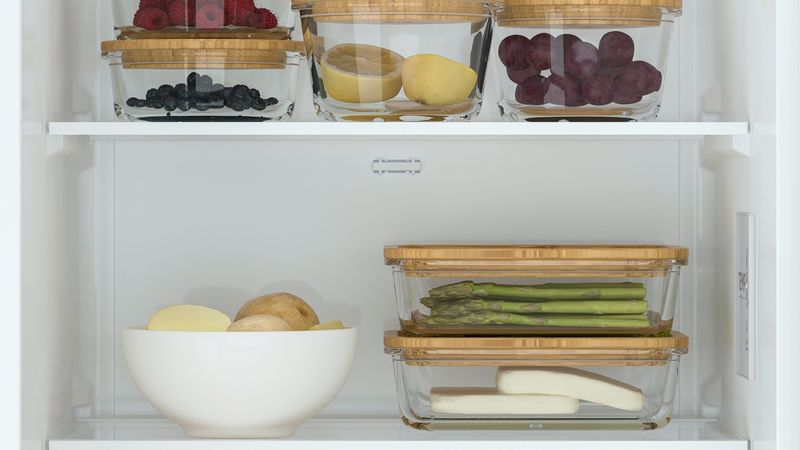
Once that protective packaging is opened, tofu requires immediate refrigeration in water. Food scientists explain that this protein-rich food quickly develops harmful bacteria when left at room temperature. Change the water daily to keep your tofu fresh and prevent souring.
Stored properly in the fridge, opened tofu remains good for 3-5 days—plenty of time to enjoy its versatility in various dishes without waste.
10. Leafy Greens
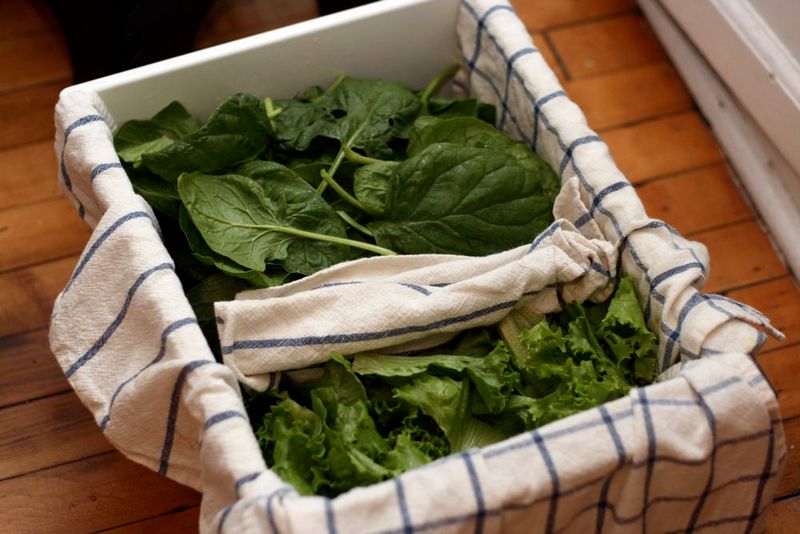
Spinach, lettuce, and rocket wilt rapidly at room temperature. The refrigerator's cold environment slows this process by reducing respiration rates in these delicate leaves. Horticulturists recommend storing greens in ventilated containers lined with paper towels to absorb excess moisture.
This method prevents the soggy deterioration that often plagues these nutritional powerhouses. For herbs, treat them like flowers—trim the stems and place in water in the fridge.
11. Fresh Berries
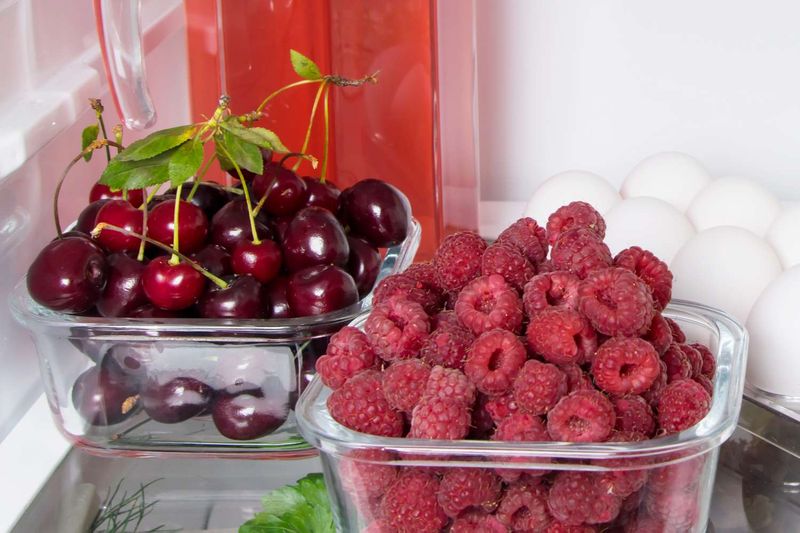
The fragile structure of strawberries, raspberries, and blueberries makes them especially vulnerable to mould and deterioration. These fruits contain natural yeasts that multiply rapidly at warm temperatures. Agricultural researchers recommend not washing berries until right before eating.
Store them in their original ventilated containers or in paper-towel lined containers in the fridge. A fascinating tip: a quick vinegar rinse before refrigeration can extend berry life by killing surface bacteria!
12. Cream-Filled Pastries

That delicious éclair or custard tart harbours a secret danger when left at room temperature. The moist, protein-rich fillings provide perfect conditions for bacterial growth.
Pastry chefs emphasize that cream and custard-filled treats should be refrigerated within two hours of purchase or preparation. While the cold environment might slightly affect the texture of the pastry, it's a small price to pay for preventing foodborne illness.
13. Opened Sauces
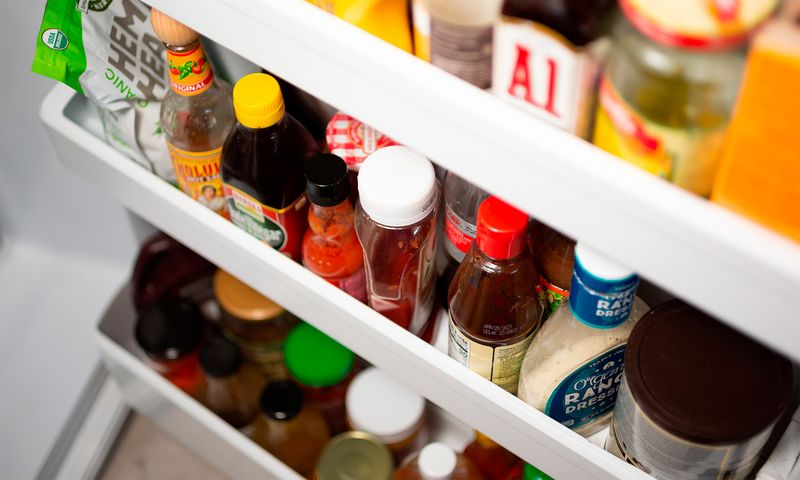
That bottle of mayonnaise, jar of pesto, or tube of tomato paste requires refrigeration after opening, despite what you might think. Food preservation experts explain that exposure to air introduces bacteria that can multiply in these condiments.
Always check labels for storage instructions, but when in doubt, refrigerate. Keeping these items cold significantly extends their usable life and preserves both flavour and safety. Tightly seal containers to prevent odour transfer between foods.
14. Fresh Pasta
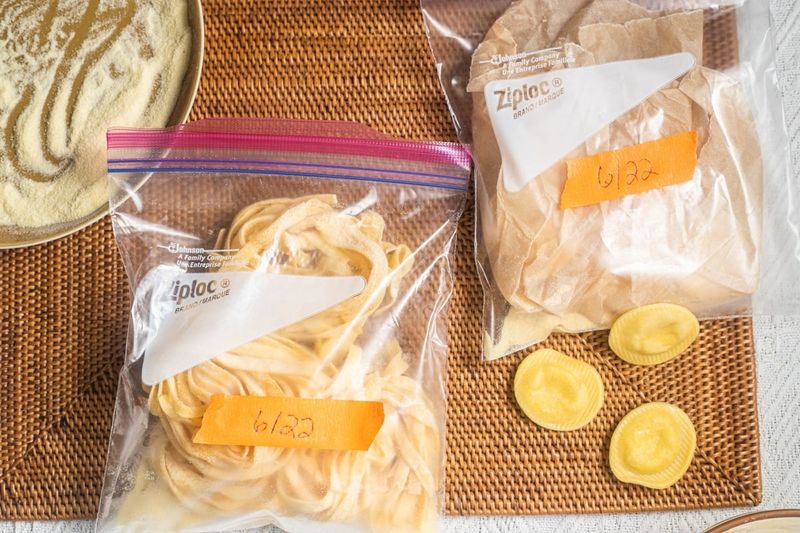
Unlike its dried counterpart, fresh pasta contains eggs and significant moisture that make it highly perishable. Food microbiologists warn that room temperature storage can lead to rapid bacterial growth and potential foodborne illness.
Store fresh pasta in airtight containers in the refrigerator for up to two days. For longer storage, freezing is recommended. The higher moisture content in fresh pasta makes it particularly vulnerable to spoilage if not properly refrigerated.



