










Our taste buds are amazing detectors, capable of sensing thousands of different flavours. But some flavours stand out from the crowd, hitting our senses with remarkable intensity.
From eye-watering spices to pungent cheeses, these powerful taste experiences can shock, delight, or even overwhelm us. Ready to discover the most potent flavours nature and culinary traditions have created?
1. Wasabi
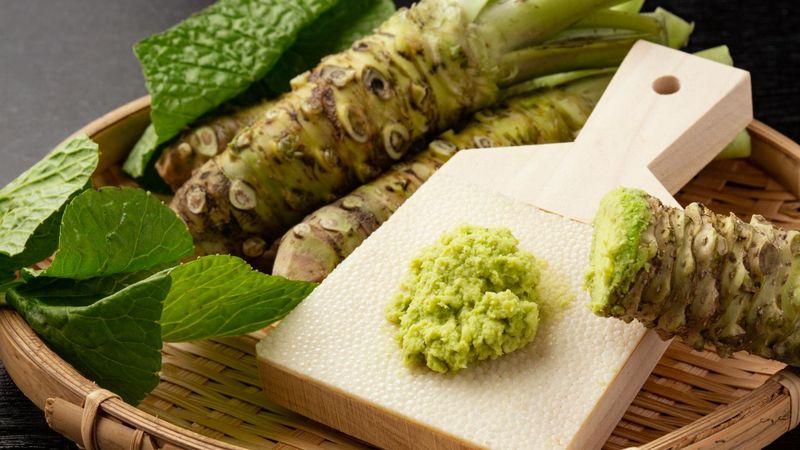
The green paste beside your sushi isn't just for show. Real wasabi comes from a Japanese root that delivers an instantaneous nasal-clearing sensation when consumed.
Unlike chilli peppers that burn your tongue, wasabi targets your sinuses with a powerful yet fleeting heat. Many restaurants actually serve horseradish dyed green because authentic wasabi is rare and expensive.
2. Blue Cheese
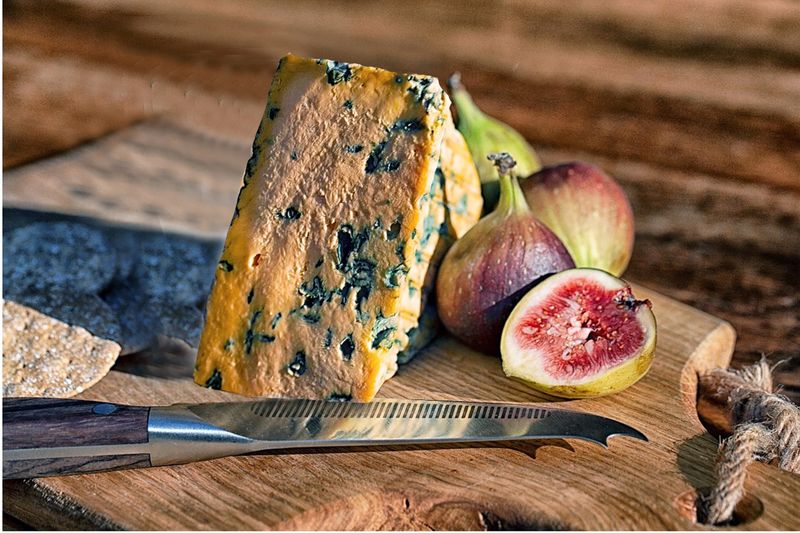
Ever wondered why blue cheese makes such a strong impression? The distinctive blue-green veins running through varieties like Roquefort and Stilton come from specific mould cultures deliberately introduced during aging.
These moulds break down the cheese's proteins and fats, creating sharp, tangy compounds that give blue cheese its characteristic punch. Many food scientists consider it one of the most complex flavour profiles in the culinary world.
3. Truffle
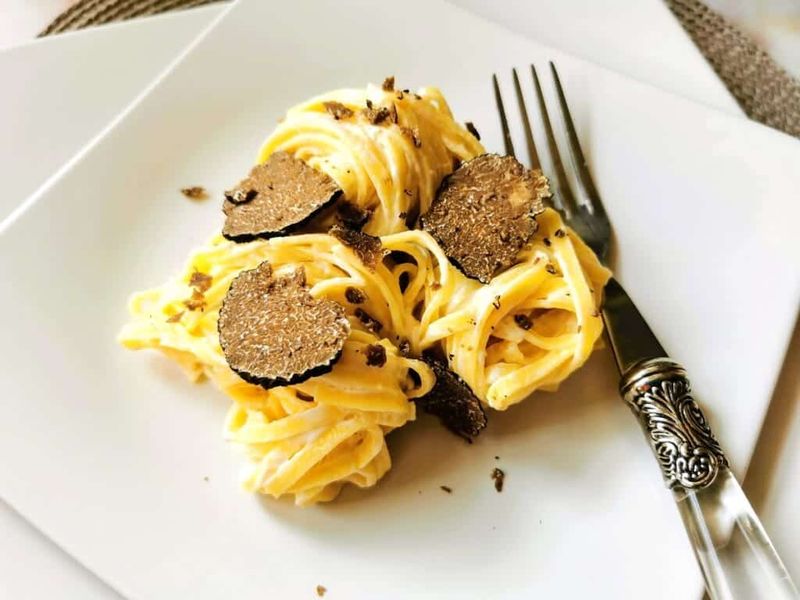
These underground fungi command astronomical prices for good reason. A single whiff of black or white truffles delivers an earthy, musky aroma that transforms ordinary dishes into gourmet experiences.
The secret to their powerful scent? Compounds like androstenone, also found in male pig saliva, which is why female pigs were traditionally used to hunt truffles. Just a few shavings can completely dominate a dish's flavour profile.
4. Fish Sauce
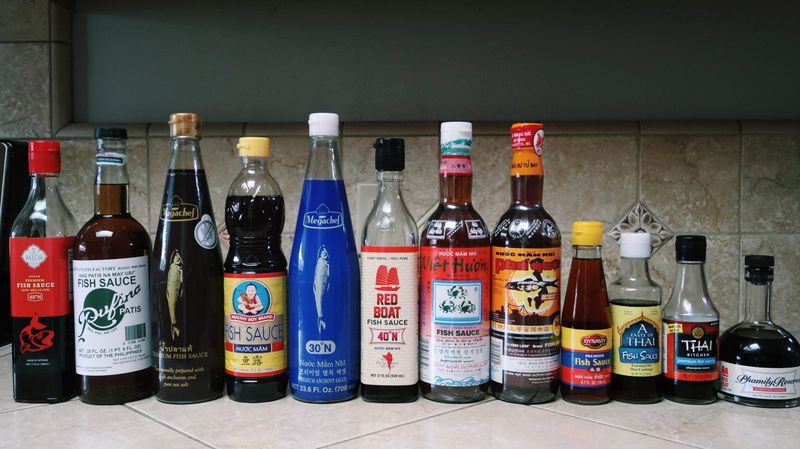
A bottle of fish sauce might smell alarming when first opened, but this liquid gold forms the backbone of Southeast Asian cuisine. Made by fermenting anchovies with salt for months or even years, it develops extraordinary depth.
The fermentation process breaks proteins down into amino acids, creating that powerful umami punch. Chefs prize good fish sauce for its ability to add complex savouriness to dishes without tasting explicitly 'fishy'.
5. Ghost Pepper
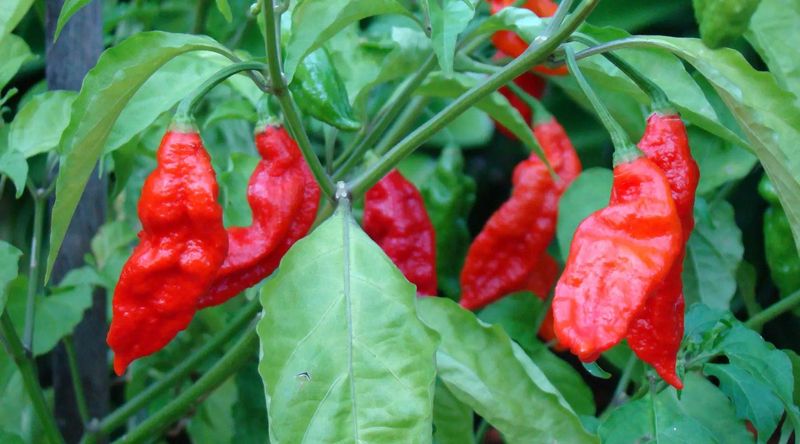
Once certified as the world's hottest chilli, the Ghost Pepper (Bhut Jolokia) isn't just food – it's an extreme sensory experience. Native to northeastern India, it measures over one million Scoville Heat Units.
Capsaicin, the compound responsible for its fire, triggers the same pain receptors that respond to actual burns. Some brave souls attempt Ghost Pepper challenges, but experts warn that such intense heat can cause physical distress beyond simple discomfort.
6. Black Garlic
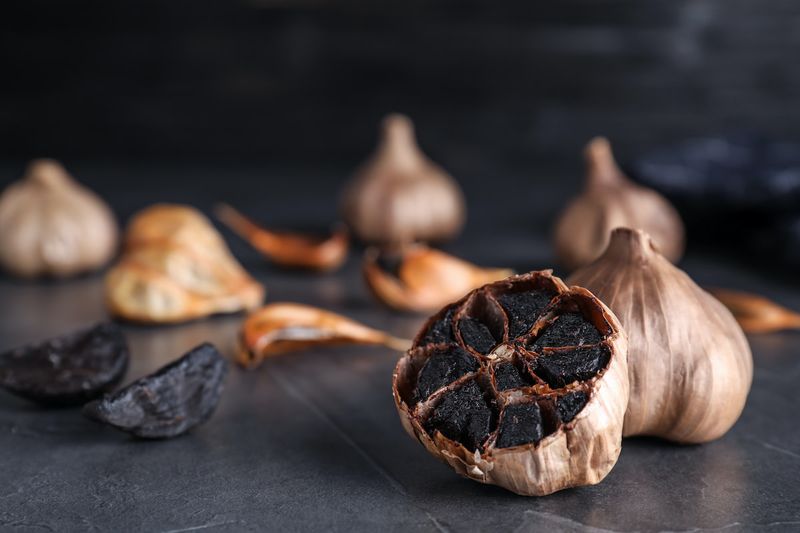
Ordinary garlic transformed through weeks of careful fermentation emerges as something extraordinary. The slow heat-aging process turns harsh raw garlic into black, jelly-like cloves with a completely reinvented flavour profile.
The scientific magic happens as sugars and amino acids undergo the Maillard reaction. What emerges tastes like a sophisticated blend of molasses, balsamic vinegar, and tamarind – sweet, tangy and deeply savoury all at once.
7. Liquorice Root

The polarising power of liquorice creates instant fans or lifelong avoiders. This ancient medicinal root contains glycyrrhizin, a compound remarkably 50 times sweeter than sugar!
Yet liquorice isn't simply sweet – it delivers a complex medicinal, woody flavour with strong aniseed notes that linger persistently. Scandinavian and Dutch cuisines embrace its intensity, while many British sweets feature milder versions of this distinctive botanical flavour.
8. Anchovies
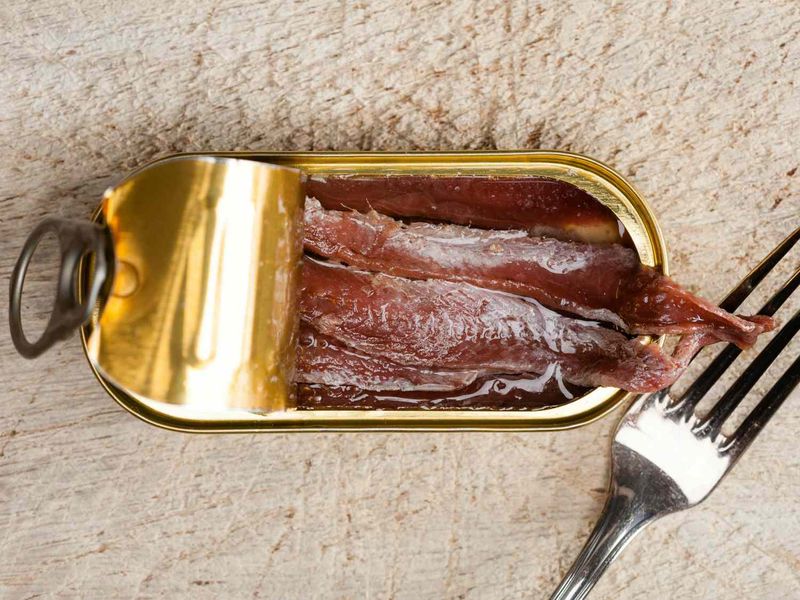
These tiny fish pack a flavour wallop that belies their size. Cured in salt and packed in oil, anchovies develop an intensely savoury character that can transform dishes with just a small amount.
Their powerful taste comes from glutamate, the same compound responsible for umami flavour. Chefs often use anchovies as a secret ingredient – they dissolve into sauces, dressings and stews, adding depth without fishiness.
9. Tamarind
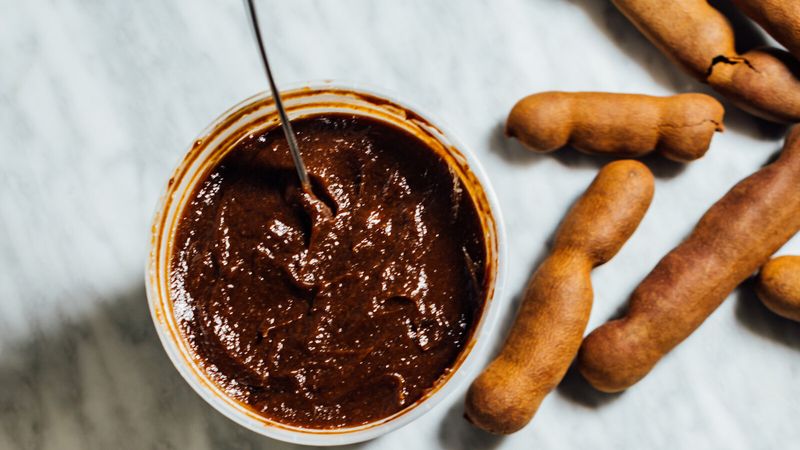
Hidden inside rough brown pods, tamarind pulp delivers an electrifying sour punch that makes taste buds stand at attention. This tropical fruit has been prized across Africa, Asia and Latin America for centuries.
Its complex sourness comes from tartaric acid, unlike the citric acid in lemons. Culinary experts value tamarind for its ability to add depth to dishes – from the tangy zip in pad thai to the sour foundation of Worcestershire sauce.
10. Durian
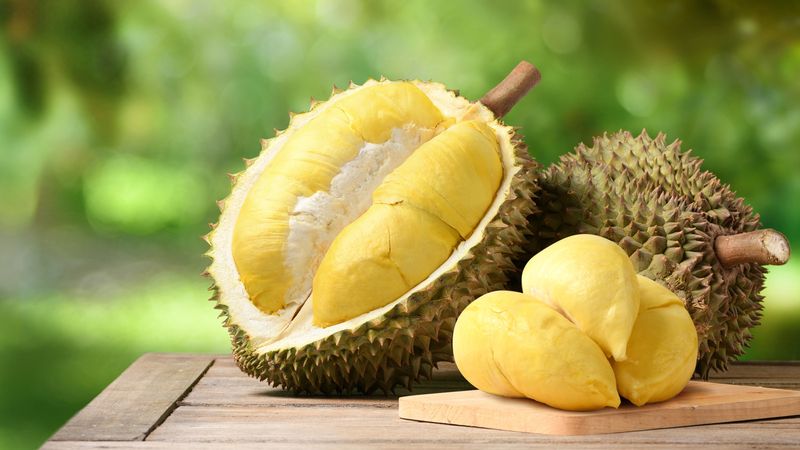
The controversial 'king of fruits' inspires passionate devotion and equally passionate disgust. Its aroma is so potent that durian is banned on Singapore's public transport system!
Beneath the spiky exterior lies creamy yellow flesh with a bewildering flavour combination – simultaneously sweet like custard yet sulphuric like onions. Food researchers have identified over 50 distinct compounds contributing to durian's unique sensory experience.
11. Kimchi
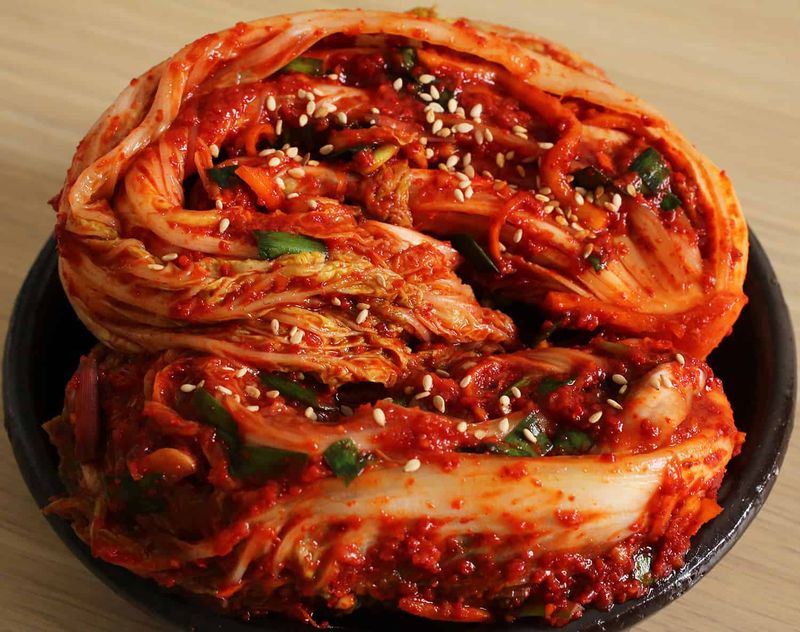
Korea's national treasure represents flavour maximalism in its purest form. This fermented cabbage creation delivers a symphony of tastes – sour, spicy, garlicky, and funky all at once.
The magic happens during fermentation when beneficial bacteria transform sugars into lactic acid. Modern nutritionists celebrate kimchi as a probiotic powerhouse, but Korean families have treasured its bold, complex flavour for generations, with recipes passed down through family lines.
12. Horseradish
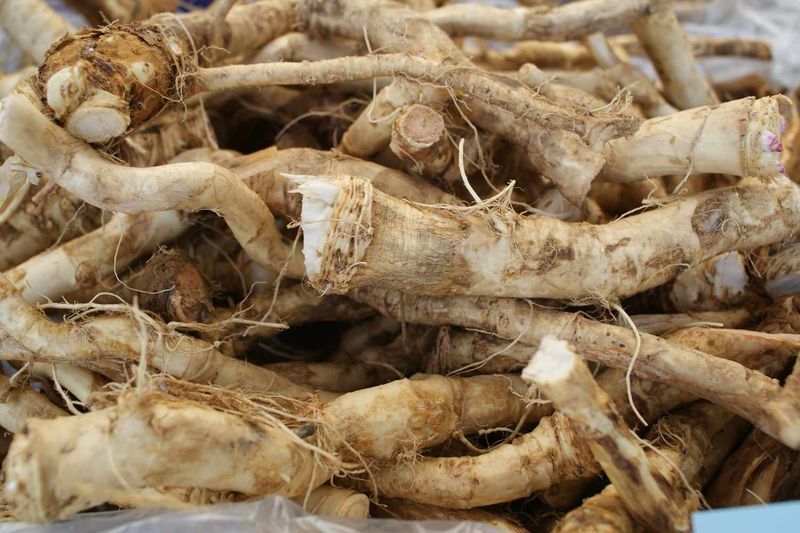
The innocent-looking white root conceals a chemical weapon that targets your sinuses rather than your taste buds. When grated, horseradish releases volatile compounds called isothiocyanates that create its distinctive heat.
Unlike chilli peppers, horseradish's burn rises through your nasal passages, sometimes bringing tears to your eyes. British Sunday roasts often feature horseradish sauce, while Eastern European Jewish traditions include it as a bitter herb during Passover celebrations.
13. Fermented Shrimp Paste
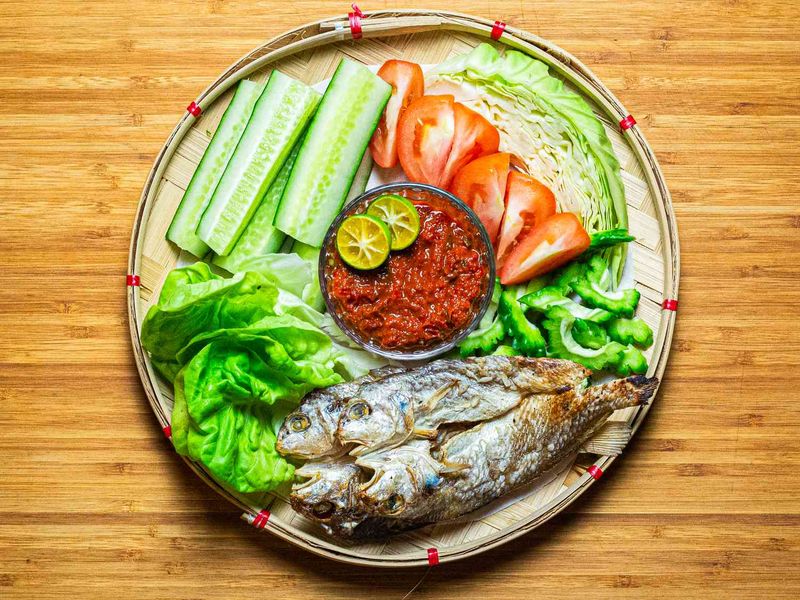
A cornerstone of Southeast Asian cooking that challenges Western palates. This pungent paste begins as tiny shrimp mixed with salt, then fermented until they transform into a concentrated umami bomb.
The fermentation process breaks proteins down into free amino acids and creates distinctive aromatic compounds. Despite its confronting aroma, culinary experts prize it for adding incredible depth to dishes like Malaysian sambal belacan and Thai nam prik.
14. Cloves
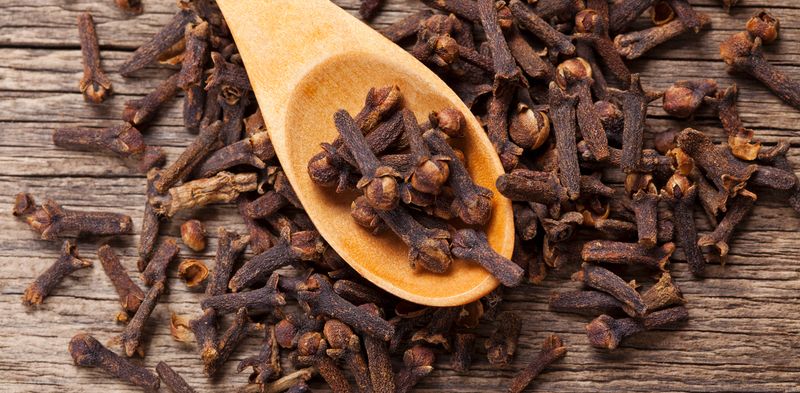
These unassuming dried flower buds pack a powerful aromatic punch that's been valued for centuries. Just a single clove contains enough essential oil to flavour an entire dish.
The main compound, eugenol, stimulates warmth receptors in the mouth similar to cinnamon. Historically, people would chew cloves for toothache relief due to eugenol's natural numbing properties. Their intense flavour means most recipes require just a pinch.
15. Limburger Cheese
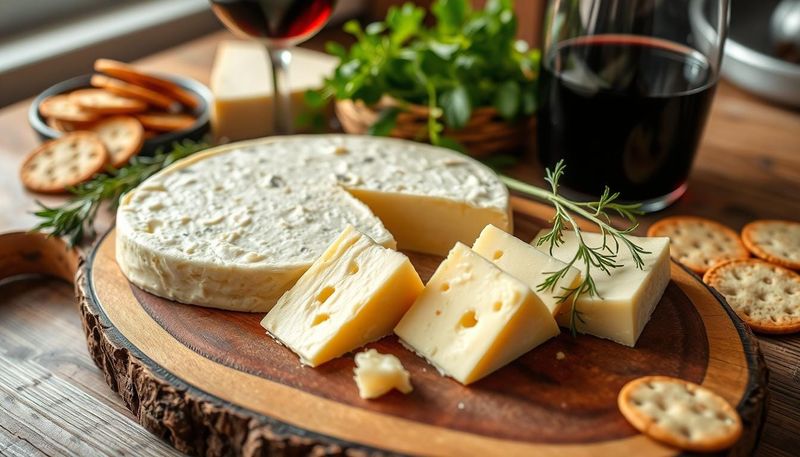
The legendary cheese that can clear a room with its aroma alone. Limburger's notorious smell comes from the same bacteria that contribute to foot odour – Brevibacterium linens.
Brave past the powerful scent, though, and you'll discover a surprisingly creamy, savoury cheese with complex flavour. German and Belgian beer traditions often pair Limburger with strong brews, creating a combination that cheese experts consider a perfect match of bold flavours.