













Frozen foods can be a lifesaver when you're short on time, but not everything belongs in the freezer section of your shopping cart. Some foods lose their flavor, texture, and nutritional value when frozen.
Let's explore which items you should always buy fresh instead of reaching for their frozen counterparts.
1. Leafy Greens
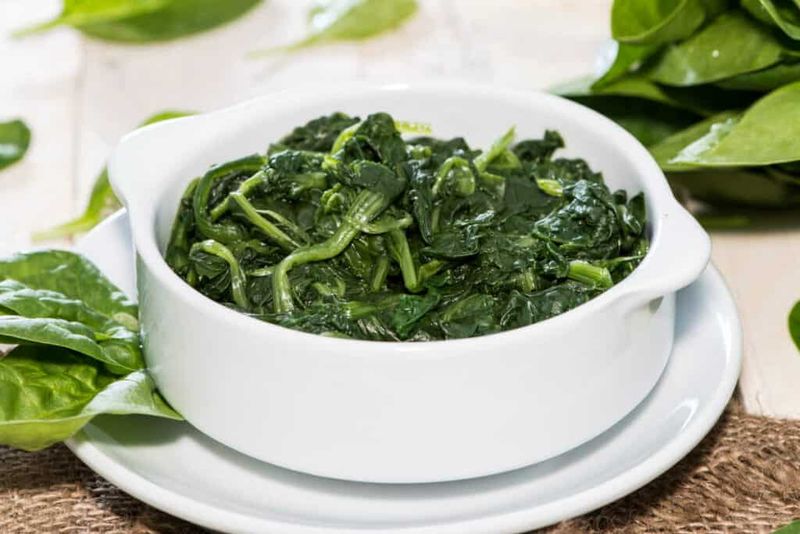
Fresh spinach and kale turn into soggy, limp shadows of their former selves after freezing. The cell walls rupture during the freezing process, causing that unappetizing mush when thawed.
While frozen greens work fine in smoothies or cooked dishes, they're dreadful for salads or sandwiches. Stick with the crisp, fresh versions for your everyday meals.
2. Dairy-Based Sauces
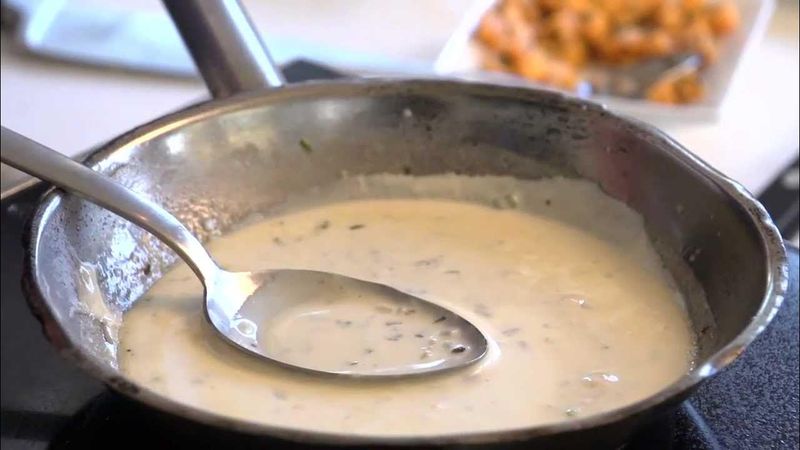
Cream sauces, béchamel, and cheese sauces separate horribly when frozen and thawed. The fat breaks away from the water, creating a grainy, unpleasant texture that no amount of whisking can fix.
Restaurant chefs never freeze these delicate sauces for good reason. Make smaller batches fresh instead of attempting to preserve them in the freezer.
3. Fresh Herbs
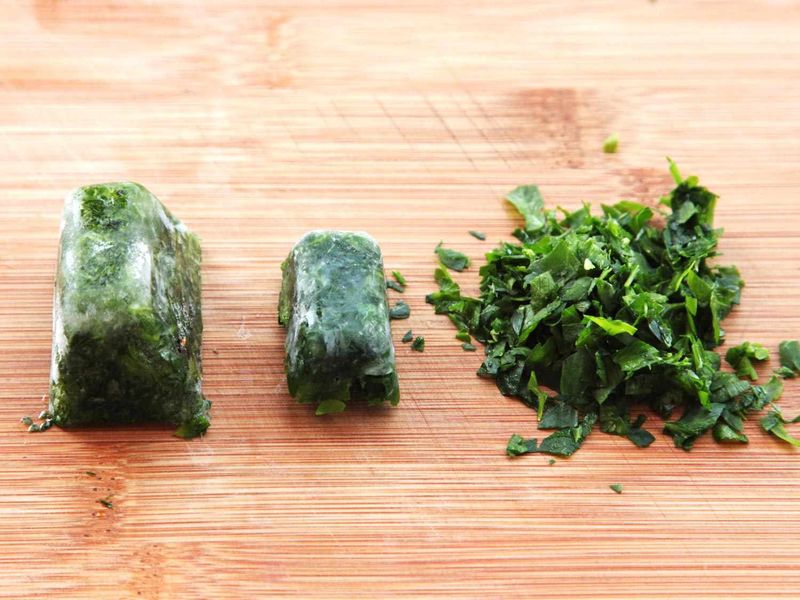
Basil, cilantro, and parsley lose their aromatic oils when frozen. What should be bright and fragrant becomes blackened, limp, and practically flavorless.
Growing herbs in a small kitchen pot gives you fresh flavors whenever needed. If you must preserve herbs, try drying them or making herb-infused oils instead of freezing the leaves whole.
4. Fried Foods
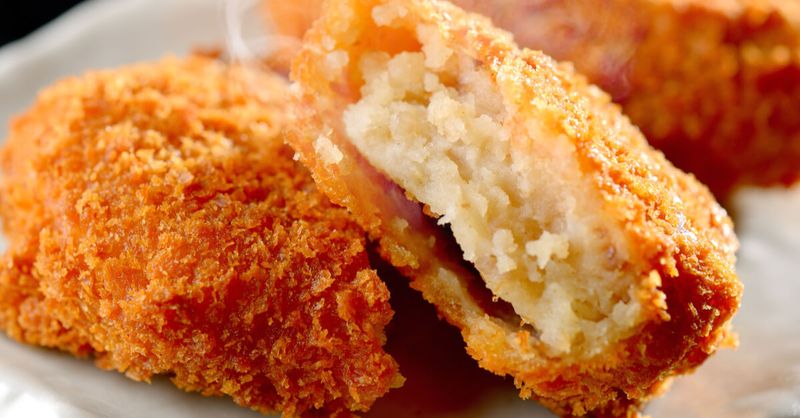
Those frozen mozzarella sticks might seem tempting, but they'll never match freshly fried versions. Freezing causes moisture to seep into the crispy coating, resulting in a soggy exterior when reheated.
The once-crunchy breading becomes chewy and sad. Save your fried food experiences for restaurants or make them fresh at home.
5. Potatoes
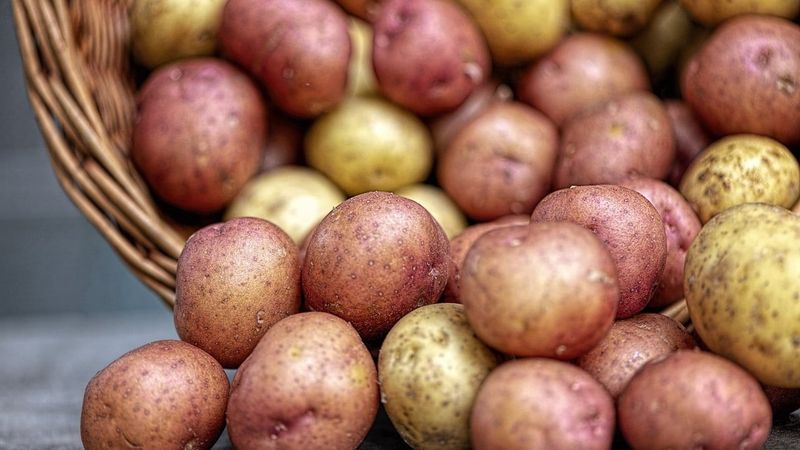
Raw potatoes turn grainy and discolored after freezing due to their high water content. The starches break down during the freezing process, leaving you with an unappetizing, mealy texture when cooked.
Store potatoes properly in a cool, dark place instead. They'll last for weeks without losing quality, unlike their frozen counterparts.
6. Soft Cheeses
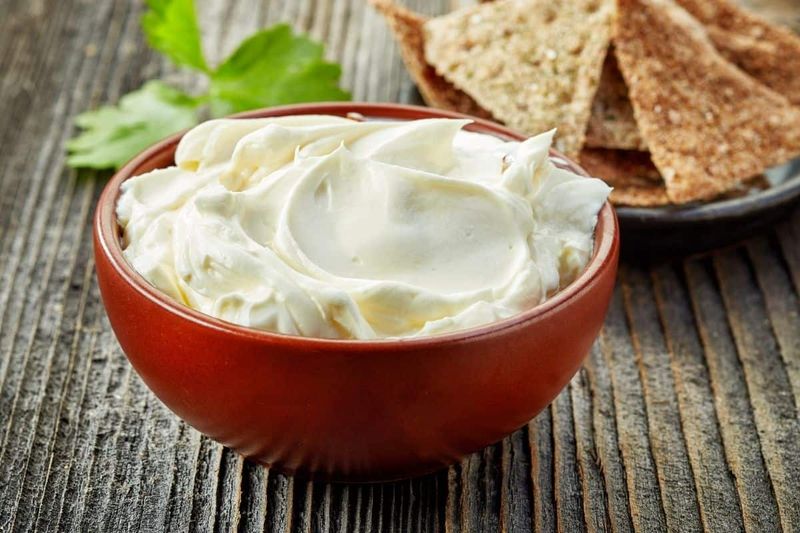
Ricotta, cottage cheese, and cream cheese completely fall apart when frozen. The proteins separate from the liquids, creating a grainy, watery mess that no stirring will fix.
The texture becomes crumbly rather than creamy. These dairy products are best enjoyed fresh, so buy smaller quantities that you'll use quickly instead of trying to preserve them.
7. Watermelon
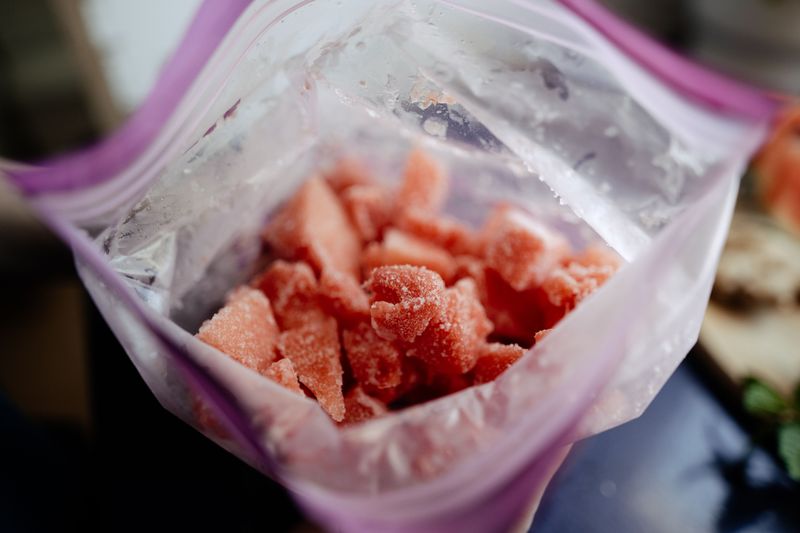
Watermelon becomes a mushy disaster after freezing. The high water content forms ice crystals that rupture the fruit's cell walls, leaving you with a pile of watery mush instead of that crisp, refreshing bite.
For cold watermelon treats, refrigerate fresh slices instead. If you must freeze it, only do so for blended drinks where texture won't matter.
8. Cucumber
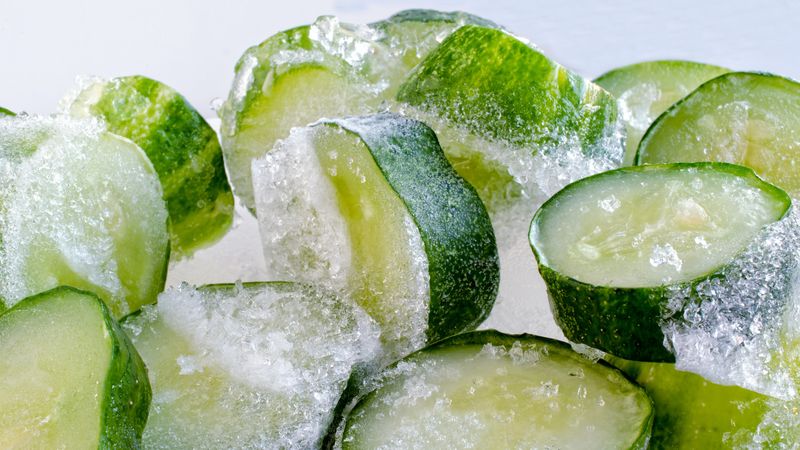
Cucumbers become inedibly mushy after freezing due to their extremely high water content. The crisp, refreshing vegetable turns into a pile of watery slop that's useful for absolutely nothing.
Even cooked dishes can't salvage frozen cucumbers. Keep them in the refrigerator crisper drawer instead, where they'll stay fresh for a week.
9. Fresh Tomatoes
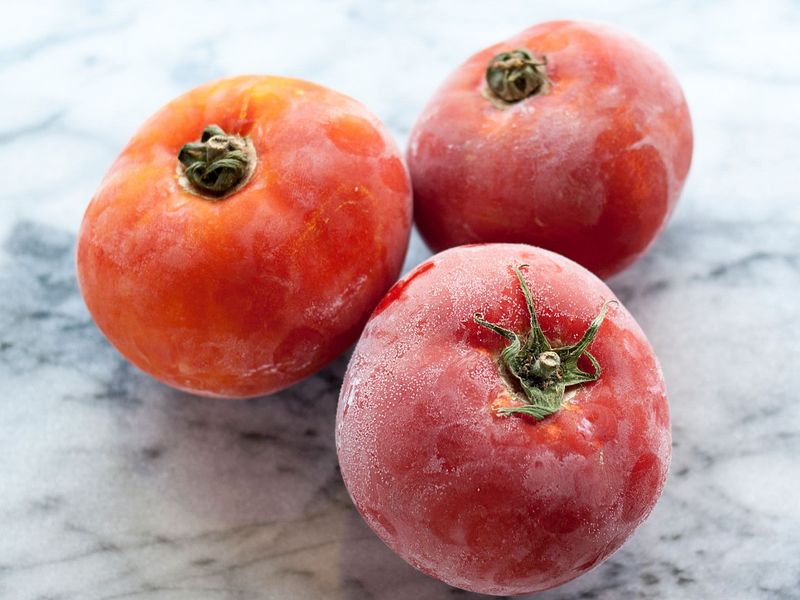
Whole tomatoes become mealy and lose their structure when frozen. The water inside forms ice crystals that rupture cell walls, turning your once-firm tomato into a pile of seeds and skin when thawed.
If you have a tomato surplus, make sauce or salsa instead of freezing them whole. Canned tomatoes are professionally processed to maintain texture.
10. Lettuce
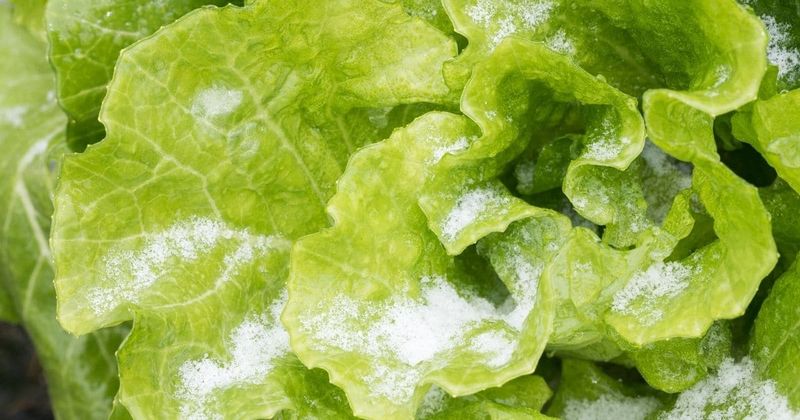
Crisp lettuce becomes limp, dark, and slimy after freezing. The high water content in lettuce leaves turns to ice, rupturing cell walls and destroying the vegetable's structure.
There's simply no way to use thawed lettuce that resembles its fresh counterpart. Keep it in the fridge with a paper towel to absorb excess moisture instead.
11. Avocados
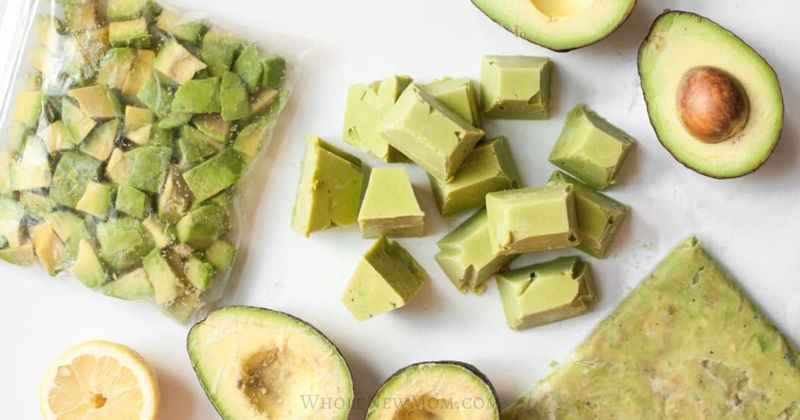
Whole avocados turn brown and develop an unpleasant gummy texture when frozen. The buttery smoothness disappears, leaving behind something that barely resembles the fresh fruit.
In a pinch, you can freeze mashed avocado with lemon juice for cooking, but never for guacamole. Buy them fresh and at varying ripeness levels to enjoy throughout the week.
12. Fried Rice
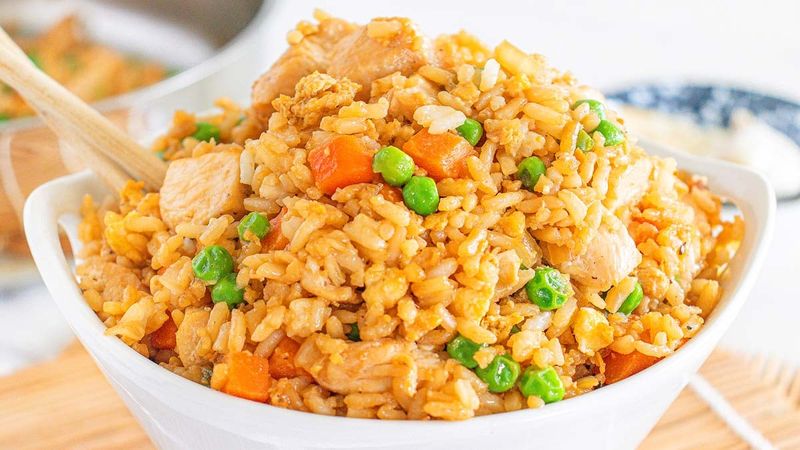
Store-bought frozen fried rice always disappoints with its mushy texture and bland flavor. The delicate rice grains clump together, vegetables become soggy, and any crispness from the original frying disappears.
Make fresh fried rice with leftover rice from yesterday's dinner instead. It takes just minutes and tastes infinitely better than the frozen version.
13. Boiled Pasta
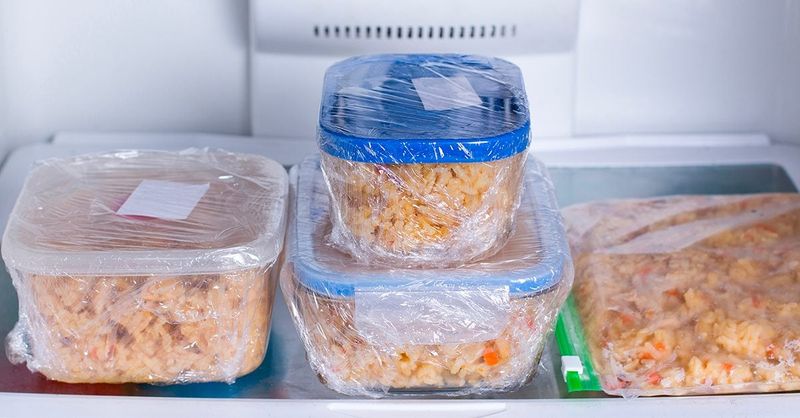
Frozen cooked pasta turns mushy and loses its al dente bite. The starch molecules change during freezing, creating a soft, gummy texture that no sauce can disguise.
Pasta cooks so quickly that there's little time saved by freezing it. Cook fresh pasta instead, or try the slightly more freezer-friendly option of undercooking it slightly before freezing.
14. Meringue
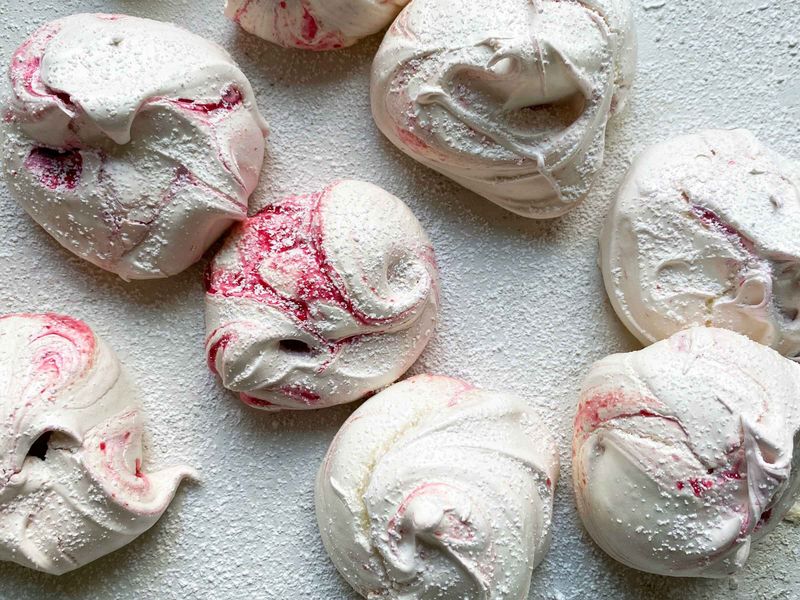
Frozen meringue collapses into a sad, weepy mess when thawed. The delicate structure of whipped egg whites breaks down, releasing liquid and losing all its airy volume.
The crisp exterior and marshmallowy interior become uniformly soggy. Meringue desserts should always be made fresh and consumed within a day or two for best texture.
15. Salad Dressings
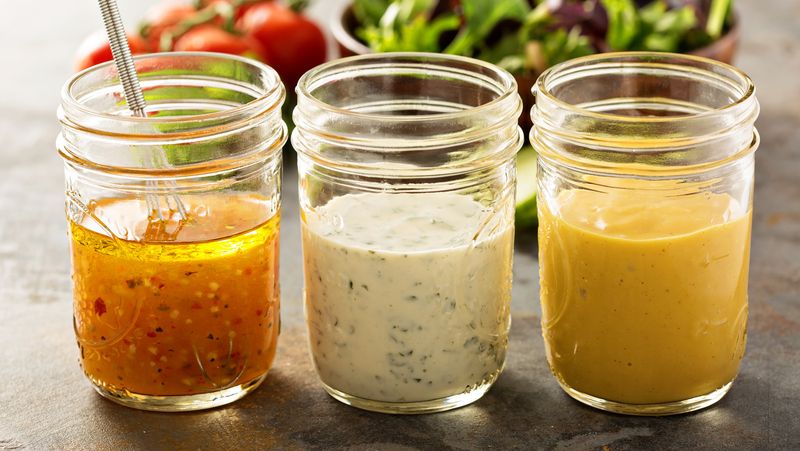
Freezing causes salad dressings to separate permanently. Oil-and-vinegar dressings can be reshaken, but creamy dressings become grainy and unpleasantly separated when thawed.
The emulsifiers can't recover from freezing. Most dressings last for months in the refrigerator, so freezing them is unnecessary and ruins their texture.



