













Ever opened your fridge to find your once-crisp lettuce has turned into a sad, soggy mess? We've all been there! Lettuce is a kitchen staple, but its short shelf life can be frustrating.
With these simple storage hacks, you can keep your greens fresh and crisp for up to two weeks, saving you money and reducing food waste.
Store In A Ventilated Container
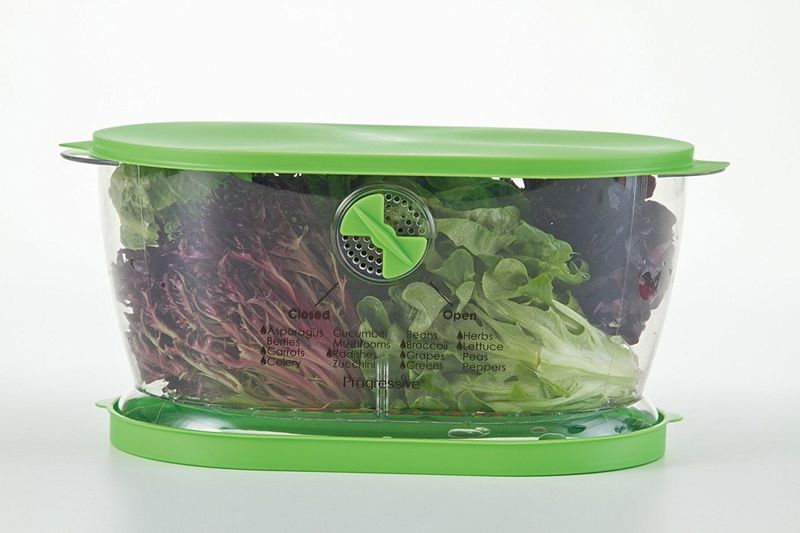
Not all containers are created equal when it comes to lettuce storage! Opt for containers with tiny holes or vents that allow air circulation while maintaining humidity. These special containers help your lettuce breathe properly.
Without proper airflow, condensation builds up, creating a wet environment where bacteria thrive. Many shops sell purpose-made produce keepers, but you can create your own by poking small holes in a plastic container lid.
The ideal container should be roomy enough to avoid crushing your lettuce. Remember, squashed leaves deteriorate faster, so give your greens some space to relax!
Avoid Washing Before Storage
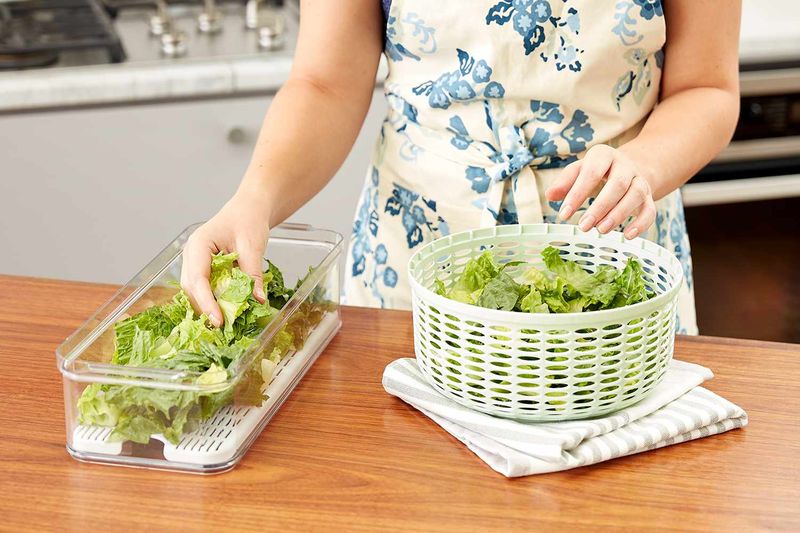
Resist the urge to wash your lettuce before popping it in the fridge! Extra moisture is the enemy of crisp lettuce, causing it to turn slimy faster. Instead, wait to wash your greens until just before you plan to eat them.
If you've already washed your lettuce, use a salad spinner to remove as much water as possible. Then wrap the leaves in clean paper towels before storing to absorb remaining moisture.
This counter-intuitive tip goes against what many of us were taught, but it truly works wonders. Your future self will thank you when you open the fridge to find perfectly crisp lettuce days later!
Wrap In A Damp Paper Towel
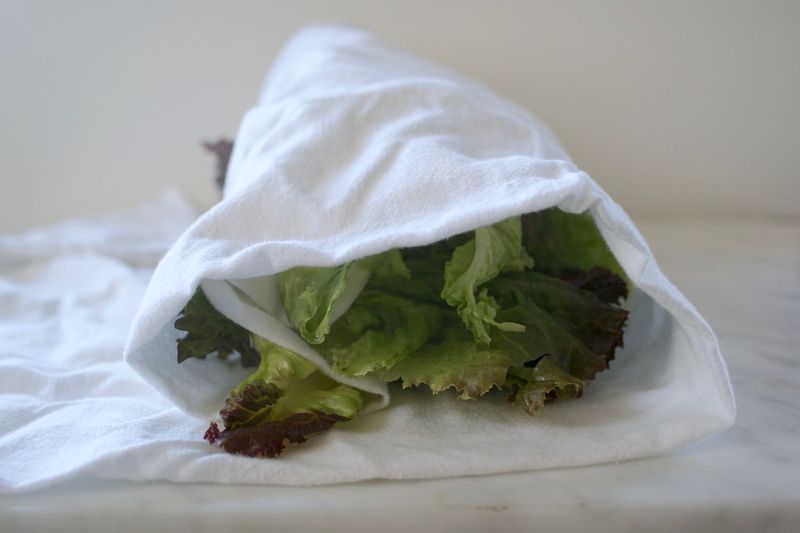
For loose lettuce leaves, this method works brilliantly! Slightly dampen a paper towel – not soaking wet, just pleasantly moist. Gently wrap your lettuce leaves in this damp towel, creating a little humidity cocoon.
The damp environment prevents your leaves from drying out while still allowing them to breathe. It's like creating a mini spa for your lettuce! Place your wrapped bundle in a plastic bag but don't seal it completely.
Check every few days and re-dampen the towel if needed. This method strikes the perfect balance between too dry and too wet, keeping your lettuce in that crisp sweet spot for much longer.
Keep In The Crisper Drawer
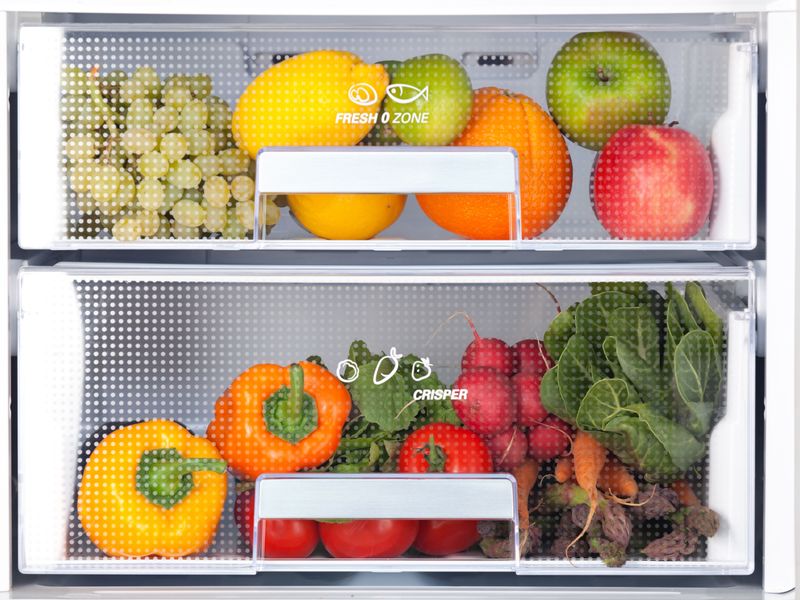
That special drawer at the bottom of your fridge isn't just random storage space – it's designed specifically for your fruits and veg! The crisper drawer maintains higher humidity than the rest of your fridge, creating the perfect environment for lettuce.
Many crisper drawers have adjustable humidity settings. For lettuce, set it to high humidity. This helps prevent moisture loss that leads to wilting. Keep your lettuce away from fruits that produce ethylene gas (like apples and bananas).
This natural plant hormone speeds up ripening and can cause your lettuce to deteriorate faster. Your crisper drawer provides the perfect protective home!
Use A Salad Spinner
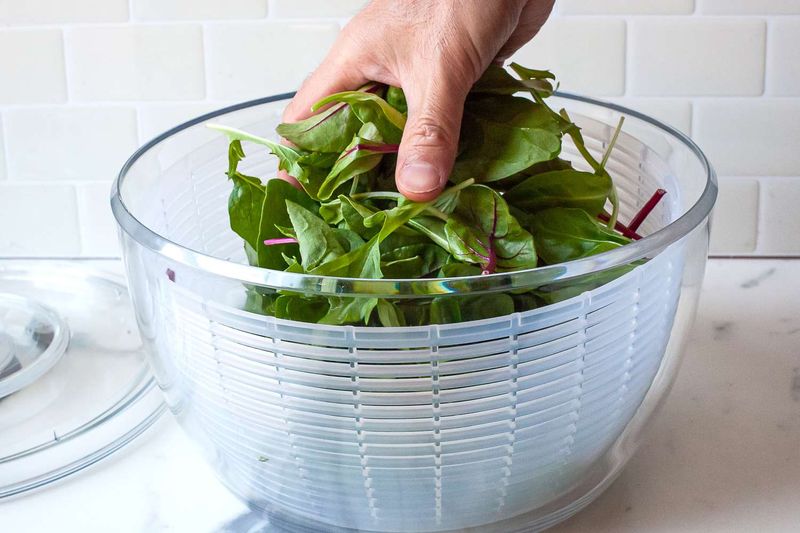
A salad spinner might seem like a faff, but it's genuinely worth the cupboard space! This brilliant gadget removes excess water from your lettuce quickly and efficiently. Excess moisture is the number one enemy of fresh lettuce, promoting bacterial growth and speeding up decay.
After washing, give your lettuce a good spin. You'll be amazed at how much water comes out! This simple step can add days to your lettuce's life.
No spinner? No problem! You can use a clean tea towel to gently pat your lettuce dry. Just be careful not to bruise the delicate leaves, as damaged spots deteriorate faster.
Check Regularly For Wilting
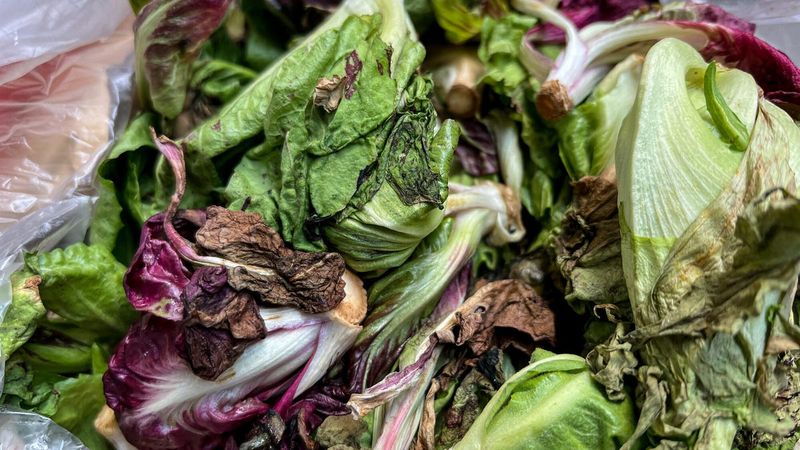
Be a lettuce detective! Every few days, open your container and inspect your greens. Look for any leaves starting to wilt or show brown edges. These are the early warning signs of deterioration. Remove any suspicious-looking leaves immediately.
One bad leaf can spoil the bunch by releasing moisture and ethylene gas, which speeds up deterioration of the surrounding leaves. It's like one bad apple – but with lettuce!
This quick maintenance check takes just seconds but can significantly extend the life of your remaining lettuce. Plus, it gives you a chance to adjust your storage method if things aren't looking as crisp as they should.
Rich In Nutrients
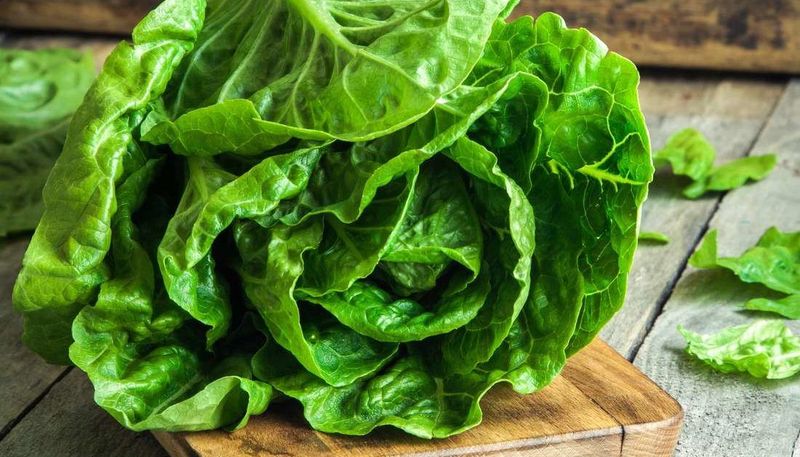
Lettuce isn't just a filler for your sandwich – it's a proper nutritional powerhouse! This humble leaf contains vitamins A, K, and folate, plus minerals like potassium and manganese. Different varieties offer different benefits – darker leaves generally pack more nutrients than paler ones.
Romaine lettuce, for instance, contains more vitamin A than iceberg. This essential vitamin supports healthy vision and immune function. Meanwhile, the folate in lettuce helps your body produce red blood cells.
Keeping your lettuce fresh longer means preserving these valuable nutrients. Proper storage doesn't just save you money – it ensures you're getting the maximum nutritional benefit from every leaf!
Low In Calories
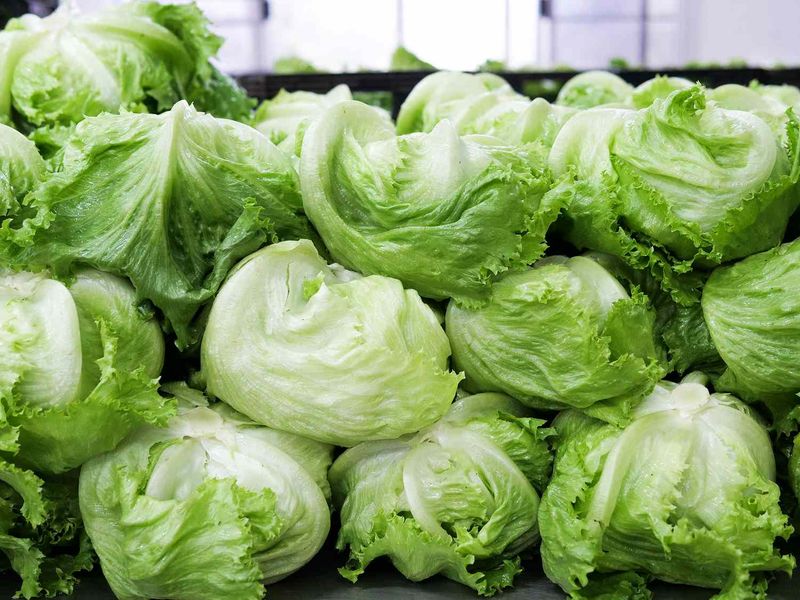
Watching your waistline? Lettuce is your mealtime best mate! With just about 5-15 calories per cup (depending on the variety), it's one of the lowest-calorie foods you can eat. You can munch away guilt-free, even in large amounts.
The high water content (95% water!) helps fill you up without filling you out. This makes lettuce perfect for adding volume to meals without adding calories. It's why so many slimming plans recommend starting meals with a salad.
By keeping your lettuce fresh for longer, you'll always have this low-calorie option on hand. It's brilliant for those moments when you want something crunchy but don't want to reach for crisps!
Supports Hydration

Lettuce is basically nature's water bottle! With up to 95% water content, munching on crisp lettuce actually contributes to your daily fluid intake. During hot summer days, it's a refreshing way to stay hydrated.
The water in lettuce is absorbed more slowly than drinking plain water, providing sustained hydration. Plus, it contains electrolytes like potassium that help your body retain that hydration effectively.
For children or elderly folks who might not drink enough water, lettuce can be a sneaky way to boost hydration levels. Proper storage keeps that water content intact – wilted lettuce has already lost much of its hydrating goodness!
Promotes Digestive Health
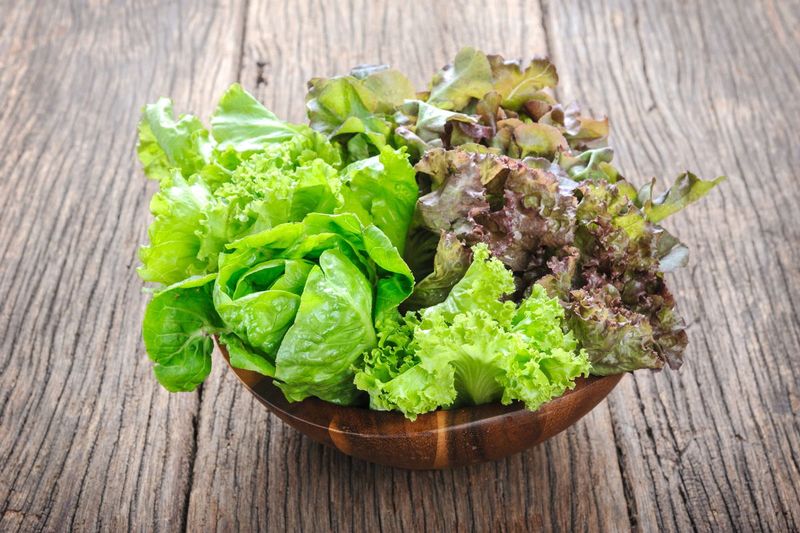
Your gut will thank you for that lettuce sarnie! The fibre in lettuce helps keep your digestive system running smoothly. Just one cup provides nearly 1-2 grams of fibre – not massive, but it all adds up in your daily intake.
Lettuce contains both insoluble fibre, which adds bulk to stool, and soluble fibre, which feeds your friendly gut bacteria. These gut-friendly compounds act as prebiotics, supporting a healthy microbiome. The high water content in fresh lettuce works alongside this fibre, helping to prevent constipation naturally.
By keeping your lettuce fresh longer, you'll always have this digestive helper on hand when tummies need a bit of support!
Boosts Heart Health

Your ticker loves lettuce! Regular consumption of leafy greens like lettuce has been linked to improved heart health. The potassium in lettuce helps regulate blood pressure by counteracting the effects of sodium.
Certain lettuce varieties, particularly the darker ones, contain nitrates that can improve blood flow and reduce the oxygen cost of exercise. This makes your heart's job a bit easier during physical activity.
The folate in lettuce helps reduce homocysteine levels in your blood – high levels of this amino acid have been linked to increased risk of heart disease. By keeping lettuce fresh longer, you're keeping your heart-healthy options readily available for daily meals!
Helps With Weight Management

Trying to shed a few pounds? Lettuce might be your secret weapon! Its high water and fibre content helps you feel full while consuming very few calories – the perfect combination for weight management.
Using lettuce leaves as wraps instead of bread or tortillas can significantly reduce the calorie content of your meals. Imagine swapping a 120-calorie tortilla for a 5-calorie lettuce leaf – those savings add up!
The satisfying crunch also helps with mindful eating, making you more aware of each bite. By keeping lettuce fresh for up to two weeks, you'll always have this weight-friendly option available when hunger strikes!
Improves Bone Health
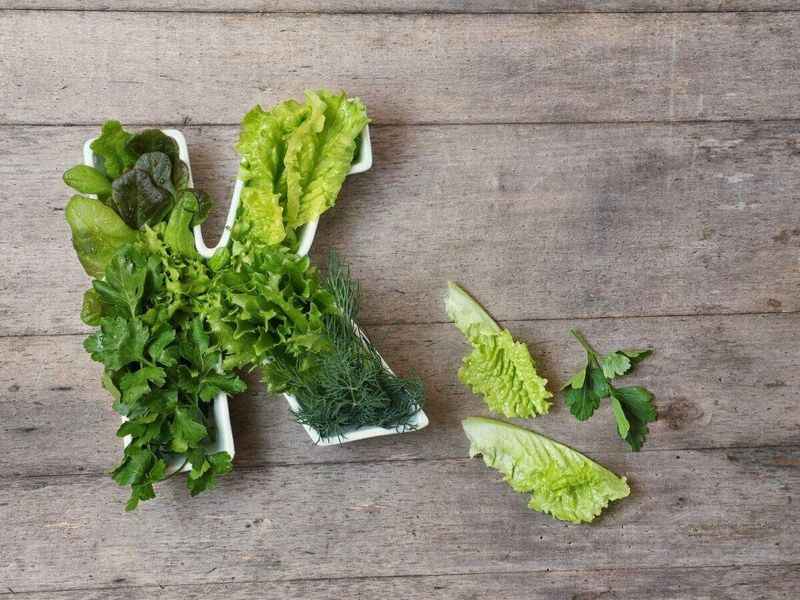
Your skeleton gets a boost from lettuce! Particularly darker varieties like romaine, which contain vitamin K – a crucial nutrient for bone health. Just one cup of romaine provides over 60% of your daily vitamin K needs.
Vitamin K helps your body produce osteocalcin, a protein that strengthens bones and helps regulate calcium. Without enough vitamin K, this bone-building process becomes less efficient.
Lettuce also contains small amounts of calcium, magnesium, and phosphorus – the building blocks of bone tissue. While not as calcium-rich as dairy, every little helps! Proper storage ensures these bone-friendly nutrients stay intact until you're ready to enjoy your greens.
Enhances Skin Health

Want glowing skin? Reach for the lettuce! The vitamin A in lettuce (especially romaine and butterhead varieties) supports healthy skin cell production and repair. It's nature's own anti-aging treatment! The high water content in fresh lettuce helps hydrate your skin from the inside out.
Well-hydrated skin appears plumper and shows fewer fine lines. Many expensive skin creams try to achieve what proper hydration does naturally.
Lettuce also contains antioxidants that help fight free radicals – those pesky molecules that damage skin cells and accelerate aging. By keeping your lettuce fresh longer, you're preserving these skin-loving compounds for maximum benefit!
Regulates Blood Sugar
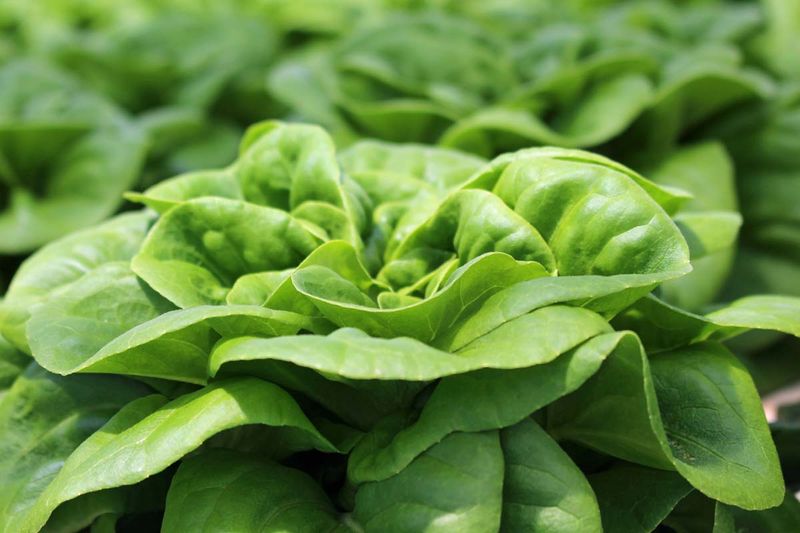
Keeping your blood sugar steady? Lettuce can help! With its very low carbohydrate content and minimal impact on blood glucose levels, lettuce has a glycemic index near zero. This makes it an excellent food choice for anyone monitoring their blood sugar.
The fibre in lettuce slows down digestion, preventing rapid spikes in blood glucose after meals. Adding a side salad to carb-heavy meals can actually help moderate the overall glycemic impact of your food.
Some studies suggest that certain compounds in lettuce may even help improve insulin sensitivity over time. By keeping lettuce fresh longer, you'll always have this blood sugar-friendly option available for balancing your meals!
Boosts Immune Function
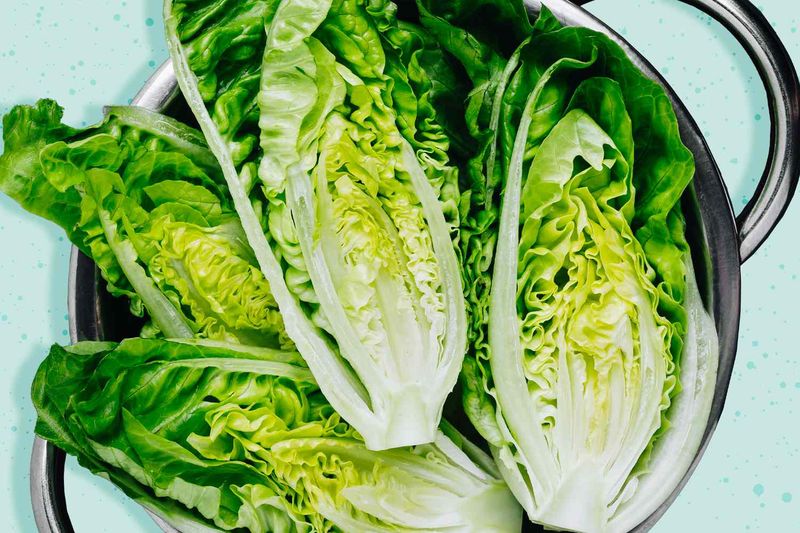
Your immune system gets a helping hand from lettuce! The vitamin A in darker lettuce varieties supports the production and function of white blood cells – your body's frontline defenders against illness. Fresh lettuce also provides vitamin C, though in smaller amounts than citrus fruits.
Still, every bit counts toward your daily immune support. The folate in lettuce helps your body produce new cells, including those involved in immune responses. Lettuce contains various antioxidants that combat oxidative stress, which can weaken immune function.
Proper storage preserves these immune-boosting compounds. When you keep lettuce fresh for two weeks, you're maintaining your access to these valuable nutrients!




Comments
No Comments