













Some of the world's most beloved foods weren't created through careful planning, but through happy accidents.
Imagine if that mistake in the kitchen had never happened - we might be living without chocolate chip cookies or potato crisps! From forgotten mixtures to dropped dishes, these kitchen blunders changed our food landscape forever.
1. Chocolate Chip Cookies
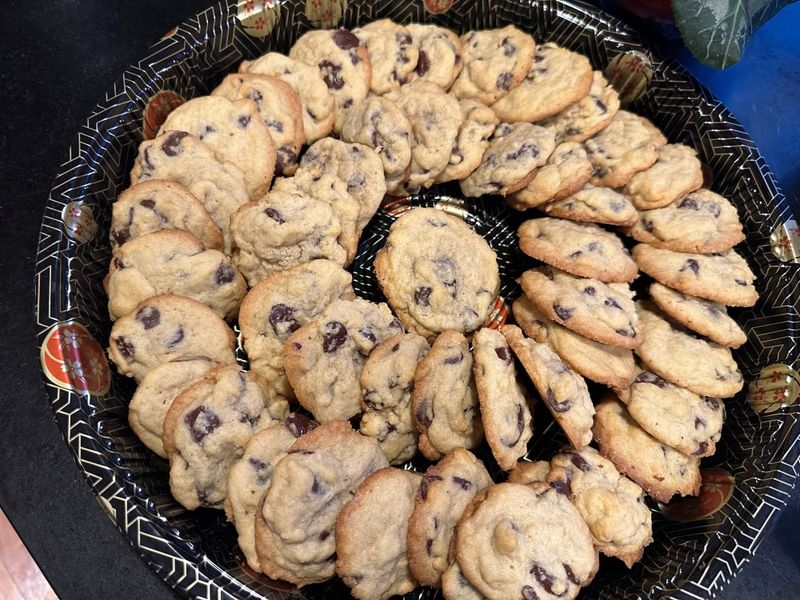
Ruth Wakefield's 1930s kitchen error revolutionised desserts forever. While baking at her Toll House Inn, she added chopped chocolate to cookie dough, expecting it to melt completely into the mixture.
Instead, the chocolate maintained its shape, creating pockets of melty goodness throughout the cookies. Her happy accident became America's favourite biscuit and spawned an entire industry of variations.
2. Corn Flakes
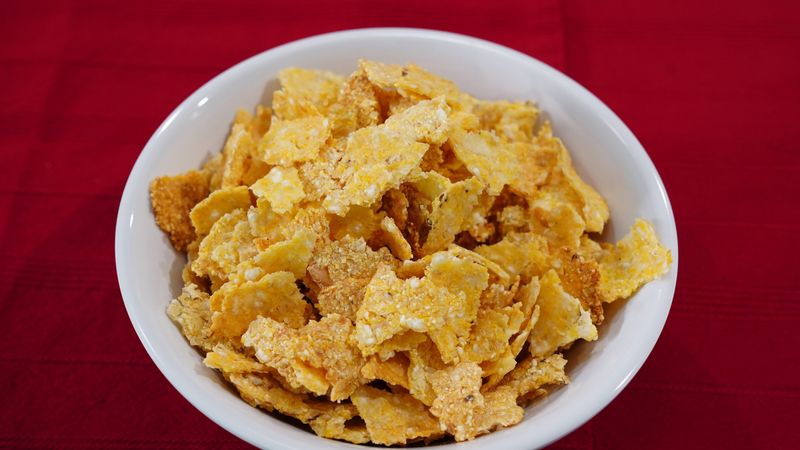
The Kellogg brothers never intended to create a breakfast revolution. They accidentally left cooked wheat sitting out overnight at their sanitarium, where it turned stale and unappealing.
Rather than bin it, they processed the wheat anyway, rolling and toasting it. The resulting crispy flakes were a hit with patients. Later experiments with corn created the iconic breakfast cereal millions enjoy each morning.
3. Popsicles
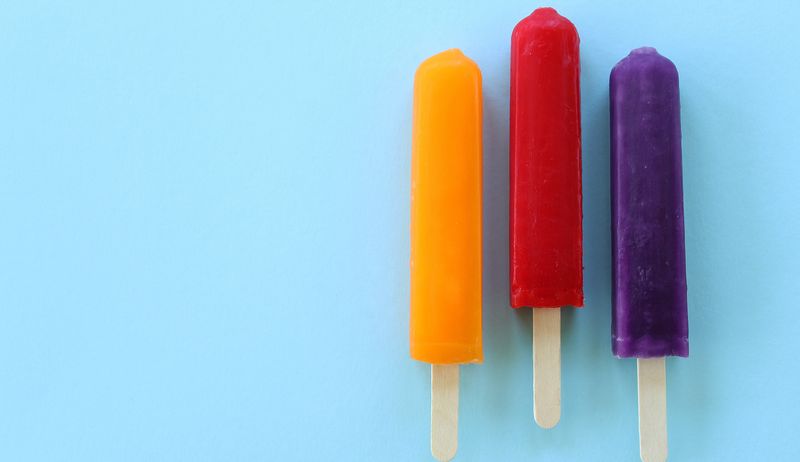
Young Frank Epperson had no idea his forgetfulness would create a summer staple. In 1905, the 11-year-old left his cup of soda water with a stirring stick on his porch overnight during freezing temperatures.
The next morning, he discovered the world's first ice lolly. He initially called it an "Epsicle" before patenting it as the "Popsicle" years later. One child's mistake became a worldwide frozen treat phenomenon.
4. Potato Chips
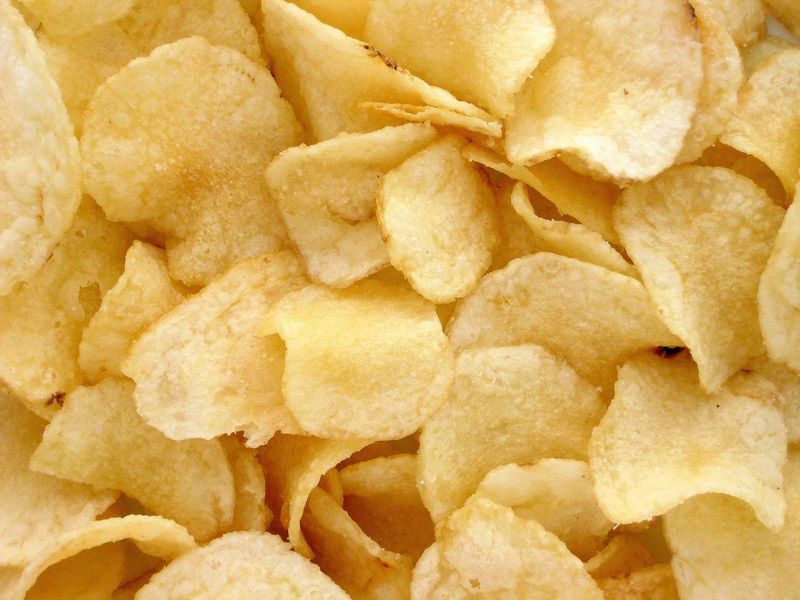
Chef George Crum wasn't trying to invent a snack sensation—he was trying to annoy a fussy diner. When a customer repeatedly sent back his fried potatoes for being too thick and soggy, Crum lost his patience.
He sliced the potatoes paper-thin and fried them until impossibly crisp, expecting complaints. Instead, the customer loved them! Crum's act of culinary revenge accidentally created one of the world's most popular snacks.
5. Coca-Cola
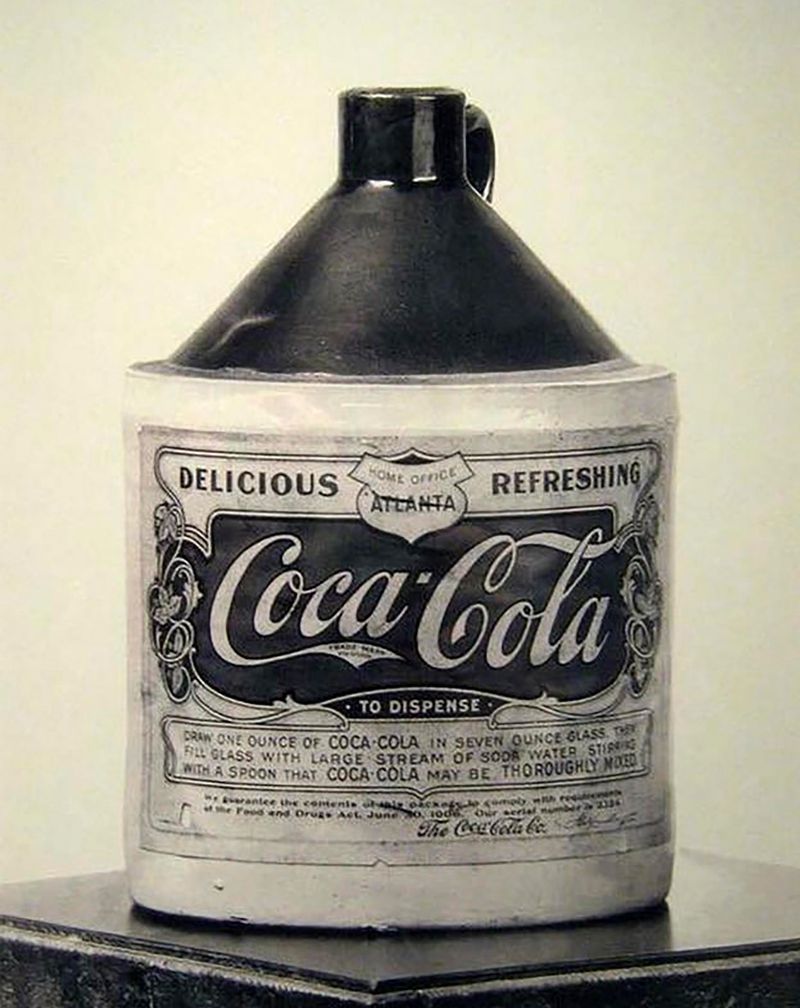
Dr. John Pemberton created his special syrup as a medicinal tonic, not a refreshing beverage. The pharmacist was seeking a remedy for headaches and exhaustion when his concoction was accidentally mixed with carbonated water.
This fortuitous fizzy mistake created the world's most famous soft drink. The original formula contained small amounts of cocaine from coca leaves—a far cry from today's family-friendly beverage!
6. Chewing Gum
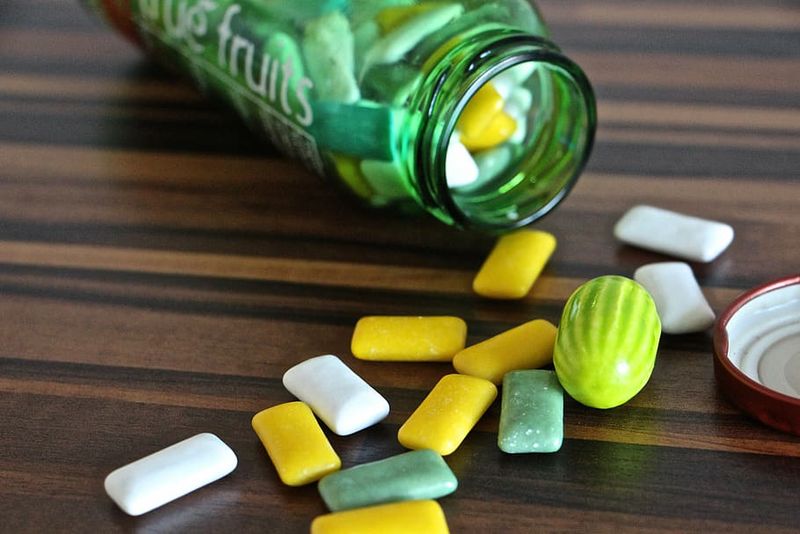
Thomas Adams was trying to strike it rich with rubber, not candy. While experimenting with chicle (tree sap) as a potential rubber substitute for tyres and toys, he repeatedly failed to create a viable product.
Frustrated, he popped a piece into his mouth—and discovered it was pleasantly chewable! His failed rubber experiments led to the development of modern chewing gum, creating an entirely new industry of portable, long-lasting treats.
7. Tarte Tatin
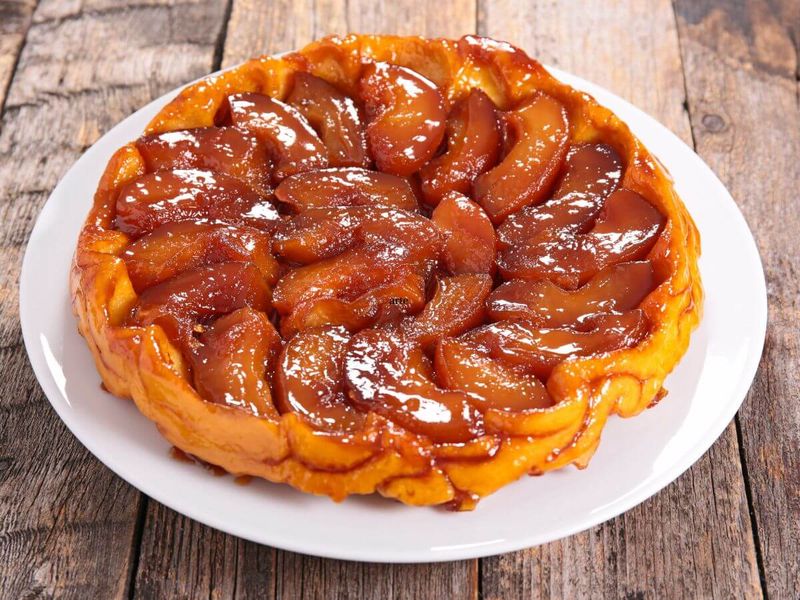
The Tatin sisters never meant to flip their apple tart recipe. Running their busy French hotel restaurant, Stéphanie Tatin overcooked apples in butter and sugar for a traditional pie.
Realising her mistake, she tried to salvage the dessert by putting pastry on top of the caramelised fruit and baking it. After turning it upside-down to serve, the caramelised creation became an instant hit. The sisters' rescue attempt created a worldwide classic.
8. Worcestershire Sauce
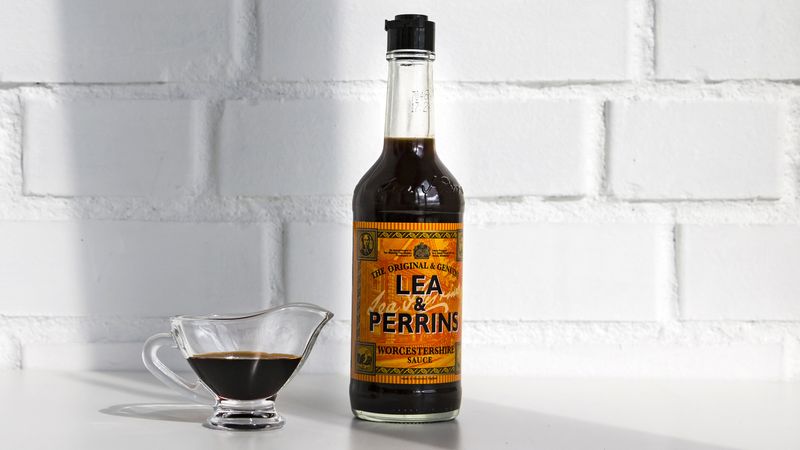
Lea and Perrins never intended their sauce to age for years. The chemists created a vinegar-based concoction for Lord Sandys, who wanted to replicate a sauce he'd enjoyed in India.
The initial result tasted terrible, so they stored the barrels in their cellar and forgot about them. Years later, they rediscovered the fermented mixture and found it had transformed into something delicious. Their abandoned experiment became a kitchen staple worldwide.
9. Nachos
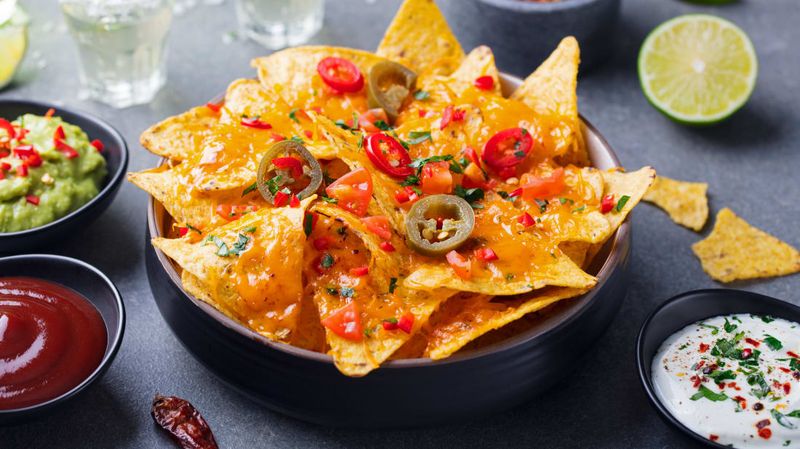
Ignacio "Nacho" Anaya never planned to create a global snack phenomenon. Working at the Victory Club in Piedras Negras, Mexico in 1943, he faced hungry military wives with no chef available.
Scrambling to serve something, he quickly fried tortilla chips, melted cheese over them, and added jalapeño slices. His makeshift meal, named after his nickname, became an international sensation. Sometimes the best recipes come from having nearly nothing to work with!
10. Ice Cream Cones
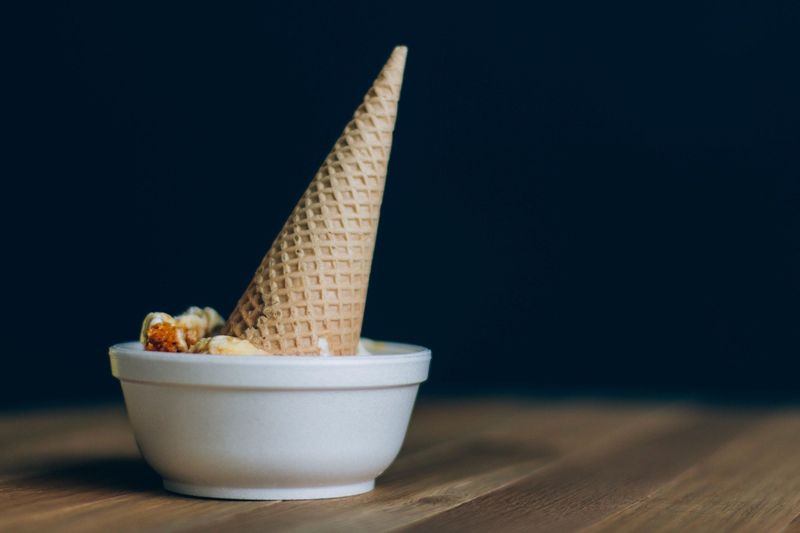
The 1904 St. Louis World's Fair sparked an unexpected culinary partnership. Ice cream vendor Ernest Hamwi found himself next to Syrian waffle maker Ernest Hamwi, who watched as his neighbour ran out of serving dishes.
Hamwi quickly rolled one of his thin waffle-like pastries into a cone shape to help out. The portable ice cream holder was an immediate sensation with fairgoers. This spontaneous solution revolutionised how we enjoy frozen treats forever.
11. Raisin Bran
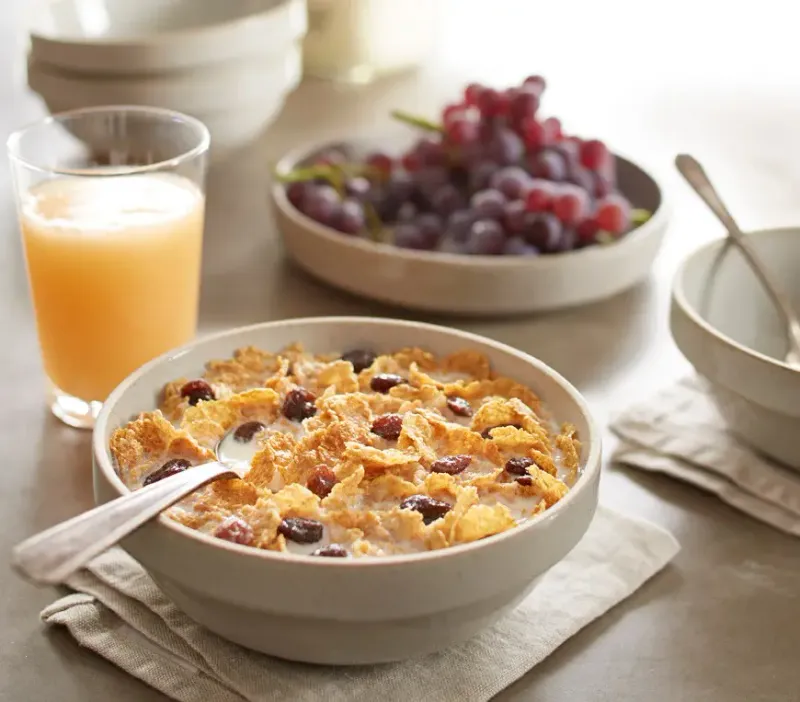
Skinner's Raisin Bran emerged from a production line error rather than careful planning. In the 1920s, a Skinner Manufacturing Company worker allegedly spilled raisins into a batch of bran flakes during packaging.
Rather than discard the mixture, they sampled it and discovered a delicious combination. This happy accident launched numerous copycat cereals. Sometimes the best innovations happen when things don't go according to plan!
12. Slurpees
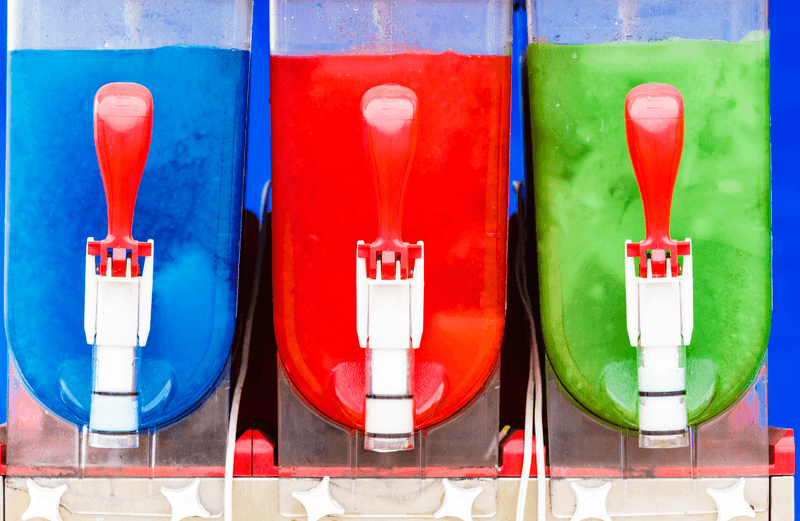
Omar Knedlik never meant to serve semi-frozen drinks at his Dairy Queen. When his soda fountain broke, he stored bottled drinks in the freezer as a temporary solution.
Customers fell in love with the partially frozen sodas, repeatedly requesting "those drinks that slurp." Knedlik eventually built a machine to consistently create the slushy texture. 7-Eleven later licensed the technology, naming the drinks Slurpees and creating a convenience store empire.
13. Tofu
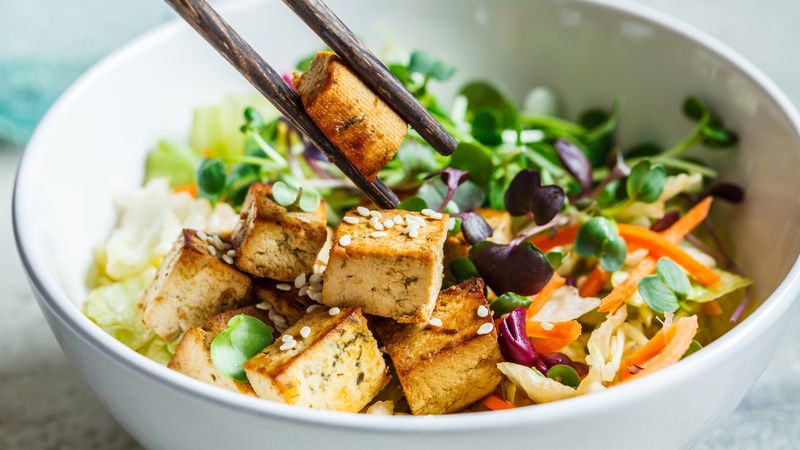
Ancient Chinese legend tells of a happy accident over 2,000 years ago. A cook accidentally dropped nigari (sea salt) into soy milk, causing it to curdle into white blocks.
Instead of discarding this strange reaction, they tasted the result and discovered its versatility. This curdled mistake became a protein staple across Asia. Tofu's creation mirrors cheese-making techniques, showing how similar food discoveries emerge across cultures.
14. Yoghurt
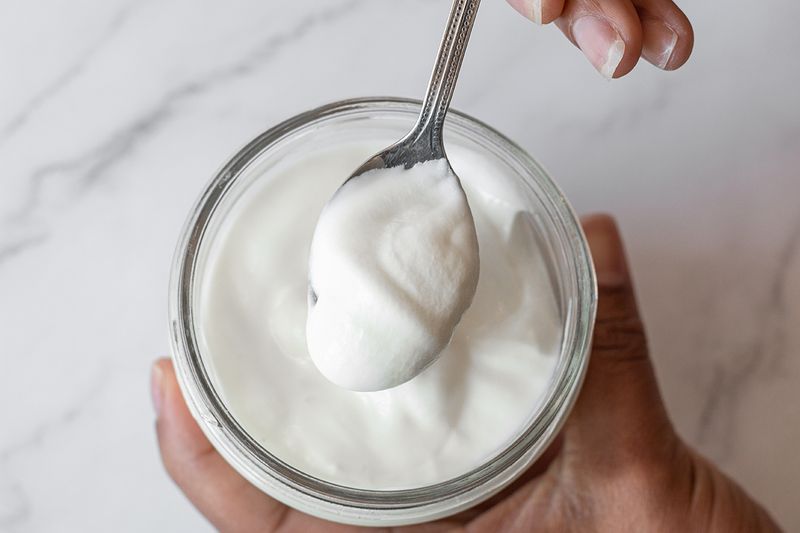
Nomadic tribes in Central Asia likely discovered yoghurt when milk stored in animal-skin bags naturally fermented. The warm climate and bacteria from previous milk batches created the perfect environment for transformation.
Rather than considering the thickened, tangy milk spoiled, they found it was preserved longer and offered digestive benefits. This accidental preservation method spread throughout the Middle East and Mediterranean, becoming a dietary staple worldwide.
15. French Dip Sandwich
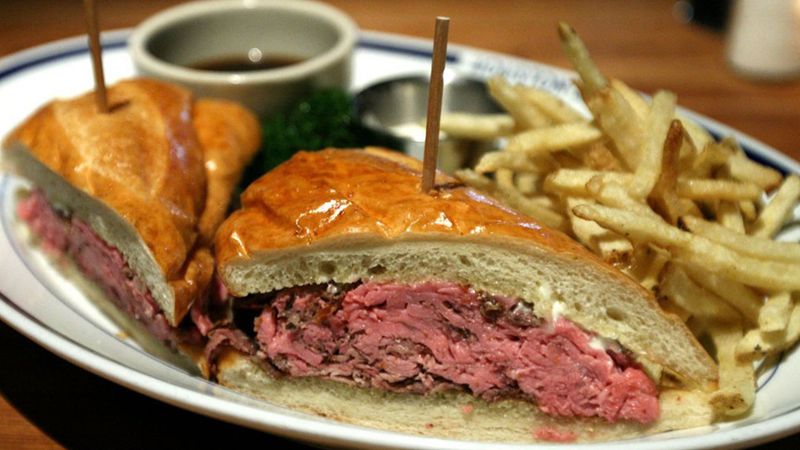
Philippe Mathieu's sandwich shop in Los Angeles birthed this soggy sensation through clumsiness. While preparing a sandwich for a police officer in 1918, Philippe accidentally dropped the sliced French roll into the hot meat pan drippings.
Ready to start over, he was surprised when the customer took it anyway—and returned the next day with friends requesting the "dipped sandwich." A moment of butterfingers created a juicy classic that restaurants still serve a century later.
16. Peanut Butter
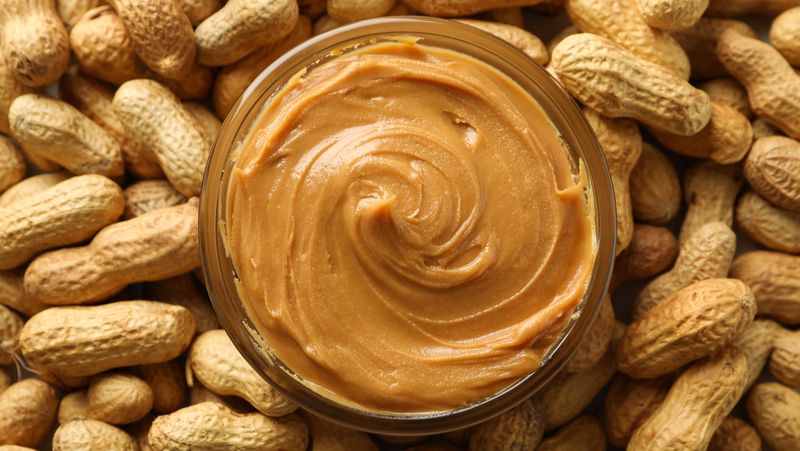
Dr. John Harvey Kellogg (of cereal fame) created peanut butter as a protein source for patients who couldn't chew meat. His sanitarium needed soft, nutritious foods for the elderly.
The earliest versions were hardly recognisable—unsweetened and coarsely ground. Commercial manufacturers later added sugar, salt, and hydrogenated oils for longer shelf life. This medical solution transformed into a childhood staple enjoyed in millions of sandwiches daily.
17. Sandwich
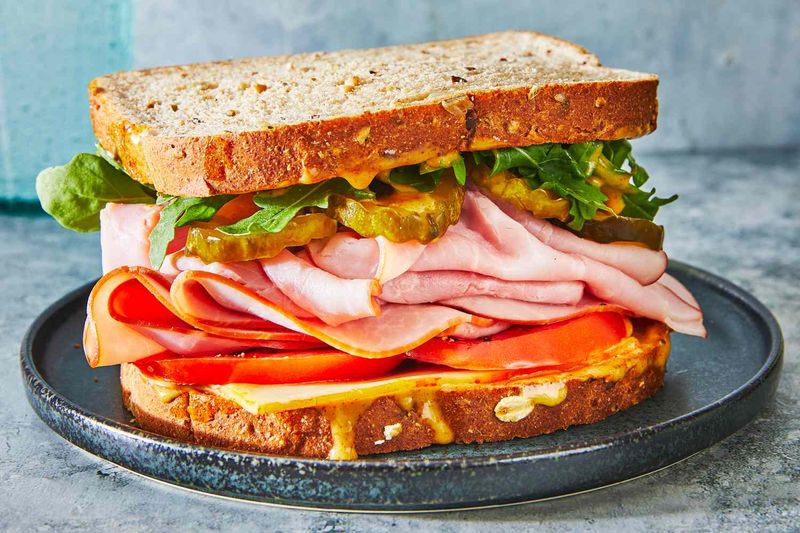
The 4th Earl of Sandwich, John Montagu, created his namesake meal during a 24-hour betting binge in 1762. Unwilling to leave the card table for proper meals, he requested servants bring him meat between bread slices.
This allowed him to eat with one hand while continuing to play with the other. His aristocratic convenience food caught on among fellow players and eventually spread worldwide. Sometimes laziness leads to culinary revolution!
18. Crepes Suzette
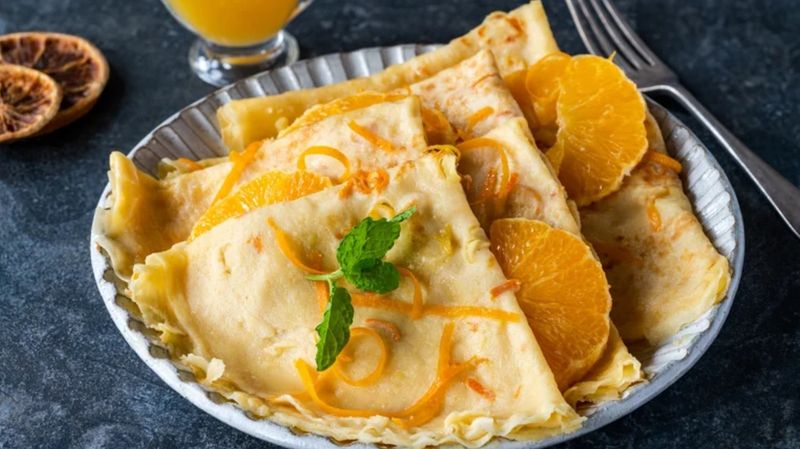
Fourteen-year-old assistant waiter Henri Charpentier created this dessert by mistake while serving the Prince of Wales in 1895. While preparing a pancake dessert tableside, the sauce accidentally caught fire.
Unable to start over, he tasted the result and found the flames had caramelised the sugars perfectly. The Prince loved it and requested it be named after his female companion. A kitchen disaster became the most theatrical dessert in French cuisine.
19. Cereal Marshmallows
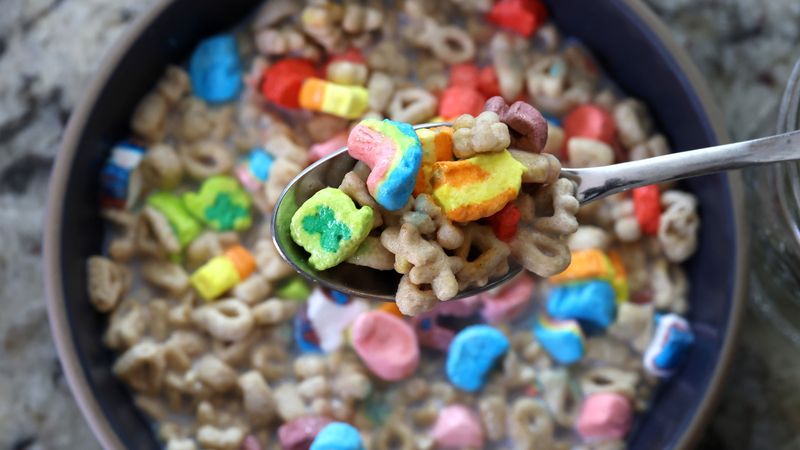
Lucky Charms' colourful marshmallow pieces began as a practical joke. General Mills employee John Holahan playfully added chopped-up bits of Circus Peanuts candy to a bowl of Cheerios during a product development meeting.
His colleagues were initially skeptical but quickly realised he'd stumbled onto something magical. The whimsical addition transformed ordinary cereal into something children would beg for. Sometimes office pranks lead to billion-dollar ideas!
20. Doughnuts With Holes
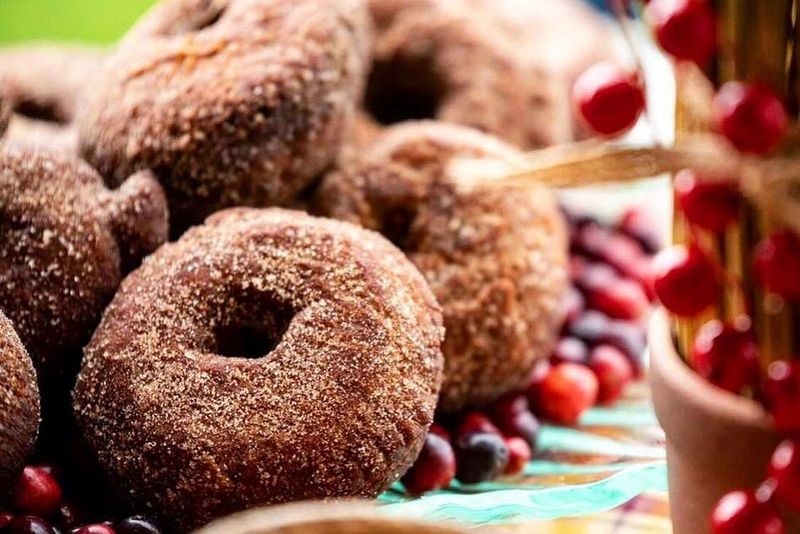
Captain Hanson Gregory wasn't trying to create an iconic shape—he was solving a practical problem. While navigating his ship in 1847, he needed his fried cakes to cook evenly without raw centres.
His solution? Punching out the middle with a tin pepper box. The hole allowed the dough to cook completely through without burning the edges. This seafaring innovation created the recognisable ring shape that defines doughnuts worldwide.



