













All-inclusive resorts promise a worry-free holiday with endless food and drinks. But behind those lavish buffets lurk potential health hazards that could turn your dream vacation into a nightmare.
Before loading your plate at your next resort stay, here's what experienced travellers know to avoid.
1. Cold Prepared Salads And Pre-Cut Fruits
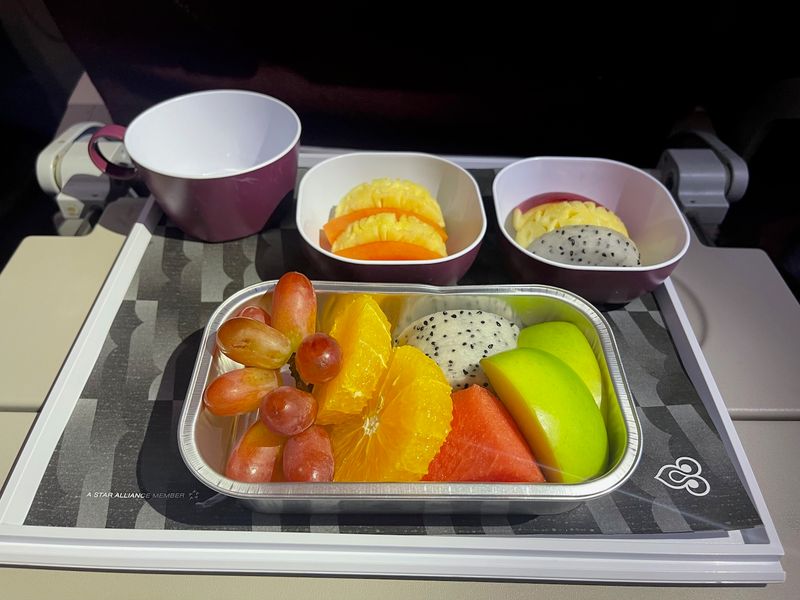
Those colourful fruit platters might look appetising, but they harbour a hidden danger. Local water used for washing can introduce harmful bacteria to these ready-to-eat items.
Many resorts in tropical destinations use tap water that's unsafe for tourists' untrained digestive systems. Stick to whole fruits you can peel yourself, like bananas, oranges, or mangoes.
2. Sushi And Raw Seafood
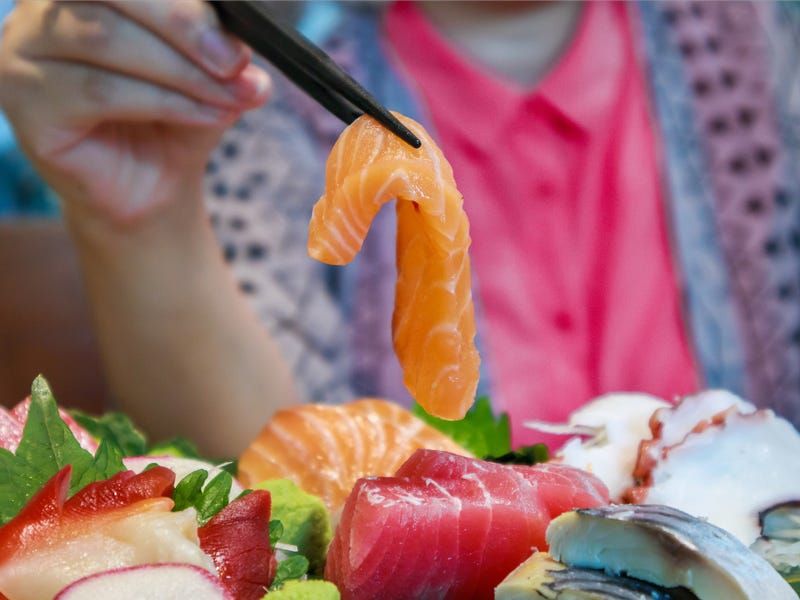
That tempting seafood bar with glistening sashimi might be calling your name, but proceed with caution! Proper refrigeration is essential for raw fish safety, and many resorts struggle with consistent temperature control.
Parasites like anisakis can cause severe stomach pain within hours. Instead, enjoy the grilled fish options where heat has eliminated potential pathogens.
3. Cold Meats And Soft Cheeses
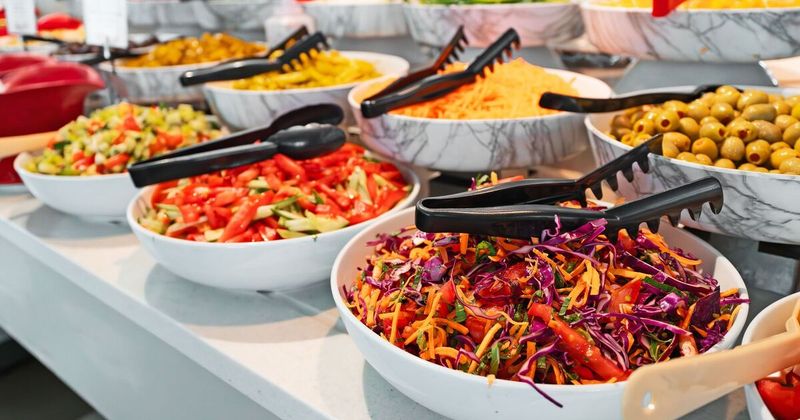
Those artfully arranged charcuterie platters might photograph beautifully for Instagram, but they're breeding grounds for bacteria when left at room temperature.
Soft cheeses like Brie and Camembert require strict temperature control. Listeria contamination is particularly dangerous for pregnant women. Choose hot, freshly prepared protein options instead of these risky buffet staples.
4. Sauces And Gravies Left At Room Temperature
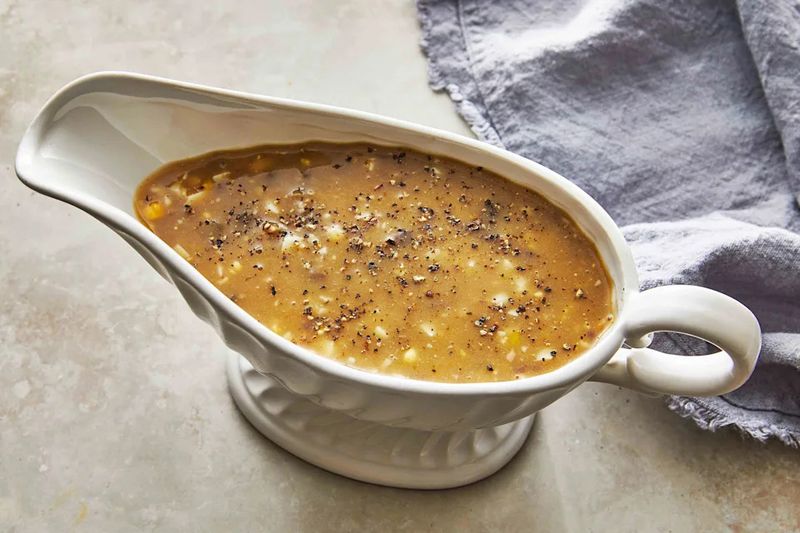
Hollandaise, béarnaise, and cream-based gravies create perfect bacterial playgrounds when not kept properly hot or cold. These protein-rich mixtures can develop dangerous toxins without showing obvious signs of spoilage.
Many buffet warmers fail to maintain the necessary 60°C safety threshold. Ask for freshly made sauces or choose options from actively staffed cooking stations.
5. Creamy Desserts (e.g., Tiramisu, Custard Tarts)
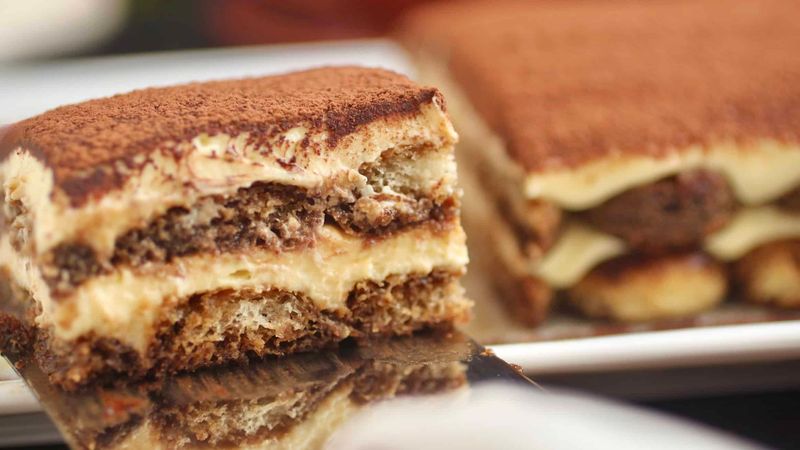
That luscious tiramisu might be worth dying for - but not literally! Dairy-based desserts containing eggs and cream deteriorate rapidly in warm environments, especially in tropical resort settings.
Raw eggs in traditional recipes pose salmonella risks when temperature control isn't perfect. Satisfy your sweet tooth with baked goods or fruit-based desserts that don't require refrigeration.
6. Undercooked Or Pink Meat
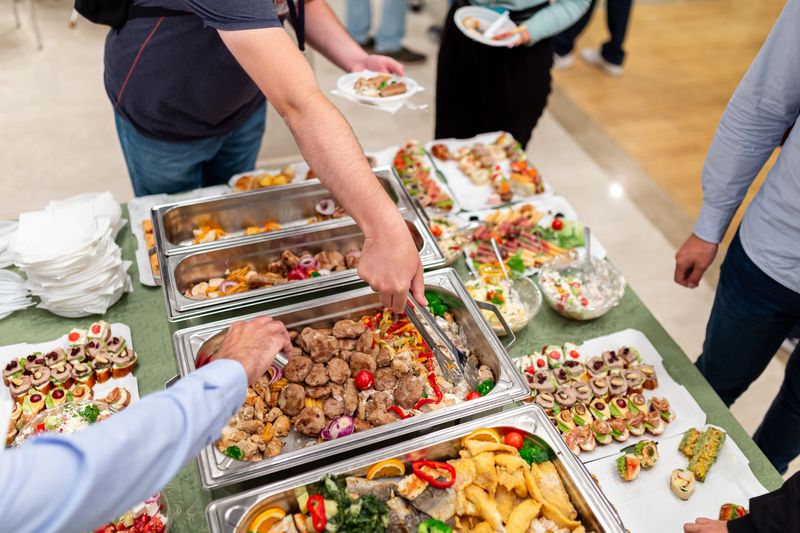
That juicy burger or pink-centred chicken skewer could harbour invisible threats. Meat requires specific internal temperatures to kill harmful pathogens like E. coli and Salmonella.
Resort chefs often cater to varying preferences, sometimes erring on the undercooked side. Request well-done preparations or choose items from grilling stations where you can verify proper cooking.
7. Buffet Items That Have Been Sitting Out
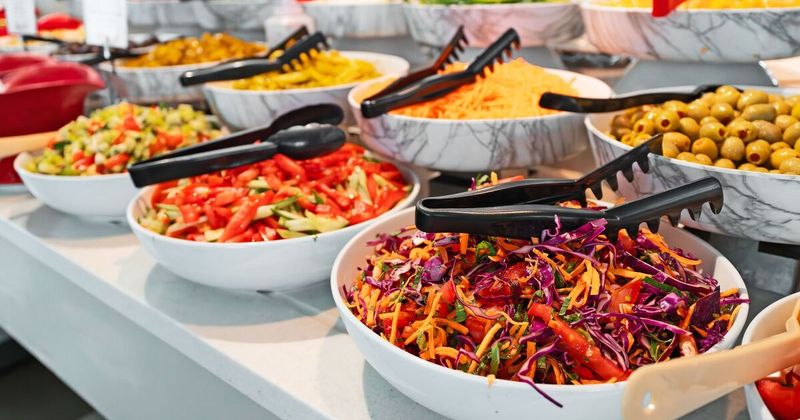
Timing is everything with buffet safety. Food sitting in the danger zone (4-60°C) for over two hours becomes a microbiological playground—regardless of how delicious it looks.
Late-night buffets are particularly problematic as items may have been recycled from earlier meals. Arrive early for freshly replenished offerings or watch for new trays being brought out.
8. Ice Made From Tap Water

Nothing ruins a holiday faster than the dreaded 'Delhi belly,' often caused by contaminated ice. Many resorts outside North America and Europe use local tap water for ice production.
Even premium spirits can't kill the microorganisms frozen in dodgy ice cubes. Request drinks without ice or confirm the resort uses purified water in their ice machines.
9. Unpasteurised Dairy Products
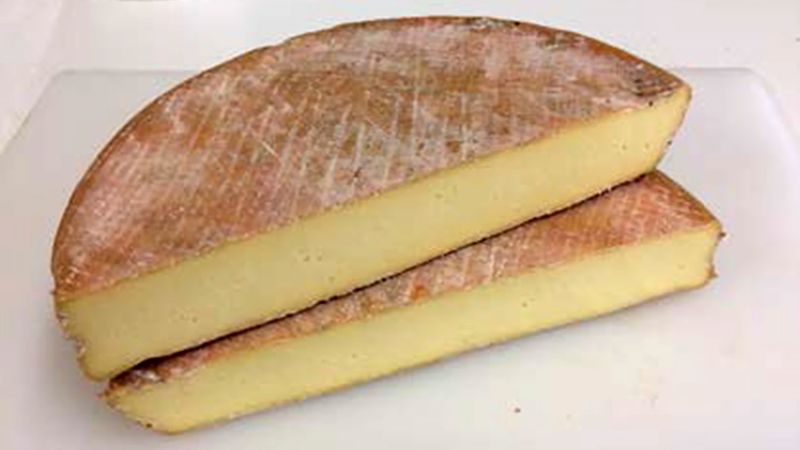
Those exotic cheese varieties might seem sophisticated, but unpasteurised dairy is a gamble with your digestive system. Traditional preparation methods often skip the pathogen-killing heat treatment that makes commercial dairy safe.
Local 'authentic' options may contain harmful bacteria like Brucella or Listeria. Check with staff about pasteurisation before sampling unfamiliar dairy offerings.
10. Street Food Or Foods From Unverified Sources
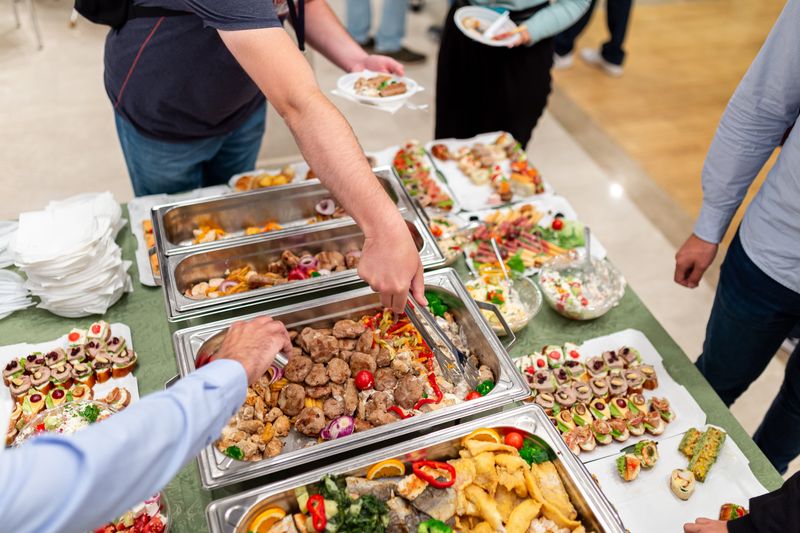
Venturing beyond resort boundaries for 'authentic' local cuisine can be thrilling - and risky. Street vendors rarely have proper refrigeration or handwashing facilities.
Even resorts sometimes source ingredients from local markets with variable safety standards. If you must explore local cuisine, choose busy establishments where high turnover ensures freshness, and avoid uncooked items entirely.



