













Every day, we consume countless foods without thinking about what's actually in them. Food manufacturers often add chemicals to enhance flavour, extend shelf life, or improve appearance.
But many of these additives have been linked to serious health problems. Let's explore dangerous chemicals that might be lurking in your kitchen right now.
1. Monosodium Glutamate (MSG)
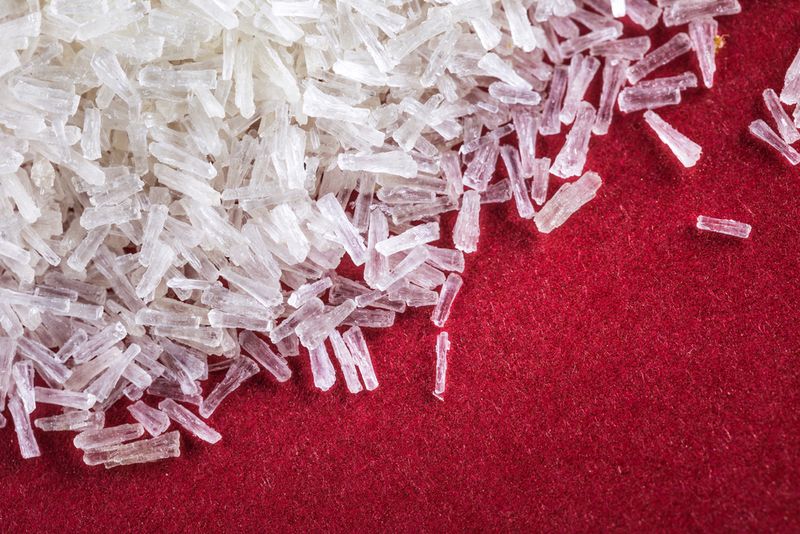
That savoury kick in your favourite crisps might be MSG, a flavour enhancer that makes processed foods taste better. Some people experience headaches, flushing, and heart palpitations after consuming it.
Nicknamed 'Chinese restaurant syndrome' in the 1960s, these reactions remain controversial among scientists. Dr. Katherine Woessner at Scripps Clinic found that while many believe they're sensitive to MSG, fewer react during blind challenges.
2. Artificial Sweeteners
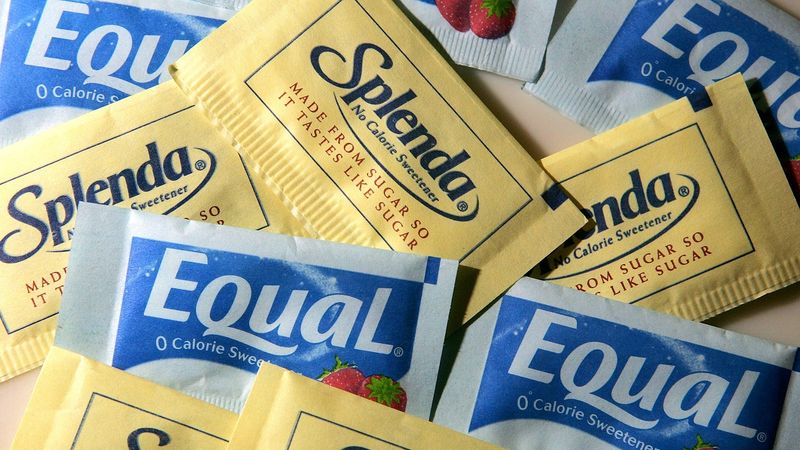
Zero calories doesn't mean zero consequences. Found in diet drinks and 'sugar-free' products, sweeteners like aspartame and sucralose may actually increase sugar cravings rather than satisfy them.
A 2019 study published in the British Medical Journal linked these substitutes to increased risk of type 2 diabetes. Researchers at the Weizmann Institute found artificial sweeteners can alter gut bacteria, potentially leading to glucose intolerance.
3. Brominated Vegetable Oil
Lurking in citrus-flavoured fizzy drinks, BVO keeps the flavouring from separating. Originally developed as a flame retardant, it's now in your beverage!
The European Union banned it decades ago, while the FDA still permits limited use in America. Medical toxicologist Dr. Daniel Brooks has documented cases of bromism—bromine toxicity causing neurological symptoms—in people who consumed excessive amounts of BVO-containing drinks.
4. Sodium Nitrite
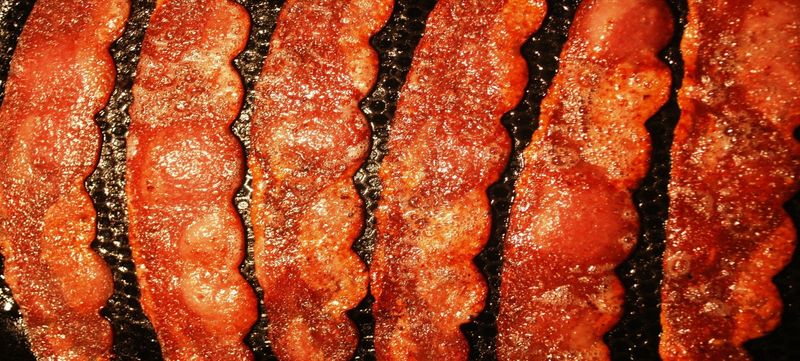
That appealing pink colour in your bacon comes with a hidden cost. Sodium nitrite preserves meat and prevents botulism, but when cooked at high temperatures, it forms nitrosamines—compounds linked to cancer.
The World Health Organisation classified processed meats as Group 1 carcinogens in 2015. Dr. William Lijinsky's pioneering research at the Chemical Carcinogenesis Laboratory established the connection between nitrosamines and tumour development in laboratory animals.
5. Trans Fats
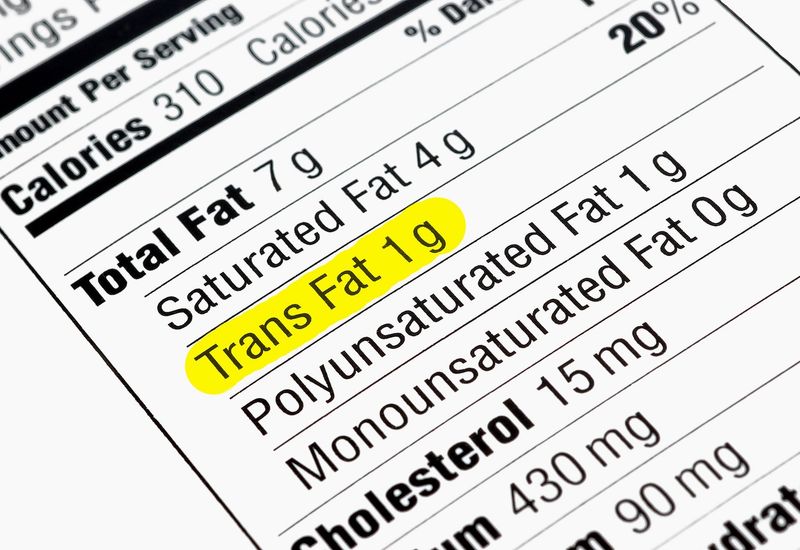
Once hailed as a healthier alternative to butter, partially hydrogenated oils (trans fats) are now known as heart health villains. They simultaneously raise bad cholesterol and lower good cholesterol—a dangerous double whammy.
Harvard researcher Dr. Walter Willett's groundbreaking studies in the 1990s revealed that trans fats increase heart disease risk more than any other nutrient. Even small amounts can damage blood vessels and trigger inflammation throughout the body.
6. High-Fructose Corn Syrup
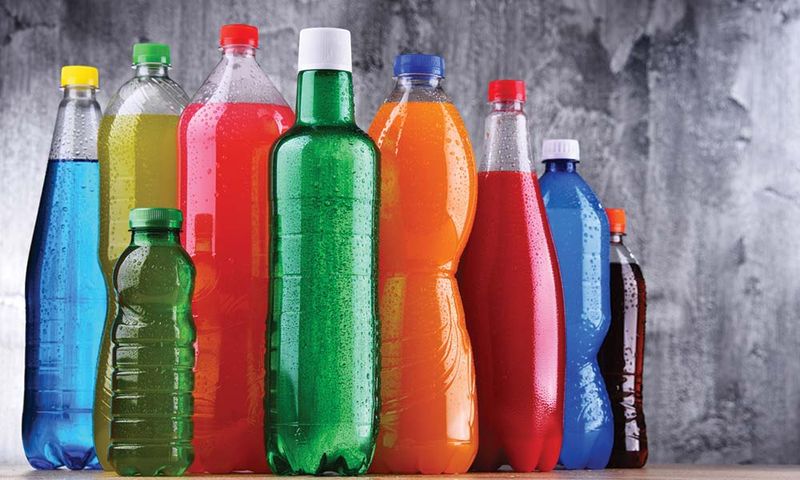
Sweet but sinister, HFCS appears in everything from fizzy drinks to salad dressings. Unlike natural sugars, your body processes this manufactured sweetener differently.
University of California researcher Dr. Robert Lustig found that fructose bypasses the body's normal appetite-signalling system, potentially leading to overconsumption. Your liver converts excess fructose directly to fat, increasing triglyceride levels and insulin resistance which are key factors in metabolic syndrome.
7. Artificial Food Dyes
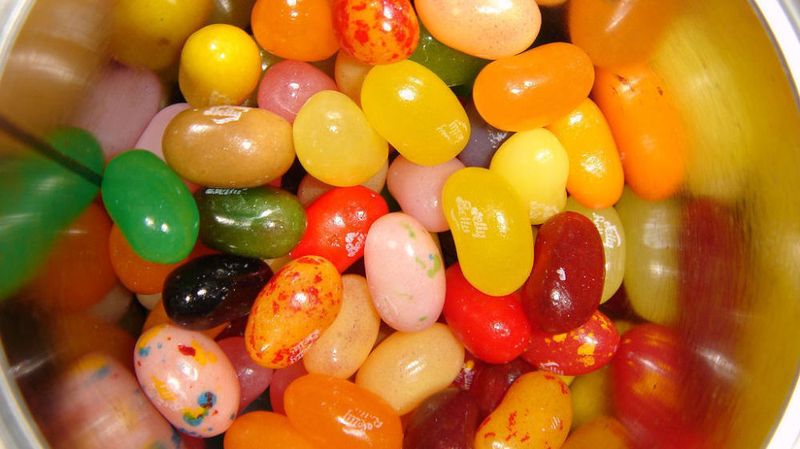
Those vibrant sweets your children love get their eye-catching colours from petroleum-derived chemicals. Red 40, Yellow 5, and Blue 1 make foods visually appealing but may cause behavioural problems in sensitive children.
British researcher Dr. Jim Stevenson conducted the Southampton study, which found links between certain dye combinations and hyperactivity. The European Union now requires warning labels on foods containing these dyes, while the US continues to permit their unrestricted use.
8. Potassium Bromate

Found in bread and baked goods, this flour-strengthening agent helps dough rise and creates that perfect texture we love. But this convenience comes at a cost. California lists potassium bromate as a carcinogen, and it's banned in the European Union, China, and Brazil.
Japanese researcher Dr. Takashi Sugimura first identified its carcinogenic properties in 1982, showing it caused kidney and thyroid tumours in laboratory animals.
9. Propyl Gallate
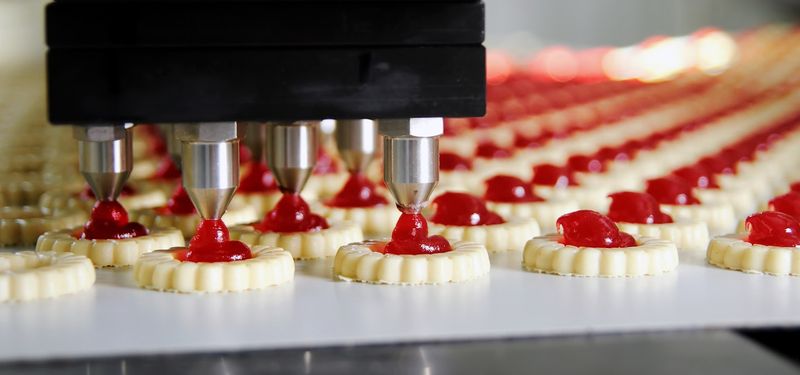
This preservative extends the shelf life of fatty foods like sausages and vegetable oils by preventing oxidation. While it keeps your crisps from going rancid, your body might pay the price.
Animal studies conducted by the National Toxicology Program found evidence of tumours in rats exposed to propyl gallate. Researchers at the University of Barcelona discovered it may act as an endocrine disruptor, interfering with hormone functions that regulate metabolism and reproduction.
10. Butylated Hydroxytoluene (BHT)
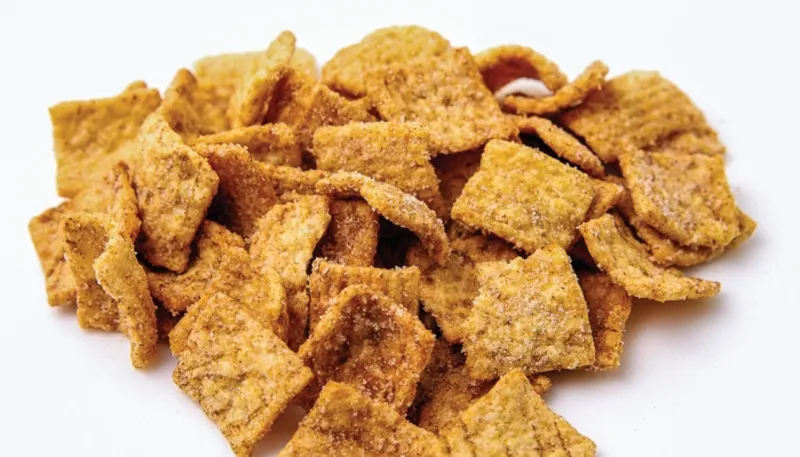
Morning cereal boxes often list this tongue-twisting preservative that keeps foods from turning rancid. BHT extends shelf life dramatically, but might shorten yours. The compound accumulates in body fat and has been linked to liver enlargement in animal studies.
Toxicologist Dr. Richard Becker found BHT can act as a tumour promoter in certain conditions. Some manufacturers have begun removing it voluntarily, responding to consumer concerns about its safety profile.
11. Phthalates
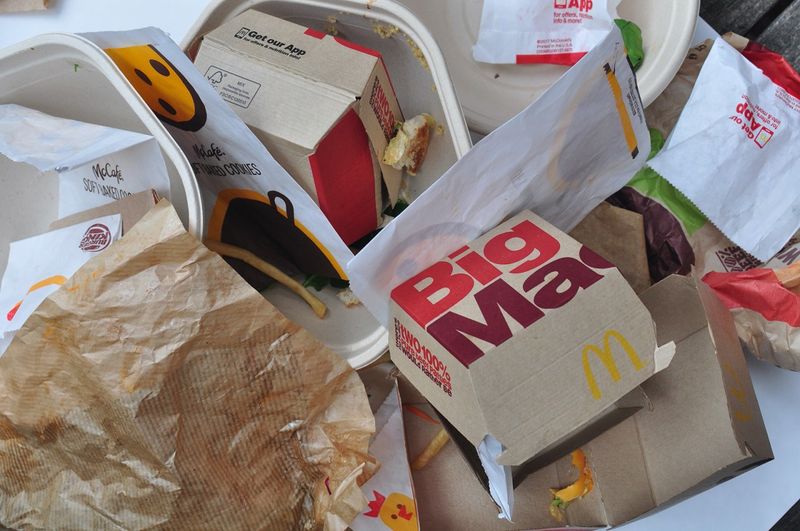
These aren't even intentionally added to food—they migrate from plastic packaging into what we eat. Flexible plastic containers, wraps, and processing equipment all contain these hormone-disrupting chemicals.
Epidemiologist Dr. Shanna Swan's research showed phthalate exposure during pregnancy correlates with reproductive abnormalities in male infants. A 2018 study in Environmental Research found people who regularly ate fast food had phthalate levels up to 40% higher than those who primarily ate home-cooked meals.



