













Fermentation is an ancient technique that transforms simple ingredients into delicious, tangy, and gut-friendly foods and drinks.
Making your own fermented goodies at home isn't just rewarding - it's surprisingly simple with the right equipment. Whether you fancy bubbling jars of kimchi or fizzy bottles of kombucha, these essential tools will help you create fermentation magic in your kitchen.
1. Fermentation Crock Or Jar
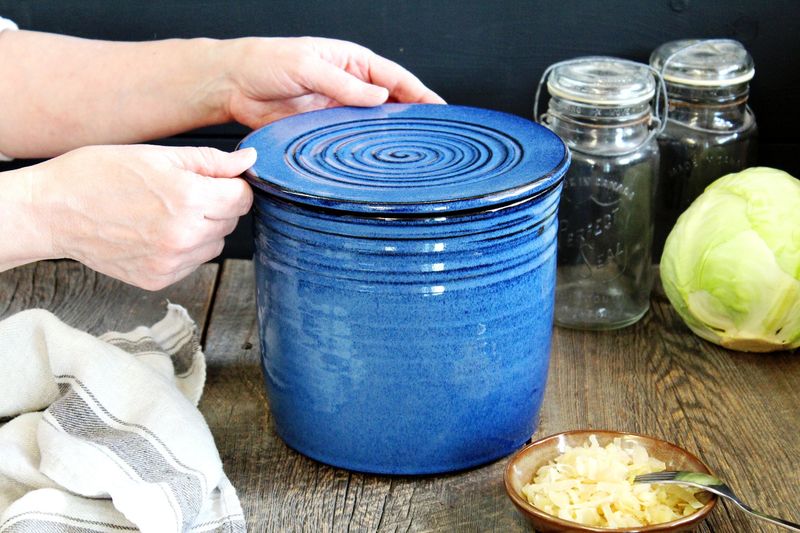
Glass jars work brilliantly for beginners and smaller batches like kombucha or pickles. They're affordable and let you watch the fascinating fermentation process unfold.
Traditional ceramic crocks, on the other hand, provide a more stable environment for larger batches of kimchi or sauerkraut. The opaque walls prevent light damage while maintaining consistent temperatures for your fermenting treasures.
2. Fermentation Weights
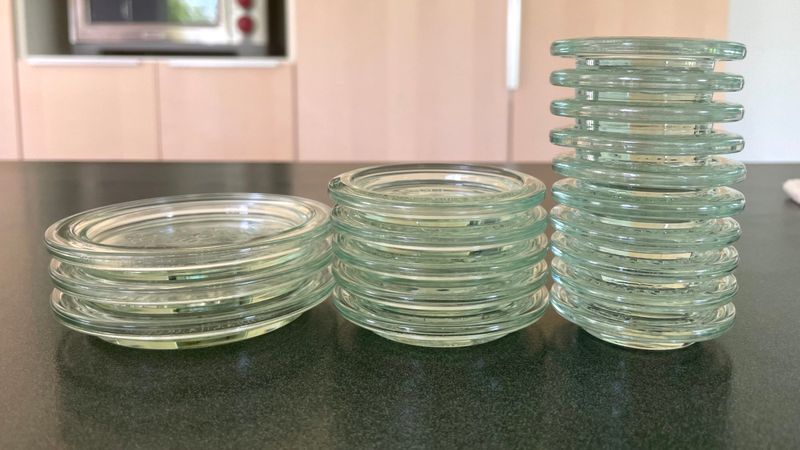
Imagine trying to keep a beach ball underwater—that's the challenge with fermenting vegetables! Without weights, your veg will float to the surface, exposing them to air and potential mould.
Glass or ceramic weights sit atop your vegetables, keeping them safely submerged in brine. Some clever fermenters use a cabbage leaf topped with a clean stone as a budget-friendly alternative.
3. Airlock Lids
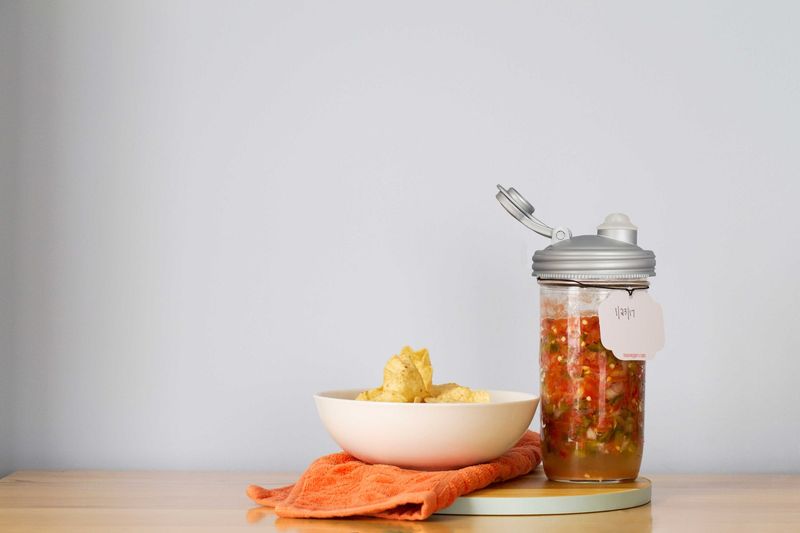
During fermentation, beneficial bacteria produce carbon dioxide that needs to escape. Airlock lids allow these gases to bubble out without letting oxygen or contaminants in - pure genius!
Many designs exist, from simple silicone one-way valves to water-filled airlocks. They prevent explosions (yes, really!) and contamination while maintaining that perfect anaerobic environment where good bacteria thrive.
4. Starter Cultures
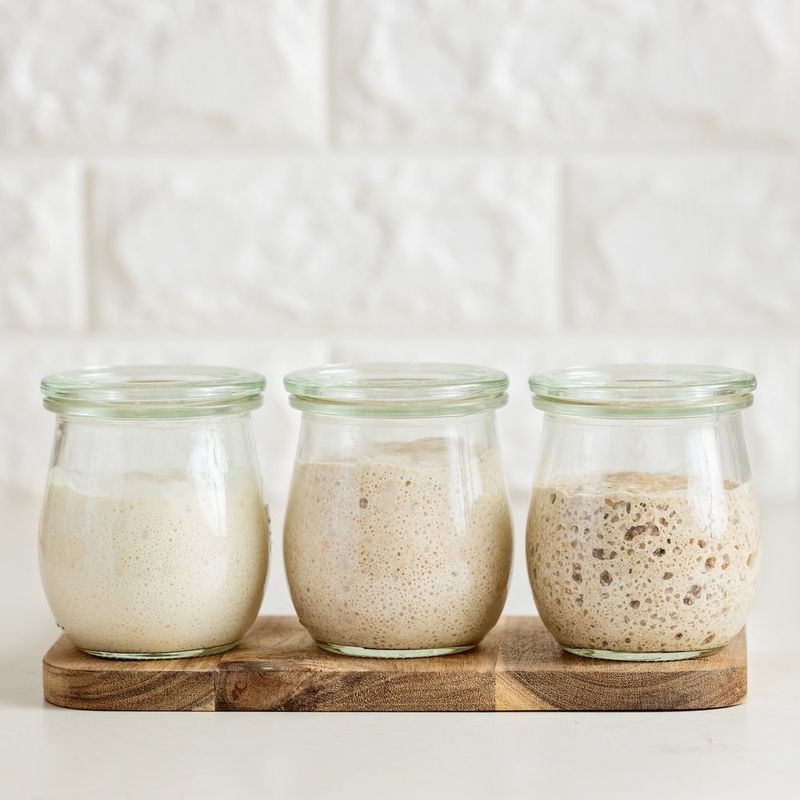
Think of starter cultures as the magical spark that ignites fermentation. For kombucha, you'll need a SCOBY (Symbiotic Culture Of Bacteria and Yeast)—a rubbery disc that transforms sweet tea into tangy kombucha.
Yogurt requires specific bacterial strains, while sourdough needs a living starter. Many ferments can be begun with just a bit from a previous batch, creating an endless cycle of fermentation.
5. pH Testing Strips
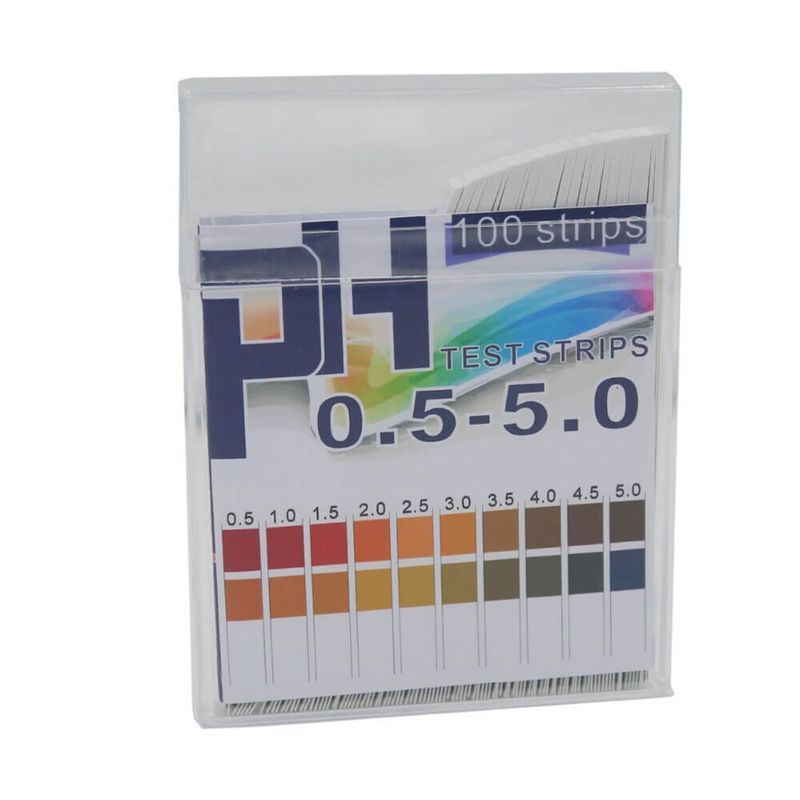
The secret language of fermentation is pH—it tells you when your creation is safe to eat. As beneficial bacteria multiply, they produce acids that lower pH and create that distinctive tangy flavour.
Testing strips are colour-coded indicators that reveal your ferment's acidity. For food safety, most ferments should reach pH 4.6 or lower. These inexpensive strips provide peace of mind, especially for beginners.
6. Wooden Utensils
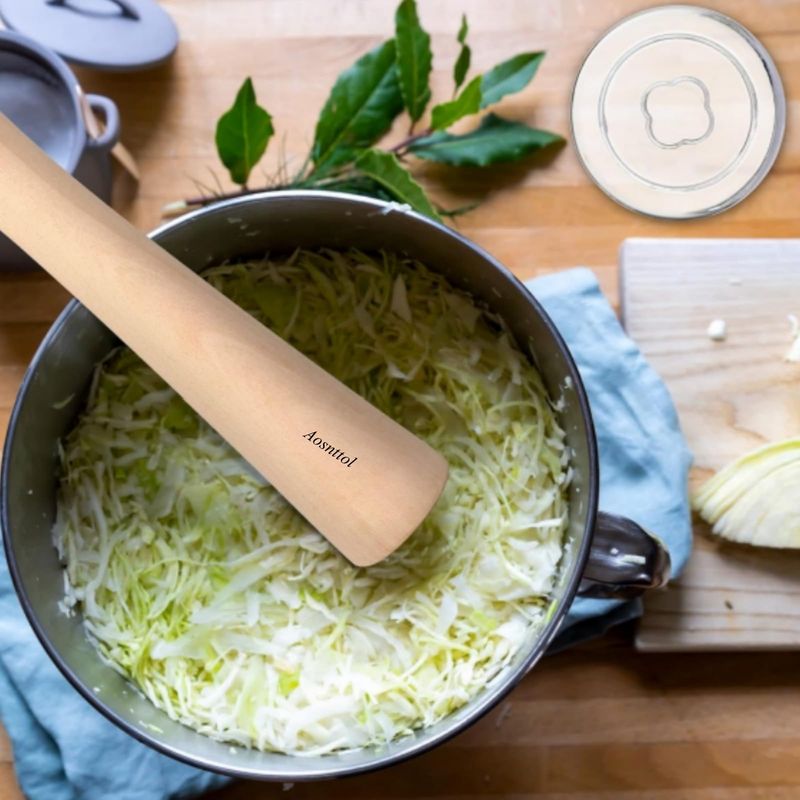
Metal utensils can react with acidic ferments, potentially damaging both your tools and the delicate microbial balance. Wooden spoons and mashers are the gentle giants of the fermentation world.
Look for untreated hardwoods like maple or beech. The natural antibacterial properties of wood make it perfect for fermentation, while the smooth surface won't damage vegetables during packing or stirring.
7. Digital Kitchen Scale
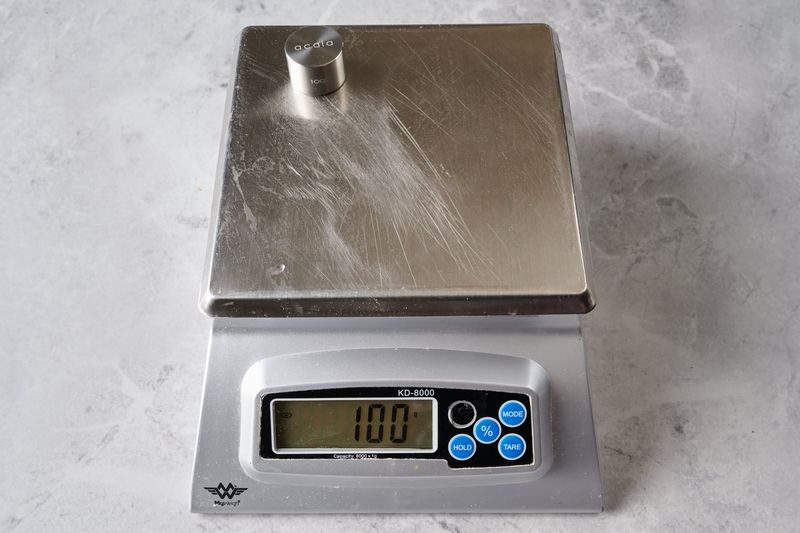
Successful fermentation often comes down to ratios rather than strict measurements. Salt-to-vegetable ratios are particularly crucial—too little salt won't preserve properly, while too much inhibits fermentation.
A digital scale helps achieve the perfect balance, typically 2-3% salt by weight for vegetables. For sourdough bakers, precise measurements of flour and water make the difference between a lively starter and a flat disappointment.
8. Breathable Covers
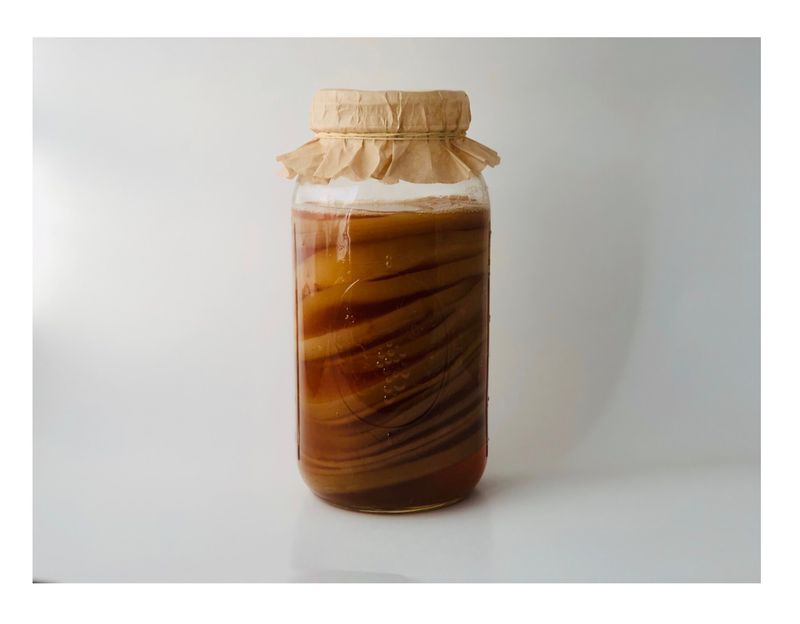
Some ferments need to breathe while keeping unwanted visitors out. Coffee filters, cheesecloth, or tightly woven cotton secured with rubber bands create the perfect balance.
For kombucha's first fermentation or when capturing wild yeasts for sourdough, these covers allow airflow while blocking dust, insects, and contaminants. The fabric should be fine enough to keep fruit flies at bay—they're surprisingly determined to reach your ferments!
9. Temperature Controller
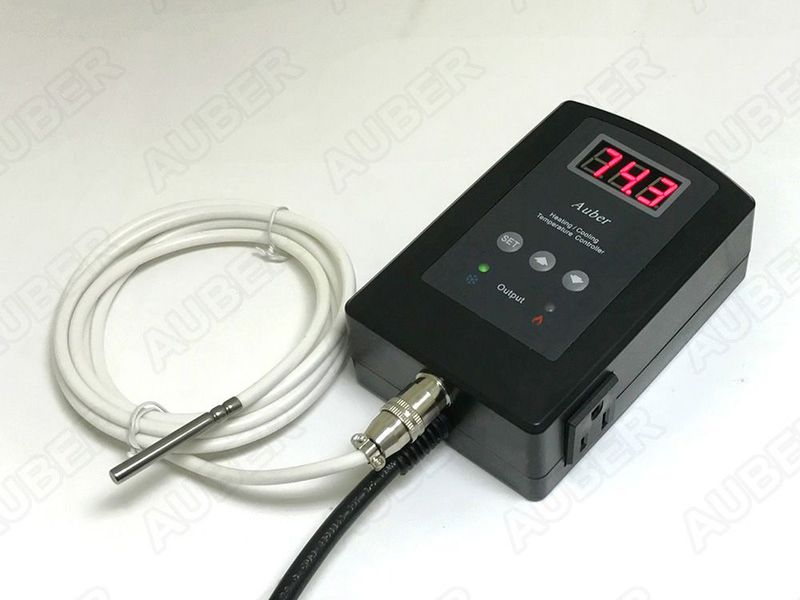
Fermentation is temperature-sensitive—too cold and microbes hibernate, too hot and they become overactive or die. Most ferments prefer temperatures between 18-24°C (65-75°F).
Simple options include stick-on thermometer strips for jars. For serious fermenters, temperature controllers paired with heat mats create perfect conditions year-round. These devices maintain ideal temperatures regardless of kitchen fluctuations.
10. Storage Containers
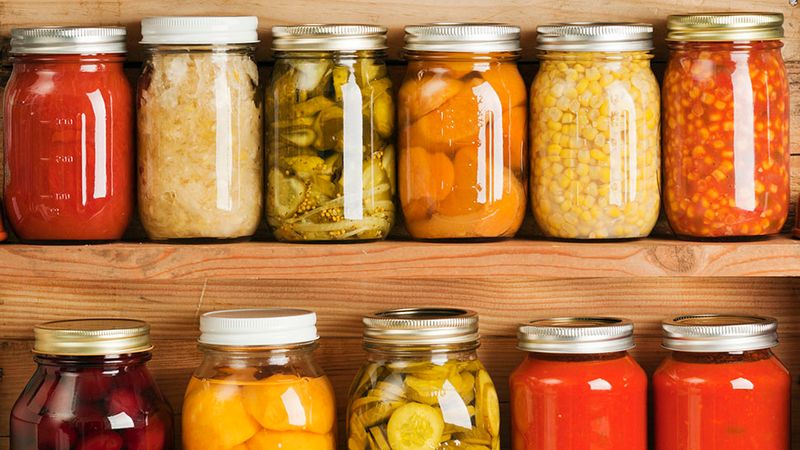
Once fermentation reaches perfection, proper storage extends the life of your creations. Glass jars with tight-fitting lids slow fermentation in the refrigerator while preserving flavours.
For kombucha, swing-top bottles capture carbonation for a fizzy second ferment. Kimchi containers with inner lids press down on the contents, minimising air exposure. Whatever containers you choose, they should be clean, food-safe, and appropriate for refrigerator storage.



