













Food history is full of happy accidents and near misses. Many of our favourite dishes today were just moments away from never existing at all.
From last-minute substitutions to fortunate mistakes, these culinary close calls have shaped what we eat and enjoy. Here's how beloved foods nearly vanished before they even had a chance to shine.
1. Chocolate Chip Cookies
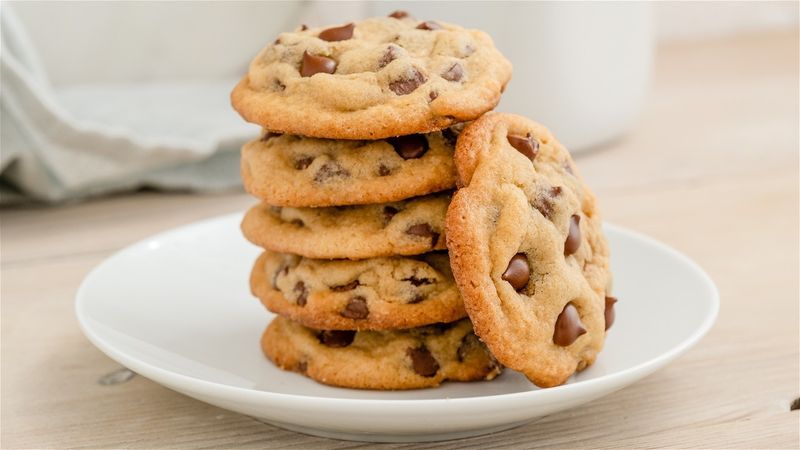
Ruth Wakefield wasn't trying to invent a new dessert in 1938. She simply ran out of baker's chocolate while making cookies at her Toll House Inn. Chopping up a Nestlé chocolate bar instead, she expected it to melt completely.
When the chocolate pieces kept their shape, the accidental chocolate chip cookie was born. This happy baking blunder transformed into America's favourite biscuit and spawned a multi-billion pound industry.
2. Popcorn
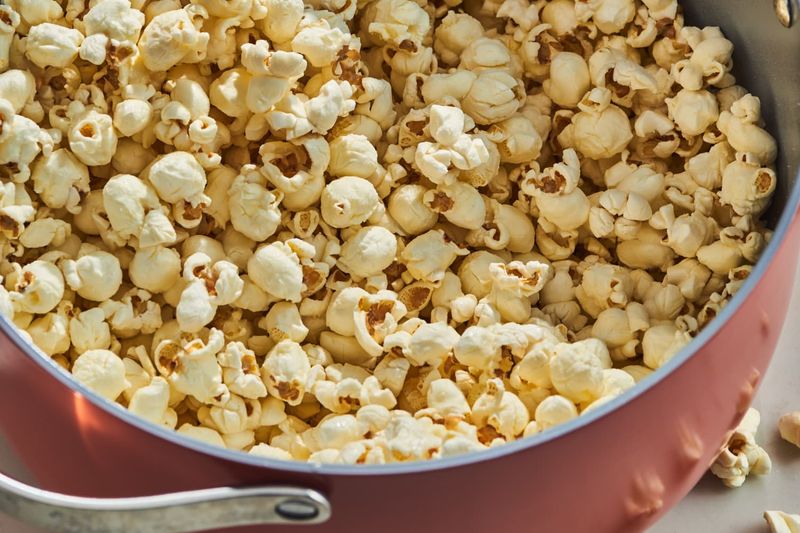
During the Great Depression, popcorn stood on the brink of obscurity. Cinema owners initially banned it, considering it too messy and distracting for their upscale venues. When theatres struggled financially, they discovered popcorn could be sold at a 1000% markup.
This profitability literally saved many cinemas from bankruptcy. Charles Cretors' 1885 popcorn machine invention became the foundation for this unexpected financial lifeline.
3. Ketchup
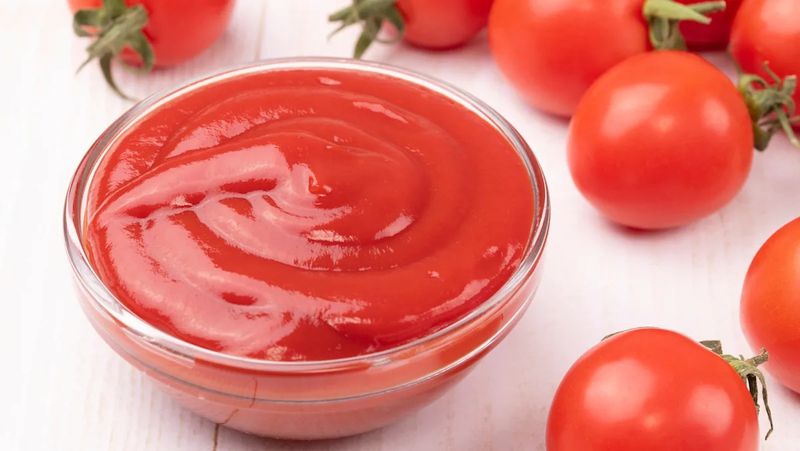
The red sauce we squirt on chips began as a questionable medicine. In the 1830s, Dr. John Cook Bennett sold tomato ketchup pills, claiming they cured everything from indigestion to diarrhoea. His medical claims were debunked, nearly ending ketchup's story.
Fortunately, people discovered it tasted rather good on food. Henry J. Heinz later perfected the recipe in 1876, transforming this failed medicine into the world's favourite condiment.
4. Ice Cream Cones
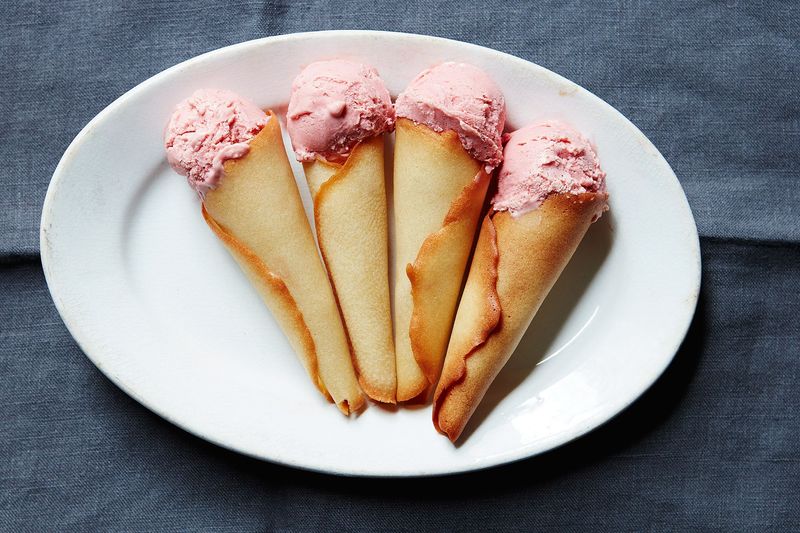
The 1904 St. Louis World's Fair witnessed culinary history when ice cream vendor Ernest Hamwi saved his neighbour's business.
The ice cream seller had run completely out of dishes during a busy day. Hamwi, selling Syrian waffle-like pastries nearby, quickly rolled one of his warm waffles into a cone shape. This impromptu solution created an edible vessel that proved more popular than either original product.
5. Coca-Cola
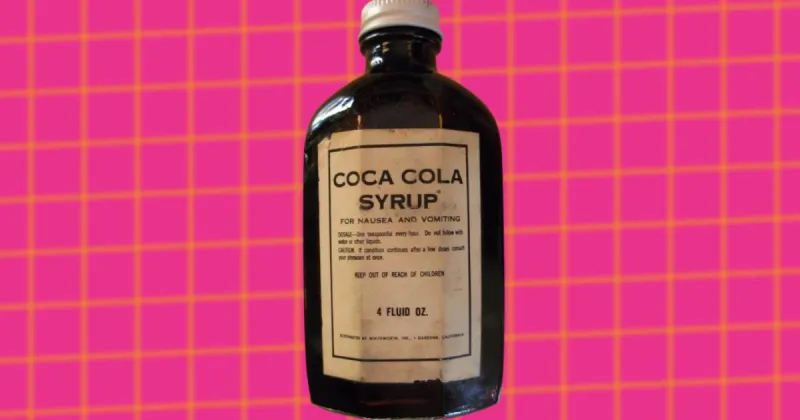
Pharmacist John Pemberton created Coca-Cola in 1886 as a medicinal syrup for headaches and morphine addiction.
Initially selling just nine glasses daily, the business nearly collapsed. When businessman Asa Griggs Candler acquired the struggling formula, he removed the cocaine (yes, real cocaine) and repositioned it as a refreshing drink. His marketing genius saved what is now the world's most recognised beverage.
6. French Fries
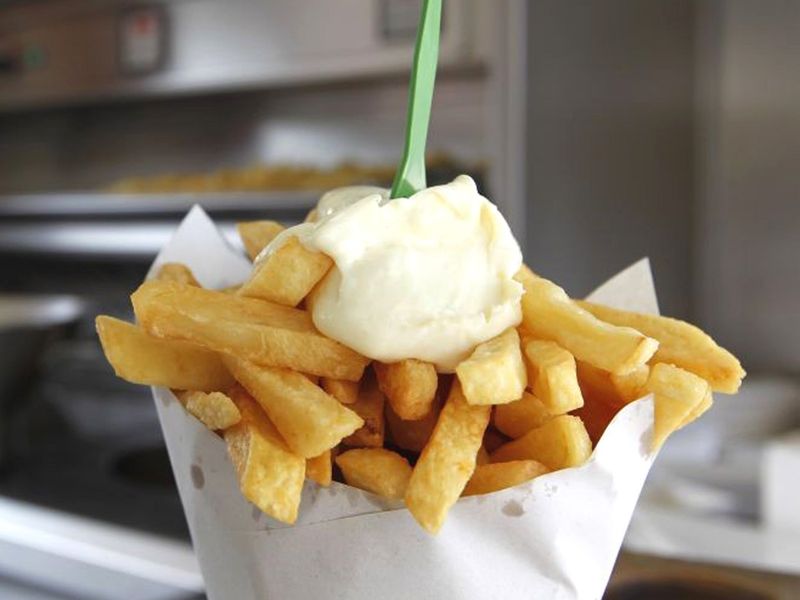
The humble chip almost never existed. During the French Revolution, when fish was scarce in Paris, desperate cooks sliced potatoes into fish-like strips and fried them as a substitute. Initially considered peasant food, these fried potatoes faced ridicule from the upper classes.
Only after American soldiers encountered them during World War I did they gain global recognition. Now they're consumed at a rate of over 4 million tonnes annually worldwide.
7. Hot Dogs
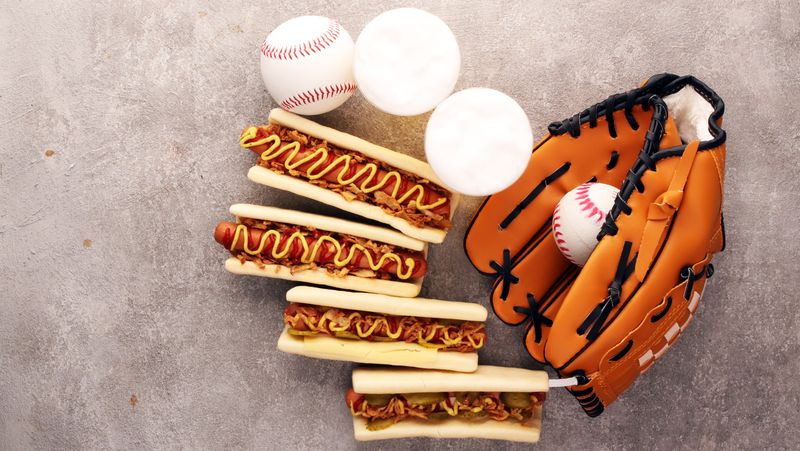
German immigrants brought their beloved frankfurters to America in the 1800s, but these sausages remained largely unknown. Struggling to find acceptance, they nearly disappeared from American cuisine entirely. Their fate changed at a chilly April baseball game in 1901.
Vendor Harry Stevens couldn't sell ice cream, so he bought sausages and rolls instead. Sports cartoonist Tad Dorgan immortalized them as "hot dogs," launching an American food icon.
8. Caesar Salad
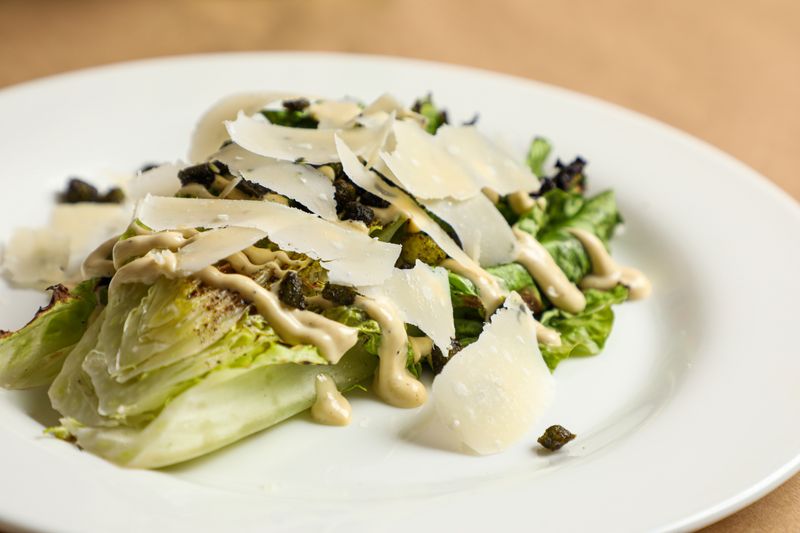
July 4th, 1924 brought unexpected crowds to Caesar Cardini's restaurant in Tijuana, Mexico. With supplies dwindling and hungry patrons waiting, disaster loomed. Cardini frantically assembled a salad tableside using his few remaining ingredients: romaine lettuce, olive oil, eggs, croutons, and Parmesan.
He added theatrical flair by tossing it dramatically before guests. This desperate improvisation became so popular that people crossed the border specifically to try it.
9. Cheeseburgers
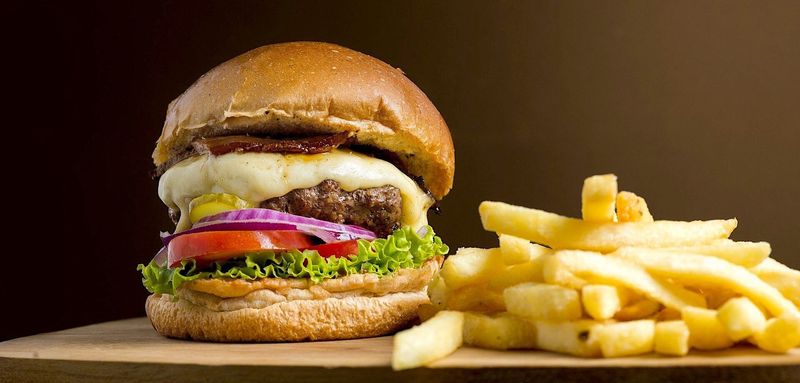
The cheeseburger almost vanished before gaining recognition. Multiple chefs claim to have invented it, including Lionel Sternberger who allegedly burned a burger in 1926 and covered it with cheese to hide the mistake.
Another contender, Louis Ballast of Denver, nearly abandoned his cheese-topped creation when customers initially rejected the odd combination. He persisted, eventually trademarking the name "cheeseburger" in 1935.
10. Buffalo Wings
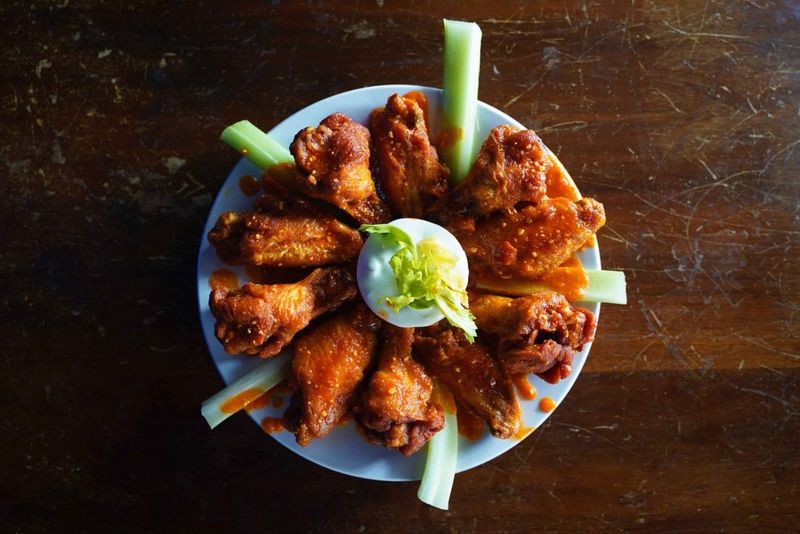
Late one Friday night in 1964, Teressa Bellissimo faced a predicament at her family's Anchor Bar in Buffalo, New York. Her son and friends arrived hungry, but the kitchen was nearly closed. All she had were chicken wings—typically used only for soup stock.
Desperate, she deep-fried them, tossed them in hot sauce, and served them with celery and blue cheese. This improvised midnight snack launched a billion-dollar industry and Super Bowl tradition.
11. Sushi
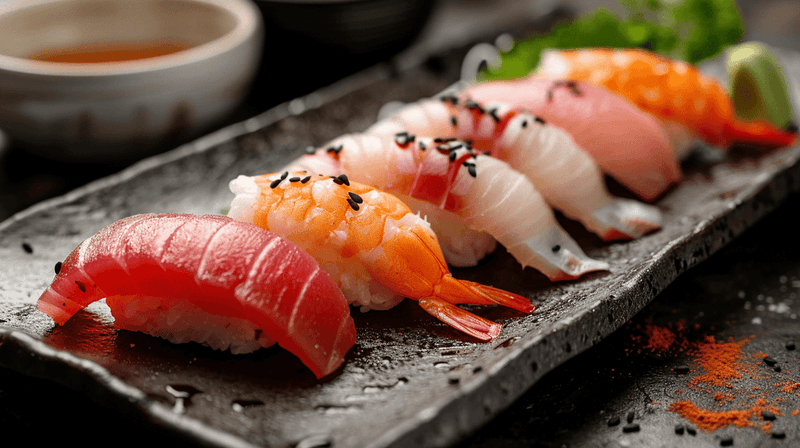
Sushi began not as a delicacy but as a practical preservation technique in Southeast Asia. Fish was packed in fermented rice for months, with the rice discarded before eating the preserved fish. This method nearly disappeared when refrigeration made it obsolete.
Japanese chef Hanaya Yohei saved it by creating nigiri—fresh fish atop vinegared rice—in the early 1800s. Even then, sushi remained virtually unknown outside Japan until the 1970s.
12. Potato Chips
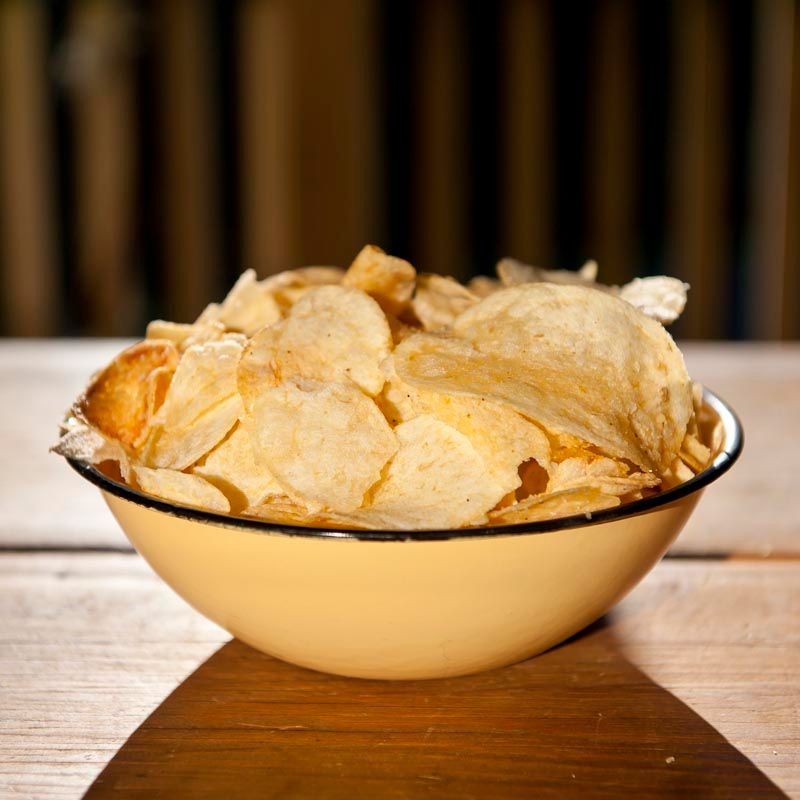
In 1853, a diner at Moon's Lake House in Saratoga Springs repeatedly sent back his fried potatoes, complaining they were too thick and soggy. Chef George Crum lost his temper.
As an act of culinary revenge, he sliced potatoes paper-thin and fried them until impossibly crisp, hoping to annoy the fussy patron. To Crum's surprise, the customer loved them. "Saratoga Chips" became the restaurant's signature dish and America's favourite snack.
13. Bagels
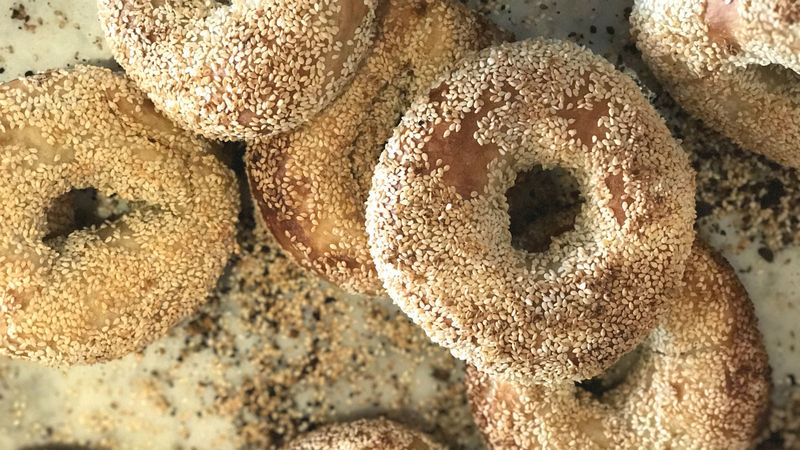
Bagels teetered on extinction in early 20th century America. Jewish immigrants brought these dense, chewy rings from Eastern Europe, but they remained a niche ethnic food for decades.
The turning point came in the 1960s when family-owned Lender's Bagels invented a method to freeze bagels without compromising quality. This innovation allowed nationwide distribution for the first time. Without this breakthrough, bagels might have remained an obscure regional specialty.
14. Vinegar
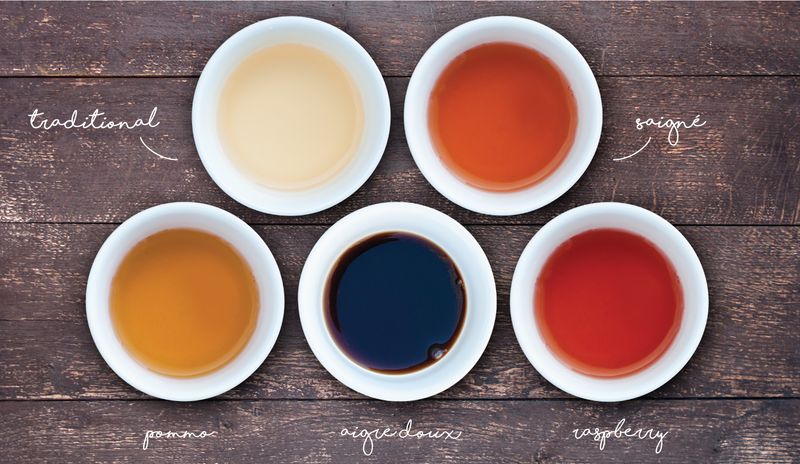
Vinegar's discovery was entirely accidental. Ancient Babylonians around 5000 BCE stored date palm wine too long, returning to find it transformed into a sour liquid. This "spoiled wine" (vin aigre in French) nearly vanished when considered merely a mistake.
Egyptian physician Hippocrates recognized its medicinal properties, preserving its use. Roman garum factories later mass-produced vinegar as a flavouring, cementing its culinary importance that continues today.
15. Margarine
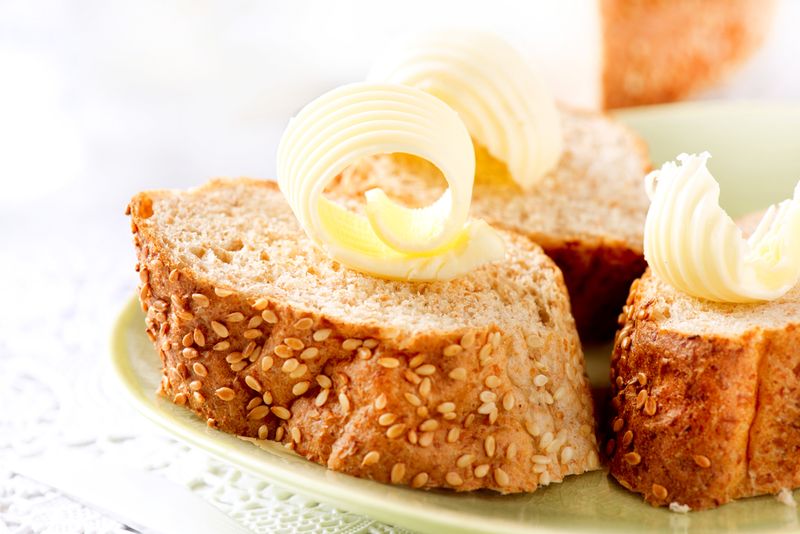
Margarine nearly disappeared before reaching consumers. Created in 1869 by French chemist Hippolyte Mège-Mouriès for Napoleon III's troops, it faced immediate opposition from the dairy industry. American dairy farmers lobbied for prohibitive laws, including one requiring margarine to be dyed pink!
These restrictions nearly killed the product entirely. Only butter shortages during World Wars I and II gave margarine the foothold it needed to survive as a kitchen staple.
16. Spaghetti And Meatballs
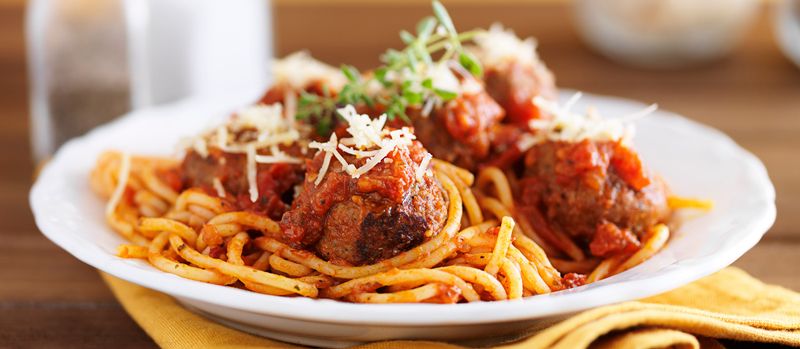
Authentic Italian cuisine never combined spaghetti and meatballs on the same plate. This pairing was created by Italian immigrants in early 1900s America who found meat more affordable and plentiful than in their homeland. Traditional Italian polpette (meatballs) were served as separate courses.
The combined dish nearly vanished when food purists condemned it as inauthentic. Thankfully, its deliciousness overcame culinary snobbery to become an iconic comfort food.
17. Peanut Butter
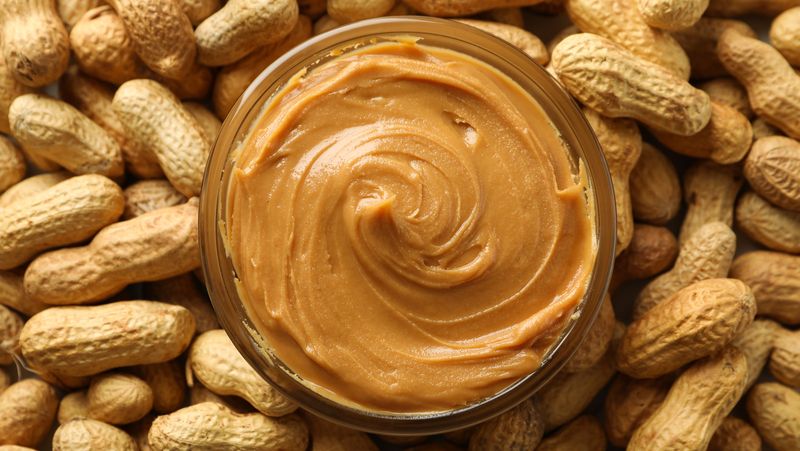
Dr. John Harvey Kellogg (of cereal fame) created peanut butter in 1895 as a protein source for patients who couldn't chew meat. His invention remained a niche medical food with limited appeal. The turning point came when Joseph Rosefield developed a process to prevent oil separation in 1922.
This innovation allowed mass production and extended shelf life. Without Rosefield's breakthrough, peanut butter might have remained an obscure health food.
18. Cheesecake
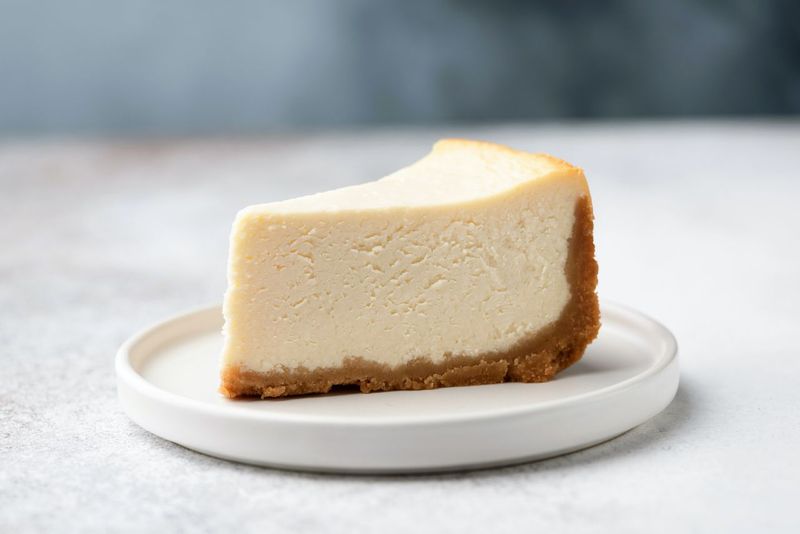
Cheesecake nearly vanished during the Middle Ages. Originally created by the Ancient Greeks as an energy source for Olympic athletes, the recipe was almost lost as culinary traditions shifted.
Its modern incarnation owes everything to New York dairyman William Lawrence, who accidentally created cream cheese in 1872 while attempting to reproduce French Neufchâtel. Arnold Reuben later used this mistake to create New York cheesecake in the 1920s.
19. Fettuccine Alfredo
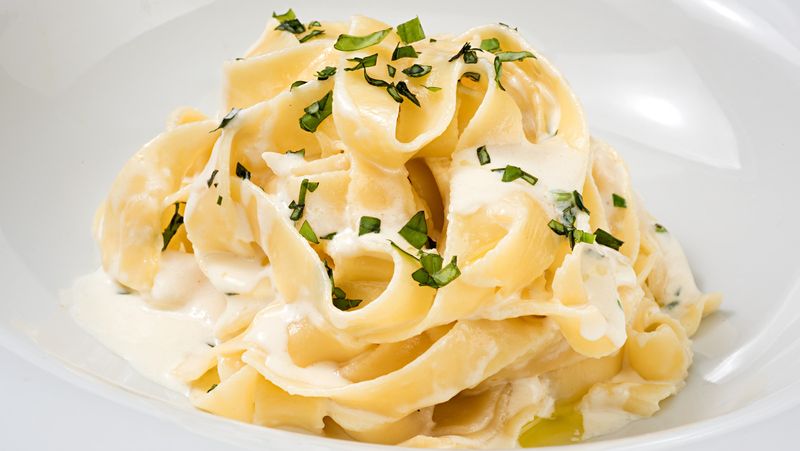
Alfredo di Lelio created his signature pasta in 1914 to tempt his pregnant wife's diminished appetite. This simple butter and Parmesan dish remained a local specialty at his small Rome restaurant, nearly fading into obscurity.
Its salvation came when Hollywood stars Mary Pickford and Douglas Fairbanks discovered it on their honeymoon in 1920. Their celebrity endorsement transformed the humble dish into an international sensation.
20. Lobster Roll
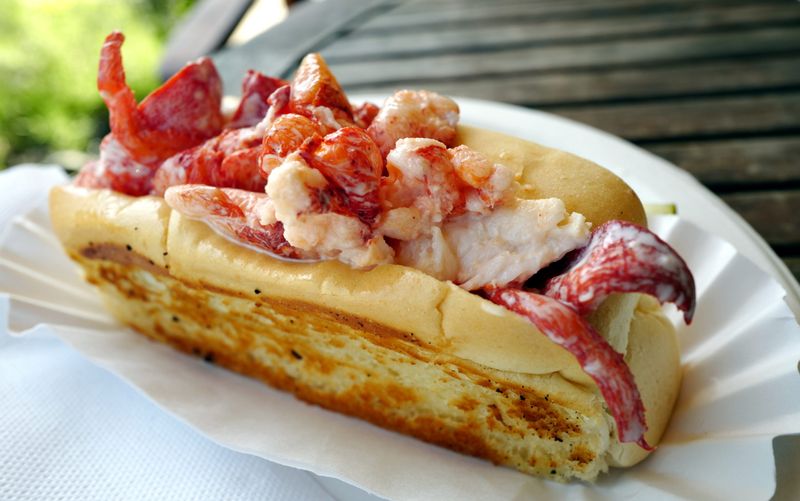
The lobster roll began as a practical solution for New England fishmongers with excess inventory. In the early 1900s, lobster was so abundant that it was considered a low-class food, often fed to prisoners and servants.
Perry's restaurant in Milford, Connecticut first served hot lobster meat on bread in 1929 to use up leftover shellfish. For decades, it remained a regional curiosity, unknown beyond the Northeast coast.



