













Food connects us to our past in ways we rarely consider. The meals we enjoy today often have histories stretching back centuries or even millennia, passing through countless kitchens and generations before reaching our plates.
These dishes have remarkable stories that began long before any of us were born, yet they continue to satisfy our hunger and curiosity today.
1. Deviled Eggs

Those creamy, tangy bites adorning modern buffet tables first delighted ancient Romans over 2,000 years ago! They called them 'boiled eggs seasoned with spicy sauces' and served them at the beginning of meals.
Romans would boil eggs, season the yolks with spicy sauces, and return them to their whites – creating the grandfather of our beloved picnic classic. The term 'deviled' only appeared in the 18th century, referring to the spicy seasonings.
2. Pizza
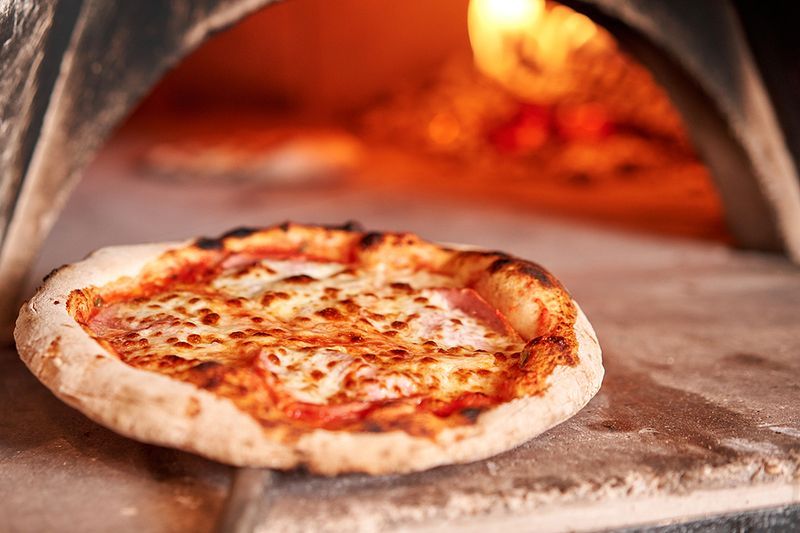
Ancient Egyptians, Greeks and Persians all enjoyed flatbreads topped with olive oil and native spices. These early 'pizzas' were practical foods for working people who needed quick, inexpensive meals.
Naples birthed modern pizza in the 18th century when locals began topping flatbreads with tomatoes – a New World food many Europeans initially feared was poisonous! The iconic Margherita pizza came later in 1889, created to honour Queen Margherita with toppings representing the Italian flag.
3. Pasta
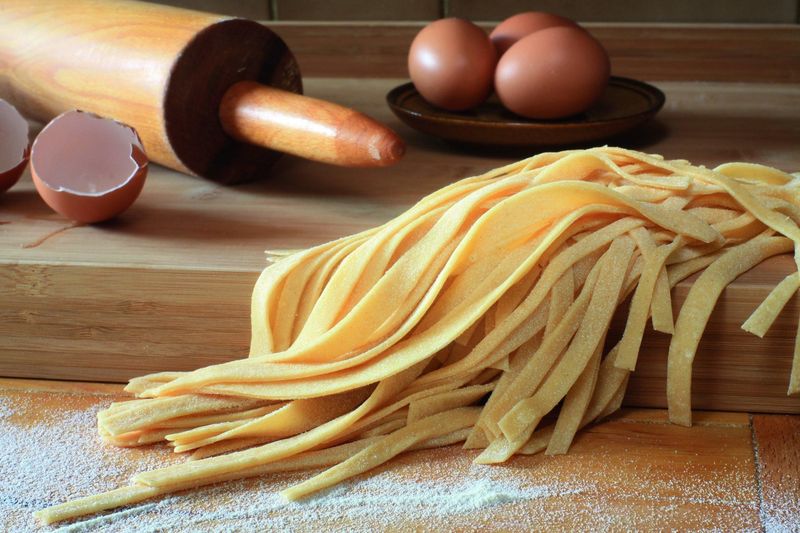
Marco Polo didn't actually introduce pasta to Italy – contrary to popular belief! Archaeological evidence suggests Etruscans and Romans were making pasta-like foods long before his famous journey.
The earliest written record of pasta appears in the Jerusalem Talmud, dating back to the 5th century. By the Middle Ages, dried pasta had become a staple throughout Italy, prized for its affordability and long shelf life. Different regions developed their own shapes and sauces, creating the diverse pasta landscape we know today.
4. Pancakes
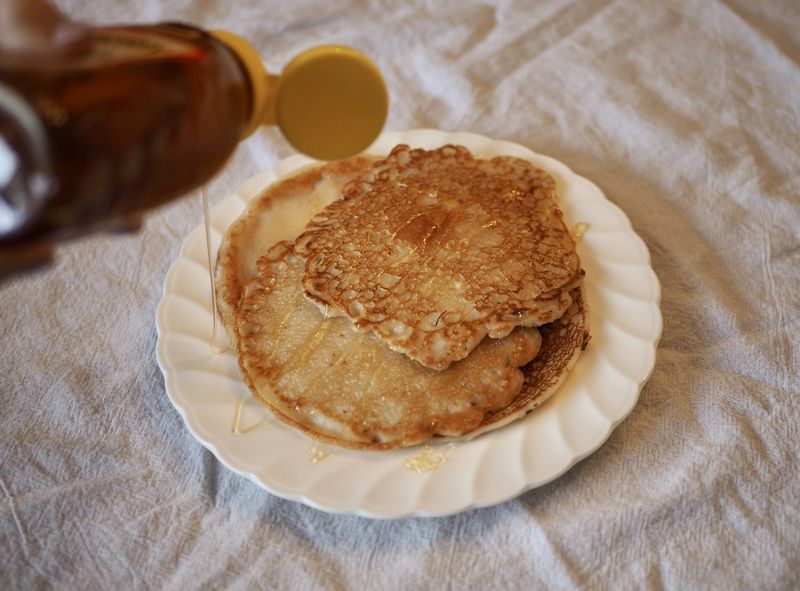
Archaeologists have found pancake-like foods in the stomach contents of Ötzi the Iceman, who lived 5,300 years ago! His Stone Age version contained ground einkorn wheat mixed with water and cooked on hot stones.
Ancient Greeks called their pancakes 'tagenites,' sweetening them with honey and serving them for breakfast. Every culture seems to have developed some version of this simple dish. Medieval Europeans enjoyed them particularly before Lent, using up prohibited foods like eggs and butter.
5. Curry
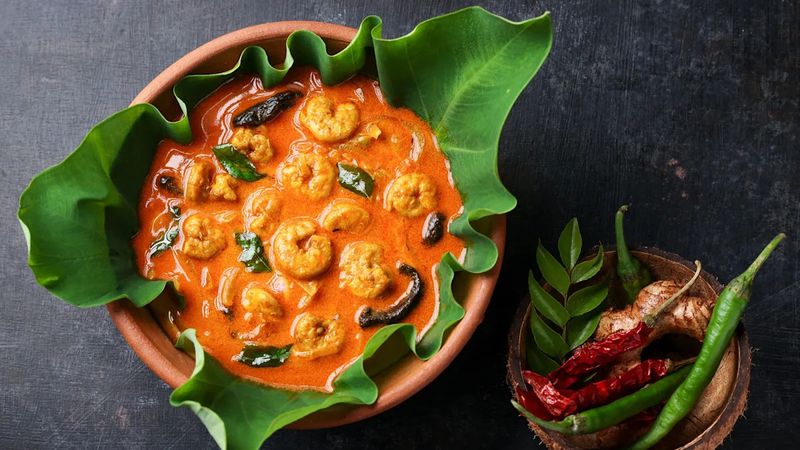
Archaeologists discovered curry-like mixtures in cooking pots from the Indus Valley Civilization – dating back to 2600 BCE! These ancient curries used ginger, garlic and turmeric, spices still fundamental to modern versions.
The word 'curry' itself comes from 'kari,' a Tamil word meaning sauce. British colonists encountered these complex spice blends during the 17th century and brought their interpretations back home. Today's British curry culture represents one of history's most delicious cultural exchanges.
6. Stew
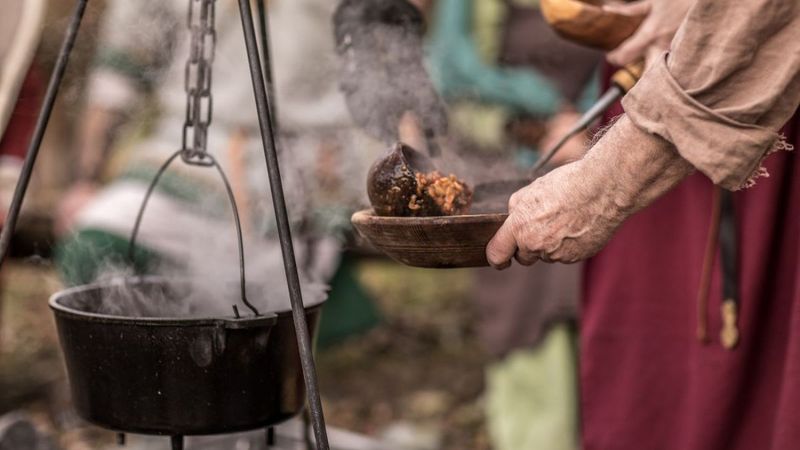
The humble stew predates written history! Our ancestors likely created the first stews once watertight cooking vessels were invented around 10,000 years ago, simmering whatever meat and plants were available.
Evidence of stew-making appears in Japan's Jōmon period (14,000-300 BCE), where archaeologists found pottery with charred remains of seafood stews. The word 'stew' comes from the Old French 'estuier,' meaning 'to enclose.' Every culture has developed their own version, from Irish stobhach to Middle Eastern tagines.
7. Roast Chicken
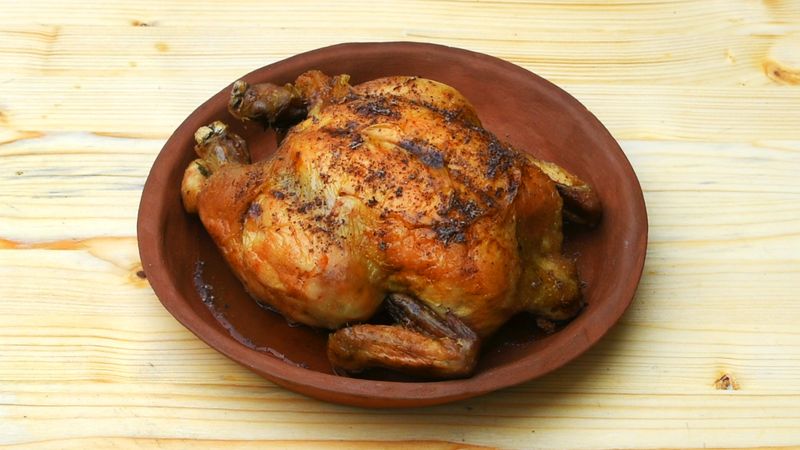
Humans have been roasting birds since mastering fire, but domestic chickens specifically were first roasted in Southeast Asia around 6000 BCE. These early chickens were actually domesticated from wild red junglefowl for cockfighting, not dinner!
Medieval cookbooks like 'The Forme of Cury' (1390) feature elaborate roast chicken recipes using spices like saffron and cinnamon. By the 16th century, roast chicken had become a staple Sunday meal across Europe, symbolizing prosperity and family togetherness long before rotisserie chickens appeared in supermarkets.
8. Cheese
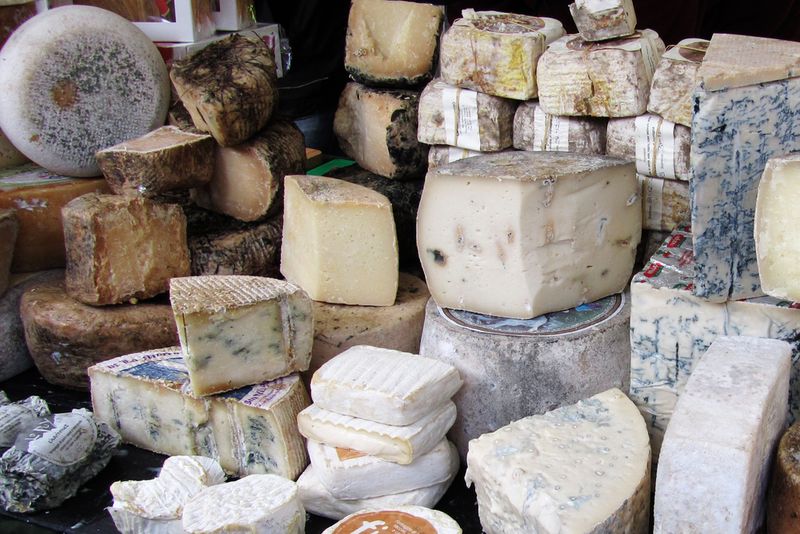
Legend has it cheese was discovered when an ancient traveller stored milk in a container made from an animal's stomach, only to find it had solidified into curds and whey thanks to the stomach's natural rennet!
Archaeological evidence of cheese-making dates back to 5500 BCE in what is now Poland. Ancient Egyptians left cheese in tombs to nourish the deceased in the afterlife. The Romans elevated cheese-making to an art form, developing techniques still used today for varieties like Cheddar and Parmesan.
9. Bread
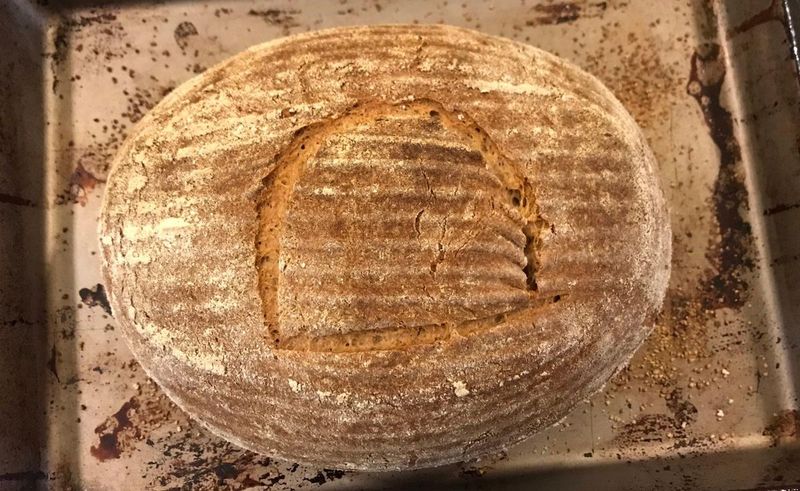
Bread might be the very reason humans settled down and built cities! Evidence from Jordan suggests humans were making flatbreads 14,400 years ago – 4,000 years before agriculture began.
Ancient Egyptians discovered leavening around 3000 BCE, creating the world's first sourdough breads. They built specialized bakeries and paid workers with loaves. Bread became so central to ancient life that the word 'companion' literally means 'person you share bread with' (from Latin 'com' and 'panis').
10. Borscht
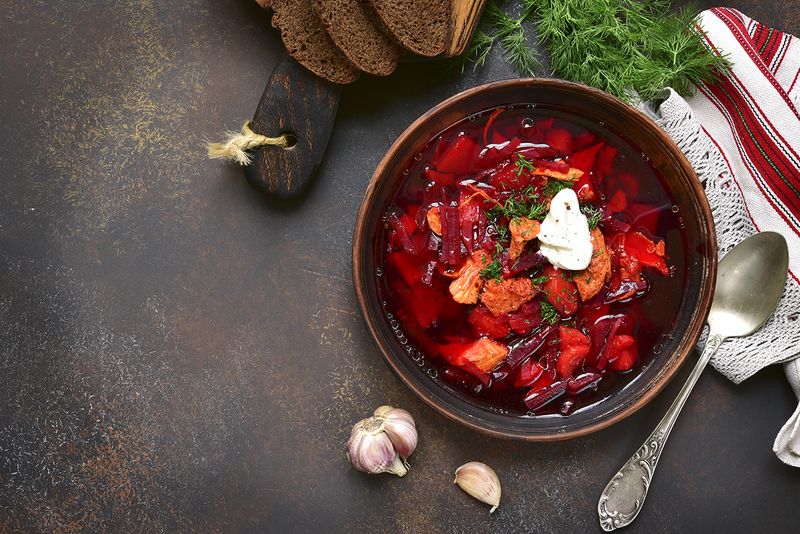
This vibrant beetroot soup traces back to medieval Ukraine, where it was originally made from hogweed rather than beetroot! The word 'borscht' comes from the Old Slavic word for the hogweed plant.
Beetroots only became the soup's star ingredient in the 16th-17th centuries after they were introduced from the Mediterranean. Each Eastern European country developed its own variation – some with meat, others vegetarian, some served hot, others cold. Russian aristocrats served elaborate versions with duck and sour cream, while peasants made simpler varieties.
11. Cabbage Rolls
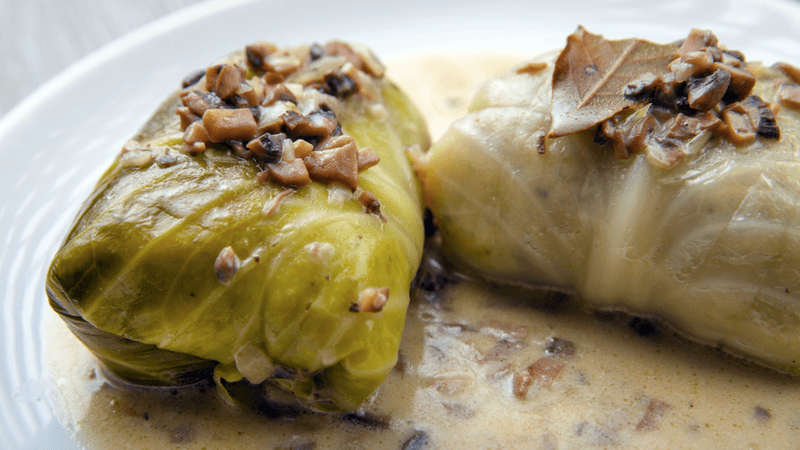
These humble bundles of joy emerged around 2,000 years ago in the regions around the Black Sea and Caucasus Mountains. Early versions used wild cabbage leaves to wrap leftover grains and meats – nothing went to waste!
Jewish communities in Eastern Europe embraced cabbage rolls, calling them 'holishkes' or 'praakes.' Ottoman influences spread similar dishes throughout the Balkans and Middle East. The name varies widely – 'gołąbki' in Poland, 'holubtsi' in Ukraine, 'sarma' in Turkey – but the comforting essence remains unchanged across millennia.
12. Sausages
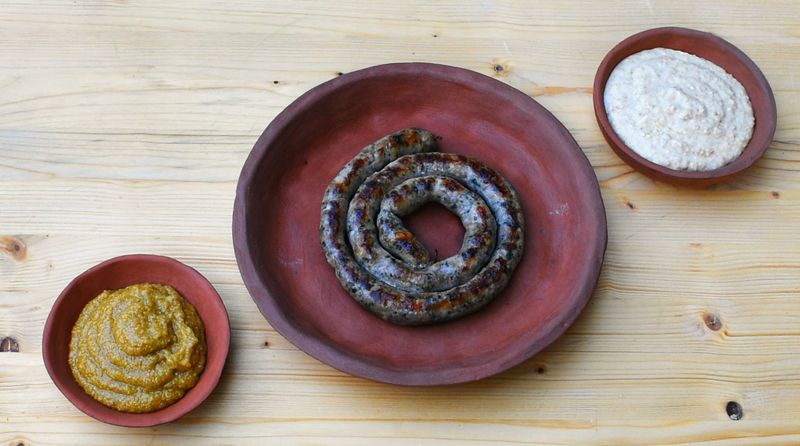
Homer mentioned sausages in The Odyssey (8th century BCE), but they're even older! The Sumerians of Mesopotamia recorded sausage recipes on cuneiform tablets dating back to 3000 BCE.
Ancient sausages served a critical purpose – preserving valuable meat without refrigeration. The word 'sausage' comes from Latin 'salsus' meaning 'salted.' Romans loved their 'lucanica' sausages so much they established laws governing their production. By medieval times, different regions had developed their signature varieties, many of which we still enjoy today.
13. Moussaka
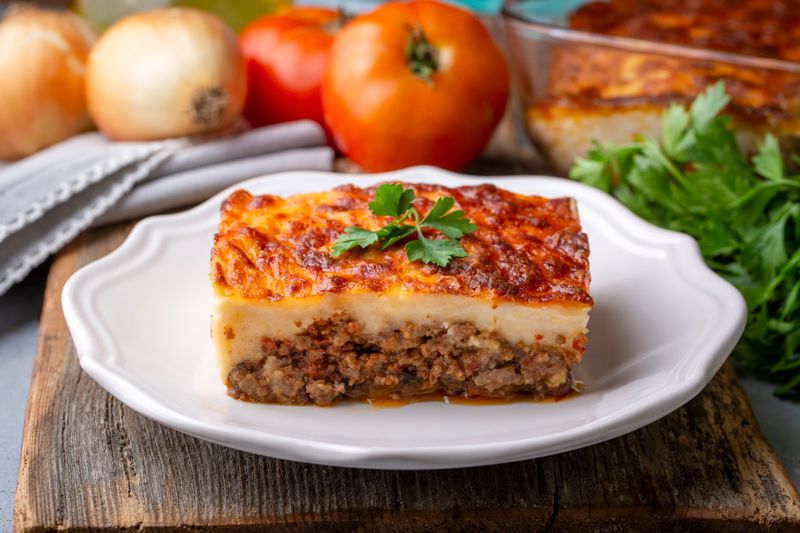
The earliest forms of moussaka appeared in Arab cookbooks during the 13th century as a dish of layered vegetables and meat – but without the creamy béchamel topping modern diners expect!
The name comes from Arabic 'musaqqa'a,' meaning 'chilled.' Greek chef Nikolaos Tselementes revolutionized moussaka in the 1920s by adding the French-inspired béchamel sauce on top, creating the version now famous worldwide. Before this fusion, traditional Greek moussaka was simpler and reflected Ottoman influences that spread throughout the former Byzantine Empire.
14. Tacos
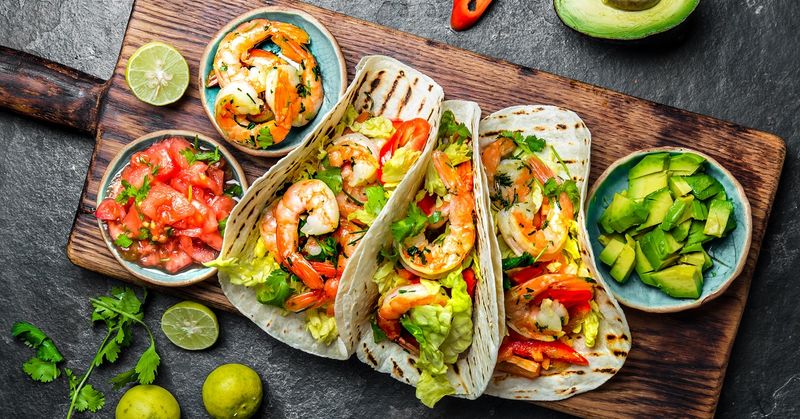
Archaeological evidence suggests indigenous people in the Valley of Mexico were eating tacos filled with small fish as early as the 16th century! The word 'taco' originally referred to the gunpowder wrapped in paper used by silver miners.
Traditional tacos were soft corn tortillas filled with local ingredients like fish, beans, and insects – not the ground beef and cheddar popular today. Spanish conquistadors documented Moctezuma II enjoying tacos garnished with wild turkey, chilis, and salt. The hard-shell taco? That's a 20th-century American innovation!
15. Apple Pie
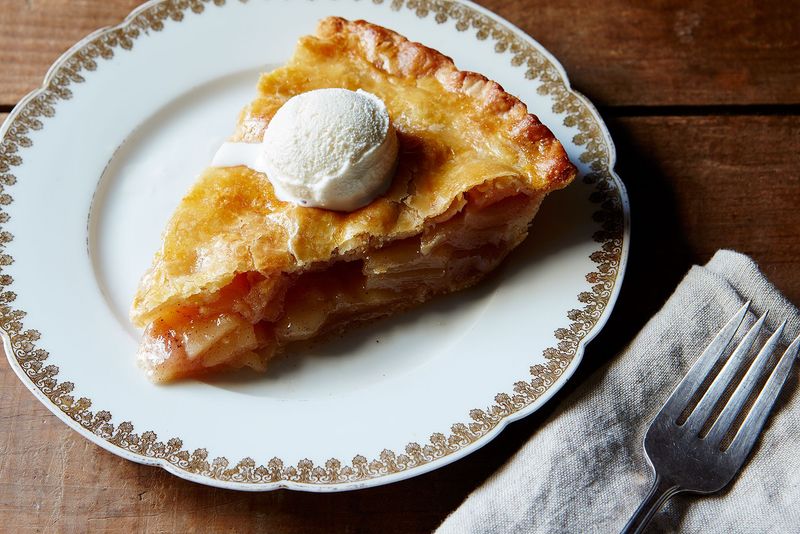
The first written apple pie recipe appears in England in 1381 – without sugar, which was wildly expensive then! This medieval version included figs, raisins and pears with saffron for colour.
Early apple pies had inedible crusts called 'coffins,' designed only to hold the filling during baking. Apples weren't native to North America, arriving with European colonists. The phrase 'as American as apple pie' only emerged during World War II as patriotic propaganda, despite the dessert's thoroughly British origins centuries earlier.



