













Italian cuisine is a treasure trove of flavours that have captivated taste buds worldwide for centuries.
From the rolling hills of Tuscany to the coastal villages of Sicily, each region boasts unique dishes with fascinating histories.
Ready your apron and prepare for a culinary journey through Italy's most beloved original recipes!
1. Bruschetta
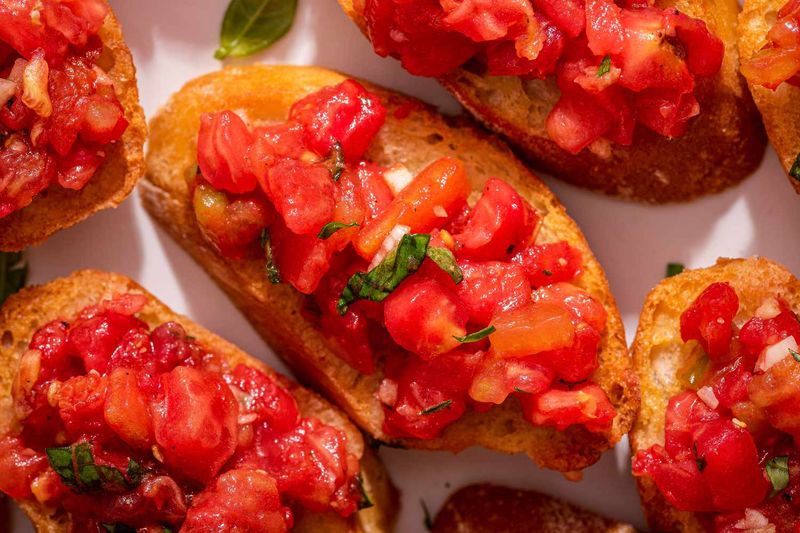
Peasant food turned gourmet sensation! Crispy grilled bread gets rubbed with raw garlic cloves before being topped with diced ripe tomatoes, fragrant basil, and a generous drizzle of extra-virgin olive oil.
The secret? Use the freshest ingredients possible and serve immediately for that authentic Italian experience.
2. Caprese Salad
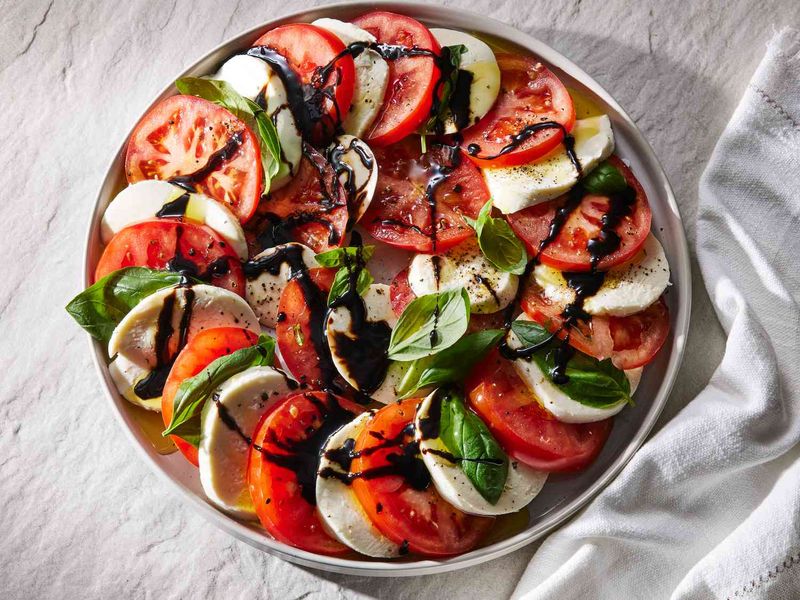
Representing Italy's flag in delicious form, this salad arranges creamy mozzarella slices with juicy tomatoes and vibrant basil leaves. A splash of olive oil and balsamic glaze completes the masterpiece.
Born on the island of Capri, locals crafted this refreshing dish to showcase their prized buffalo mozzarella during summer months.
3. Prosciutto E Melone
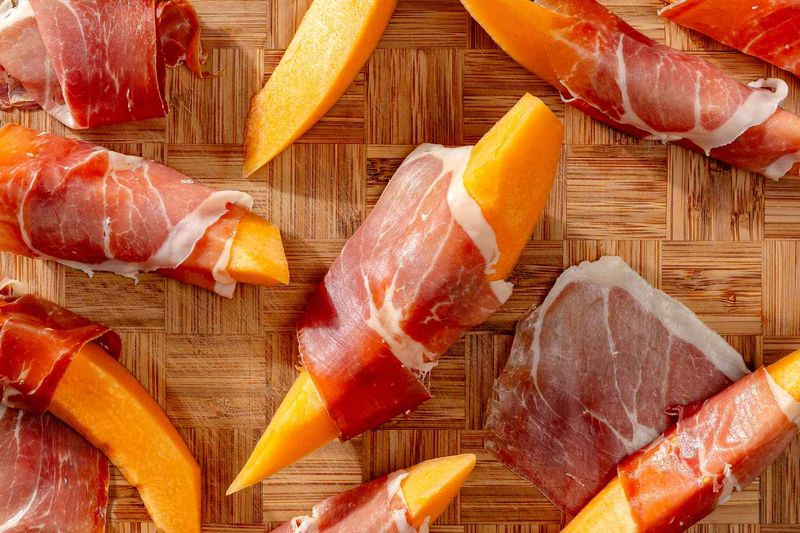
Paper-thin slices of cured ham draped elegantly over juicy melon wedges create a symphony of contrasting flavours. The salty prosciutto enhances the melon's sweetness in this classic antipasto.
Romans first paired fruit with cured meats centuries ago, believing the combination balanced the body's humours according to ancient medical practices!
4. Carpaccio
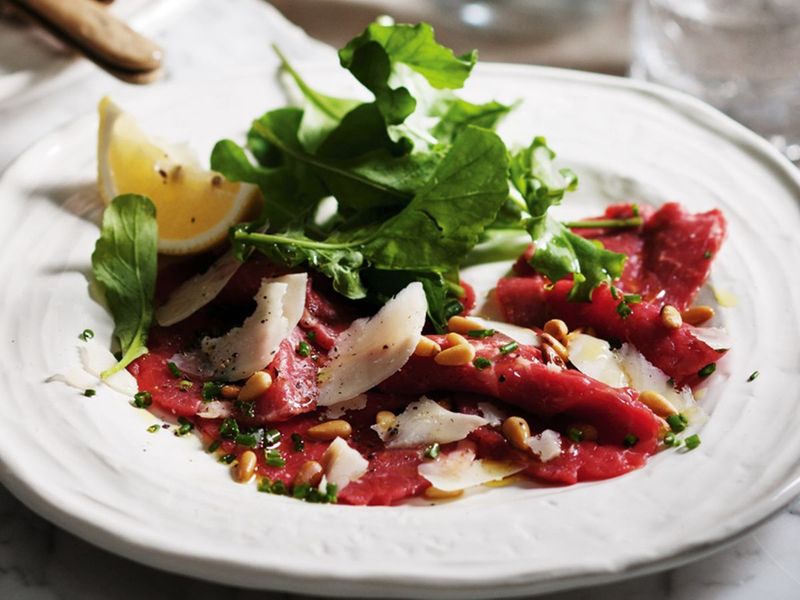
Named after Renaissance painter Vittore Carpaccio for its vivid red hues, this dish features paper-thin raw beef dressed simply with lemon juice, olive oil, and Parmesan shavings.
Invented in 1950 at Harry's Bar in Venice, it was created for a countess whose doctor had restricted her to eating raw meat. Modern variations include tuna and salmon.
5. Spaghetti Aglio E Olio
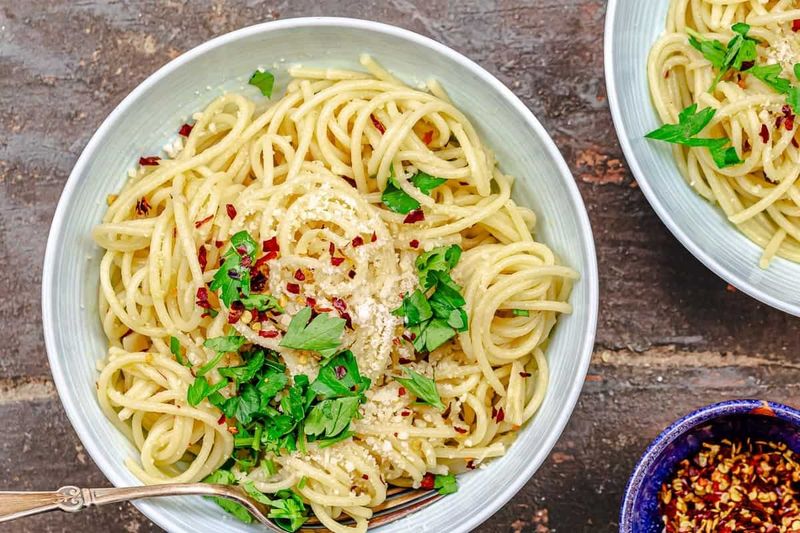
Naples' favourite midnight snack transforms humble ingredients into culinary magic. Thin spaghetti gets tossed with golden garlic, fiery chilli flakes, and grassy parsley in fruity olive oil.
Italian grandmothers have long prepared this as a quick solution for unexpected guests or late-night hunger pangs. Its simplicity belies its remarkable depth of flavour!
6. Pasta Alla Carbonara
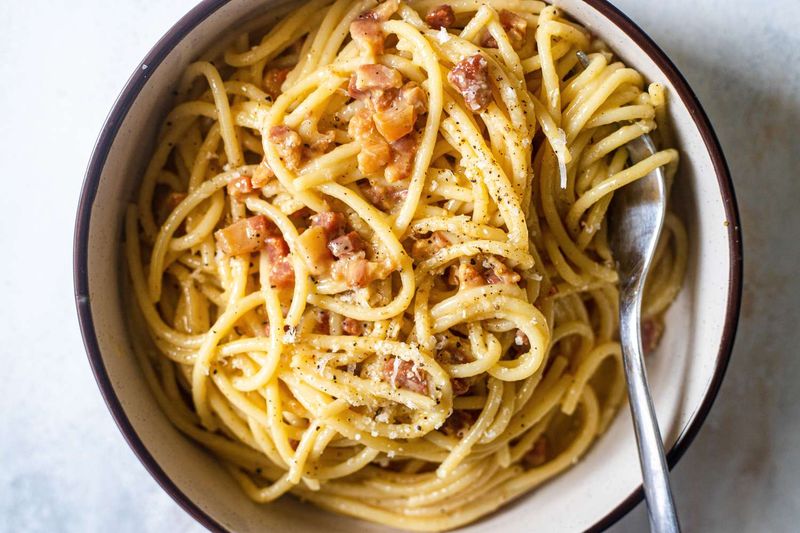
Roman shepherds created this hearty dish using ingredients they carried: eggs, cured pork, cheese and black pepper. The magic happens when hot pasta meets raw eggs, creating a silky sauce without a drop of cream.
Authentic carbonara never contains cream or garlic—a fact Romans defend passionately! The name likely comes from 'carbonaro' (charcoal maker), suggesting its origins as fuel for labourers.
7. Cacio E Pepe
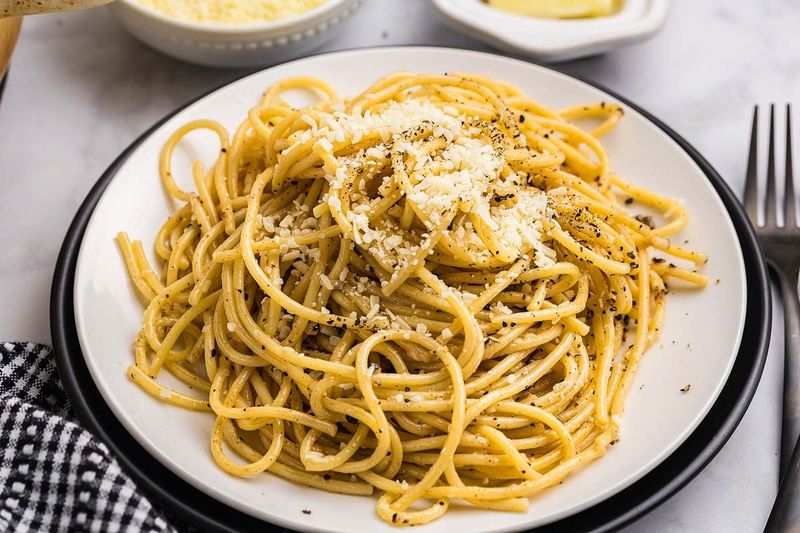
Ancient Roman shepherds carried dried pasta, aged pecorino cheese and black peppercorns on long journeys, combining them to create this remarkably complex dish with just three ingredients.
The technique makes this seemingly simple recipe challenging - pasta water must emulsify perfectly with cheese to create the signature creamy sauce. Romans consider this the ultimate test of pasta-making prowess.
8. Fettuccine Alfredo
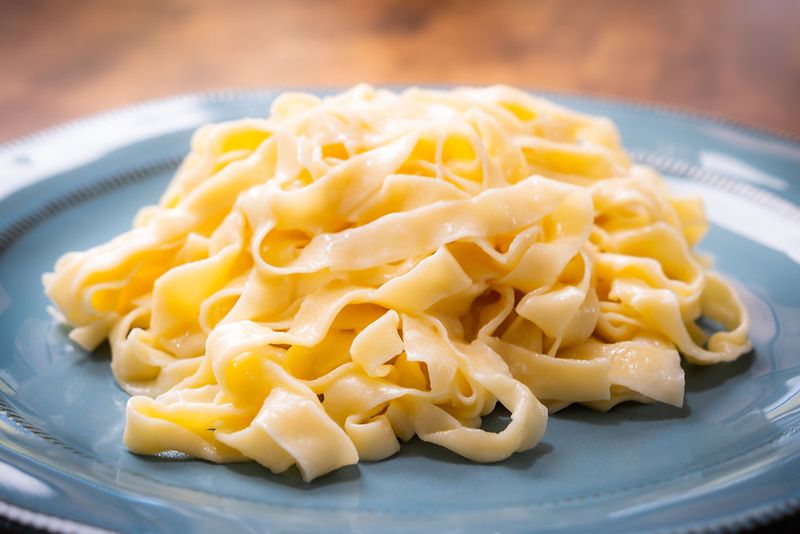
Created in 1914 by Alfredo Di Lelio to tempt his pregnant wife's appetite, this butter-and-Parmesan coated pasta became an international sensation when Hollywood stars Mary Pickford and Douglas Fairbanks fell in love with it.
American versions add cream, but authentic Alfredo uses just pasta water, butter and Parmigiano-Reggiano. The hot fettuccine melts these ingredients into liquid gold!
9. Lasagna Alla Bolognese
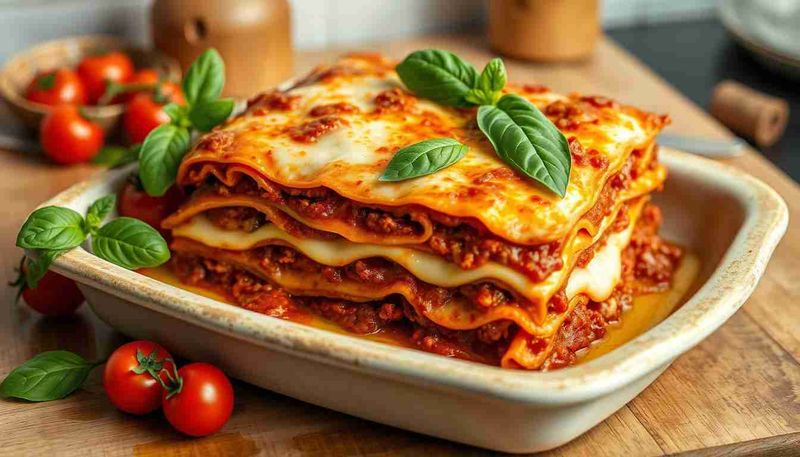
Bologna's crowning culinary achievement features hand-rolled pasta sheets layered with slow-simmered ragù, creamy béchamel, and aged Parmigiano-Reggiano. Each bite reveals the patience and love poured into its creation.
Traditional Bolognese lasagna never contains ricotta! The earliest recorded recipe dates back to the 1300s, though the dish likely originated from ancient Roman layered pasta called 'lasanum'.
10. Ricotta Gnocchi
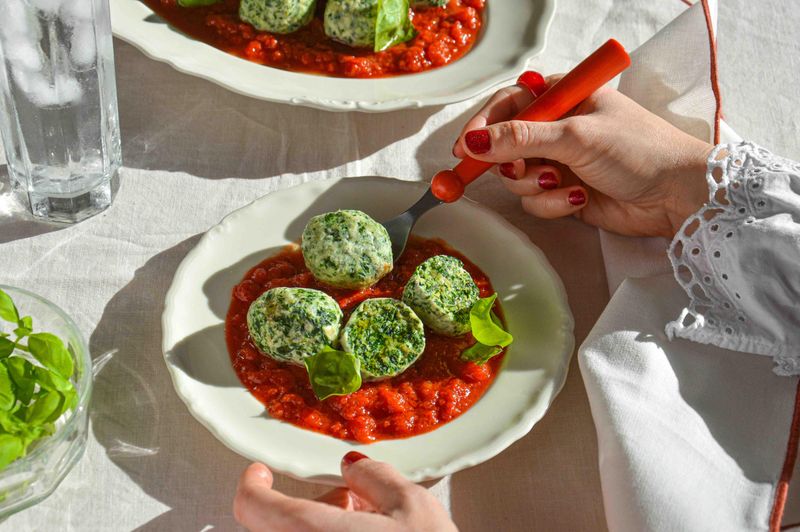
Lighter than potato gnocchi, these Tuscan 'naked ravioli' combine ricotta cheese, spinach, flour and eggs into delicate dumplings.
Their melt-in-your-mouth texture comes from using minimal flour. Traditionally served with sage-infused brown butter or simple tomato sauce, gnudi showcase the pure flavours of fresh ricotta. Tuscans say proper gnudi should float like clouds in boiling water!
11. Linguine Alle Vongole
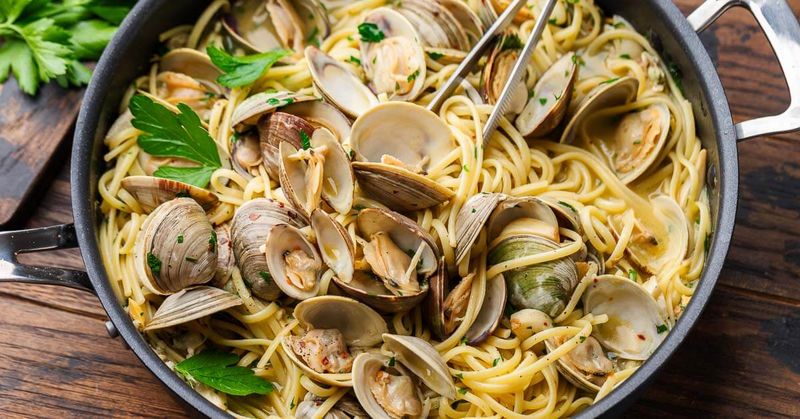
Fishermen along Italy's coastline created this harmonious pasta dish featuring briny clams, garlic, white wine and parsley. The secret lies in cooking linguine al dente, then finishing it in the clam sauce.
Two versions exist - bianco (white) with olive oil and wine, or rosso (red) with tomatoes. Purists insist the clams must steam open naturally - any unopened shells indicate they're not fresh!
12. Risotto Alla Milanese
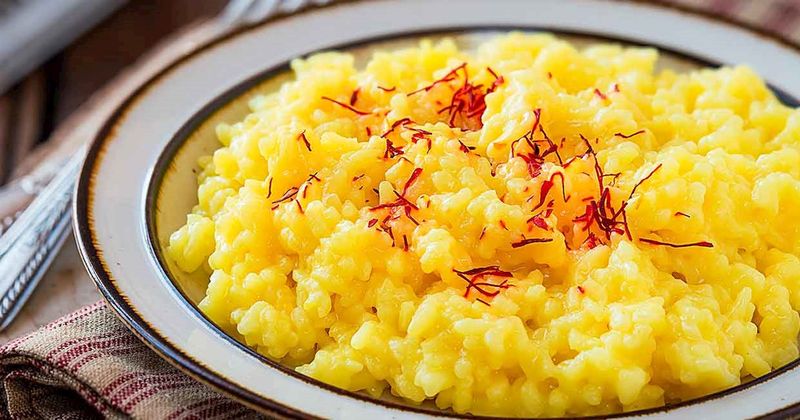
Legend claims this saffron-infused masterpiece was created in 1574 by a stained-glass artist who added the precious spice to rice as a joke. The resulting golden dish became Milan's signature offering.
Proper Milanese risotto demands constant attention - the rice must be toasted in butter, then slowly cooked with ladlefuls of hot broth until reaching a flowing, wave-like consistency Italians call 'all'onda'.
13. Lobster Risotto
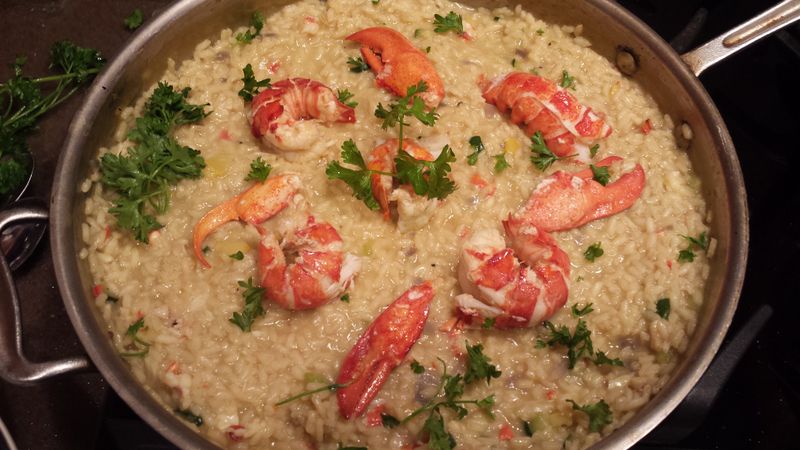
Fishermen's families along Italy's Adriatic coast created this indulgent dish for special celebrations. Sweet lobster meat gets folded into creamy risotto infused with its shell-enriched broth.
Traditional preparation involves using every part of the lobster - the shells create an intensely flavoured stock while the tender meat is added at the end. A splash of brandy or cognac adds sophisticated depth.
14. Pizza Napoletana
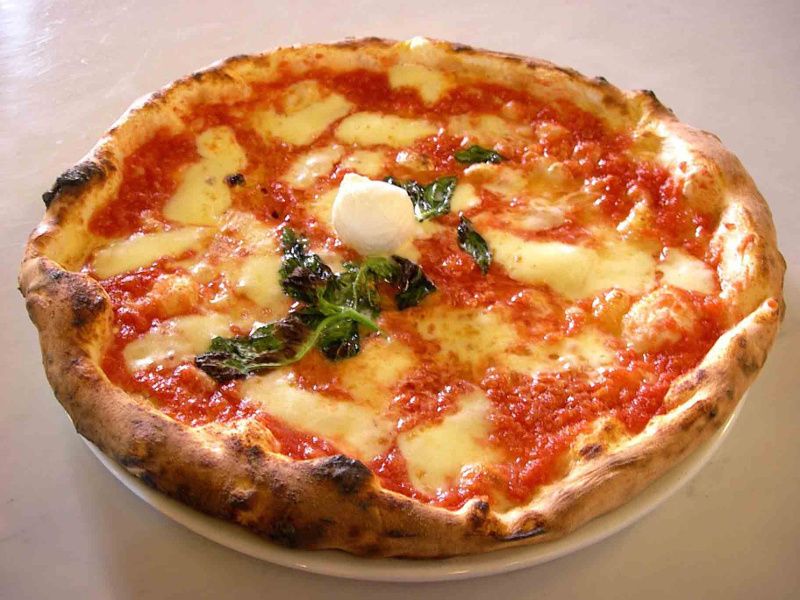
Naples' iconic creation features a cloud-like dough with a pillowy rim and paper-thin centre. Topped simply with San Marzano tomatoes, buffalo mozzarella, fresh basil and olive oil.
So important is authentic Neapolitan pizza that Italy secured UNESCO cultural heritage status for it in 2017! True Pizza Napoletana must be cooked for exactly 60-90 seconds in a 485°C wood-fired oven.
15. Arancini
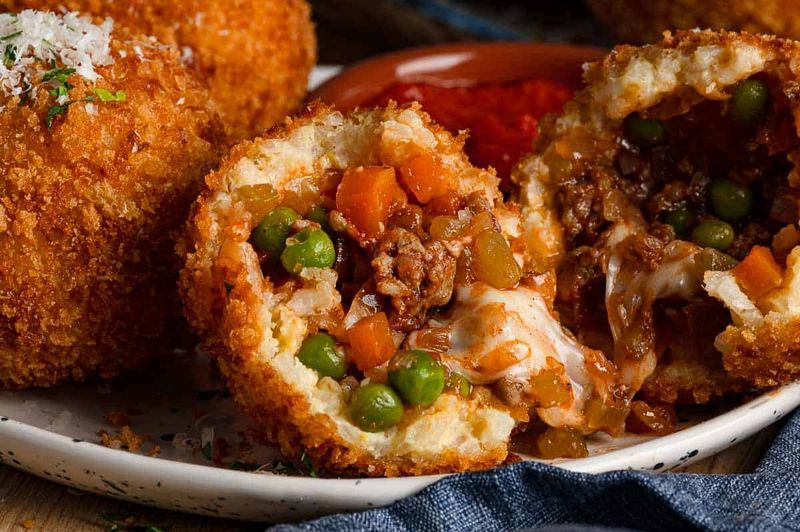
These crispy saffron-scented rice balls hide delicious surprises within - traditionally ragù with peas or molten mozzarella. Their name means 'little oranges', referring to their golden-fried appearance.
Dating back to 10th century Arab-ruled Sicily, arancini were created as portable meals for hunters. Regional variations abound—Syracuse makes them pointed to represent Mount Etna, while Palermo prefers perfect spheres!
16. Fritto Misto
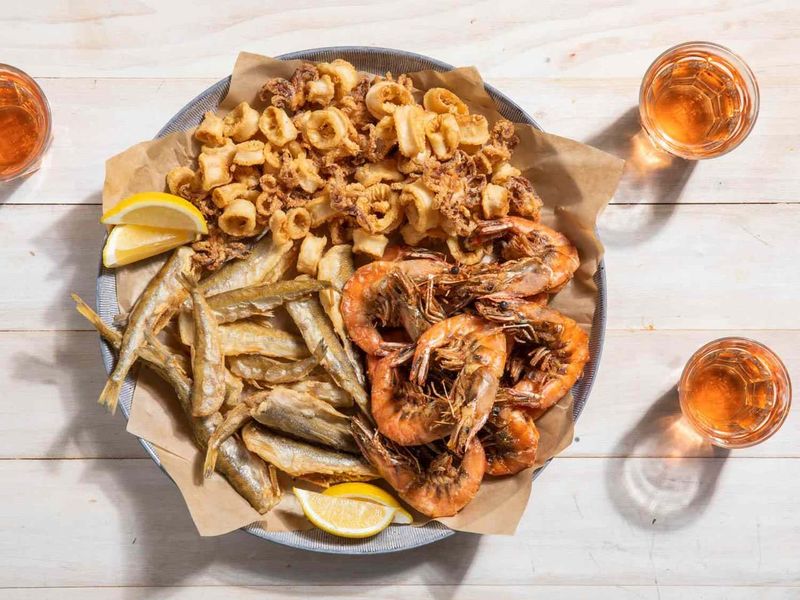
Coastal Italian fishermen created this mixed fried seafood platter to use smaller catches that couldn't be sold. Light batter coats tender squid rings, prawns, and small fish before flash-frying to crispy perfection.
The secret lies in the batter, often just flour and sparkling water, and oil temperature. Served with lemon wedges and sometimes vegetable additions like artichokes or zucchini flowers.
17. Saltimbocca Alla Romana
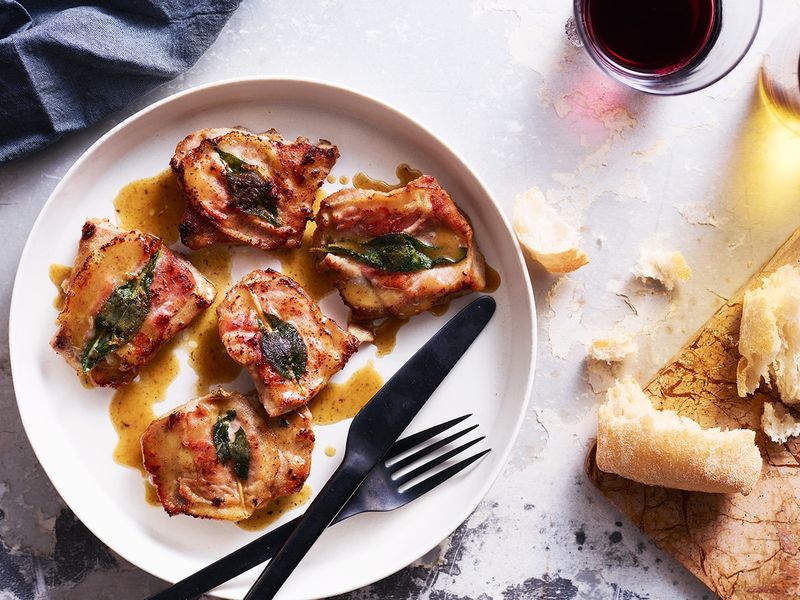
The name means 'jumps in the mouth' for good reason - this Roman specialty combines veal escalopes, prosciutto and sage leaves pan-fried in white wine. The flavours meld into an irresistible combination.
Traditionally secured with toothpicks before cooking, authentic saltimbocca requires just seconds of cooking on each side. The final wine reduction creates a silky sauce that perfectly complements the tender meat.
18. Ossobuco Alla Milanese
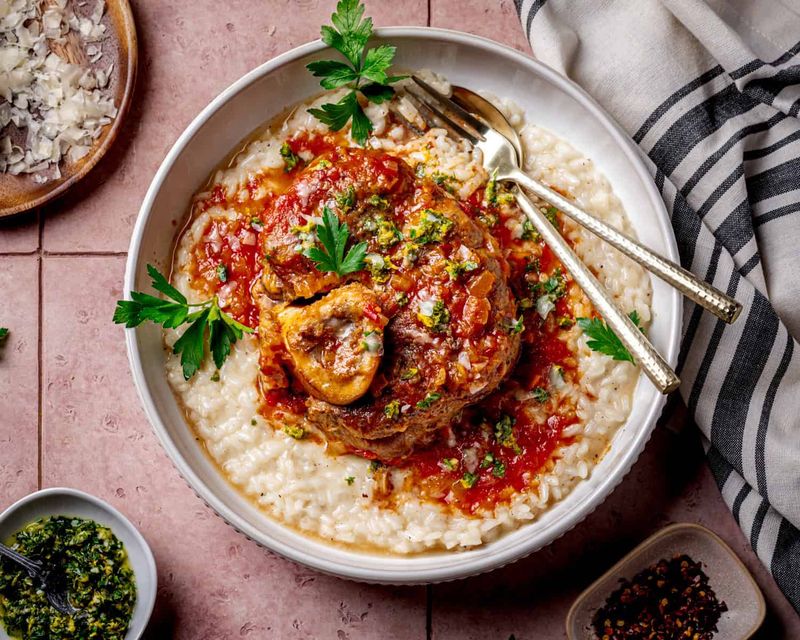
Milan's signature dish features cross-cut veal shanks slow-braised until fork-tender in white wine, vegetables and broth. The crowning glory? The marrow inside the bone - 'osso buco' literally means 'bone with a hole'.
Traditionally topped with gremolata (lemon zest, garlic and parsley) and served with saffron risotto. The gelatinous texture comes from collagen in the meat breaking down during the long cooking process.
19. Eggplant Parmigiana
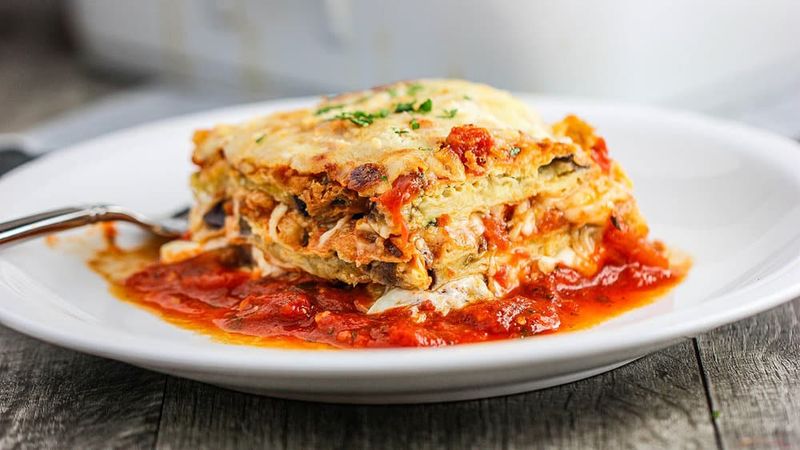
Southern Italian grandmothers have perfected this layered dish of fried aubergine slices, tomato sauce, mozzarella and Parmesan. Regional variations abound - Sicily adds hard-boiled eggs while Naples includes smoked scamorza cheese.
Despite the name, it likely originated in Sicily, not Parma! The key technique involves salting eggplant slices to draw out bitterness before frying them to golden perfection.
20. Panzanella
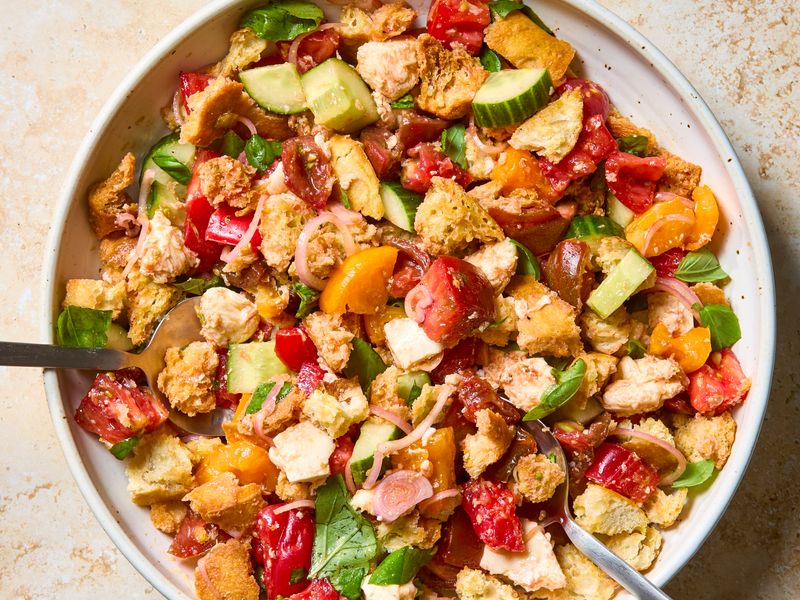
Tuscan farmers created this ingenious way to use stale bread by soaking it in water, then squeezing it dry before mixing with fresh summer vegetables. Ripe tomatoes, cucumber, red onion and basil get dressed with olive oil and vinegar.
Originally without tomatoes (which arrived in Italy in the 16th century), early versions featured just onions, cucumber and bread. The name comes from 'pane' (bread) and 'zanella' (deep plate).
21. Ribollita
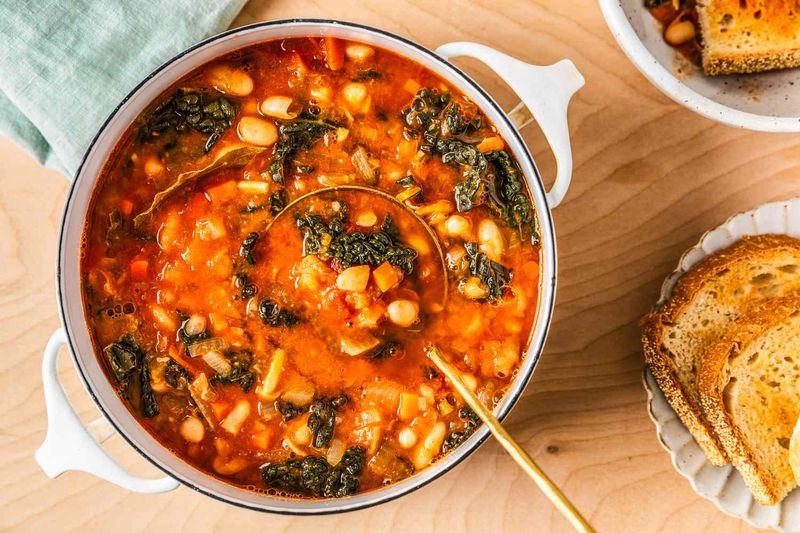
Tuscan peasants created this hearty soup by reheating ('ribollire') leftover vegetable soup with stale bread. Cannellini beans, cavolo nero (black kale), carrots, and onions form the nutritious base.
Traditionally made in large batches, it improves over several days as flavours meld. The authentic version requires specific seasonal vegetables and Tuscan olive oil drizzled generously before serving.
22. Cioppino
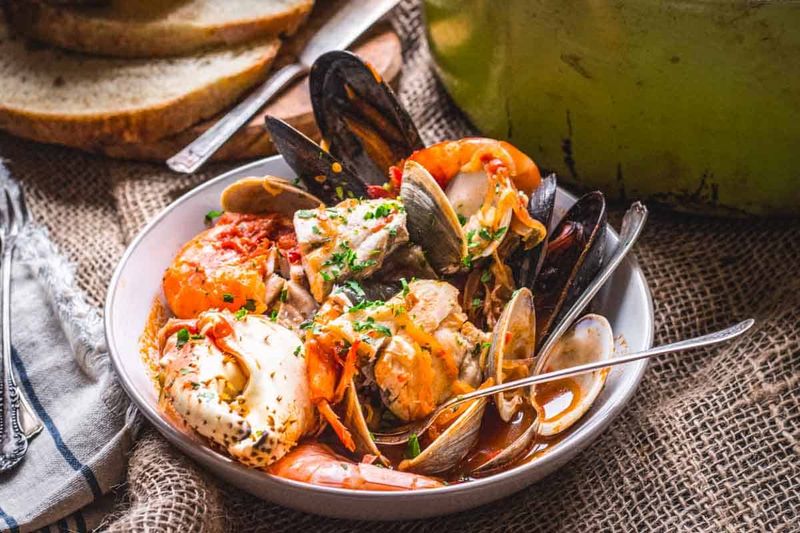
Italian-American fishermen in San Francisco created this tomato-based seafood stew from their daily catch. A fragrant broth of tomatoes, wine, fennel and saffron becomes the perfect bath for mixed seafood.
Despite its American birth, cioppino's roots lie in Genoa's ciuppin fish stew. The name likely comes from 'ciuppin' (to chop) in Genoese dialect, referring to the various chopped seafood in the pot.




Comments
No Comments